

Masking Tape in Hardware Tape



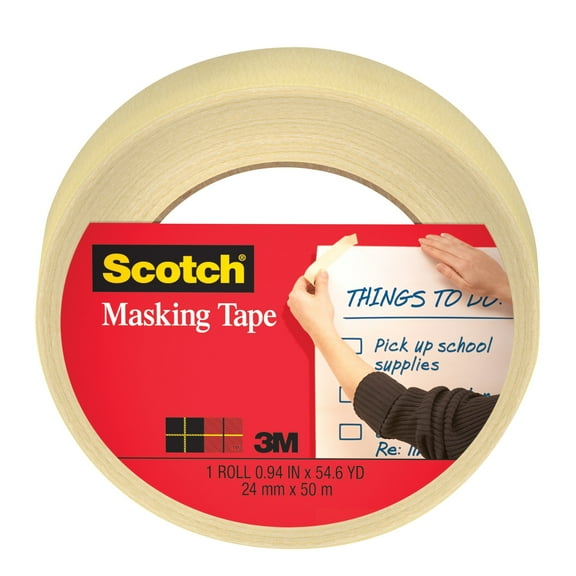
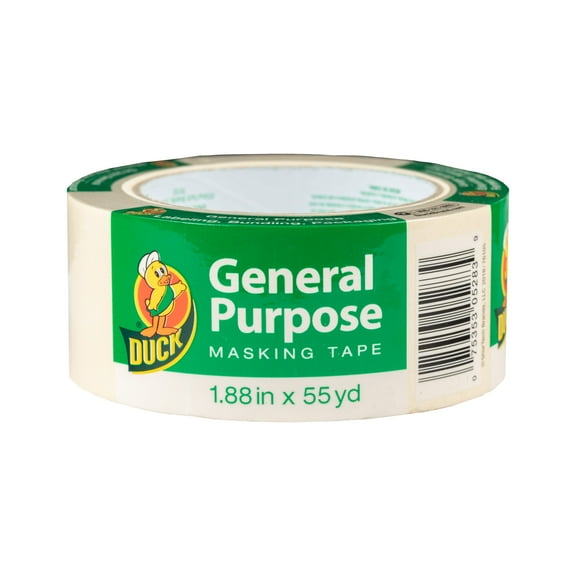
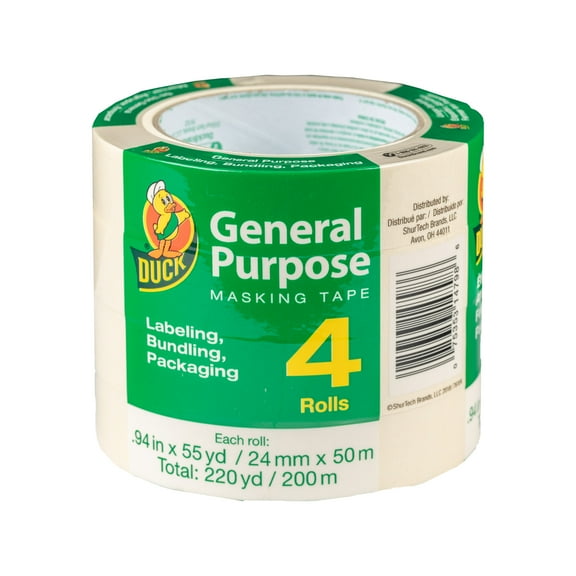










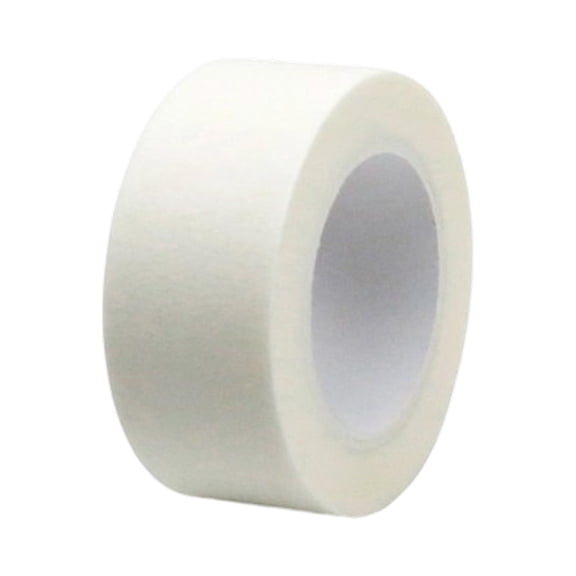


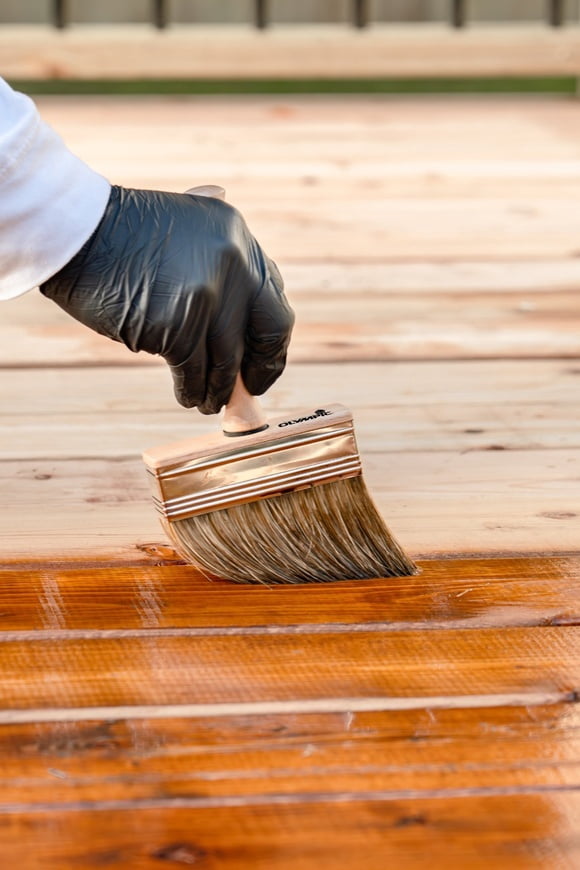


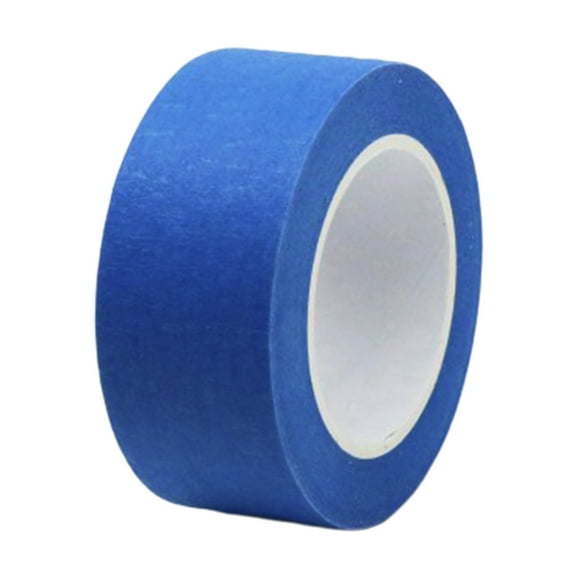


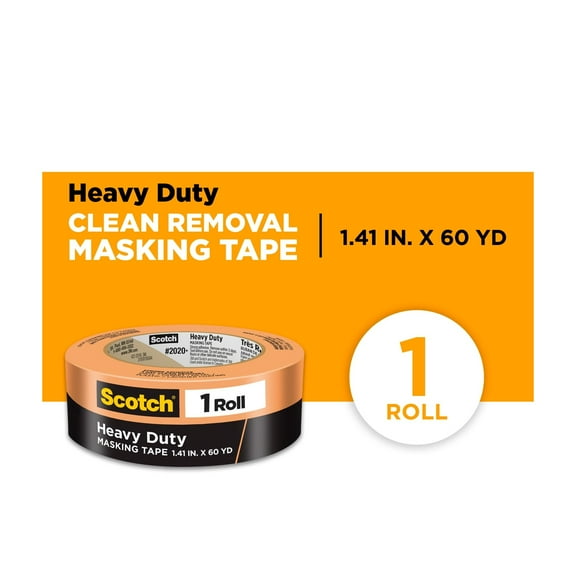

















About Masking Tape in Hardware Tape - Walmart.com
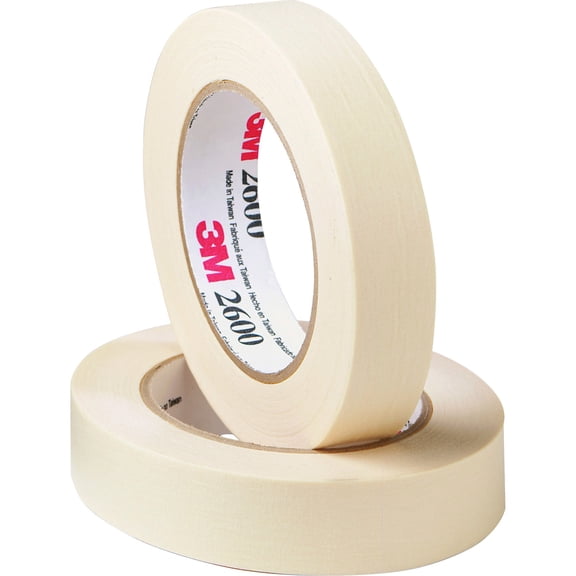
Masking tape helps you create clean lines, clear labels, and quick fixes across painting, crafting, and general utility projects. You can compare width, tack level, color, and removal time to match trim work, cartons, displays, or classroom tasks.
You’ll also find category choices that matter for real projects, including crepe paper backing texture and paint bleed control. Your decision is straightforward when you know which roll fits delicate walls, wide borders, color coding, or repeat jobs.
Choosing the right masking tape
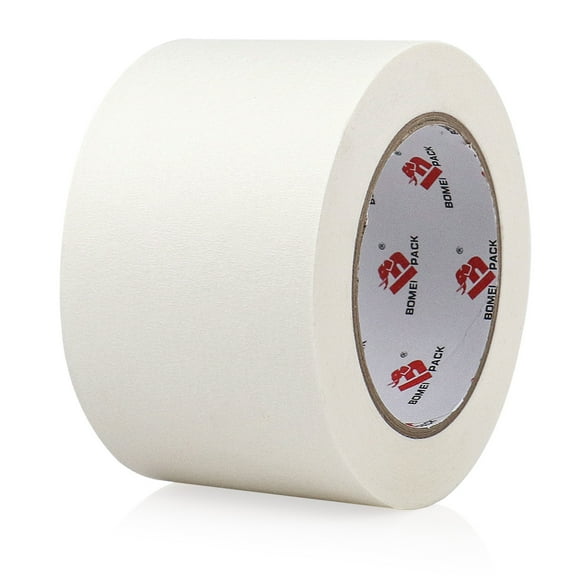
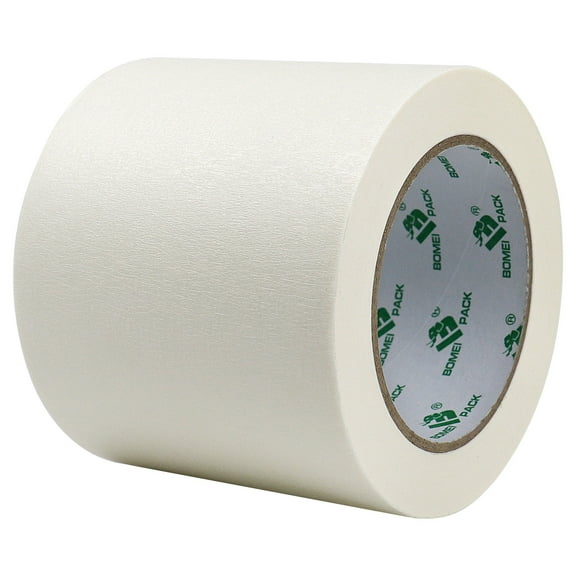
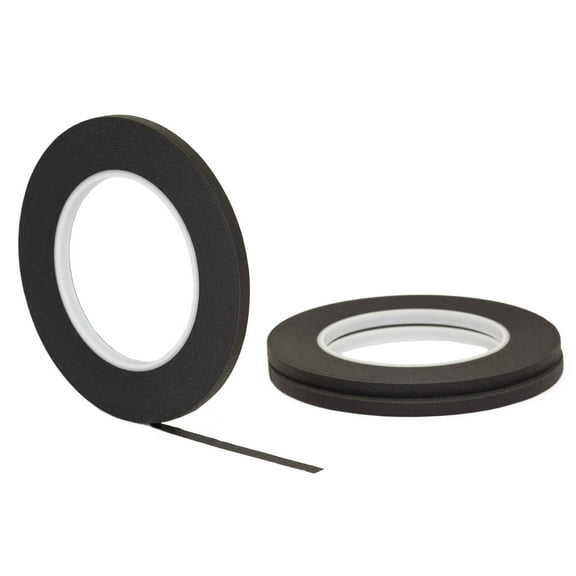
You should start with width because your project scale changes how easily you can place each strip. You’ll usually prefer narrower rolls for detail work and wider rolls for long borders.
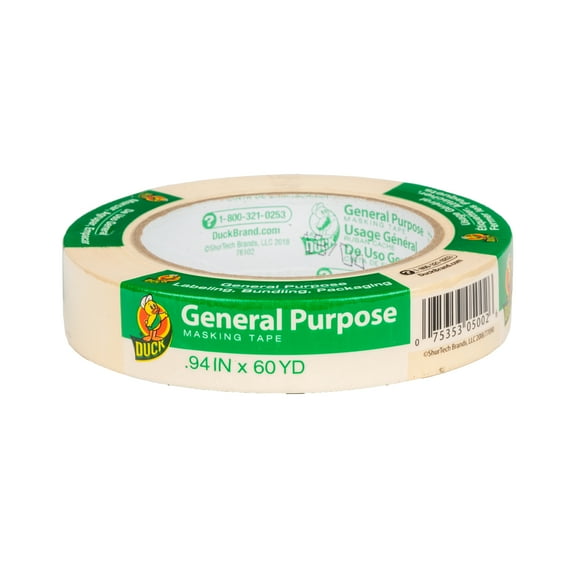
If you need 1 inch masking tape, you’ll get a versatile middle ground for everyday household and workshop tasks. You can use it for labels, medium trim sections, and quick covering jobs without handling extra bulk.
Your adhesive choice matters just as much as width because different surfaces release tape differently. You’ll often want low tack for delicate areas, medium tack for routine jobs, and heavy duty masking tape for tougher hold.
- You can use low tack options when your painted walls, paper, or light craft surfaces need gentler removal.
- You can choose medium tack rolls when your project needs balanced hold for general painting, labeling, or bundling tasks.
- You can pick high tack or heavy duty styles when your rougher surfaces need a firmer bond.
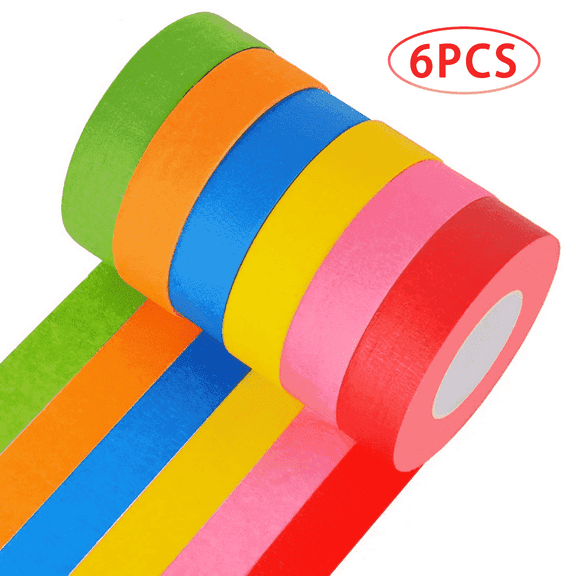
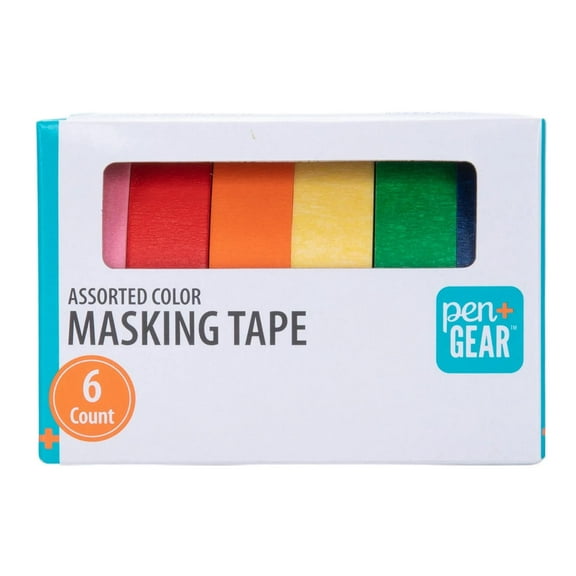
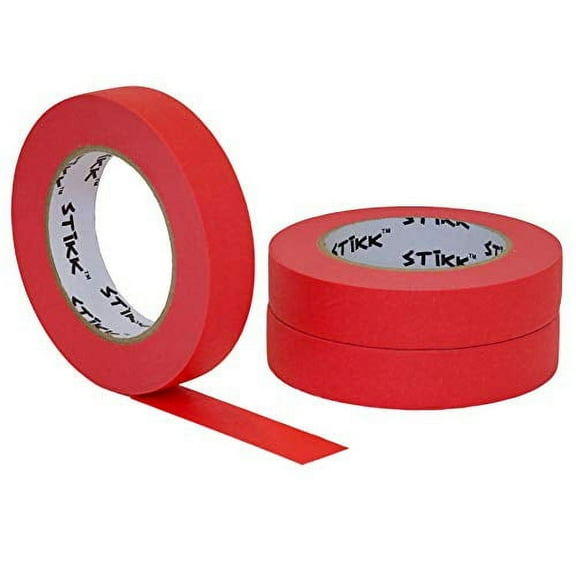
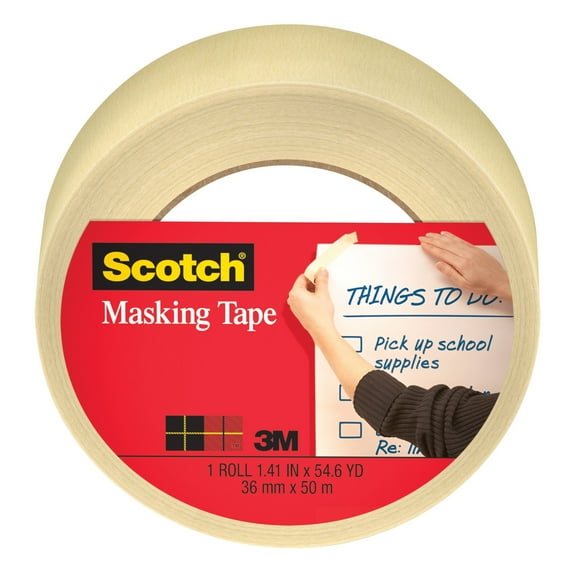
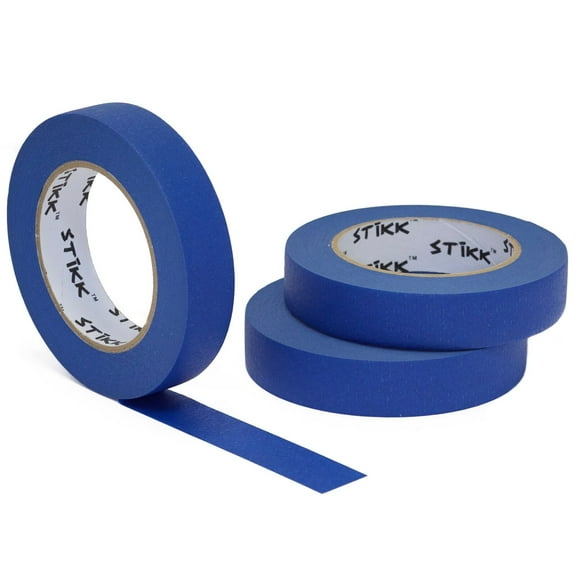
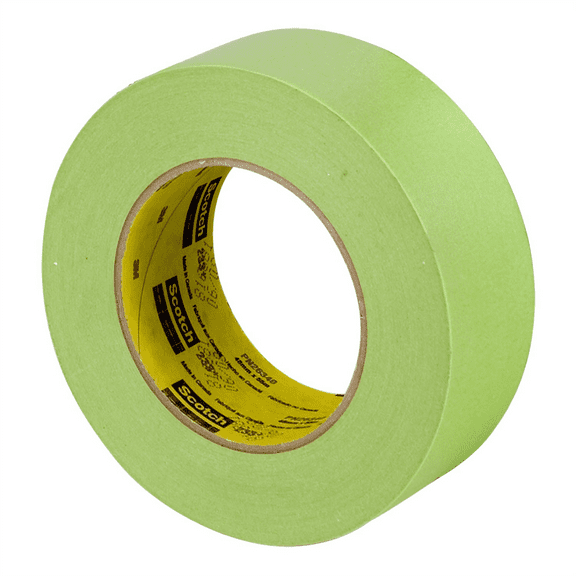
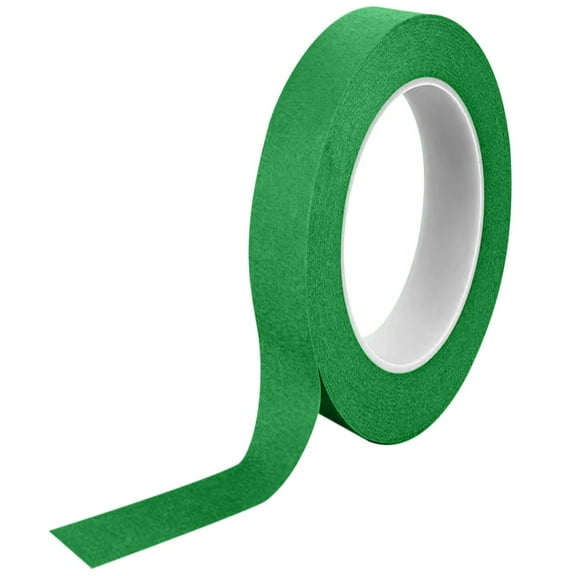
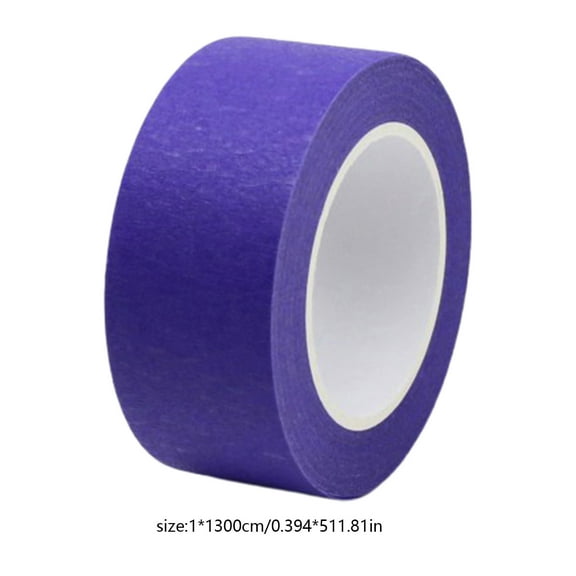
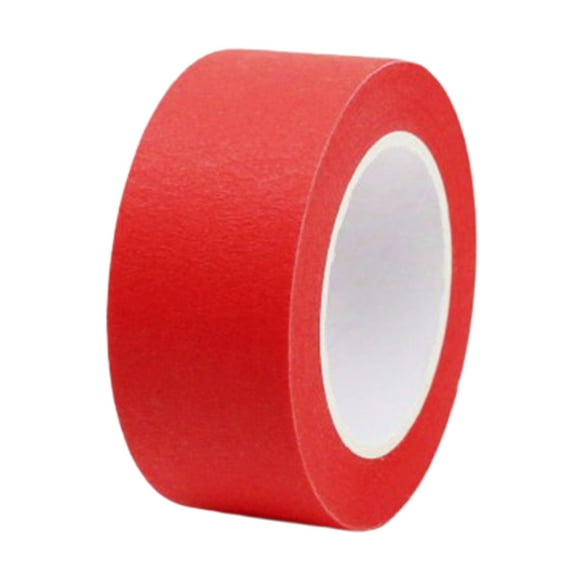
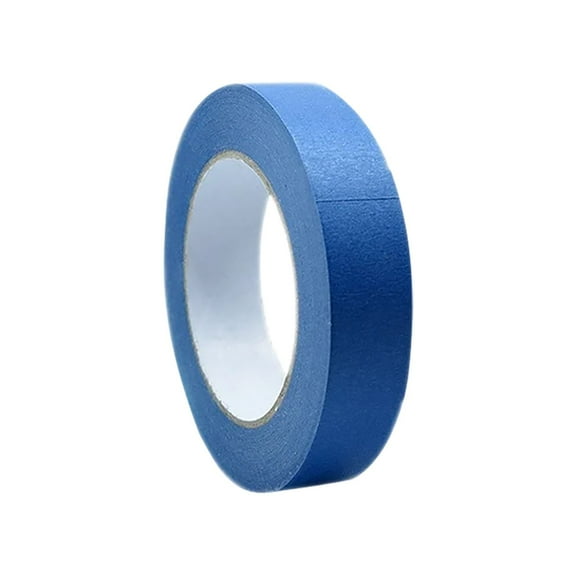
- You can select beige, blue, green, or multi-color rolls when your workflow needs sorting, coding, or surface-specific use.
Comparing painters masking tape by application
You’ll want painters masking tape when your project depends on sharp paint lines and clean edges around trim, baseboards, and window frames. You can compare removal timing and edge control details before starting your paint job.
If your project centers on crafting, you may prefer tape that tears easily by hand and follows curves or layered designs. You can also use colored masking tape to mark bins, classroom supplies, or temporary displays.
Your general utility tasks may call for a simpler everyday roll for bundling, labeling, or light holding power. You should match the tape to the surface so your finish stays neat after removal.
What to look for in surface compatibility
You should check surface compatibility first because clean removal masking tape performs differently on drywall, wood, glass, and metal. You’ll want to confirm how long the tape can stay in place before removal.
If you leave tape on for longer periods, your removal experience may change depending on the adhesive and the surface finish. You can avoid guesswork by comparing stated clean removal time for each project type.
You may also notice that crepe paper backing affects how the tape bends around corners and textured edges. You’ll benefit from that flexibility when your molding, frames, or curved craft pieces need smoother placement.
For paint projects, you should also compare edge-treatment details because they help limit paint seepage along the tape line. You’ll usually get cleaner borders when your tape lays flat and seals evenly.
Choosing width, color, and strength for your workflow
You can make quick choices by treating width, color, and tack level as a simple project guide. Your small detail work often fits 0.75 inch rolls, while large borders usually call for 2 inch or 3 inch widths.
If you need visual organization, colored masking tape helps you sort tasks, bins, zones, or stages at a glance. You can assign blue, green, beige, or multi-color rolls to different rooms, teams, or materials.
Your rougher repair or workshop jobs may need stronger adhesion and thicker handling feel during application. You’ll often reach for heavy duty masking tape when cardboard, unfinished wood, or uneven surfaces need more grip.
When you buy bulk masking tape, you can keep common widths and colors ready for repeated use across classrooms, offices, and busy work areas. You’ll spend less time searching for the right roll during ongoing projects.
Checking indoor and outdoor project needs
You should compare indoor and outdoor conditions before choosing a roll for longer projects. Your tape may need added UV resistance or weather-focused construction when sunlight and changing conditions affect your project.
For indoor painting, you’ll often prioritize clean edges, easy hand tearing, and removal timing that fits your schedule. You can choose multi surface masking tape when your room includes trim, glass, and painted walls.
If your task moves outside, you should check whether the tape is designed for exterior exposure. You’ll want that added durability when your project includes windows, doors, railings, or outdoor signs.
Why the right masking tape matters
You get cleaner paint lines, clearer labels, and smoother project flow when your masking tape matches the surface, width, and hold you need. You can finish with less touchup and more control from the first strip.
Your results improve when you compare clean removal time, crepe backing flexibility, and tape width before you start. You’ll feel more confident with a roll that fits your exact project from edge to finish.