

Magic Tricks in Novelty Toys

















About Magic Tricks in Novelty Toys - Walmart.com
Magic tricks help you turn simple props into fun performances at home, parties, and school events. You can compare skill levels, trick types, and magic kits to match your age, practice time, and audience.
How to choose magic tricks by skill level
If you're starting out, easy magic tricks give you quick wins and clear steps. You can learn simple reveals, vanish effects, and beginner routines without complex setup.
As you compare beginner, intermediate, and advanced options, check how much practice each routine needs. You'll want shorter learning curves for first performances and longer routines for growing skills.
For kids, you should look for larger props and easy-to-read instructions. You'll also want effects that reset fast, so you can perform again without much delay.
What to look for in magic kits and formats
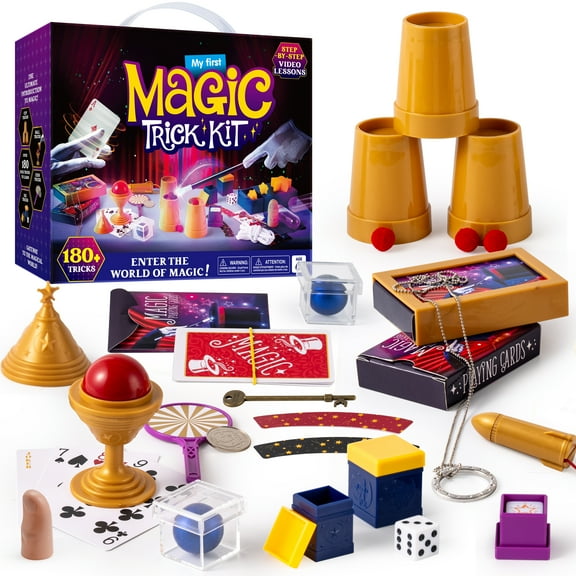
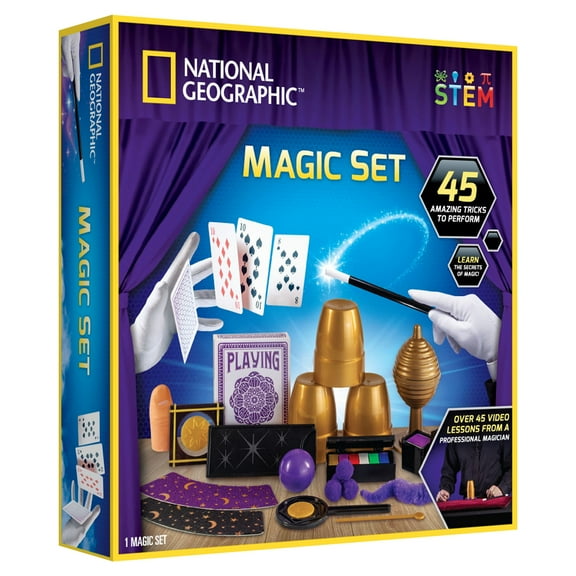
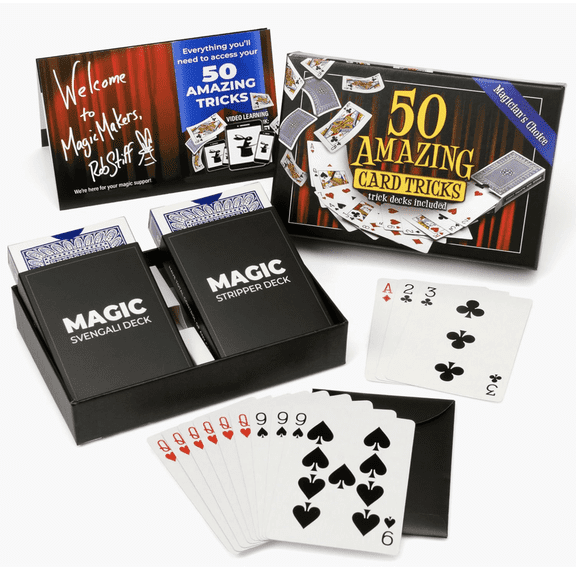
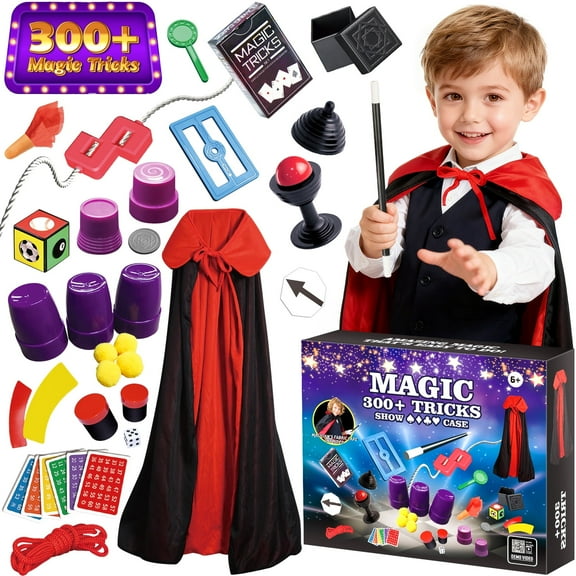
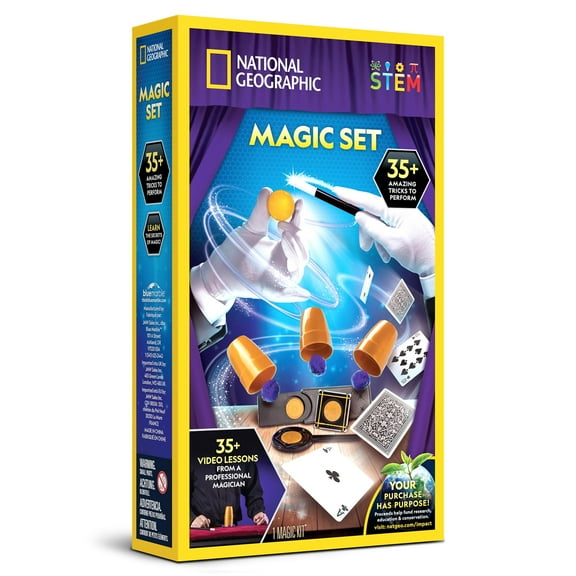
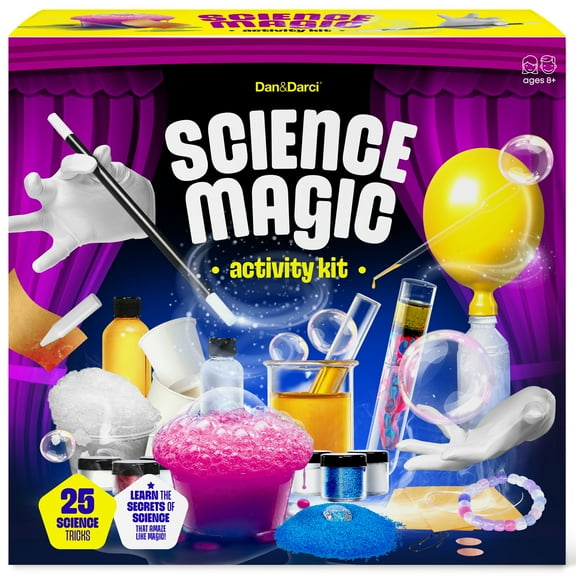
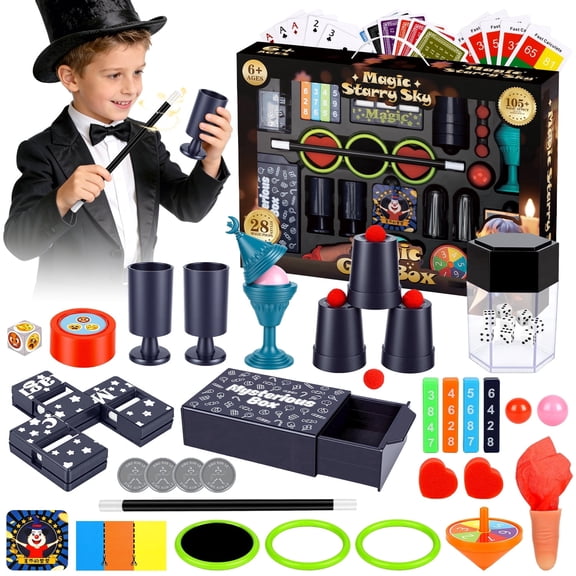
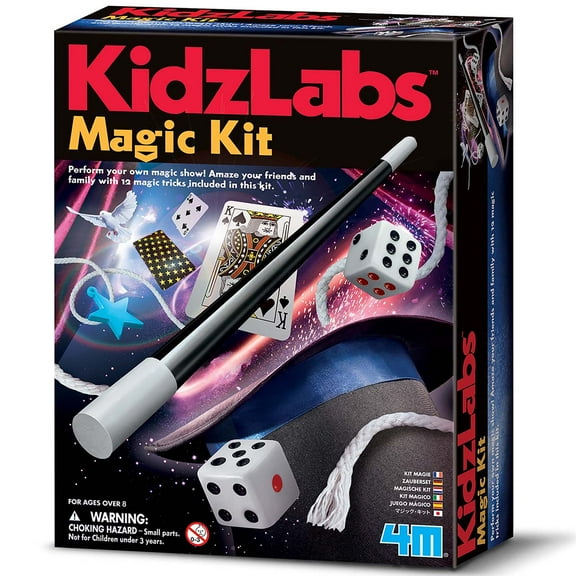
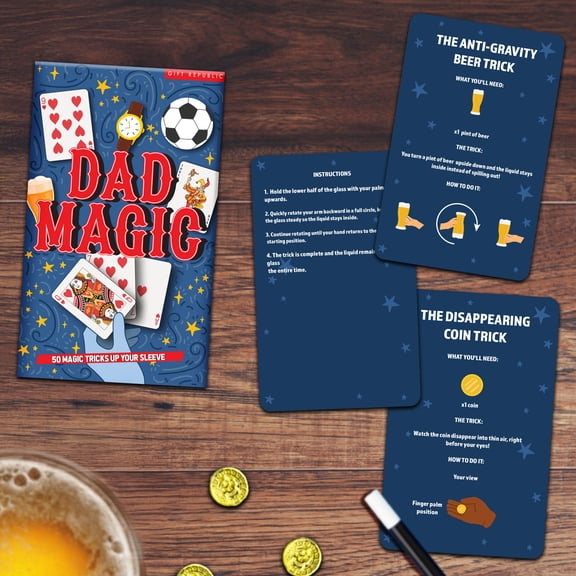
Magic kits work well when you want several tricks in one box. You can often start with coordinated props, printed guides, and sometimes video support.
If you prefer building your own set, individual props let you focus on one effect at a time. You'll find that approach useful when you want to practice card tricks or coin tricks more deeply.
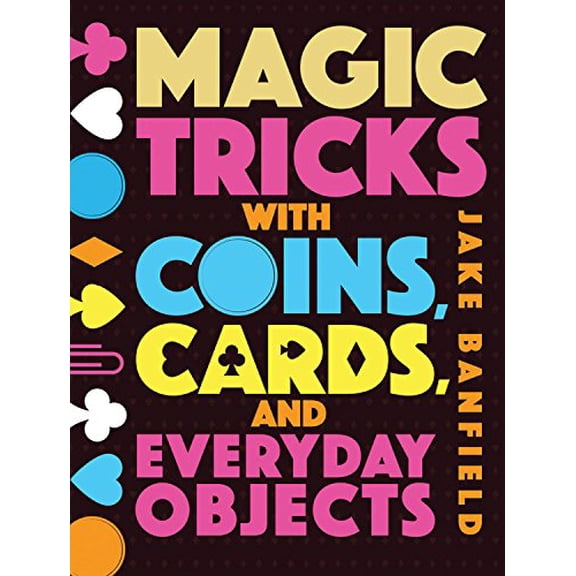
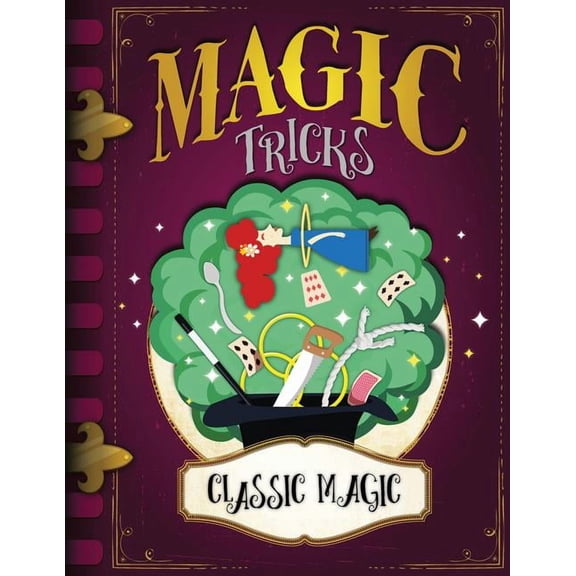
Instructional books can help when you want a wider range of routines and presentation tips. You should check whether lessons use plain language and step-by-step illustrations you can follow easily.
- You can choose magic kits when you want multiple props and guided practice.
- You can pick individual props when you want to master one routine at a time.
- You can use instructional books when you want broader technique and performance ideas.
- You should compare printed manuals and video lessons before you choose.
Choosing trick types for your performances
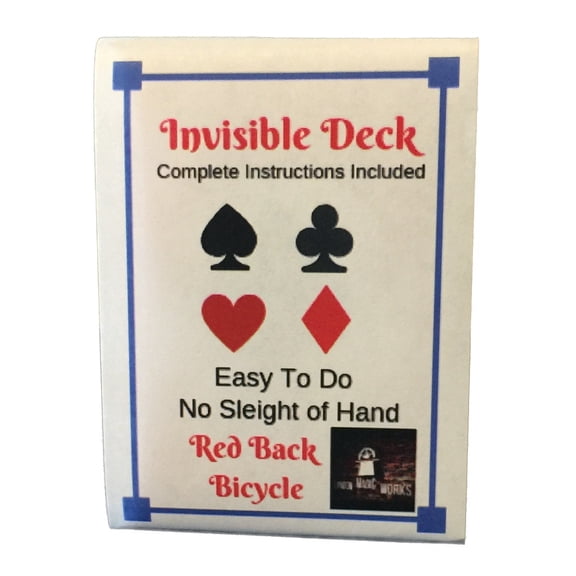
Card tricks are useful when you want portable routines that fit in a pocket. You can practice shuffles, reveals, and prediction effects almost anywhere.
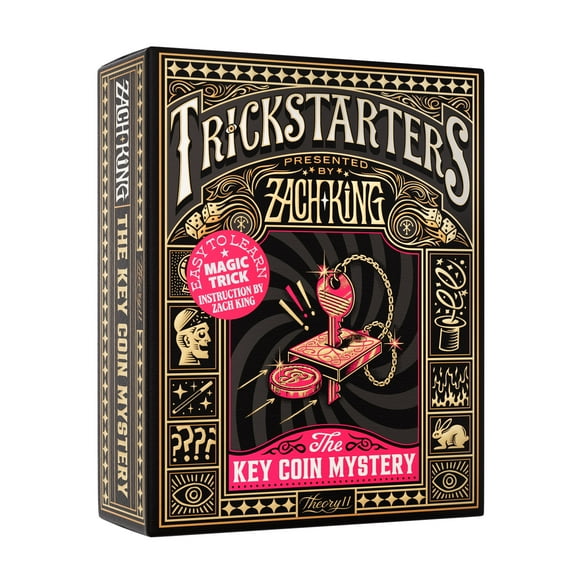
Coin tricks suit you if you want compact props and close-up performances. You'll notice they work well at tables, family gatherings, and quick demonstrations between activities.
Illusions often ask for more setup space and more practice time. You should consider them when you want a bigger visual moment for birthdays, classrooms, or group events.
Mind reading style routines can give you a strong reaction with minimal props. You can compare these effects carefully if you want more presentation and less equipment.
How to compare included props and instructions
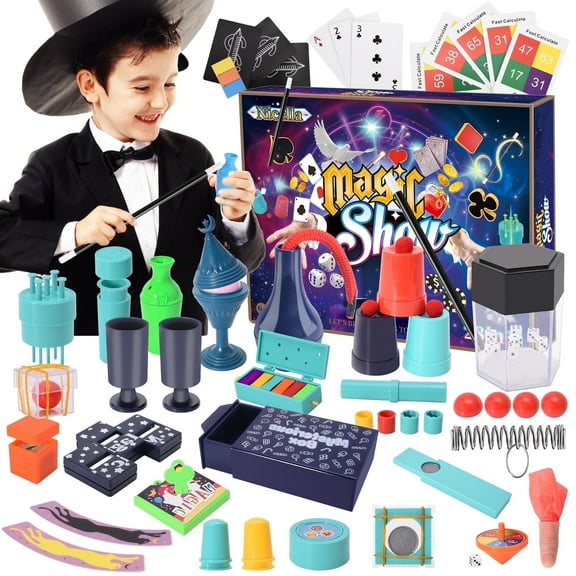
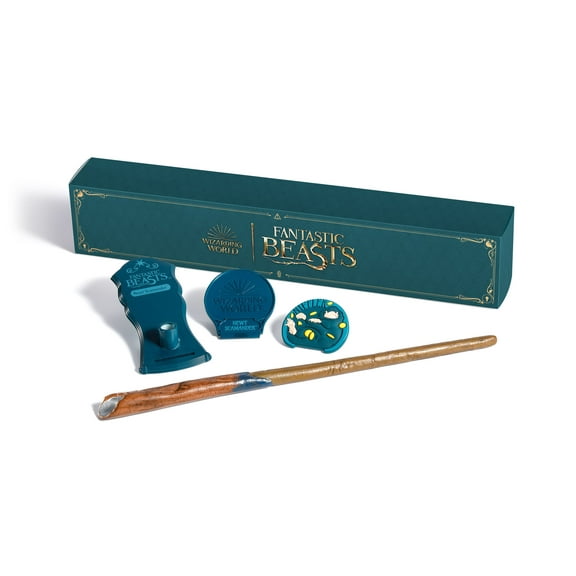
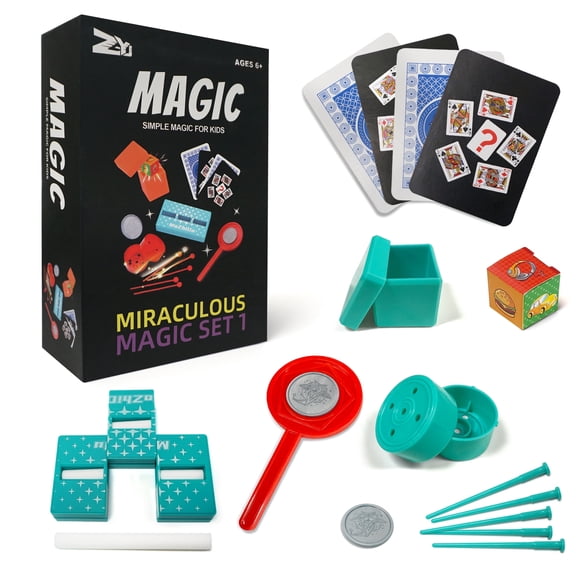
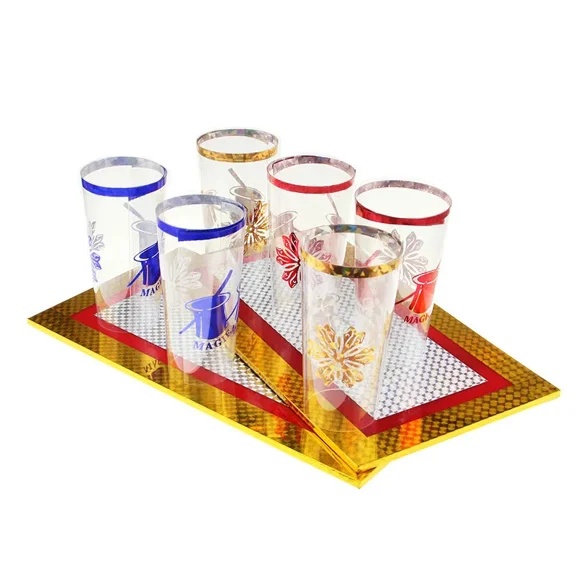
Before you choose, check what physical items come in the package. You should look for cards, coins, cups, wands, scarves, or other magic props listed clearly.
You'll also want to see whether instructions are printed, illustrated, or video-based. Clear directions can help you understand setup, practice steps, and performance flow faster.
If you want instant play, look for tricks with short reset times and simple preparation. If you enjoy practicing, you can consider routines with more steps and staged reveals.
Some sets focus on ready-to-perform pieces, while others teach techniques you build over time. You should match that difference to your patience level and your performance goals.
Magic tricks for kids, teens, and adults
Magic tricks for kids usually work well when you want simple handling and quick results. You can use them for party favors, rainy days, or after-school fun.
Teens may want routines that feel polished and social, especially for small groups. You can compare card tricks, coin tricks, and mind reading effects for that mix.
Adults often look for routines that reward practice and presentation. You should consider advanced sequences, cleaner reveals, and props that support repeated performances.
If you're buying for mixed ages, beginner-friendly magic kits can keep learning straightforward. You'll have an easier time sharing instructions and practicing together as a group.
Using magic tricks for parties, gifts, and practice
You can use magic tricks for birthday parties, classroom talent moments, and holiday gift giving. They also fit stocking stuffers, christmas magic gifts, and themed party bags.
For halloween fun, you might choose spooky reveals, vanish effects, or surprise predictions. You can create a playful performance moment without needing a large stage.
If you're practicing at home, shorter routines can help you build confidence between performances. You can repeat moves, improve timing, and learn how to present each effect smoothly.
When you're ready for street magic style performances, compact props matter even more. You should look for portable pieces that fit easily in a pocket or small case.
Why this category works for new and growing performers
Magic tricks give you a clear path from easy routines to more advanced performances. You can start with simple props, follow clear instructions, and build a show that feels polished.
When you compare skill level, trick type, audience, and format, you can choose with more confidence. You'll end up with routines that fit your time, your space, and your performance style.