






Loose Leaf & Notebook Paper


























About Loose Leaf & Notebook Paper - Walmart.com
Loose leaf paper keeps school notes, office outlines, and daily lists organized in binders with clean page turns and easy refills. This category centers on binder-ready sheets, ruled options, and pack sizes that match classrooms, desks, and shared supply closets.
How to choose loose leaf paper
Start with the format name you see most often. Shoppers may search looseleaf paper, loose-leaf paper, notebook paper, or filler paper, but the decision points stay practical.
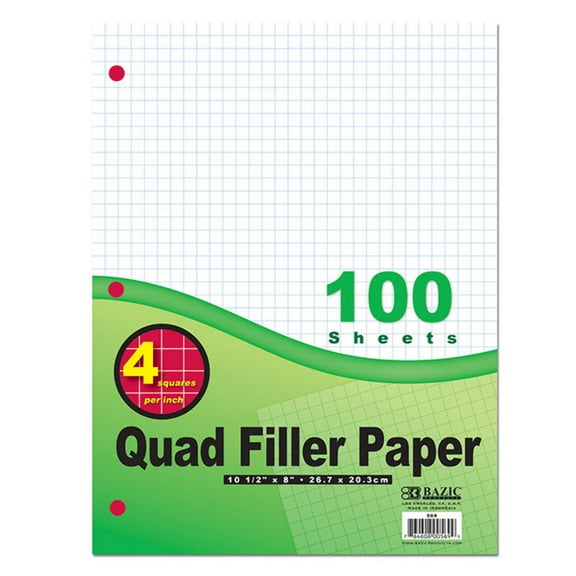
Compare ruling type, binder fit, pack size, and sheet construction before choosing. Those details affect handwriting space, page durability, and how often you need a refill.
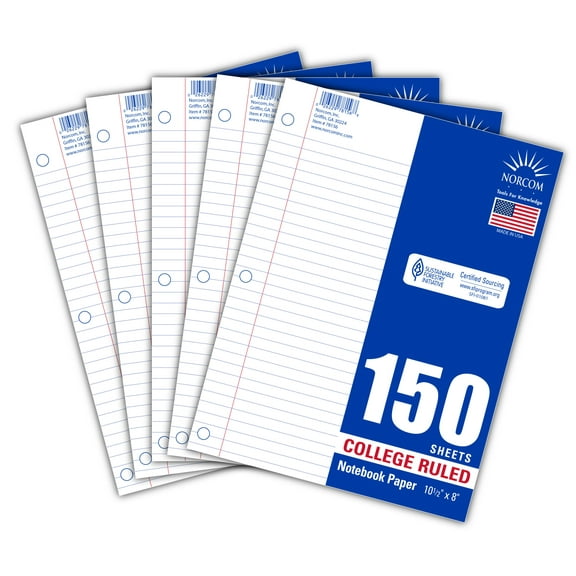
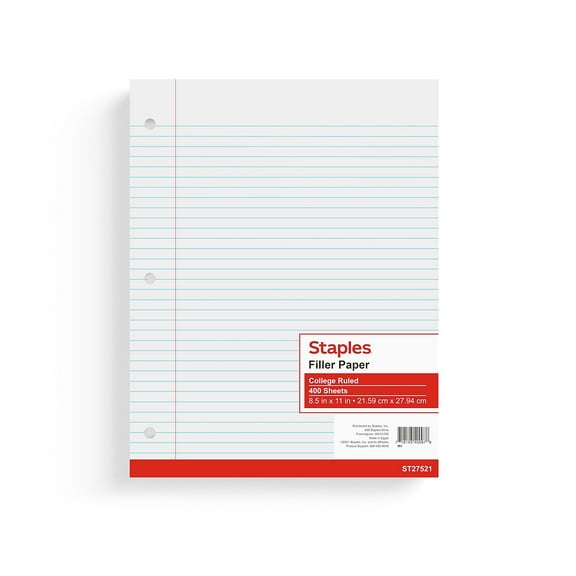
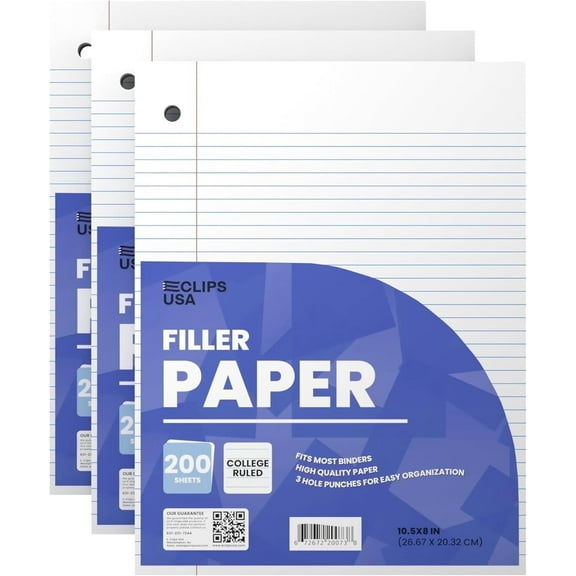
- College ruled gives you narrower lines for detailed notes and longer writing sessions.
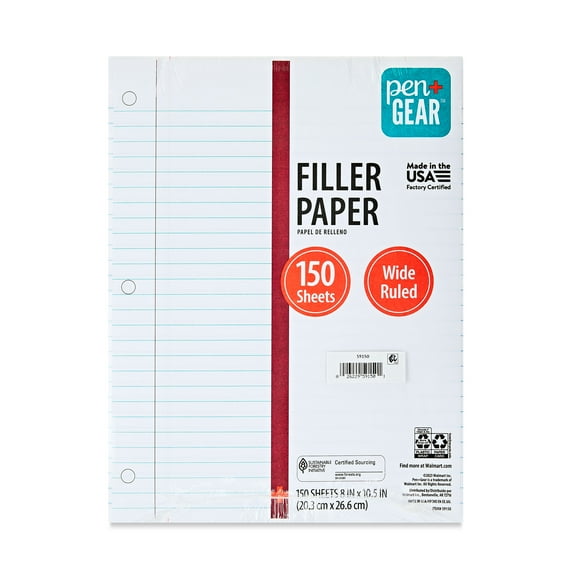
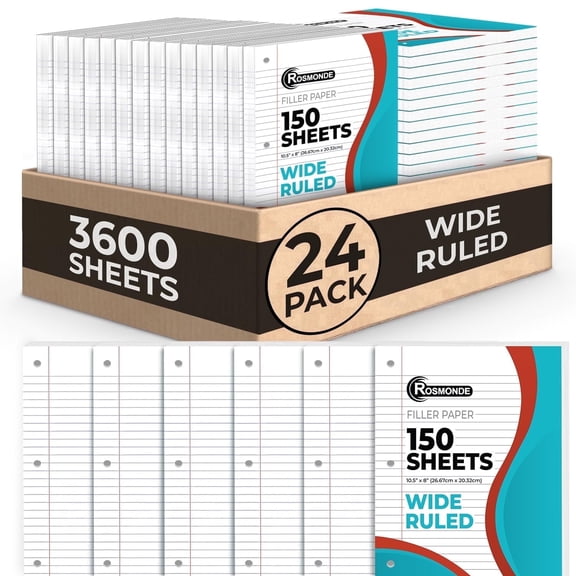
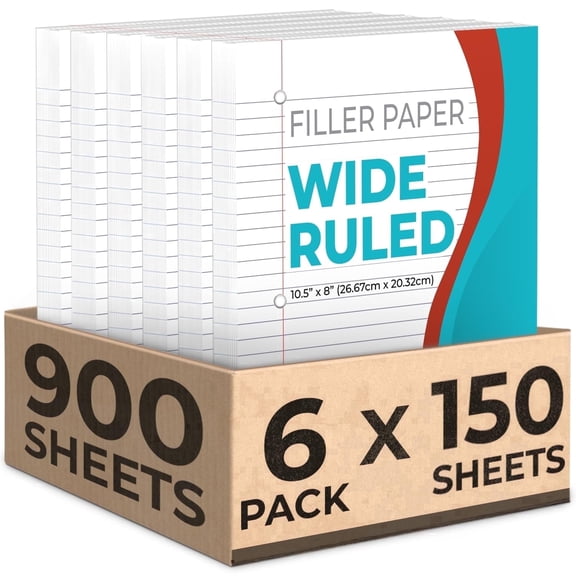
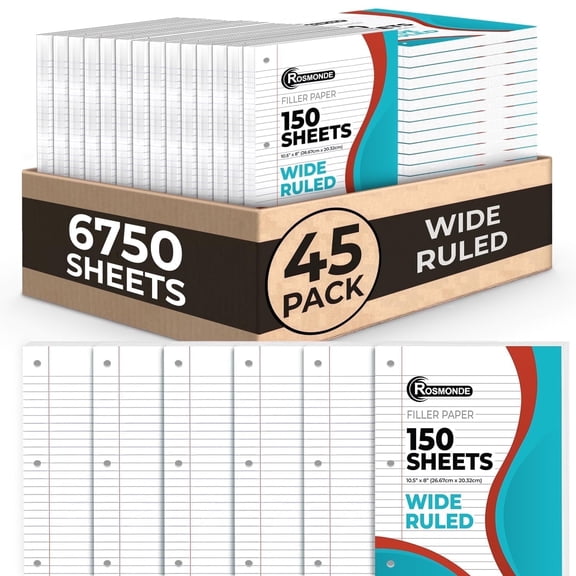
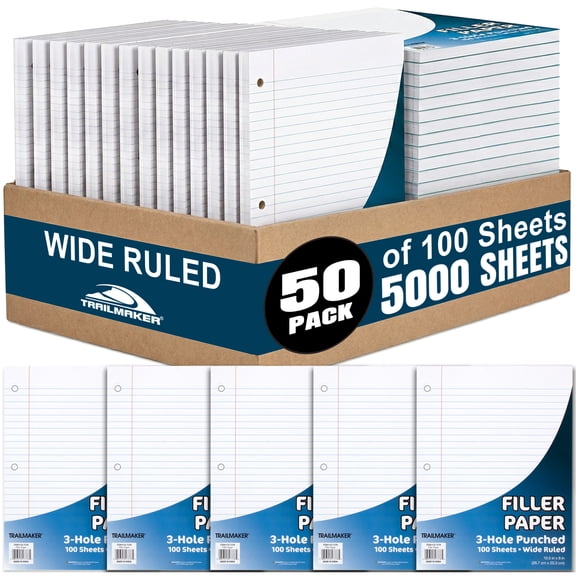
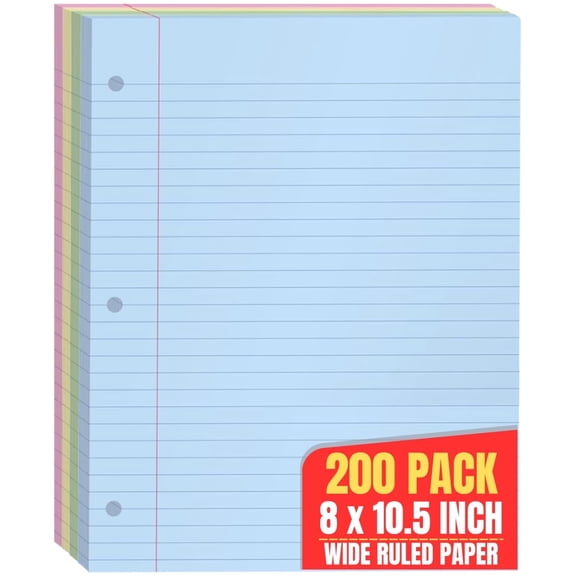
- Wide ruled leaves more space between lines for early writers and quick classroom work.
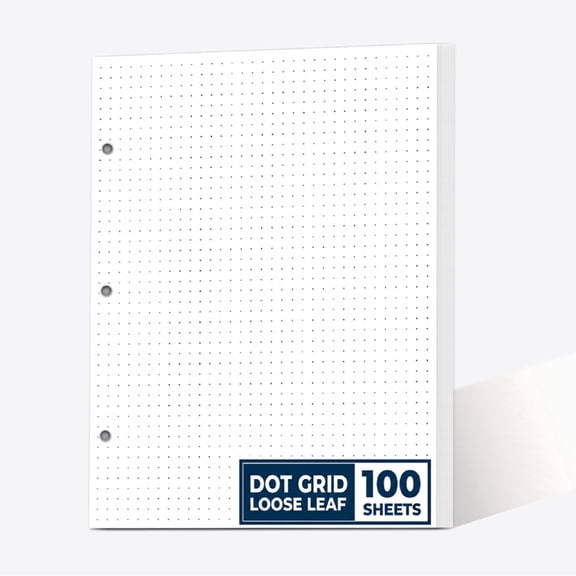
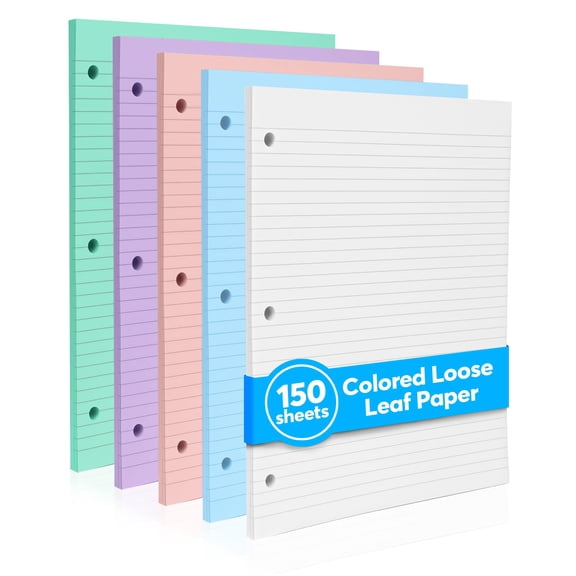
- Three-hole punched sheets fit many standard binders without extra prep.
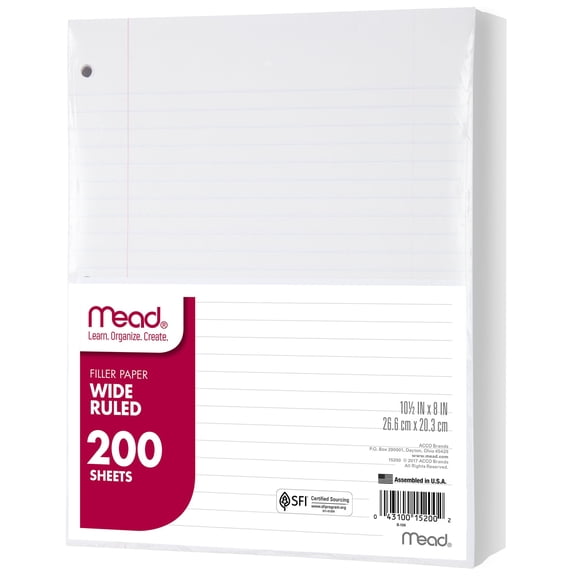
- Multi-pack and bulk notebook paper options support classrooms, offices, and shared home study areas.
Choosing ruling type and paper format
Ruling type changes how the page feels during note-taking. College ruled helps fit more lines on each sheet, while wide ruled gives handwriting more room.
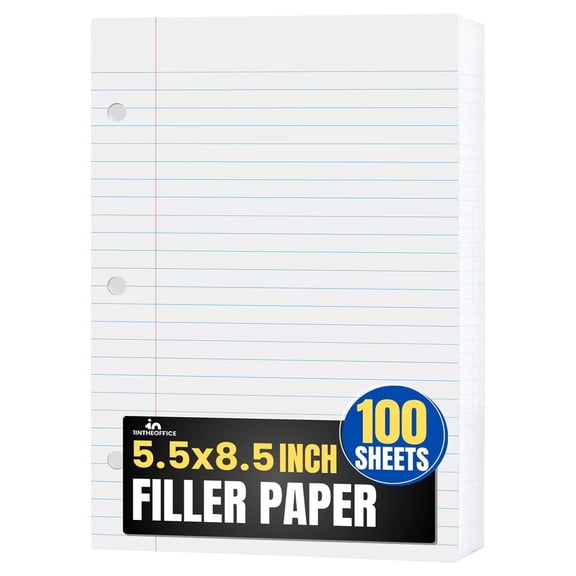
Some listings use ruled loose leaf paper as the main format term. Others use notebook loose leaf paper or filler paper when the sheets are made for binder refills.
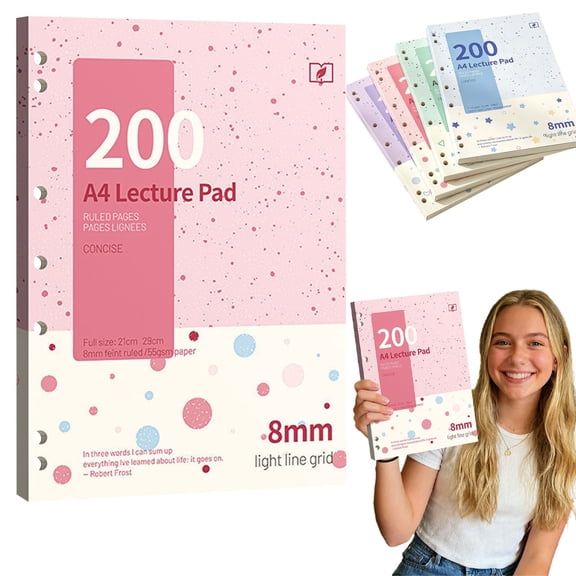
A loose leaf pad can work well when you want tear-out sheets kept together before use. Standard loose sheets of paper make it simple to sort subjects into separate binder sections.
Comparing pack size, binder compatibility, and construction
Pack size matters when you restock for one class, several kids, or a busy office cabinet. Single packs suit lighter use, while bulk notebook paper supports frequent writing needs.
Check whether the paper is three-hole punched for standard binder fit. That detail matters because pre-punched notebook sheet of paper goes straight from the package into class or meeting binders.
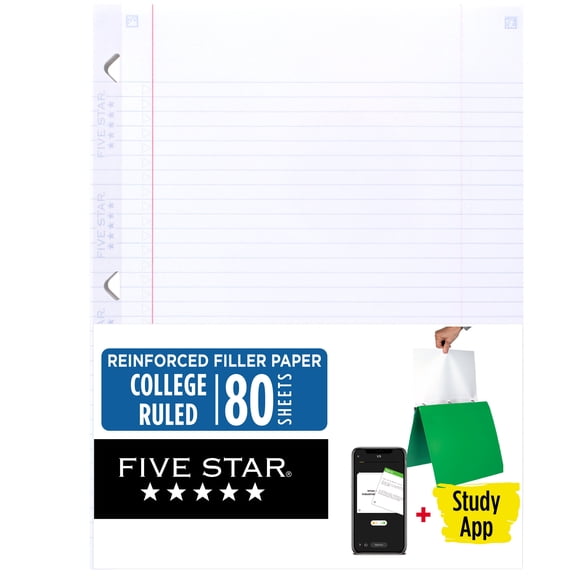
Construction also changes daily handling. Standard sheets cover everyday writing, reinforced paper adds strength around the punched edge, and filler pad formats keep pages grouped until needed.
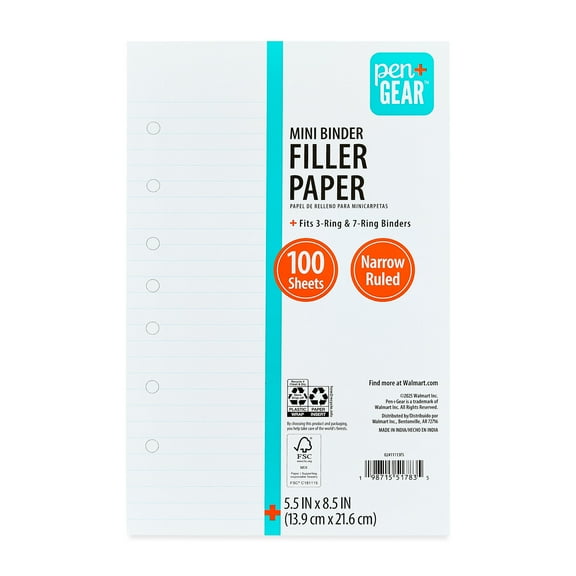
Look for sheet counts that match your routine. Smaller counts are easy to carry in backpacks, while larger counts reduce refill trips during long school terms.
Matching loose leaf paper to school, homework, office, and note-taking
For school, compare ruling style with grade level and handwriting preference. Wide ruled pages often suit early writing practice, while college ruled supports denser lecture notes.
Homework setups usually benefit from notebook paper that moves easily between folders and binders. Reinforced edges can help pages stay aligned through repeated opening and closing.
Office use often calls for neat outlines, meeting notes, and printed handouts stored in one place. Loose paper with standard binder fit keeps reference sections easy to reorder.
At home, note-taking may include lists, schedules, and study reviews across several subjects. Multi-pack filler paper helps maintain separate binders for each project without mixing pages.
Classroom supply planning often favors bulk formats because teachers and students use pages quickly. Bulk notebook paper also makes sense for tutoring spaces and shared homework stations.
What to look for before choosing notebook paper
Measure your binder size and confirm the hole pattern before buying. Standard binder fit is one of the clearest ways to avoid paper that needs extra punching.
Consider how you write throughout the day. Smaller handwriting pairs well with college ruled sheets, while larger lettering often feels clearer on wide ruled pages.
Compare whether you want loose sheets, a filler pad, or reinforced paper. Each option supports a different routine for storage, carrying, and frequent page turning.
Also check pack count against how often you refill. A single pack works for light note-taking, while multi-pack formats support semester-long classes or office teams.
Loose leaf paper FAQs
Loose leaf paper is binder-ready writing paper sold as individual sheets or grouped refill formats. It usually comes ruled and pre-punched for notebook and binder organization.
College ruled and wide ruled differ by line spacing. College ruled fits more writing per page, while wide ruled leaves more room between lines.
Many options fit standard three-ring binders. Check the listing for three-hole punched details, reinforced edges, and sheet count so the format matches your setup.
With the right ruling, fit, and pack size, loose leaf paper keeps notes orderly, pages accessible, and refills simple across school, home, and office routines.