

Laundry Sinks in Utility Fixtures








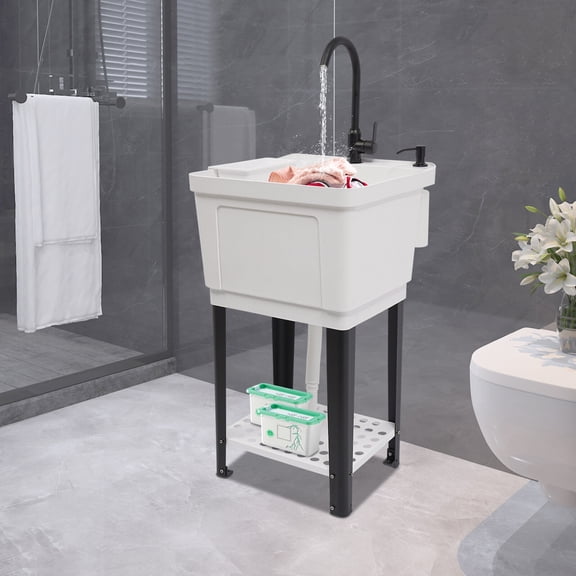
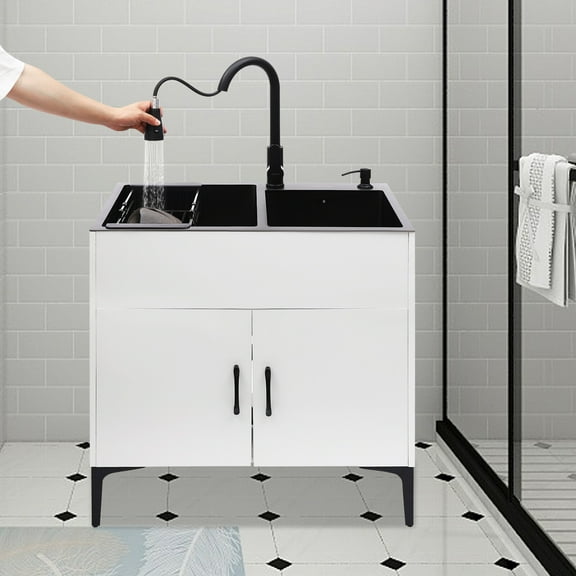


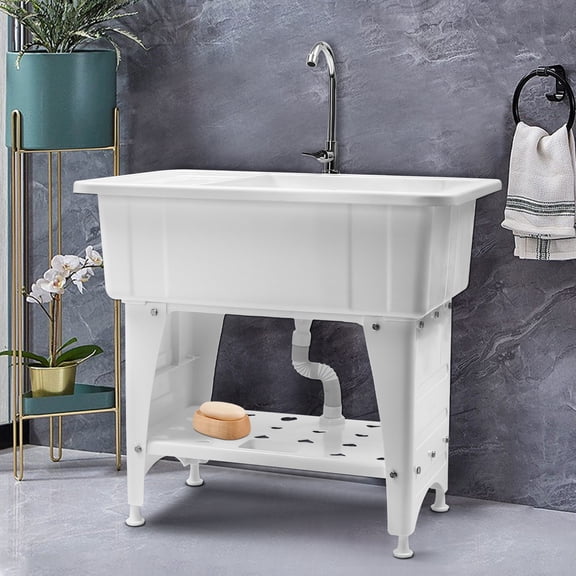


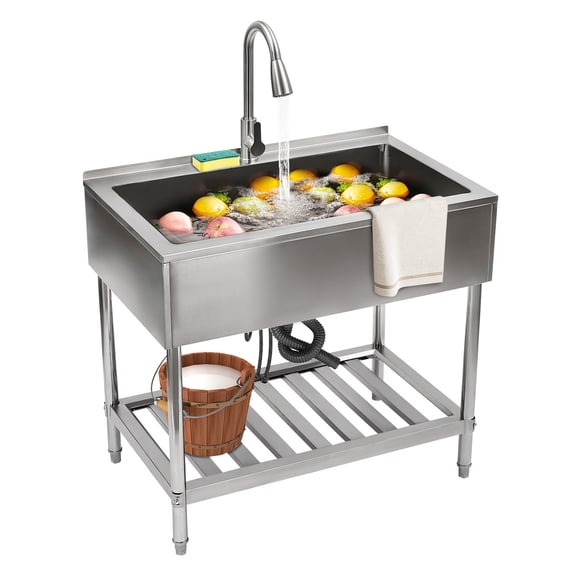





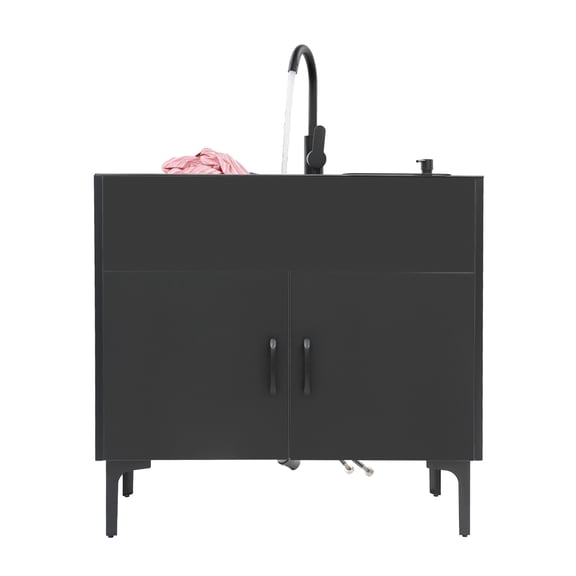


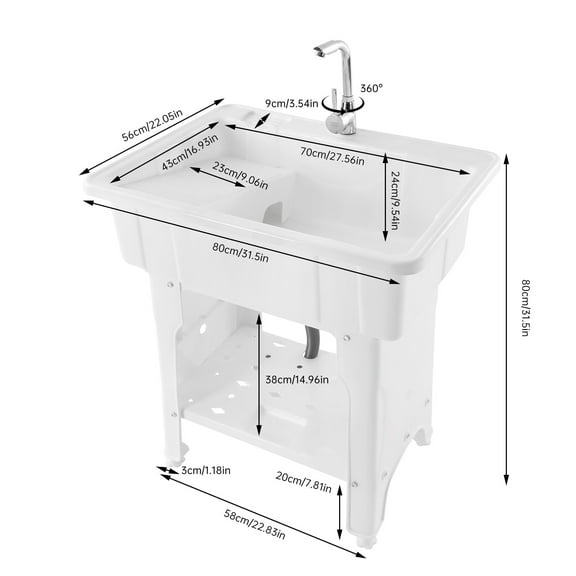
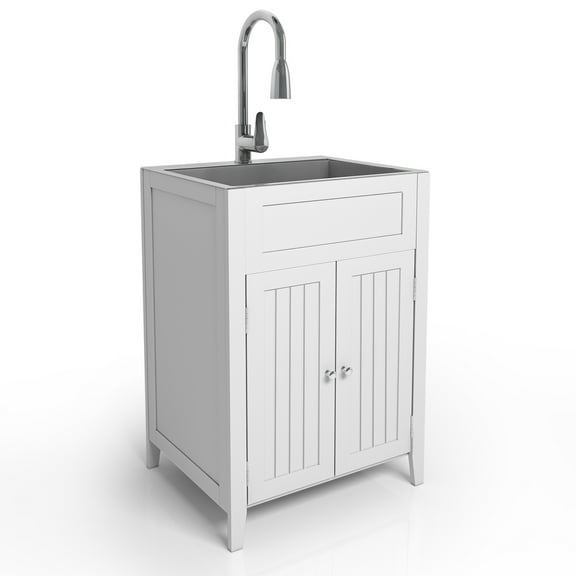
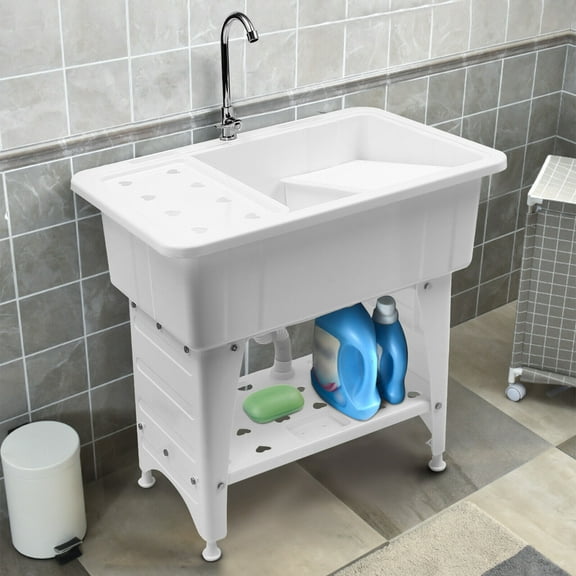







About Laundry Sinks in Utility Fixtures - Walmart.com
Laundry sinks give you a dedicated spot for soaking clothes, rinsing muddy gear, and handling splashy cleanup away from food prep areas. You can compare deeper basins, tougher materials, and flexible installation styles that fit a hardworking laundry room.
If you need a utility sink laundry setup, you likely want more than a basic rinse station. You may need space for stain pretreatment, mop buckets, paint tools, or a full laundry wash basin routine.
How to choose laundry sinks for your space
Start by measuring your floor space, wall clearance, and nearby plumbing before you choose a sink. You should also check door swing, appliance placement, and how much standing room you need.
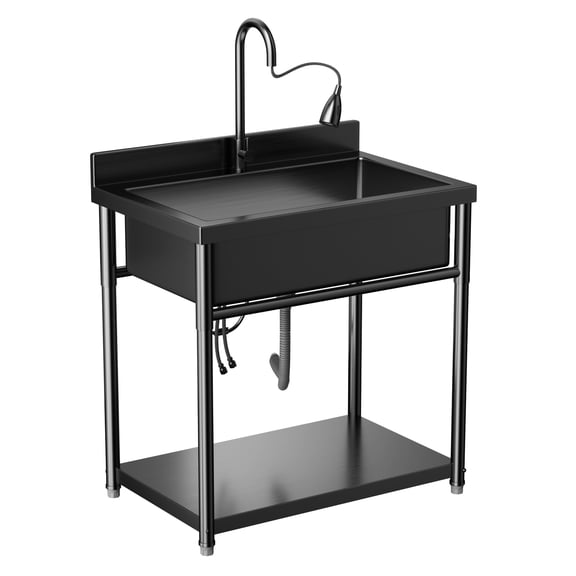
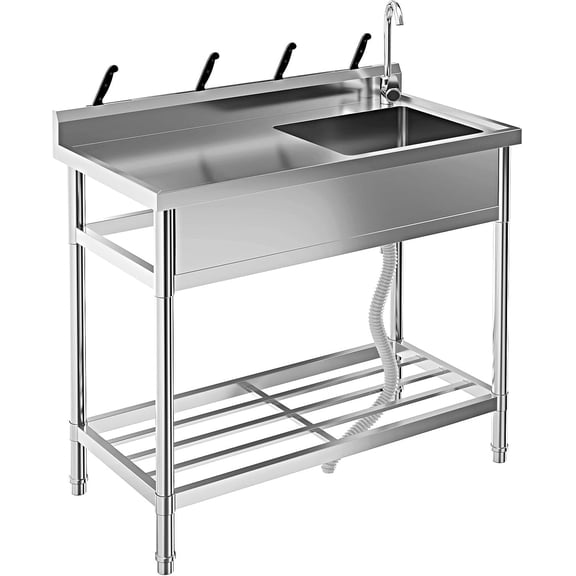
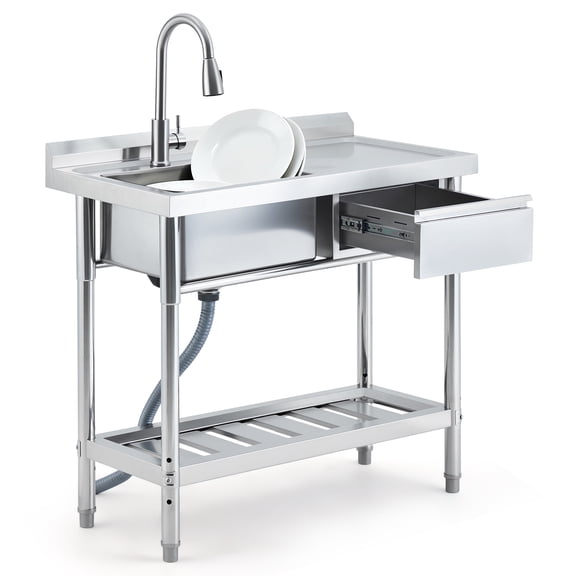
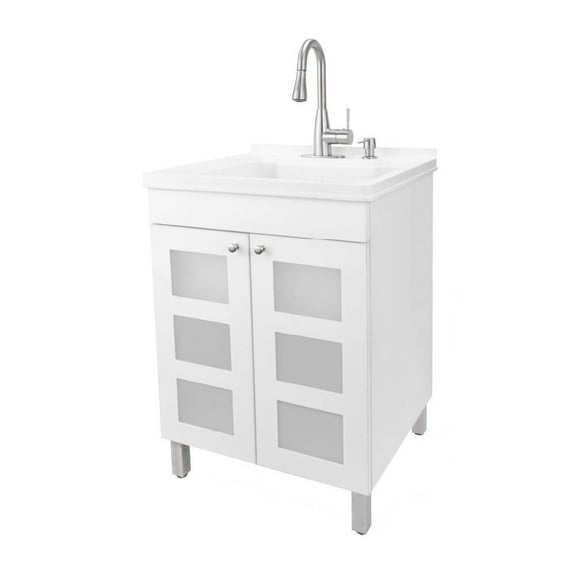
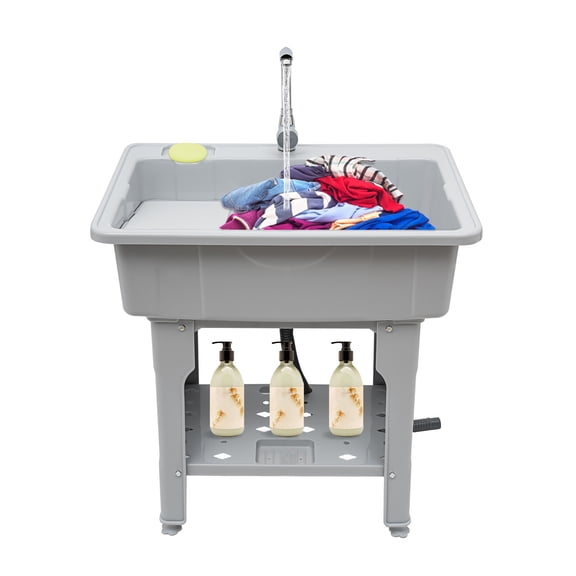
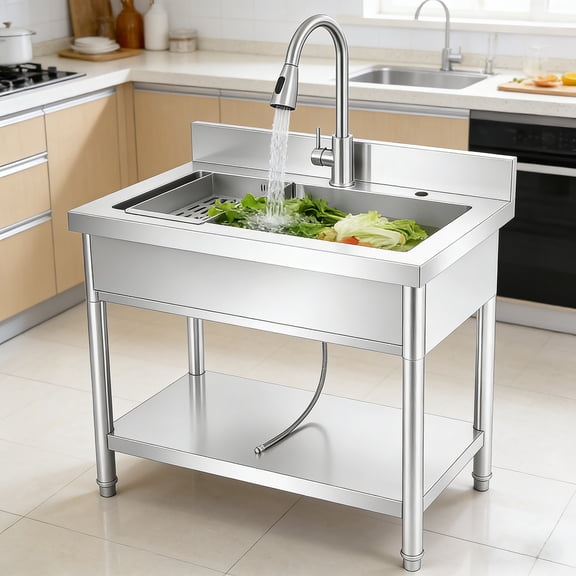
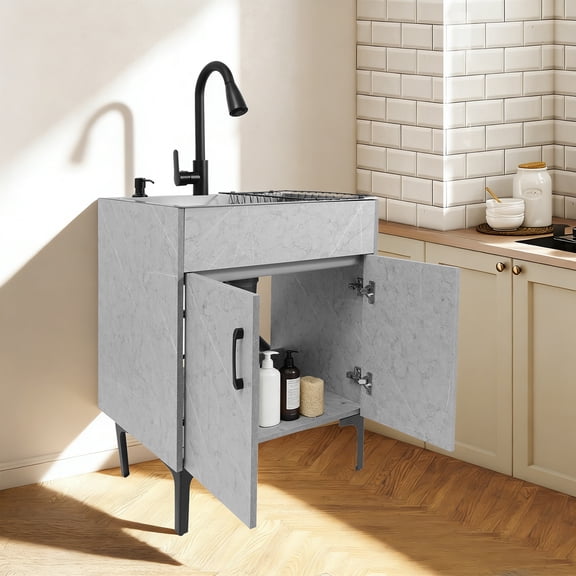
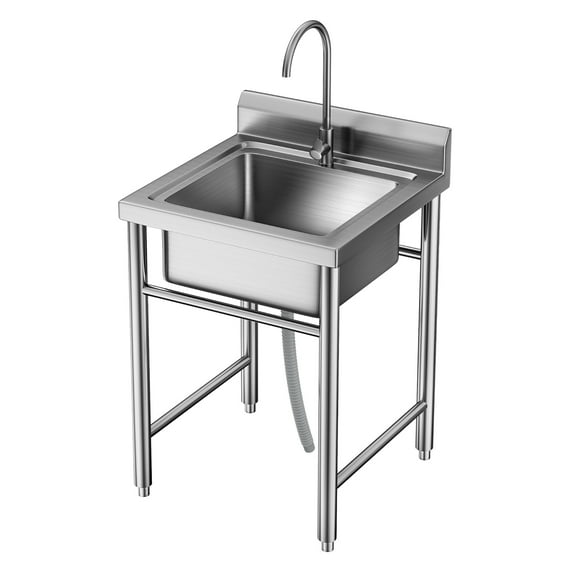
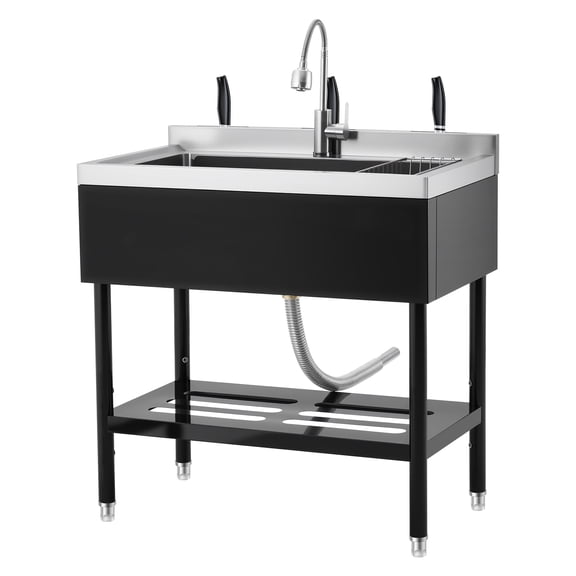
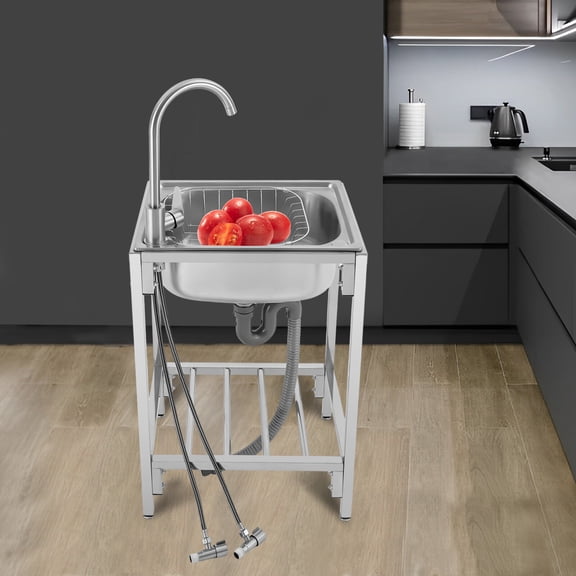
Freestanding models give you an all-in-one station with legs or a cabinet-style base. You may prefer this option when you want easier placement and extra support for a deep tub.
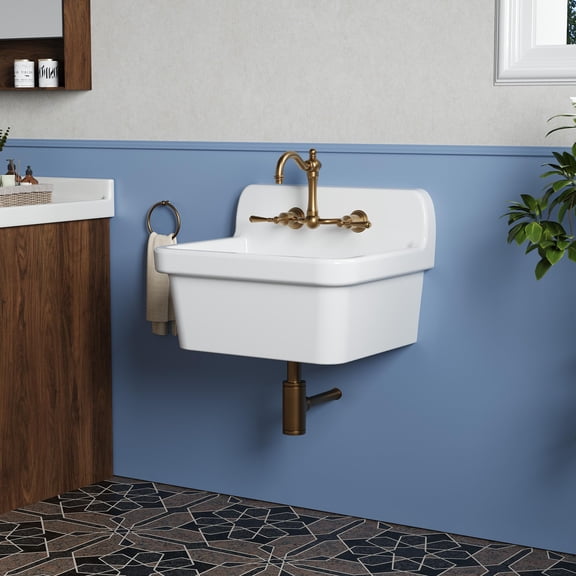
Wall-mount styles keep the floor more open, which can help in a utility closet. You should confirm stud placement and plumbing height before choosing this compact setup.
Drop-in and undermount options work well when you already have a counter surface. You can create a cleaner built-in look, but you need compatible cutout dimensions.
What to look for in a utility sink laundry setup
You should compare basin depth first, because capacity changes how easily you handle bulky cleanup tasks. A deep basin gives you more room for soaking, scrubbing, and rinsing larger items.
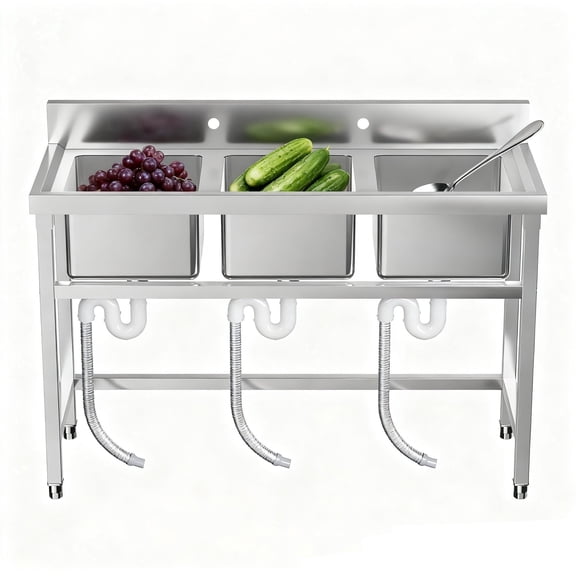
Single bowl designs keep one wide workspace open for oversized loads and buckets. Double bowl layouts help you separate soaking from rinsing when your routine includes several steps.
Material choice also shapes your daily experience with a wash sink. You can match the sink surface to your cleaning habits, room style, and expected wear.
- You can choose thermoplastic when you want a lightweight option that's easier to move into a laundry area.
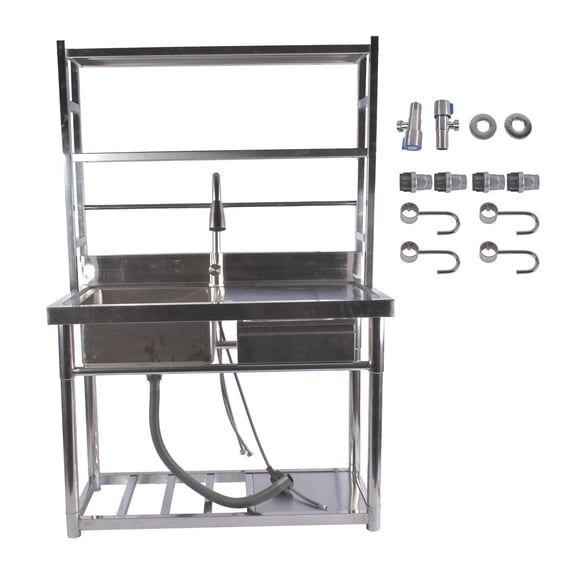
- You may prefer stainless steel when you want a sleek surface that fits modern utility spaces.
- You can consider acrylic when you want a smooth finish and a clean built-in appearance.
- You might select cast iron when your space supports a heavier sink with a classic utility-room look.
You should also review faucet compatibility before you decide. Pre-drilled faucet holes, side decks, and integrated sprayer support can affect how smoothly your setup works.
Key differences in laundry wash basin materials and features
Thermoplastic laundry wash basin options are often easier for you to carry and position during installation. You may find them practical when you want a straightforward setup in a busy work area.
Stainless steel models give you a more industrial look and a smooth interior surface. You can wipe them down quickly after rinsing detergent residue, pet gear, or garden tools.
Acrylic styles can help you coordinate your sink with counters and finished cabinetry. You may like this material when your laundry area doubles as a polished mudroom space.
Cast iron choices feel substantial and support a traditional utility-room style. You should confirm floor support, installation needs, and overall weight before selecting this material.
Beyond material, you should compare practical details that affect everyday use. Basin depth, rear ledges, overflow design, and drain placement all influence how easily you work.
You may want pre-drilled faucet holes if you already know your faucet layout. You should look for accessory compatibility when you want a pull-out sprayer or side storage.
Matching sink styles to indoor and outdoor tasks
You can use indoor laundry room sinks for stain pretreatment, hand-washing sweaters, and rinsing delicates before machine cycles. A deeper laundry bowl helps you keep splashy jobs away from food-prep areas.
Garage setups work well when you clean paint brushes, sports gear, and workshop messes. You may want a freestanding sink with a roomy basin for heavier cleanup routines.
An outdoor laundry sink can support gardening, messy footwear, and cleanup after yard projects. You should check weather exposure, placement, and plumbing access before choosing an exterior model.
Utility closet installations call for careful measuring and smart use of vertical space. You may prefer a wall-mount design when you need open floor area for hampers or supplies.
If you use the Spanish term sink de lavanderia, you're still looking for the same hardworking sink category. You can compare installation type, material, and basin shape to narrow the right fit.
You should think about who uses the sink and how often it handles heavy rinsing. That simple check can guide you toward the right depth, bowl layout, and faucet configuration.
How to narrow your final choice
Consider your plumbing location, your available footprint, and the size of the items you wash frequently. You can then compare freestanding, wall-mount, drop-in, and undermount options with more confidence.
When you match basin depth, material, and faucet compatibility to your routine, laundry sinks become a reliable work zone. You get cleaner rinsing, easier soaking, and less mess around the rest of your home.
Popular in Laundry Sinks in Utility Fixtures - Walmart.com
- Bathroom Sinks Undermount Fixtures
- Whitehaus Collection Bath Sinks
- Kohler Vessel Sink Glass
- Bathroom Sinks Undermount Round Fixtures
- Miseno Bath Sinks
- Pedestal Sink Plumbing
- Bathroom Vessel Sinks Stainless Steel
- Kohler Vessel Sink
- Bathroom Sink Bowls
- Best Sellers In Bathroom Sinks
- Best Sellers In Bathroom Corner Sinks