


Find auto parts that fit
Let’s search for parts that fit your vehicle.
Knock Sensors in Sensors








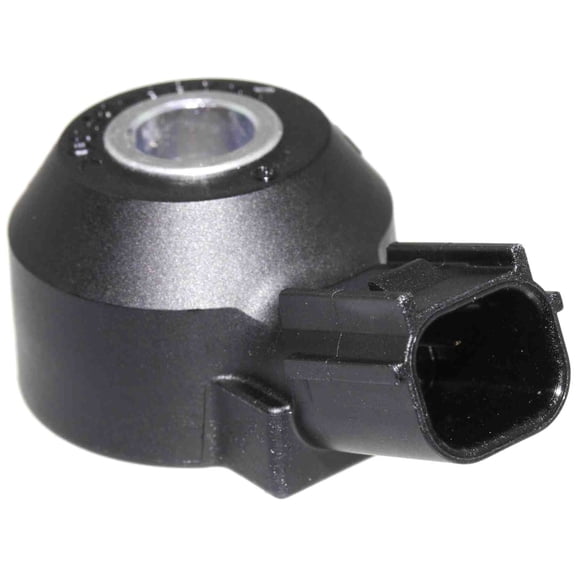
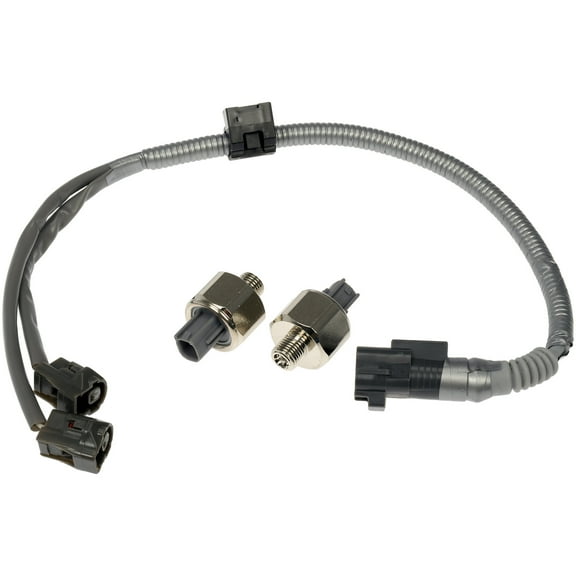
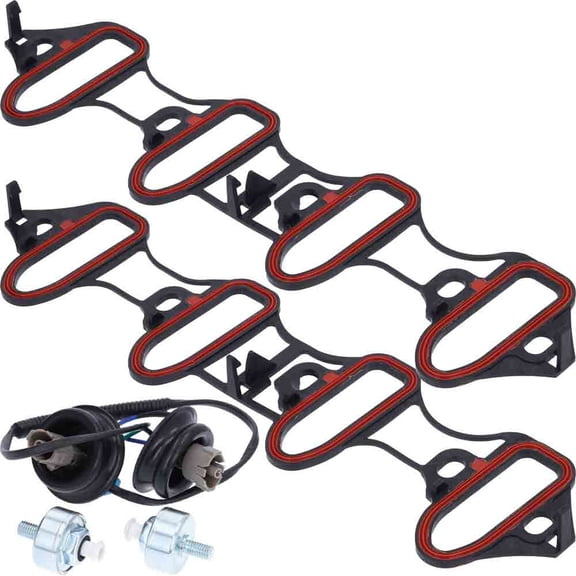


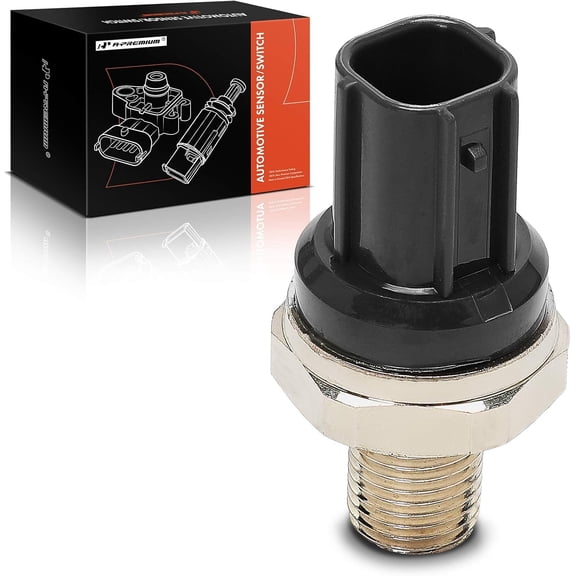
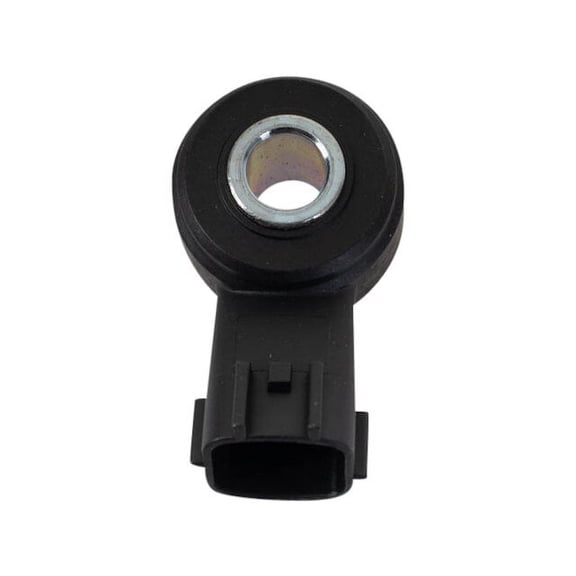
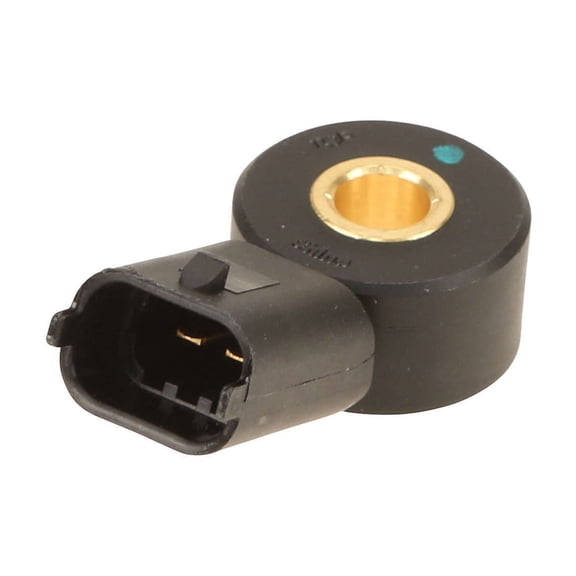

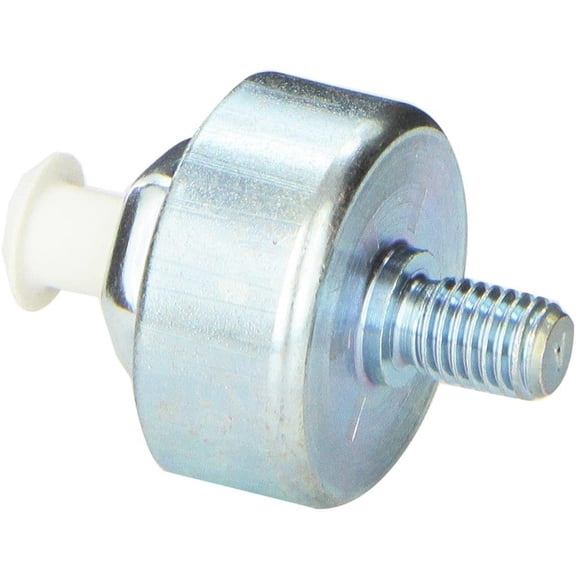
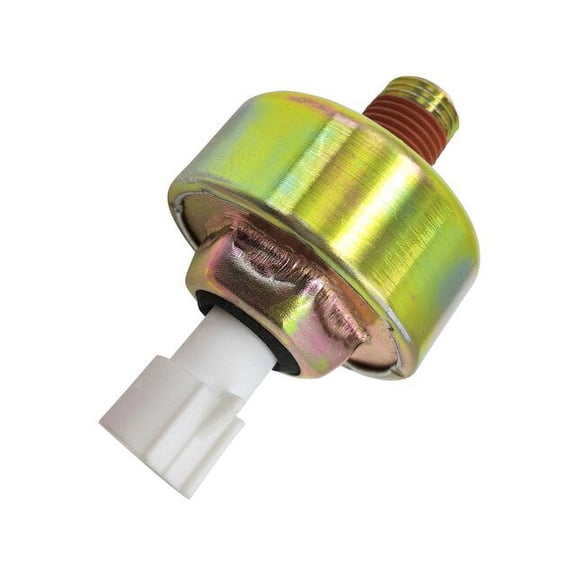

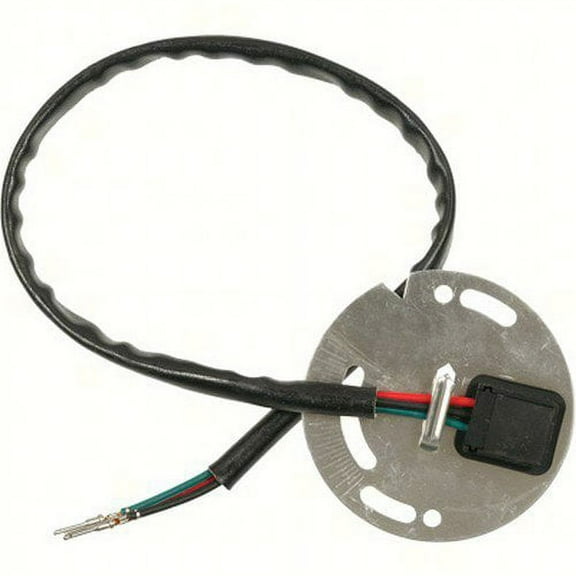
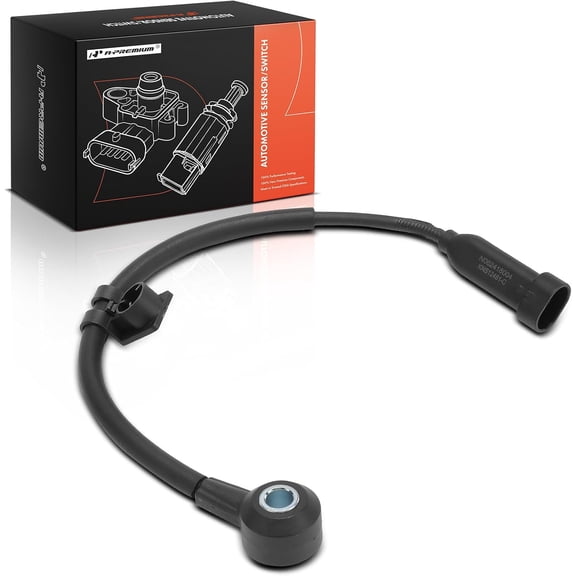

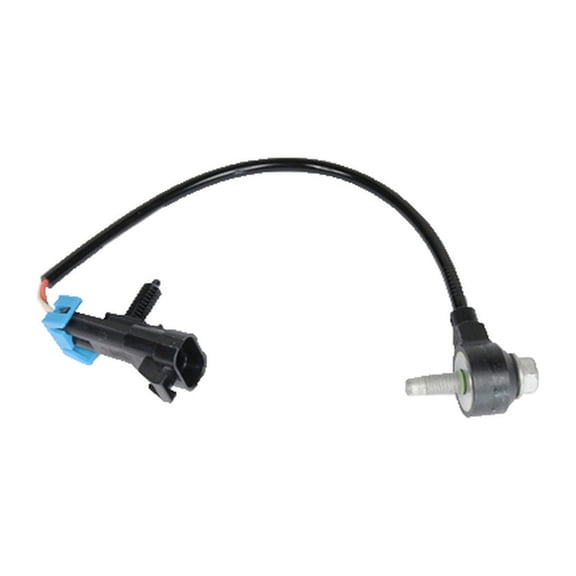
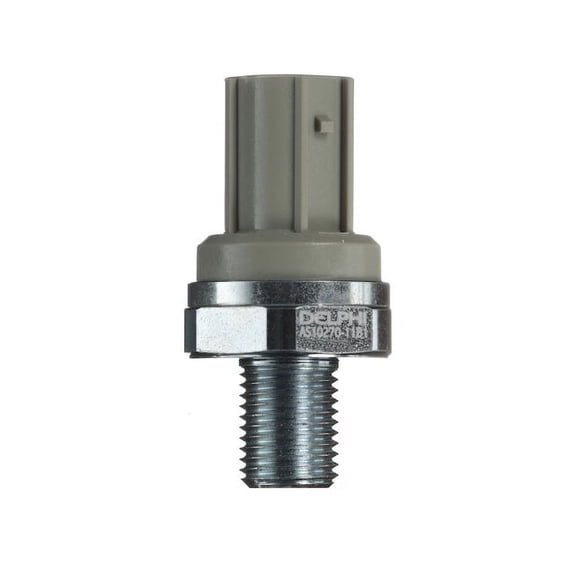
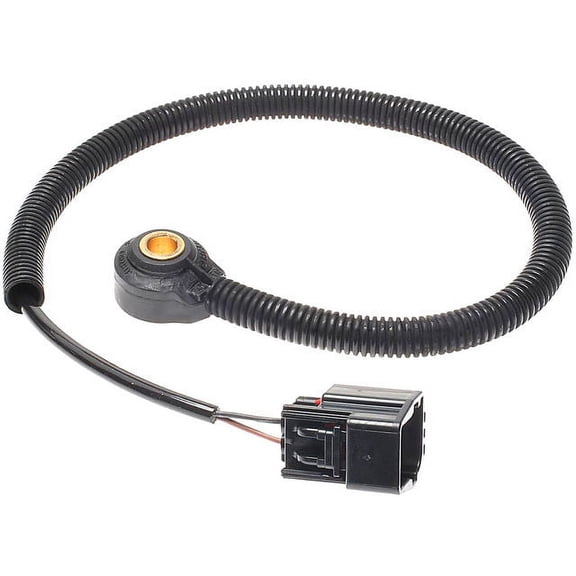
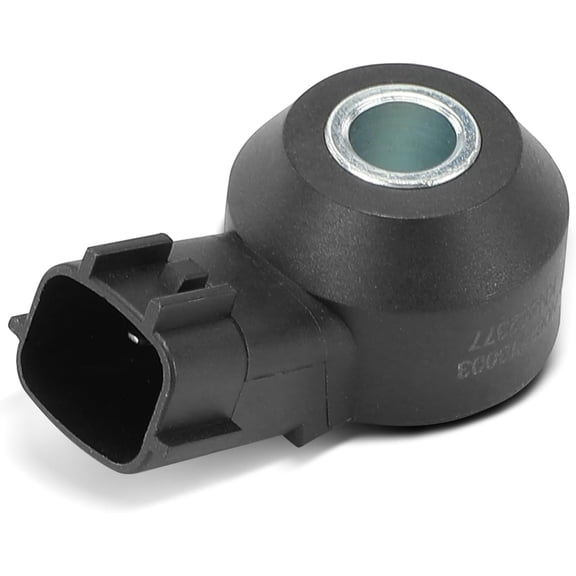

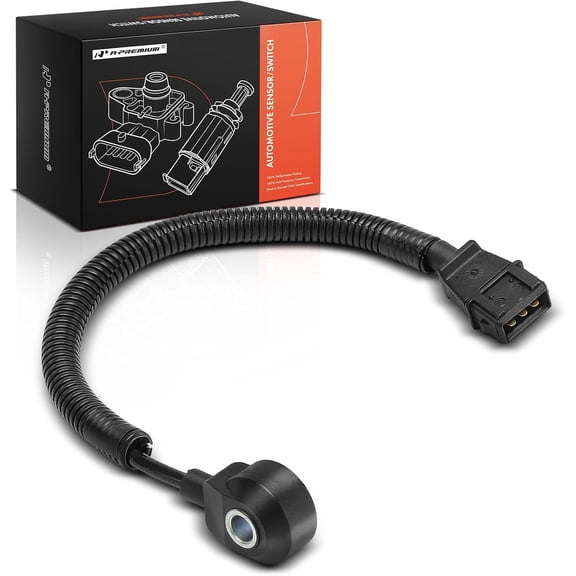
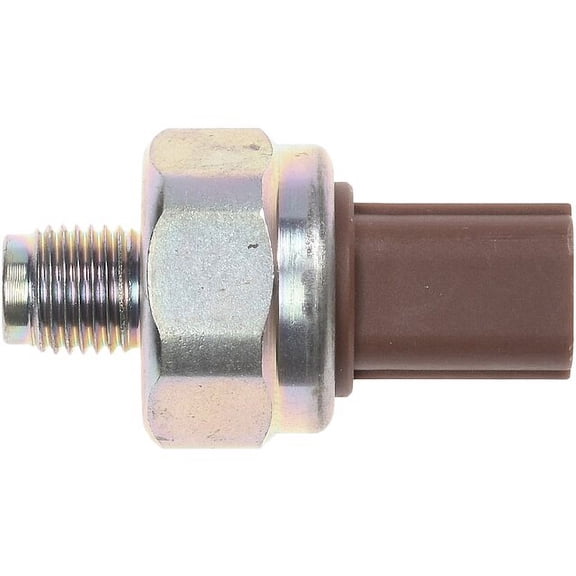
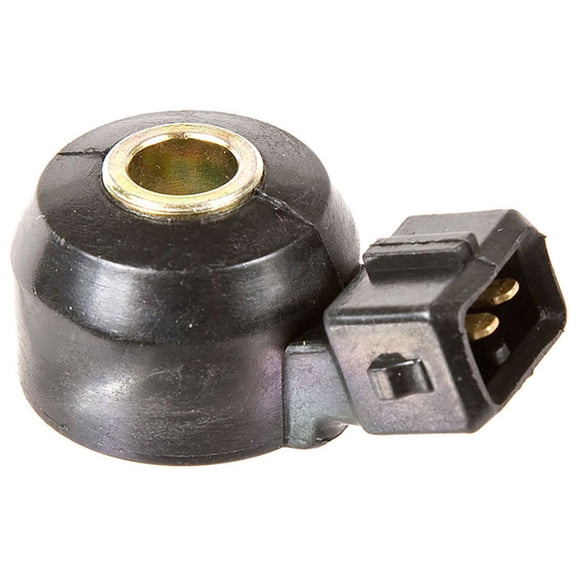
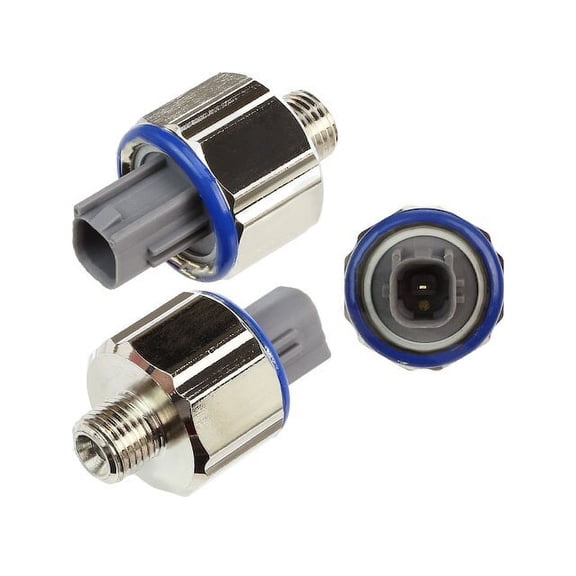
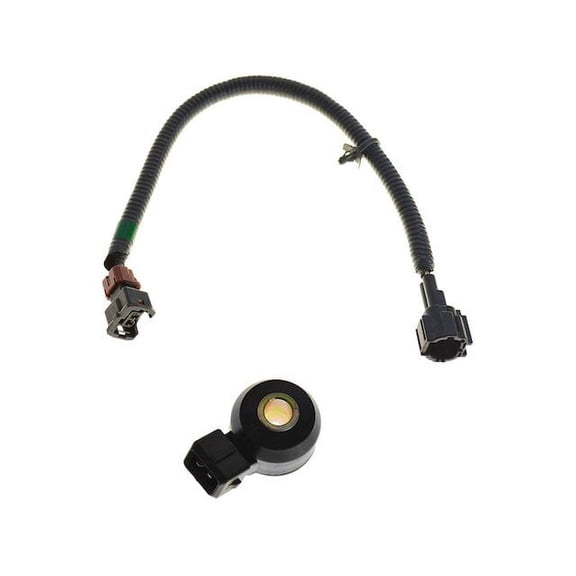
About Knock Sensors in Sensors - Walmart.com
You need a knock sensor that matches your vehicle’s wiring, thread size, and engine layout. You can use this guide to compare fitment details before you choose a replacement.
If you’re replacing an engine management part, you’ll want clear fitment cues, not vague specs. You can narrow your options faster by checking pin count, thread pitch, and sensor style first.
How to choose a knock sensor
You should start with your vehicle’s year, make, model, and engine. You’ll usually need an exact match because your engine computer reads a specific signal range.
When you compare a direct replacement with a universal fit option, you should think about installation steps. You’ll usually get a simpler fit with direct replacement parts.
If you’re considering a universal fit part, you should check connector style and mounting details closely. You may need extra confirmation that your wiring and thread pattern line up.
You can also compare a single sensor replacement with a dual sensor setup. Your engine layout decides whether you need one sensor or a pair.
What to look for in knock sensor fitment
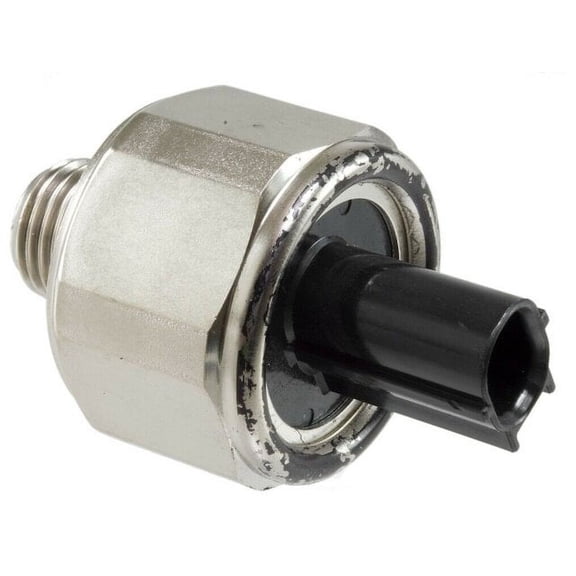
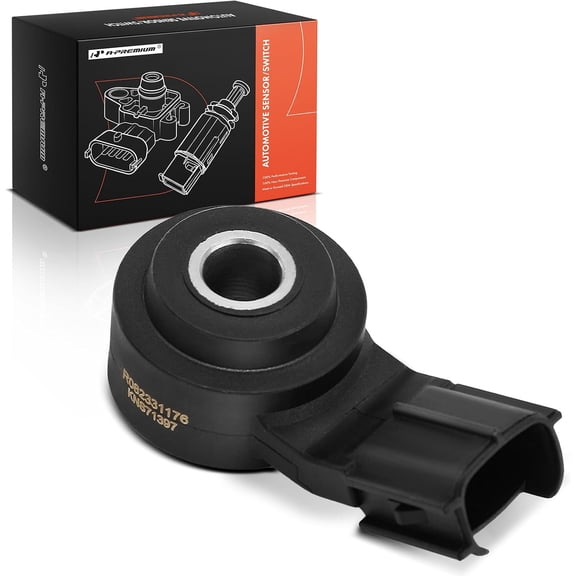
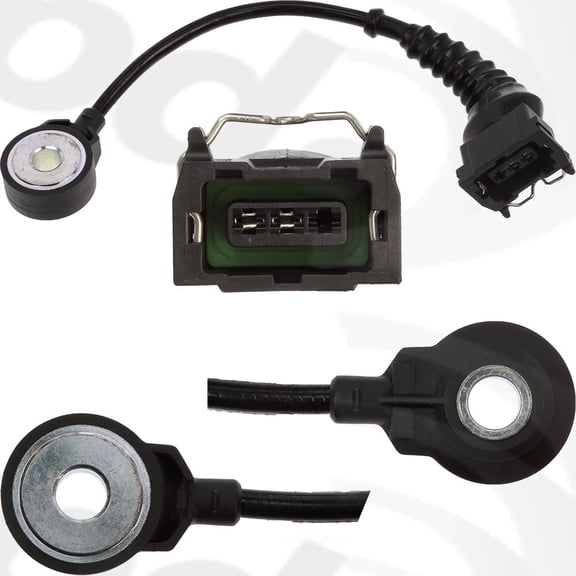
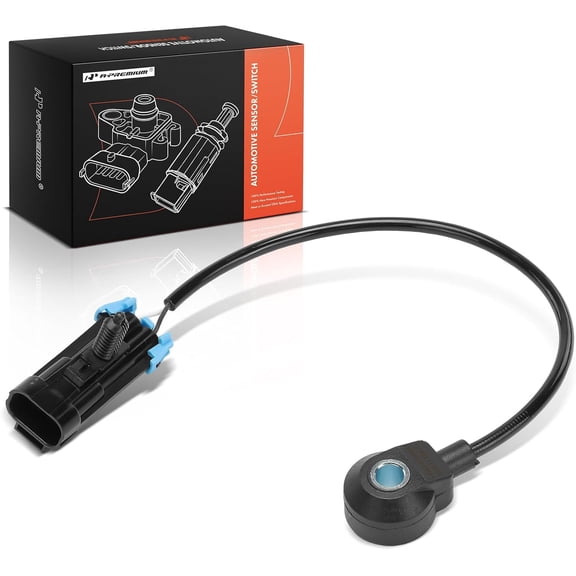
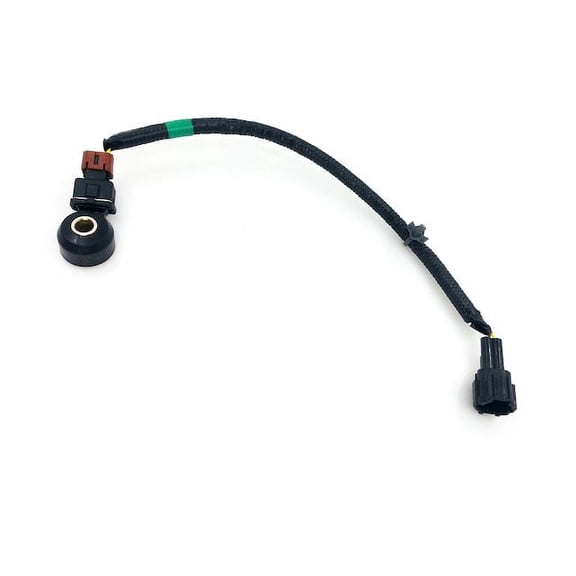
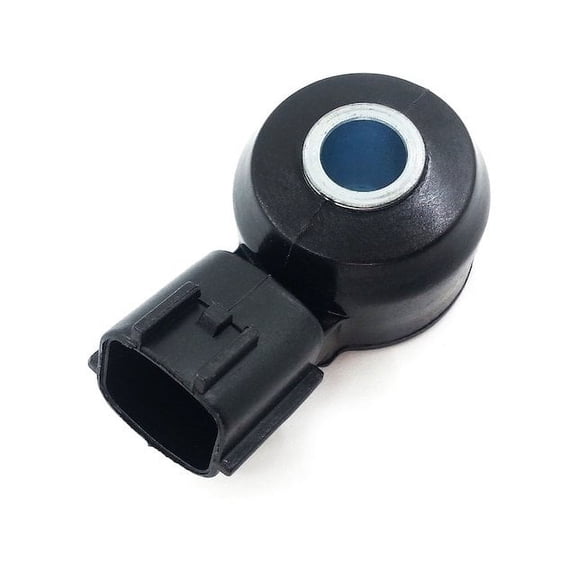
You should treat terminal quantity as a key compatibility detail. You’ll commonly see one pin, two pin, or four pin designs, and your connector must match.
If your current ignition knock sensor uses two pins, you should avoid guessing on a one pin version. You can prevent return hassles by matching the plug shape and pin count.
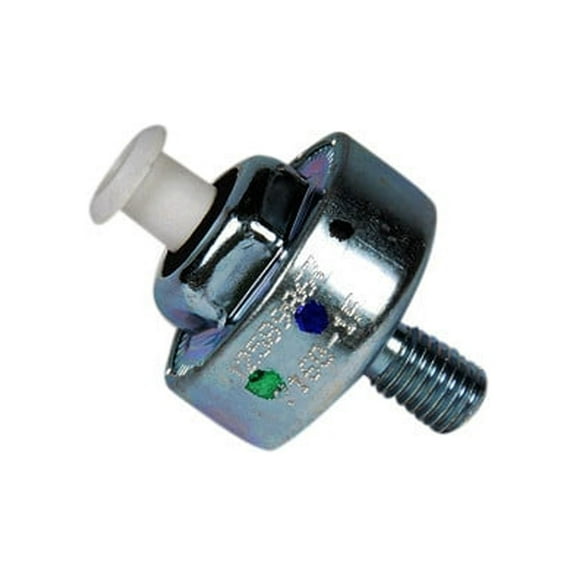
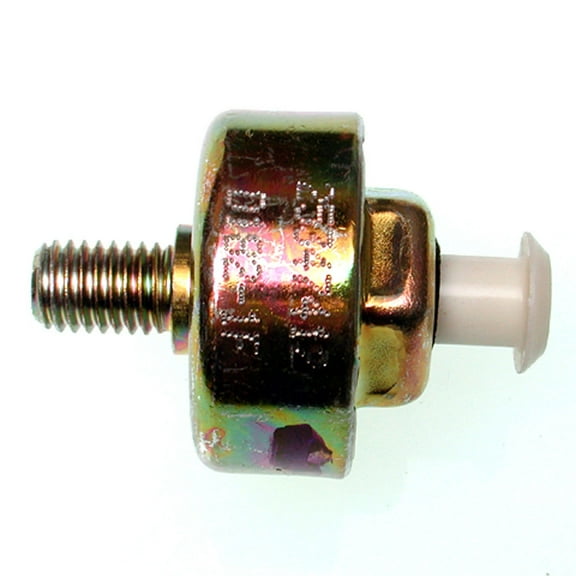
You should also check thread size before you order. You’ll often see M10x1.25, M12x1.5, or standard sizing listed for a knock detonation sensor.
When you match thread pitch correctly, you can install the sensor as intended and maintain proper contact. You should compare the listing details with your existing part number whenever possible.
You may also notice material details like piezoelectric ceramic or metal and plastic composite construction. You can use those details to understand signal design and housing style across different applications.
- You can match direct replacement parts when you want a straightforward install.
- You should verify one pin, two pin, or four pin connectors before ordering.
- You can compare M10x1.25 and M12x1.5 thread sizes for exact fitment.
- You may choose by material when you want to compare sensor construction.
How knock sensor price and cost searches help you compare
If you’re researching knock sensor price, you’re usually trying to balance fitment and replacement scope. You should first confirm whether your vehicle uses one sensor or two.
When you compare knock sensor cost, you should also factor in connector type and mounting thread. You can avoid ordering delays when you confirm those details before checkout.
If you’re asking how much is a knock sensor, you may also be comparing direct replacement and universal fit options. You’ll get a clearer answer when you separate exact-fit parts from adaptable designs.
You may also search the price of knock sensor options by make and model. You can narrow choices faster when you check engine size, sensor count, and connector style together.
Understanding symptoms and replacement timing
You may start looking for a replacement when your engine pings under load or your check engine light appears. You should use those signs as a cue to verify the sensor and fitment details.
If your acceleration feels sluggish, you may suspect the ignition knock sensor circuit. You’ll still want to confirm the exact part because similar symptoms can overlap with other engine components.
When you’re comparing listings, you should focus on what the sensor is made for and how it mounts. You can make a smarter choice by pairing symptoms with your vehicle specs.
You might also be replacing a sensor during broader tune-up work. You can coordinate that job with related engine management parts like spark plugs or oxygen sensors.
Choosing by vehicle layout and replacement style
You should check whether your engine places the sensor under the intake manifold or along the block. You can plan your repair time better when you understand the sensor location.
If your vehicle uses dual sensors, you may want matching specifications across both positions. You should compare thread size, terminal count, and fitment type for each side.
When you’re choosing between OEM-style and aftermarket options, you should look for clear compatibility notes. You can use those notes to match your engine application without overcomplicating the decision.
You may also see searches like sensor de detonación precio when you’re comparing replacement parts by cost. You can still make the right choice by focusing on fitment, connector details, and engine application first.
With the right knock sensor details in hand, you can choose a replacement that fits your engine and connector correctly. You’ll reduce guesswork and get closer to a smoother, more consistent drive.
Popular in Knock Sensors in Sensors - Walmart.com
- Cylinder Head Temperature Sensor
- Eccentric Shaft Sensor
- Best Sellers In Automotive Replacement Mass Air Flow Sensor Relays
- Best Sellers In Acceleration Sensors
- Vvt Sensor Location
- Saab 44690 Manifold Absolute Pressure Sensor
- Best Sellers In Automotive Replacement Acceleration Sensors
- Lq4 Crank Sensor Location
- Best Sellers In Automotive Replacement Camshaft Position Sensors
- Mechanical Pressure Sensor
- Aem Bar Map Sensor
- Isuzu Ascender Mass Air Flow Sensor