


Find auto parts that fit
Let’s search for parts that fit your vehicle.Kayak Straps in Shop Tie Downs And Straps by Vehicle






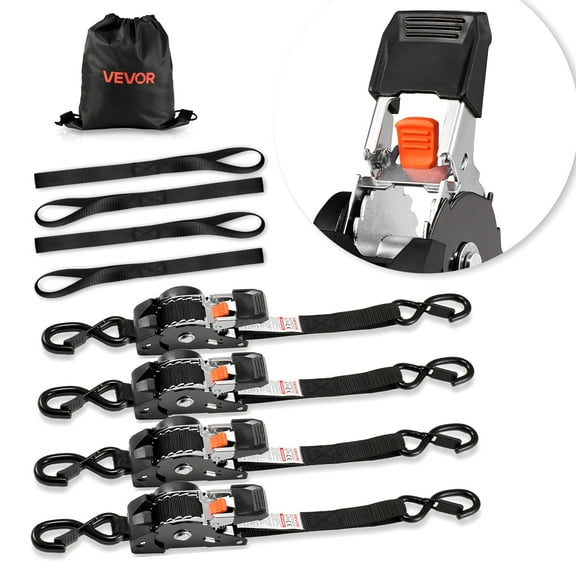
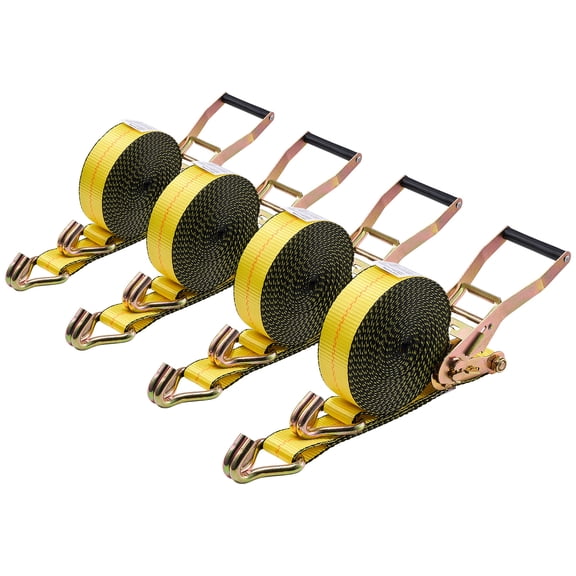

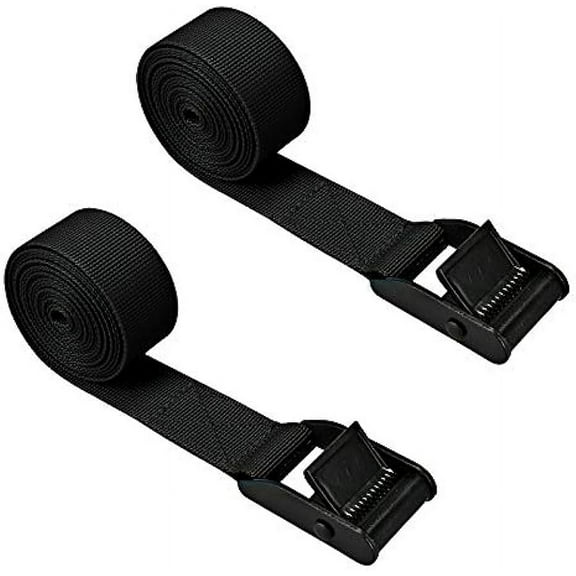


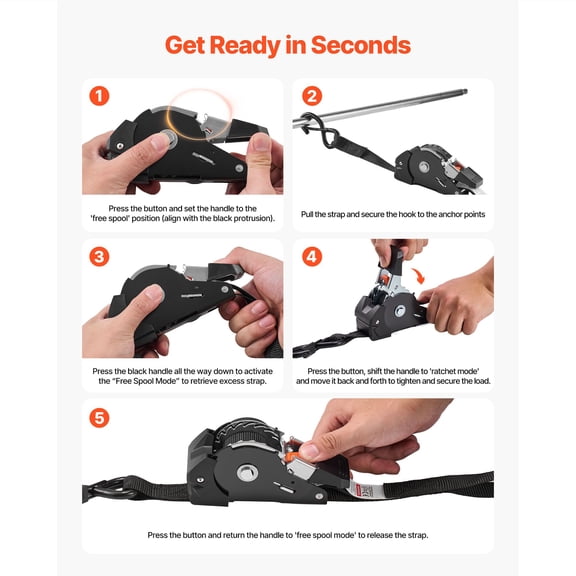









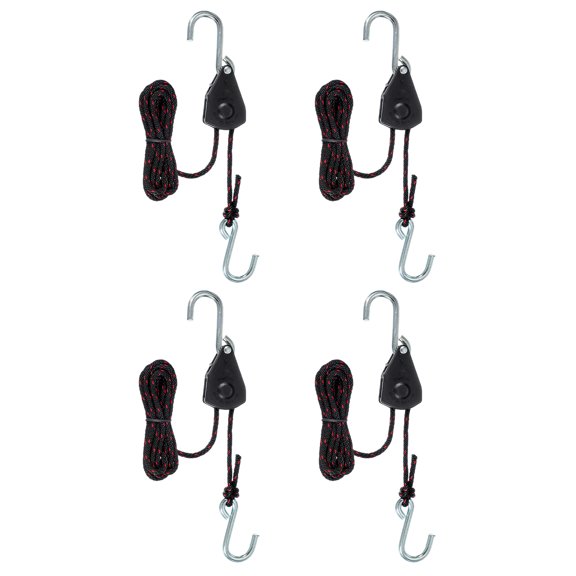

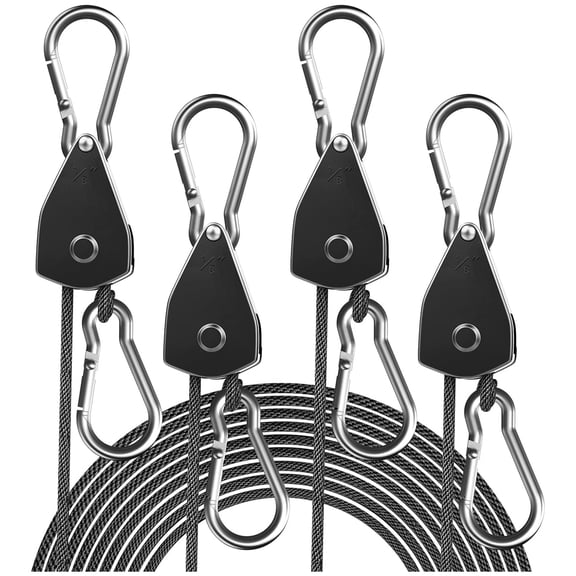


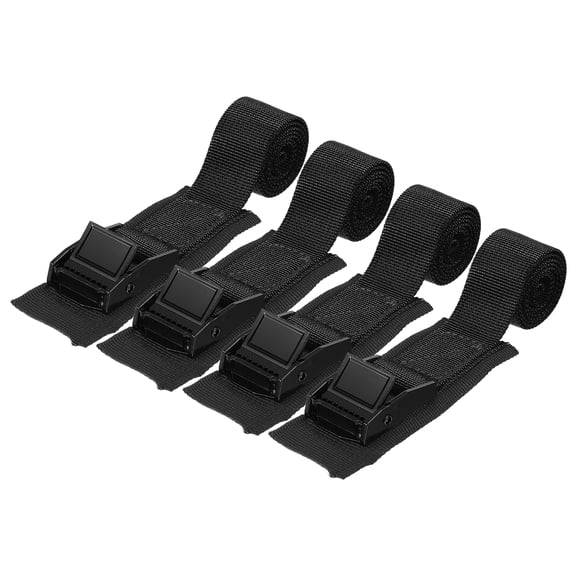


About Kayak Straps in Shop Tie Downs And Straps by Vehicle - Walmart.com
You can secure your boat with kayak straps for truck setups that match truck beds, trailers, and roof racks. You need the right length, anchor style, and tension control for steady transport.
When you compare strap options, you can focus on fitment first and hardware second. You’ll get a cleaner hold when your straps match your vehicle’s anchor points and your kayak’s shape.
How to choose kayak straps for truck use
You should start with where your kayak rides during travel. Your truck bed, trailer, or roof rack changes the strap length, anchor placement, and buckle style you’ll need.
If you carry a kayak in a truck bed, you may want kayak straps for truck bed setups with tailgate support or bed anchors. If you tow on a trailer, you may prefer wider spacing and longer reach.
For roof rack transport, you should check crossbar spacing and bow or stern attachment points. You’ll usually need straps for kayak transport that wrap cleanly without twisting.
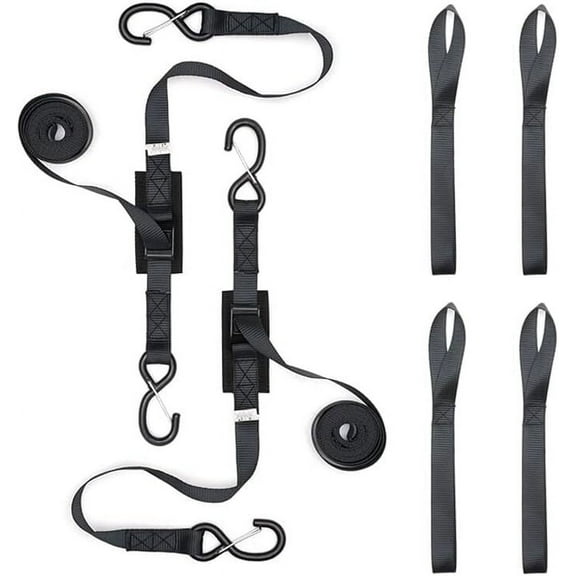
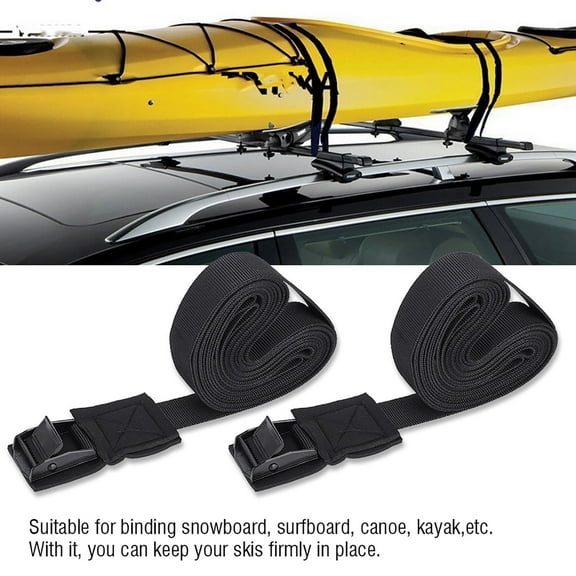
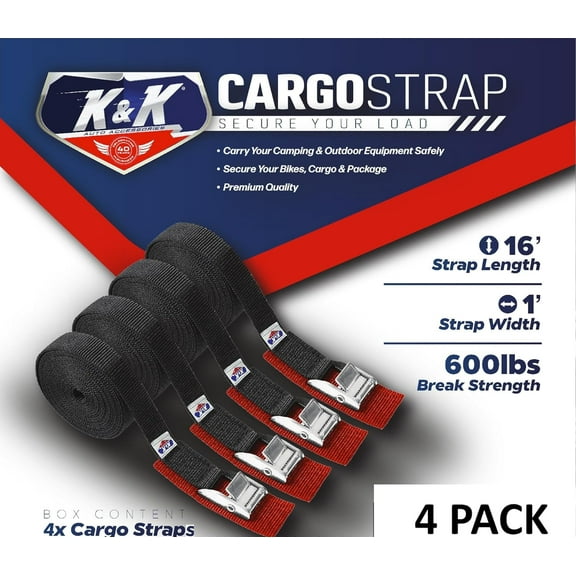
- You can use cam buckle straps when you want quick tension control.
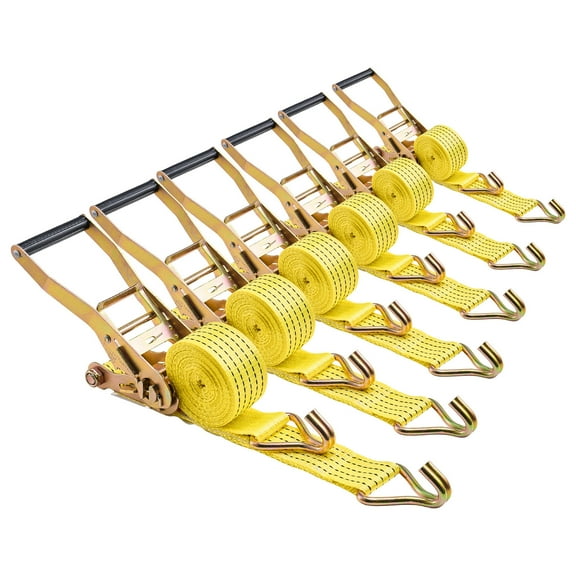
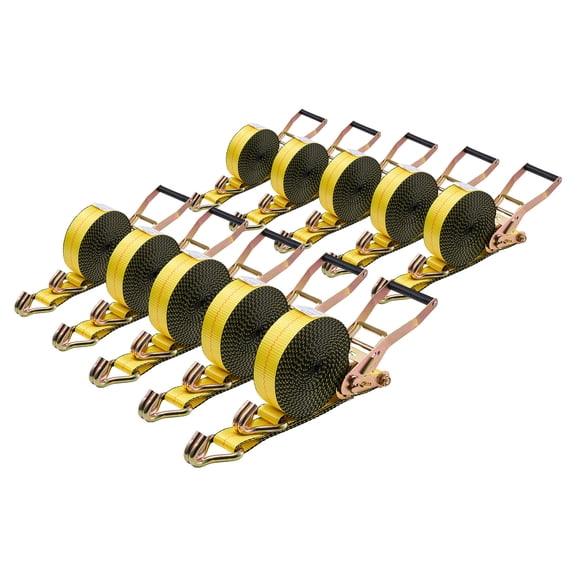
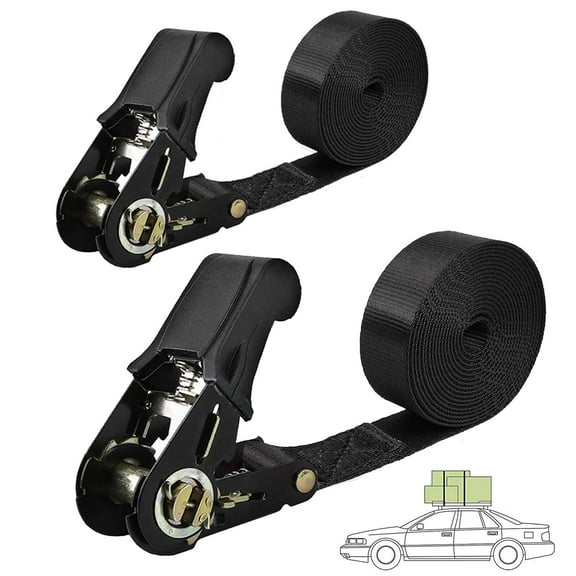
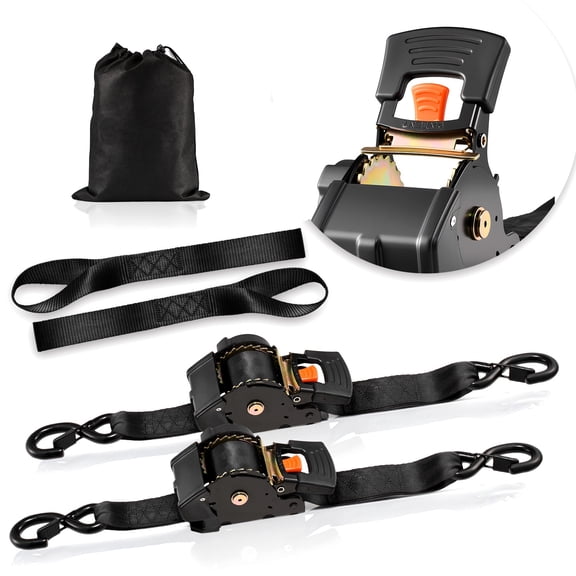
- You may choose ratchet styles when you need firmer hold on longer trailer runs.
- You should check anchor compatibility before you choose hood loops, bed anchors, or tailgate straps.
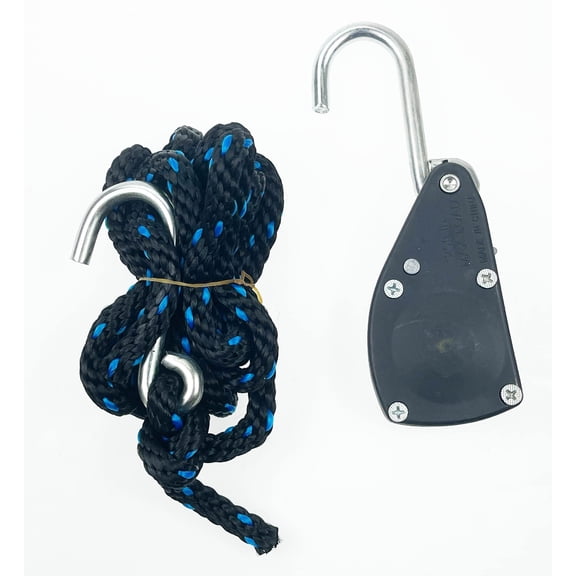
- You can compare nylon webbing, polyester, and rubber contact points for weather exposure and grip.
Choosing strap type, length, and load rating
You’ll usually compare cam buckle, ratchet, and tie-down styles first. You can tighten cam buckle straps faster, while ratchet options give you more leverage for heavier setups.
You should use caution with kayak ratchet straps by choosing controlled tension instead of extra force. You can protect your hull shape when your strap holds firmly without crushing pressure.
Length matters because you need enough webbing to wrap around the kayak and reach anchors cleanly. You should measure your kayak width, vehicle height, and attachment path before you choose.
If your straps are too short, you may struggle to route them safely. If your straps are too long, you can end up managing loose ends in wind.
You should also compare lashing capacity and break strength rating when you narrow options. You’ll want a working load that fits your kayak weight and your transport setup.
Material affects daily use, especially when your gear stays exposed between launches. You may prefer polyester for lower stretch, nylon webbing for flexibility, or heavy-duty rubber pads for contact protection.
Comparing kayak straps for truck bed, trailer, and rack fitment
You can make a faster choice when you match straps to your vehicle fitment. Your truck bed often needs anchor points near the cab, near the tailgate, or along the bed rails.
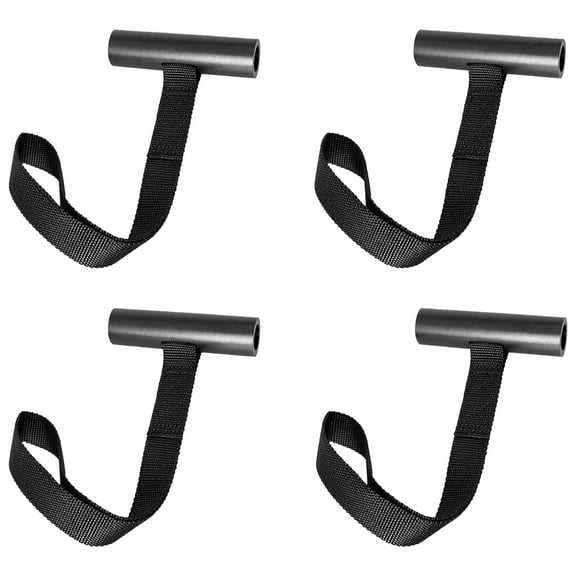
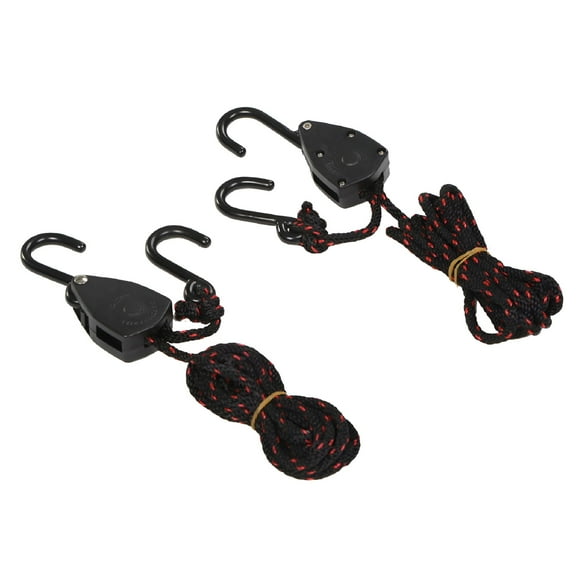
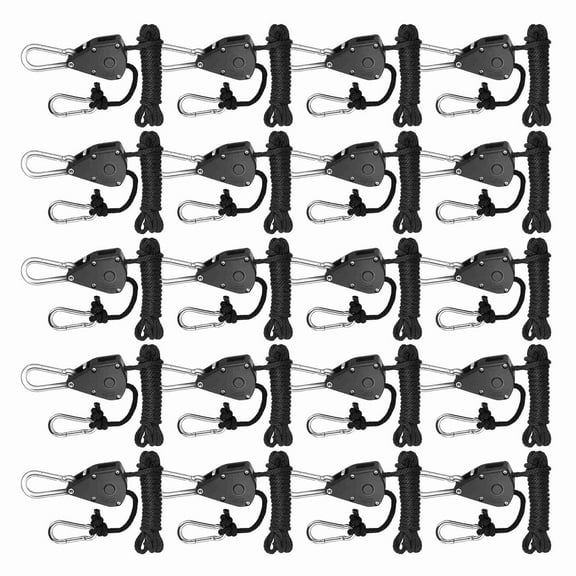
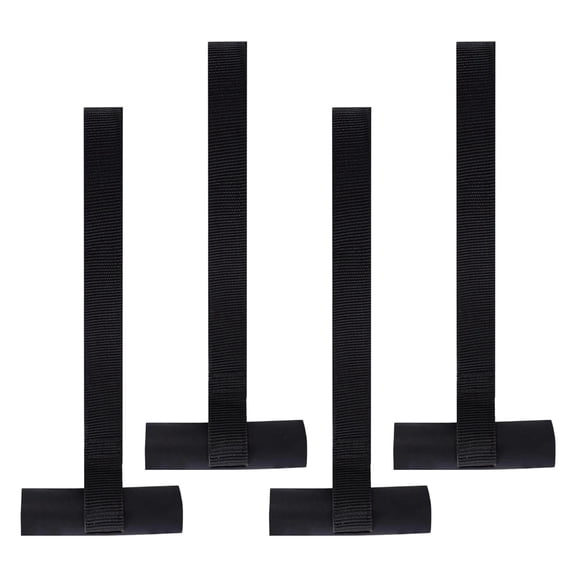
Kayak tie down anchors help you create stable attachment points when factory locations are limited. You can use hood loops or bed-mounted styles when you need a clearer front or rear connection.
If you haul with a trailer, you should look for kayak trailer straps that handle wider frames and longer tie paths. You may need extra reach when your kayak sits above fenders or support bunks.
For a roof rack, you should check strap routing around crossbars and side rails. You’ll want a strap for kayak transport that lies flat, stays untwisted, and cinches without excess bulk.
Tailgate straps can help when your truck bed carries a longer kayak at an angle. You can pair them with bed anchors to reduce shifting and keep the hull aligned.
When you compare anchor styles, you should check how quickly you can attach and remove them. You’ll notice that easier hardware matters when you load before sunrise or unload at the ramp.
Using kayak straps in real transport setups
You might carry a fishing kayak in a short bed for a weekend launch. You can use truck bed anchors, a tailgate support point, and cam straps for quick loading.
If your sit-on-top kayak rides on a small trailer, you may want ratchet straps for kayak transport with longer webbing. You can secure the hull over bunks and keep tension even across rough roads.
You may also move a recreational kayak on a roof rack between lakes and campsites. You can use kayak roof straps with hood loops when you need front tie points.
For two boats on one trailer, you should compare strap width and buckle placement carefully. You’ll want enough separation so your straps don’t rub across adjacent hulls.
If you switch vehicles often, you may prefer versatile kayak carrier straps that work across several anchor styles. You can keep one set for the truck and another for trailer duty.
You can also simplify loading by choosing hardware that’s easy to thread with wet hands. You’ll appreciate smooth buckles and manageable strap tails when launch conditions change.
What to look for before you finish your choice
You should confirm fitment, strap length, and load rating before you decide. You can narrow options quickly when your setup matches your bed size, rack height, and anchor points.
With the right kayak straps for truck transport, you’ll get steadier travel and easier setup from driveway to boat ramp. You can focus on the water instead of fixing loose tie-downs.