



Inversion Therapy in Sports Recovery, Injury Prevention


















About Inversion Therapy in Sports Recovery, Injury Prevention - Walmart.com
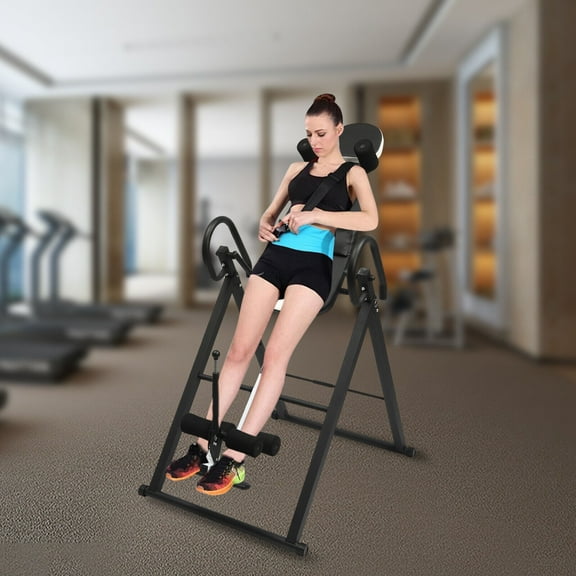
Inversion therapy helps you compare home recovery equipment with clearer buying criteria. You can narrow your options faster when you understand inversion angles, frame strength, and ankle lock comfort.
How to choose inversion therapy equipment
You can start with the fit between your body size and the table's settings. You should check maximum user weight and height range before you compare any other feature.
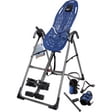
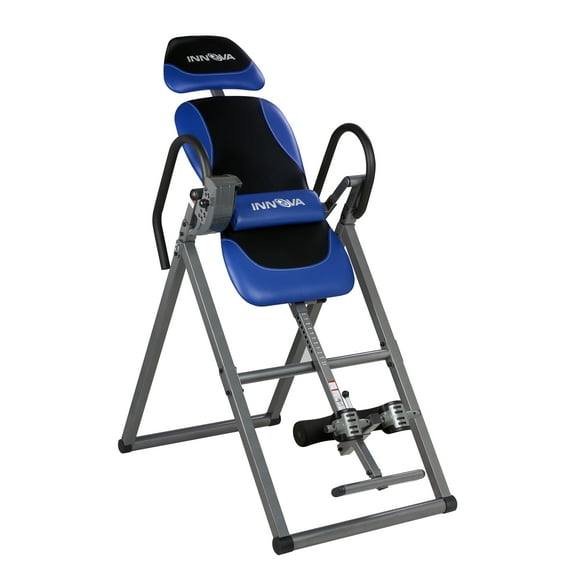
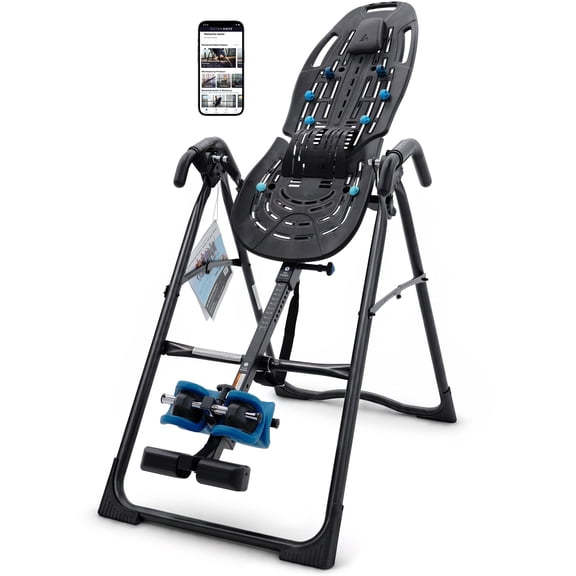
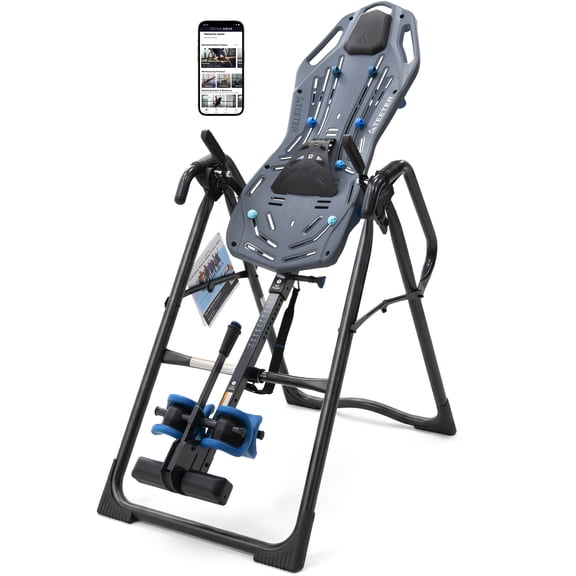
If you need a sturdier setup, you may prefer a heavy duty inversion table with a 300 lbs or 350 lbs rating. You can also look for heavy-duty steel frames when you want a more planted feel.
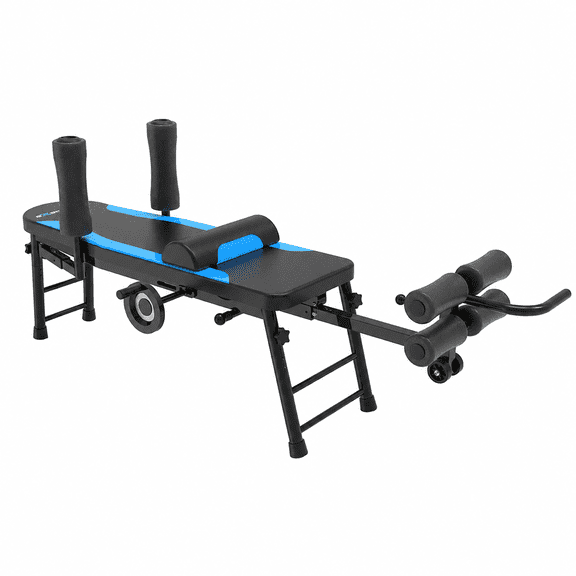
Your storage space matters just as much as frame strength. You may prefer a foldable inversion table when you need easier setup and a smaller stored footprint.
Choosing between inversion tables
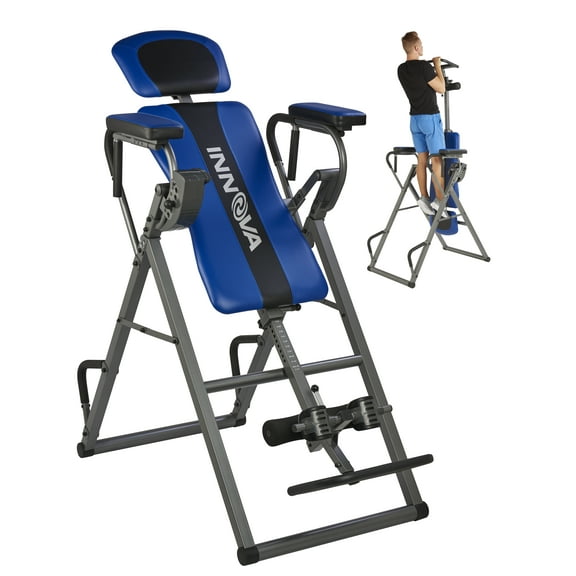
You can sort inversion tables by the decisions that affect daily use significantly. You should compare weight capacity, ankle lock style, angle control, backrest padding, and foldability.
- You can use higher weight capacities to match your support needs and frame expectations.
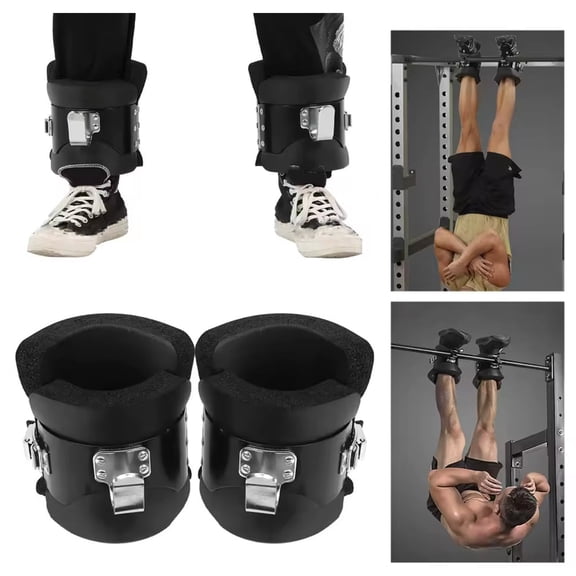
- You can choose cushioned ankle systems when you want a more comfortable hold during position changes.
- You can compare folding frames when your room needs easier storage between sessions.
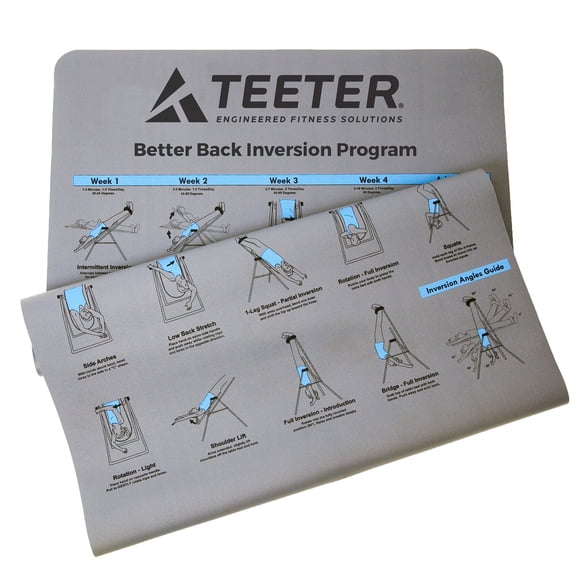
- You can check angle controls when you want gradual changes instead of full inversion right away.
These details shape how your setup feels in a home gym, bedroom, or recovery corner. You can make a smarter choice when you match each feature to your space and routine.
Choosing the right inversion table for back pain
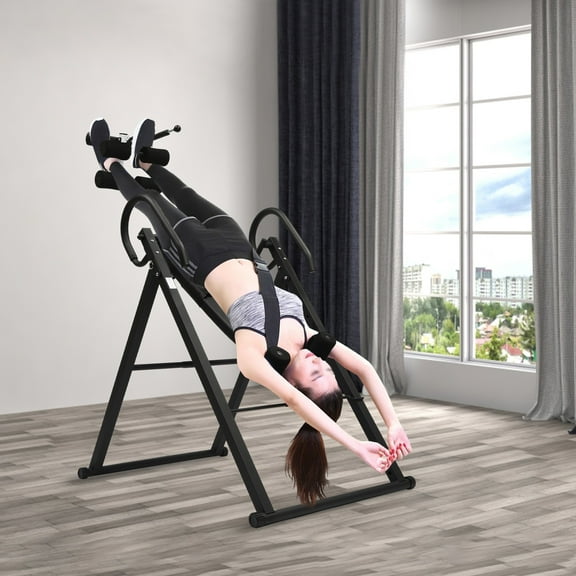
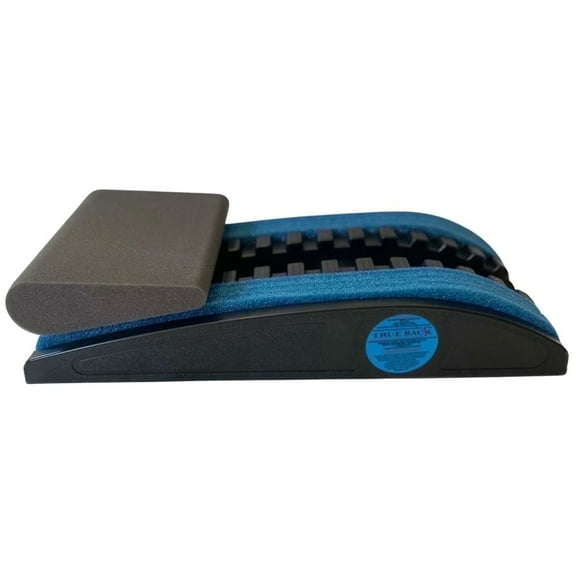
You may search for an inversion table for back pain when you want equipment designed for stretching and decompression positions at home. You should focus on adjustability, controlled movement, and a secure ankle hold.
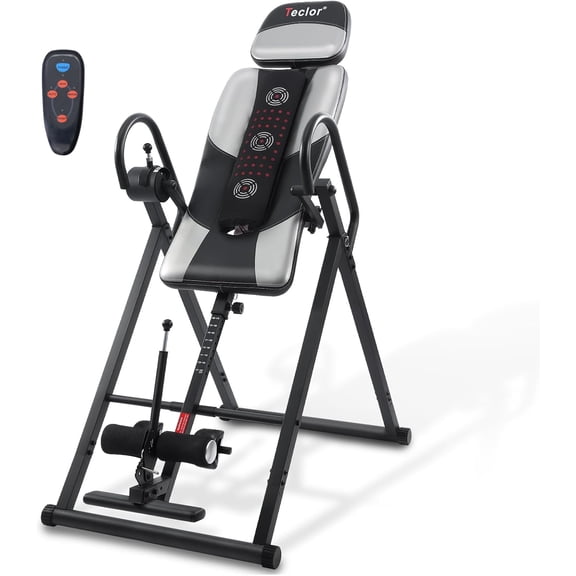
Your angle control changes how gradually you enter and exit each position. You can compare tether straps, pin systems, and full 180-degree inversion settings for different control styles.
A tether strap lets you limit rotation with simple adjustments. A pin system gives you fixed stopping points, while full 180-degree inversion offers the widest range.
You should also check for safety straps and angle lock pins before you decide. These details help you control movement with more consistency during repeated sessions.
What to look for in frame and storage
You can measure your floor space before you compare table footprints. A foldable frame or space-saving design can make daily storage much easier in smaller rooms.
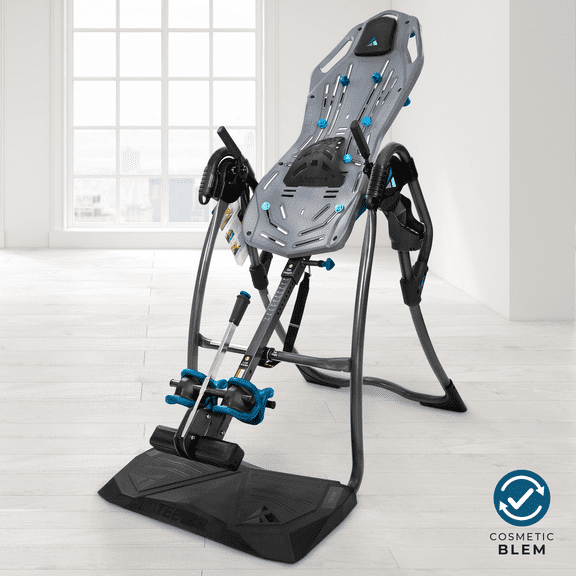
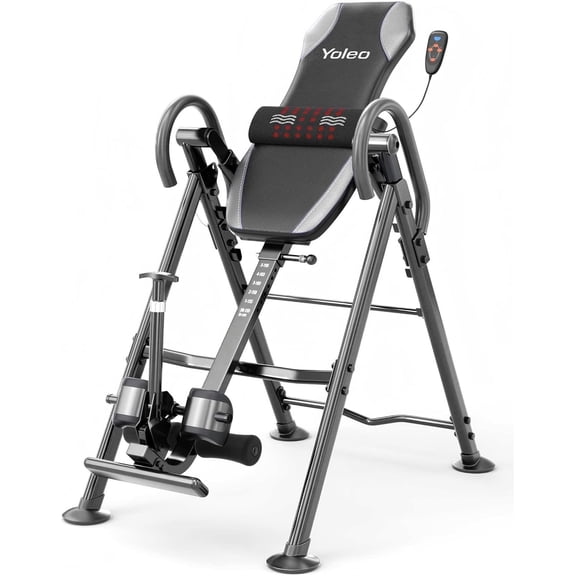
Heavy-duty steel matters when you want a more stable base during rotation. You may also prefer wider frame contact points when you want a grounded feel on hard floors.
Your setup routine affects how often you actually use your equipment. You can benefit from a design that folds, stores cleanly, and reopens without a complicated process.
Comparing ankle lock systems and padding
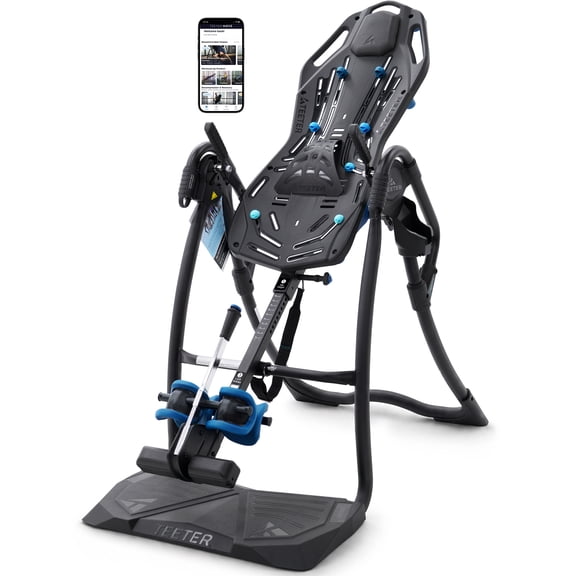
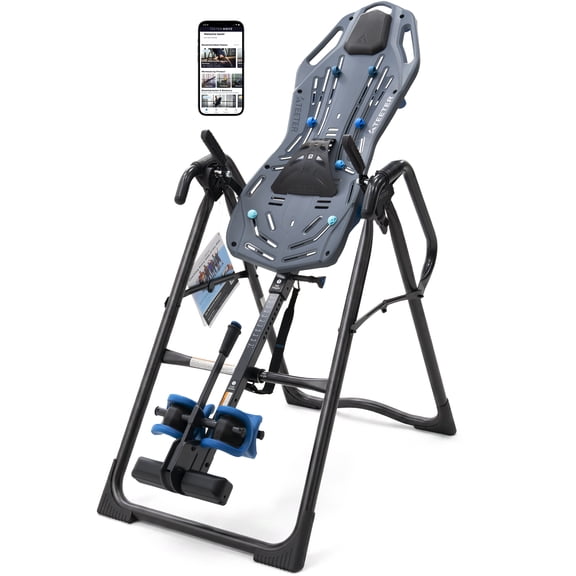
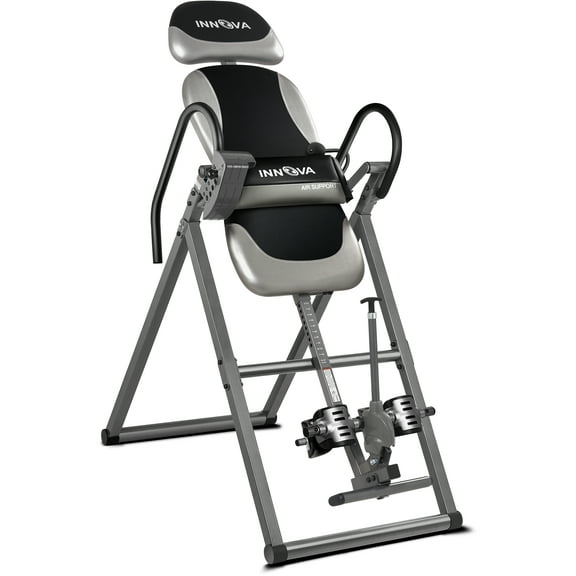
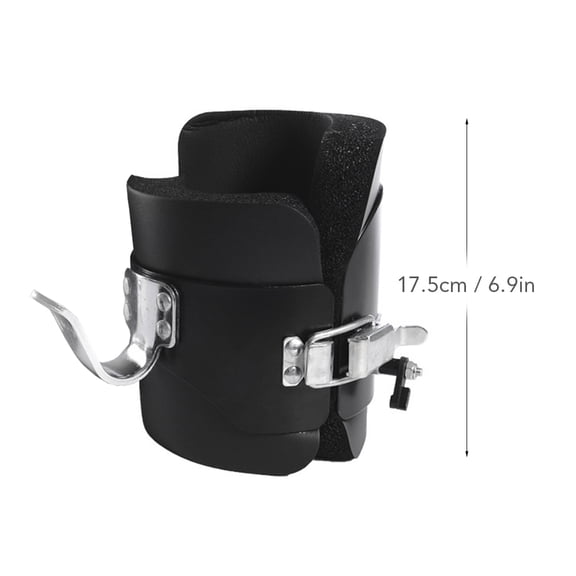
You should pay close attention to ankle comfort because it affects every session. Cup covers, ratchet ankle lock systems, and double-lock designs each create a different feel.
Cup covers can add cushioning around your ankles during setup and rotation. A ratchet ankle lock can help you fine-tune the hold, while a double-lock system adds an extra securing step.
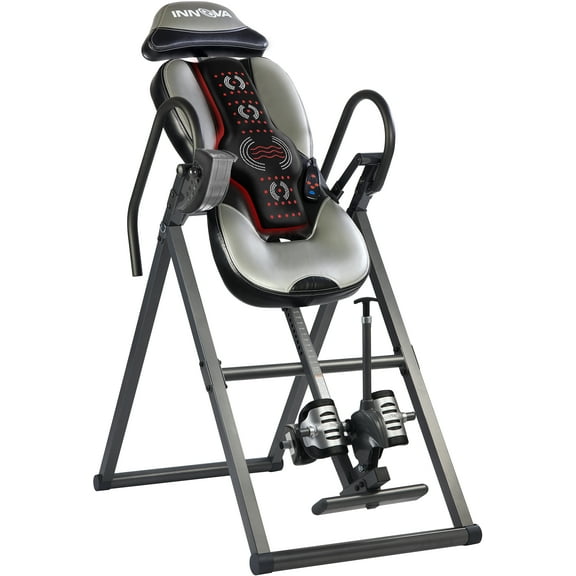
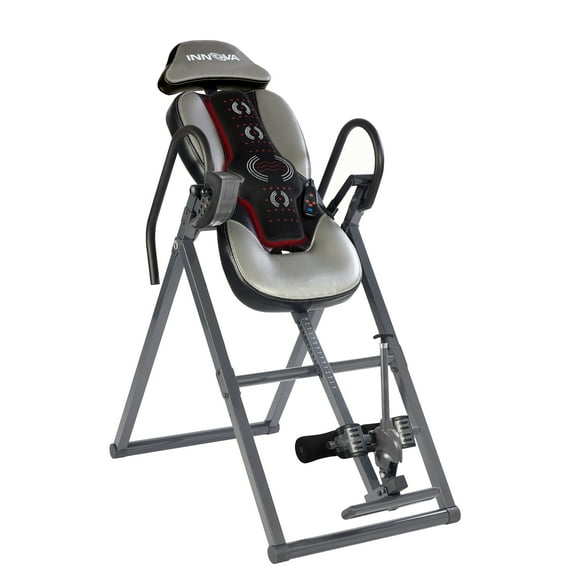
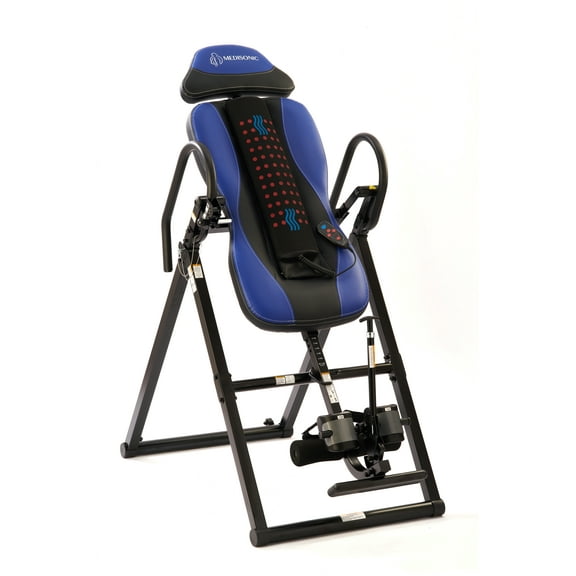
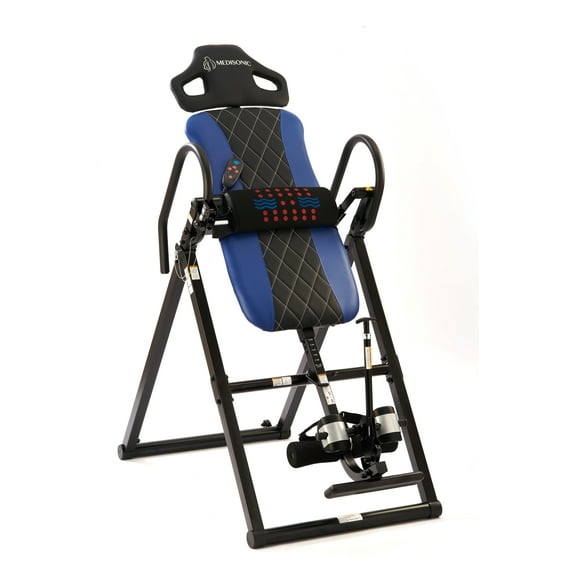
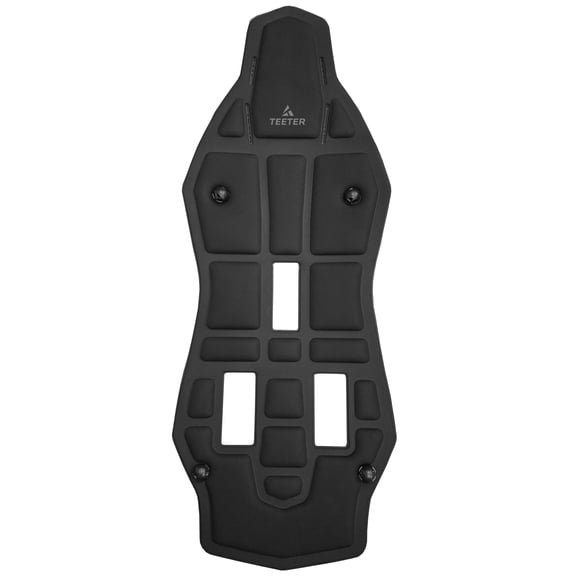
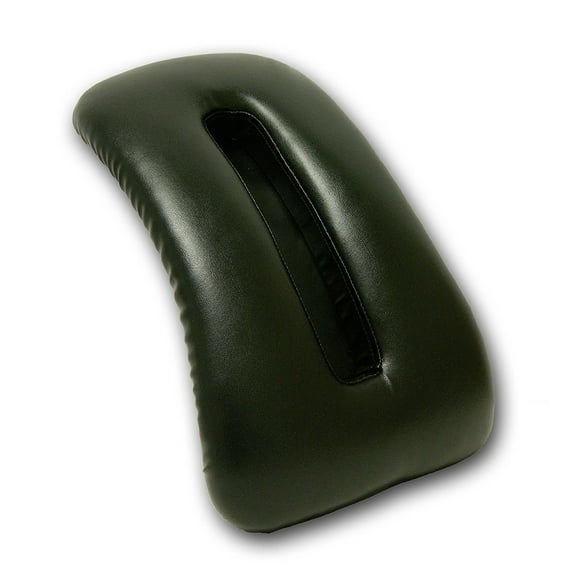
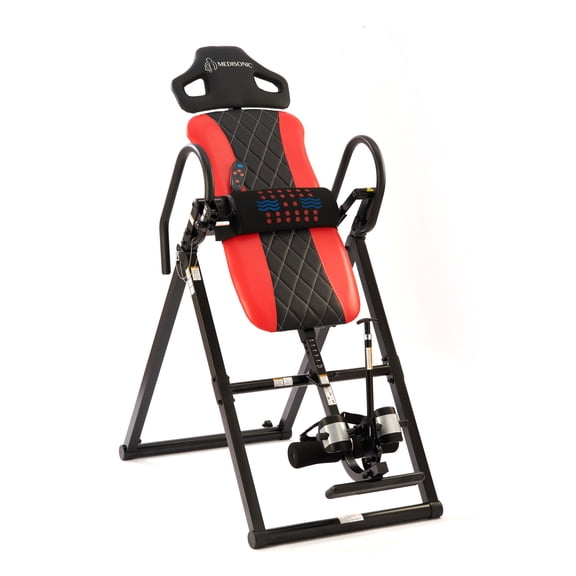
You may also compare comfort-focused details across the backrest. Memory foam, contour fit padding, and acupressure nodes each create a different contact feel against your back.
Contour fit shapes can follow your body more closely during inversion positions. Memory foam can feel more cushioned, while acupressure nodes add textured contact across the backrest.
Matching features to your home routine
You might want a foldable inversion table for a shared room, apartment, or smaller workout area. You can fold it away more easily when your recovery space also serves other needs.
If you prefer a sturdier frame and higher load rating, you may lean toward a heavy duty inversion table. You can pair that choice with a ratchet lock and heavy-duty steel frame for more support-focused use.
You may want gentler control if you're new to inversion therapy equipment. You can start by comparing tether strap models and moderate angle settings before considering full 180-degree inversion.
For comfort-first shopping, you can prioritize padded backrests and cushioned ankle supports. You should compare memory foam, contour fit designs, and cup-cover systems for a softer contact feel.
When you compare inversion therapy options using these decision points, you can choose equipment that fits your body, room, and routine. You end up with a setup that feels easier to use and easier to keep using.