



Inversion Tables in Inversion Therapy




About Inversion Tables in Inversion Therapy - Walmart.com
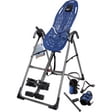
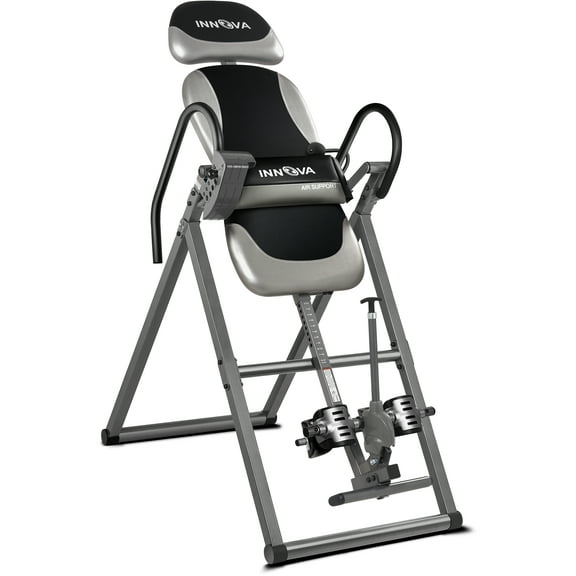
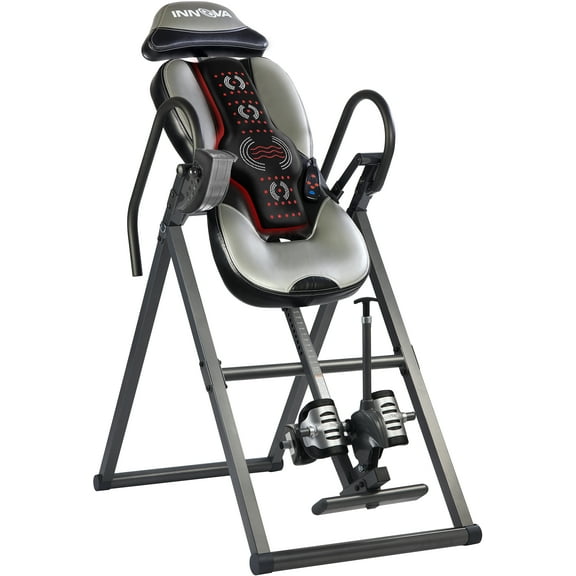
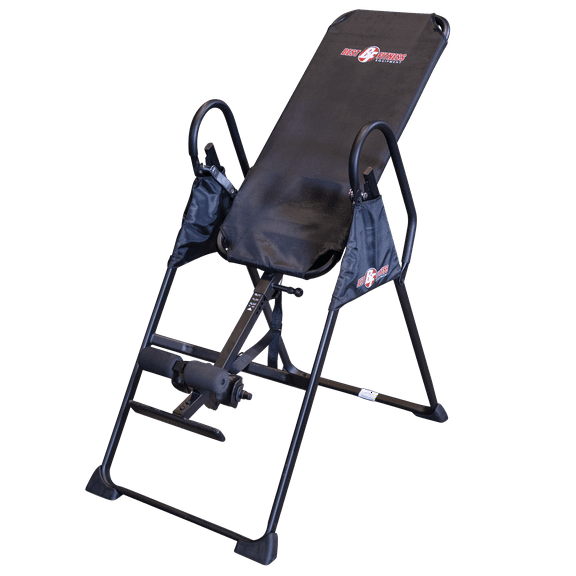
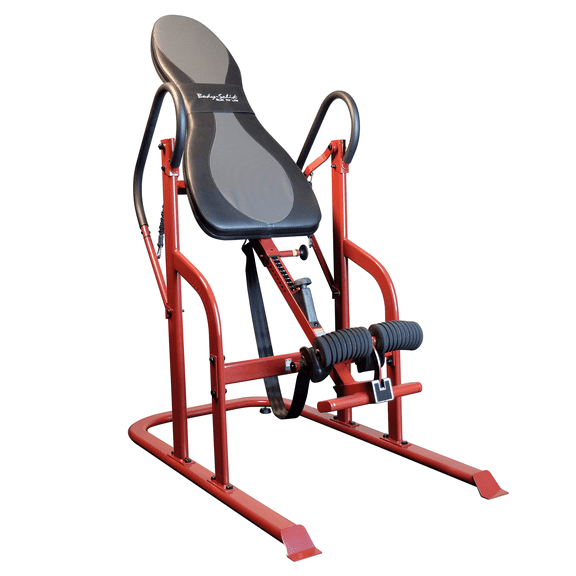
Set up an inversion table at home and turn small spaces into a focused stretching station. Inversion table options on Walmart.com include foldable frames and secure ankle locks for consistent, controlled hangs.
Many inversion tables adjust fast, so you can switch angles between sets without losing your groove. You’ll also find padded headrests and backrests that support longer sessions and smoother returns upright.
Benefits you’ll notice with an inversion table
An inversion table can help you create a repeatable decompression routine, without booking equipment time elsewhere. It’s an inverted exercise machine that supports controlled inversion, so you can focus on breathing and form.
Consistent use can support flexibility work before lifting, running, or long desk days. Many shoppers also like how inversion tables pair with core and mobility training for a balanced home gym setup.
- Supports spinal decompression routines through adjustable inversion angles and stable frames.
- Helps maintain a stretching habit with quick angle changes and easy foldaway storage.
- Promotes recovery-focused time after workouts, especially when you want low-impact movement.
- Supports back health goals with ergonomic padding and consistent alignment during hangs.
If you’re researching an inversion table for scoliosis, focus on gradual angles and secure fit. A slow progression and steady setup can help you stay comfortable and consistent.
Key features to compare on inversion tables
Start with weight capacity and frame geometry, since those drive stability during inversion. Look for wide bases, non-slip feet, and sturdy steel construction for a grounded feel.
Ankle support matters because it controls comfort and confidence while you’re inverted. Compare ankle lock styles, foam density, and adjustment ranges for different foot sizes.
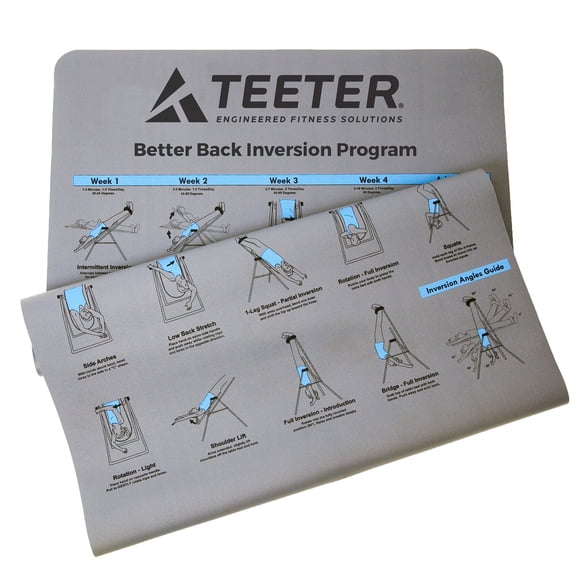
Angle control is the core decision point for an inverted table. Multi-position systems and clear angle markers help you repeat the same setting each session.
Check how the bed is built, including backrest padding, headrest shape, and shoulder space. Contoured pads can reduce pressure points during longer hangs.
Foldability and transport wheels are useful if your space doubles as an office or bedroom. Many inversion tables fold flatter, so you can store them in a closet between sessions.
Also review safety features like locking pins, strap systems, and easy-reach handles. These details support smooth entry, controlled inversion, and steady returns upright.
You may also see terms like inverse table in listings and guides. They usually refer to the same category, but feature sets can differ by brand and model.
Choosing the right inversion table for your home
Match the footprint to your room layout, including clearance for a full swing back to upright. Measure the open length, then confirm you can step in and out safely.
Think about who will use it and how often it’ll be adjusted between users. Faster height adjustment and simple pin systems can reduce setup time between sessions.
If you’re starting out, prioritize comfort features that help you build routine. Softer ankle rollers and supportive padding can make early sessions feel more approachable.
For more intense training, look for firmer frames and wider angle range controls. That combination can support deeper inversion work and more repeatable positioning.
Some shoppers compare an inverted table to other recovery tools like yoga mats or foam rollers. Inversion tables focus on controlled hanging, while floor tools support mobility and warmups.
Common ways people use inverted exercise machine setups
Many people use inversion tables after strength training to support cooldown and stretching habits. A short hang can fit between sets of mobility work and breathing drills.
Desk-day routines are another common use case, especially when you want a reset after long sitting. A controlled inversion session can support posture-focused stretching and gentle movement.
Runners often combine inversion with hip flexor stretches and hamstring work. Setting consistent angles helps you repeat the same recovery pattern after longer miles.
If you’re exploring an inversion table for scoliosis, plan for conservative angles and steady transitions. Pair it with guidance from your care team for routines that fit your needs.
Home gym owners like how an inverted exercise machine complements strength tools without taking permanent floor space. A foldable inversion table can live in a corner, then open when you’re ready.
For households with multiple users, keep a note of height settings and preferred angles. That small habit can make shared inversion tables feel personal and predictable.
Get a stable, repeatable inversion routine
Dialing in an inversion table is about fit, safety, and consistency across sessions. Choose the right frame, ankle support, and angle control, and your routine can feel steady every time.