

Industrial Scales in Weight, Sound, and Light Measurement













About Industrial Scales in Weight, Sound, and Light Measurement - Walmart.com
An industrial scale helps you weigh pallets, cartons, drums, and bulk materials with the capacity your operation needs. You can compare floor, bench, crane, pallet, and shipping models for warehouse, packing, and receiving tasks.
How to choose the right industrial scale
You should start with scale type, because each setup fits a different workflow. You may need a floor scale for loaded pallets, or a bench scale for parts and packed goods.
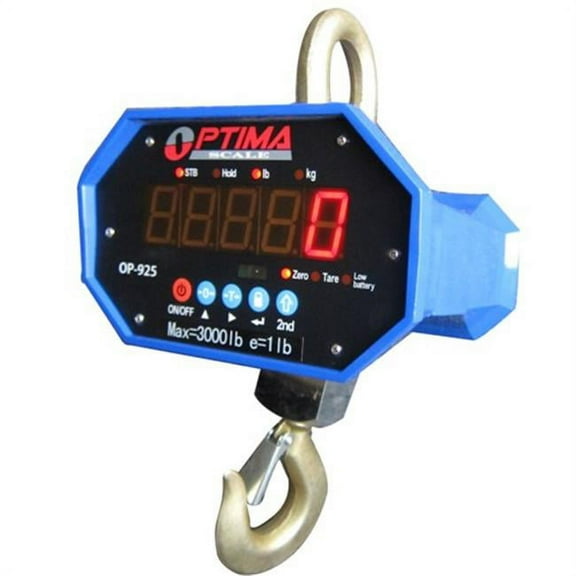
If you handle suspended loads, you should consider a crane scale with a clear display. If you process outgoing orders, you may prefer a shipping model for cartons and labeled parcels.
You should also compare platform dimensions before you choose a weight scale for industrial use. You need enough surface area for boxes, pallets, or containers to sit fully on the platform.
When you compare a large industrial scale to a compact bench unit, you should match the footprint to your workspace. You can keep traffic moving when your scale fits your station and load size.
Benefits you can expect from an industrial scale
You can keep daily weighing tasks more consistent when your equipment matches your load type and capacity. You also reduce repeated lifting and repositioning when your platform size fits your materials.
With the right industrial scale, you can record incoming, outgoing, and stored weights with less guesswork. You can support smoother receiving, packing, and inventory counts across busy work areas.
- You can weigh pallets, cartons, drums, and components with equipment built for commercial spaces.
- You can choose capacities that fit light bench work or heavier warehouse loads.
- You can read digital displays quickly, which helps you move through routine tasks with less delay.
- You can select portable or fixed setups based on your station layout and power access.
You may also compare industrial weighing machine options when your workflow changes by department. You can use one type at a packing table and another at a loading zone.
If you want convenient access and fulfillment, you can use online category guidance to compare types, capacities, and footprints in one place. You can narrow your options faster when key specs appear together.
What to look for in capacity, accuracy, and calibration
You should check weight capacity first, because overload limits affect daily usability. You may compare 500, 1000, 5000, 10000, and 20000 pound ranges based on your heaviest loads.
You should review load cell capacity along with platform dimensions, because both affect real-world fit. You need a scale that supports your item weight and your item shape.
For small boxes or components, you may want a bench scale with tighter readings. For loaded pallets or bulk containers, you may need a large industrial scale with a broader platform.
You should also compare accuracy needs before you choose your industrial scale. You may want general weighing for internal checks, or legal-for-trade configurations for transaction-based weight records.
Calibration matters when you want readings that stay consistent over repeated use. You should look for models that make routine setup, display checks, and recalibration straightforward.
If your area handles dust or washdown, you should check the IP rating. You can use that spec to compare how well a unit suits damp or dusty work zones.
You should also review housing materials, keypad design, and display visibility. You can work more efficiently when your scale stands up to warehouse conditions and remains easy to read.
Choosing power options and portability for your workflow
You should decide whether your station needs outlet power, battery power, or both. You can keep fixed stations running steadily, or move portable units where temporary weighing happens.
Battery-powered models can help you shift between loading areas, stock rooms, and receiving docks. Outlet-powered models can suit permanent benches where you want a consistent setup.
You should compare handle design, wheel kits, and overall unit size if mobility matters. You can avoid awkward repositioning when your scale matches your route and floor space.
Industrial weighing machine use cases by scale type
You may choose a floor scale when you weigh palletized goods, drums, or bulk shipments. You can place larger loads on low platforms that suit forklifts and pallet jacks.
You may choose a bench scale when you sort hardware, packaged ingredients, or boxed inventory. You can fit these units on worktables where smaller items need frequent checks.
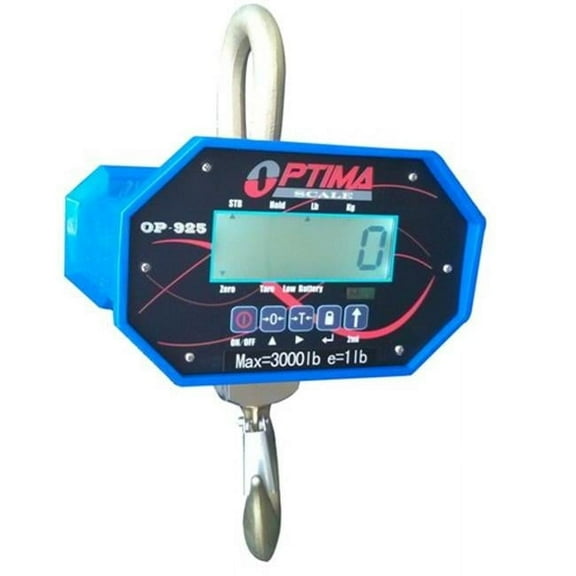
If you lift items overhead, you may choose a crane scale for suspended weighing tasks. You can monitor hanging loads without moving them onto a platform.
You may choose a pallet scale when you need a compact frame around loaded skids. You can weigh inbound or outbound freight while keeping your receiving lane organized.
If you handle parcels every day, you may choose a shipping scale for cartons and labeled boxes. You can support packing stations where dimension checks and weight readings happen together.
Across these setups, you should match your industrial scale to your materials, station size, and required capacity. You can make faster, clearer equipment decisions when those factors align from the start.
You can shop industrial scale options with more confidence when you compare scale type, capacity, calibration needs, and power setup together. You’ll get equipment guidance that fits warehouse tasks, packing stations, and commercial weighing routines.