

Incubators & Brooders in Poultry Care













About Incubators & Brooders in Poultry Care - Walmart.com
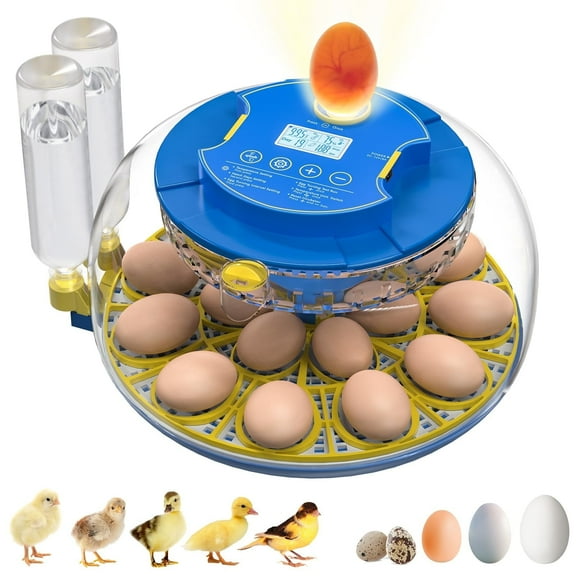
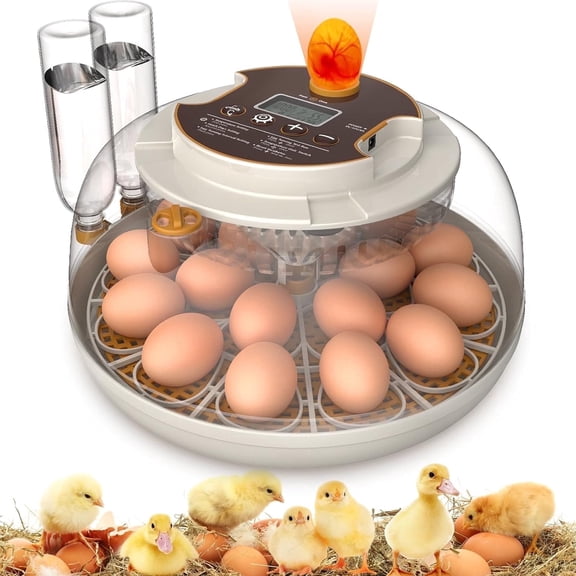
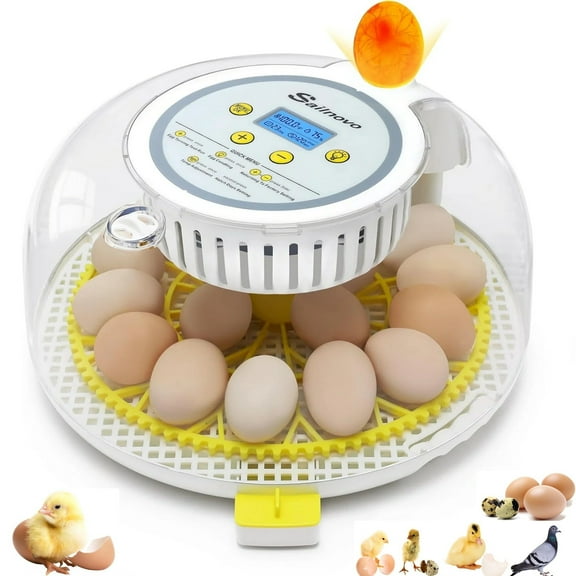
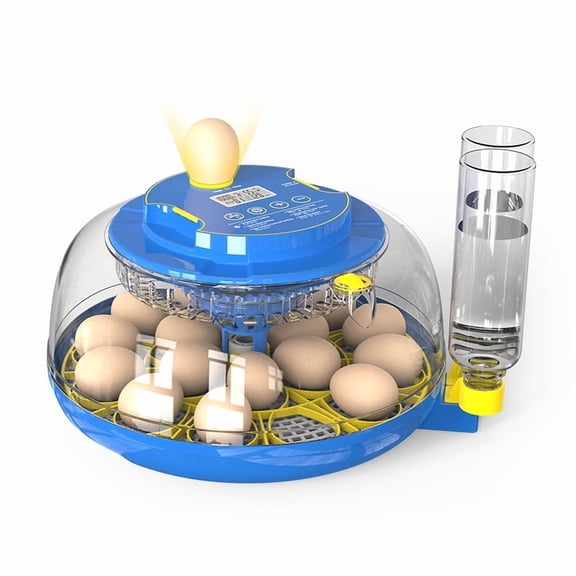
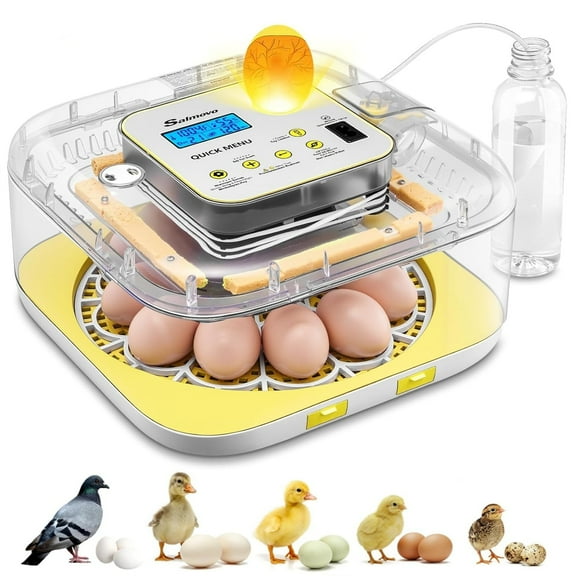
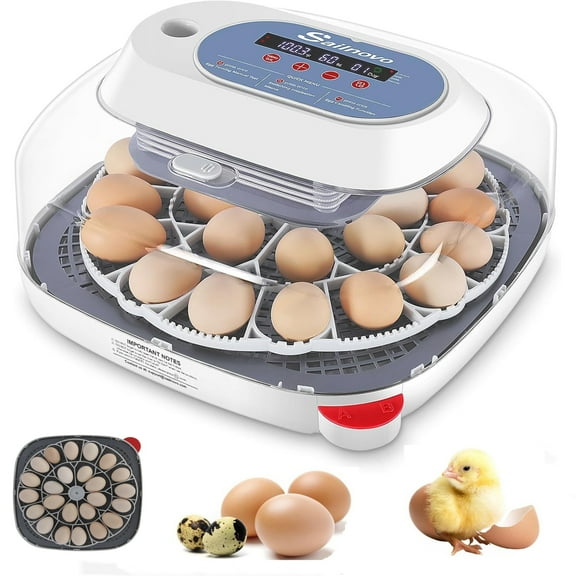
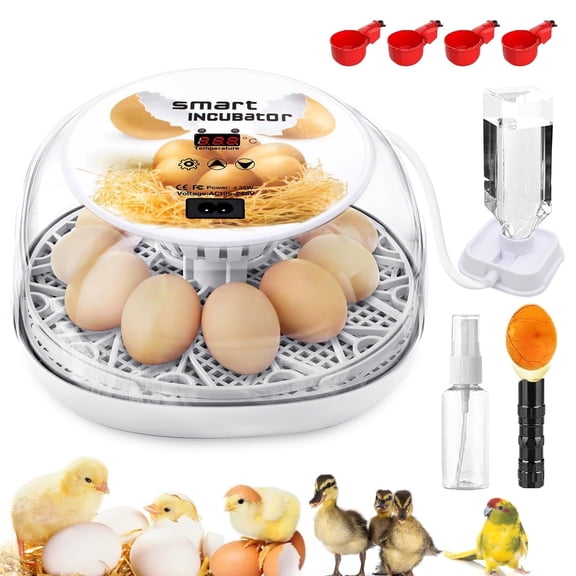
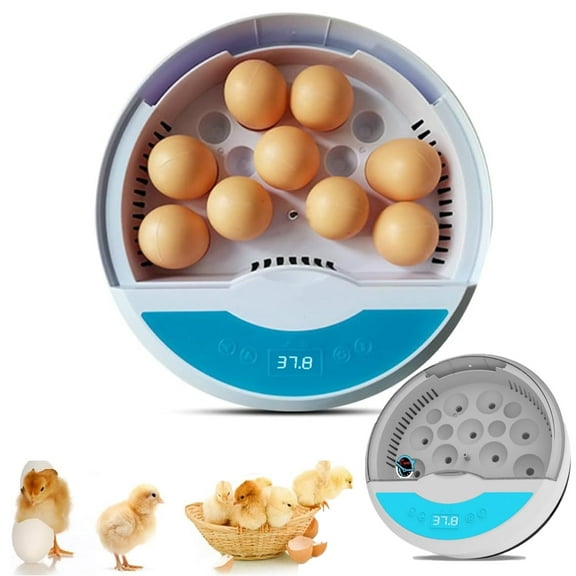
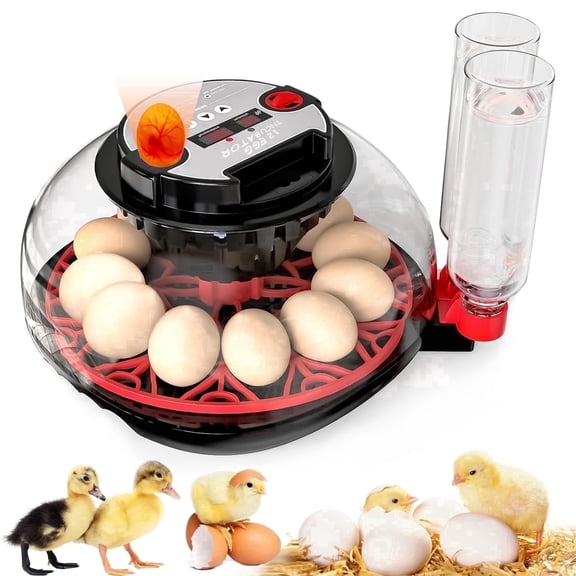
An egg incubator helps you hatch poultry with steadier temperature control, guided turning options, and clearer monitoring than many homemade setups. This category includes units for chicken, quail, duck, and turkey eggs, plus brooder gear for newly hatched chicks. You can compare compact countertop models and larger cabinet styles in one place. That makes planning a small flock or expanding a poultry setup feel more straightforward.
Why an egg incubator fits poultry projects
Consistent conditions matter when youu're setting fertile eggs for a full hatch cycle. A dedicated unit keeps heat and humidity management more predictable than improvised containers. Clear lids and digital displays also make daily checks easier. You can watch development without opening the chamber too often.
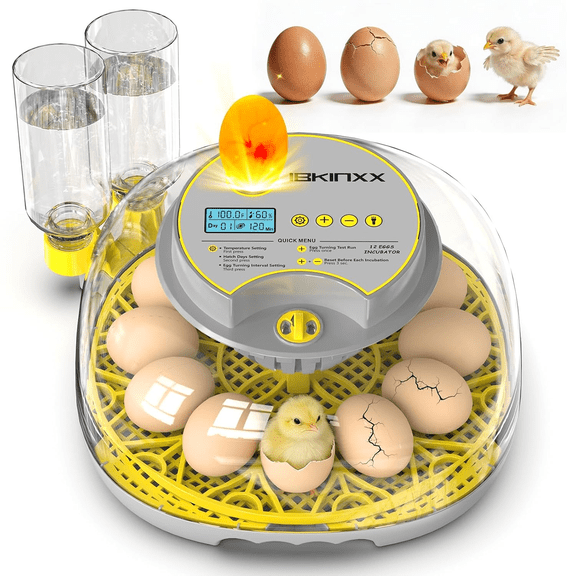
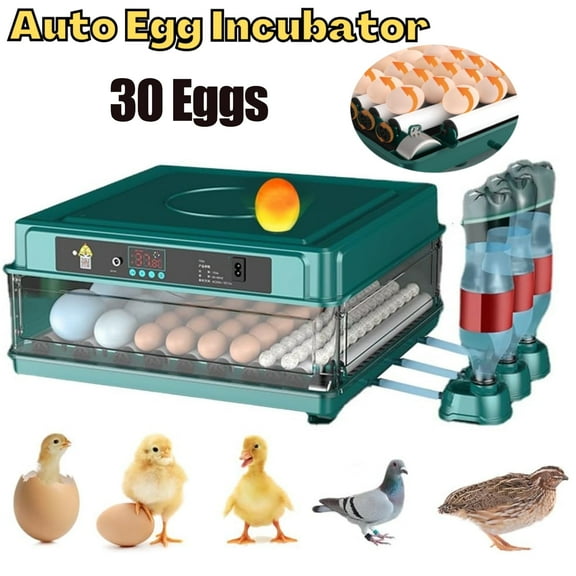
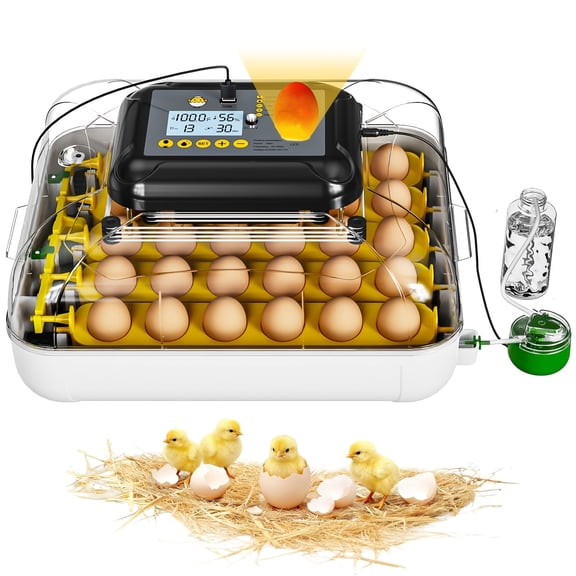
- Automatic turning trays reduce manual handling during incubation.
- Built-in water channels help support stable humidity routines.
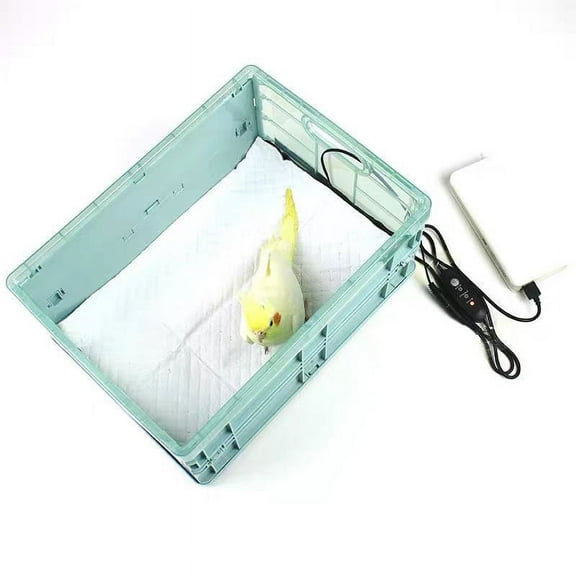
- Brooders create a warm, contained space for chicks after hatching.
- Species-specific capacity options help match chicken, quail, duck, or turkey eggs.
For first-time poultry keepers, these products simplify the learning curve. Guided controls and labeled settings help you focus on timing, candling, and hatch planning. Experienced flock owners also benefit from higher egg capacity and batch organization. Separate trays and dividers support mixed-size eggs in many models.
Chicken egg incubator features that shape your choice
Incubator design affects daily use more than many shoppers expect. Forced-air models circulate warm air with a fan, while still-air units use natural heat movement. That difference can influence chamber consistency and egg placement strategy. It also shapes how often you monitor readings across the tray.
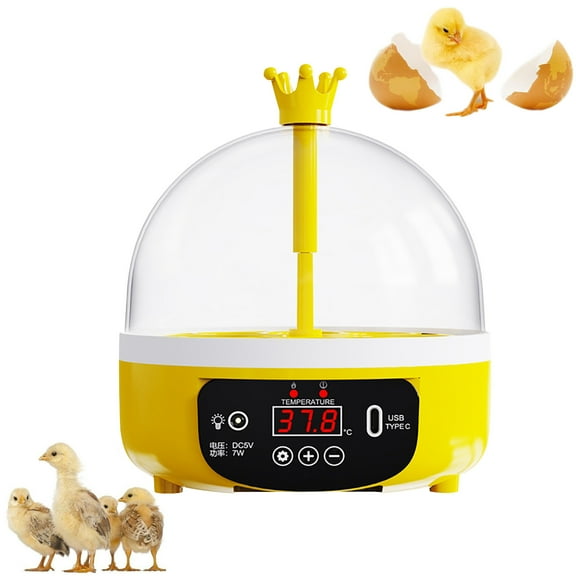
Capacity is another key decision point. Smaller models suit test batches, classroom projects, or backyard flocks with limited space. Larger cabinets support repeated hatches and broader poultry plans. Check the listed egg count for chicken eggs first. Then review inserts for quail, duck, or turkey eggs.
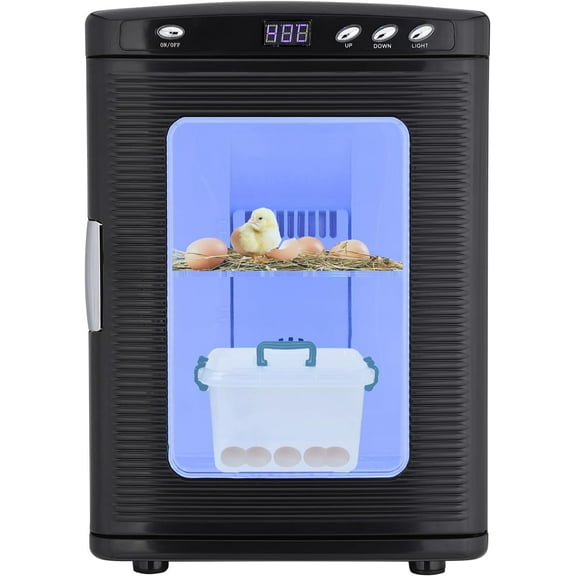
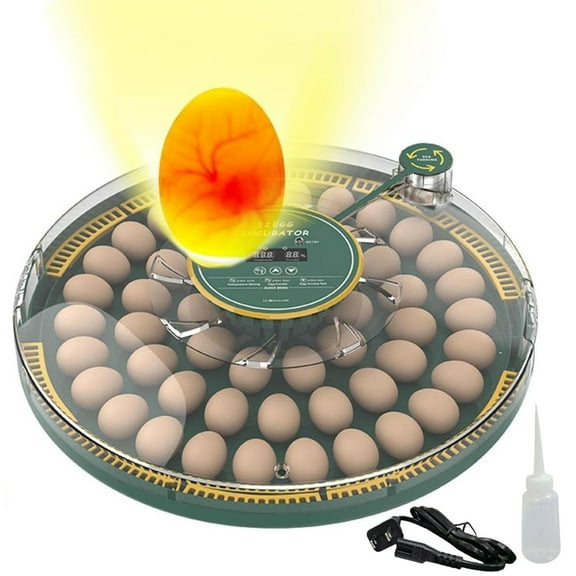
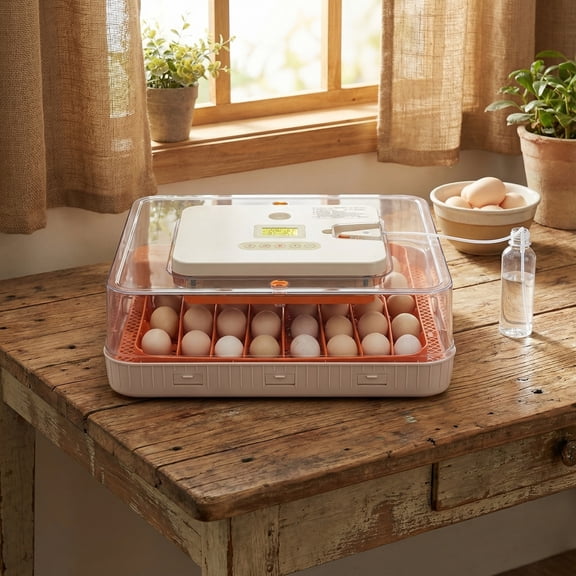
Digital controls can make setup feel easier. Many units include temperature displays, humidity readouts, and alarm functions for quick visibility. Some also offer automatic turning intervals and countdown features. Removable liners and smooth interior surfaces help with cleanup between hatch cycles. Viewing windows are useful when you want visibility without disrupting chamber conditions.
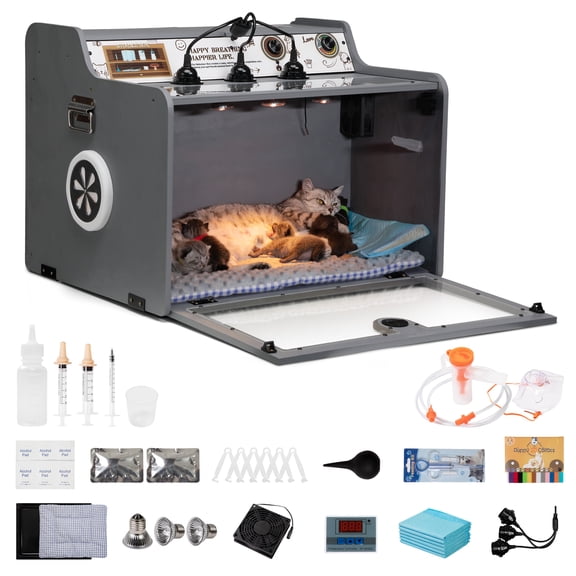
Brooder features deserve equal attention after hatch day. Guard panels, heat lamp compatibility, and easy-access feeders help support daily chick care. Some brooders fold for storage between seasons. Others provide deeper walls for active chicks and larger batches.
Homemade incubator ideas versus ready-made equipment
Homemade incubator projects appeal to tinkerers, hobby farms, and classroom experiments. They can be useful for learning the basics of airflow, heat placement, and egg turning. Ready-made equipment offers a more structured setup from the start. That often means less trial and error during critical hatch windows.
If youu're comparing a homemade incubator with a manufactured model, focus on control points. Reliable thermostats, fitted trays, and purpose-built vents make ongoing adjustments simpler. Clear calibration guidance also helps you prepare before eggs are set. For many shoppers, that convenience matters during multiweek incubation cycles.
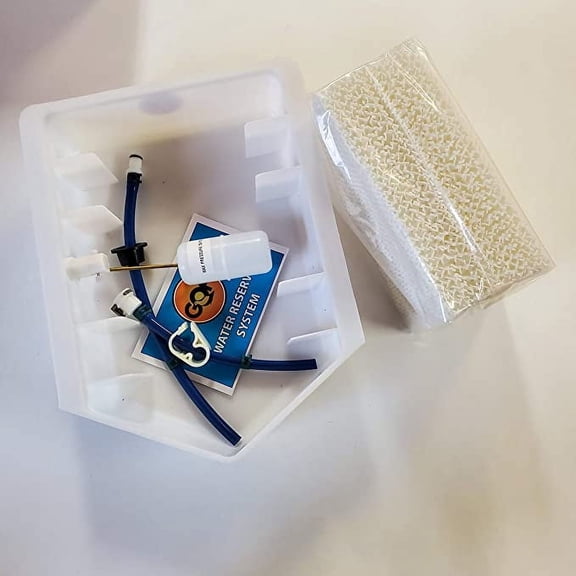
Accessories can bridge the gap between simple setups and advanced systems. Replacement turners, hygrometers, candlers, and extra trays expand how you manage batches. Brooder add-ons also help once chicks emerge and need a contained starter space. Those details can turn a basic poultry project into a smoother routine.
Use cases for egg incubator and brooder setups
Backyard chicken keepers often need a chicken egg incubator for seasonal flock growth. A compact unit fits garages, utility rooms, and hobby farm workspaces. Windowed lids make it easier to track progress with children or students. Automatic turning helps when your schedule changes throughout the week.
Game bird and mixed-flock keepers usually need flexibility. Adjustable trays can support smaller quail eggs or larger duck and turkey eggs. That makes one incubator useful across several poultry plans. Pairing it with a brooder creates a smoother move from hatch day to early chick care.
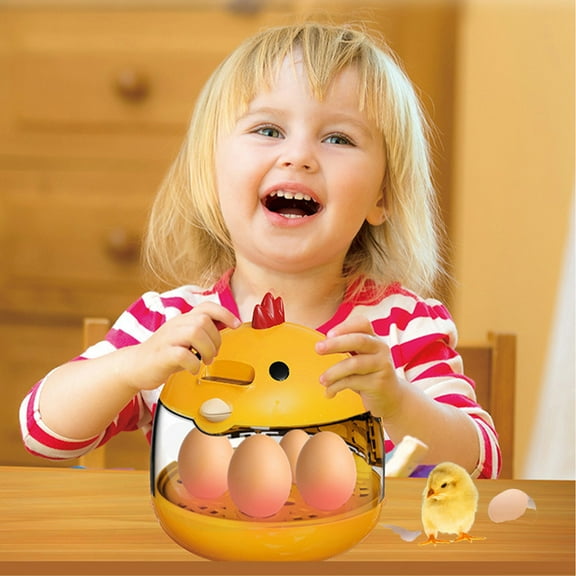
Schools, agricultural programs, and youth projects often prefer visible, easy-to-monitor equipment. Digital screens help instructors explain incubation stages and timing. Compact brooders also give chicks a contained environment after hatching. That setup works well for demonstrations, supervised learning, and short-term observation projects.
Small farm operations may look for larger batch capacity and easier cleaning. Cabinet-style units support repeat hatches when you need more chicks across a season. Brooders with organized feeder and waterer access help streamline routine tasks. That can make poultry planning more manageable from the first egg to the first week after hatch.
Choose equipment built for the full hatch cycle
The right setup supports more than incubation alone. It also helps with turning, visibility, hatch timing, and early chick housing in one connected process. With an egg incubator matched to your species and batch size, poultry projects can feel more organized from setting day through brooding.