

Commercial Refrigerators & Commercial Freezers













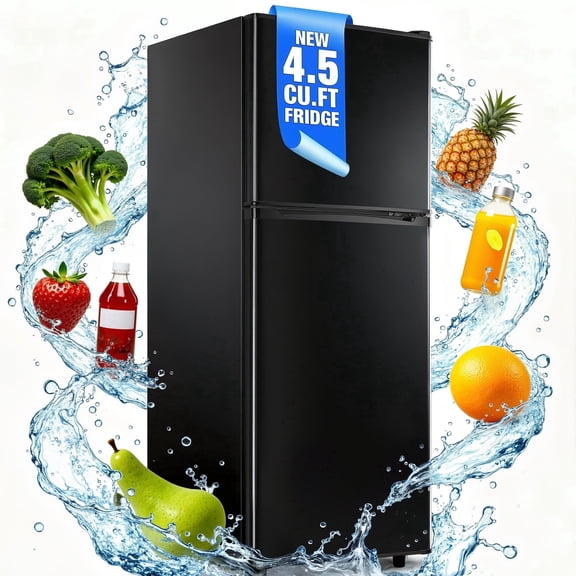
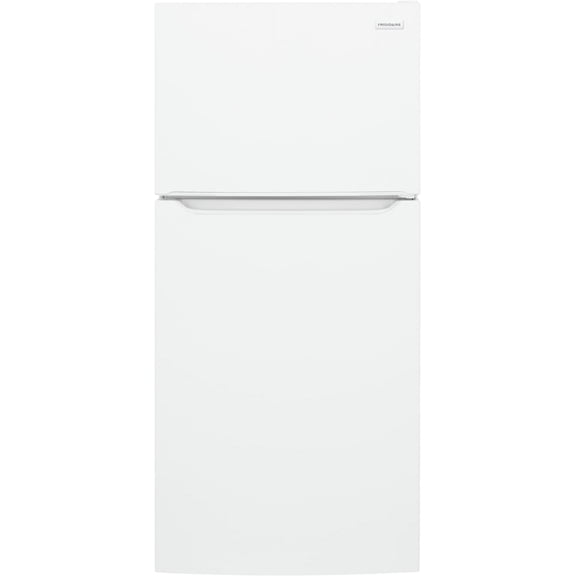
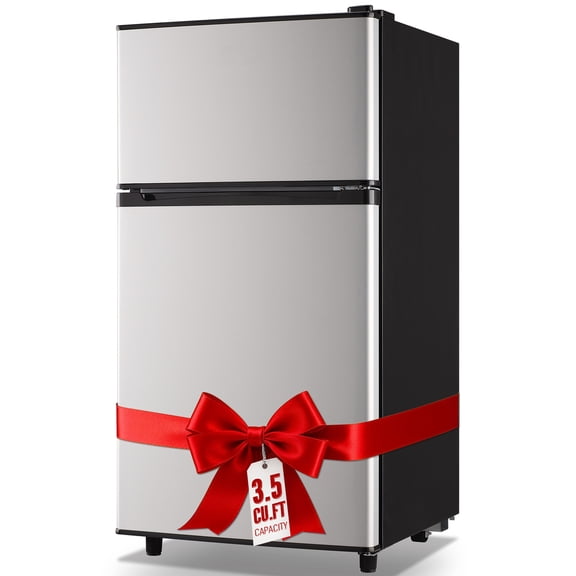
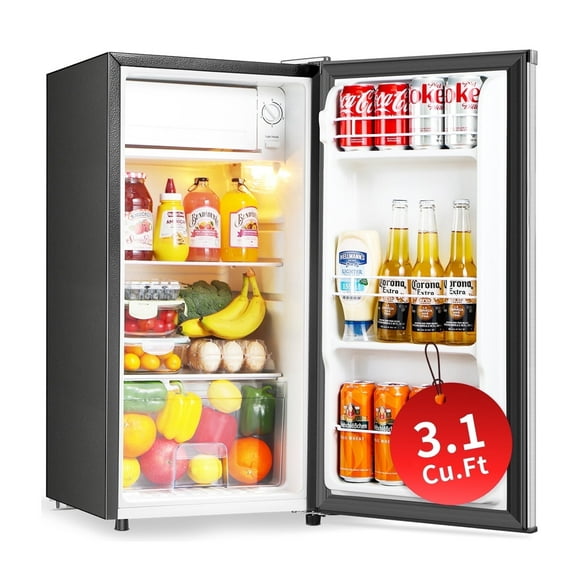

About Commercial Refrigerators & Commercial Freezers in Food Service Equipment & Supplies - Walmart.com
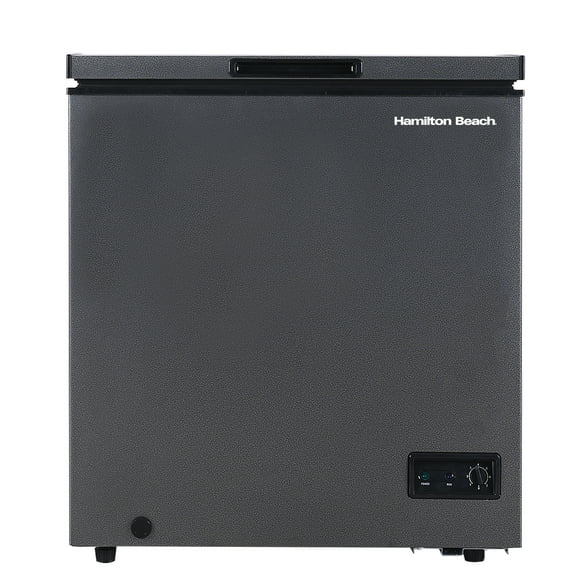
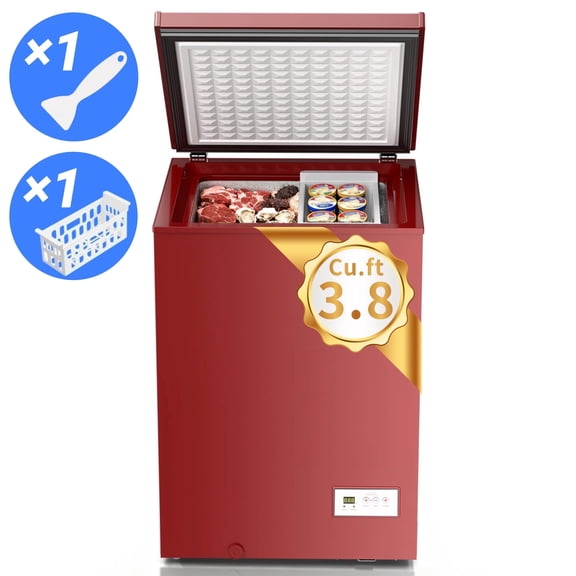
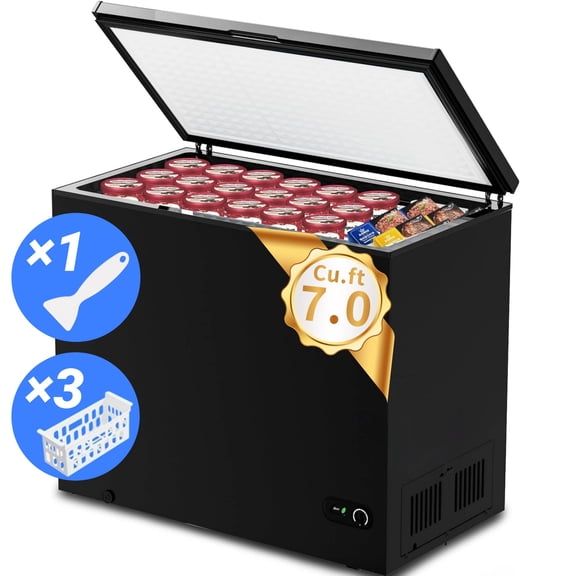
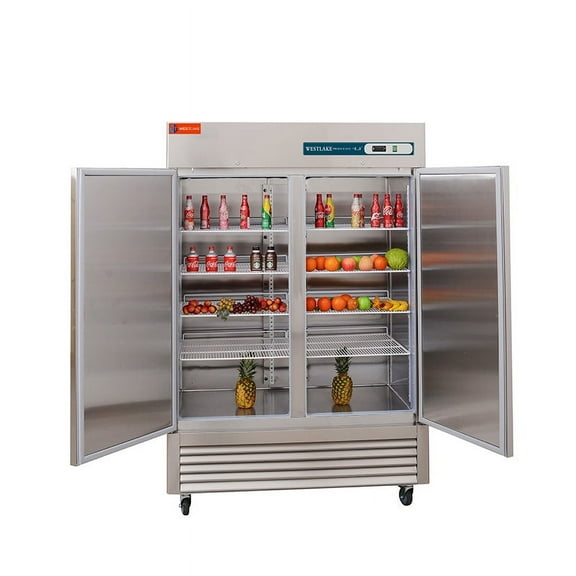
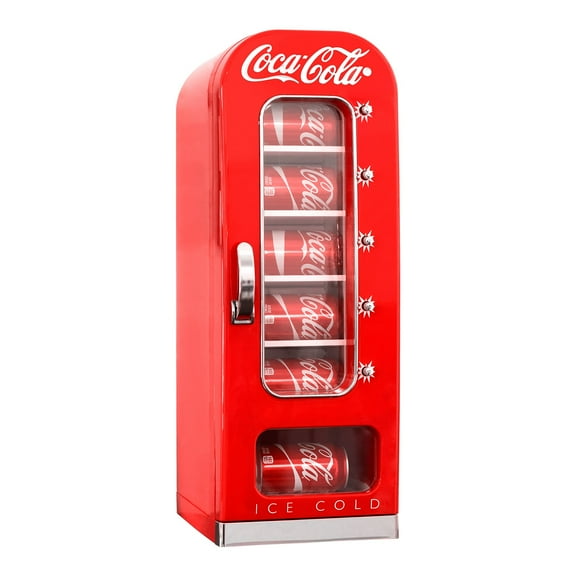
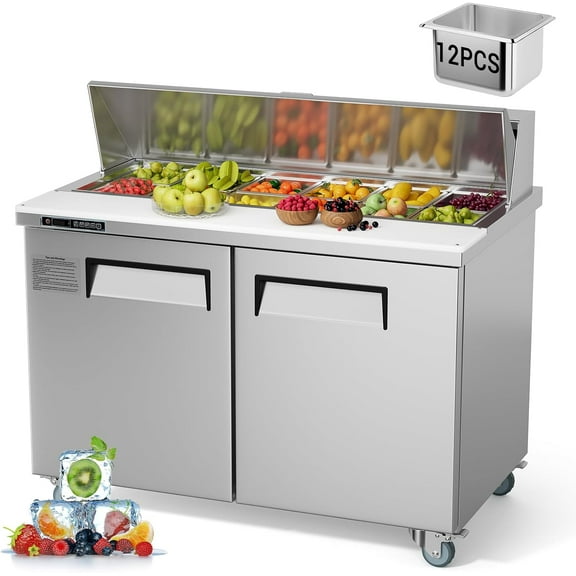
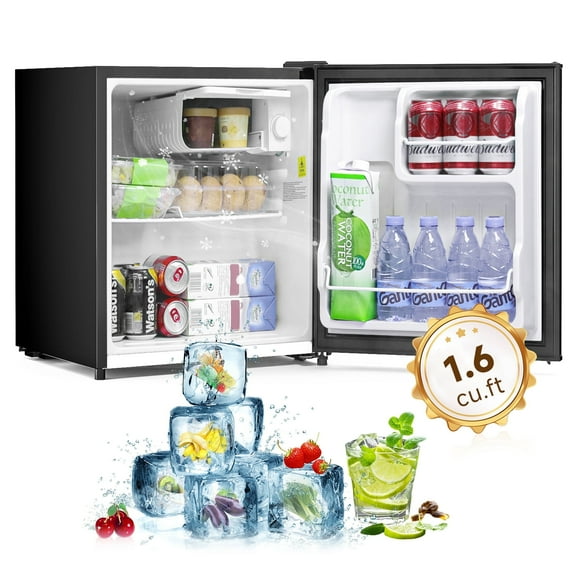
Commercial chest refrigerators give busy foodservice and retail spaces broad, easy-access cold storage for boxed ingredients, bottled drinks, and back-of-house inventory. This category focuses on commercial-grade construction, larger capacities, and dependable temperature control for demanding daily use. You’ll see chest units, upright models, and other commercial refrigeration equipment built for kitchens, concession stands, stockrooms, and service counters. That makes comparison easier when you need specific footprints, door styles, or storage layouts.
Commercial chest refrigerators for daily operation
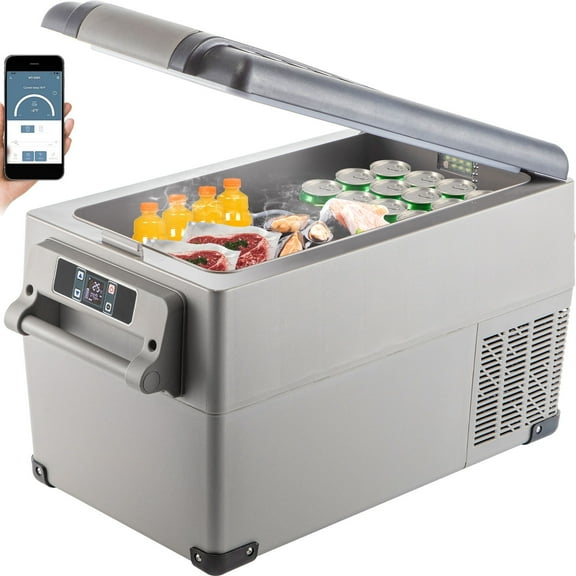
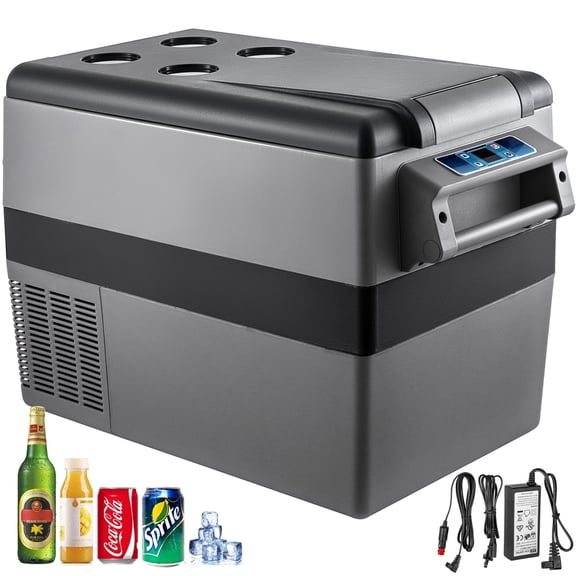
Chest designs help you organize bulk items in a wide cabinet with a lift-top opening and a low profile. That format works well when floor plans favor horizontal storage instead of tall reach-in access.
Many buyers choose these units for frozen food holding, chilled beverage storage, or ingredient staging during prep. Commercial construction supports repeated opening, busy shifts, and heavier loading than many household appliances.
- Wide interiors hold pans, boxes, and packaged goods with fewer stacking issues.
- Lift-top access keeps products visible during fast restocking and inventory checks.
- Commercial-ready exteriors fit restaurants, cafés, markets, and event service spaces.
- Large-capacity layouts help separate beverages, proteins, desserts, or prep ingredients.
You benefit from better organization when products need to stay grouped by menu station or service type. A clear layout also helps staff move faster during receiving, prep, and cleanup.
What to compare in commercial refrigeration equipment
Specs matter because sizing mistakes can slow workflow and waste valuable floor space. Start with exterior dimensions, interior cubic footage, and the door configuration that fits your room layout.
A commercial size refrigerator should match both storage volume and clearance needs around walls, counters, and prep tables. Chest models need enough top-opening space, while upright units need swing room in front.
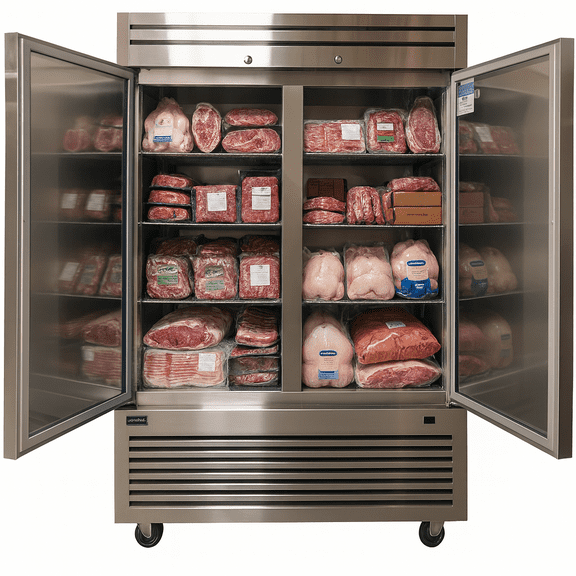
Look closely at shelving, baskets, and dividers because interior organization changes how usable the full cabinet feels. Smooth liners, casters, and simple control panels can also make daily upkeep easier.
Power requirements deserve attention before delivery, especially for larger commercial refrigeration equipment in kitchens with dedicated circuits. Voltage, plug type, and placement all affect installation planning and equipment flow.
Many shoppers also compare solid lids versus glass tops, manual controls versus digital displays, and stationary feet versus rolling casters. Those details shape visibility, mobility, and how the unit fits service routines.
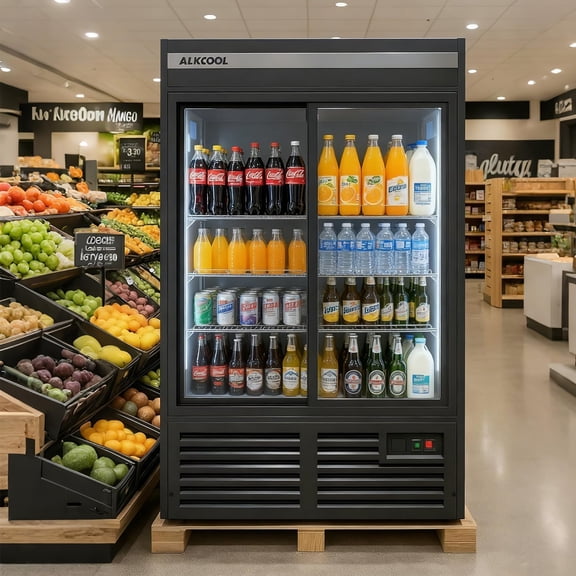
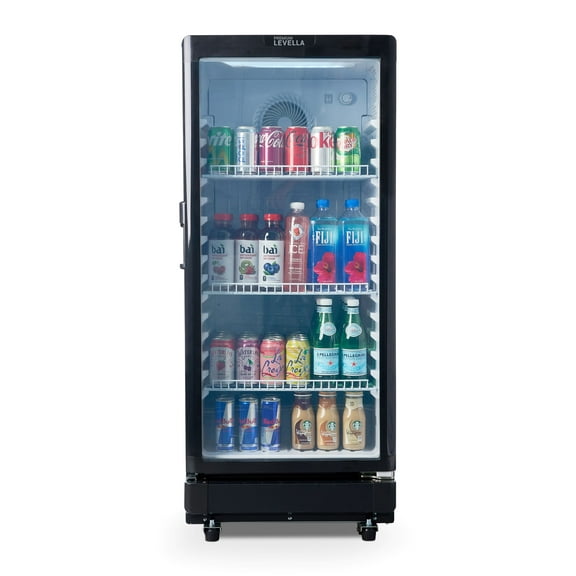
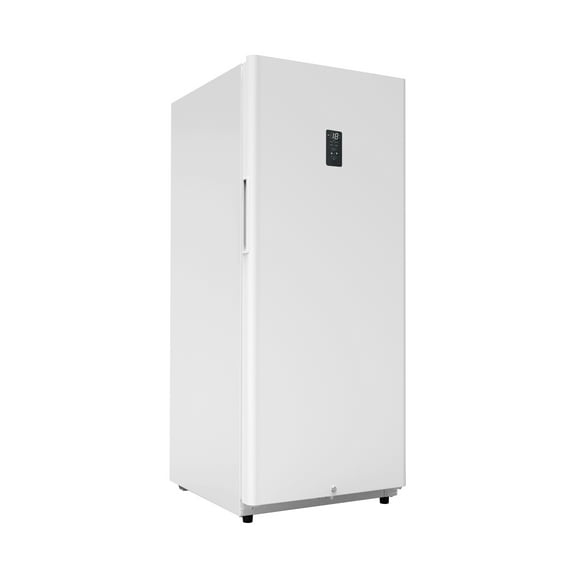
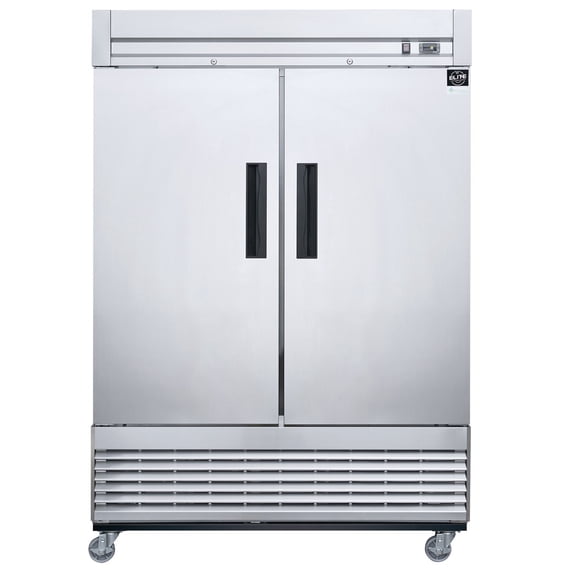
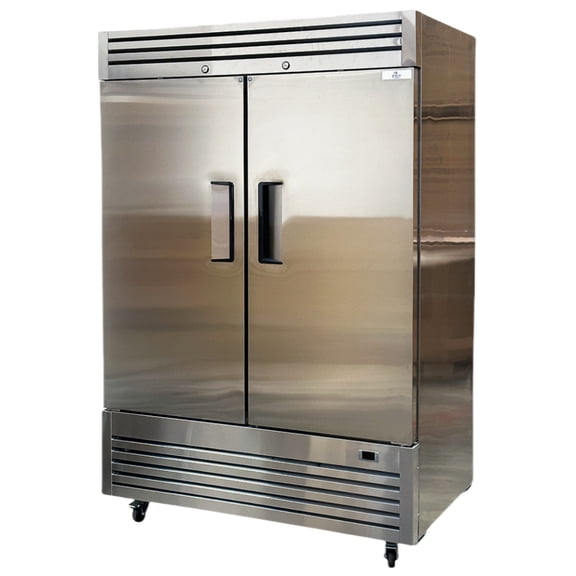
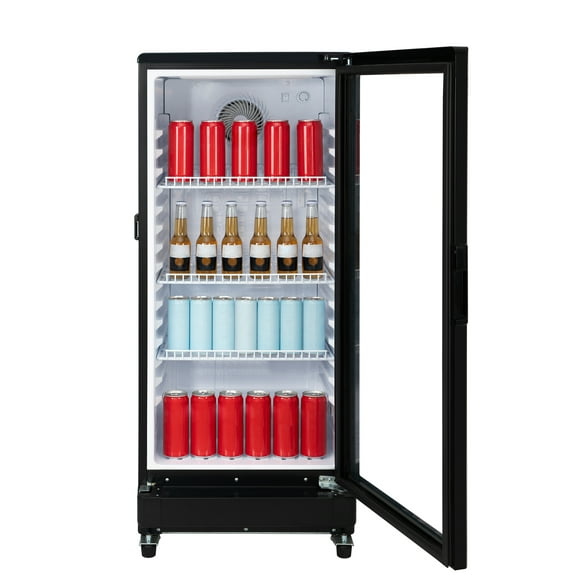
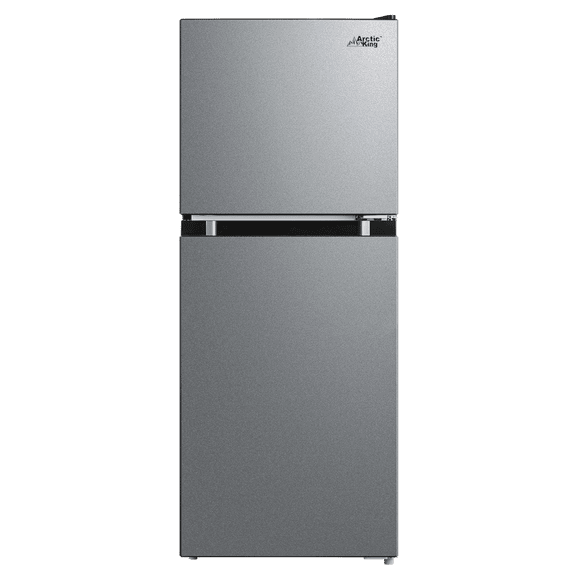
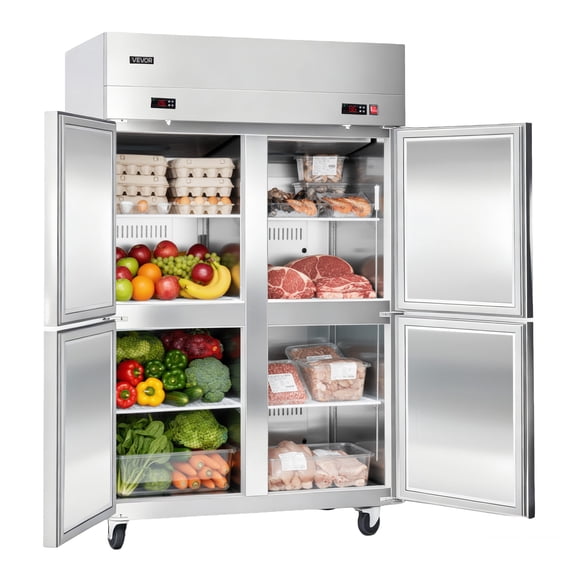
If you need vertical storage, a commercial upright refrigerator can place ingredients at eye level for quick grabs. Upright cabinets also suit narrower footprints where aisle space matters.
Choosing the right setup for your business
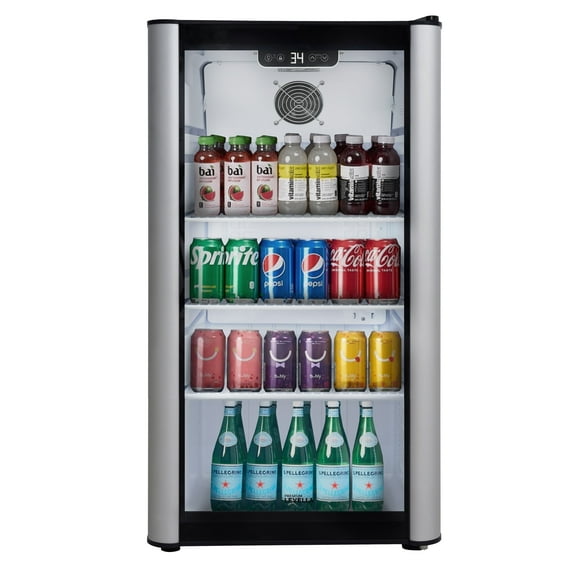
Different operations need different cold storage formats, and layout often drives the final choice. A café might want grab-and-go drink visibility, while a restaurant may need back-stock capacity for case quantities.
Commercial chest refrigerators often suit concession stands, convenience stores, and banquet operations that hold bulk packaged items. Their broad compartments work well for boxed desserts, bagged ice, or bottled beverages.
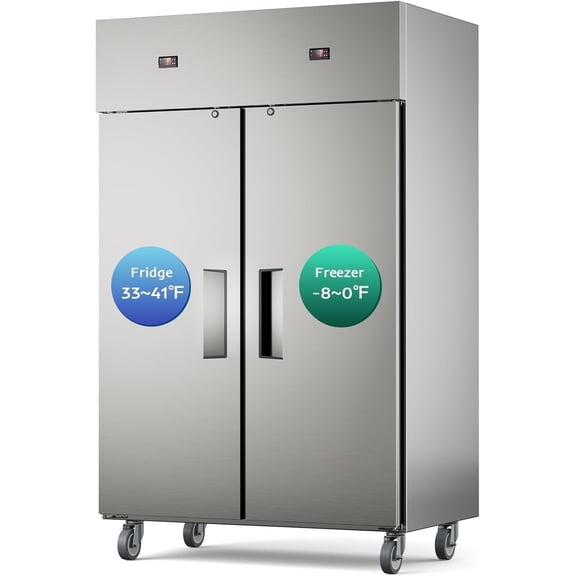
For line kitchens and prep areas, an upright commercial fridge can simplify access during service. Staff can see shelves quickly, rotate products faster, and reach stored items without lifting lids.
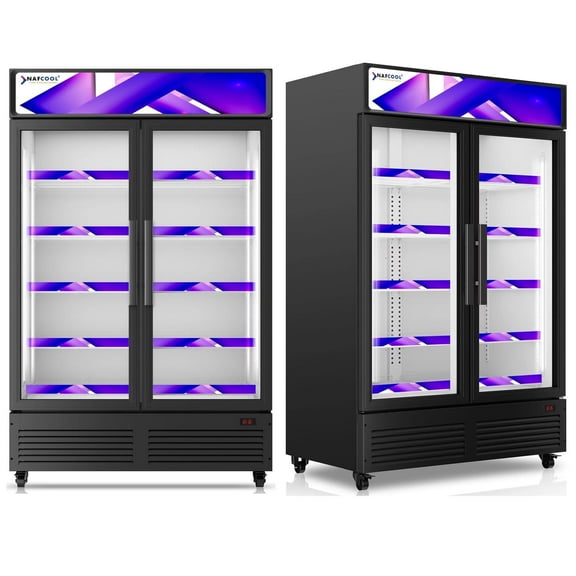
Industrial refrigerators can also support warehouse breakrooms, institutional kitchens, and catering storage rooms. In these settings, durable finishes and larger interiors help manage frequent loading throughout the day.
If your menu changes often, adjustable storage features give you more flexibility between beverage service and ingredient holding. That helps when seasonal volume, event menus, or changing case counts affect inventory.
Freight planning matters for large appliances, so many buyers review dimensions, door widths, and placement before ordering. That step helps align delivery access with loading docks, hallways, and final installation spots.
Warranty details and energy information are also useful comparison points for long-term operation. These details help you choose a unit that fits your usage pattern, space limits, and maintenance preferences.
Find a commercial fridge that fits the job
The right commercial chest refrigerators support smoother storage, clearer organization, and dependable access to cold inventory during busy shifts. With chest, upright, and industrial-ready options in one place, you can match the unit to your space and service flow.