






Hammer Drill Tools - Cordless & Corded | Walmart















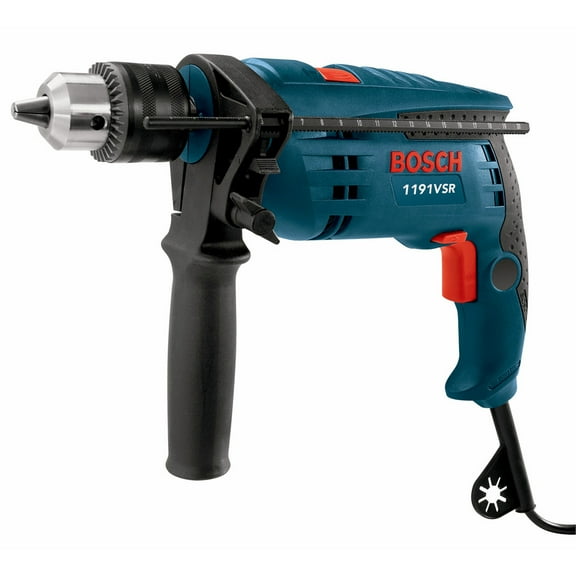

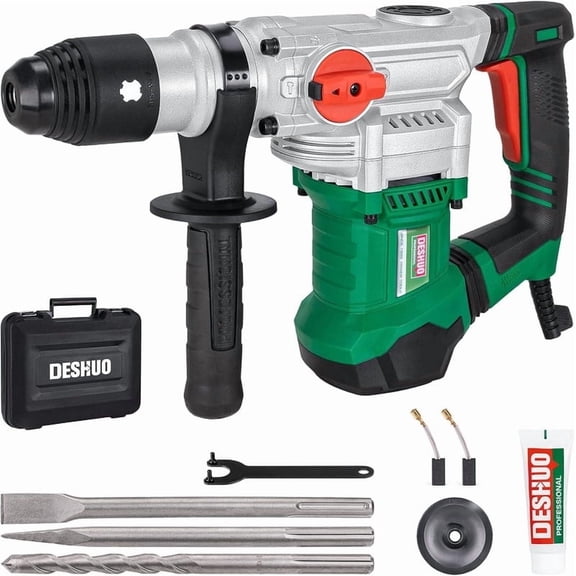


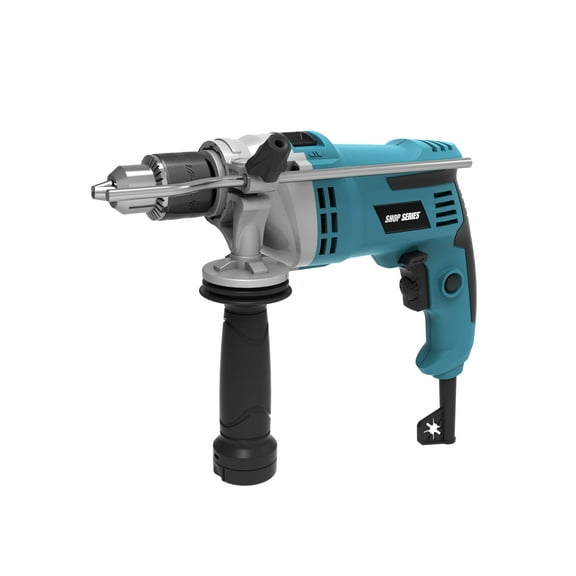


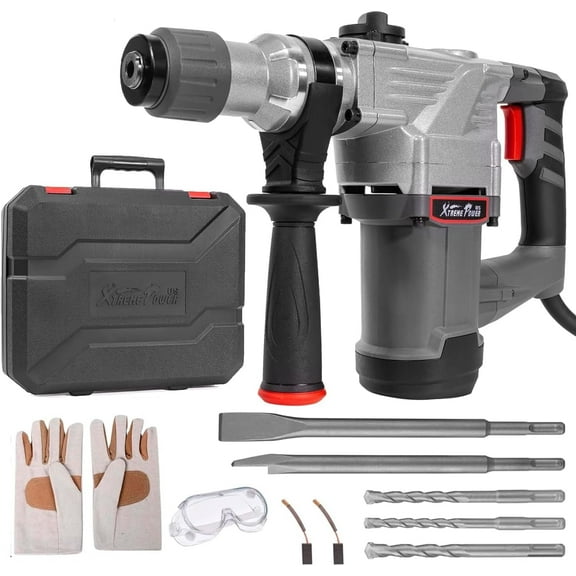

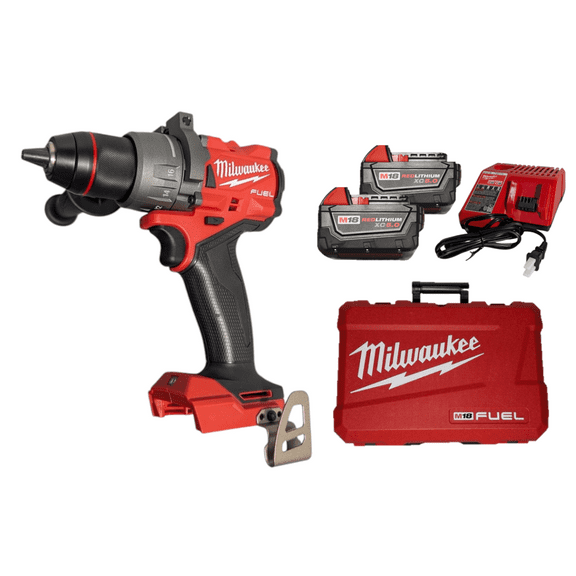
About Hammer Drill Tools - Cordless & Corded | Walmart - Walmart.com
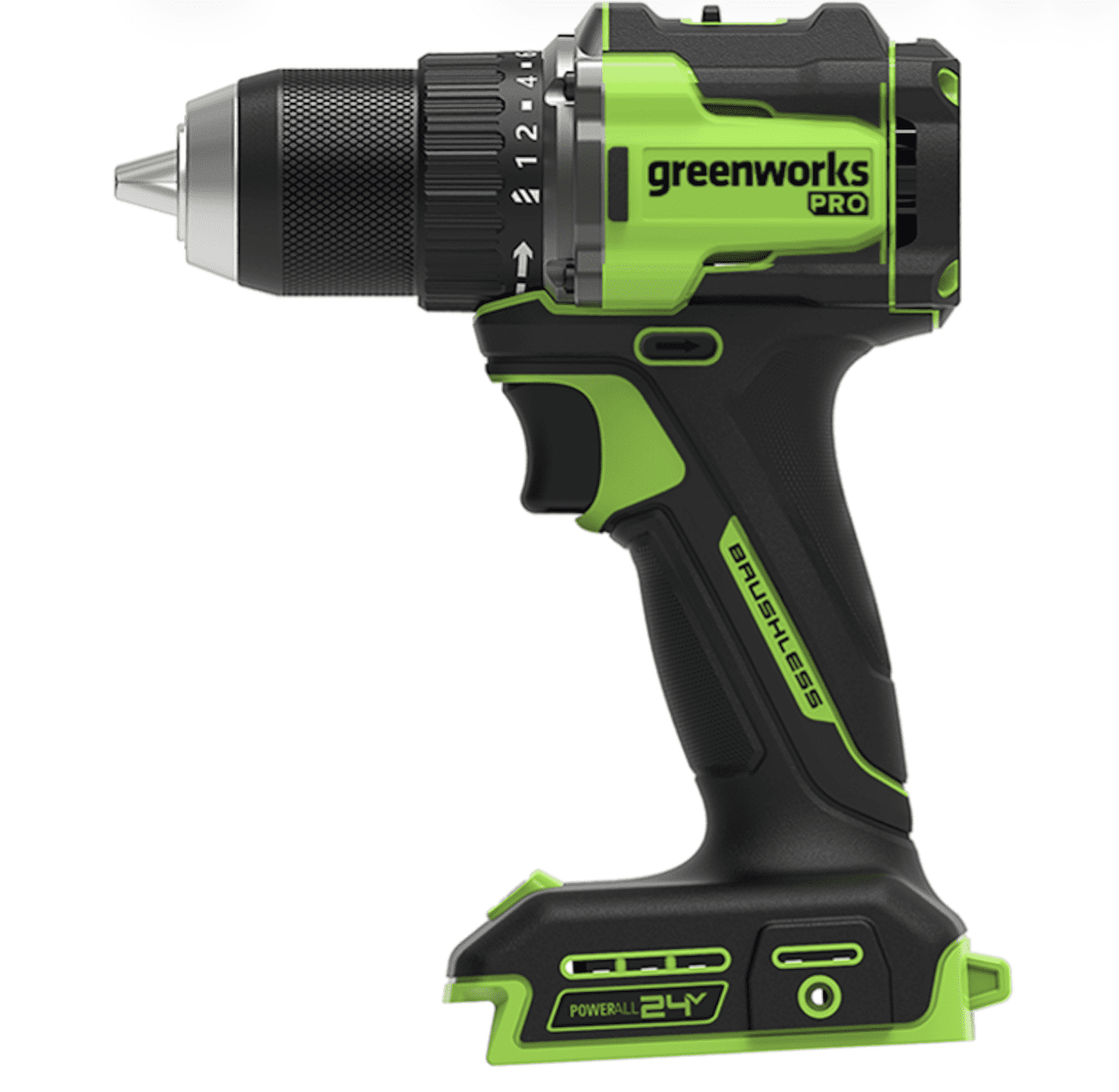
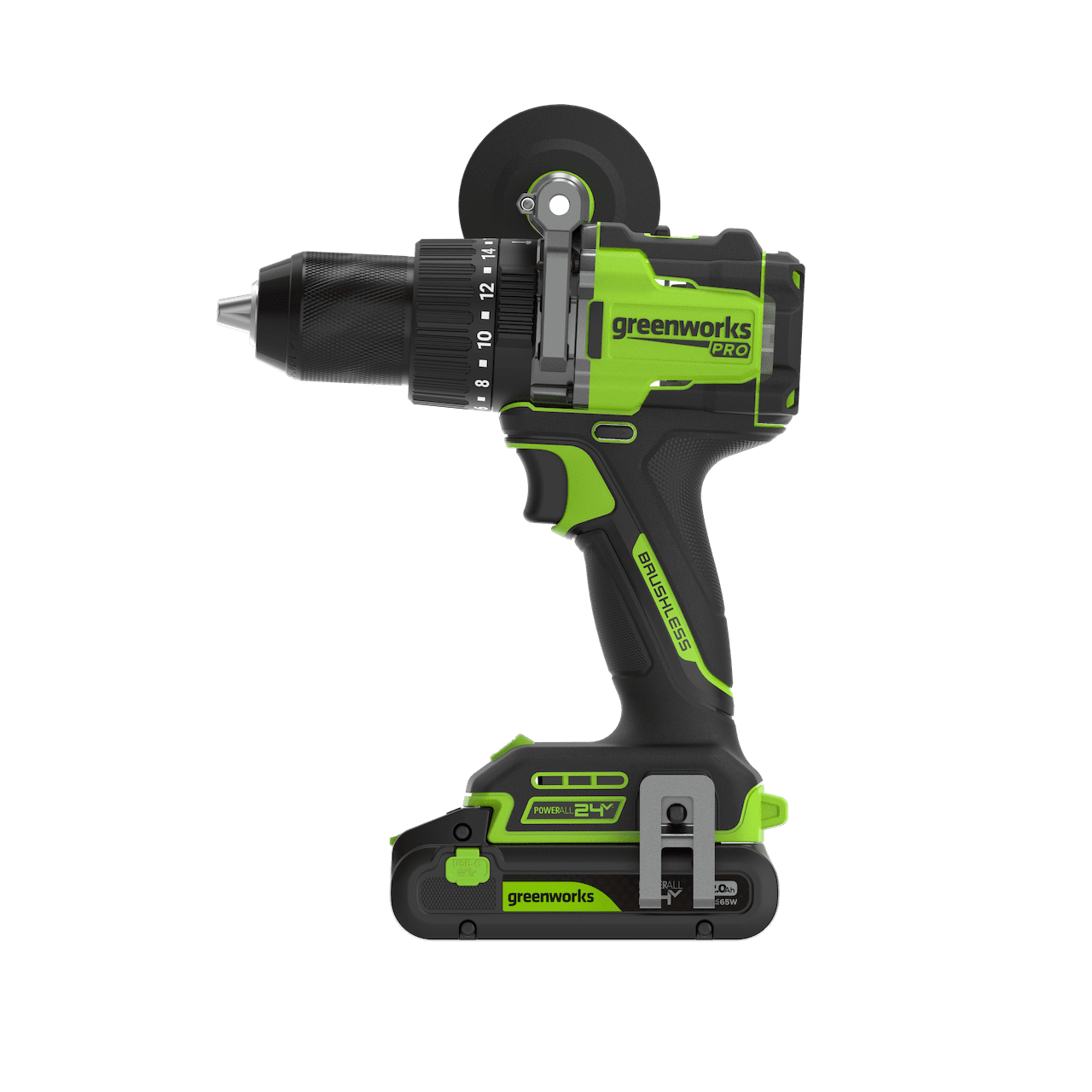
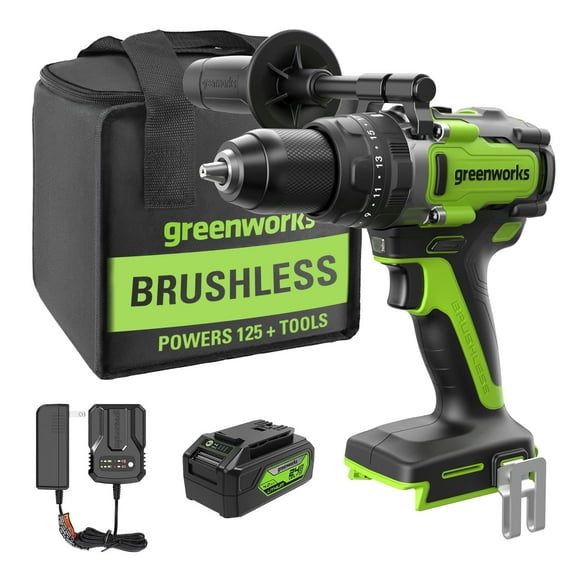
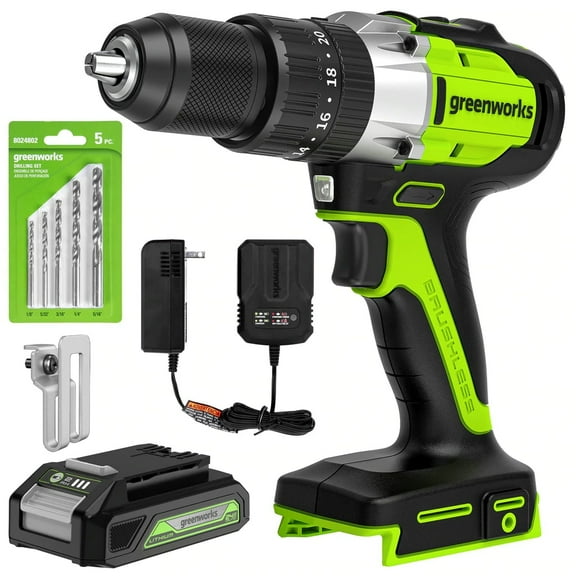
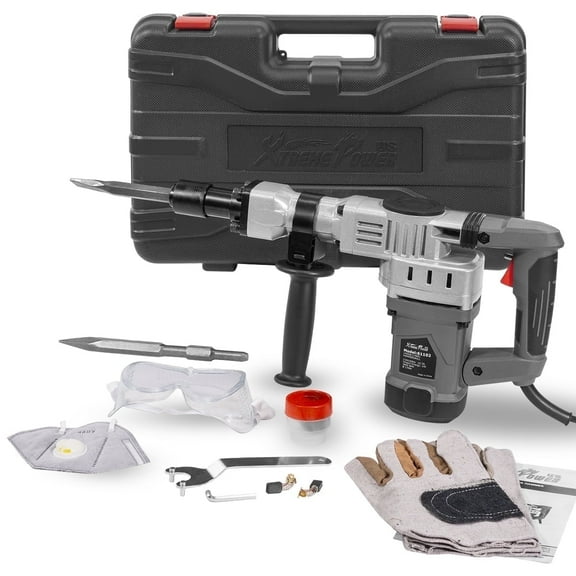
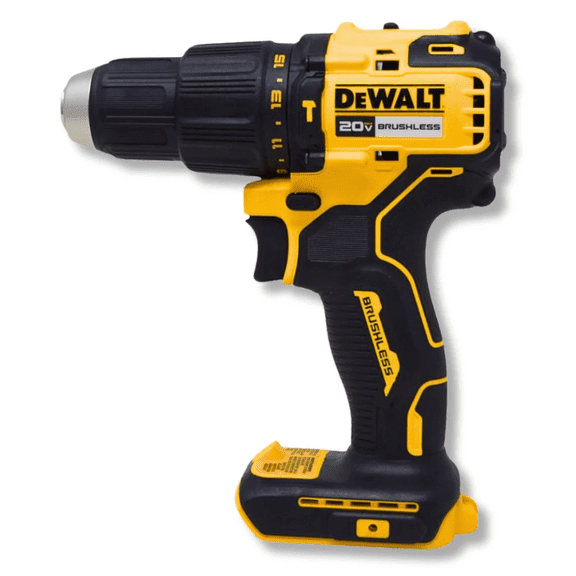
Hammer drills help you bore into concrete, brick, and masonry with added impact action for tougher projects. You can compare cordless, corded, and rotary options at Walmart to match your work and your preferred feel.
If you're mounting anchors, setting screws in block, or drilling starter holes in dense surfaces, you need the right setup. You can choose faster when you compare power source, drill type, chuck size, and impact performance.
How to choose hammer drills for your projects
You should start with the material you drill most often. If your work centers on concrete or masonry, you may need stronger impact force and a more secure bit connection.
For lighter jobs, you may prefer a standard hammer drill with a familiar chuck and simpler bit changes. For repeated concrete drilling, you may want a rotary hammer drill with SDS-Plus shank compatibility.
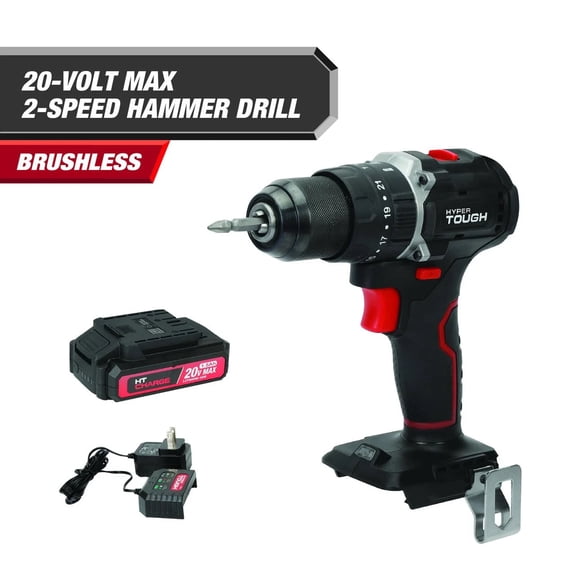
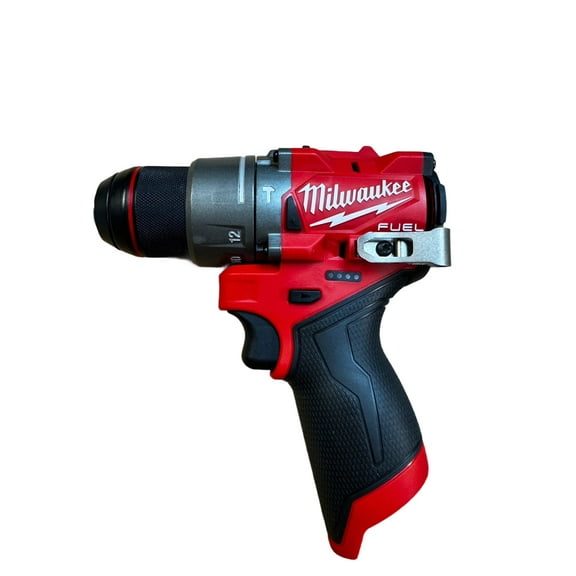
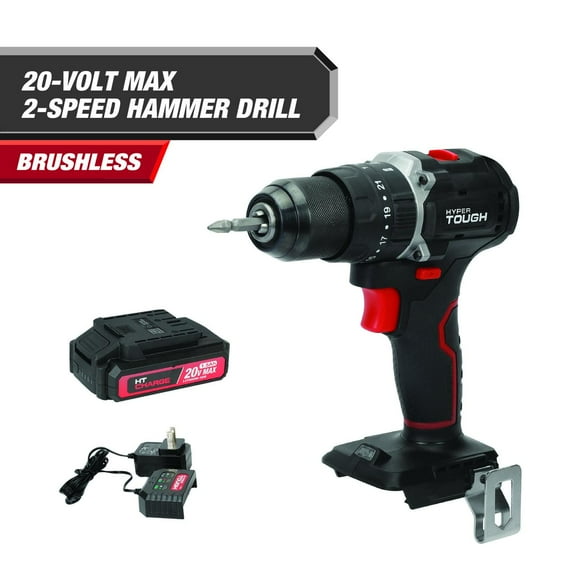
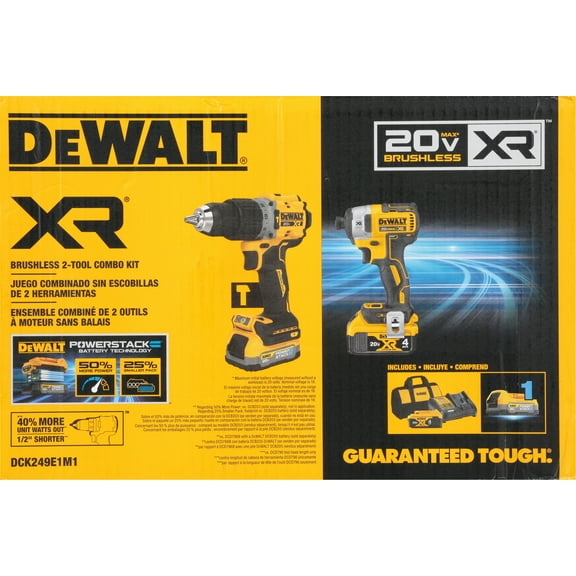
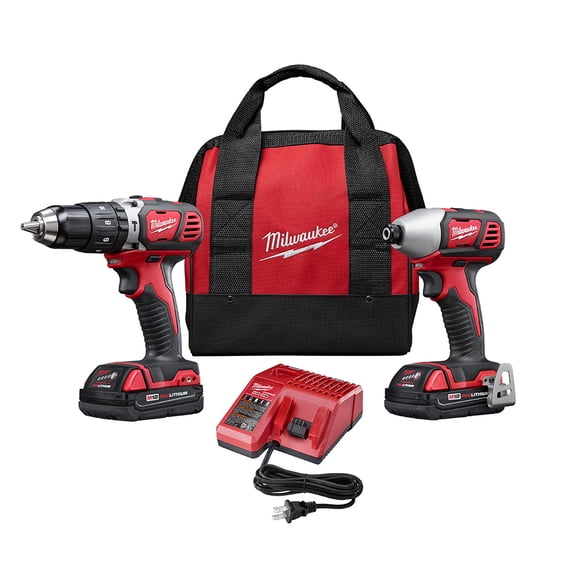
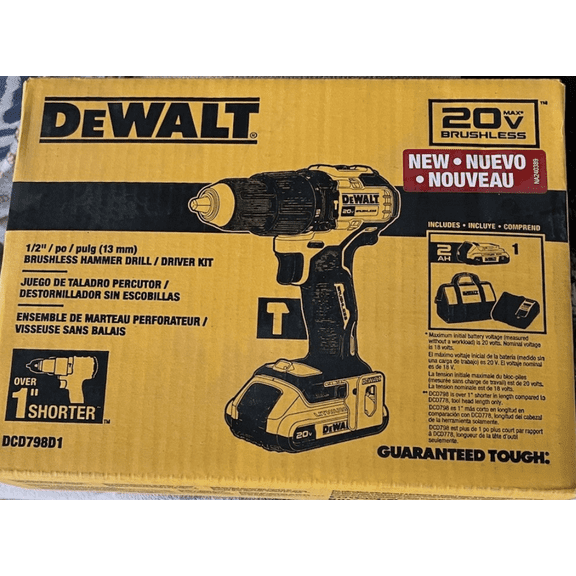
- You can use a cordless hammer drill when you want easier movement around ladders, garages, and outdoor spaces.
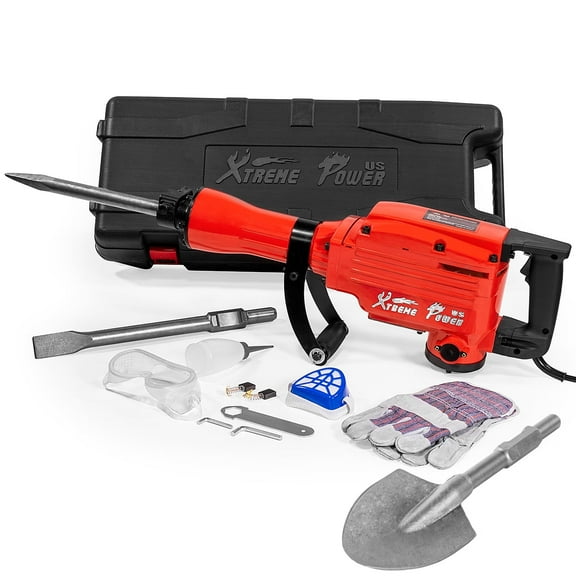
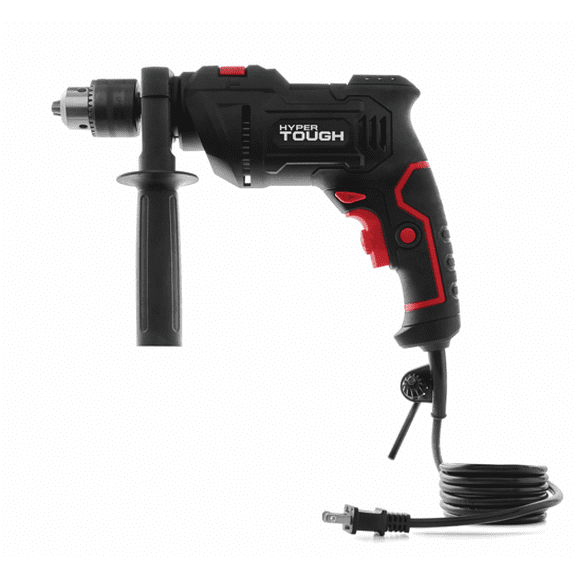
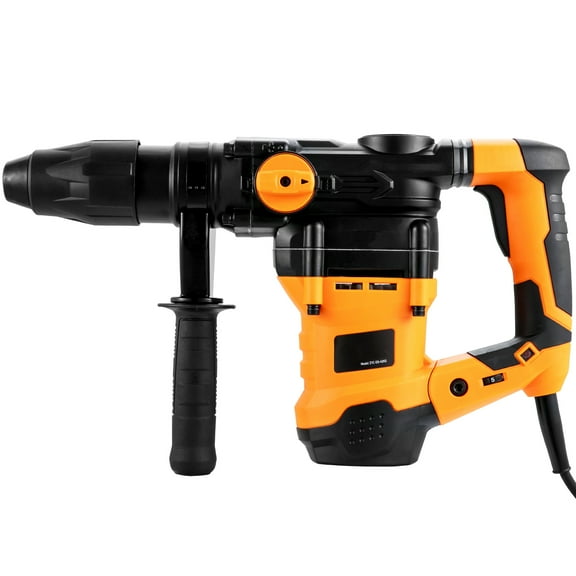
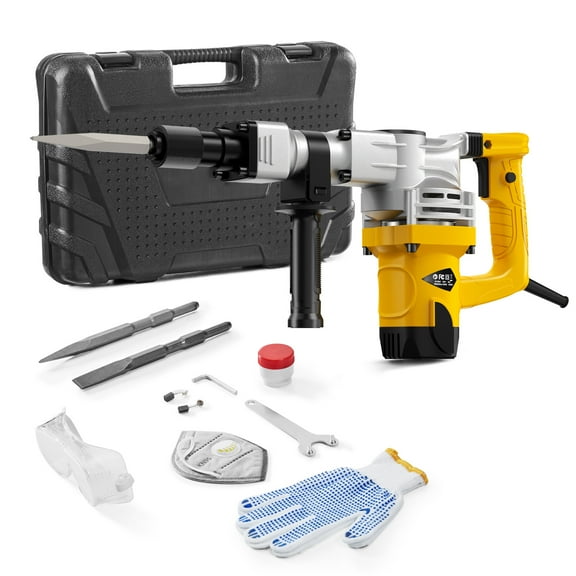
- You can choose a corded electric hammer drill when you want continuous runtime during longer drilling sessions.
- You can pick a concrete hammer drill setup when you need fast starts in brick, block, or poured concrete.
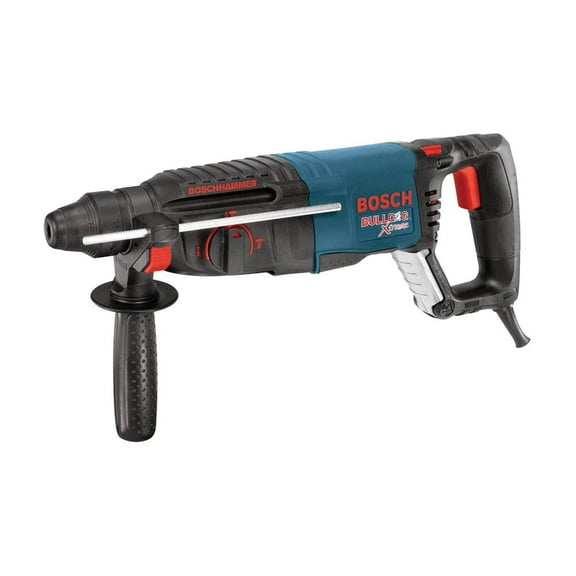
- You can move to a rotary hammer drill when you need SDS-Plus bits and stronger impact for dense material.
You can also save time by matching the tool to the hole size you drill most. If you handle mixed materials, you may want a model that switches between drilling and hammer drilling.
Choosing between cordless hammer drill and corded power
You should compare convenience first when you choose a power source. A cordless hammer drill gives you easier movement, while a corded model gives you uninterrupted runtime.
If you work far from outlets, you may prefer 18V or 20V platforms for quick tasks and easier transport. If you drill for long stretches, you may prefer 7.0 Amp or 8.5 Amp corded tools for steady output.
You should also consider tool weight and balance before you decide. A battery pack can change how the tool feels in your hand, while a cord can affect reach and positioning.
Understanding drill type, chuck size, and compatibility
You can often choose between a standard hammer drill and a rotary hammer drill based on bit style and task intensity. That difference matters when you drill repeated holes in concrete.
A 1/2 inch hammer drill usually fits common round-shank bits and accessories for mixed household projects. An SDS-Plus setup locks specialized bits in place for tougher masonry work and faster bit changes.
You should check whether your bits match the chuck before you buy. That simple step helps you avoid fit issues when you switch from wood or metal drilling to masonry jobs.
If you want one tool for anchors, tapcon-style fasteners, and occasional wood drilling, you may lean toward a standard chuck. If you focus on concrete, you may prefer SDS-Plus compatibility for heavy-duty drilling.
What to look for in speed, impact, and control
You should compare RPM and blows per minute because those numbers shape drilling speed in hard surfaces. Higher BPM can help you move through masonry faster when your bit and material match.
You may also notice joules of impact energy on some rotary models. That figure helps you understand how forcefully your tool strikes during demanding concrete drilling.
Control matters just as much as raw power when you drill overhead or into dense block. You should look for a side handle, variable speed trigger, and reverse mode for cleaner starts.
You may also want vibration control features for longer sessions. Those design details can help your hands feel steadier when you drill multiple holes in a row.
Using a concrete hammer drill in real projects
You can use a concrete hammer drill for wall anchors, shelving brackets, patio fixtures, and masonry fasteners. Those jobs often need cleaner starts and stronger impact than a standard drill provides.
If you're installing electrical boxes on block walls, you may want a compact cordless unit for tighter spaces. If you're boring repeated holes in a slab, you may want corded power or a rotary hammer.
You can also use many hammer drills in wood and metal when you turn off hammer mode. That flexibility helps you handle mixed-material projects without carrying several full-size tools.
For occasional home updates, you may choose a 3/8 inch or 1/2 inch chuck for common bits and accessories. For renovation work, you may choose SDS-Plus when concrete drilling becomes your main task.
You should measure your common hole sizes and bit needs before choosing a model. That approach helps you match chuck type, voltage or amperage, and drilling mode to your workload.
Hammer drills that fit how you work
You can choose hammer drills with more confidence when you compare cordless freedom, corded runtime, chuck compatibility, and concrete drilling demands. That practical approach helps you get cleaner holes, steadier control, and the right setup for masonry work.