

Halogen Work Lights in Work Lights
















About Halogen Work Lights in Work Lights - Walmart.com
You can compare a work light bulb and fixture options here with guidance on bases, wattage, and replacement choices for demanding jobsite lighting. You can find halogen work lights built for broad coverage, and you can see replacement bulb details that help you match your setup correctly.
If you’re replacing a burned-out lamp or upgrading an older fixture, you need clear compatibility points before you choose. This helps build confidence when you compare T3 and T4 formats, fixture styles, and LED retrofit requirements in one place.
How to choose the right work light bulb
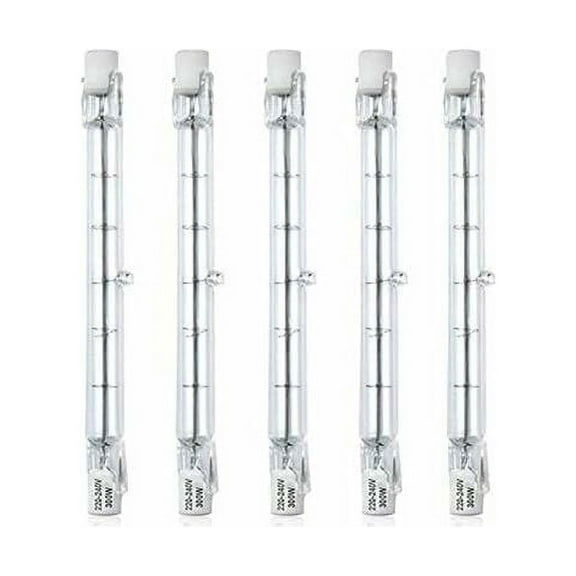
You should start with bulb type and base compatibility, because a mismatched lamp won’t fit your holder correctly. You can often compare T3 and T4 shapes, along with single-ended or double-ended designs, before you move to wattage.
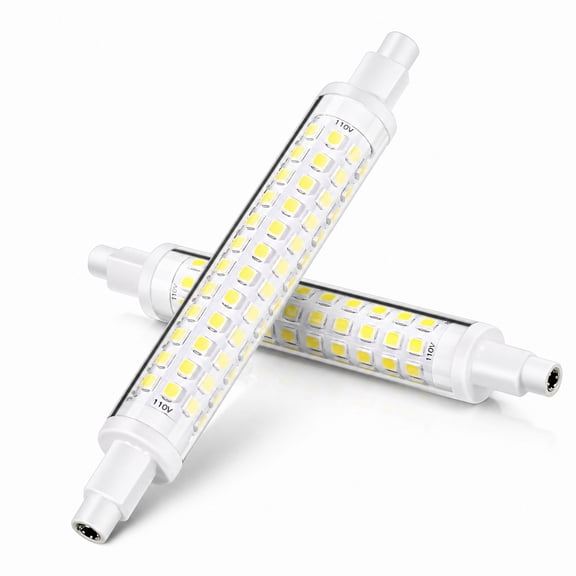
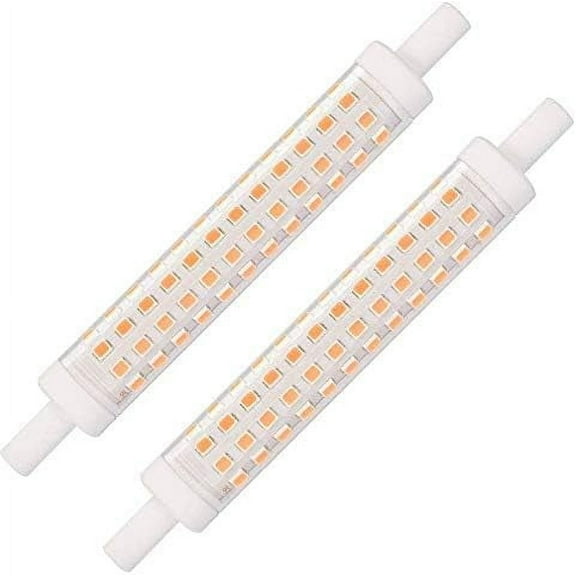
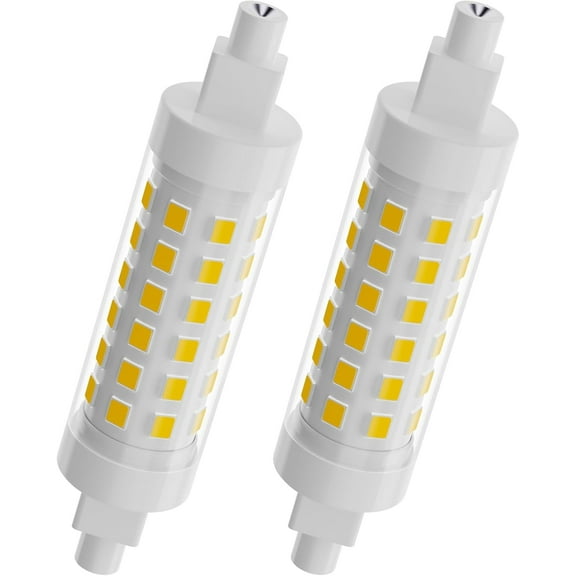
When you check a double-ended bulb, you may also see an R7s style connection on many halogen work light bulbs. You should match the existing base, length, and holder style so your replacement sits securely inside the fixture.
You may also want to compare wattage based on the area you need to light. A 150W lamp can suit smaller tasks, while 300W and 500W options can cover wider work zones.
- You can match T3 or T4 bulb formats to your current socket and housing.
- You can choose 150W, 300W, or 500W output based on workspace size.
- You can compare double-ended and single-ended designs before replacing a lamp.
- You can check halogen or LED retrofit paths for older work light housings.
If you use your light for close repairs, you may prefer output that’s easier to direct at a bench. If you light a driveway pour or framing area, you’ll likely need broader coverage.
Choosing halogen work lights by fixture type
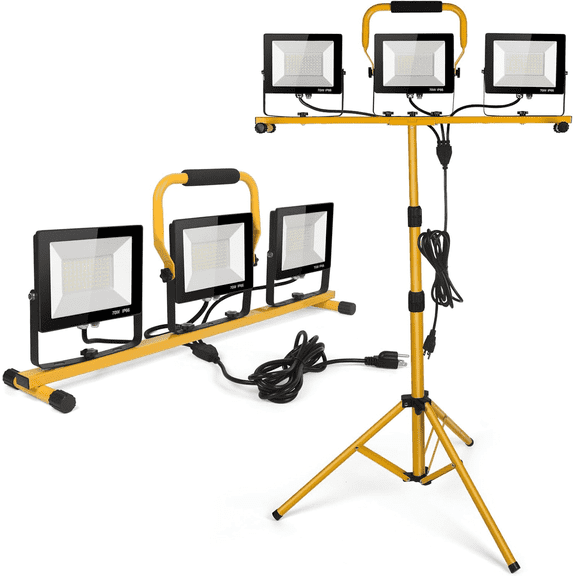
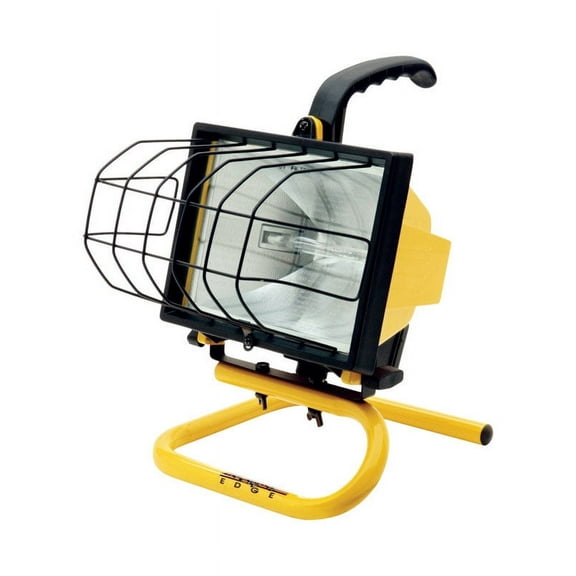
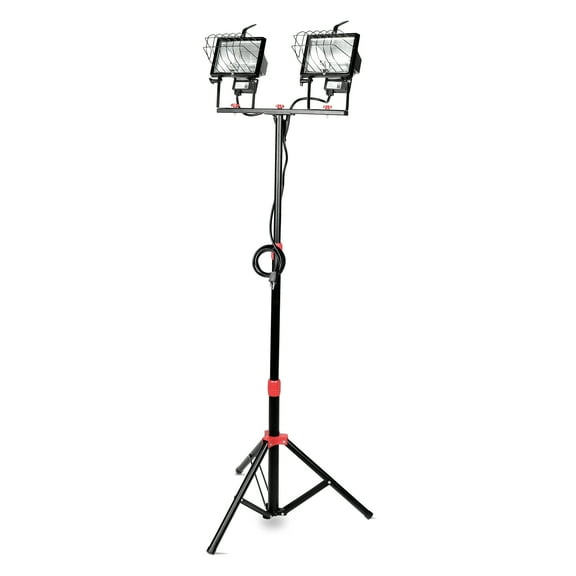
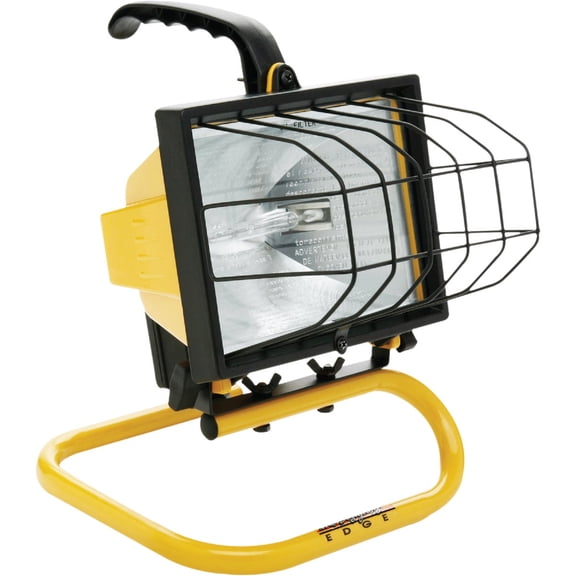
You should compare fixture type next, because mounting style changes how you position light across a project. You’ll usually see portable, tripod stand, clamp light, and handheld options for different working angles.
If you move from task to task, a portable halogen work lamp can help you reposition light quickly. When you need wider reach, a tripod stand can lift the beam higher over a larger area.
You may prefer a clamp light when you want to attach lighting to a shelf, ladder, or edge nearby. If you need directed light in tighter spaces, a handheld style can help you aim more precisely.
You may notice halogen work lights remain useful when you want strong, immediate brightness in workshops, garages, and active renovation spaces. You can also use them for outdoor setups when your project continues after daylight fades.
What to look for in wattage and coverage
You should treat wattage as a quick guide to coverage, not just a number on the package. Higher wattage usually means you can light more square footage with fewer shadows.
If you’re working on a bench, shelving unit, or under-hood task, 150W may be enough for focused visibility. If you’re covering framing, flooring, or garage cleanup, 300W or 500W can make more sense.
You may also want to consider how fixture shape affects where the beam lands. A wide housing can spread light across a broader area, while a tighter reflector can help you concentrate brightness.
When you compare a work light light bulb replacement, you should confirm your fixture’s labeled wattage range first. This helps ensure a smoother replacement process when the lamp rating matches the holder and electrical design.
Comparing halogen and LED replacement paths
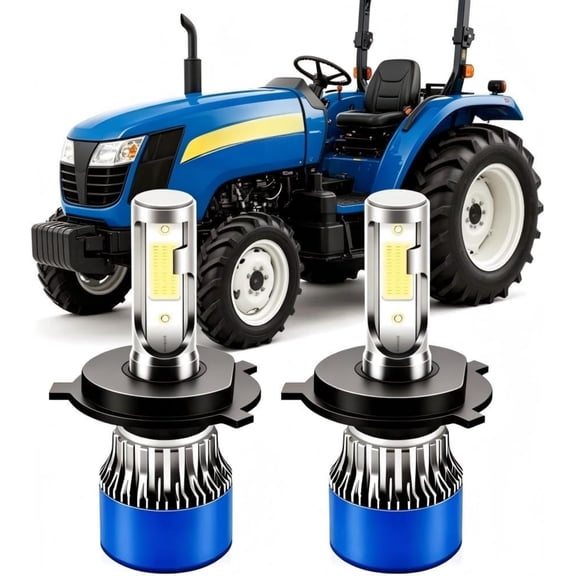
You can still choose halogen when you want to keep an existing fixture in its original format. You should compare an LED replacement for halogen work light setups only after you confirm compatibility details.
If you’re considering retrofit options, you may need to check voltage matching and whether the fixture requires ballast bypass. You may want those details before changing technologies, especially in older housings.
You should also confirm bulb length, contact style, and enclosure space before using an LED replacement path. If you have a fixture designed around a halogen tube, you need enough room for the substitute lamp.
Because halogen lamps run hot during use, you should allow time for the fixture to cool before handling it. It helps to use the holder area carefully when swapping a lamp in a compact housing.
Matching your setup to real projects
If you’re handling halogen construction lighting, you may want a tripod fixture with 300W or 500W output for wider work zones. This can help provide more useful coverage when elevated light reaches across tools, materials, and floor space.
For garage repairs, you may prefer a portable or handheld unit that lets you redirect brightness as you move. You can pair that setup with the correct work light bulb style for your fixture’s socket and wattage label.
If you’re outfitting a workshop, a clamp light can help you place light over a table, vise, or saw area. You should check whether your current lamp uses T3 or T4 sizing before ordering a replacement.
For outdoor projects, you may want a stable base and a lamp that matches your fixture’s original specs closely. This helps reduce guesswork when you compare base type, wattage, and replacement technology together before choosing.
You can approach this category with a clearer plan when you know your base style, wattage range, and fixture format. This helps you make a more accurate replacement or upgrade choice, which helps keep your workspace evenly lit.