


GU24 Light Bulbs in Light Bulbs by Base Type



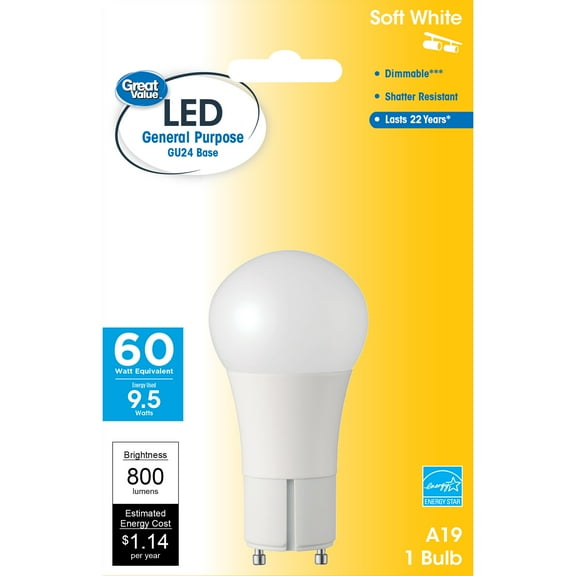
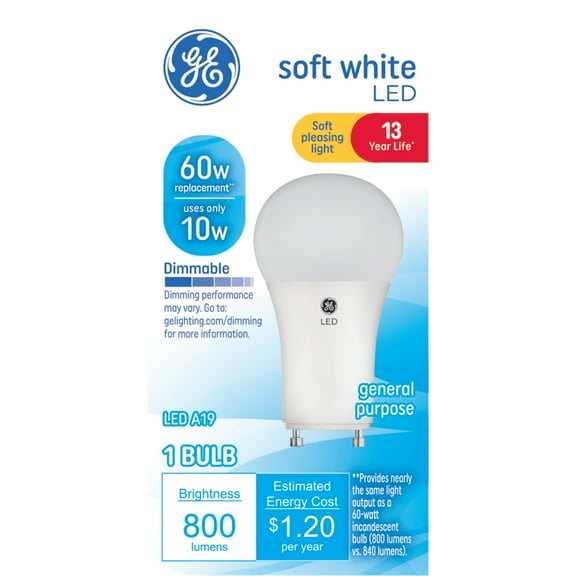


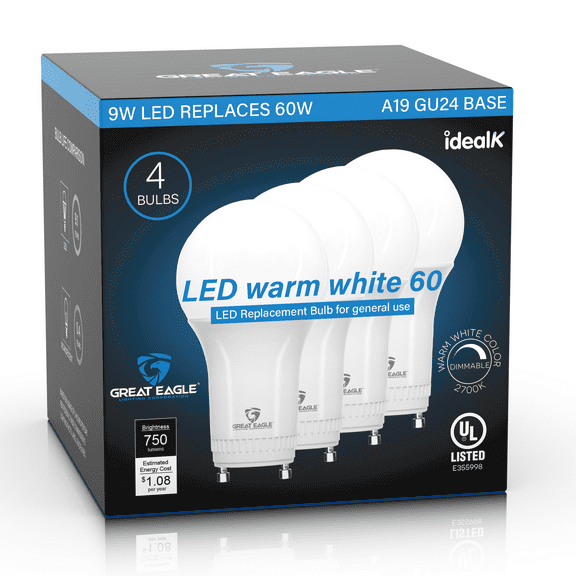
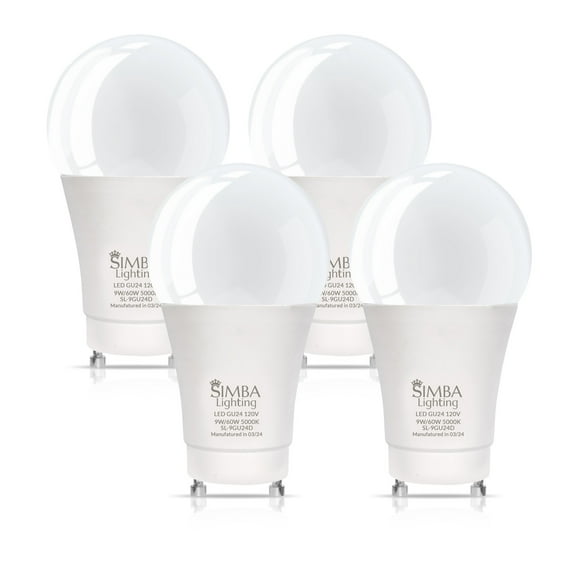










About GU24 Light Bulbs in Light Bulbs by Base Type - Walmart.com
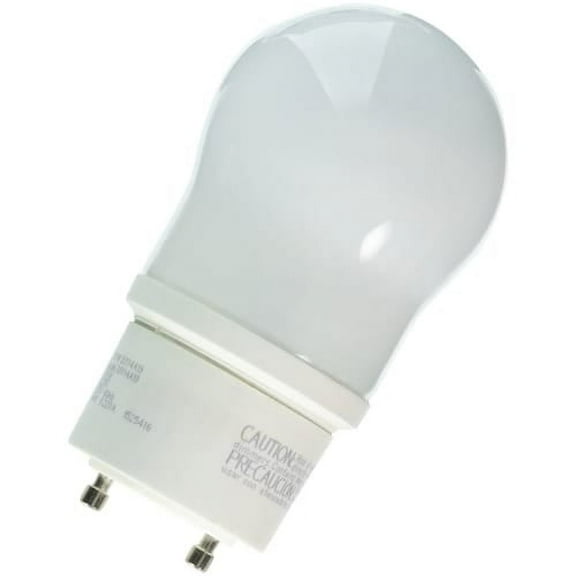
When you need a cfl light bulb gu24 equivalent, you can narrow choices fast by checking base fit, light style, and wattage. You’ll also want a gu24 bulb that locks into the socket correctly and matches your fixture’s brightness needs.
If you’re replacing an older compact fluorescent, you’ll often compare LED and CFL options with the same GU24 base. You can use this guide to understand twist-lock fitment, shape differences, dimmability, and color temperature before you choose.
How to choose a cfl light bulb gu24 equivalent
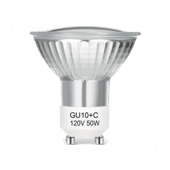
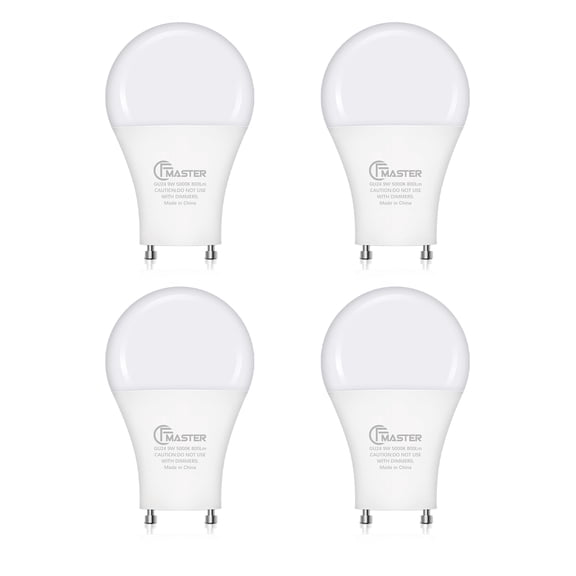
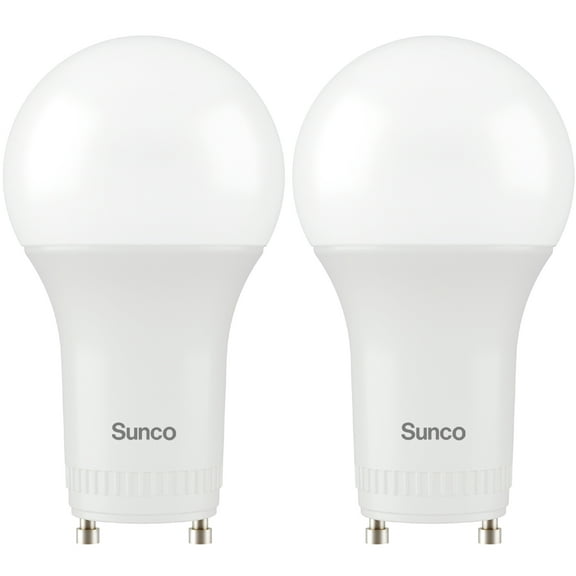
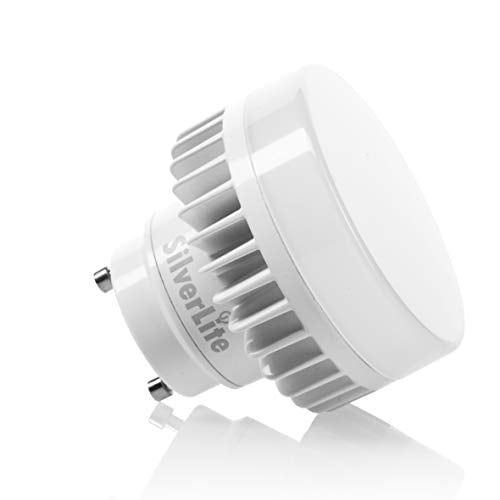
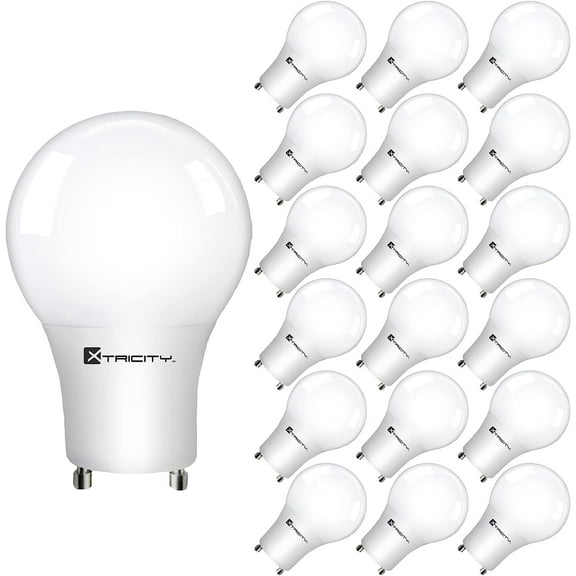
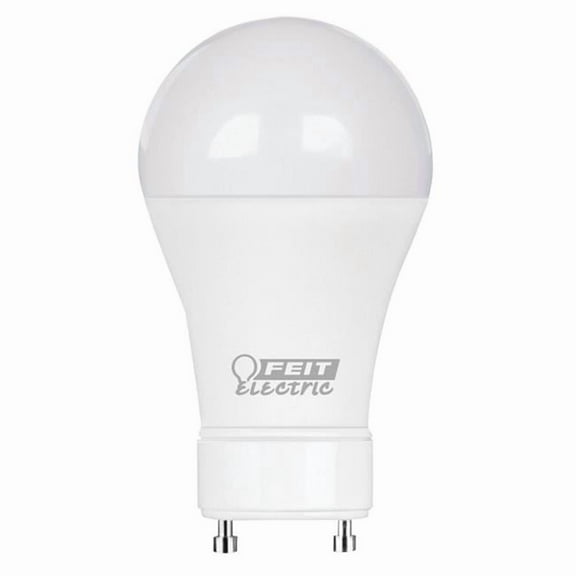
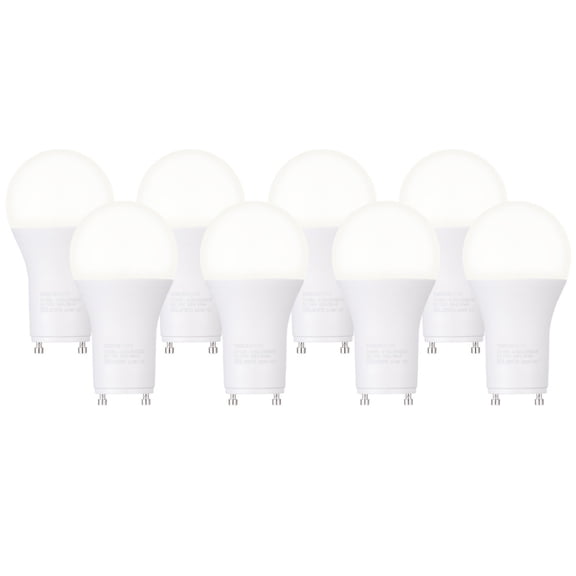
Start with the base, because your socket needs the GU24 two-pin design with 24mm pin spacing. You shouldn’t confuse a gu 24 light bulb with GU10 bases, because the lock style and pin layout differ.
Next, compare the wattage equivalent listed for your fixture and room. You may want a 60W equivalent for everyday lamps, while your larger spaces may need a 100W equivalent.
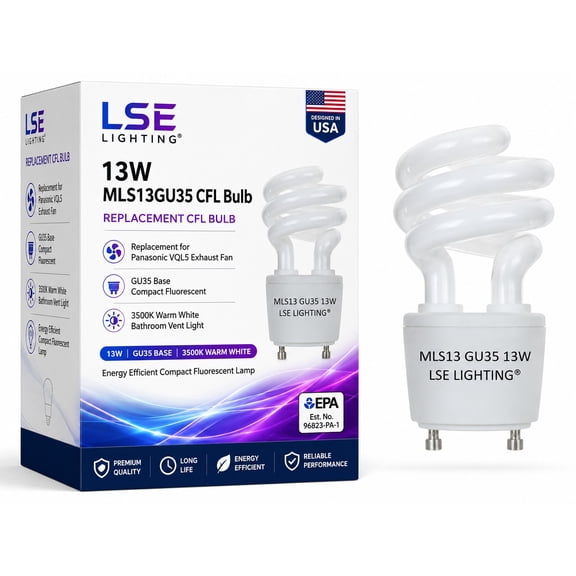
You should also check whether your current bulb is a 13W CFL replacement. That label helps you match familiar light output while moving to a newer format.
Choosing between gu24 bulb LED and CFL options
If you’re replacing an older spiral lamp, you’ll usually compare GU24 LED bulbs with CFL versions that share the same base. You can keep the same socket type while selecting the technology that fits your fixture and lighting habits.
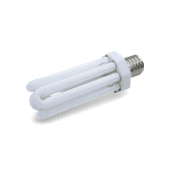
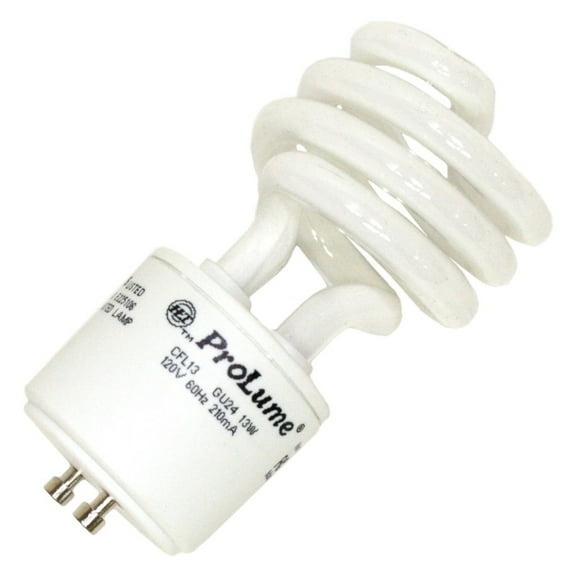
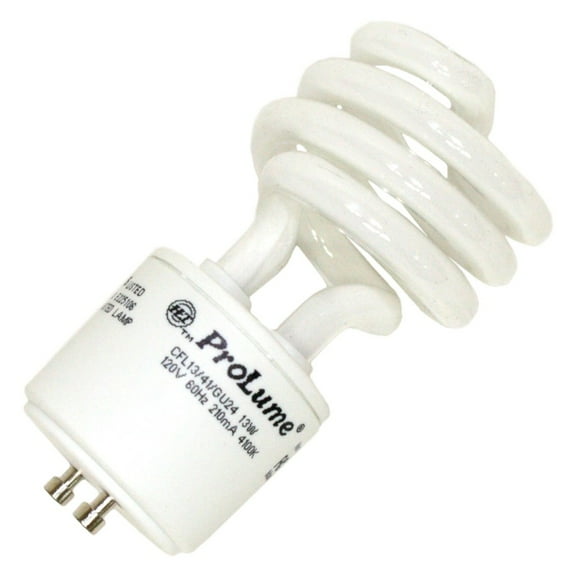
With LED choices, you can often get instant full brightness and a familiar replacement path for older CFL sockets. With CFL choices, you may prefer the classic gu24 spiral bulb format used in many enclosed or ceiling fixtures.
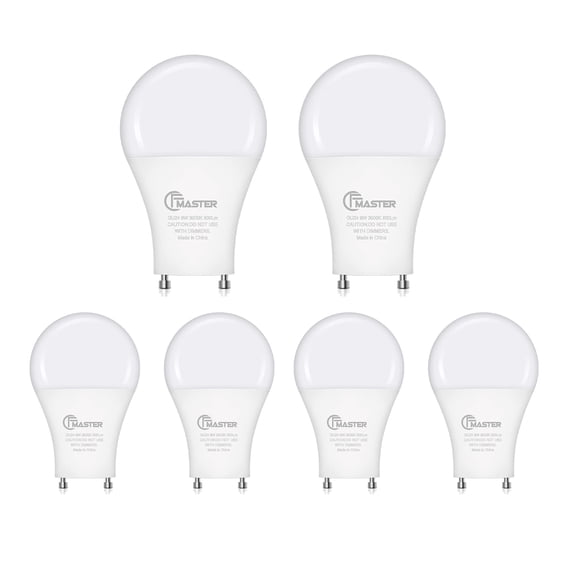
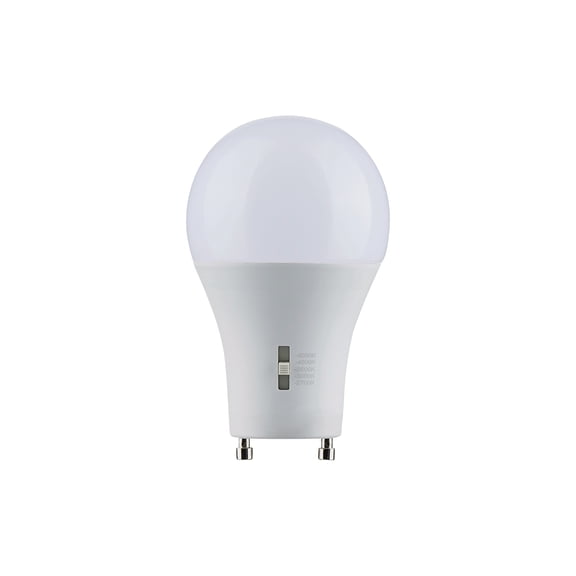
- You can replace aging compact fluorescent bulbs with a led gu24 bulb that fits the same GU24 socket.
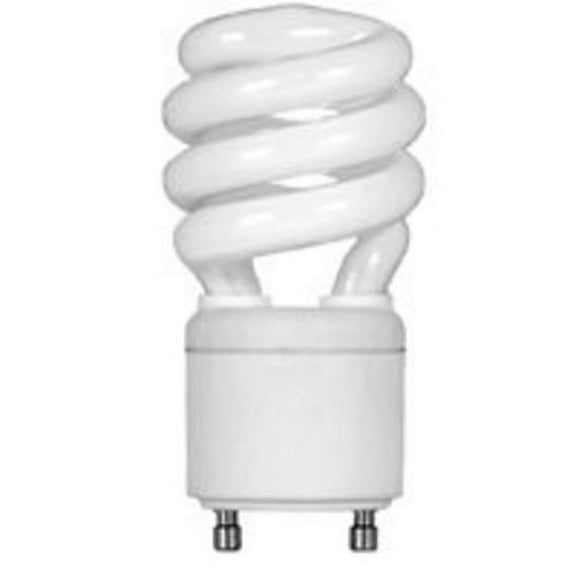
- You can choose a GU24 spiral bulb when your fixture shape or bulb clearance matches that familiar design.
- You can match 60W, 100W, or 13W CFL equivalent output to keep your room lighting consistent.
- You can pick daylight tones for task spaces and soft white tones for living areas.
You’ll want to look at bulb technology as a practical decision, not just a label. If you need a direct CFL replacement path, you can compare output, shape, and dimmer compatibility side by side.
Understanding gu24 twist lock base light bulb fit
Your base fit matters first, because a gu24 twist lock base light bulb uses two pins and a locking motion. You should align the pins, insert the bulb, and turn it until your fixture holds it securely.
If you’re unsure about compatibility, you should measure or confirm the 24mm pin spacing before you buy. You can avoid guesswork when you verify that your fixture uses GU24 rather than another two-pin base.
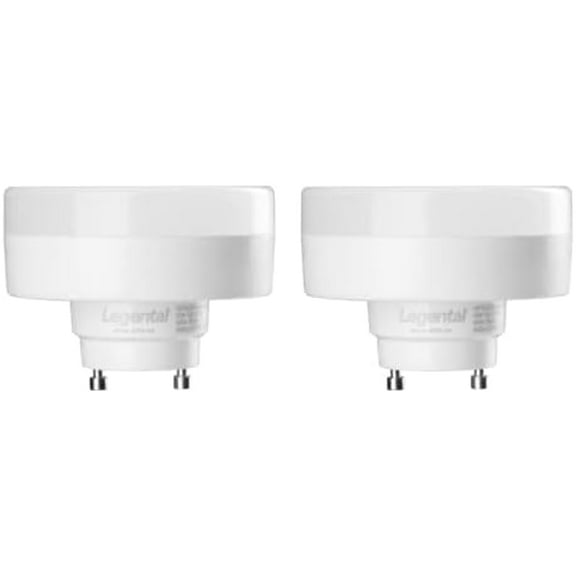
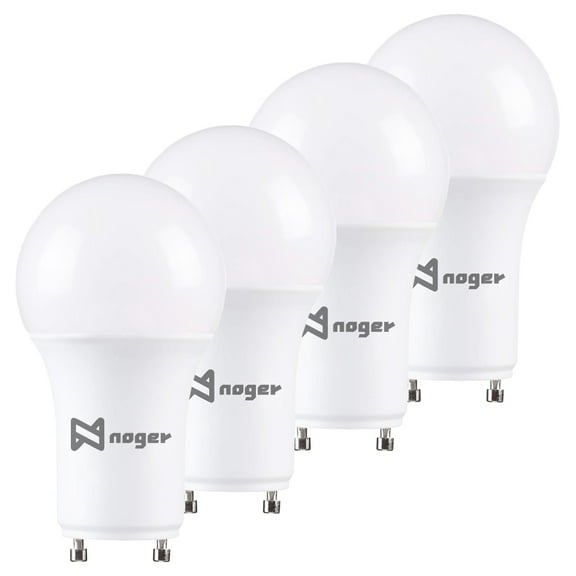
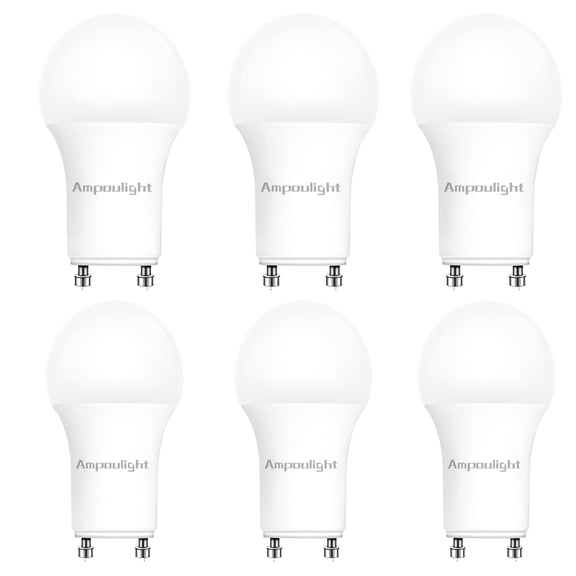
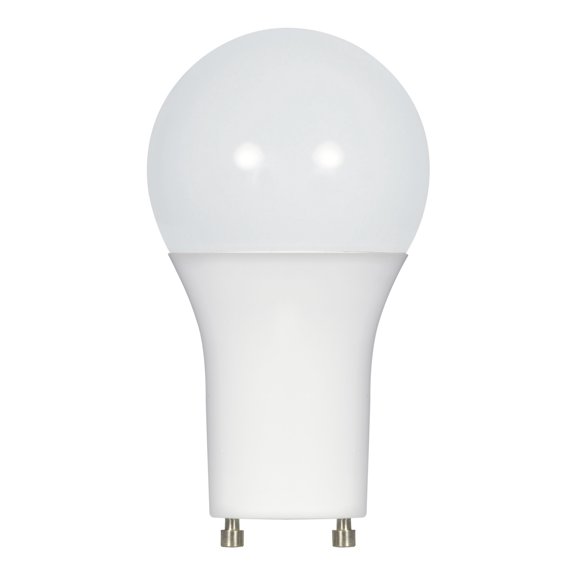
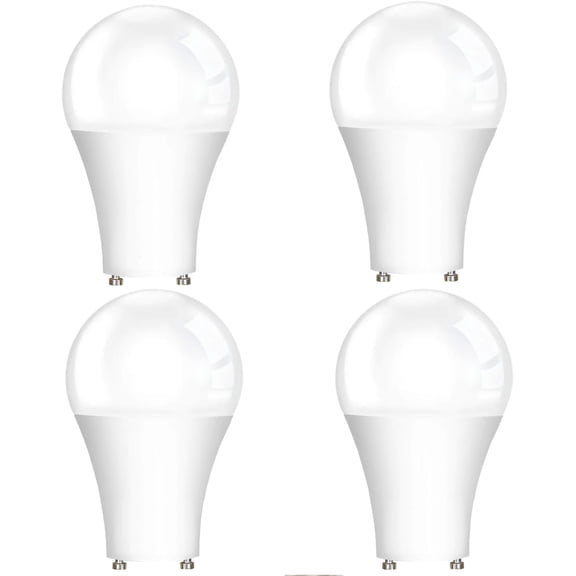
You may also need to think about bulb shape if your fixture has a shade, glass cover, or tight housing. You can compare spiral, A19, and globe designs to make sure your bulb gu24 choice has the right clearance.
What to look for in shape, color, and dimmability
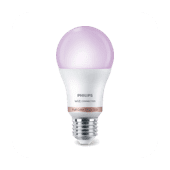
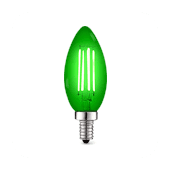
Your bulb shape changes how the light sits inside the fixture and how the fixture looks when it’s on. You can use spiral bulbs for many older sockets, while A19 and globe shapes often suit open or decorative fixtures.
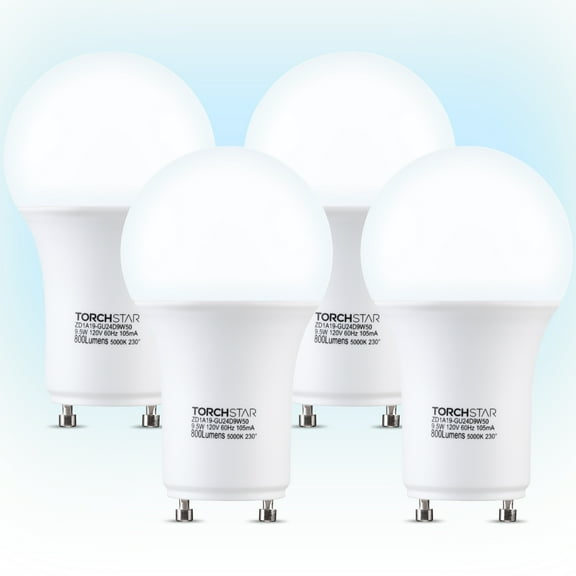
Color temperature affects how your room feels and functions throughout the day. You may prefer daylight in kitchens, laundry rooms, and offices, while your bedrooms and living rooms may feel more comfortable with soft white.
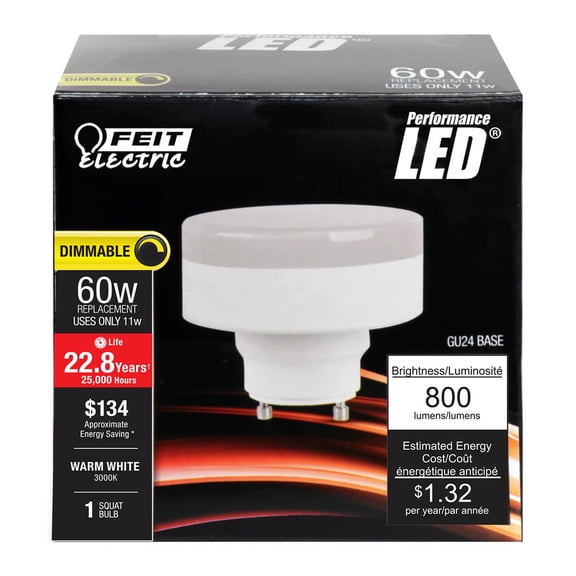
If your fixture uses a dimmer, you should confirm that your bulb supports dimming before installation. You’ll also want to check whether your setup uses a trailing-edge or leading-edge dimmer, because compatibility can vary.
When you compare dimmable options, you should look for clear package details about supported dimmer types. You can get smoother control when your bulb and switch technology match from the start.
Matching GU24 light bulbs to everyday rooms
You can use these bulbs in ceiling fixtures, flush mounts, pendants, and other dedicated GU24 sockets around your home. If you’re updating older fixtures, you can keep the same base type while choosing newer lighting technology.
In kitchens and work areas, you may want brighter output and a daylight appearance for clearer task lighting. In hallways or family spaces, you might prefer a softer tone that feels more relaxed.
If your bathroom or entry fixture has a visible bulb, you may care more about the shape you choose. You can use globe styles for a rounder look, or you can choose A19 forms for a familiar household profile.
For rentals, remodels, or one-room updates, you can simplify your search by matching the base first and the finish second. You can make a faster decision when you compare fit, brightness, and dimmer needs in that order.
Choosing GU24 light bulbs with confidence
You can make a smart choice when you focus on pin spacing, twist-lock fit, bulb technology, and room brightness together. With the right GU24 match, you can get dependable fitment and the light output your fixture is built to deliver.