

PVC Glue in Adhesives & Glues














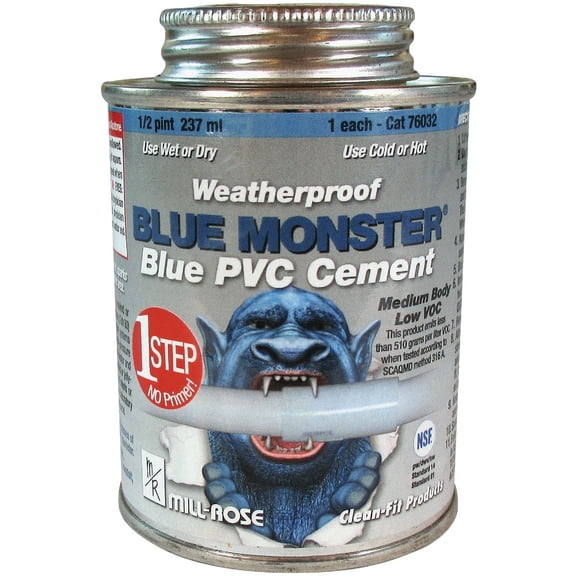

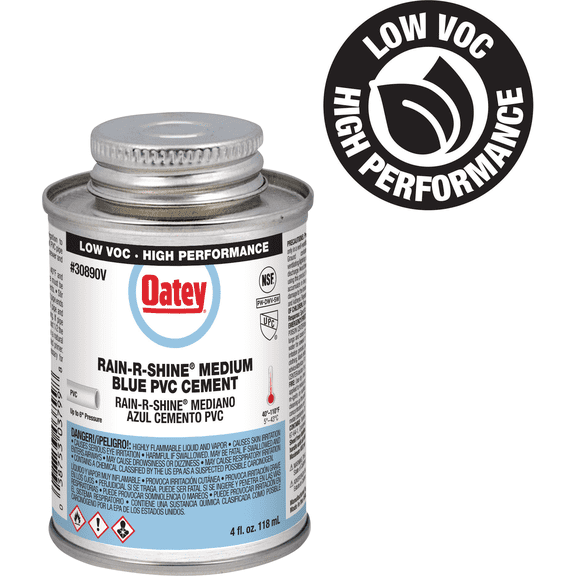
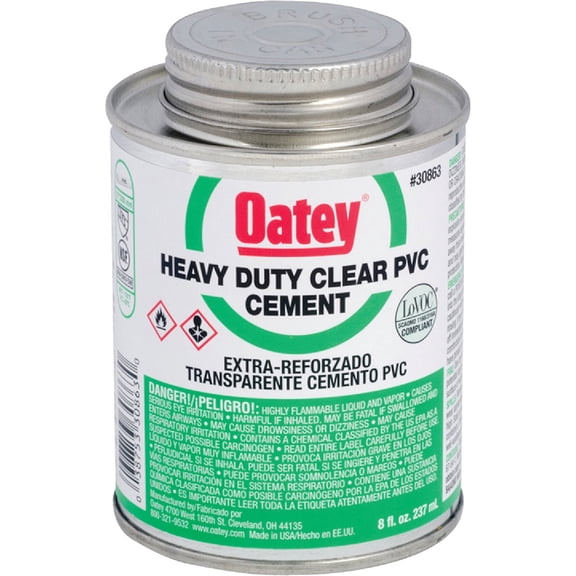


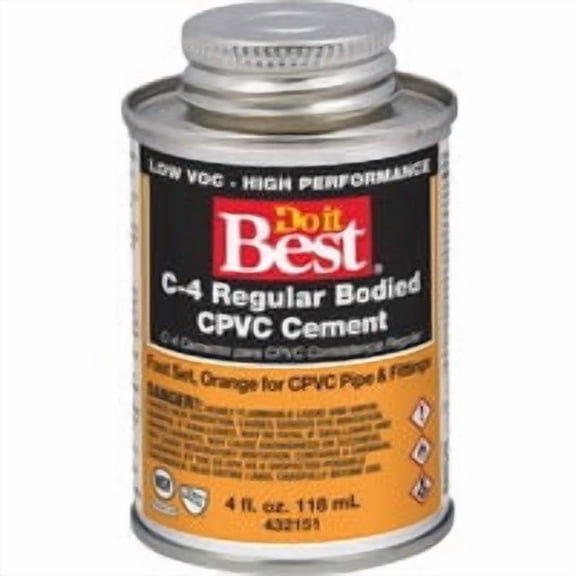
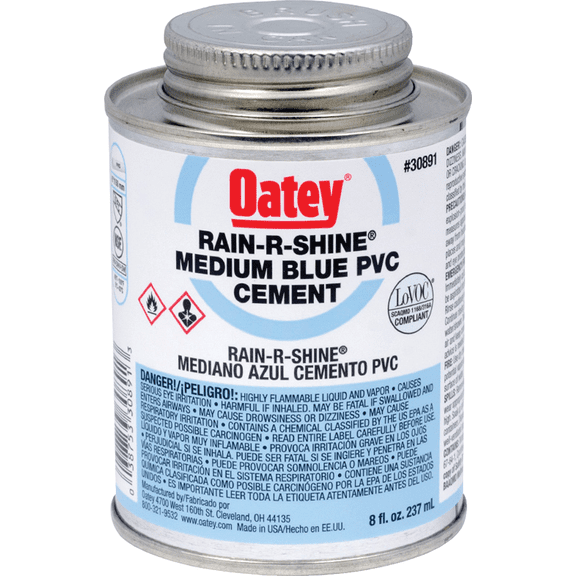



About PVC Glue in Adhesives & Glues - Walmart.com
PVC glue helps you join pipe and fittings for clean plumbing work. You'll compare cement type, pipe compatibility, color, and set time before you start.
When you choose the right formula, you get a bond made for solvent welding, not simple surface sticking. That guidance helps you match your project, pipe material, and working conditions.
Choosing the right PVC glue for your project
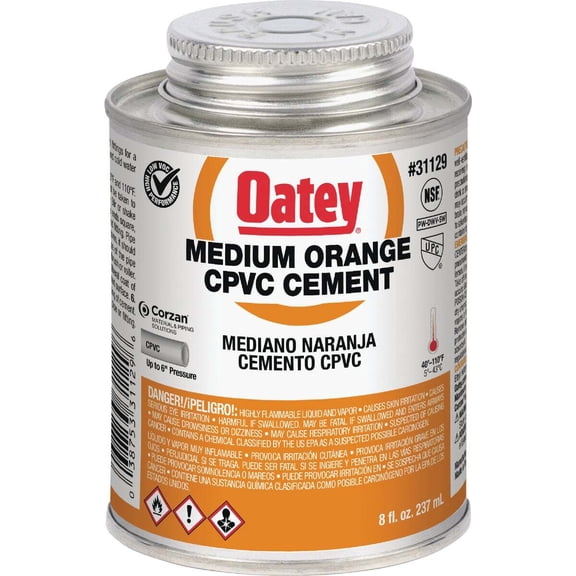
Start with glue type because body and thickness affect how the cement flows. You can use regular body for smaller pipe, while medium body supports a wider range.
If you need extra filling strength on larger diameters, you may consider heavy duty formulas. Hot medium options help you when cooler weather affects your application pace.
Your pipe diameter and schedule matter during selection. Check whether Schedule 40 or Schedule 80 walls need a thicker PVC cement for fuller coverage.
- You can use regular body cement for lighter-duty pipe sizes and easy spreading.
- You can choose medium body cement for common household plumbing repairs and installs.
- You may need heavy duty cement when your project uses larger pipe diameters.
- You can look for wet or dry formulas when your jobsite conditions change.
Comparing PVC cement, CPVC glue, and ABS options
You need to match the cement to your pipe material before assembly. Don't assume one formula works across PVC, CPVC, and ABS without checking the label.
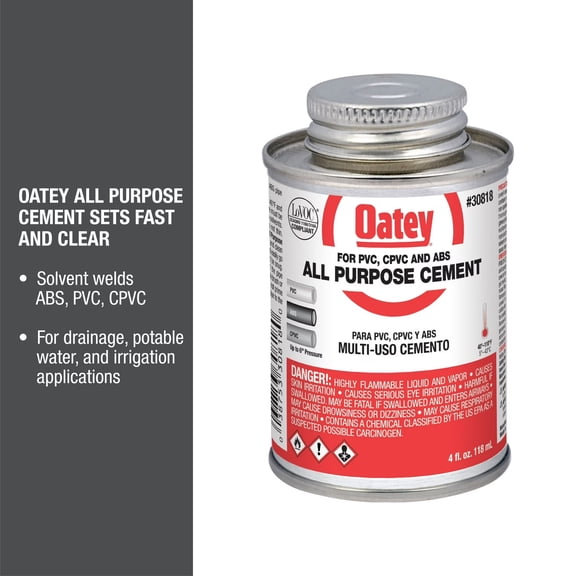
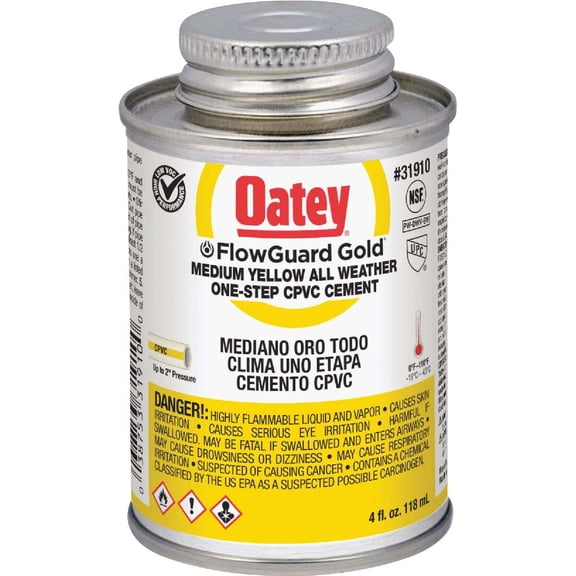
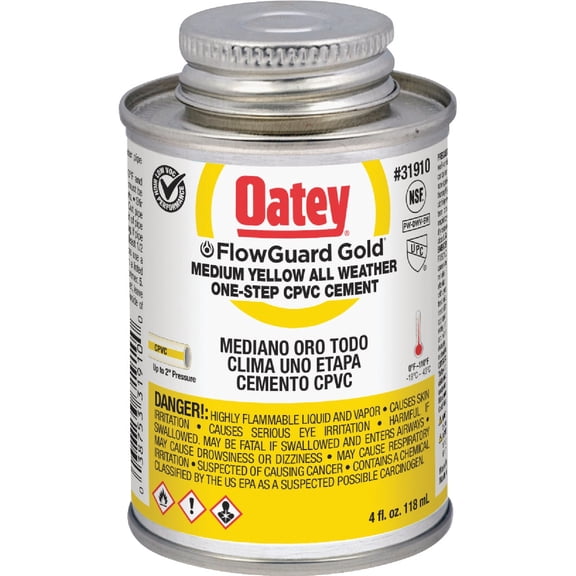
You can use PVC cement for standard PVC pipe and fittings in drain, waste, and vent projects. Choose CPVC glue when your system uses CPVC and different temperature or pressure demands.
If your project uses ABS components, look for an ABS-specific cement or approved transition product. You can avoid mix-ups by checking pipe markings and fitting material first.
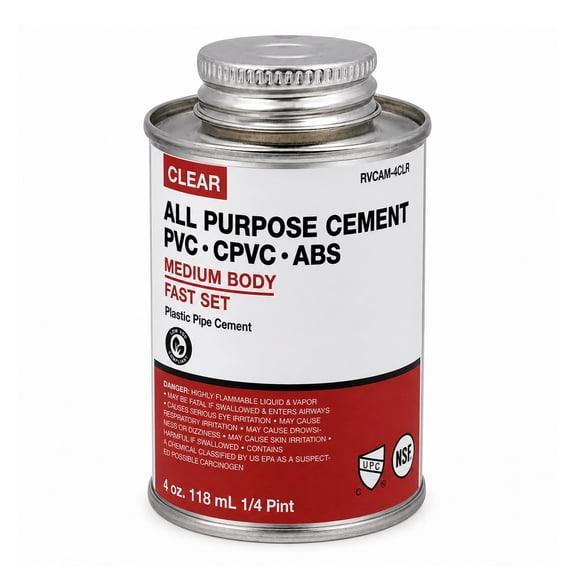
Your project may also call for clear PVC cement when you want a cleaner-looking finish line. Gray formulas give you visible coverage on electrical or industrial-style applications.
Understanding PVC primer and cement choices
Compare cement only, cleaner, and PVC primer and cement combinations before you begin. Primer prepares the pipe surface, while cement softens and joins the materials.
Purple primer gives you a visible application mark, which helps you confirm coverage during installation. Clear primer or clear PVC cement suits projects where you want a less noticeable appearance.
Combo packs help you keep matching products together in one purchase. You should still confirm that the primer and cement fit your pipe material and intended use.
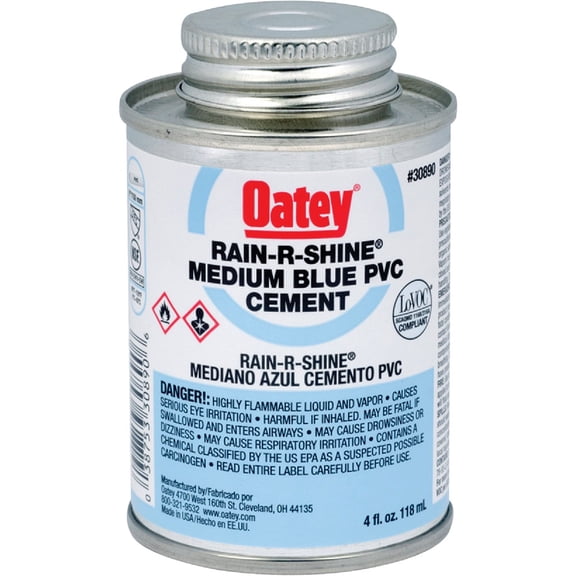
As you compare colors, think about inspection visibility and finish preference. Blue wet or dry formulas help you when your work area isn't fully dry.
How to choose set time and working speed
Match set time to your pace, pipe size, and job conditions. Fast set formulas help you move quickly on a smaller repair or simple replacement.
Medium set options give you more working time for alignment. Slow set formulas help you position larger assemblies before the joint grabs.
Your cure expectations should also match pressure testing plans and project timing. Check the package directions so you know when handling and full cure typically occur.
If you're working in cooler spaces, consider formulas made for those conditions. You can also compare wet or dry application notes when moisture is part of your setup.
Using PVC pipe glue by application and pipe size
You can narrow your choice by thinking about the actual repair or installation. A sink drain update, sprinkler line change, or vent stack connection can call for different handling needs.
For smaller household jobs, you may prefer PVC pipe glue with easy flow and manageable set speed. For larger layouts, you may need thicker cement that coats wider fittings evenly.
You should also consider whether your project combines new fittings with older lines. Checking schedule, diameter, and pipe material helps you choose a formula that fits the assembly.
If you're building out a broader plumbing kit, you may also want related supplies nearby. You can pair your cement selection with PVC pipe, pipe cutters, and thread sealant tape.
What to look for before you finish your selection
Read for pipe compatibility, body type, color, and set time on every label. You can make a more confident choice when those details match your installation plan.
With the right PVC glue, you can get smooth assembly, clean coverage, and a joint matched to your pipe system. You can finish your project with fewer surprises and a more predictable fit.