

Glidden Interior Paint in Glidden
















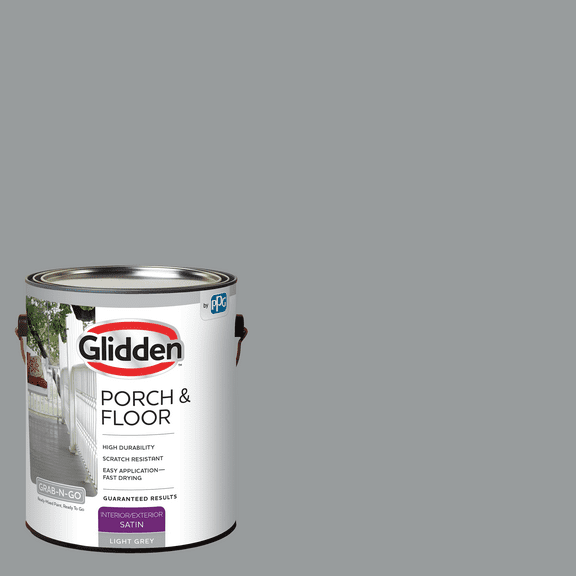
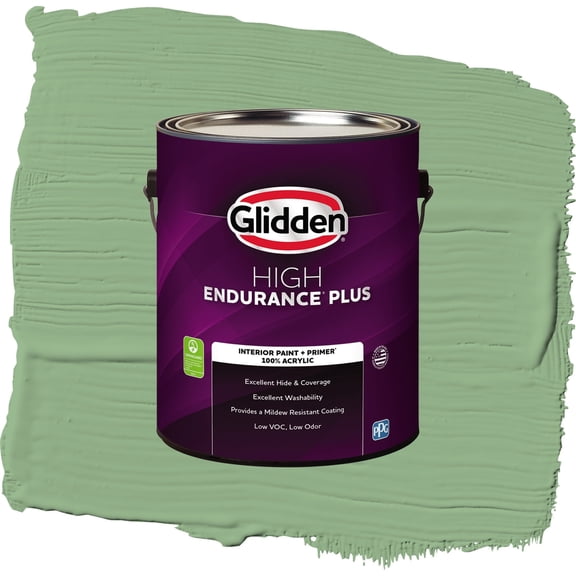


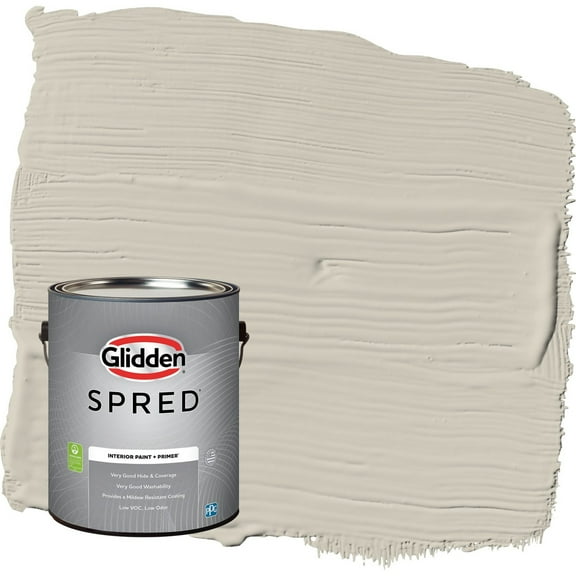


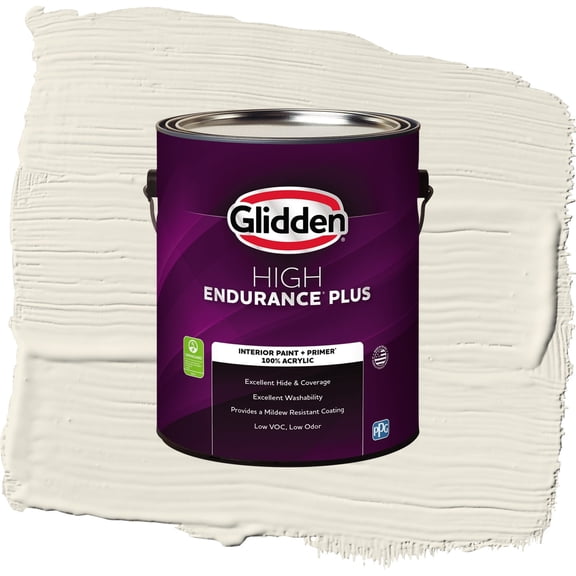
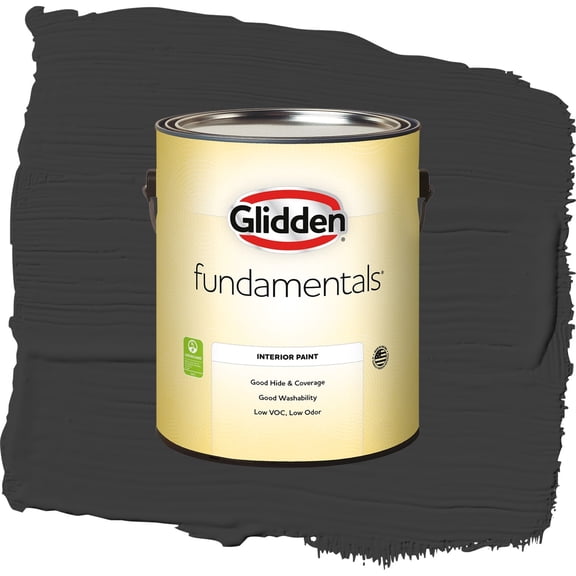


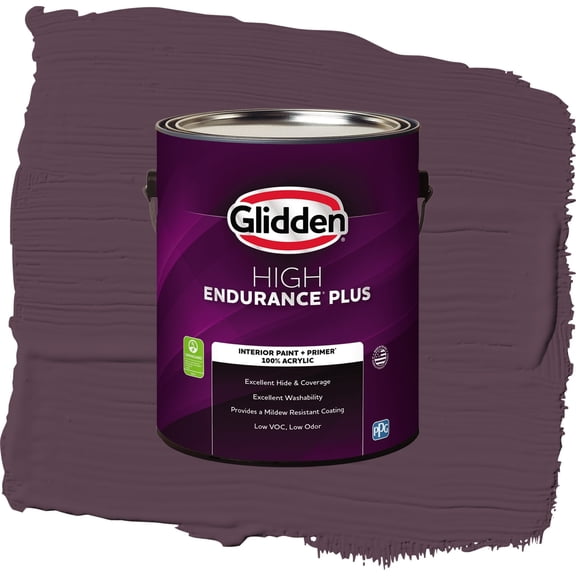
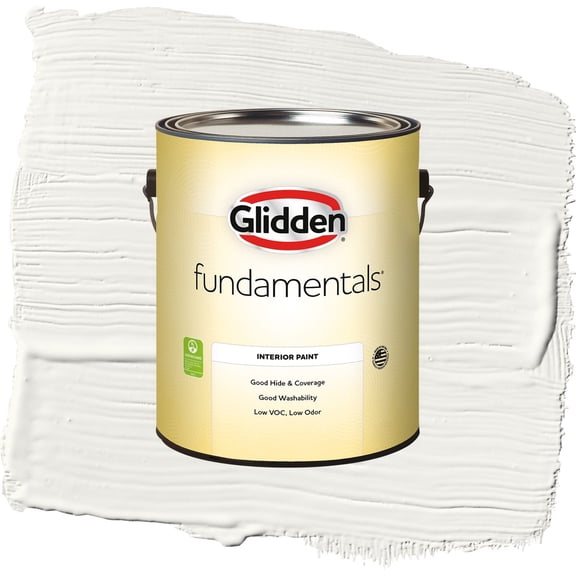


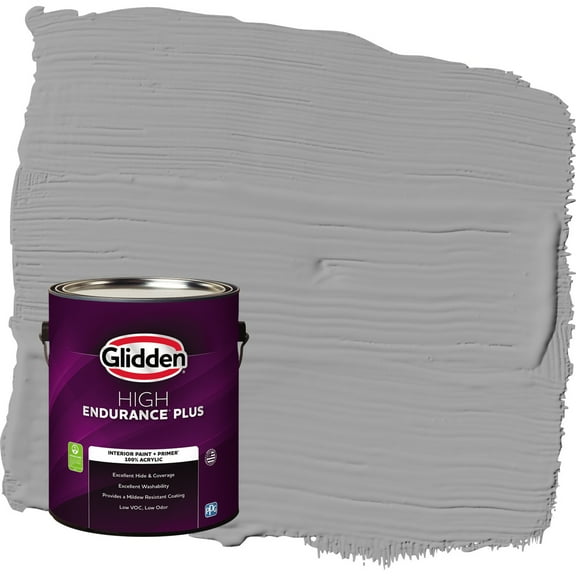
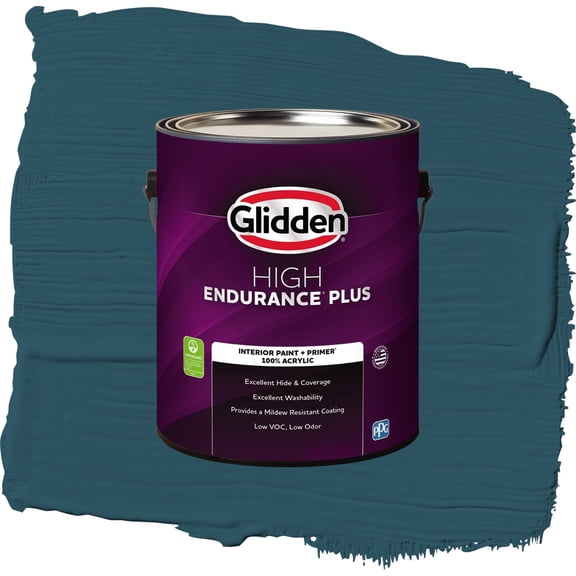
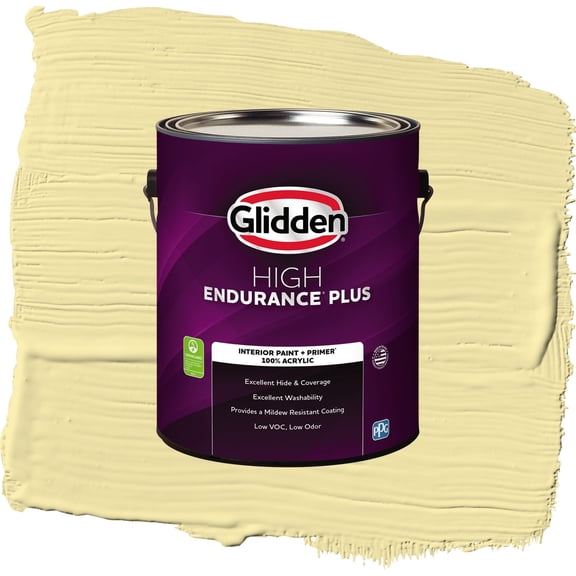
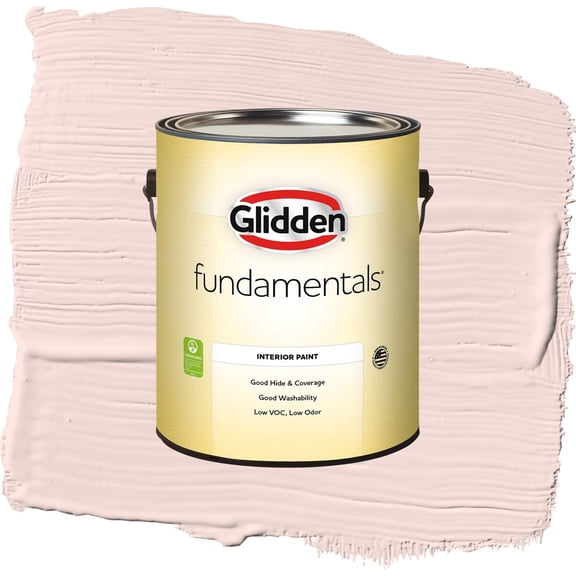
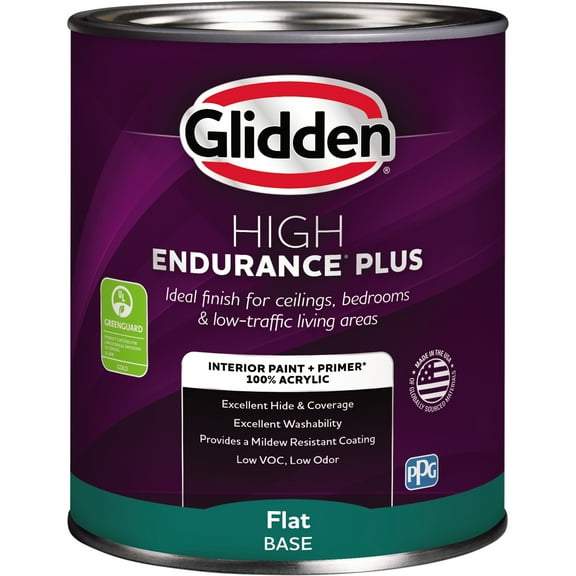
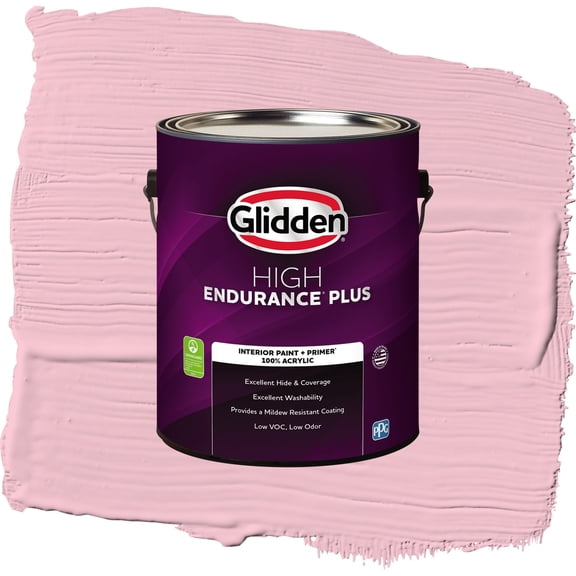

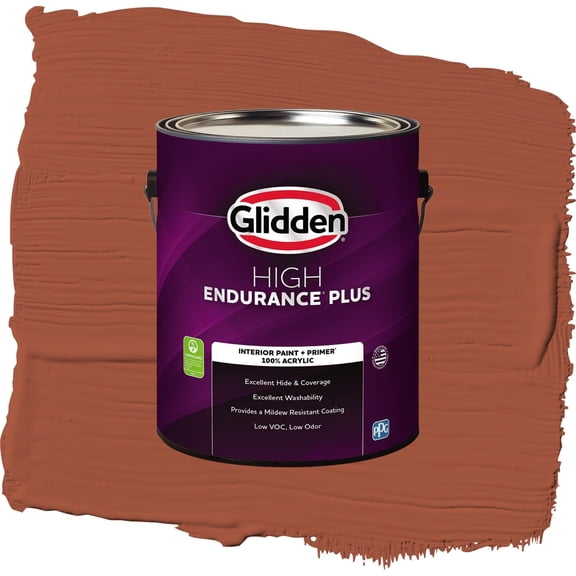
About Glidden Interior Paint in Glidden - Walmart.com
With glidden one coat interior options, you can compare coverage, finish, and room fit more easily before you start painting. You can focus on one coat wall paint choices, practical sheen decisions, and interior paint and primer formats that match your project.
How to choose Glidden one coat interior
When you compare glidden one coat interior products, you should start with coverage type and surface condition. You’ll want to check whether your walls have strong color changes, patch areas, or porous spots.
If you’re refreshing a similar shade, you may need fewer passes for a smooth result. If you’re covering darker color or fresh repairs, you should compare high-hiding pigments and paint-and-primer-in-one options.
You can also narrow choices by room use before you pick a finish. You can get a more practical result when your sheen matches how you use your walls, trim, or doors.
What you gain from Glidden one coat paint
You can simplify your project when you choose glidden one coat paint with strong hiding power. You can spend less time making repeat passes across the same section of wall.
Your project can also feel easier to plan when interior paint and primer options reduce extra steps. You can move from prep to painting with a clearer checklist for walls, ceilings, trim, or doors.
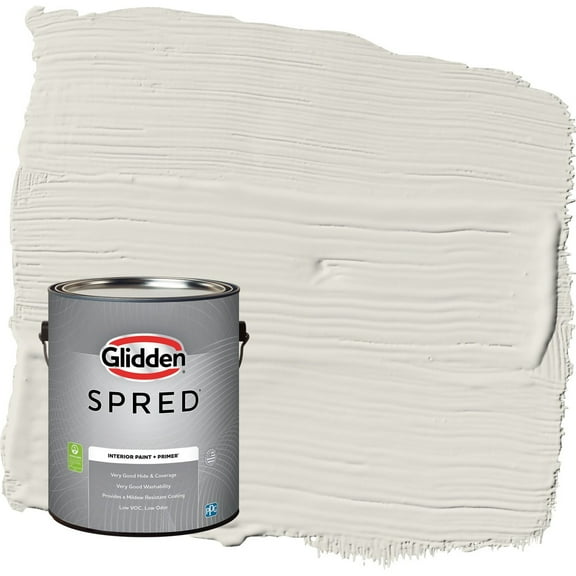
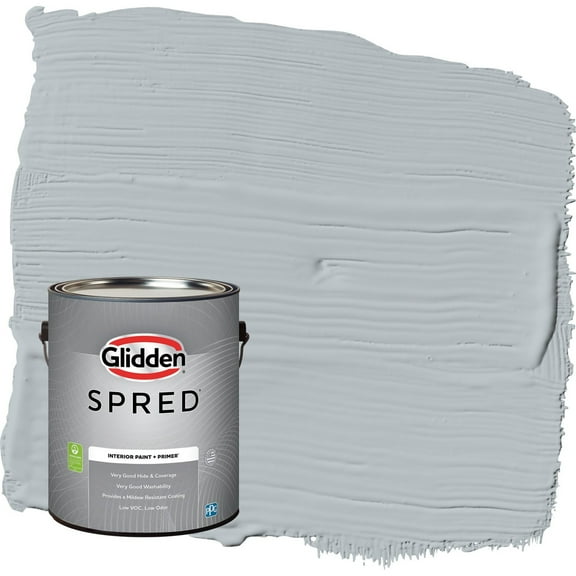
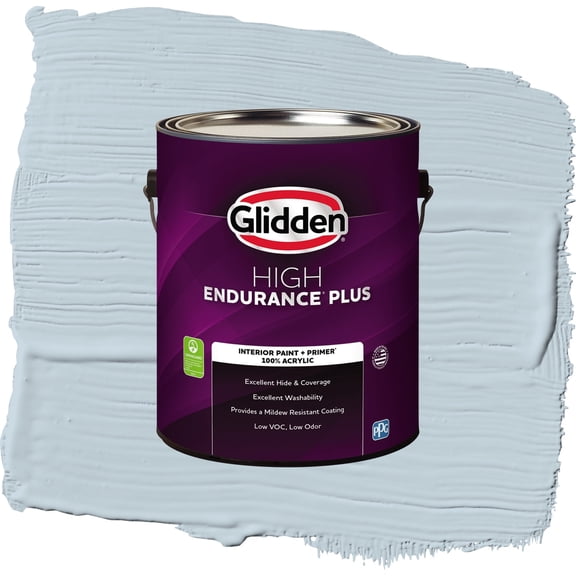
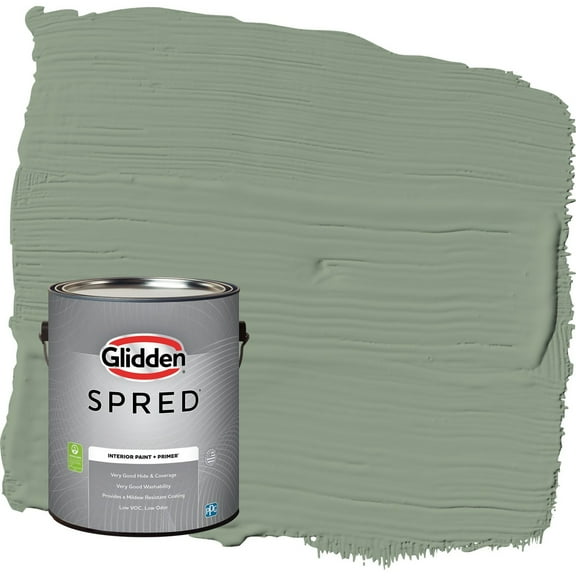
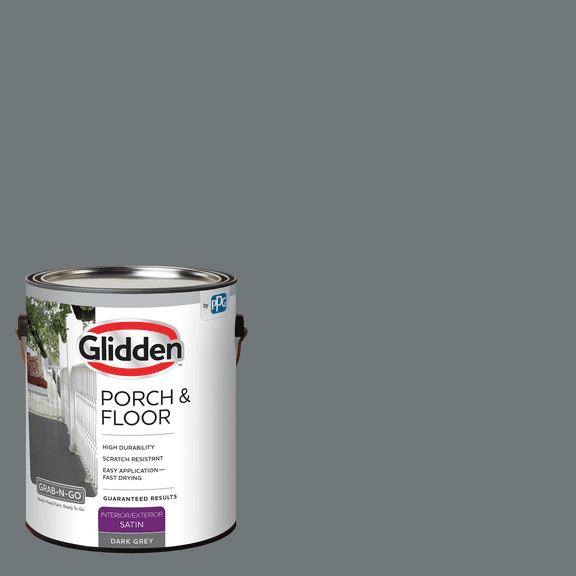
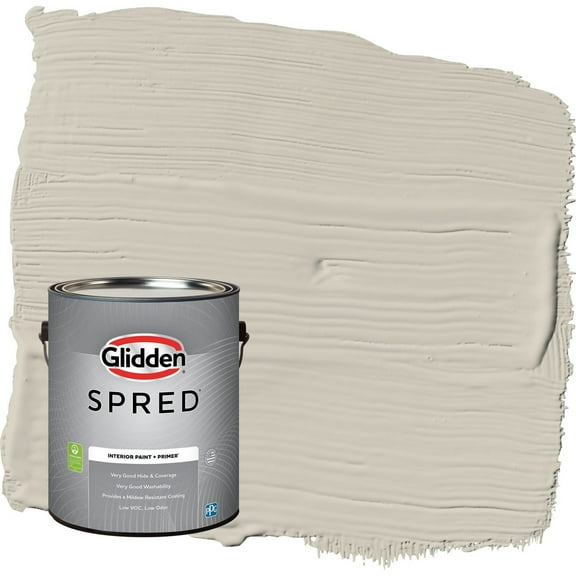
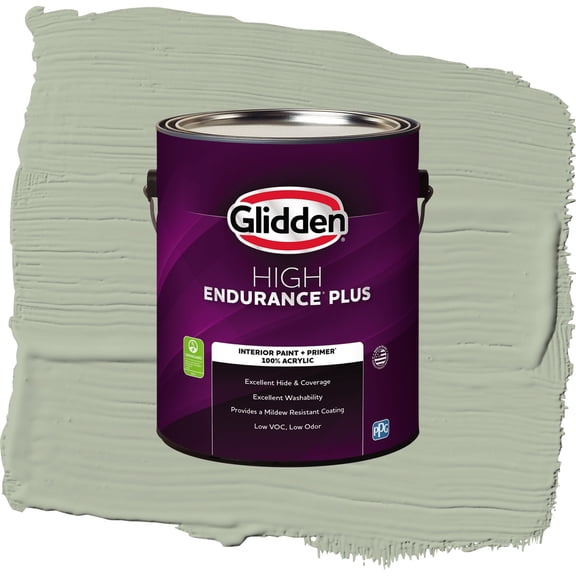
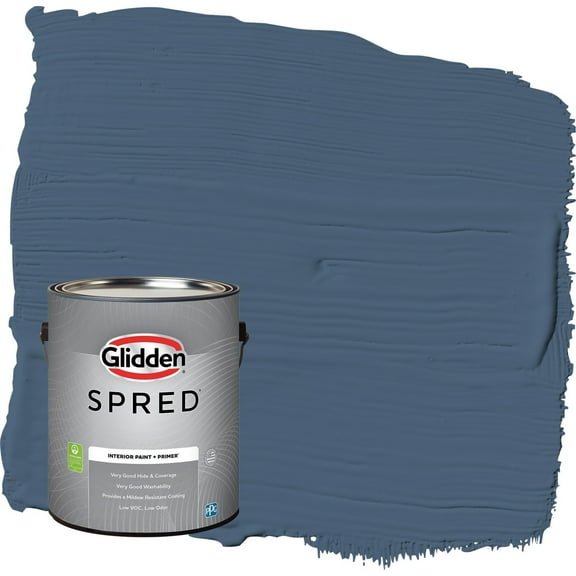
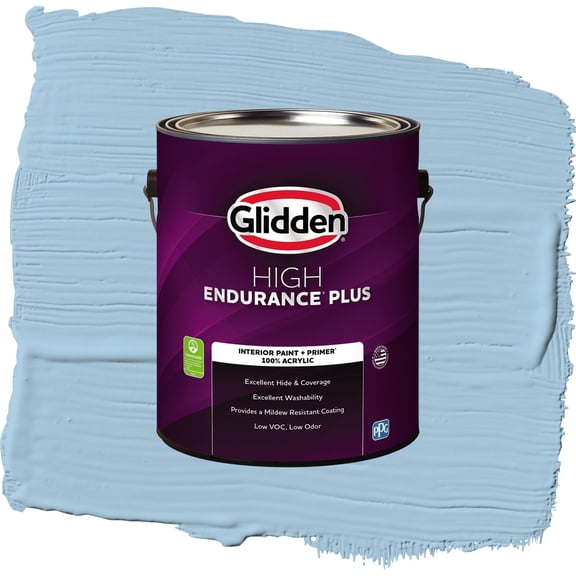
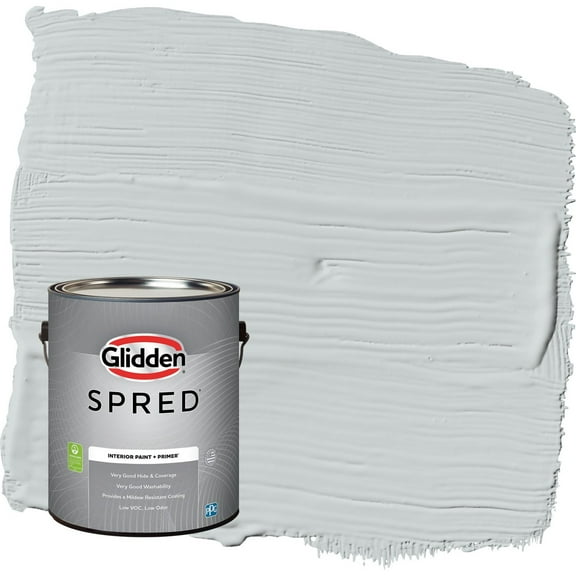
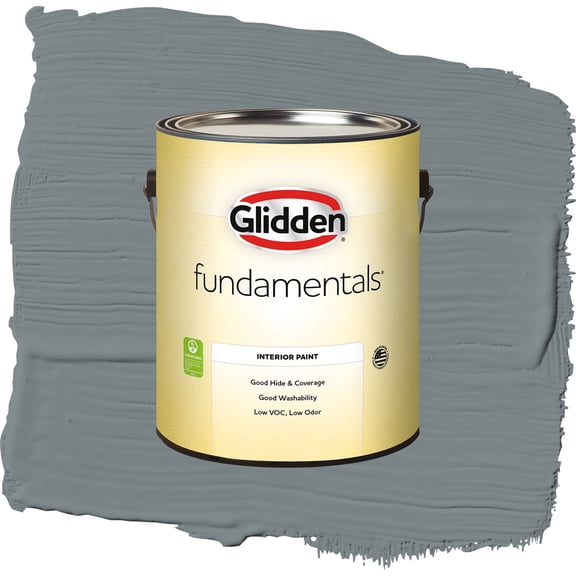
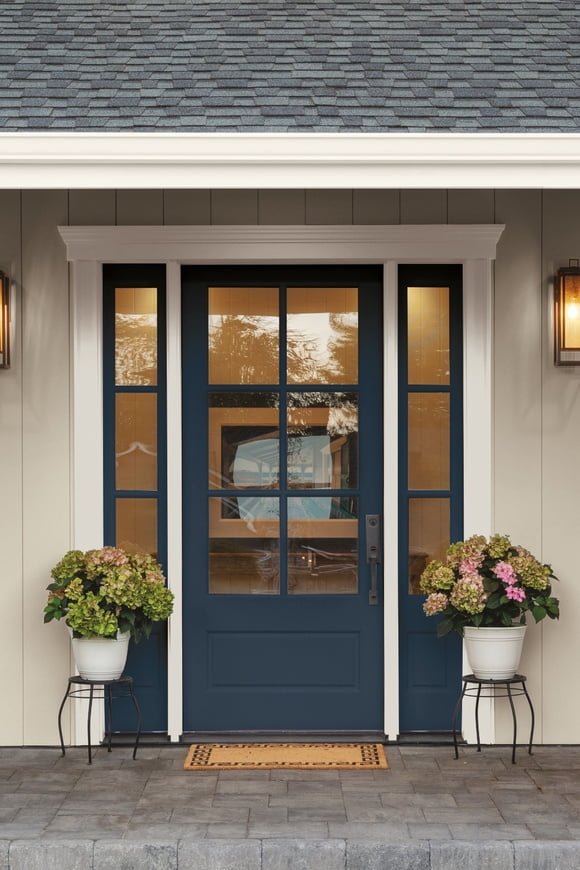
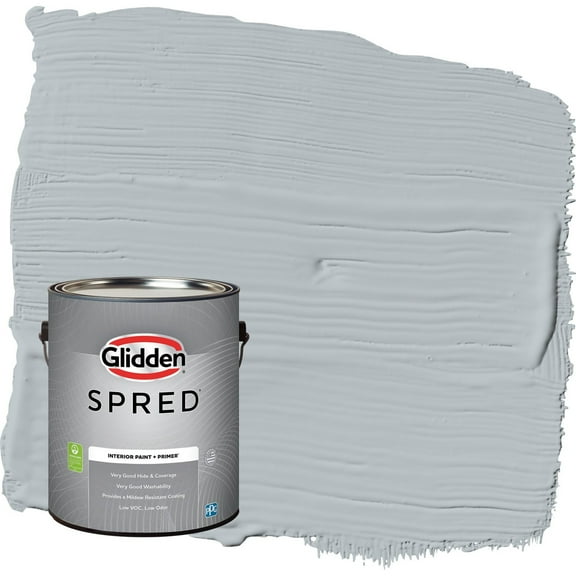
Color choice matters too, and you can compare glidden paint colors for light rooms, busy rooms, or accent walls. You can create a more consistent look when your finish and color work together.
- You can cover everyday living spaces with fewer painting stages.
- You can compare finishes that suit walls, ceilings, trim, and doors.
- You can match glidden paint colors to room lighting and décor.
- You can look for paint-and-primer-in-one formulas when you want a simpler prep plan.
You may also appreciate easier project estimating before you buy supplies. You can pair your paint choice with rollers, brushes, painter’s tape, and drop cloths for a smoother setup.
Choosing finish, base type, and coverage
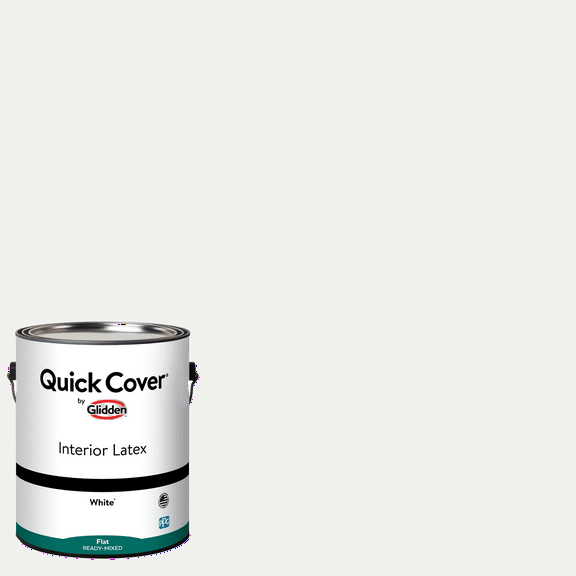
When you compare paint finish, you should think about the room first. You can choose flat for low-sheen walls, eggshell for soft luster, satin for busy areas, and semi-gloss for trim.
Flat can help your walls show less texture in bedrooms or ceilings with changing light. Satin and semi-gloss can make more sense when you want a brighter finish on trim, doors, or active rooms.
Coverage type is another key decision, and you should compare one coat and two coat expectations carefully. You’ll want to read whether the formula offers one-pass coverage or whether your surface may still need another coat.
Paint-and-primer-in-one language can help you judge whether a separate primer may be necessary. You should still consider surface porosity, because patched drywall or bare areas can absorb paint differently.
Base type also matters when you compare latex, oil-based, and water-based options. You’ll usually find water-based and latex choices fit many interior wall projects, while trim shoppers may compare other application preferences.
You should also estimate how much paint you need before choosing a container size. You can use room measurements and square footage per gallon to avoid guessing across larger wall areas.
Matching interior one coat paint to your room
For living rooms and bedrooms, you may compare interior one coat paint in flat, eggshell, or satin. You’ll usually want a finish that supports your lighting, wall texture, and preferred look.
In hallways, entry spaces, and family areas, you may lean toward satin for a more active household. You can balance appearance and upkeep by matching sheen to how often you use the room.
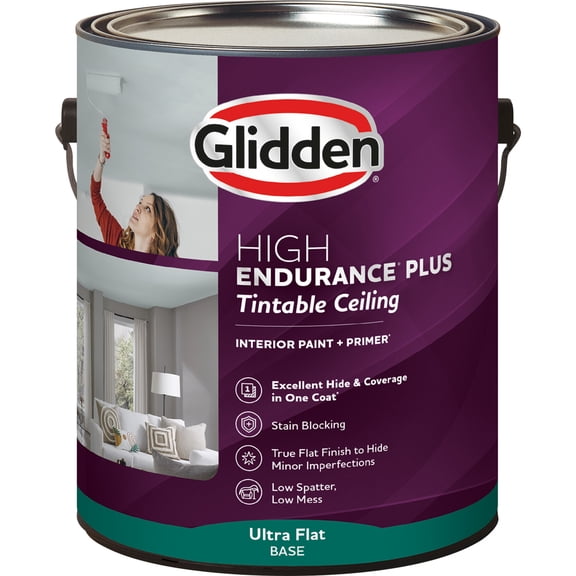
For ceilings, you’ll often compare flatter finishes that keep the look soft overhead. You can create a more even visual flow when your ceiling sheen stays lower than your wall sheen.
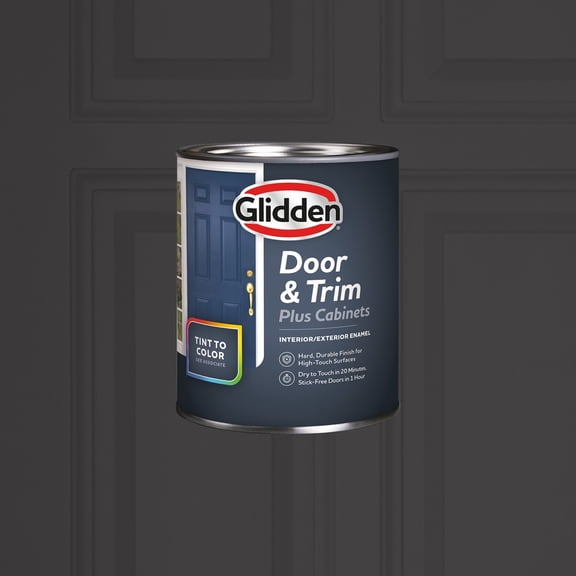
For doors and trim, you may consider semi-gloss because it gives sharper contrast against wall paint. You can create cleaner room definition when trim and doors stand apart from broader wall areas.
If you’re painting over a similar color, one coat wall paint may align with your project goals. If you’re changing from deep to light color, you should compare product notes and plan your coverage carefully.
When patched areas or fresh drywall are part of your room, you should check whether self-priming support fits the surface. You can get more predictable results when you account for porous sections before painting.
Planning your paint project with confidence
You can make a smarter paint choice when you compare finish, coverage type, base type, and application area together. You can feel more prepared when your glidden interior paint selection matches your walls, trim, and square footage plan.
Your project becomes easier to manage when your color, sheen, and prep steps are aligned from the start. You can move into painting with fewer surprises and a room-ready finish in mind.