

Suggested
Glass Plates(4)
Corelle Simple Lines 10.5" Square Glass Dinner Plate (Set of 6) $78.17
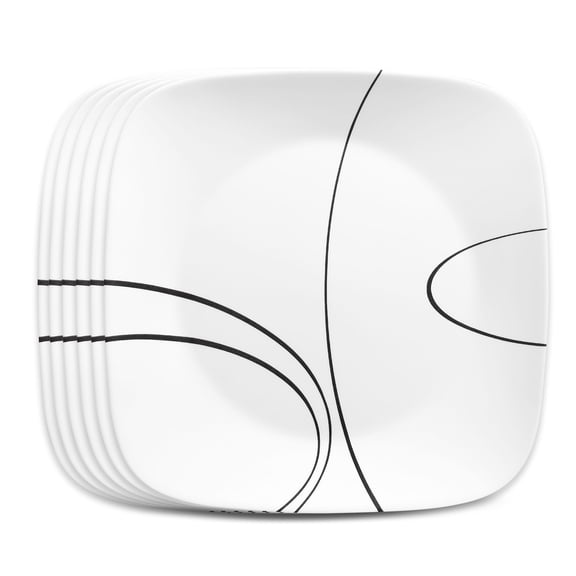
Corelle Simple Lines 10.5" Square Glass Dinner Plate (Set of 6)
Corelle® Winter Frost, Divided Lunch Plate, White Was $19.77

Corelle® Winter Frost, Divided Lunch Plate, White
Corelle Frost White Bread & Butter Plate, 6.75-Inch, 1 count $7.99 Was $19.50

Corelle Frost White Bread & Butter Plate, 6.75-Inch, 1 count
Simax Glass Pie Pan, 11 Inch Round Pie Plate, Glass Baking Dish, Shallow Cake Pan, Fluted Pie Holder, Oven Safe Tray, Borosilicate Glass $28.00

Simax Glass Pie Pan, 11 Inch Round Pie Plate, Glass Baking Dish, Shallow Cake Pan, Fluted Pie Holder, Oven Safe Tray, Borosilicate Glass
FAQ
How can I tell a glass plate is safe?
Good news: most product pages include care details that can help you decide. A few quick checks can make everyday use more comfortable.
- Look for care icons: Labels like “microwave-safe,” “dishwasher-safe,” or “oven-safe” (when applicable) indicate typical use. Follow any listed temperature or rack guidance.
- Tempered or toughened glass: This can offer added durability for daily dining.
- Avoid sudden temperature changes: Even safe glass can be stressed by going from very hot to very cold quickly.
- Skip metallic trims in microwaves: Decorative metallic edges may not be microwave-friendly.
- Inspect on arrival: Don’t use plates with chips or cracks.
When in doubt, check the product description and customer Q&A for real-world use tips.
Why choose glass plates for everyday meals?
Glass plates can be a practical, low-maintenance pick for daily dining because of their smooth, non-porous surfaces and versatile styling.
- Easy cleanup: The non-porous surface typically helps resist stains and odors, and many options are dishwasher-safe (check the listing).
- Neutral with foods: Glass doesn’t usually hold flavors, which can be helpful if you serve a mix of cuisines.
- Microwave-friendly options: Many plates are microwave-safe; always confirm the care label first.
- Style flexibility: Clear or white glass pairs well with different table settings.
- Care tip: Avoid sudden temperature swings and handle with care to reduce chips.
If an item arrives damaged, contact customer care for assistance.
What are the disadvantages of glass plates?
Glass plates offer a clean look, but there are a few trade-offs to consider that may matter for your household and routines.
- Breakage risk: Glass can chip or shatter if dropped or knocked against hard surfaces.
- Thermal shock: Rapid temperature changes may stress the glass; let hot plates cool before rinsing.
- Visible spots: Water spots and fingerprints can show more readily on clear finishes.
- Storage care: Stacked plates can rub; simple separators or shelf liners may help reduce scuffs.
- Noise: Glass can clink loudly against stone or metal surfaces.
These considerations vary by design and thickness, so checking product details can help you choose a good fit.
How do glass plates compare to ceramic?
Both materials work well for everyday dining, but they feel different in use and care. Here’s a balanced look to help you decide:
- Durability: Tempered glass can resist everyday wear, but may shatter if stressed; ceramic often chips at edges but doesn’t shatter the same way.
- Weight and feel: Glass can be slim and light or thicker and heavier; ceramic tends to feel more substantial.
- Heat handling: Ceramic often retains warmth a bit longer; some glass plates are oven-safe within limits—always follow the label.
- Microwave/dishwasher: Many options in both categories are safe when labeled, but avoid metallic decorations in microwaves.
Style preference and care habits usually guide the best choice.
What size glass plates should I buy?
Size affects how your meals look, how plates fit in cabinets, and even your microwave. Consider these common sizes and planning tips:
- Dinner plates: About 10–11 inches for full entrées.
- Salad/lunch plates: Around 8–9 inches for lighter meals.
- Dessert or bread plates: Typically 6–7 inches for sides and sweets.
- Cabinet and microwave fit: Measure shelf depth and your microwave’s turntable diameter.
- Shape matters: Square plates have a larger footprint than round plates of the same width.
- Household size: Sets of 4, 6, or 8 place settings can reduce midweek washing.
Product pages list exact dimensions, and you can choose pickup or delivery to fit your schedule.
Popular in Glass Plates for Dining and Entertaining
Related Products
10.3" 6pk Glass Dinner Plates White: Break & Chip-Resistant, Microwave & Dishwasher Safe, Solid Circular Design
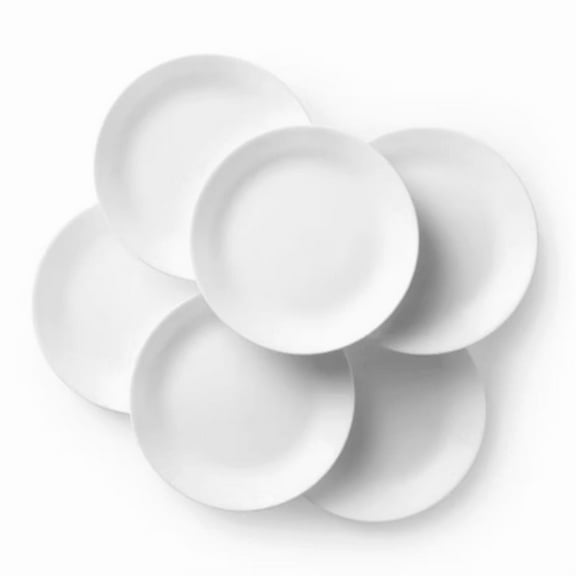 10.3" 6pk Glass Dinner Plates White: Break & Chip-Resistant, Microwave & Dishwasher Safe, Solid Circular Design$36.78current price $36.78
STP GOODS Cornelia Glass Appetizer Plate Set of 6 Pcs 7.5" (19 cm) Service for 6 Dessert Plates, Christmas Dinnerware
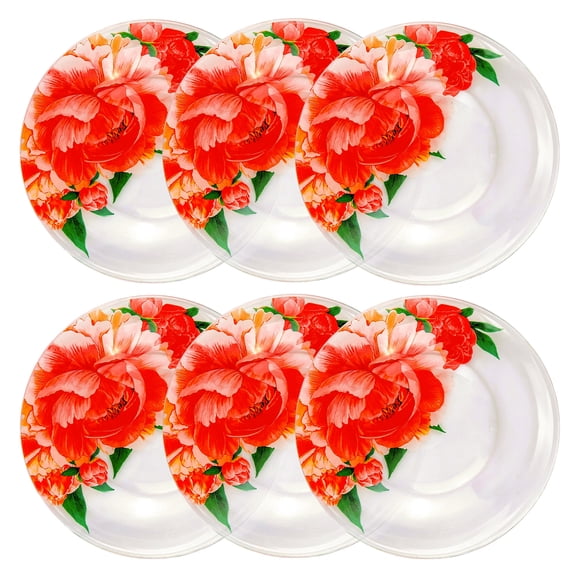 STP GOODS Cornelia Glass Appetizer Plate Set of 6 Pcs 7.5" (19 cm) Service for 6 Dessert Plates, Christmas Dinnerware$34.99current price $34.99
Assorted Glass Dinner Plates Dinnerware Set of 6, Diameter: 7.5
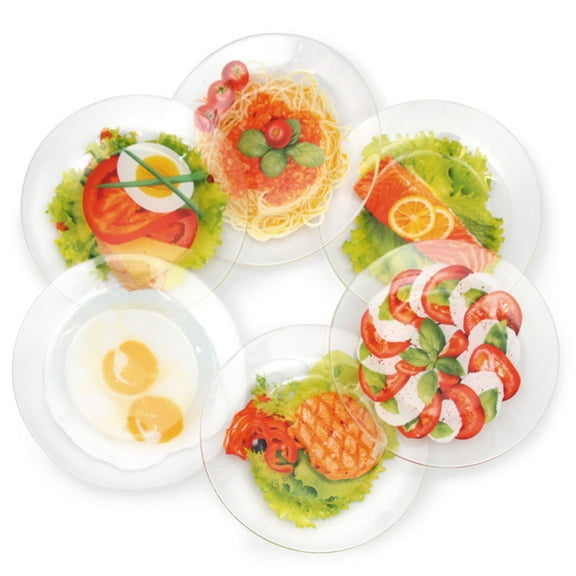 Assorted Glass Dinner Plates Dinnerware Set of 6, Diameter: 7.5$27.99current price $27.99
Red Pomegranate 0275-0 Element Glass Dinner Plates - Set of 4
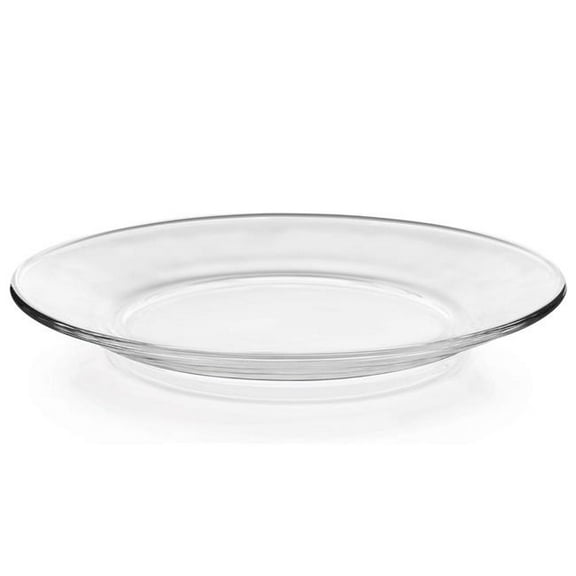 Red Pomegranate 0275-0 Element Glass Dinner Plates - Set of 4$33.48current price $33.48
Red Pomegranate Collection R1253-1 Pavo Gilded Glass Dinner Plate, Gold
 Red Pomegranate Collection R1253-1 Pavo Gilded Glass Dinner Plate, Gold$18.61current price $18.61
LaGlint 7.5 inch Salad Appetizer Plate Set of 6, Lightweight Opal Glass Round White Plates for Dessert Kitchen, Dishwasher and Microwave Safe
 LaGlint 7.5 inch Salad Appetizer Plate Set of 6, Lightweight Opal Glass Round White Plates for Dessert Kitchen, Dishwasher and Microwave Safe$23.00current price $23.00
Red Pomegranate Collection R1253-2 Pavo Gilded Glass Dinner Plate, Silver
 Red Pomegranate Collection R1253-2 Pavo Gilded Glass Dinner Plate, Silver$21.46current price $21.46
Red Pomegranate Collection R1243-2 Cabana Gilded Glass Dinner Plate, Silver
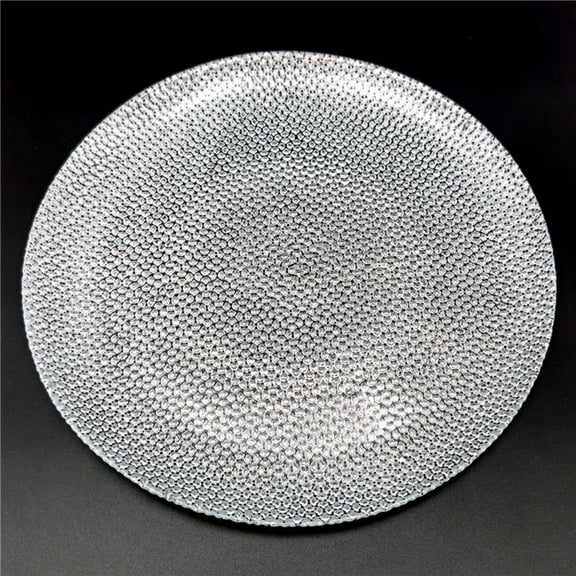 Red Pomegranate Collection R1243-2 Cabana Gilded Glass Dinner Plate, Silver$21.46current price $21.46
Red Pomegranate Collection R1254-2 Pavo Gilded Glass Soup Plate, Silver
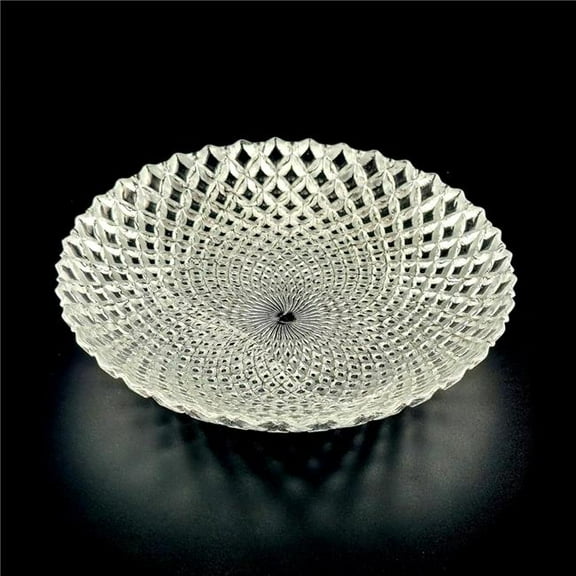 Red Pomegranate Collection R1254-2 Pavo Gilded Glass Soup Plate, Silver$18.81current price $18.81
WishDeco Ceramic Appetizer Plates Set of 6, Small Dessert Plates 7 inch, White Round Salad Plate, Porcelain Dinner Dishes for Cake, Waffle, Pasta, Microwave & Dishwasher Safe
 WishDeco Ceramic Appetizer Plates Set of 6, Small Dessert Plates 7 inch, White Round Salad Plate, Porcelain Dinner Dishes for Cake, Waffle, Pasta, Microwave & Dishwasher Safe$29.99current price $29.99
Red Pomegranate Collection R1234-1 Volute Gilded Glass Soup Plate, Gold
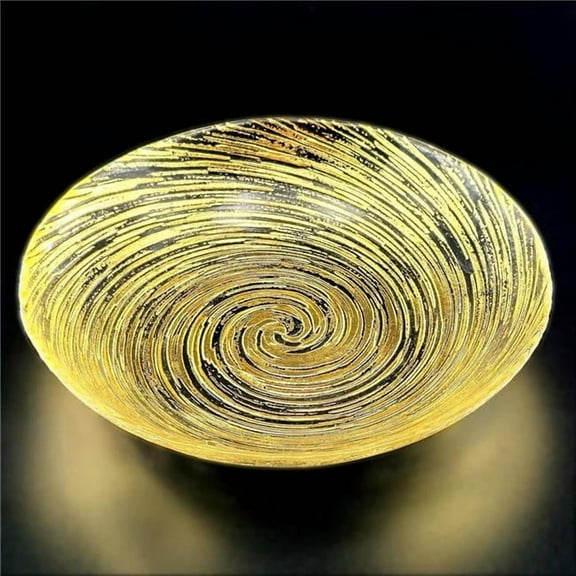 Red Pomegranate Collection R1234-1 Volute Gilded Glass Soup Plate, Gold$17.55current price $17.55
Gibson Home Ultra Round 6 Pack Opal Glass Break and Chip Resistant Dinner Plates
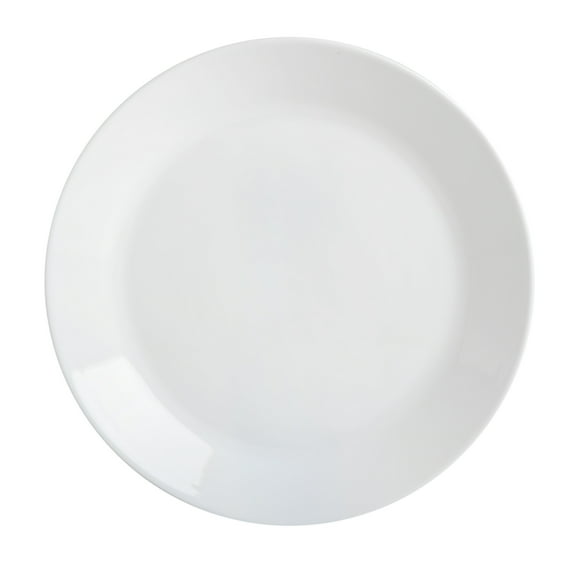 Gibson Home Ultra Round 6 Pack Opal Glass Break and Chip Resistant Dinner Plates$28.95current price $28.95
Red Pomegranate Collection R1244-1 Cabana Gilded Glass Soup Plate, Gold
 Red Pomegranate Collection R1244-1 Cabana Gilded Glass Soup Plate, Gold$17.55current price $17.55
Red Pomegranate Collection R1224-1 Helios Gilded Glass Soup Plate, Gold
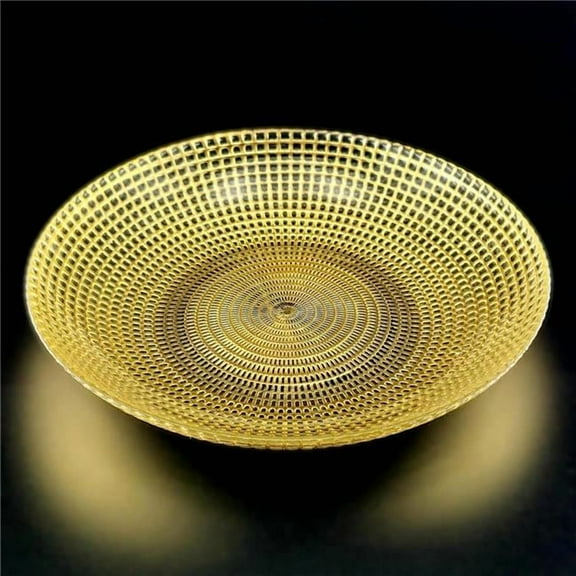 Red Pomegranate Collection R1224-1 Helios Gilded Glass Soup Plate, Gold$12.62current price $12.62
Providence Spillproof Co. Partitioned Plate 9" White
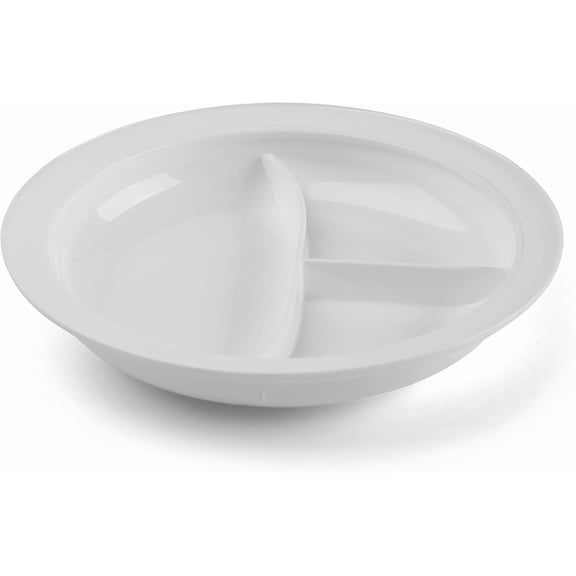 Providence Spillproof Co. Partitioned Plate 9" White$14.99current price $14.99