




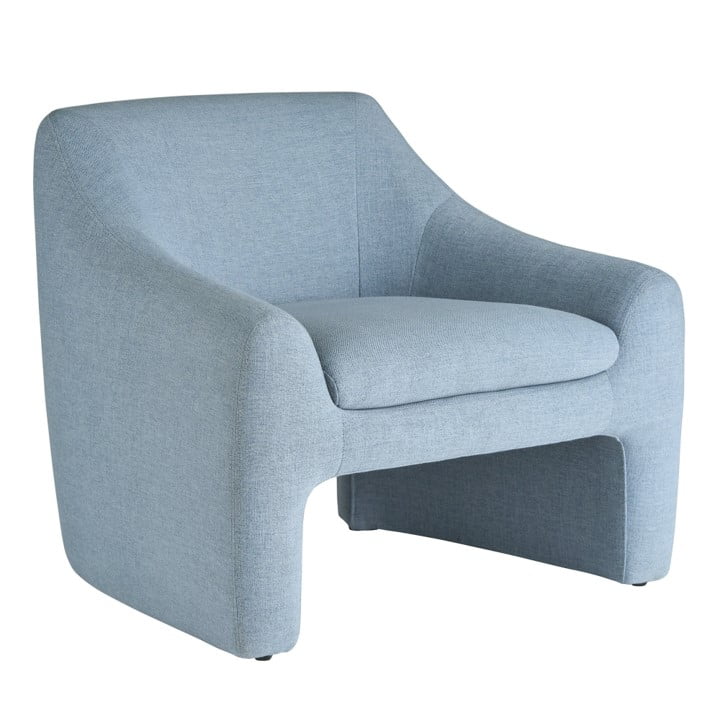
Chaise Lounges in Living Room Furniture


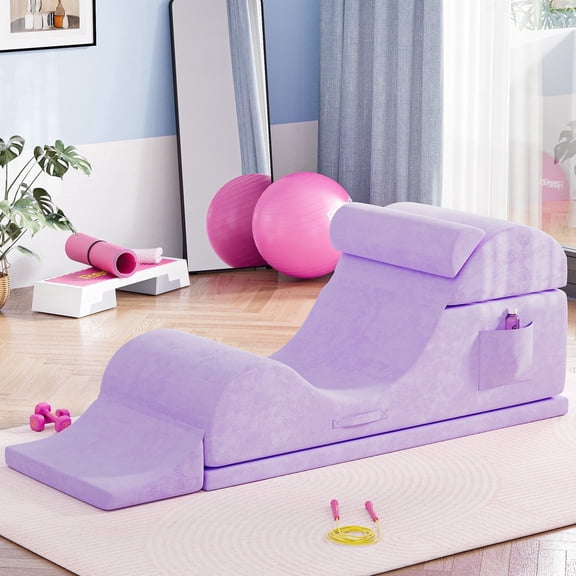


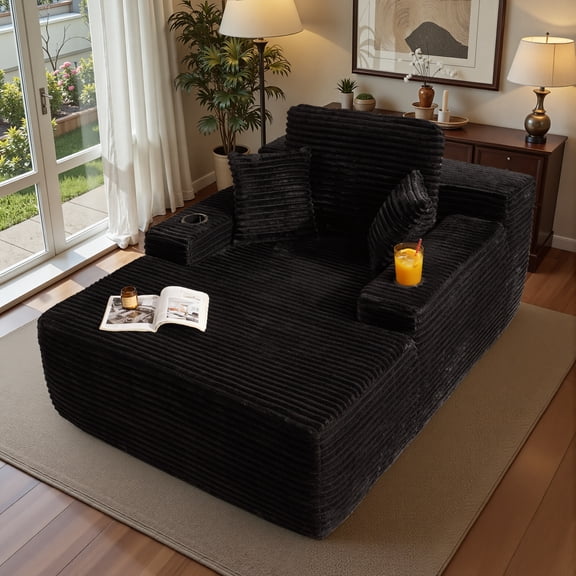


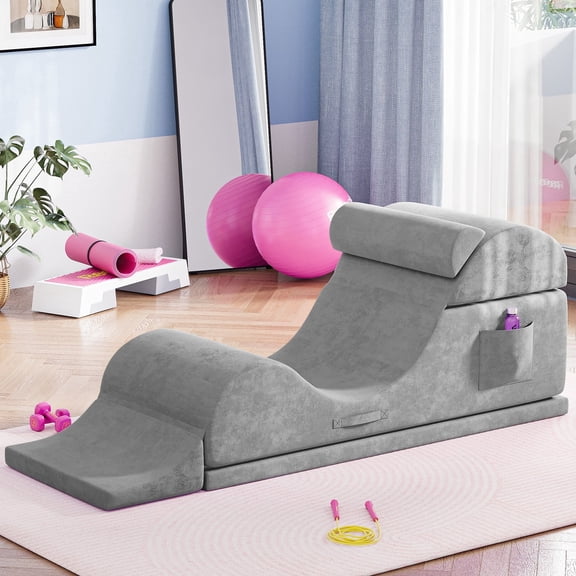
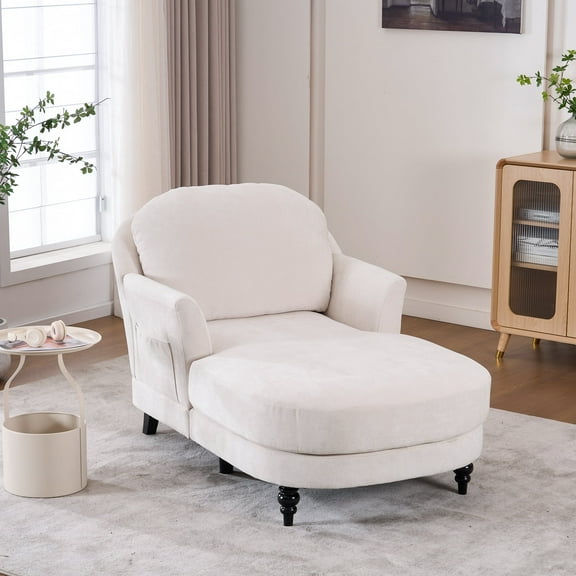


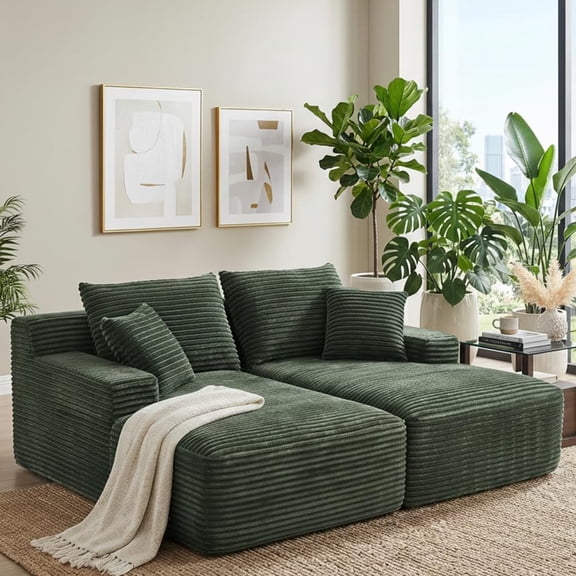
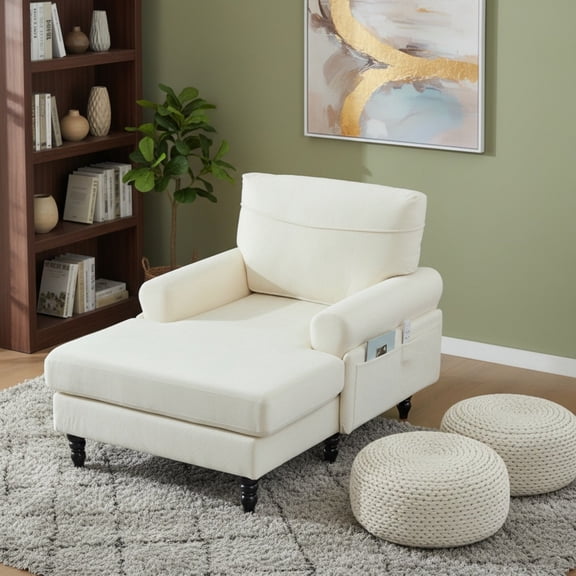


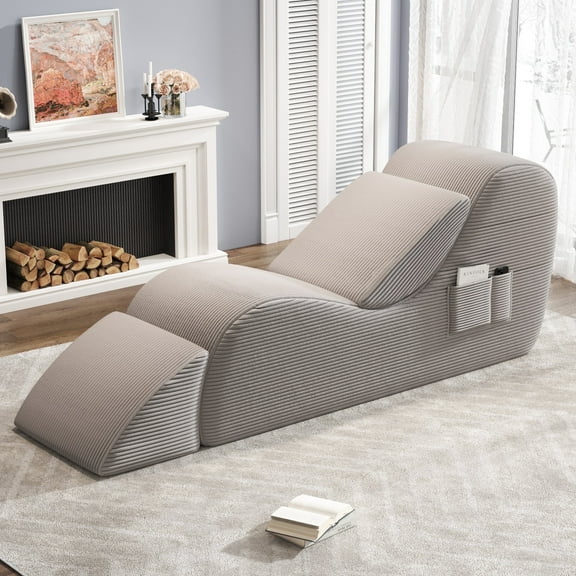


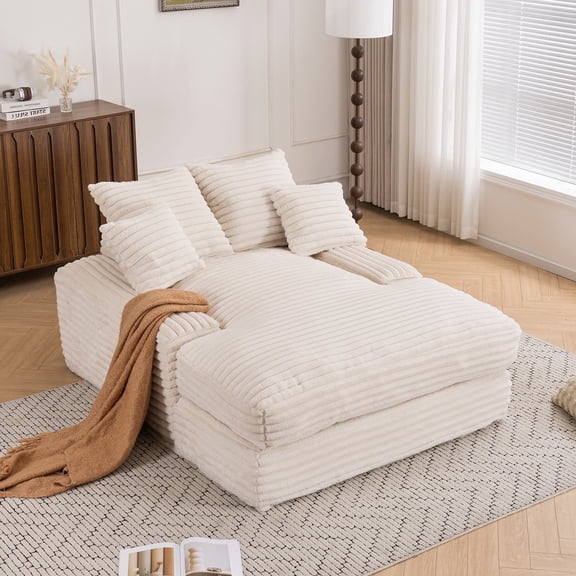
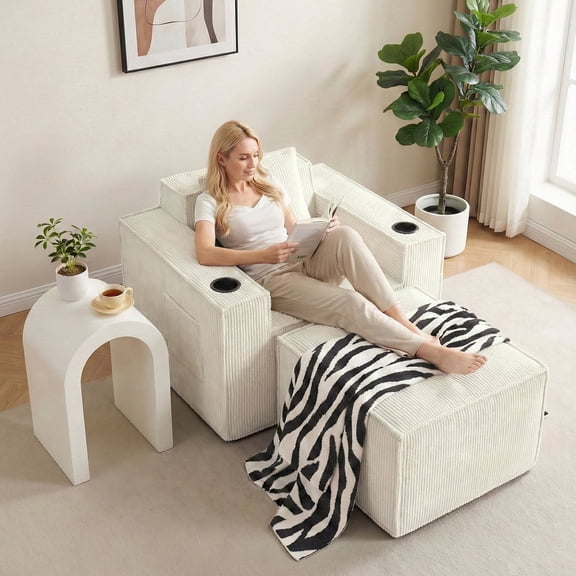


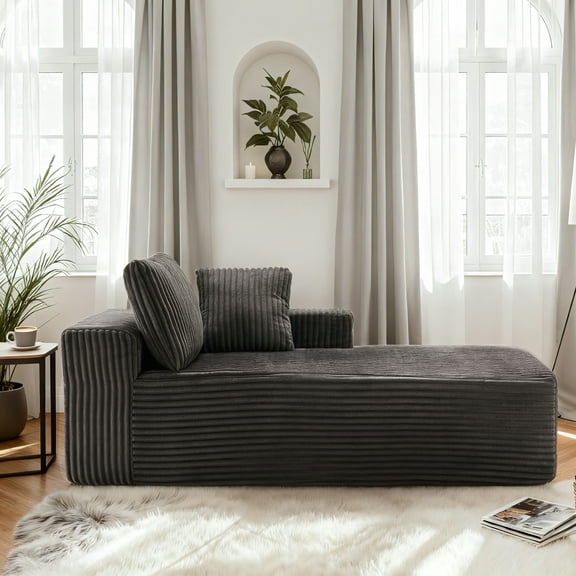


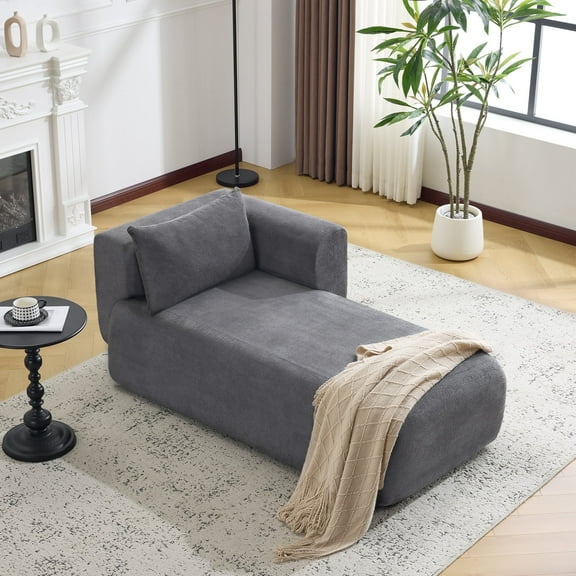


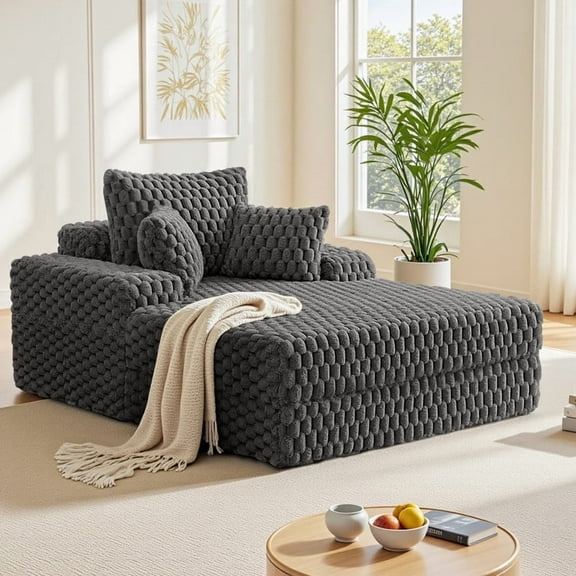


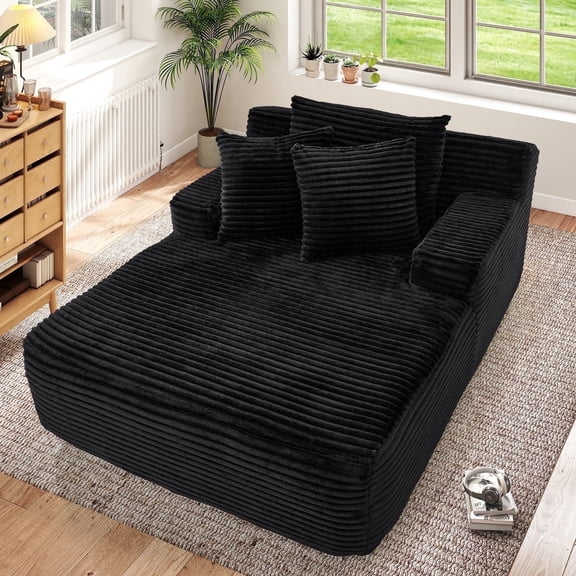


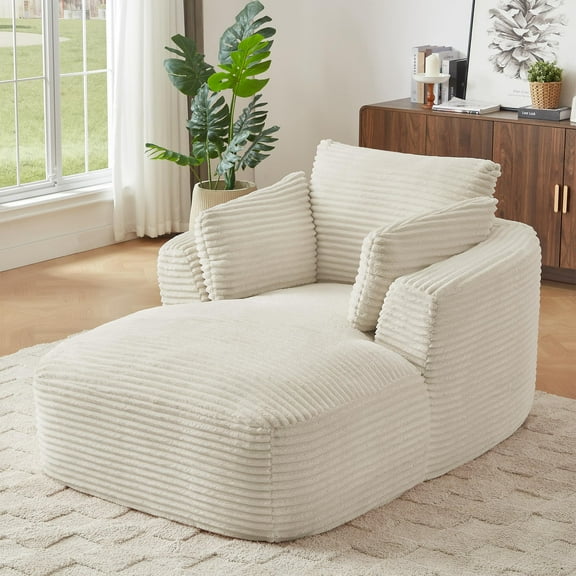


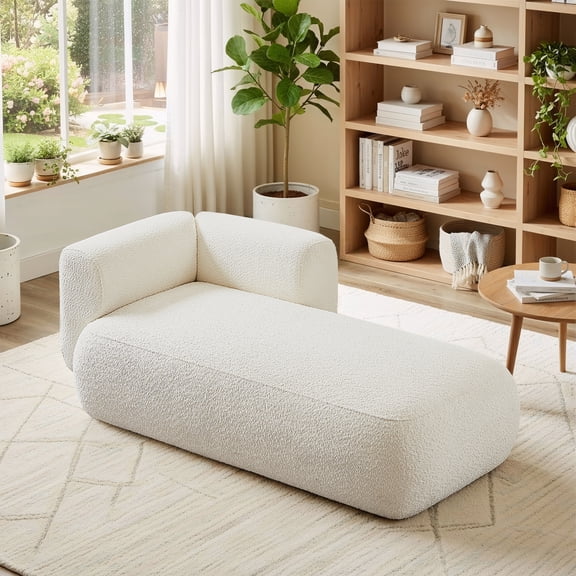


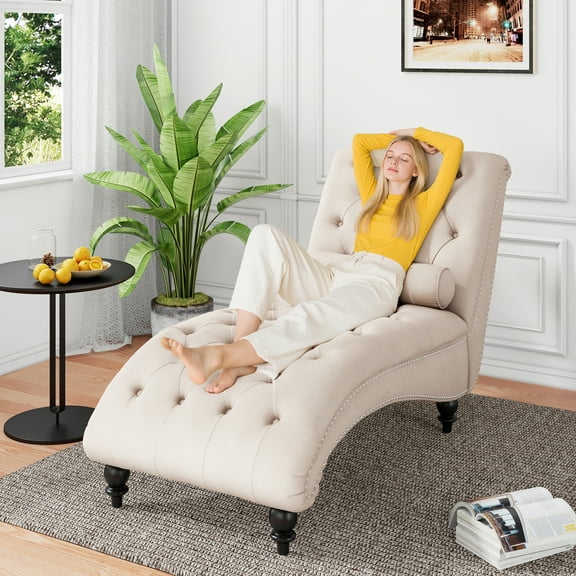


About Chaise Lounges in Living Room Furniture - Walmart.com
Chaise lounges give your room a stretched-out seat for reading, relaxing, or hosting, and you can compare shapes, materials, and functions with confidence. You’ll notice this category fits spaces where a standard chair feels too upright and a full sofa feels too large.
If you’re furnishing a living room, bedroom, or office corner, you can use chaise lounges to add comfort without changing your whole layout. You can also narrow your choice by size, upholstery, and configuration, so your pick matches how you actually unwind.
How to choose chaise lounges for your space
Before you choose chaise lounge chairs, you should measure your floor space, wall clearance, and walking paths. You’ll want enough room to extend your legs without crowding a coffee table or doorway.
When you compare an indoor chaise lounge to a larger sectional, you can often create a lighter look with one long seat. You may also place a living room chaise lounge near a window, fireplace, or bookcase for a defined retreat.
- You can stretch out fully while keeping a smaller footprint than many sofas.
- You can create a reading nook, conversation corner, or bedroom lounge spot.
- You can choose materials and designs that match modern or traditional rooms.
- You can compare sleeper, storage, and double layouts for added function.
As you review dimensions, you should check seat depth, overall length, and arm placement. You’ll also want to compare right-arm and left-arm designs when your room layout needs a specific orientation.
Choosing materials for an indoor chaise lounge
Material affects how your chaise feels, looks, and fits your daily routine. You can compare velvet, leather, linen, and microfiber by touch, cleanup needs, and the mood you want.
If you like a softer, dressier finish, you may prefer a velvet chaise lounge in a formal sitting area. You’ll often notice tufting and curved silhouettes pair well with velvet for a more tailored look.
If you want a smoother surface, you may lean toward a leather chaise lounge for easy wipe-down care. You can use leather looks in modern rooms, offices, or mixed-material spaces with wood and metal accents.
When you want a casual texture, you can look at linen styles that brighten bedrooms and reading corners. If your home gets frequent use, you may appreciate microfiber for its soft hand and everyday practicality.
You should also compare color depth and fabric texture with your existing rug, sofa, and accent pillows. You’ll get a more pulled-together room when your chaise complements nearby seating instead of competing with it.
Comparing design details and configurations
Style shapes how your chaise works with the rest of your furniture. You can compare modern, traditional, tufted, and mid-century looks by leg shape, back height, and trim details.
If your room has clean lines, you may prefer a modern profile with slim arms and a streamlined base. When your space feels classic, you can choose traditional curves, rolled arms, or button-tufted backs.
Configuration matters when you want your furniture to do more than provide a place to recline. You can compare a sleeper chaise lounge, a double chaise lounge, storage options, and styles with arms.
If you host guests, you may want a sleeper chaise lounge that adds an extra sleep surface. When you share seating, you can consider a double chaise lounge that gives two people room to lounge side by side.
You may also prefer storage styles when blankets, books, or remotes need a home close by. If you like extra support while sitting upright, you can look for designs with arms for reading or scrolling.
Assembly can shape your decision too, especially when you’re furnishing an upstairs room or smaller apartment. You should check whether legs, backs, or cushions attach easily, so setup feels simple in your space.
Matching your living room chaise lounge to real use
Your daily routine should guide the features you choose. You can match a living room chaise lounge to movie nights, afternoon reading, guest use, or a quiet office break area.
If you’re creating a reading nook, you may want supportive cushioning and an armrest for longer sitting sessions. You can pair that setup with a floor lamp and side table for books, drinks, and glasses.
When you’re styling a bedroom corner, you may prefer linen or velvet for a softer, more decorative feel. You’ll often get a calmer look when your chaise echoes your bedding colors or curtain texture.
If your office needs a less formal seat, you can use an indoor chaise lounge for breaks between tasks. You may prefer leather or microfiber there, since those materials can look polished and feel easy to maintain.
For family rooms, you should focus on dimensions that fit around sectionals, media consoles, and traffic flow. You can also compare storage or sleeper designs when one piece needs to handle several jobs.
When your room feels empty in one corner, a chaise can visually anchor that spot without filling the whole wall. You’ll get a purposeful layout when you angle it near a window or place it opposite a sofa.
What to look for before you decide
You should compare seat firmness, back support, upholstery texture, and overall length before you choose. You’ll also want to confirm assembly details and entryway fit, especially for longer frames.
With the right chaise lounges, you can create a dedicated place to recline, read, or host overnight guests. You’ll bring home a piece that fits your room, your routine, and the way you like to relax.