




Fruit Fly and Gnat Traps in Fly


















About Fruit Fly and Gnat Traps in Fly - Walmart.com
Fruit fly and gnat traps help you control small flying pests around fruit bowls, sinks, and houseplants. You can compare trap types, target pests, and placement needs for kitchens, pantries, and greenhouses.
You may want a trap that stays discreet on a counter or blends into a wall outlet. You can also compare safety language when your trap sits near shared spaces and food areas.
How to choose fruit fly and gnat traps
You should identify the pest you notice most often before you choose a trap. You’ll usually get clearer results when your trap matches insect behavior and the area where activity starts.
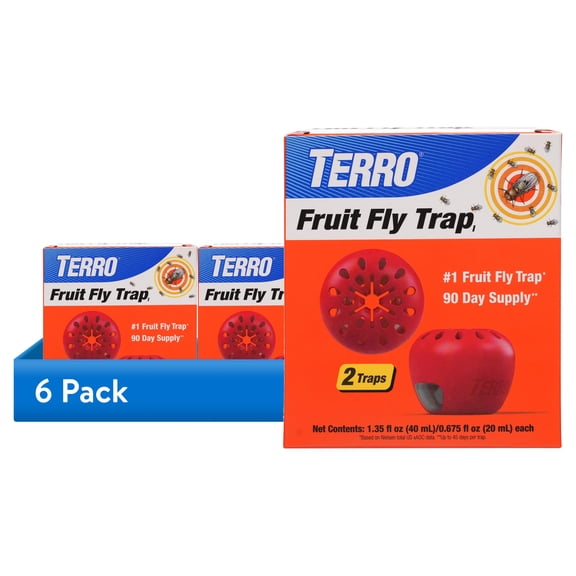
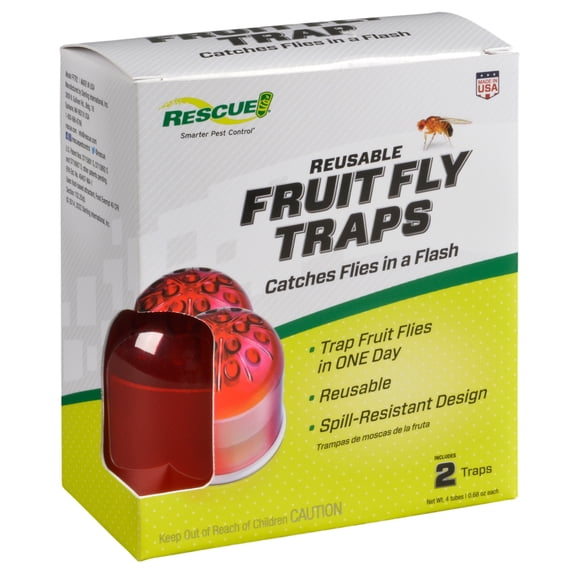
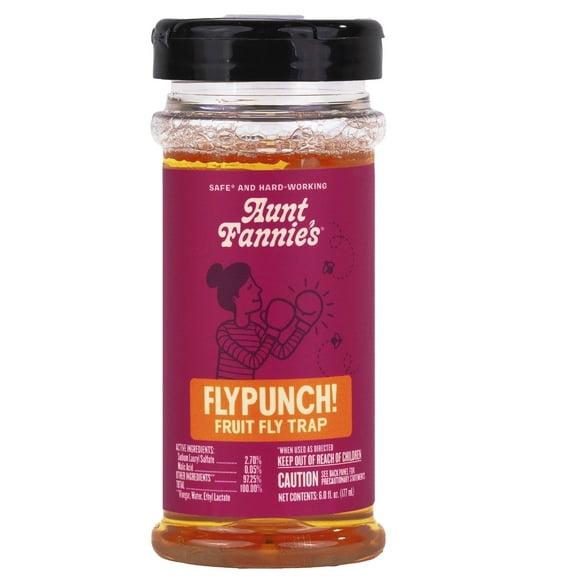
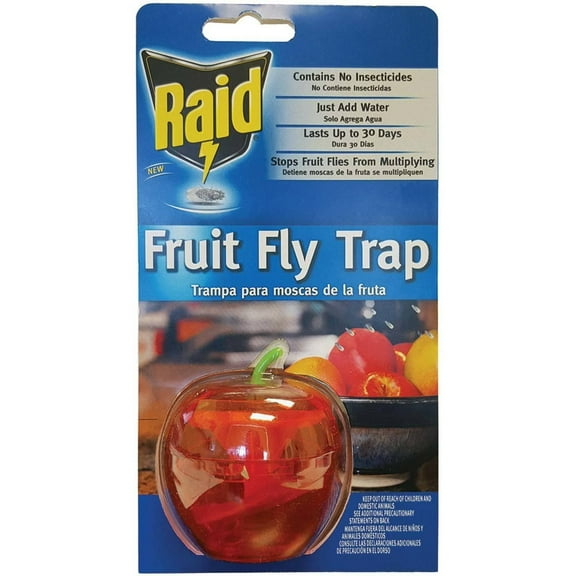
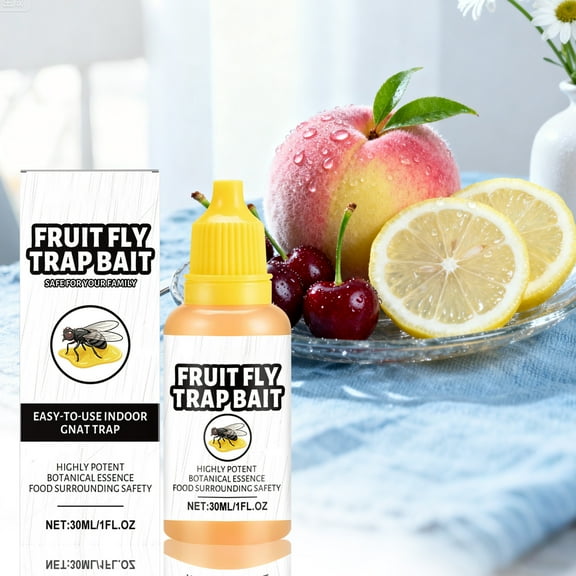
If you see insects circling ripe produce, you may prefer liquid bait styles with species-specific bait. You can target fruit flies close to the source without covering the whole room.
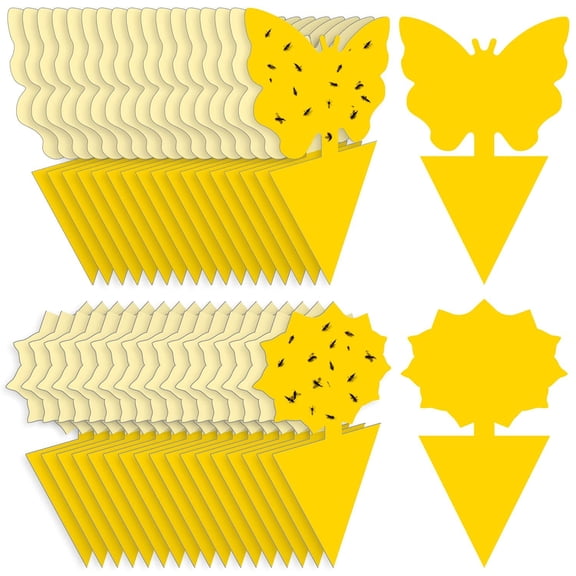
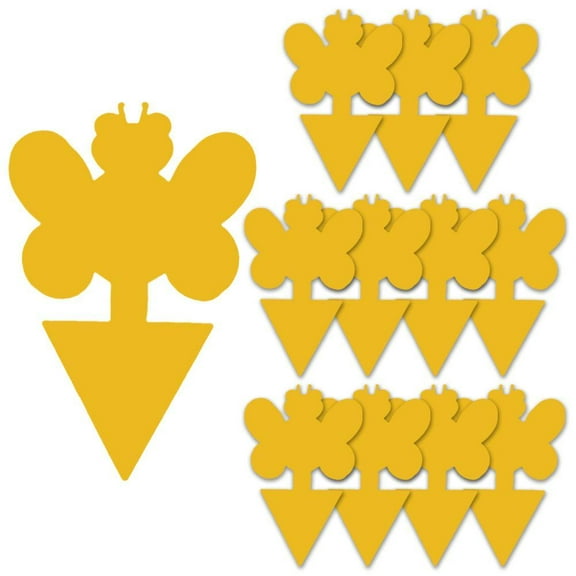
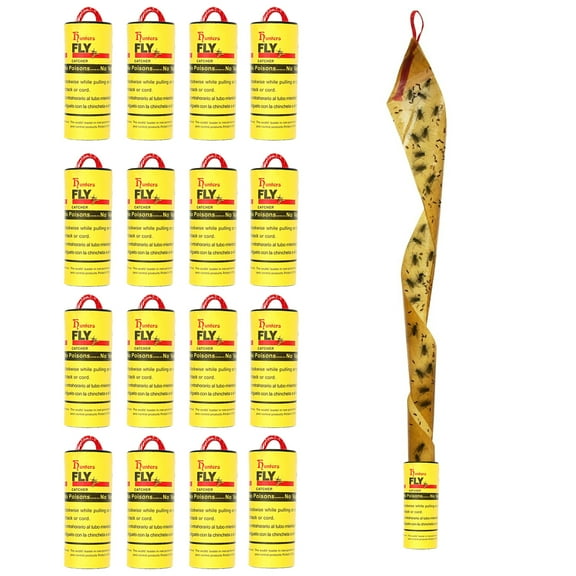
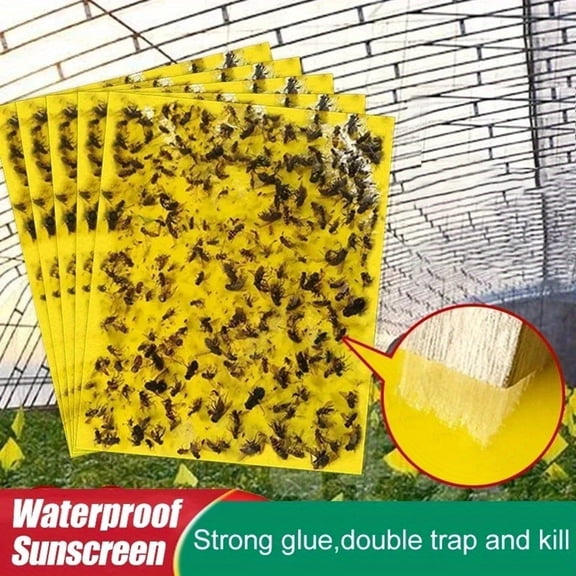
When you notice pests near potting soil, you may lean toward sticky paper options. You can place sticky fly traps close to plant pots and track fungus gnat activity easily.
- You can use liquid bait when you want a targeted option near fruit bowls or compost bins.
- You can choose sticky fly traps when you want a simple visual way to monitor plant shelves.
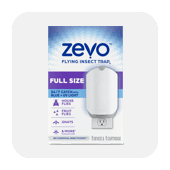
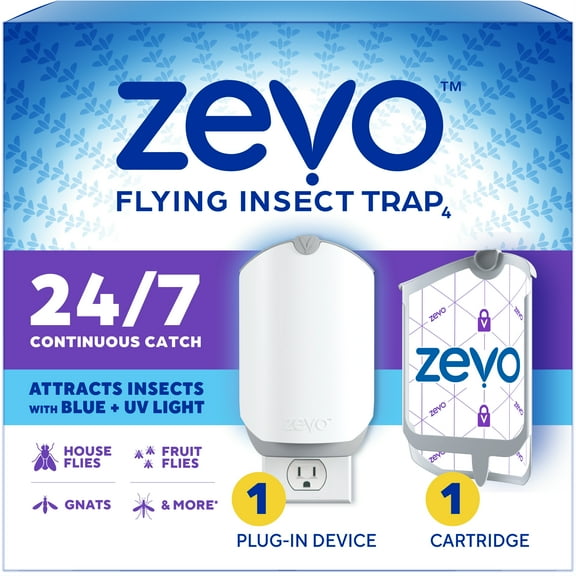
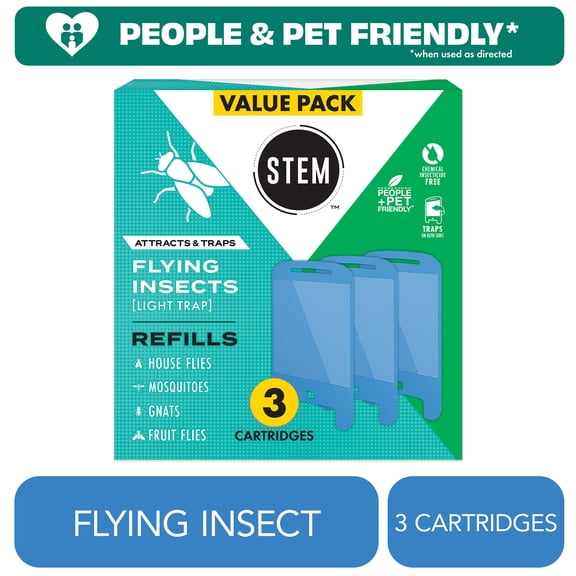
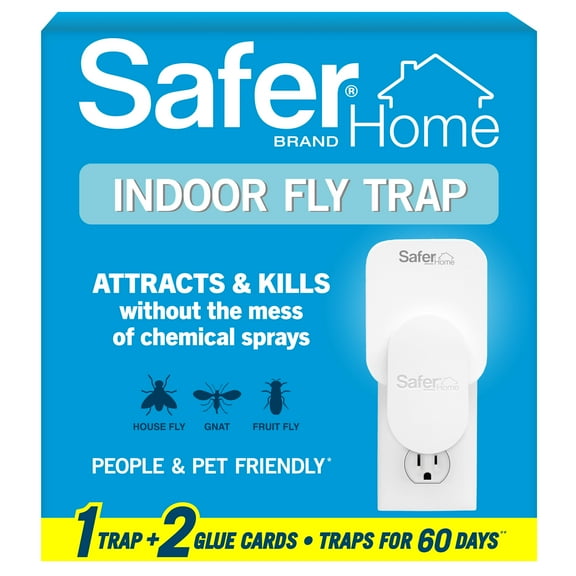
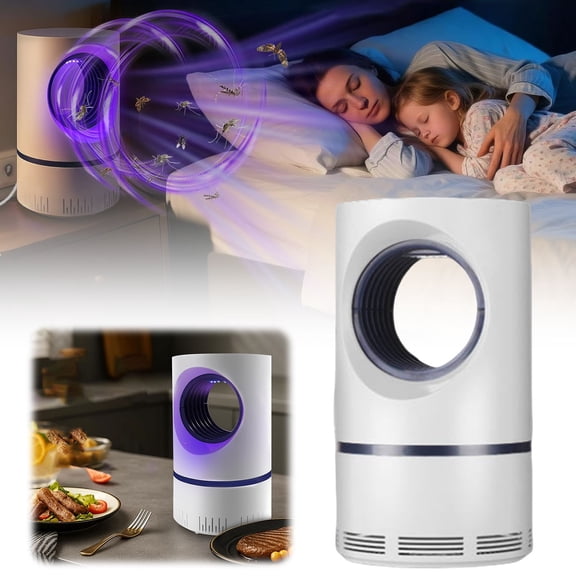
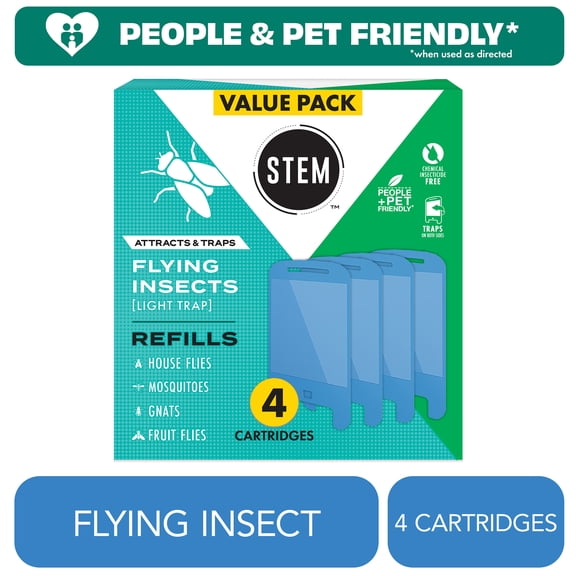
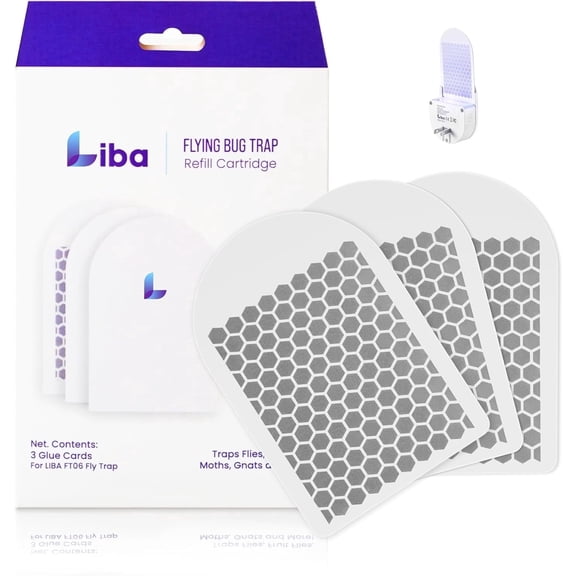
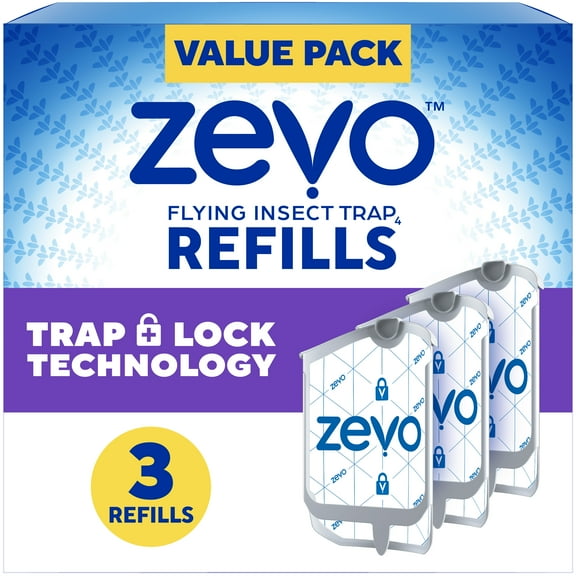
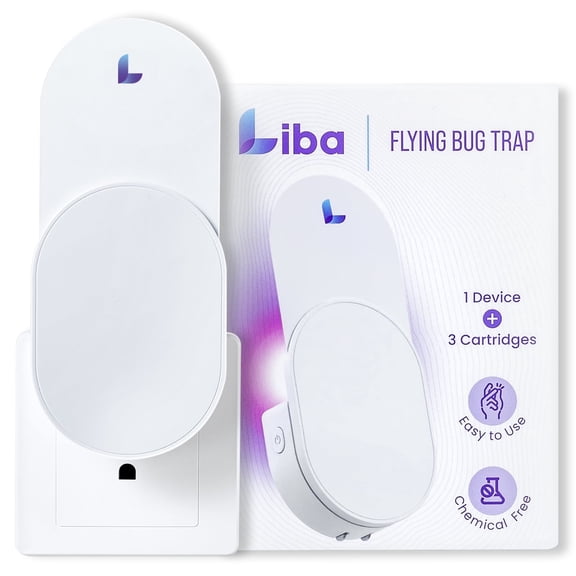
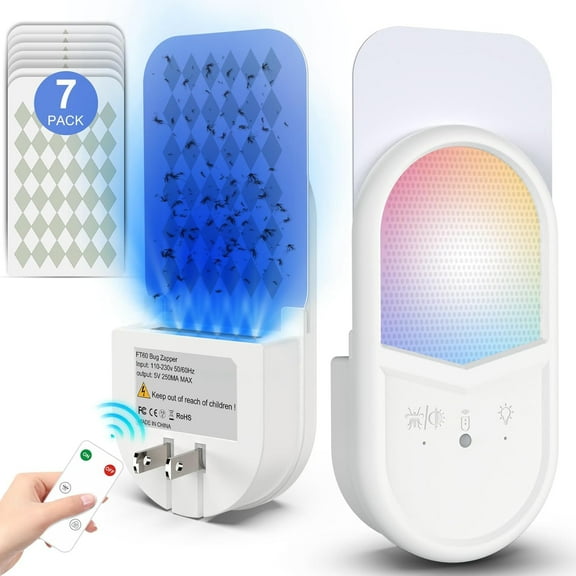
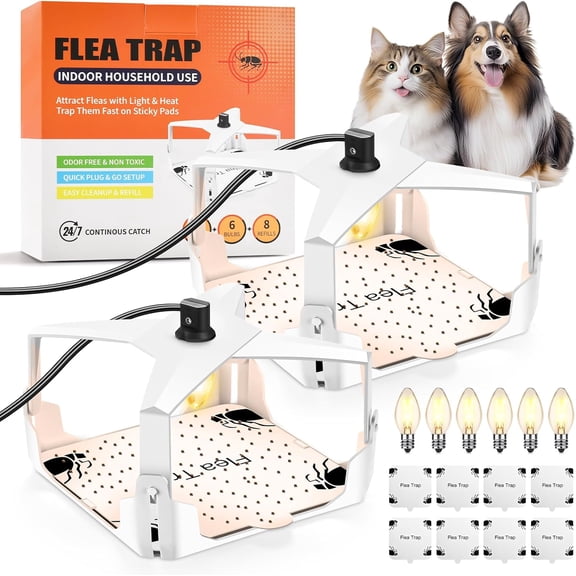
- You can consider UV light plug-in styles when you want indoor fly traps with less visible bait.
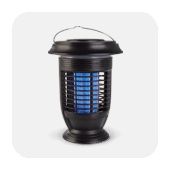
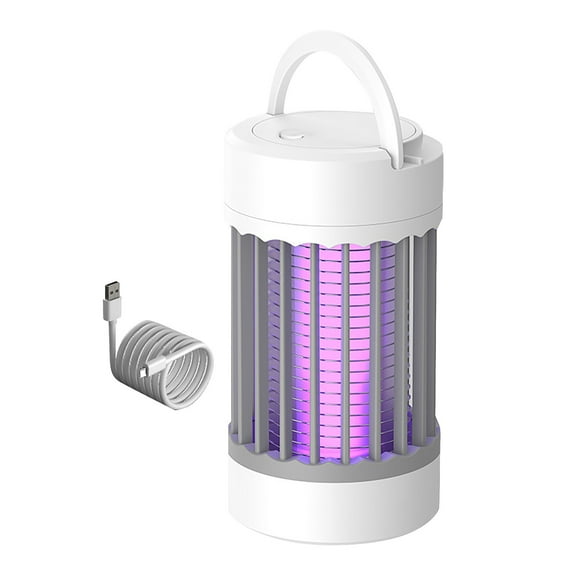
- You can compare electric zapper designs when you want a reusable format with washable collection areas.
You may also want to think about visibility before you choose a trap. You can tuck a trap near a sink, hide sticky cards on shelves, or use a plug in fly trap.
Choosing indoor fly traps by trap type
You’ll find that trap type affects placement, upkeep, and how noticeable the setup looks. You can choose disposable styles for quick swaps or reusable units for a longer routine.
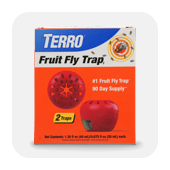
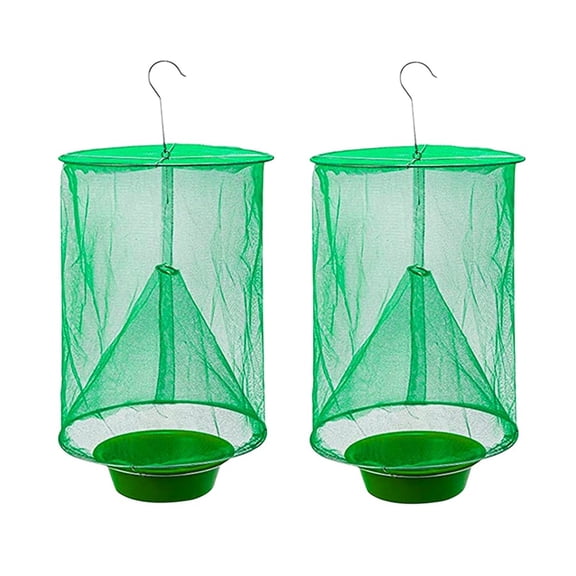
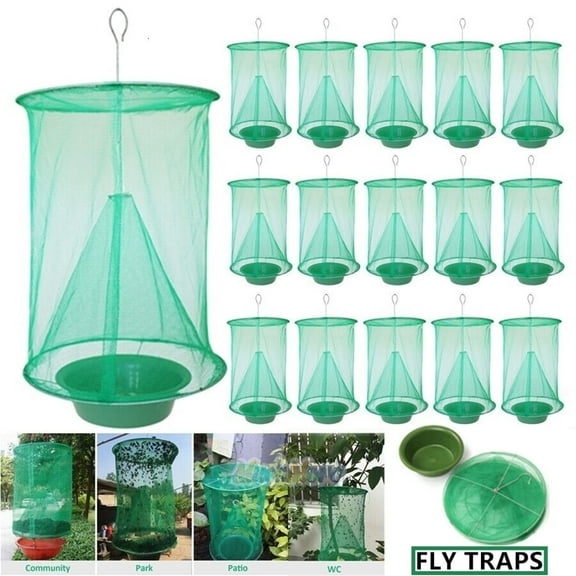
Liquid bait traps usually work well when you need focused capture near kitchens and pantries. You can place them close to produce, recycling bins, or compost containers for direct coverage.
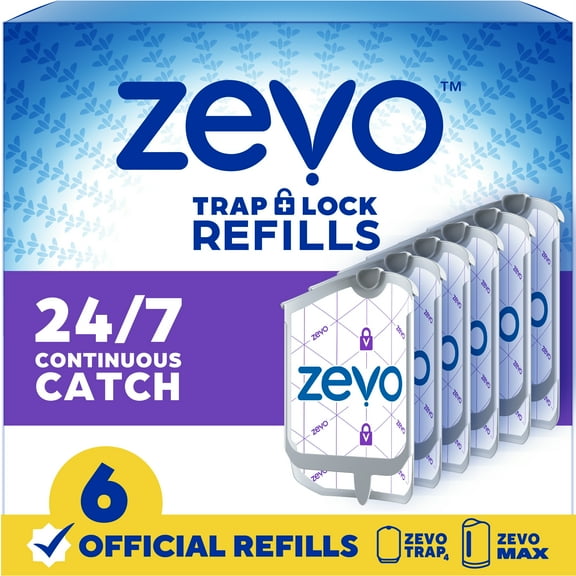
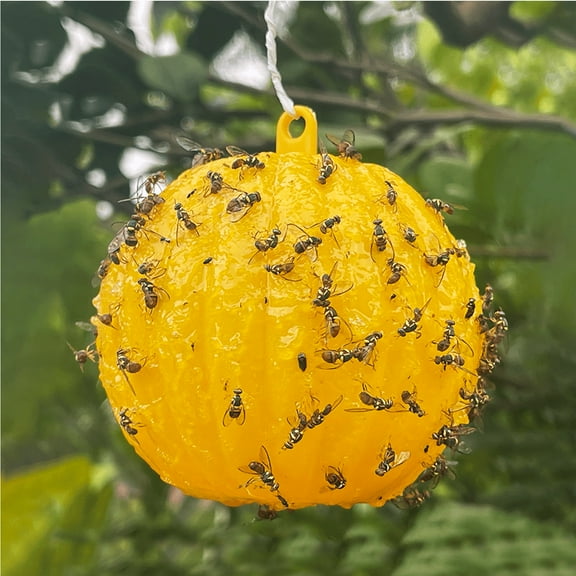
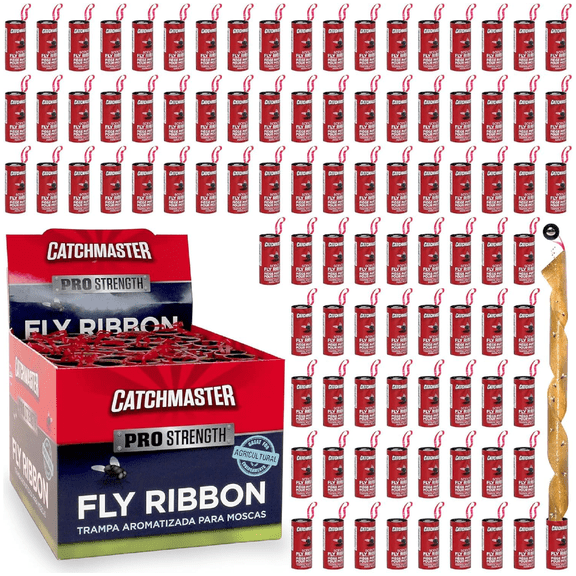
Sticky paper styles give you a clear view of activity over time. You can check what the trap catches and learn whether pests gather near plants, drains, or stored produce.
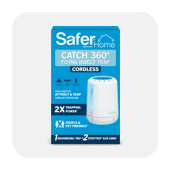
UV light plug-in options can suit you when you want a lower-profile look. You can use these indoor fly traps in hallways, utility rooms, or outlets near common flight paths.
Electric zapper styles can fit your needs when you prefer a reusable system. You should compare tray access, plug style, and cleaning steps before placing one in a busy room.
Matching gnat traps to your space
You can narrow your choice faster when you compare use location with your daily routine. You may need gnat traps for a kitchen counter, pantry shelf, greenhouse bench, or indoor plant stand.
For kitchens, you may prefer compact traps that fit beside fruit, coffee stations, or recycling bins. You can also look for non-toxic or chemical-free wording when placement is close to food areas.
For pantries, you might want a low-profile shape that slides beside onions, potatoes, or produce baskets. You can keep the area tidy while still catching small flies in warm corners.
For houseplants and greenhouse shelves, sticky fly traps often make practical sense. You can place cards near the soil line and replace them as activity changes week to week.
Near sinks or drains, you may notice small flies hovering around damp surfaces instead of produce. You can compare a drain fly killer with traps, but you should still match placement to insect activity.
What to look for in safety and upkeep
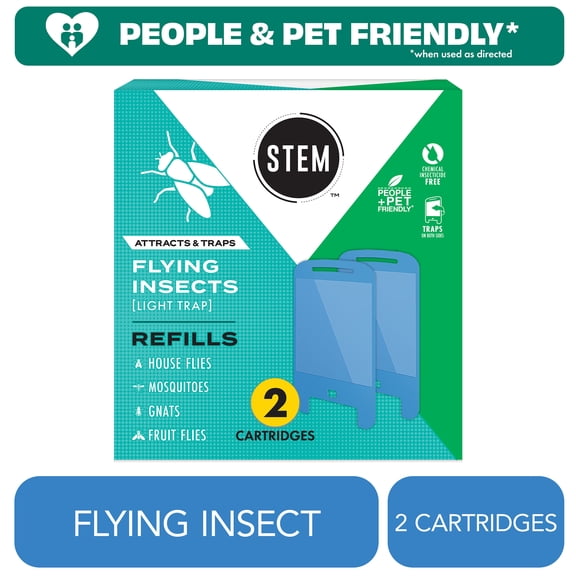
You should compare safety wording carefully when children, pets, and food prep areas share the same space. You can look for labels such as pet-safe, kid-safe, non-toxic, or chemical-free.
If you want a trap near a fruit bowl or snack station, you may prefer enclosed bait or covered sticky designs. You can keep the setup more contained while still targeting the insects you’re seeing.
You’ll also want to compare how often each style needs replacement or cleaning. You can swap sticky pads quickly, refresh liquid bait as needed, or empty reusable units on your schedule.
Aesthetics may matter when your trap stays in view each day. You can choose hidden traps for corners or decorative plug-in styles when you want the setup to blend in.
When you compare pest type, trap mechanism, safety language, and placement, you make choosing simpler. You get fruit fly traps and gnat traps that fit your space and support a cleaner routine.