


Spray Foam Insulation in Insulation




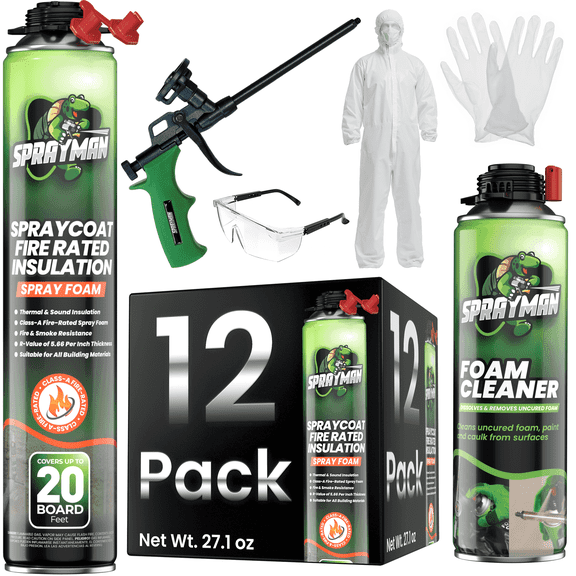

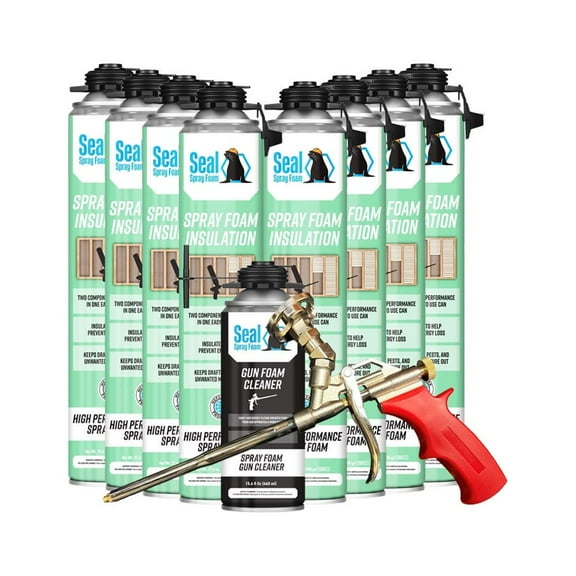
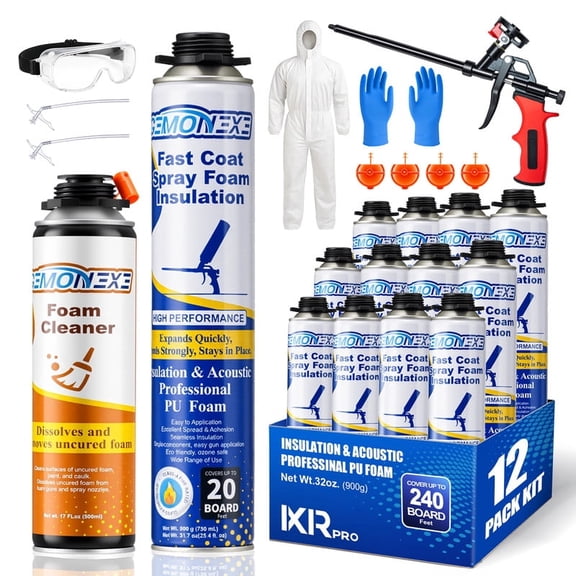
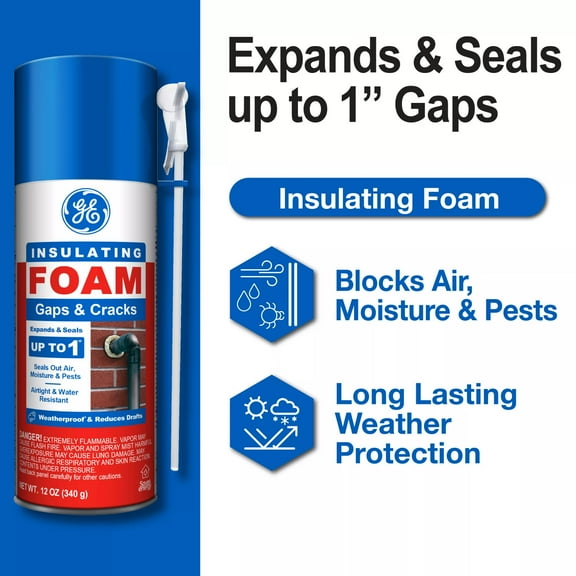





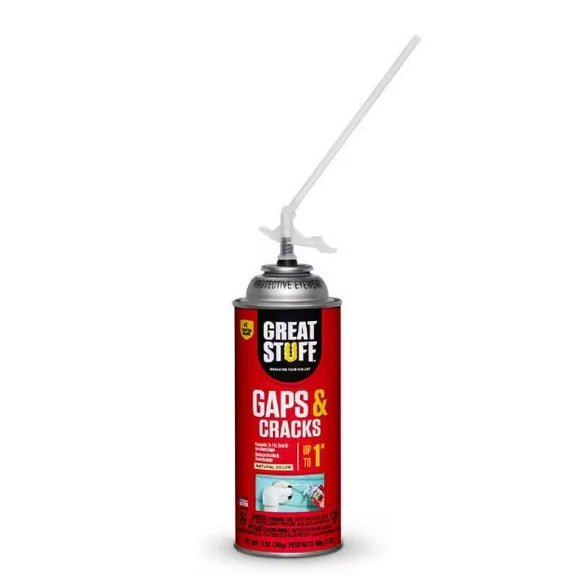

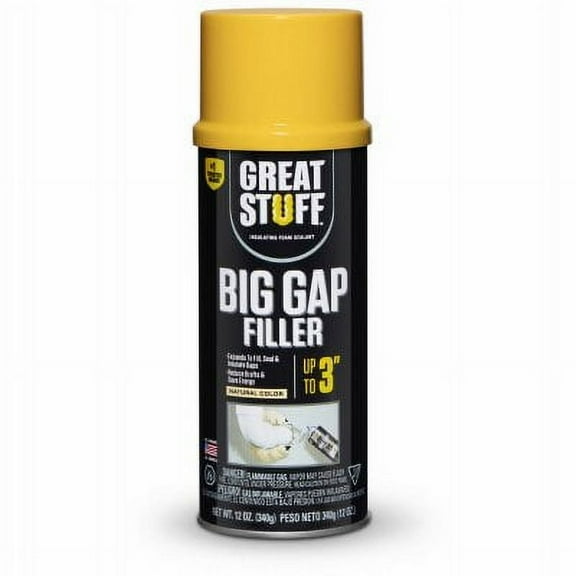

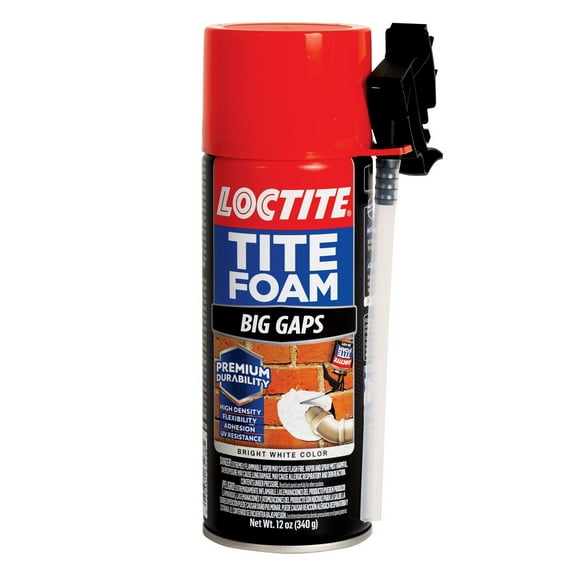


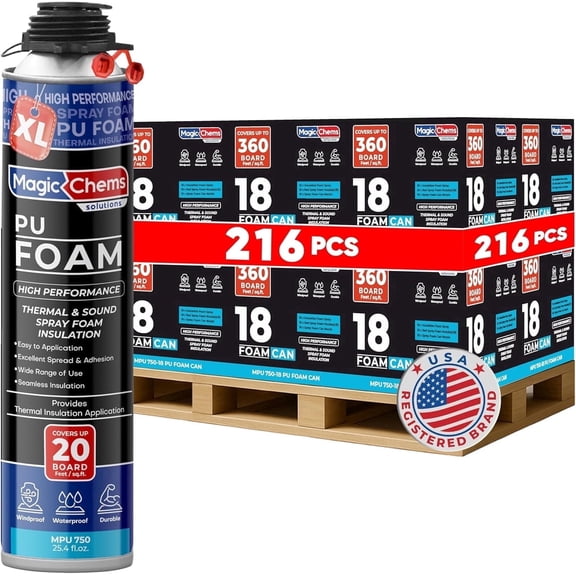

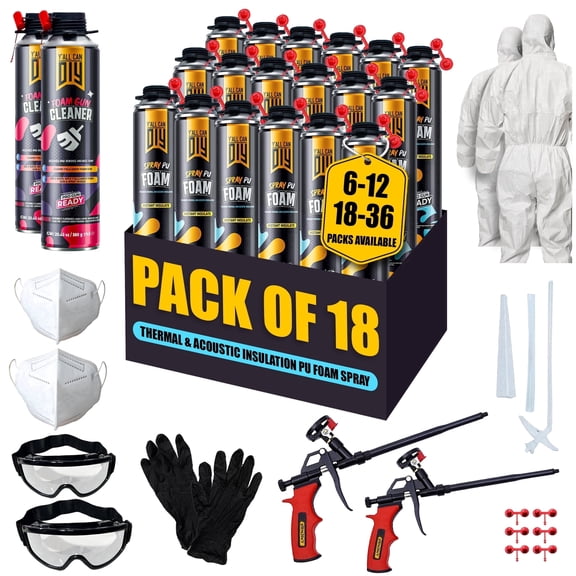


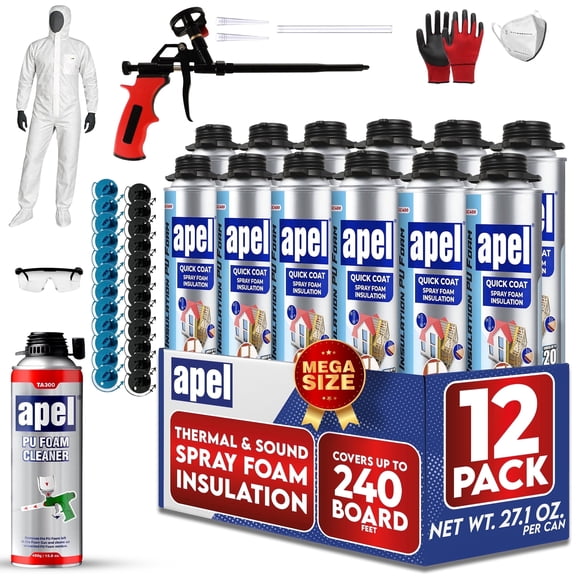
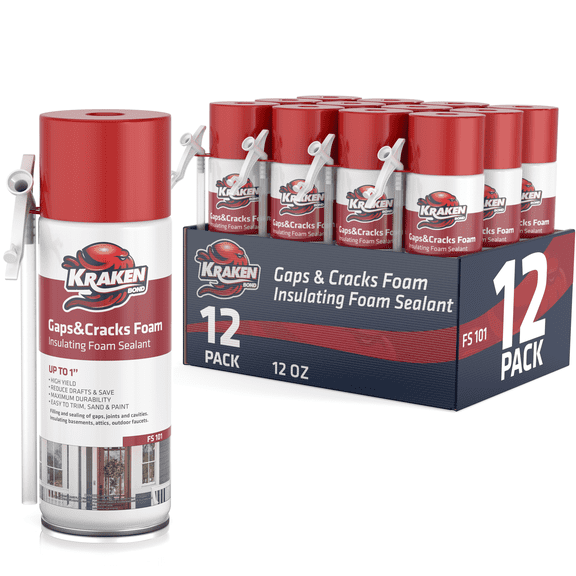


About Spray Foam Insulation in Insulation - Walmart.com
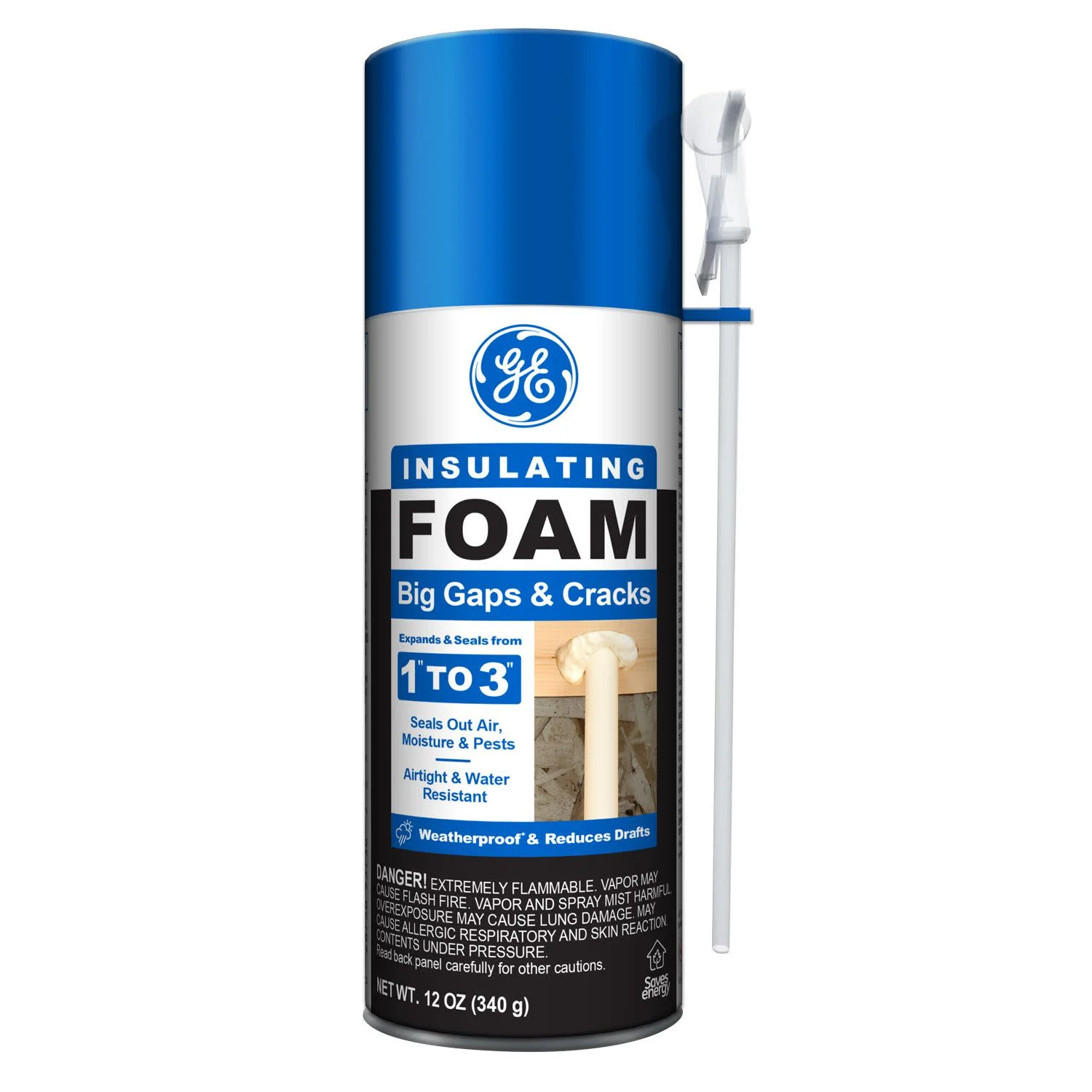
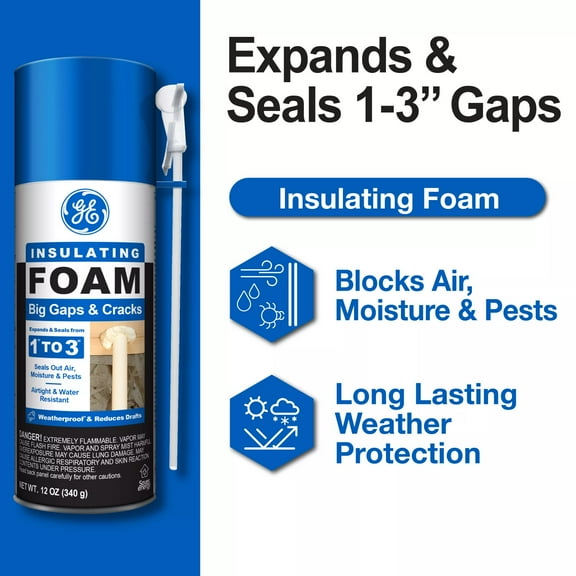
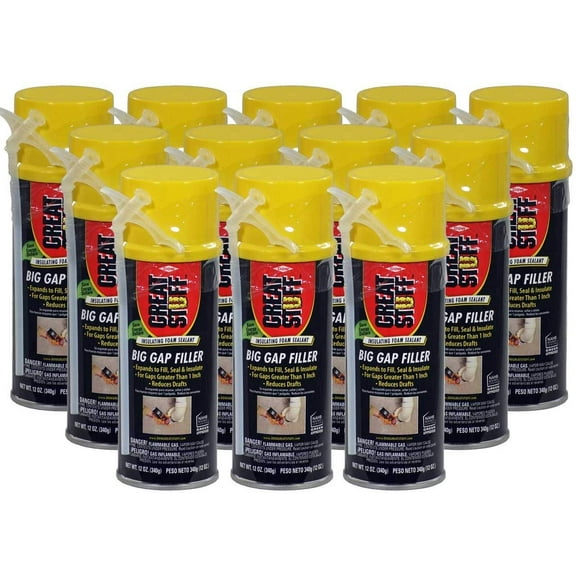
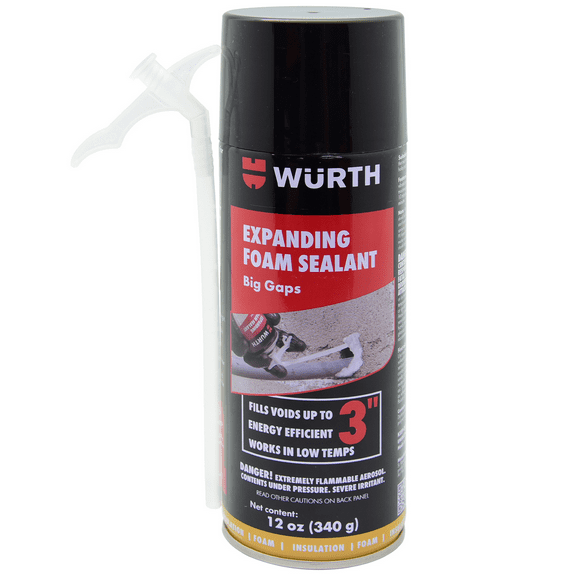
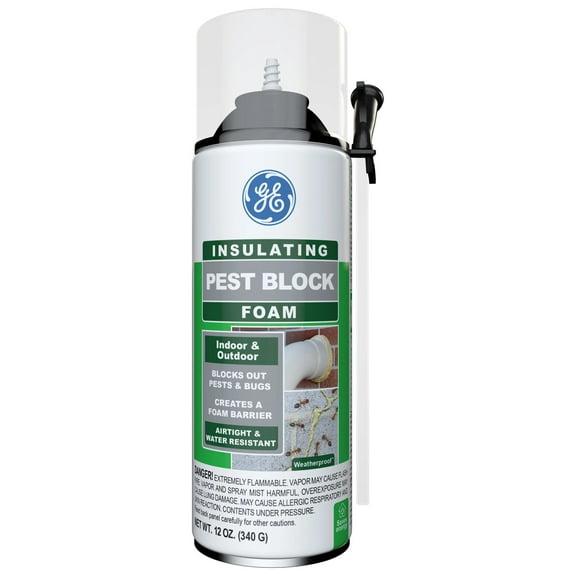
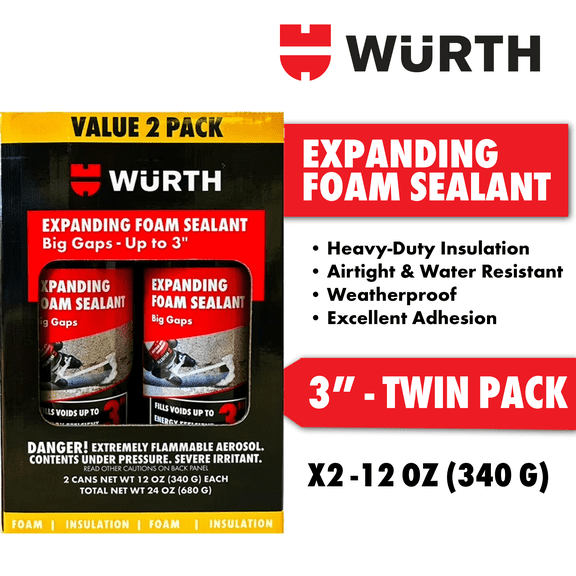
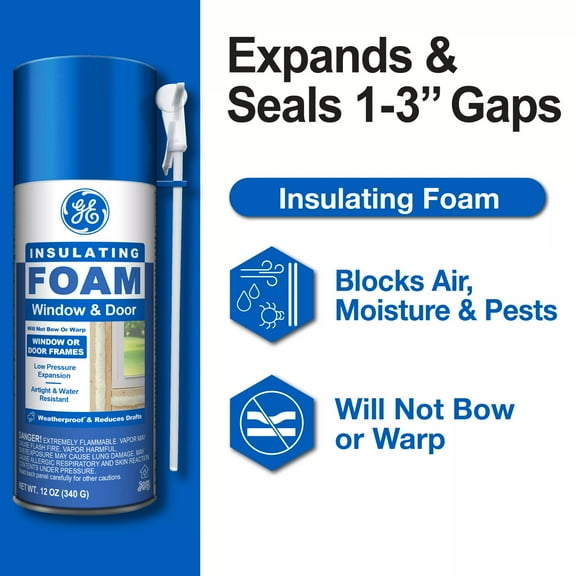
Spray foam insulation helps seal gaps, fill narrow cavities, and support efficient home projects with easy pickup and delivery from Walmart. You’ll find options for rim joists, wall penetrations, attic touchups, and larger DIY applications. This category includes cans and kits for controlled expansion, targeted coverage, and precise application in hard-to-reach spaces.
Why spray foam insulation fits home sealing projects
Air leaks often start around pipe entries, wiring openings, sill plates, and window framing. Spray foam reaches these uneven spaces faster than cut batt pieces. It expands into corners, then sets into a firm barrier that stays where you place it.
That matters when you’re handling patchwork jobs across several rooms. A single can works for small gaps, while larger systems support broader coverage. You can match the format to the size of the project instead of forcing one material into every task.
- Fills irregular gaps around pipes, ducts, and framing edges.
- Expands after application for close contact in narrow spaces.
- Comes in can and kit formats for small or wide coverage areas.
- Helps create a neater finish around penetrations and seams.
It’s also useful when you need a material that stays in place on vertical surfaces. Unlike loose fill products, foam adheres where applied. That makes it practical for joist bays, crawl space edges, and utility openings.
Spray foam insulation kits and key buying details
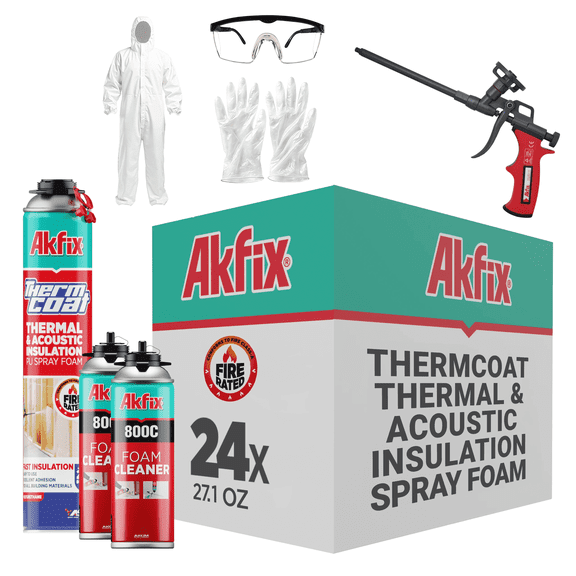
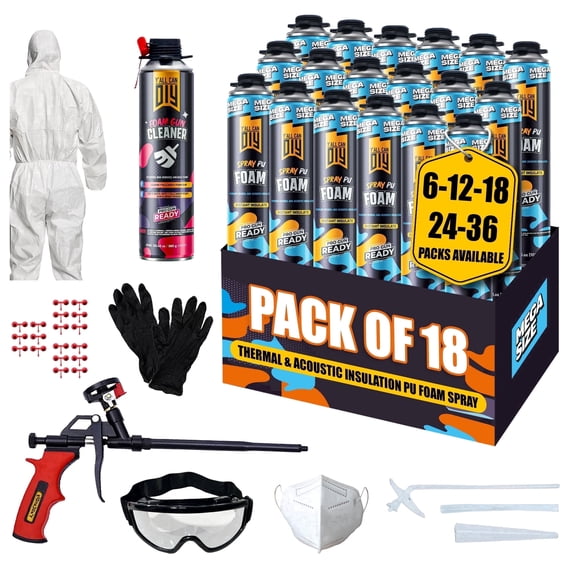
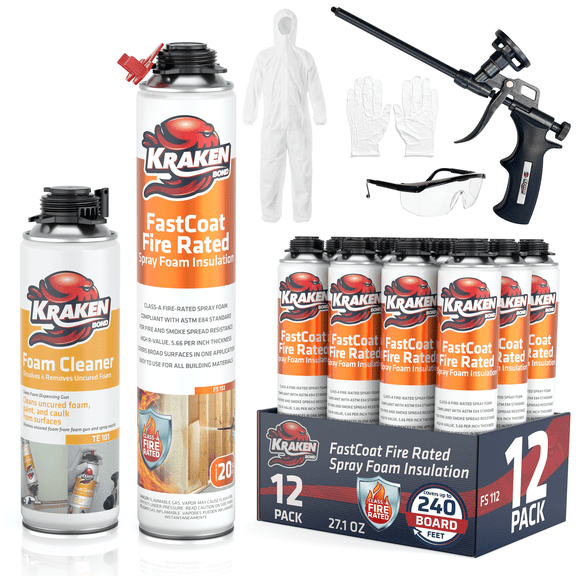
Choosing between cans and spray foam insulation kits starts with project size. Single cans usually suit spot sealing and touchups. Kits serve broader sections, including basement walls, rooflines, and garage work areas.
Coverage area matters, so check the listed board foot output before buying. That number helps you compare how much foam each option can produce. It’s one of the direct ways to size a kit for your planned area.
Application type matters too. Open-cell foam is lighter and expands generously for filling interior cavities. Closed-cell foam is denser and often chosen when you prefer a firmer finished layer.
Look at cure time, tack-free time, and dispensing method before choosing insulated spray foam. Some products use a straw or gun applicator for precision. Two-component kits often include hoses and nozzles for wider, even passes.
Temperature guidance is another important detail for spray foam insulation for home use. Many formulas perform within a stated surface and can temperature range. Checking that information helps you plan attic, garage, or basement work with fewer interruptions.
Color can matter during installation as well. Some foams cure to cream, yellow, or green shades. That can make it easier to see where you have already applied material.
Where and how shoppers use spray foam insulation for home projects
Many homeowners use foam around rim joists, plumbing entries, dryer vent openings, and cable penetrations. These spots often have uneven edges that are hard to cover neatly. Foam’s expanding action helps fill those contours with less trimming.
Garage projects are another common use case. You can insulate around door framing, wall gaps, and utility lines. In workshops, it’s useful for sealing small openings that let outside air move through wall cavities.
Attic touchups often call for careful placement in narrow spaces. Foam can reach around rafters, top plates, and vent pipe openings. That makes it helpful for detail work where rigid boards need extra cutting.
Basement and crawl space projects often involve masonry transitions and wood framing joints. Those surfaces rarely meet in a straight line. Foam works well in these changing dimensions because it conforms as it expands.
DIY shoppers also look for convenient ways to buy spray foam and get started quickly. Walmart supports that intent with shipping, pickup, and delivery options on many items. That makes it easier to get cans or kits without adding another stop to your project list.
If you’re comparing materials, foam often works alongside caulk and weatherstripping rather than replacing them. Caulk suits narrow finish seams. Weatherstripping handles moving parts like doors, while foam fills deeper stationary gaps.
Choose the right spray foam insulation with confidence
The right spray foam insulation depends on gap size, coverage goals, and application method. When you match can output, foam type, and project area correctly, you can achieve neat sealing and consistent coverage from the start.