

Water Flow Meters: 1, 2 & 3 Inch Sizes | Walmart
















About Water Flow Meters: 1, 2 & 3 Inch Sizes | Walmart - Walmart.com
You can choose a water flow meter with less guesswork when you compare pipe size, signal output, and fluid compatibility. You can also find options available for fast shipping or local pickup when your timeline is tight.
If you're replacing a worn unit or planning a new line, you need measurement details that match your setup. You'll want clear guidance on one inch, 2 inch, 3 inch, and one 1/4 inch connections before you choose.
How to choose a water flow meter by pipe size
You should start with line diameter because a mismatch can affect fit, reading stability, and installation time. You'll often compare one inch, 2 flow meter, 3 flow meter, and one 1/4 water meter options based on existing pipe runs.
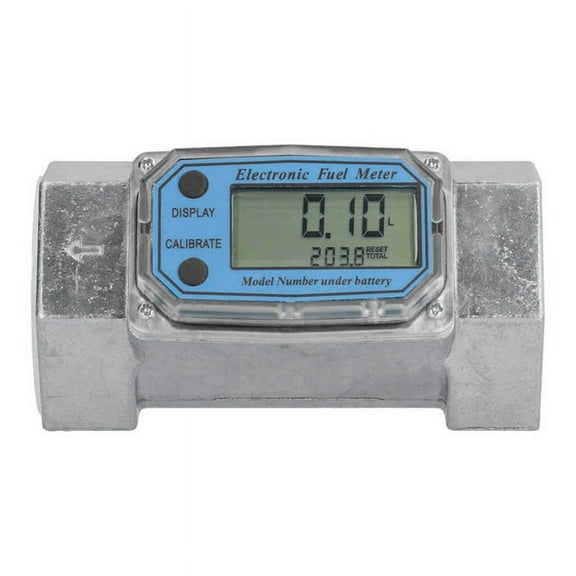
When you compare a 2 flow meter or 3 flow meter, you should also check thread type. You'll want to confirm NPT or BSP connections so your meter matches your fittings without extra adapters.
You should measure your actual line setup before you order, especially on older systems. This helps you avoid delays when your meter body, connection standard, and diameter align from the start.
Choosing flow range, pressure limits, and measurement type
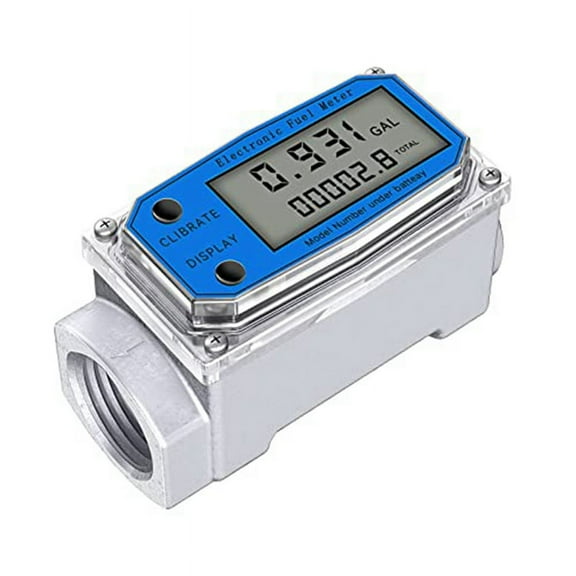
You should compare GPM range with your expected flow because an oversized or undersized unit can reduce useful readings. You can get dependable monitoring when your meter matches your normal operating range.
If your application includes pressure variation, you should check the listed PSI limit before installation. You'll want a unit that fits your pump, line pressure, and operating pattern across the full system.
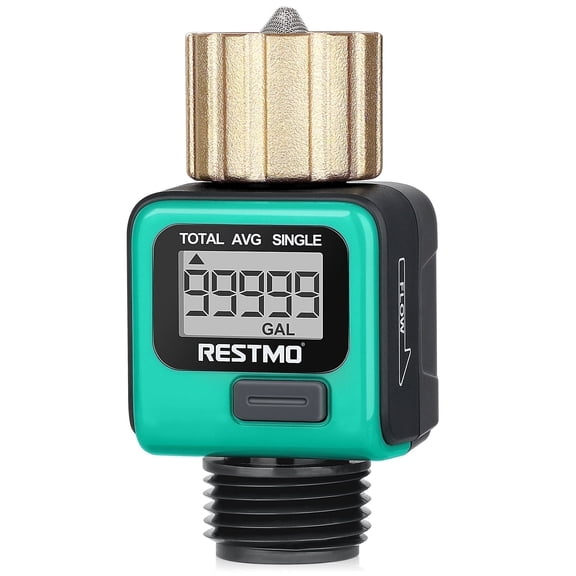
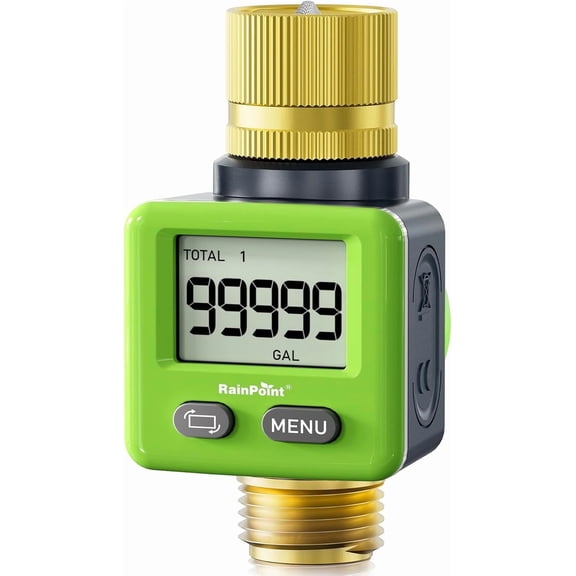
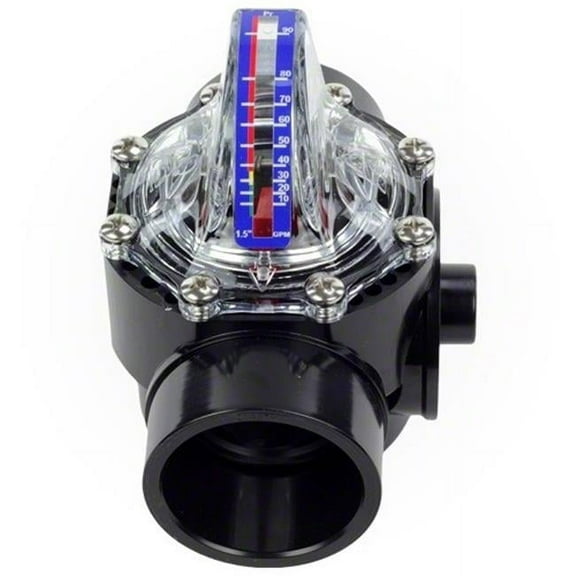
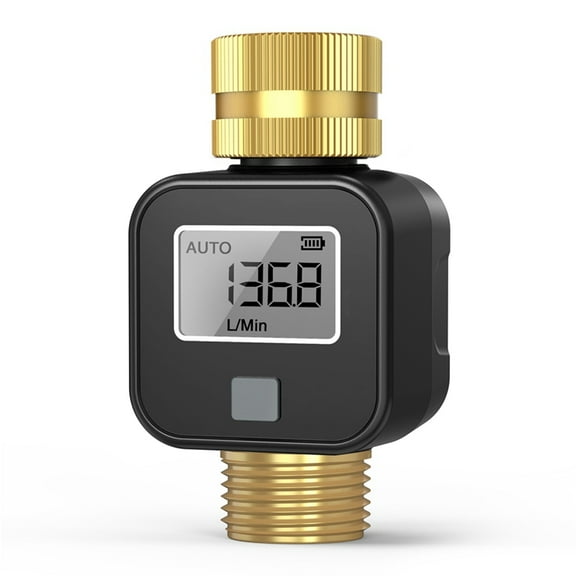
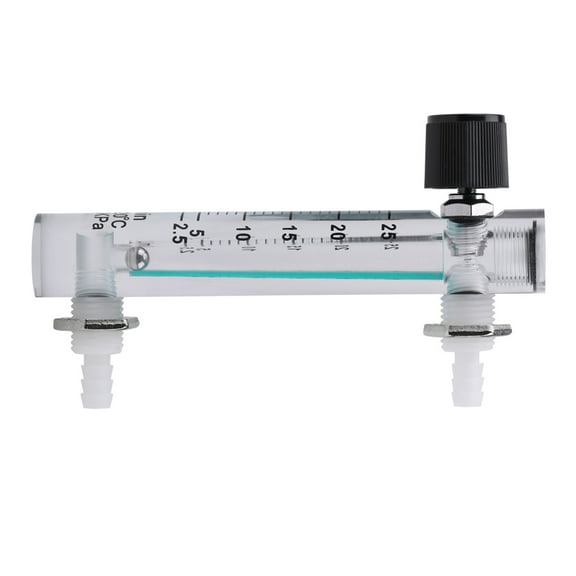
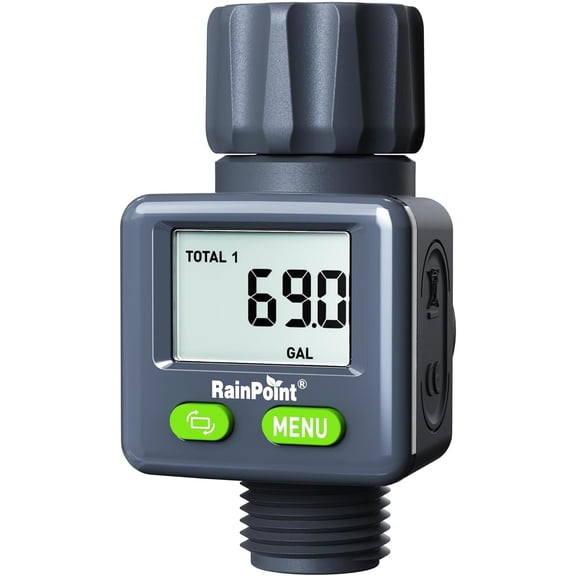
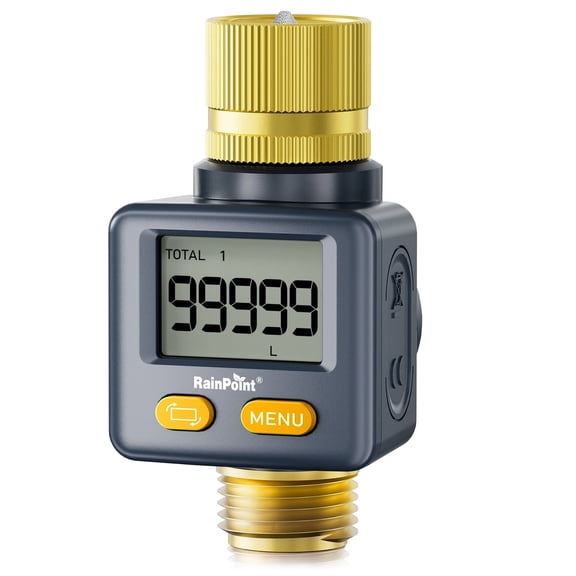
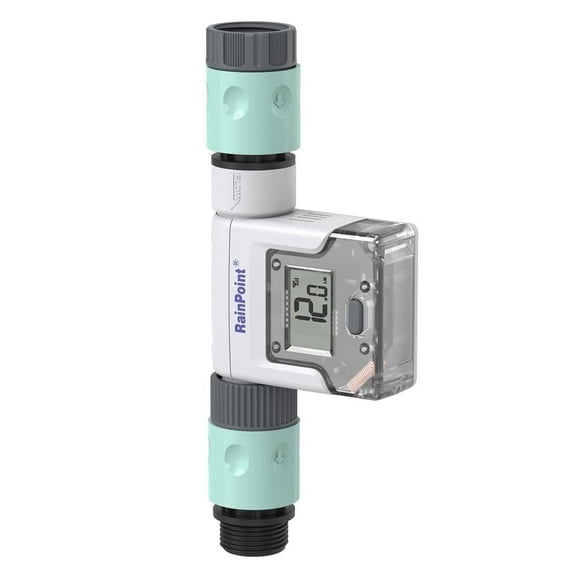
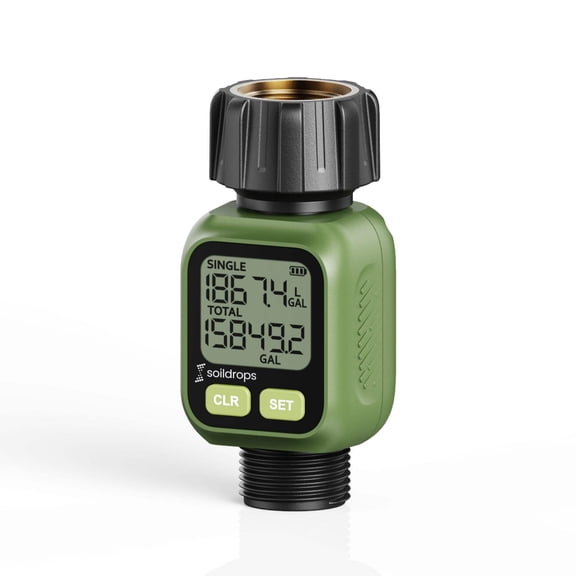
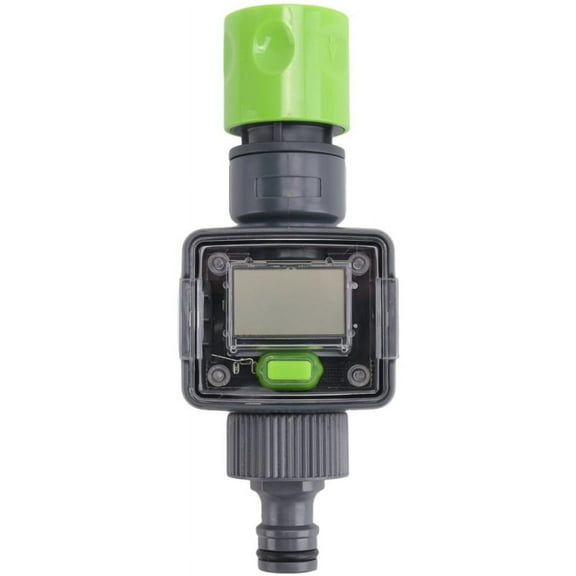
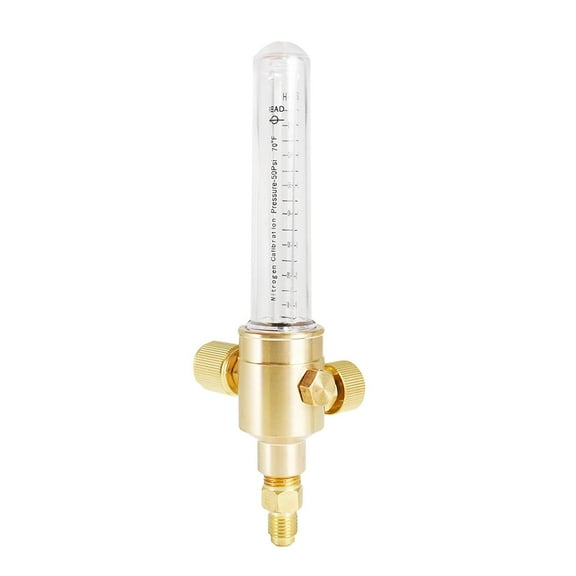
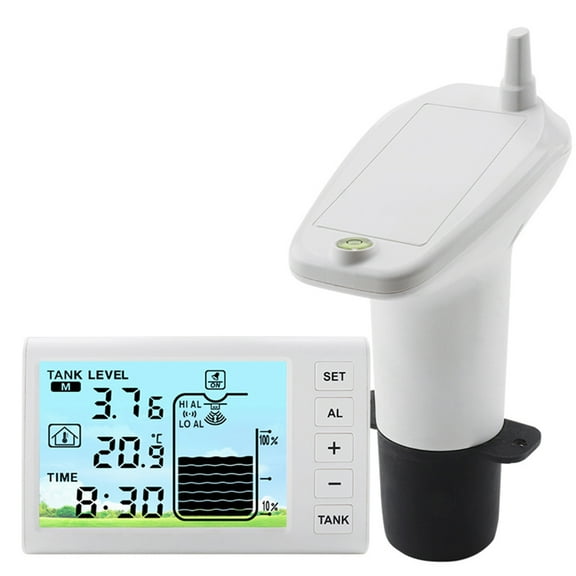
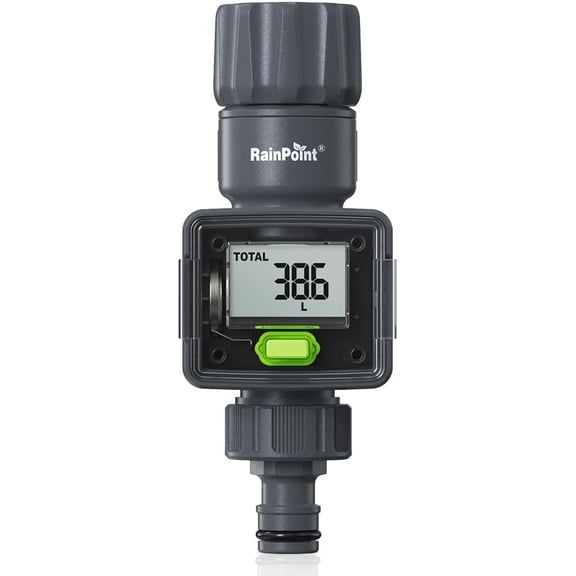
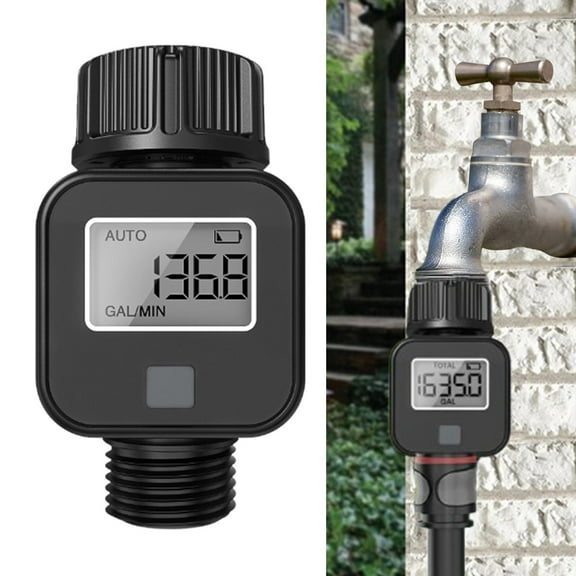
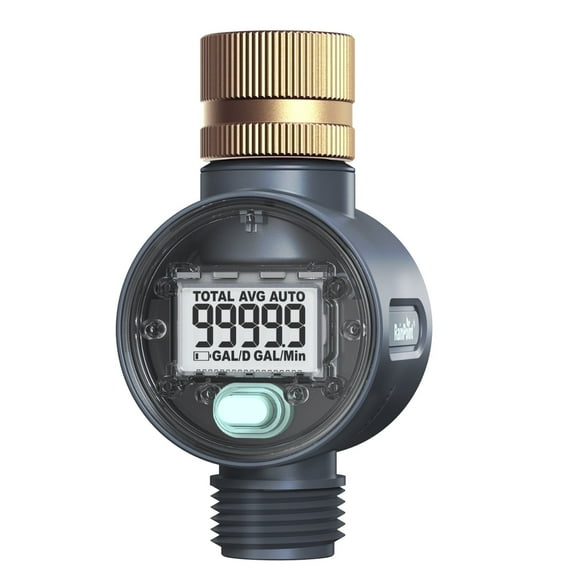
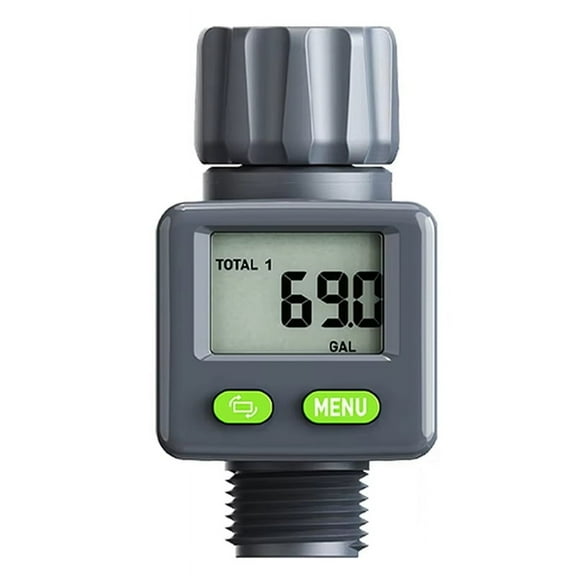
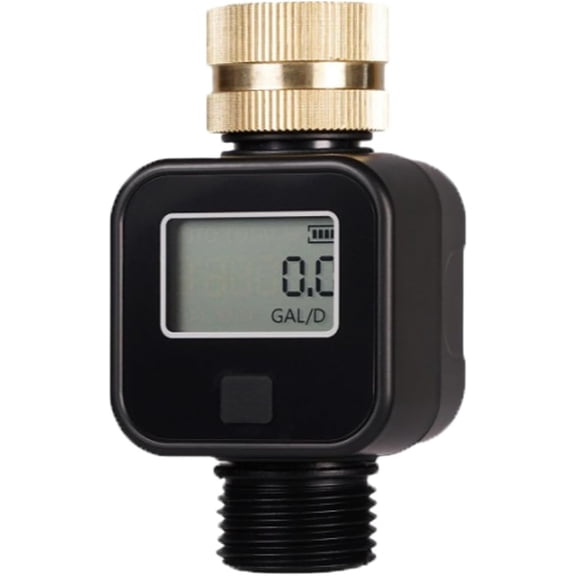
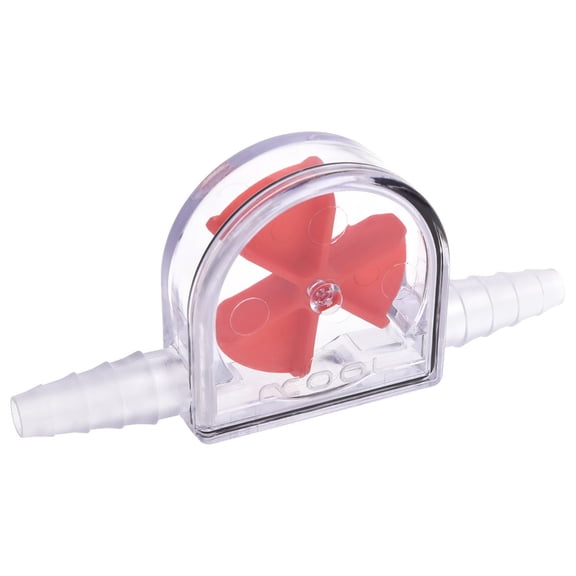
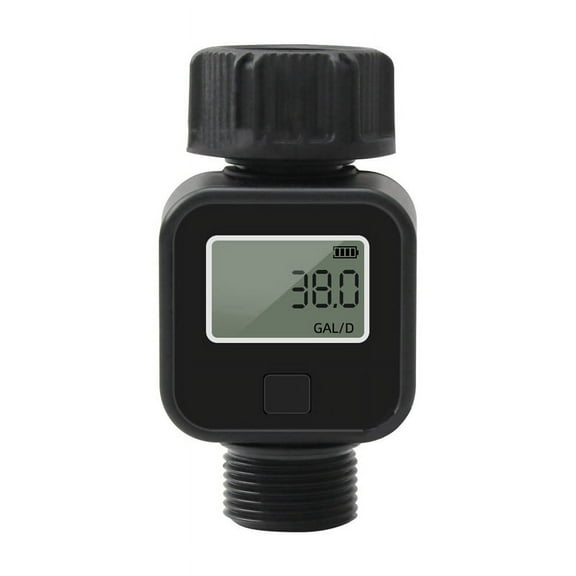
You can narrow choices by measurement type when your work calls for instant flow rate, cumulative totals, or streamflow tracking. You'll often choose a totalizer for usage tracking and a streamflow gauge style for changing conditions.
- You can match pipe diameter to your existing line for cleaner installation.
- You can compare GPM range and PSI limits for steadier readings.
- You can choose totalizer or flow rate displays based on reporting needs.
- You can check fast shipping or local pickup availability when timing matters.
Choosing pulse water meter and transmitter options
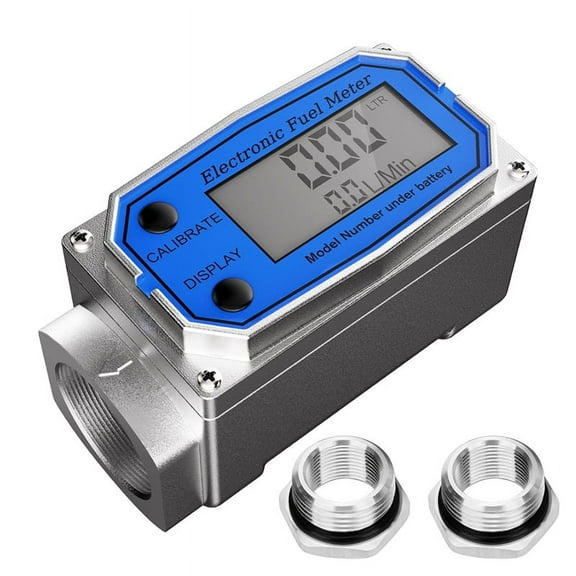
You should choose output type based on how your system records data. You'll commonly see pulse water meter designs, analog outputs, and digital transmitter options for different monitoring setups.
If you need remote counting, you should look for pulse output that works with controllers or logging equipment. You'll find this useful when your setup tracks usage events, batching, or tank fill activity.
When your panel expects a steady signal, you should compare 4-20mA analog styles and digital transmitter formats. You'll want output details that match your display, automation hardware, and wiring plan.
You may also need a water meter transmitter when your readings feed a broader building or plant system. This helps reduce setup friction when your meter and receiving equipment use the same signal language.
Comparing materials and application needs
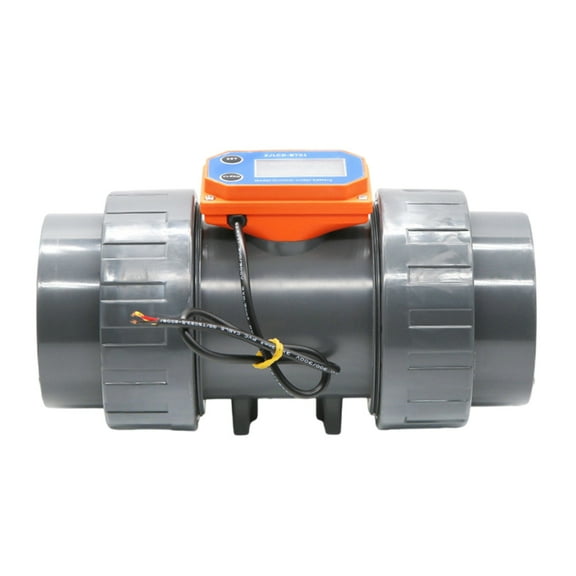
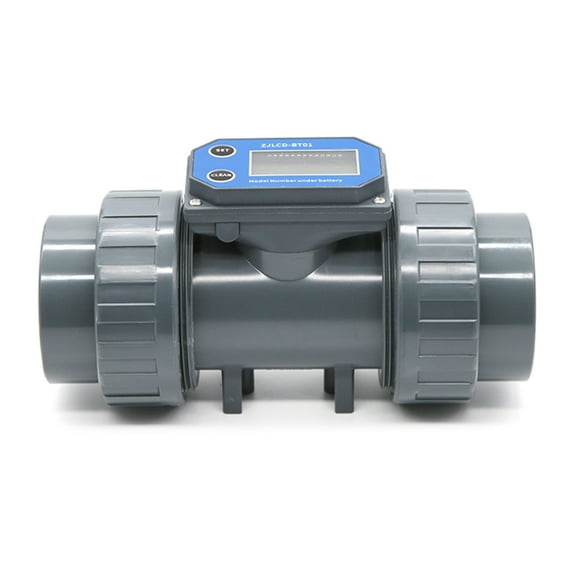
You should match meter materials to the liquid moving through your line. You'll often compare brass, stainless steel, and PVC body styles based on clean water, wastewater, industrial chemicals, or drafting work.
If you're measuring clean water, you may prioritize common installation formats and easy reading access. If you're handling wastewater or industrial chemicals, you'll need body and seal materials suited to that medium.
You should also think about where the meter will operate during daily use. You'll want durable construction for utility rooms, pump skids, water drafting setups, and exposed industrial work areas.
Matching water meters to real applications
You can use these meters in irrigation supply lines, pump systems, process water loops, and water drafting setups. You'll choose differently when your goal is transfer verification, usage tracking, or live flow observation.
If you're replacing a one inch water flow meter on a smaller branch line, you may focus on compact installation space. If you're outfitting a 3 in flow meter location, you'll likely prioritize higher volume capacity.
You may prefer a one 1/4 water meter for mid-size service lines between compact and high-volume runs. You'll get a practical fit when the meter matches both pipe diameter and expected throughput.
For facility, utility, or agricultural monitoring, you may compare totalizing displays with streamflow gauge formats. This can make reporting easier when your readout style fits how your team records usage data.
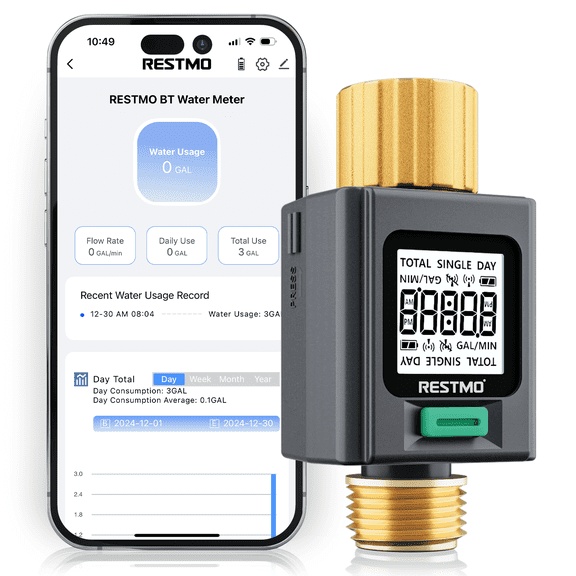
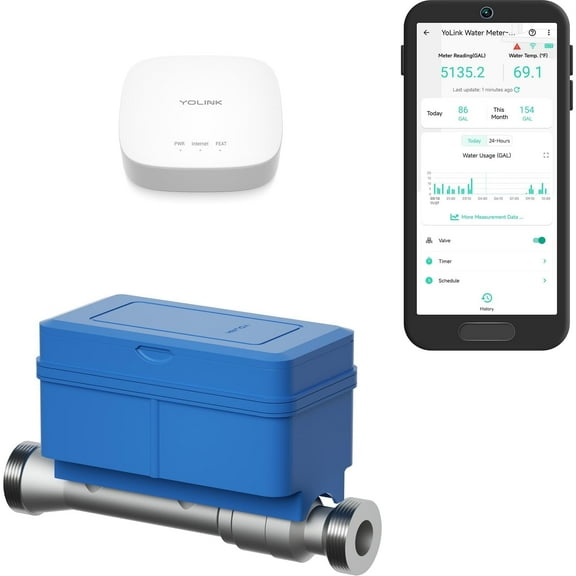
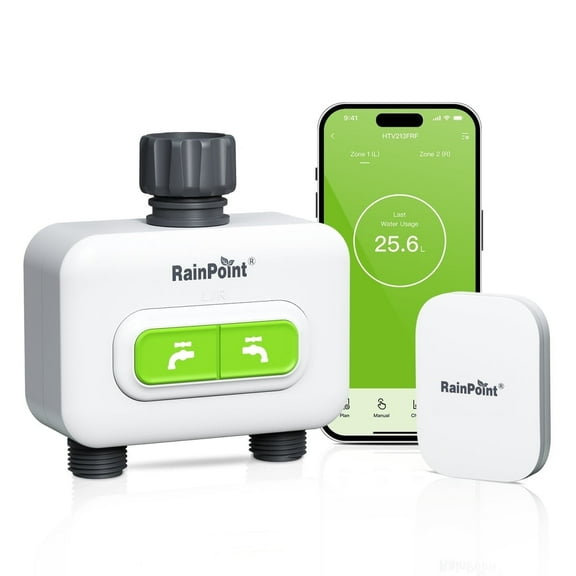
If your setup involves controllers, alarms, or remote dashboards, you should focus on output compatibility first. This helps simplify integration when your pulse, analog, or digital signal matches your existing system.
You can choose with more confidence when you compare diameter, flow range, materials, and signal type together. You'll end up with a water meter that fits your line, reads clearly, and supports smoother installation.