

Floor Paint & Coatings in Specialty Paint


























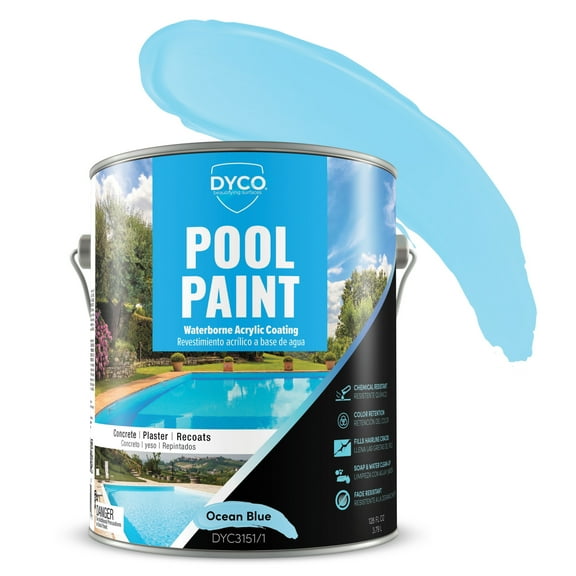


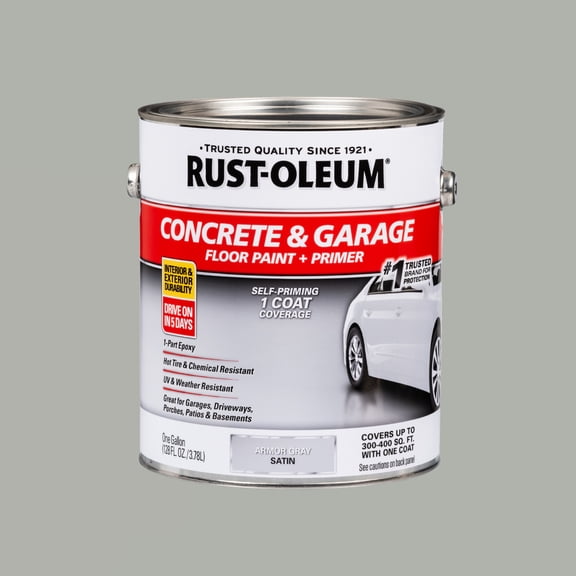
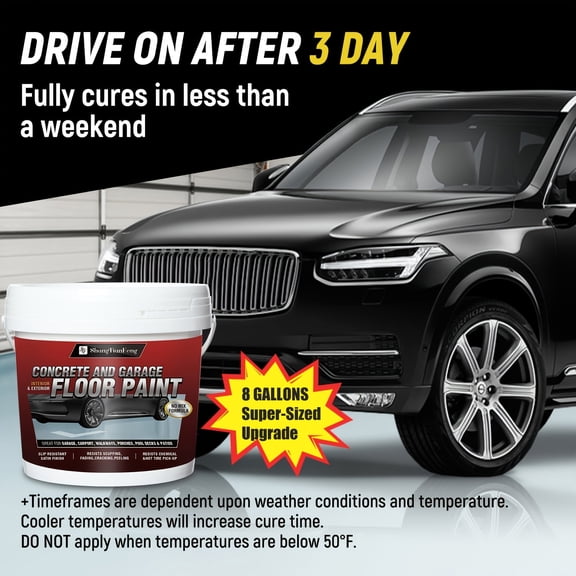


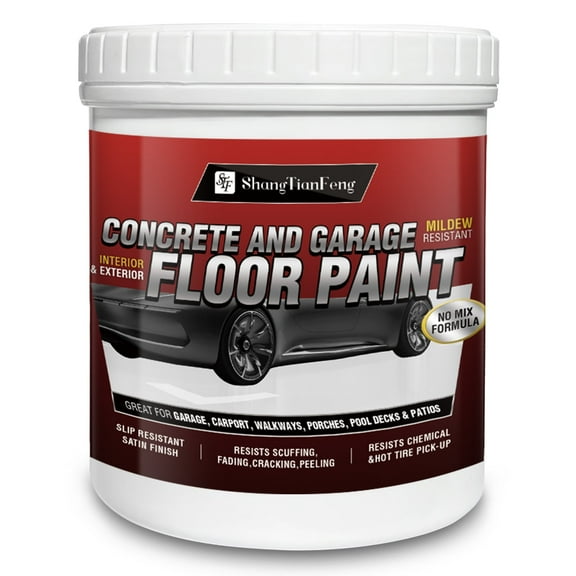






About Floor Paint & Coatings in Specialty Paint - Walmart.com
You can compare floor coatings by surface, finish, and traffic level. You’ll help your project look cleaner and last through garage use, basement wear, and outdoor seasons. You’ll also find options for concrete, wood, and mixed-use spaces.
You’ll want that flexibility when your prep steps and dry time can change the result. You can use these choices to match your floor, your room conditions, and your project timeline.
How to choose floor coatings for your surface
You should start with your surface because concrete, wood, garage floor slabs, and basement floors need different prep steps. You’ll usually get a more even result when your coating matches your floor material and room conditions.
When you’re coating concrete, you may need acid etching and moisture testing before you begin. You’ll want that step because your coating can grip more evenly on a clean, prepared slab.
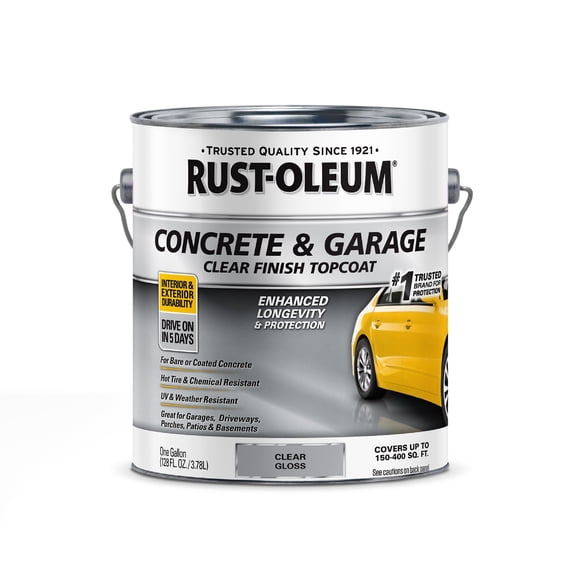
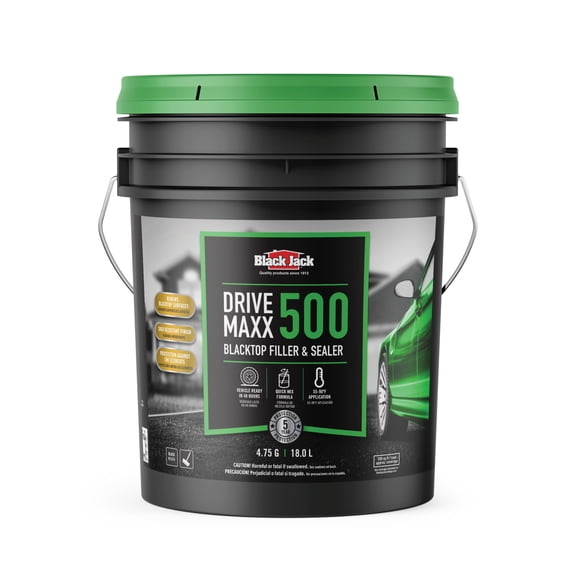
If you’re updating a garage floor, you should consider vehicle traffic, hot tire contact, and dropped tools. You’ll often prefer a concrete garage floor coating built for heavy wear to withstand garage conditions.
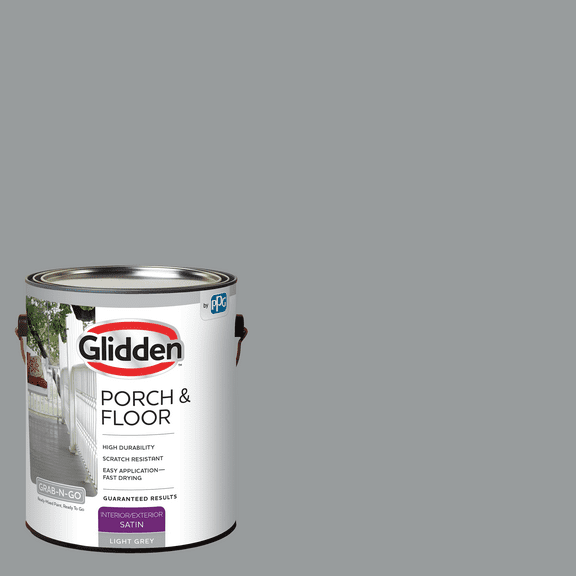
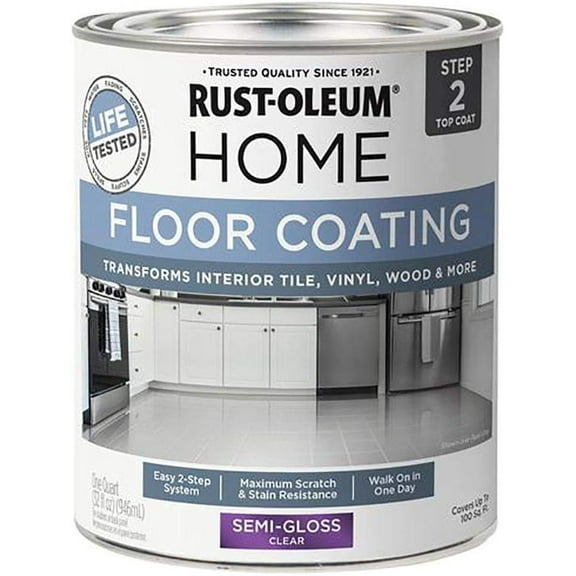
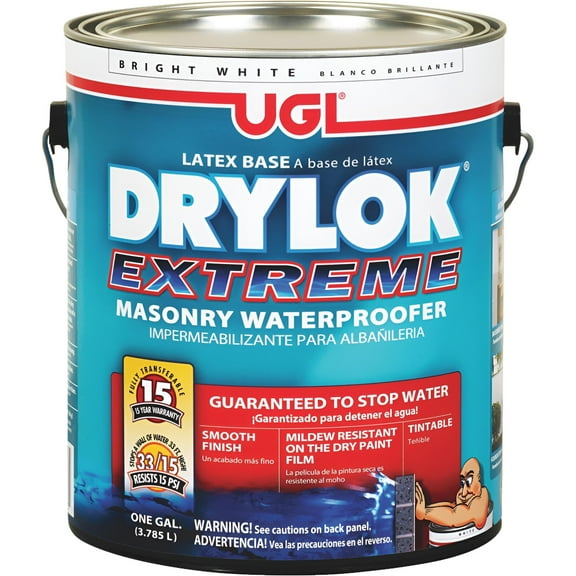
For basement floor paint, you should think about storage areas, light foot traffic, and damp-prone spaces. You’ll usually want smoother cleanup and a finish that helps your room feel brighter and easier to maintain.
- You can match coating type to concrete, wood, garage, or basement surfaces.
- You can check whether prep calls for cleaning, etching, or moisture testing.
- You can compare indoor and outdoor use before choosing a finish.
- You can estimate coverage per gallon to plan your project with fewer surprises.
Choosing floor coatings by coating type and durability
You can compare epoxy, acrylic, polyurethane, and latex formulas by how your floor will be used. You’ll notice each coating type fits a different balance of hardness, flexibility, and application effort.
An epoxy floor coating often suits spaces where you want a thicker, harder finish over concrete. You may choose it for garages or workshops when your floor sees rolling equipment, parked cars, or repeated cleanup.
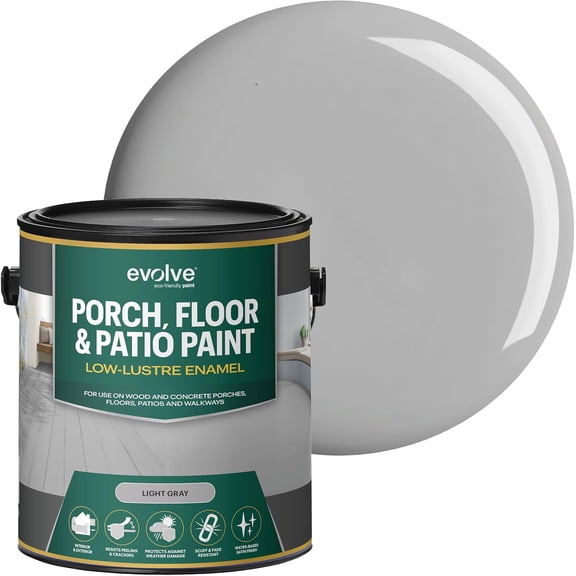
Acrylic and latex options can make sense when you want simpler application and refresh projects. You’ll often see them used as garage floor paint or basement floor paint for residential spaces with moderate traffic.
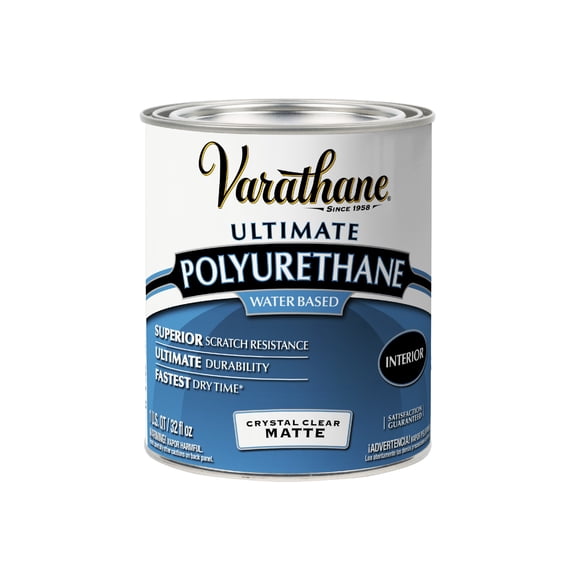
Polyurethane can help when you want abrasion resistance and a finish that holds up in active rooms. You should compare it with epoxy if your project needs a specific sheen or a different application feel.
You’ll also want to compare heavy-duty, commercial, residential, and indoor or outdoor labels. You can use that guidance to match your coating to vehicle traffic, steady foot traffic, or seasonal patio exposure.
Comparing base type, finish, and dry time
You should compare water-based, solvent-based, and 100% solids formulas before you commit to a project. You’ll want to check application steps, ventilation needs, and cure expectations for your space.
A water based floor sealer or water based floor paint can be useful when you want easier cleanup during application. You may prefer that route when your project is indoors and your timing matters.
Solvent-based and 100% solids options can require more attention during setup and curing. You should read the label for recoat windows, full cure timing, and room conditions before you start.
You can also narrow your finish by gloss, semi-gloss, satin, or matte appearance. You’ll shape how much shine your room reflects, which can change the look of garages, basements, and utility areas.
Gloss floor paint can make a floor look brighter and more reflective under overhead lighting. You may prefer satin or matte if you want a softer look in a basement, workshop, or lived-in room.
You should also calculate square footage before choosing a container size. You can multiply your room’s length by width for area, then compare that number with coverage per gallon.
Using epoxy floor coating, garage floor paint, and concrete floor sealer
You can use an epoxy floor coating when your concrete floor needs a harder finish for garages, hobby spaces, or work zones. You’ll often pair it with careful prep because clean concrete supports a more consistent bond.
If you want garage floor paint for a weekend refresh, you should compare dry-to-touch and full-cure timelines. You’ll also want to plan around parking, foot traffic, and when your floor can return to normal use.
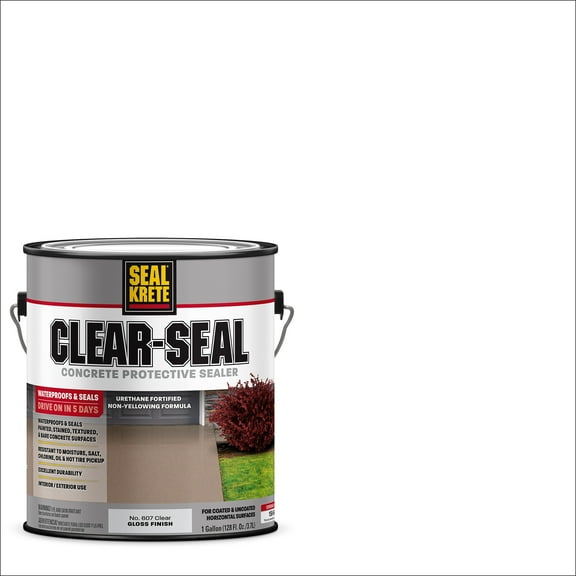
A concrete floor sealer can suit projects where you want to coat and protect bare or previously finished concrete. You may use it in utility rooms, garages, and other spaces where sealed surfaces simplify cleanup.
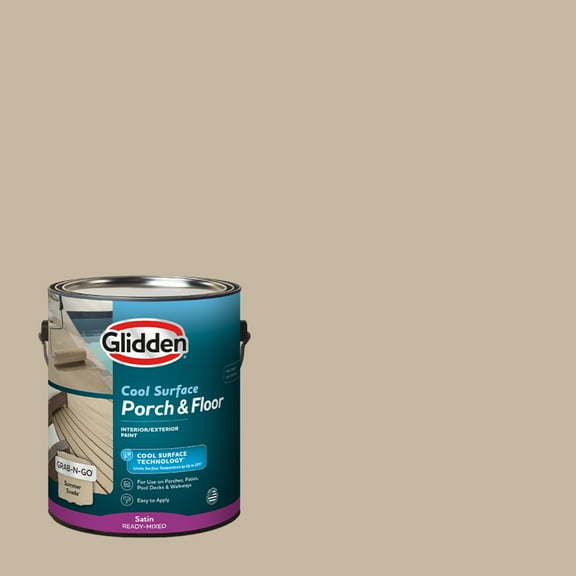
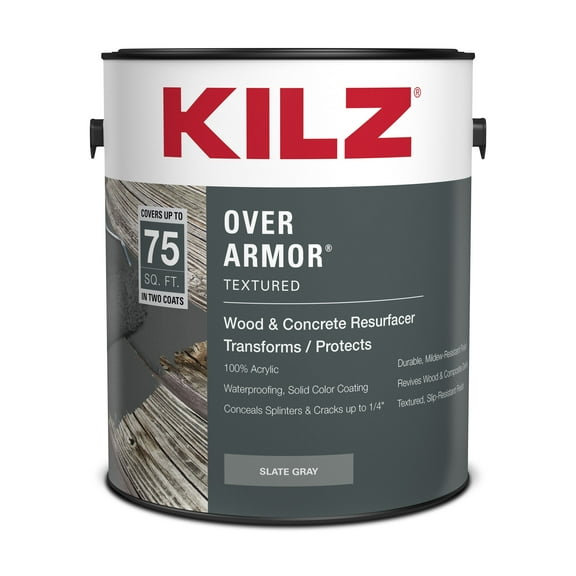
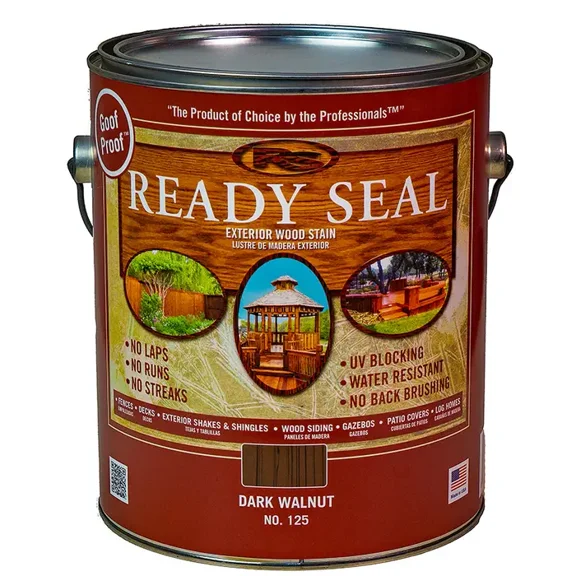
For spring and summer projects, you can compare exterior concrete stain and patio floor paint for outdoor areas. You’ll want products labeled for indoor or outdoor use, since weather exposure changes what your floor needs.
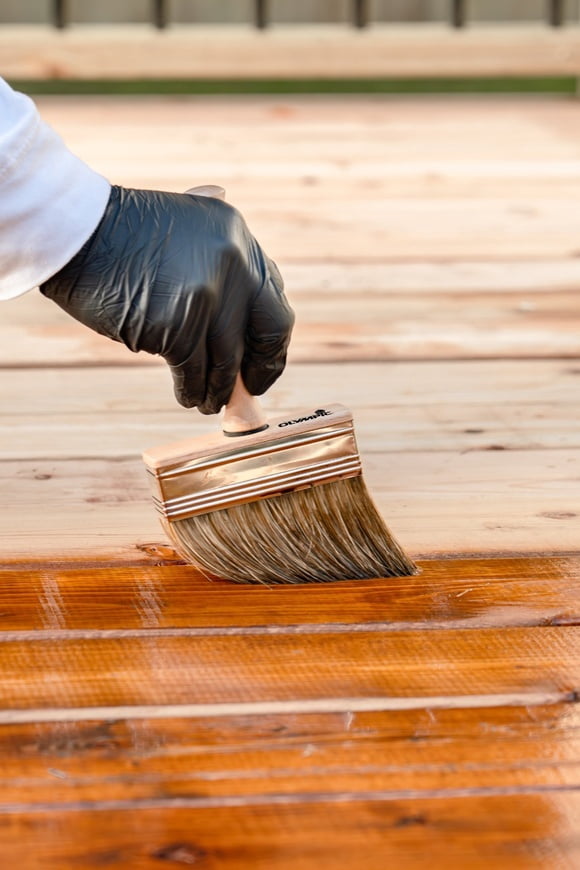
You can also plan your tools before you open the can, including rollers, trays, cleaners, and protective eyewear. You’ll keep your project moving when your prep supplies and application tools are ready from the start.
When you choose floor coatings with the right prep, base type, and durability level, your finish can look cleaner and wear more evenly. You’ll feel more confident when your coating matches your surface, your traffic, and your project timeline.