

Flammable Signs in Safety Signs























About Flammable Signs in Safety Signs - Walmart.com
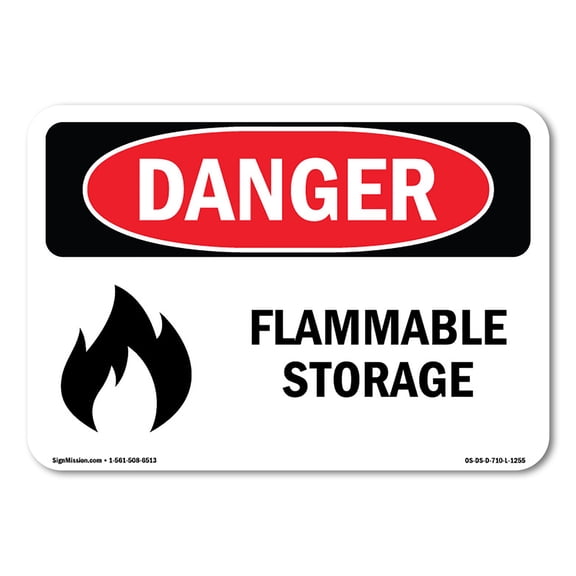
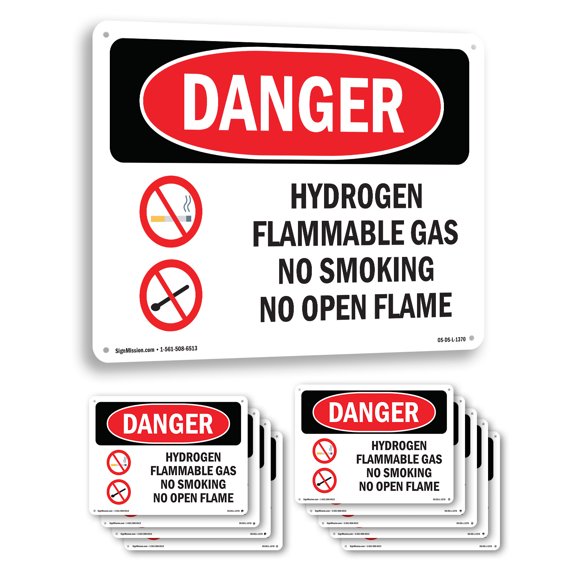
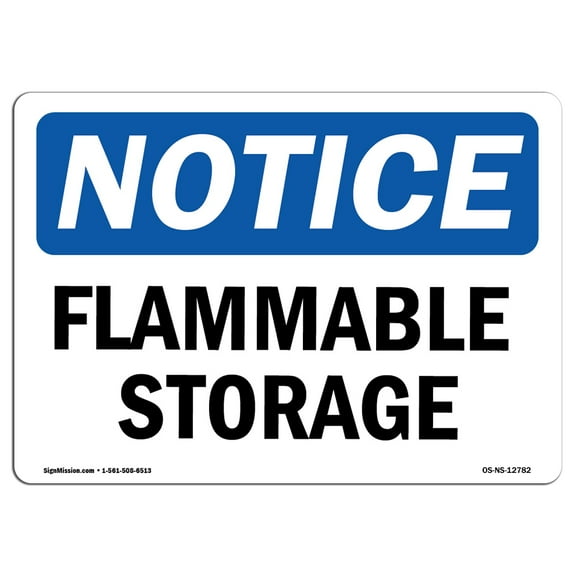
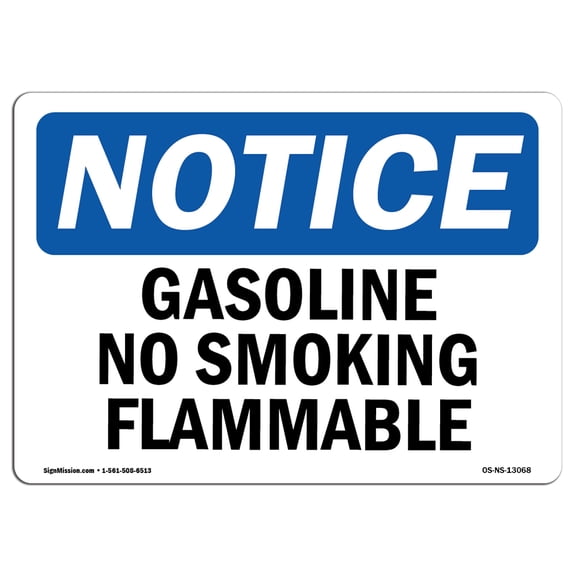
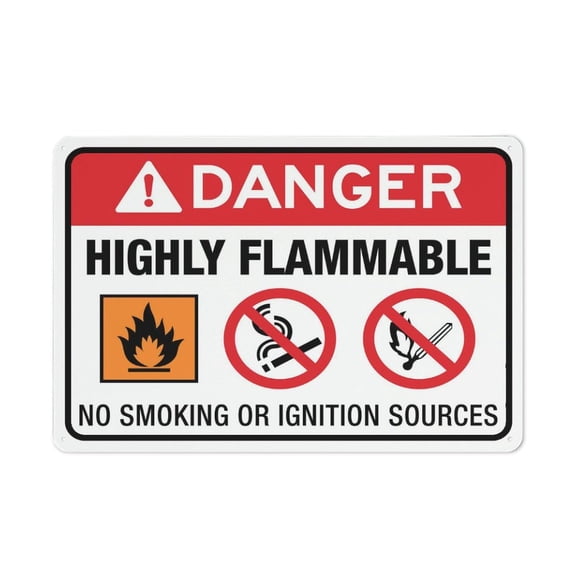
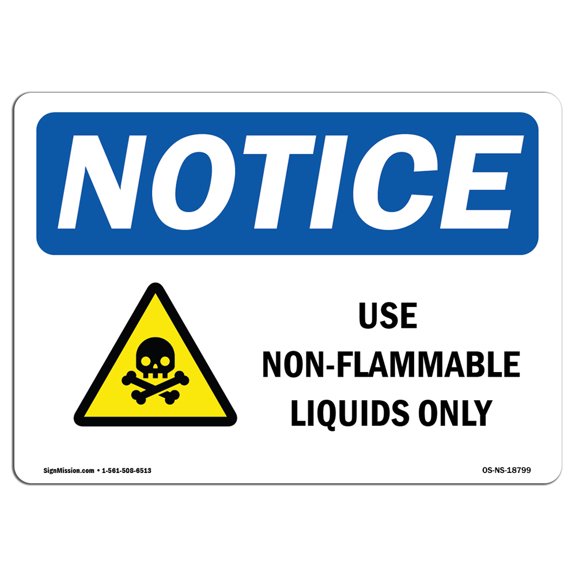
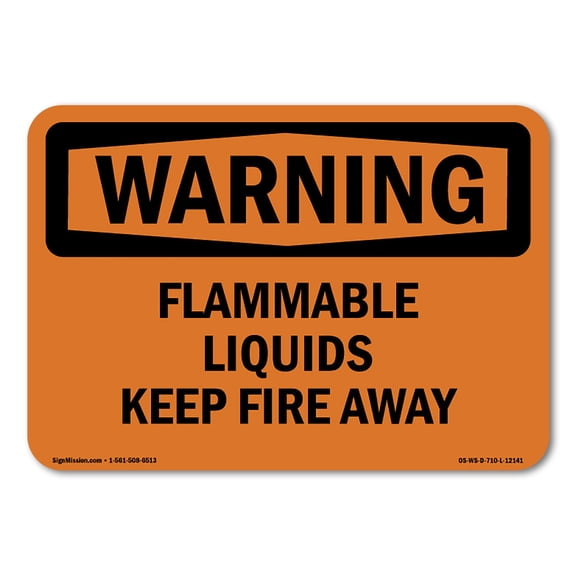
Flammable signs help you mark storage areas, cabinets, and work zones with clear hazard messaging. You can compare compliance standards, materials, mounting types, and sizes to match your facility layout.
How to choose flammable signs for compliance
You should start with the compliance standard your site follows. You may compare OSHA compliant, NFPA certified, and ANSI standard options based on your posted safety requirements.
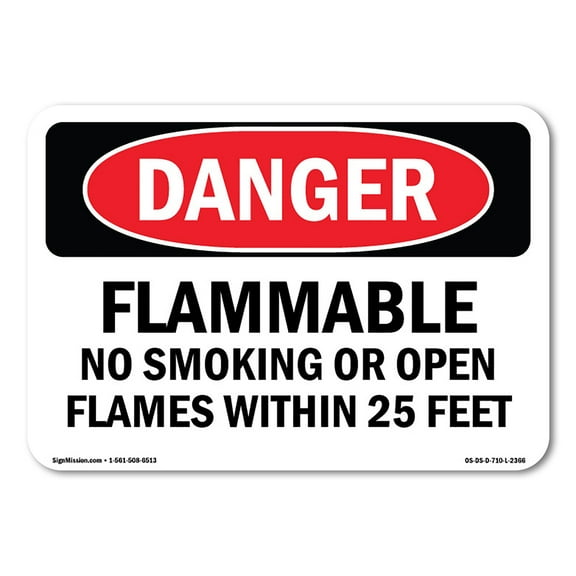
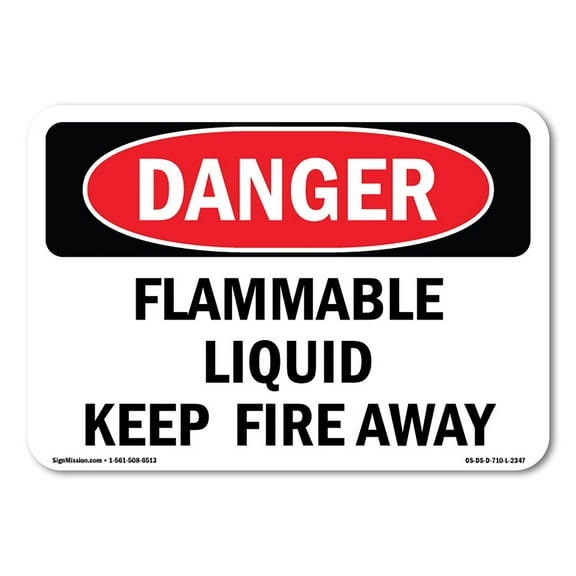
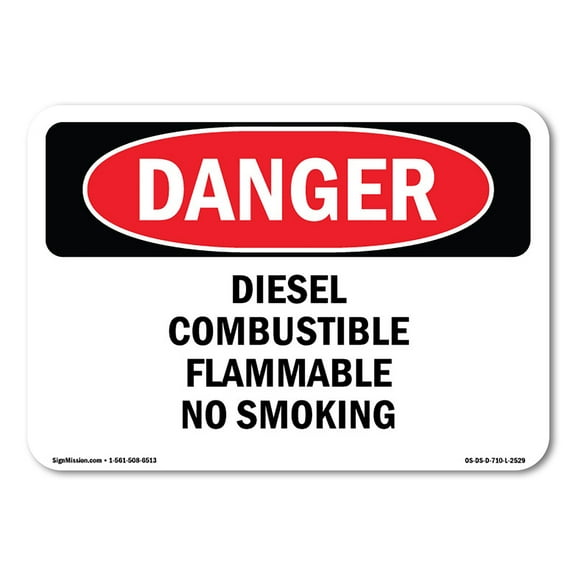
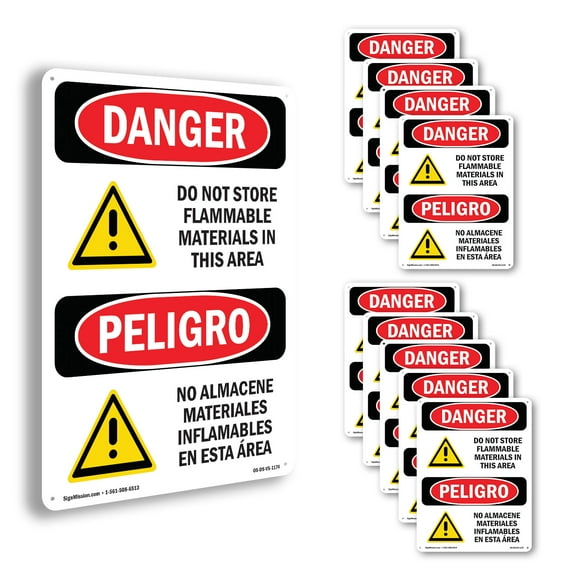
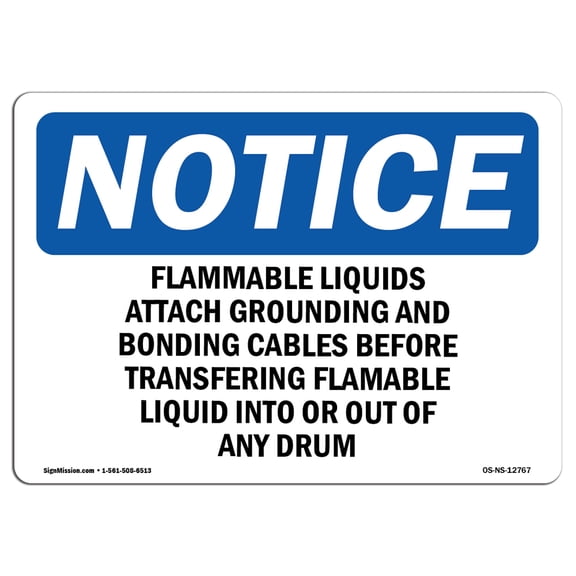
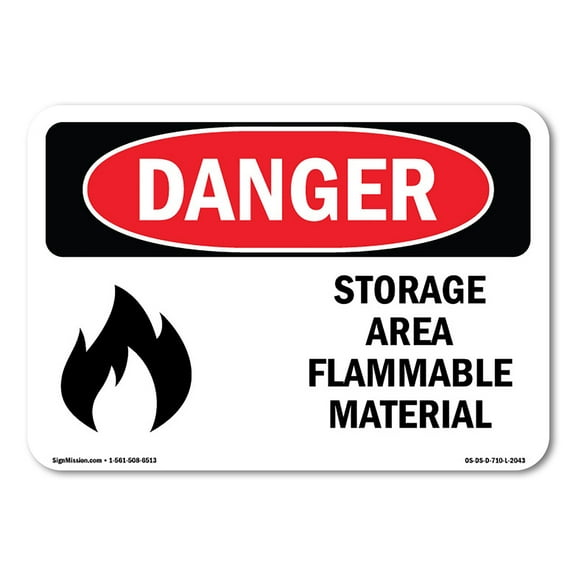
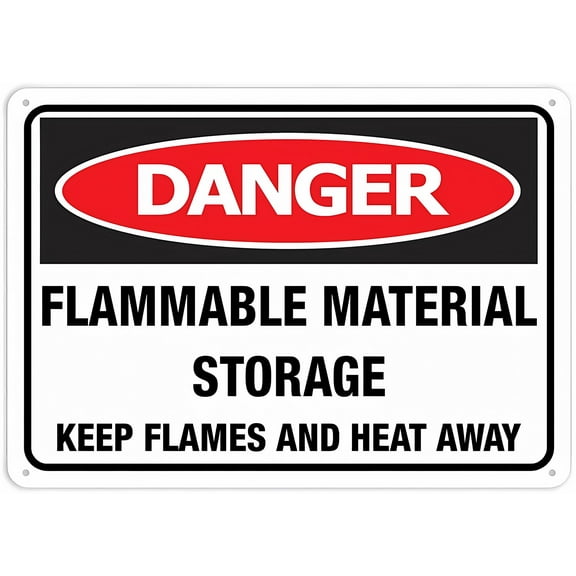
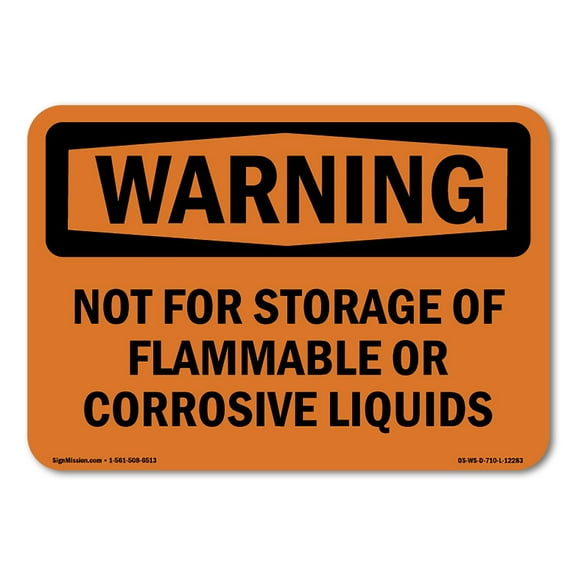
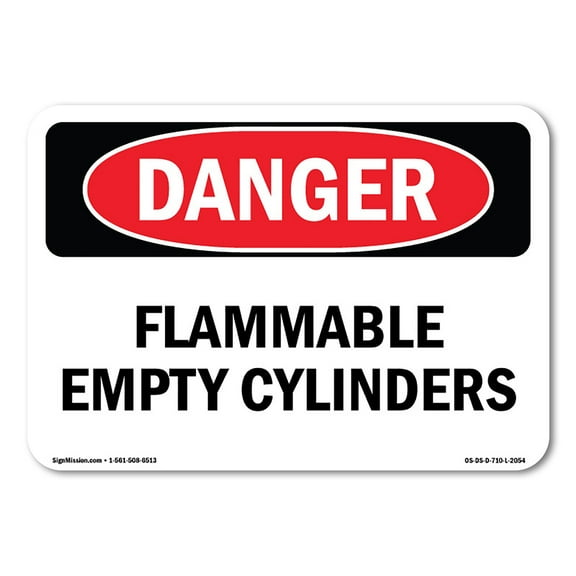
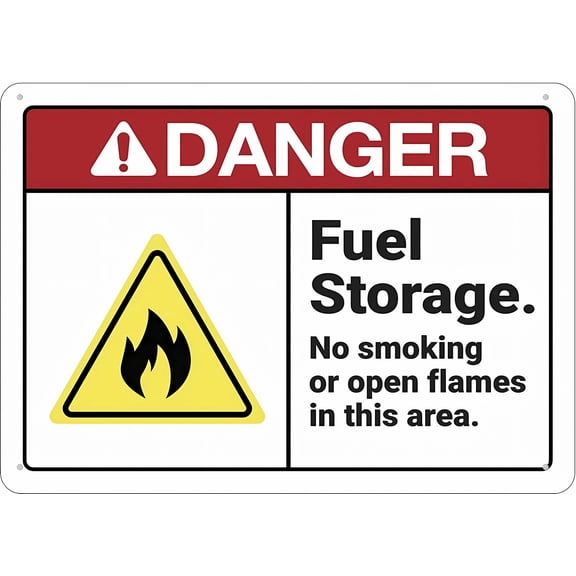
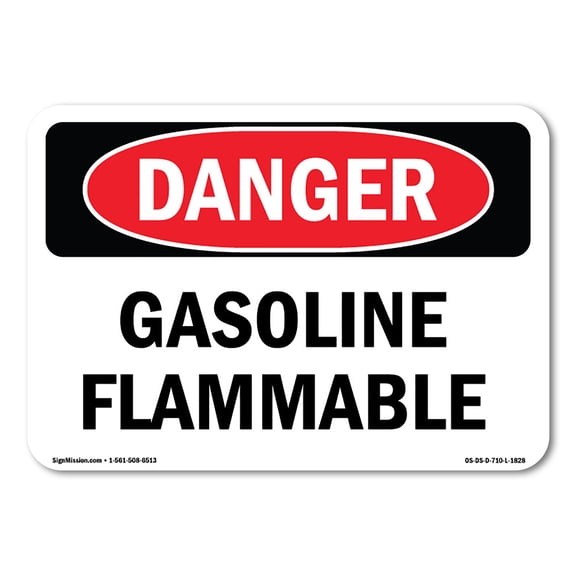
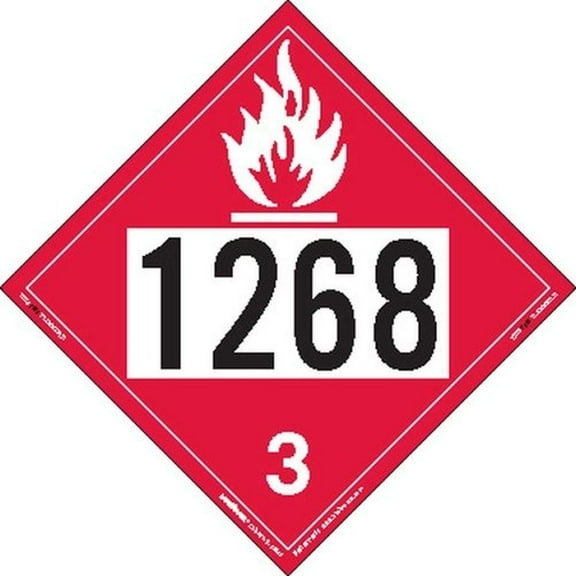
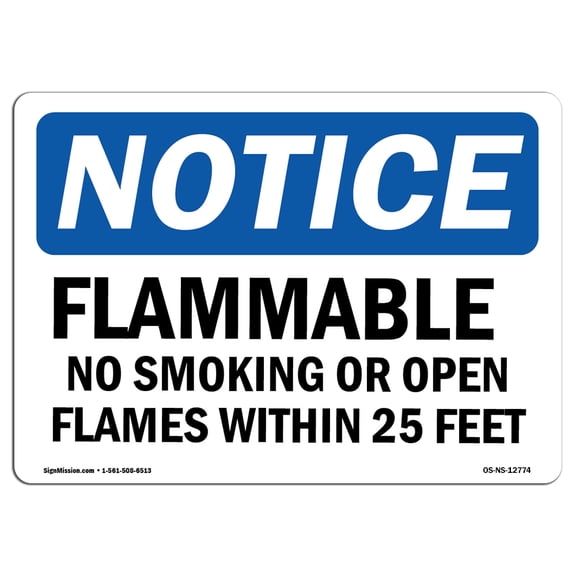
If you need flammable liquid signs for drum rooms or solvent cabinets, you should check wording, colors, and symbol format. You can use that detail to support consistent labeling across maintenance, warehouse, and lab spaces.
You may also look for layouts that keep signal words easy to read from common approach paths. You can support clearer traffic flow when your signs match the area’s access points.
What to look for in material and durability
You can choose aluminum when your sign needs a rigid panel for outdoor gates, fences, or exterior walls. You’ll notice aluminum works well when you want a sturdy surface with strong visibility.
You may prefer vinyl when your sign needs flexible placement on smooth indoor surfaces. You can use self-adhesive vinyl on cabinets, doors, and containers where drilled mounting isn’t practical.
If you need lightweight options, you can compare plastic and polyester designs. You’ll find these materials useful when you want clear messaging on indoor equipment, shelving, or temporary process areas.
- You can use aluminum for weather-exposed areas and long-term mounting.
- You can use vinyl for smooth surfaces that need adhesive placement.
- You can use plastic or polyester where lightweight indoor posting makes sense.
- You can compare finishes that stay readable under bright light and daily facility traffic.
When you review outdoor durability, you should look for weather-resistant construction and UV protection. You can keep text and symbols easier to read when sun and moisture exposure are part of the environment.
Choosing flammable liquid signs by mounting type
You should match the mounting type to the surface before you choose a sign. You can avoid placement issues when you compare self-adhesive, pre-drilled holes, and magnetic formats.
If you’re labeling a smooth cabinet or door, you may choose self-adhesive backing for fast placement. You can keep the sign close to eye level where staff usually approach.
When you need a fixed sign on a wall, post, or exterior panel, you should consider pre-drilled holes. You can pair that style with screws or hardware already used in your facility.
If your workflow changes often, you may prefer magnetic signs on compatible metal surfaces. You can reposition them more easily during inventory moves, equipment updates, or temporary storage changes.
Choosing the right size for visibility
You should choose sign size based on viewing distance and placement height. You can use smaller formats, such as 7x10 inches, where staff view the message at close range.
For larger rooms or wider approach paths, you may need 10x14 inches for stronger visibility. You can make the warning easier to notice from farther away in busier industrial spaces.
If your layout has unusual shelving, entry points, or equipment footprints, you may consider custom sizing. You can align the sign to the available surface without crowding nearby labels.
You should also compare letter size, contrast, and symbol spacing when you review visibility. You can improve readability when your sign stands out against painted walls, racks, or metal doors.
How to match attributes to your workplace
You can use flammable signs in manufacturing areas, chemical storage rooms, maintenance shops, and janitorial supply spaces. You’ll want the material and mount to match each surface and exposure level.
If you manage an outdoor fuel or solvent area, you may pair aluminum with pre-drilled holes. You can create a rigid, visible posting point on fencing, posts, or exterior walls.
For indoor cabinets or smaller containers, you may choose vinyl with self-adhesive backing. You can place concise warnings where staff handle liquids, aerosols, or cleaning compounds.
If your team changes storage layouts often, you may use magnetic formats on metal shelving or cabinets. You can update placement without replacing hardware across the work area.
When you need flammable liquid signs for a mixed-use facility, you should compare standards and sizes together. You can keep messaging consistent across receiving, storage, and production zones.
You can make a more confident choice when you compare compliance, material, mounting, and size as one system. Your finished setup supports clear identification exactly where your facility needs it.