

Extension Ladders - Aluminum & Fiberglass | Walmart





















About Extension Ladders - Aluminum & Fiberglass | Walmart - Walmart.com
Extension ladders help you reach gutters, rooflines, and exterior walls with the height options your projects demand. You can compare material, reach, duty rating, and ladder type here, so your choice fits the work ahead.
How to choose extension ladders for your projects
When you compare extension ladders, you should start with the job location and the height you need. You’ll also want to check whether your setup calls for aluminum, fiberglass, or a space-saving design.
Material affects carrying weight and work conditions, while length affects how high you can safely reach. Duty ratings matter too, because your ladder should match your tools, gear, and daily workload.
- You can choose fiberglass when your work area includes wiring or electrical equipment.
- You can pick aluminum when you want a lighter ladder for frequent carrying.
- You can compare Type I, Type IA, and Type IAA ratings for heavier tool loads.
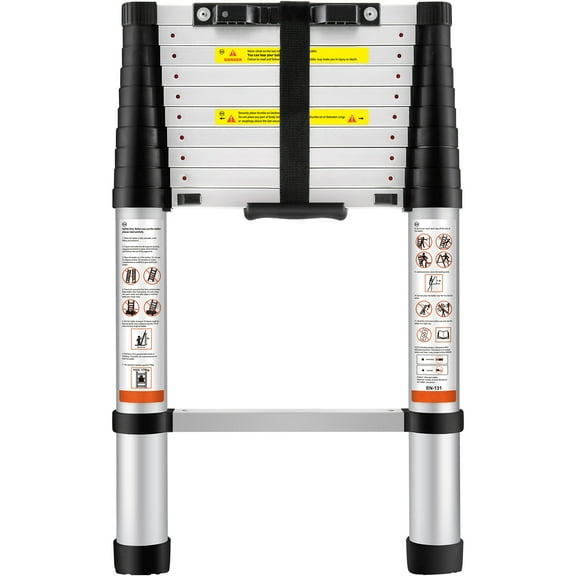
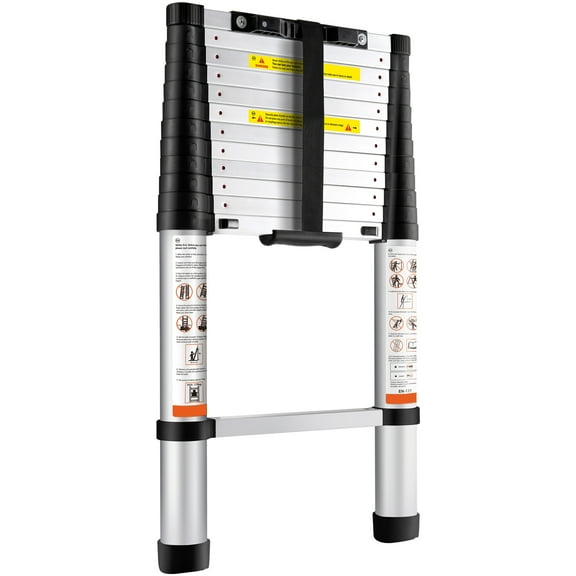
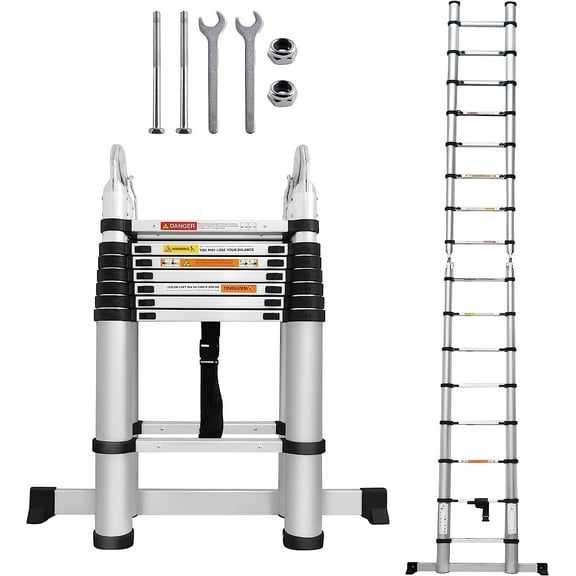
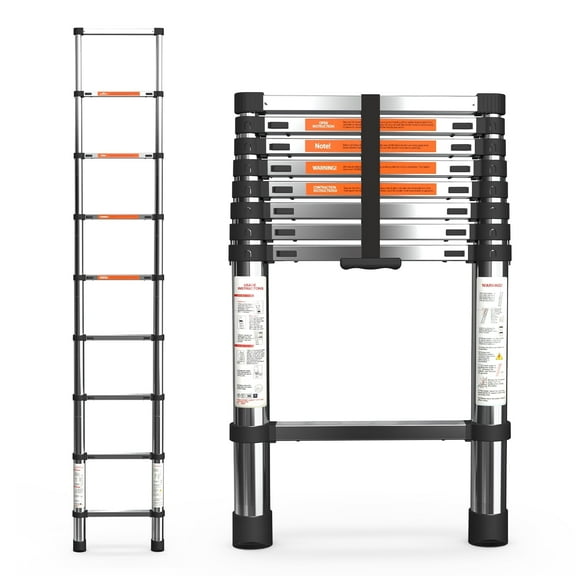
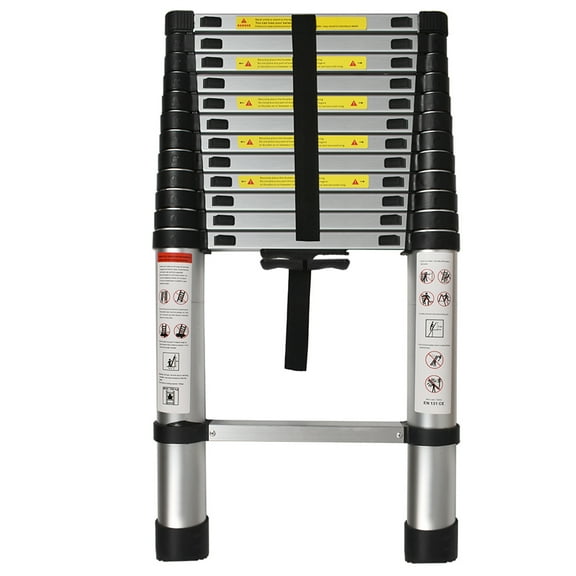
- You can consider telescoping extension ladders when compact storage matters.
Choosing between fiberglass extension ladders and aluminum extension ladders
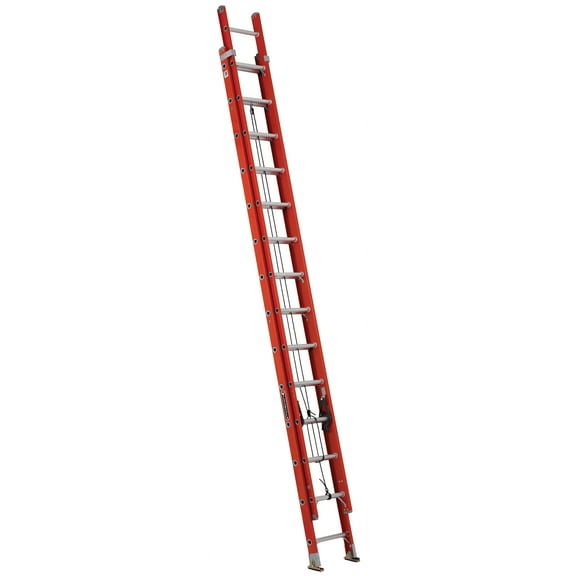
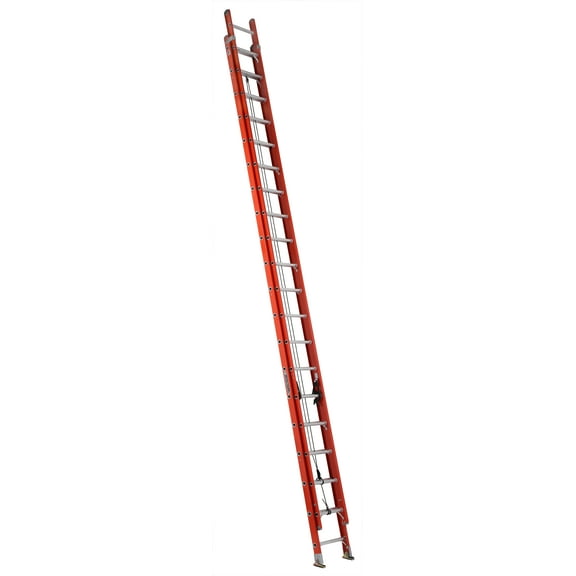
Fiberglass extension ladders make sense when you need a material often chosen for work around electrical setups. You’ll also notice fiberglass designs feel sturdy for repeated outdoor and jobsite use.
Aluminum extension ladders work well when you want a lighter option to move around a property. You may prefer aluminum for routine home projects, painting, or cleaning where frequent repositioning matters.
As you compare materials, look at your usual task, carrying preference, and storage space. You should also check rung design, rail shape, and foot placement for steadier everyday setup.
Selecting the right height, including a 24 ft extension ladder
Height is one of the biggest decisions, because your ladder length and your working reach aren’t the same thing. You should measure the task area first, then compare that number with the ladder length.
A 24 ft extension ladder is a common choice when you need access to second-story gutters, siding, or roof edges. You may also compare 16 ft, 28 ft, 32 ft, and 40 ft models for taller exterior work.
When you review height options, consider where the ladder base will sit and how much overlap the sections need. You’ll get a clearer fit when you plan for setup angle, not just wall height.
Understanding duty ratings and heavy duty extension ladder options
Duty ratings tell you how much working load your ladder is designed to handle during use. You should compare the combined weight of your body, clothing, tools, and materials before choosing.
Type II ladders support 225 pounds, while Type I supports 250 pounds for many household tasks. You can step up to Type IA at 300 pounds or Type IAA at 375 pounds.
If you carry tool belts, paint supplies, or heavier equipment, a heavy duty extension ladder may fit your needs. You’ll want that extra capacity when your projects involve repeated climbing with gear.
Comparing standard, multi-position, and telescoping extension ladders
Standard extension ladders suit many exterior jobs where you need straightforward reach and familiar setup. You can use them for gutters, windows, roofing access, and tall wall maintenance.
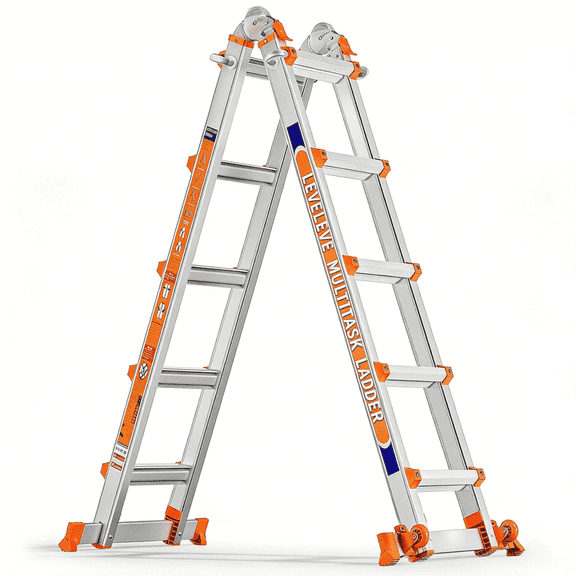
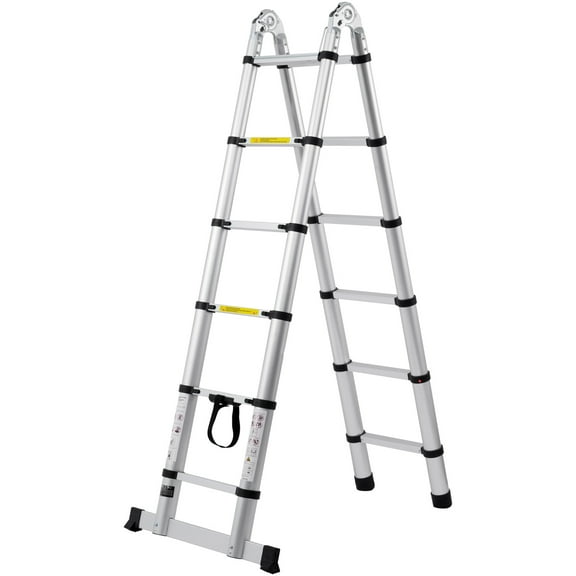
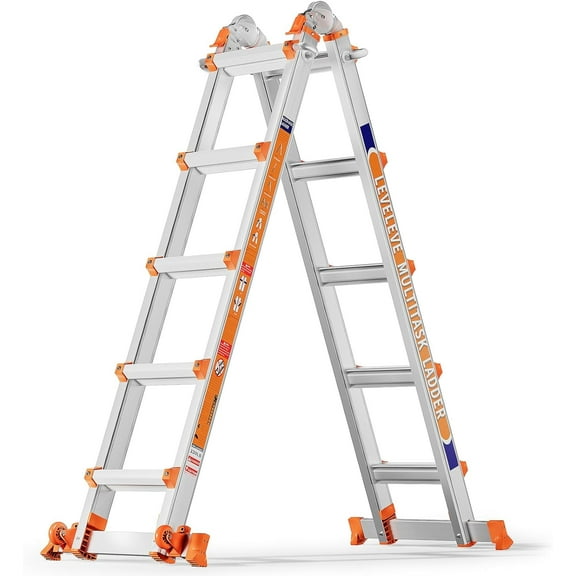
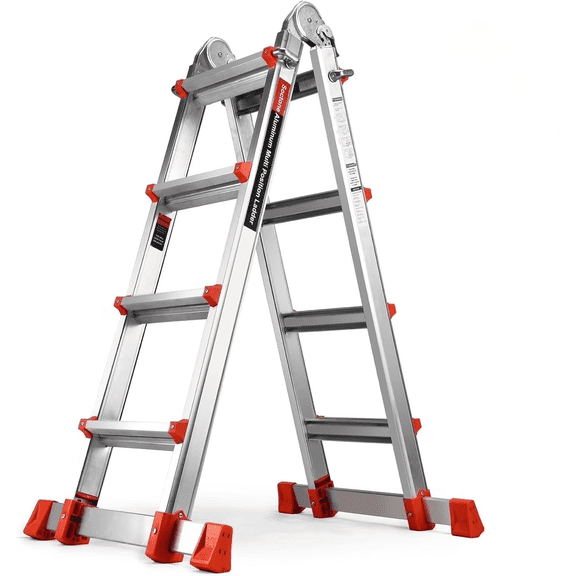
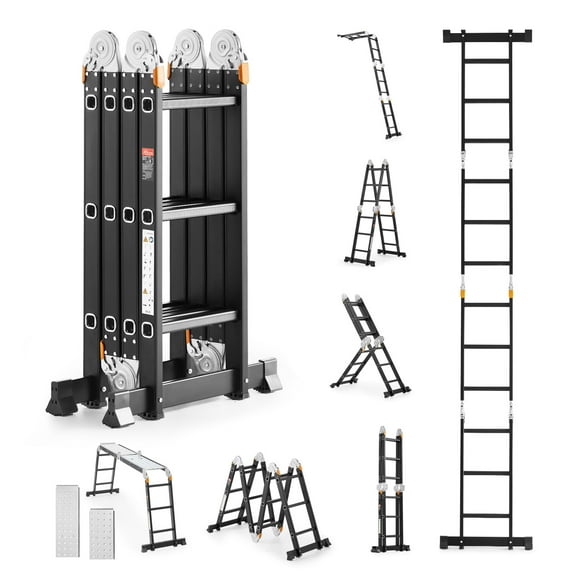
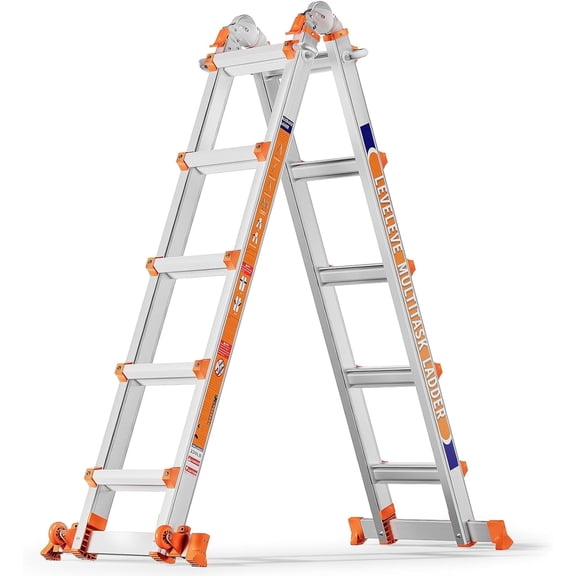
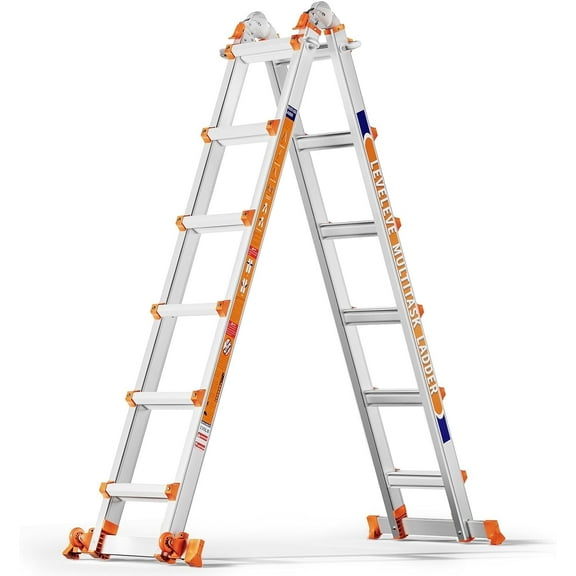
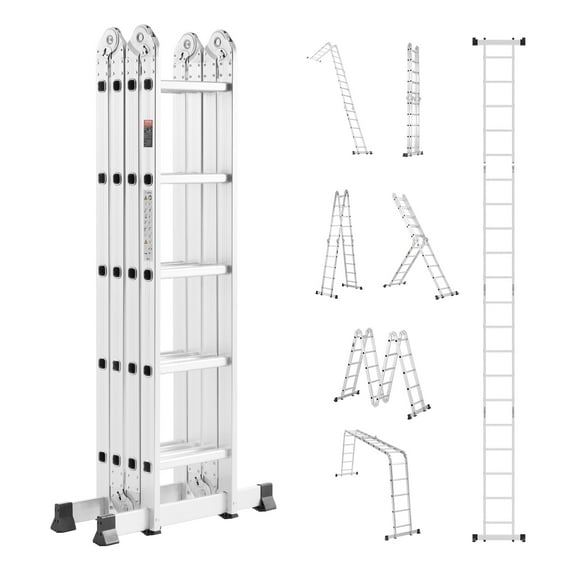
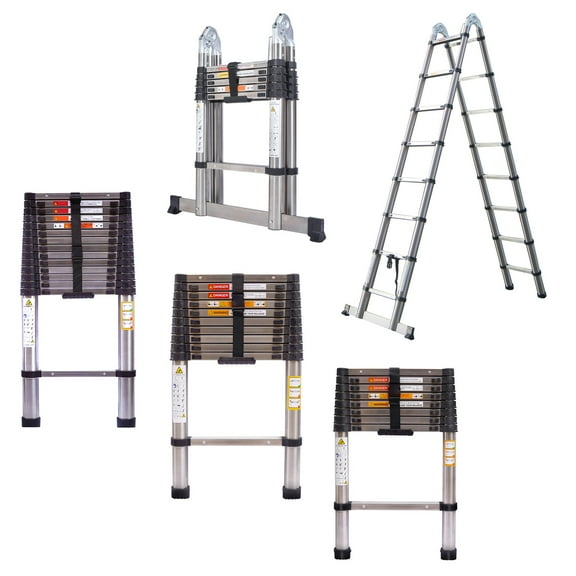
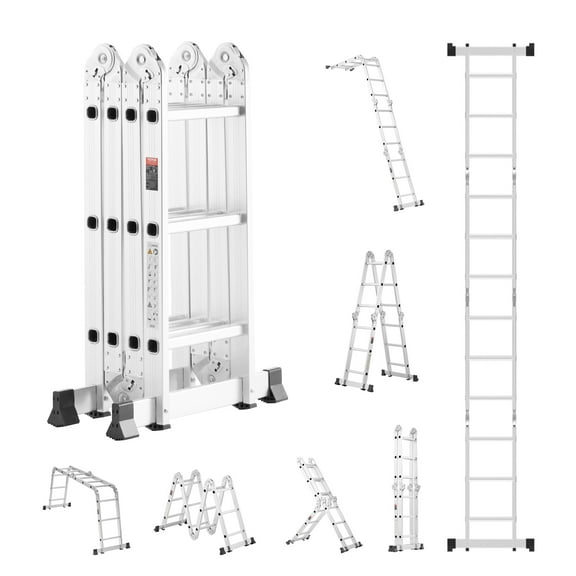
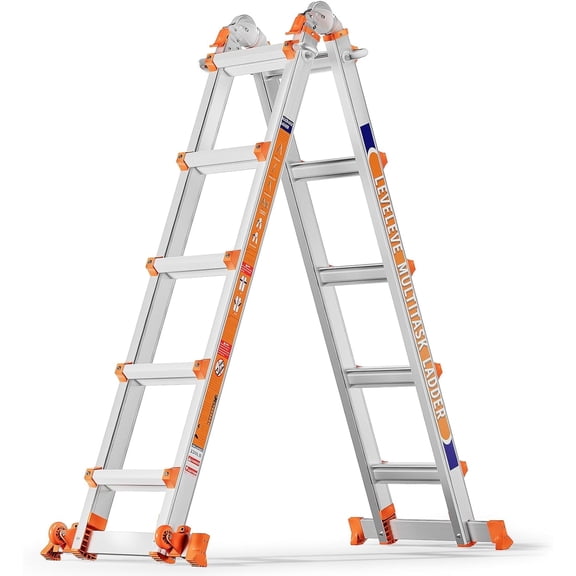
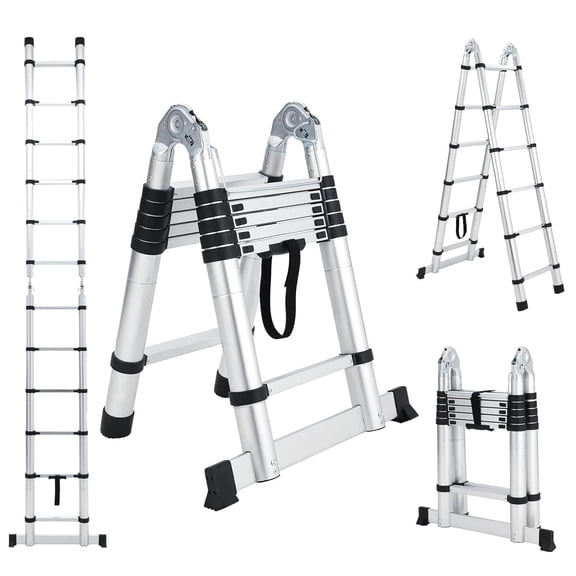
Multi-position options can appeal when you want more flexibility across different project types and work areas. You should compare hinge design and setup style if you move between several tasks.
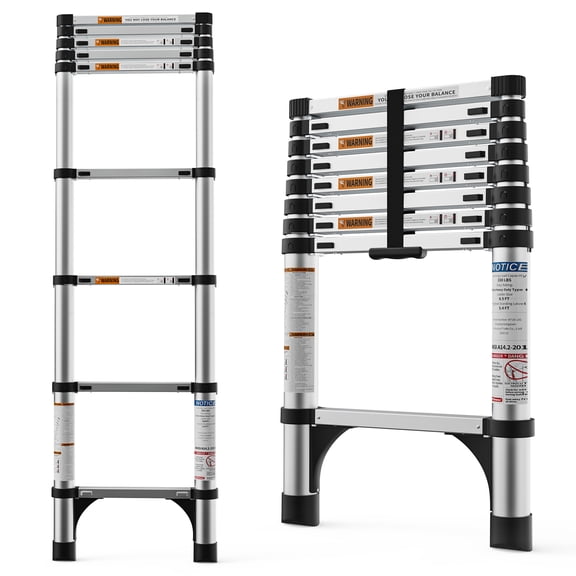
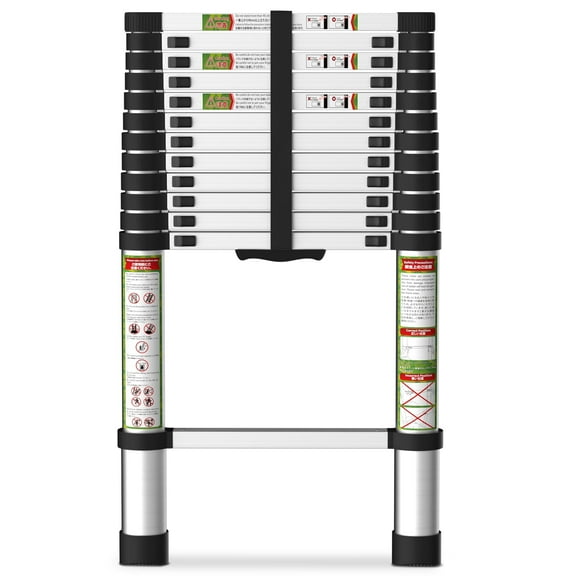
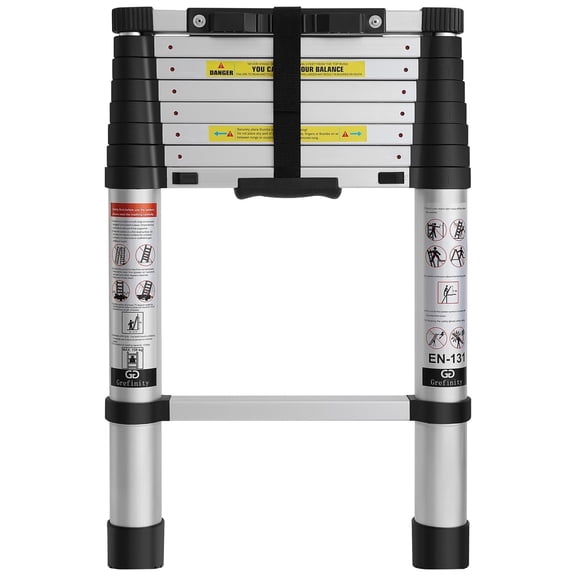
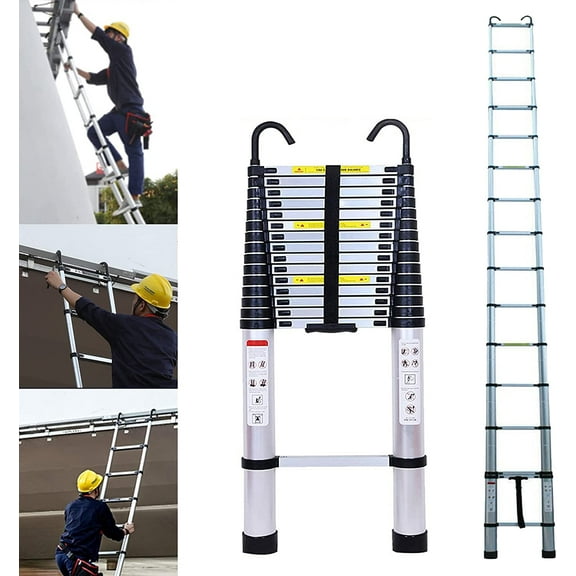
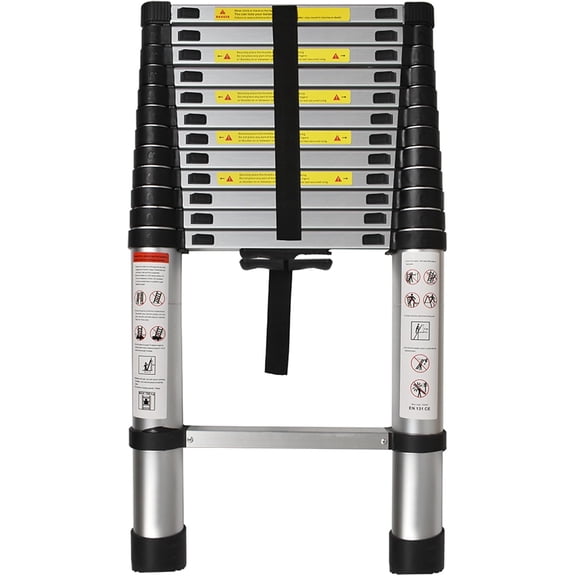
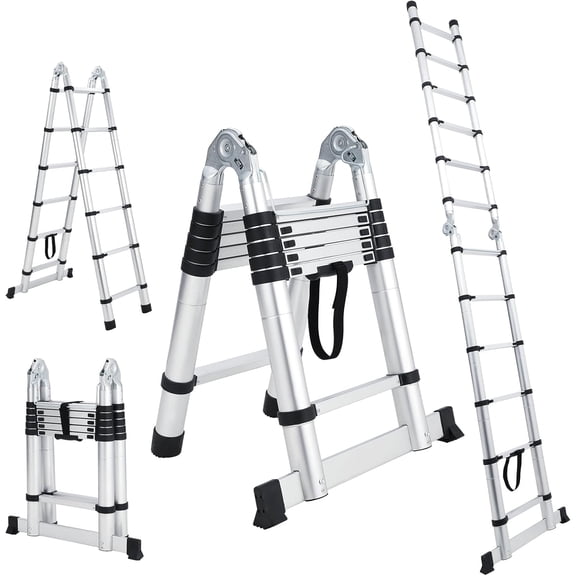
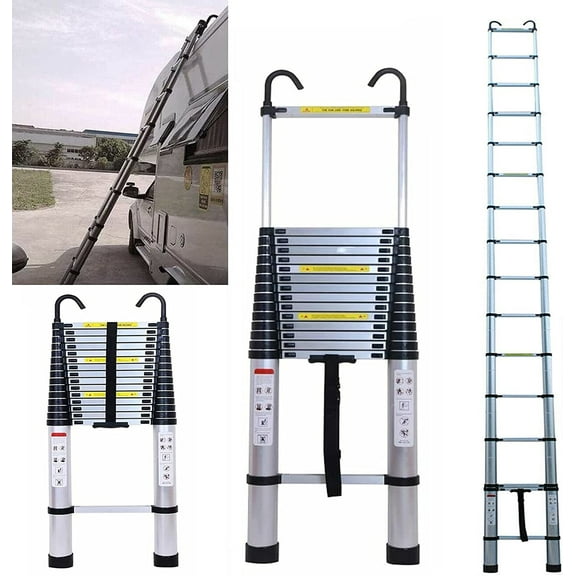
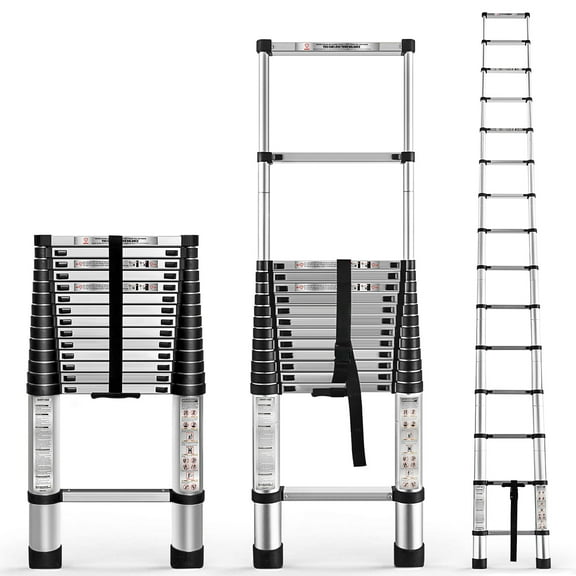
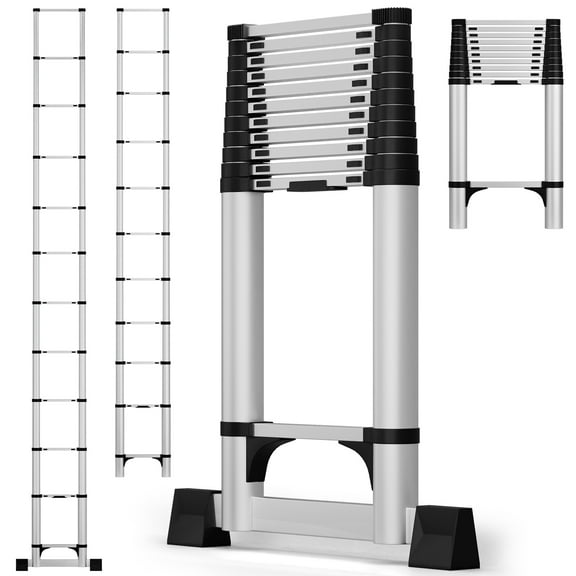
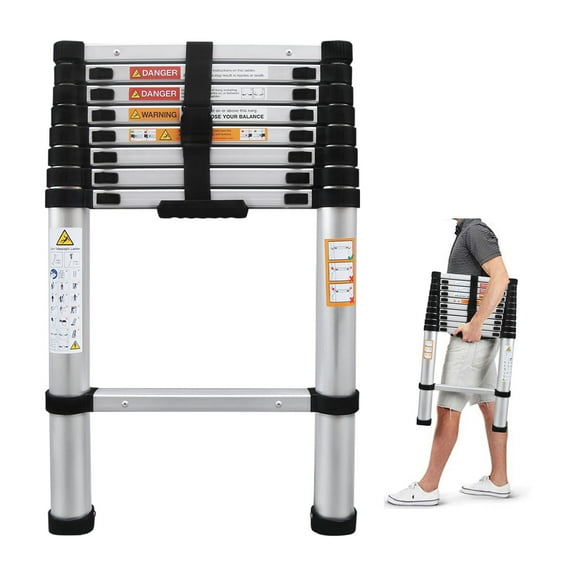
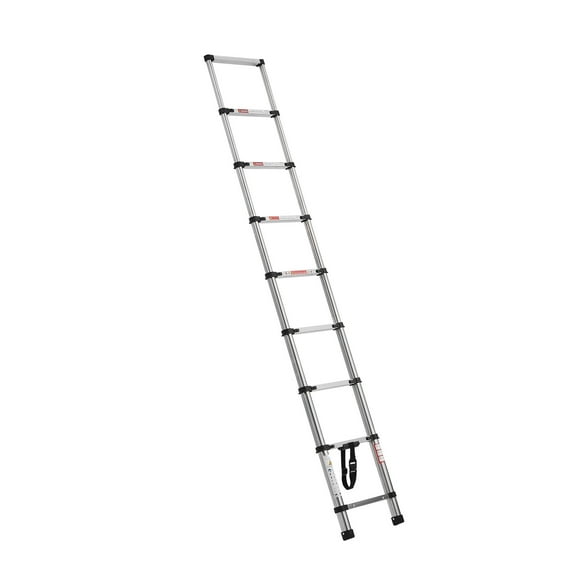
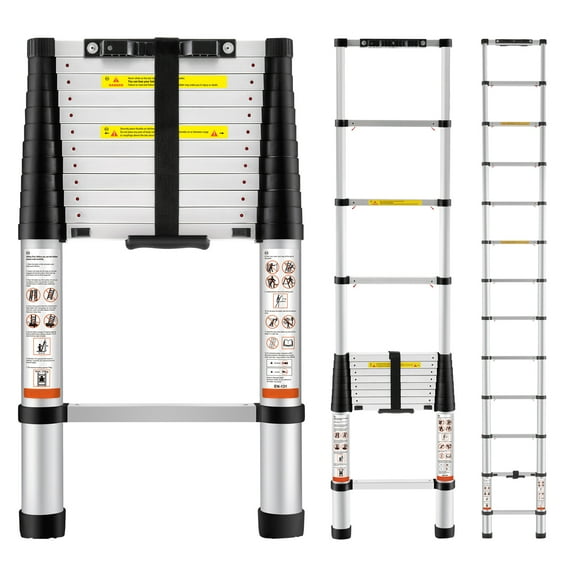
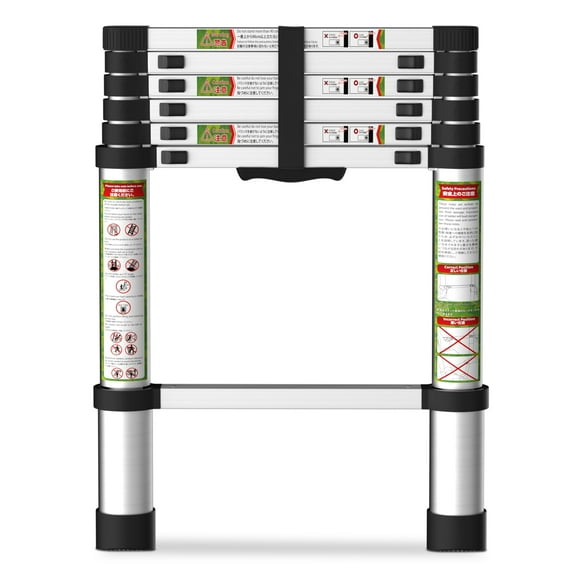
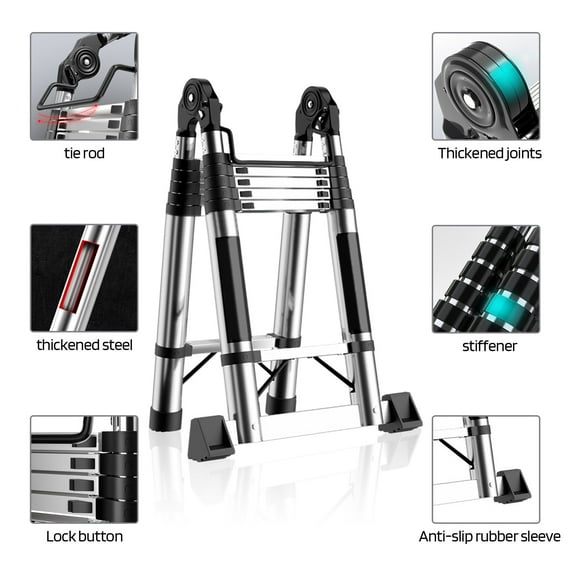
Telescoping extension ladders are worth considering when you need compact storage in a garage, shed, or work vehicle. You may like them when space is tight but occasional height still matters.
What safety features to look for before you decide
You should check for features that support secure footing and steady placement on different surfaces. Non-slip feet, shaped rungs, and levelers can help you feel more confident during setup.
Rung spacing affects climbing comfort, and rail design can influence how stable the ladder feels in your hands. You’ll also want locks and extension mechanisms that are easy to inspect before each use.
When you compare models, look for details that fit your routine instead of chasing extra length alone. You’ll make a smarter choice when your ladder matches your task, material preference, and carrying load.
Matching extension ladders to real jobs around your home or worksite
If you clean gutters, wash second-story windows, or reach roof edges, you’ll likely focus on ladder height first. A 24 ft extension ladder often fits those routine exterior tasks for many homes.
For painting tall siding or accessing utility areas, you may want fiberglass and a higher duty rating. You’ll appreciate that combination when your tools add weight and your work area demands extra consideration.
If you travel with your ladder or store it in a tighter space, telescoping extension ladders deserve a close look. You can also compare lighter aluminum options when portability matters from one task to the next.
When your projects change often, you should review material, reach, and rating together instead of choosing one feature first. You’ll end up with a ladder that fits your work style and your setup space.
With the right extension ladders, you can handle exterior access projects with clearer decision points and fewer compromises. You’ll feel more confident when your ladder’s material, height, and duty rating align with the job.