

Energy Efficient Heaters in Space Heaters



















About Energy Efficient Heaters in Space Heaters - Walmart.com
An energy efficient space heater helps warm the rooms you use most without running whole-home heat all day. These heaters fit bedrooms, offices, dorms, and dens, while giving you clearer control over wattage, coverage, and comfort.
Many shoppers want steady warmth with less wasted output. That’s why this category focuses on compact electric models, targeted room coverage, and practical settings for daily home use.
Energy efficient space heater benefits for everyday comfort
An energy efficient space heater can make cool mornings, late-night work sessions, and drafty corners feel more comfortable. Focused heat reaches occupied spaces fast, so unused rooms don’t need the same attention.
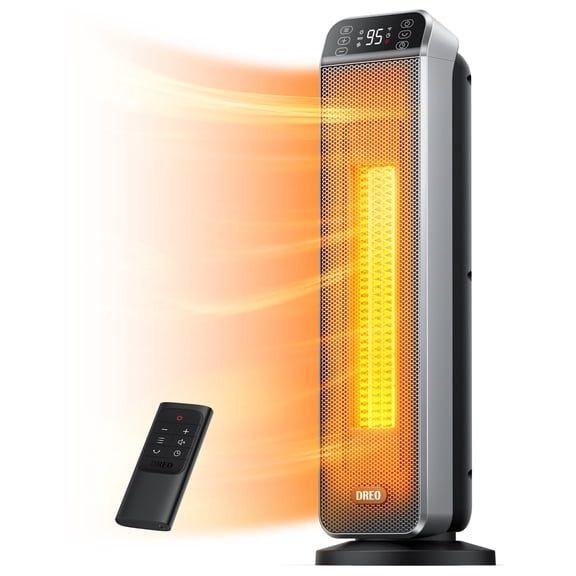
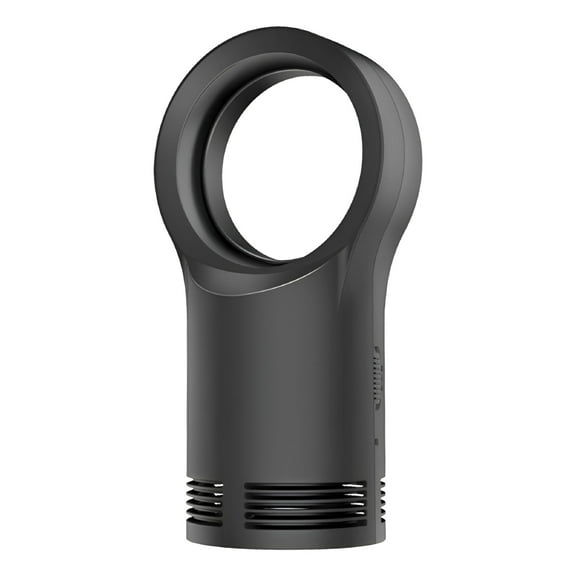
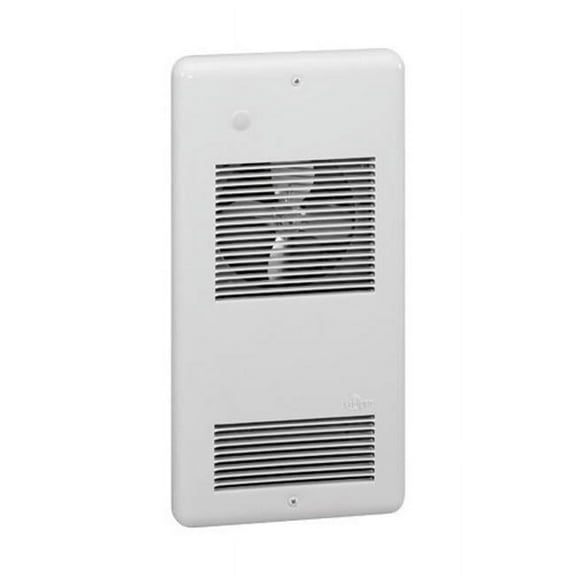
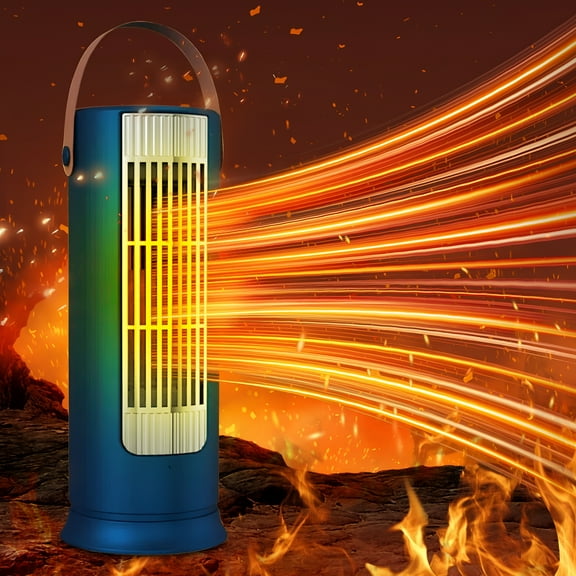
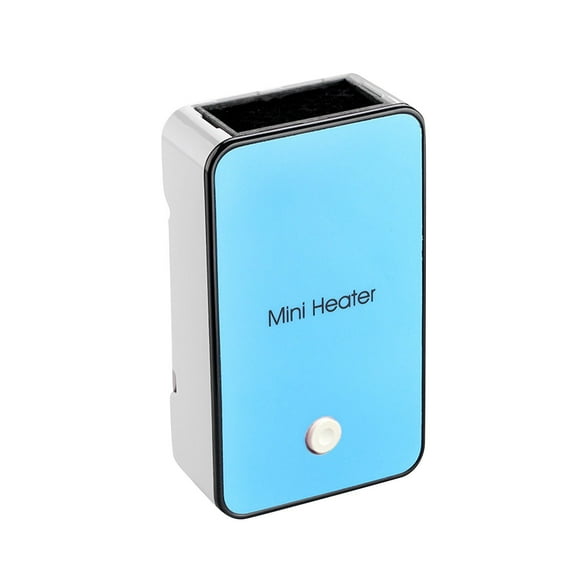
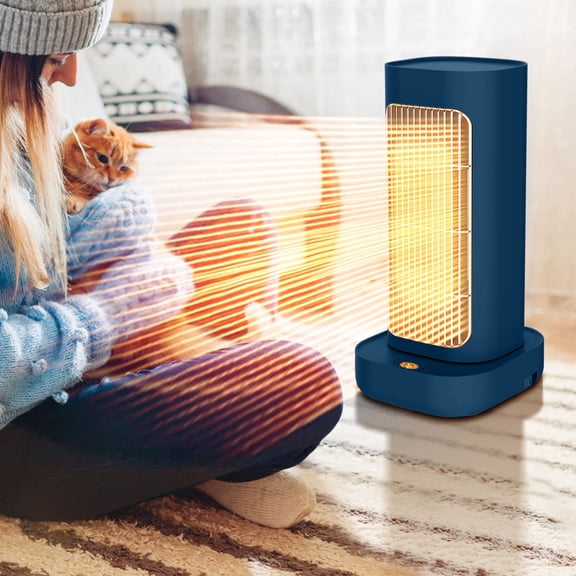
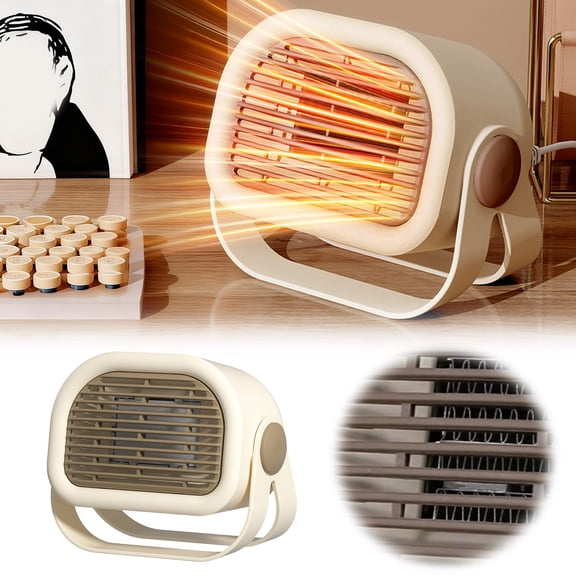
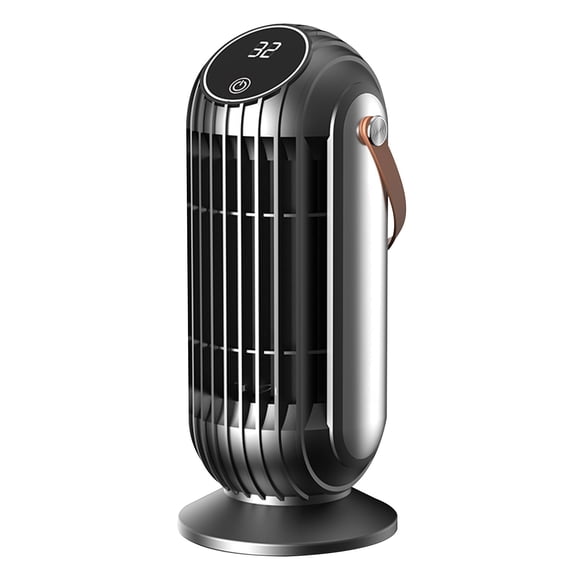
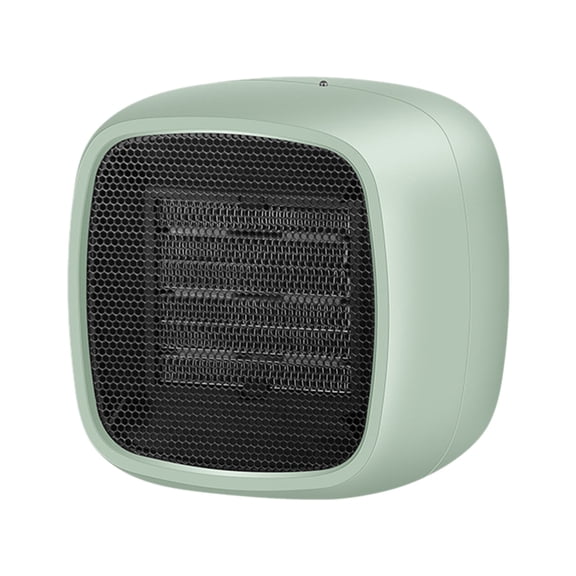
You’ll also find designs that suit different layouts. Tower heaters work well beside desks, ceramic heaters fit smaller rooms, and panel styles blend into quieter spaces.
- Targeted room heating supports comfort in the spaces you use most.
- Adjustable thermostats help you match output to room size and routine.
- Timer settings and remote controls add convenience during busy days.
- Portable designs move easily from bedrooms to offices or guest rooms.
These category-specific benefits matter when central heat feels excessive for one area. A personal heater can handle a studio nook, reading chair, or home office zone.
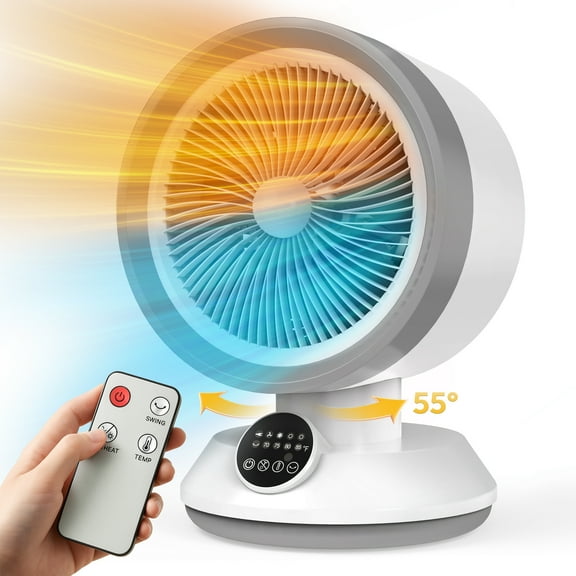
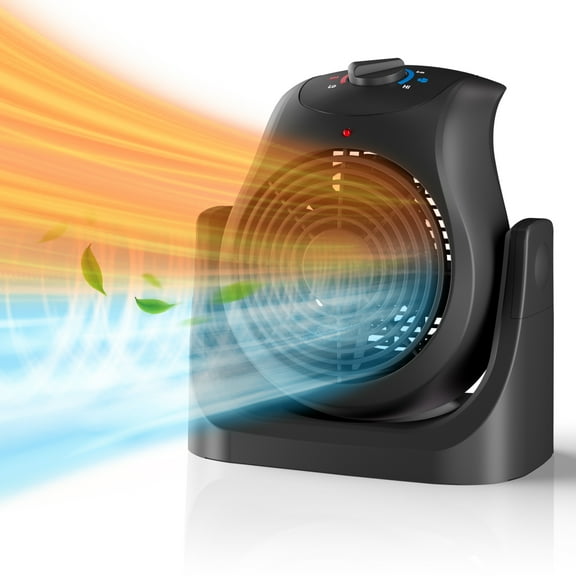
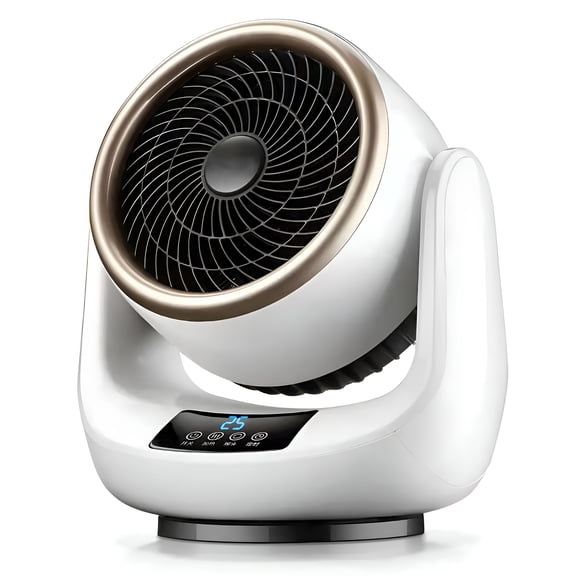
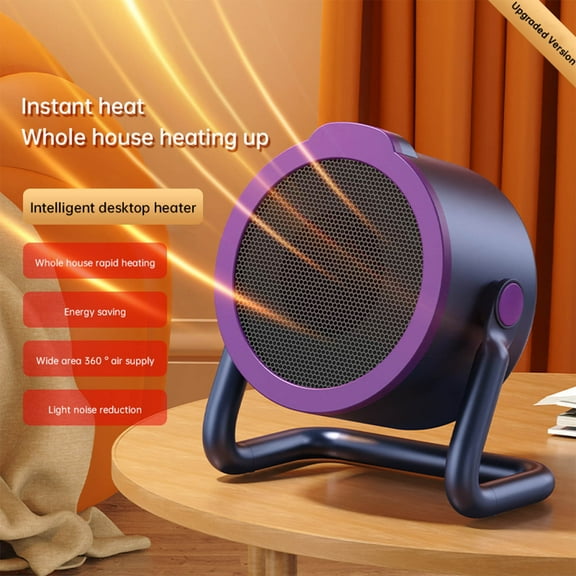
Many models also include oscillation for wider airflow. That feature helps distribute warm air across a sitting area instead of concentrating it in one narrow spot.
How to compare energy efficient room heaters
Specs shape performance, especially when you’re comparing energy efficient room heaters for different spaces. Wattage is a key starting point because it affects heat output and daily operation style.
Many electric units run at 750 or 1500 watts. Lower settings can suit smaller rooms, while higher settings are common for broader personal heating coverage.
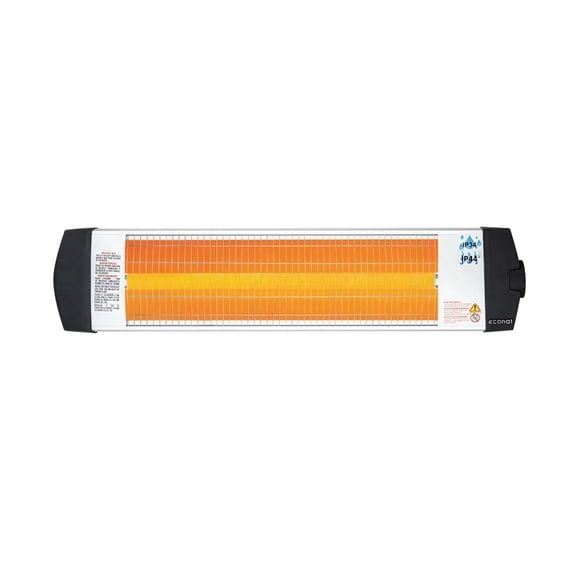
Heating element type also changes the experience. Ceramic heaters often warm quickly, infrared models direct heat toward nearby objects, and oil-filled radiators provide a steady, gradual feel.
Look closely at thermostat controls and heat settings. Multiple modes make it easier to fine-tune output for morning use, overnight comfort, or changing weather.
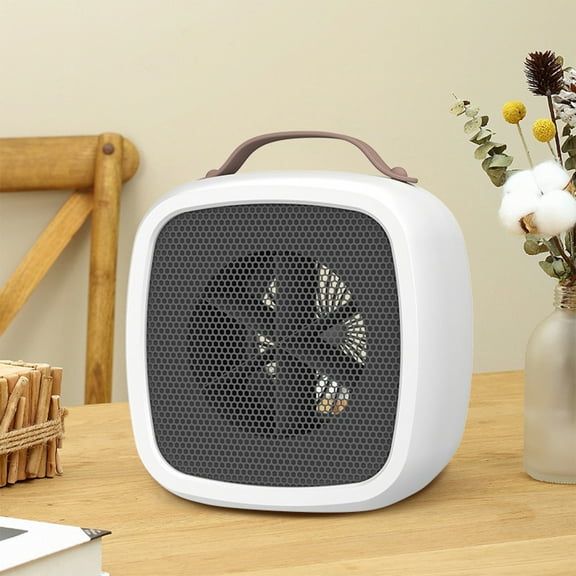
Portability matters if you move a heater between rooms. Carry handles, slim footprints, and lightweight builds make repositioning simpler in apartments and busy households.
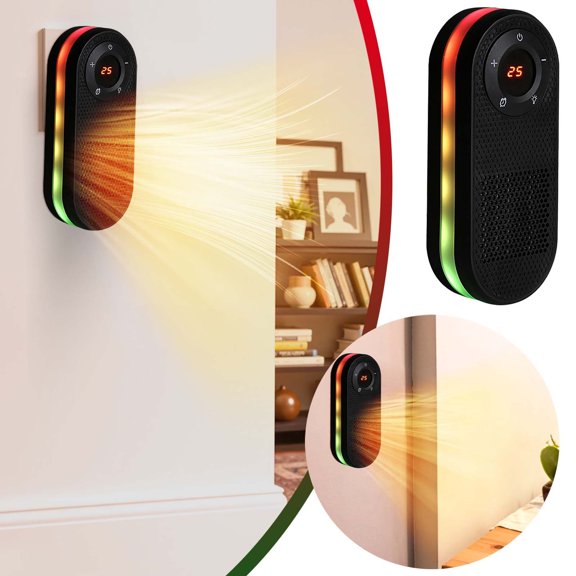
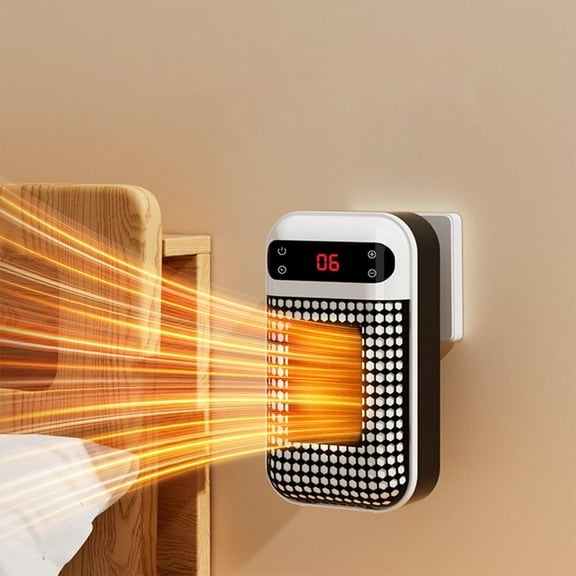
Some shoppers also prefer added control features. Digital displays, tip-over switches, overheat protection, and programmable timers are common details in efficient electric heaters for homes.
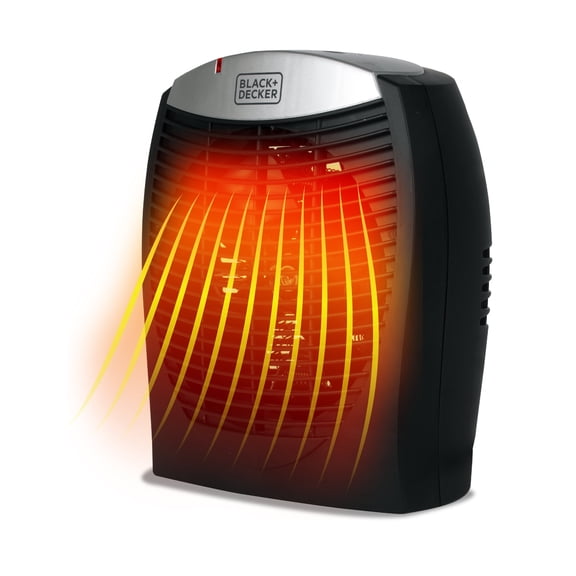
Noise level can influence your choice too. Quiet panel and oil-filled styles often fit bedrooms, while fan-forced units can suit living areas or daytime workspaces.
Low energy heaters for different rooms and routines
Low energy heaters work well when your day moves from room to room. You might start in a chilly kitchen, work in a spare bedroom, and relax later in a family room.
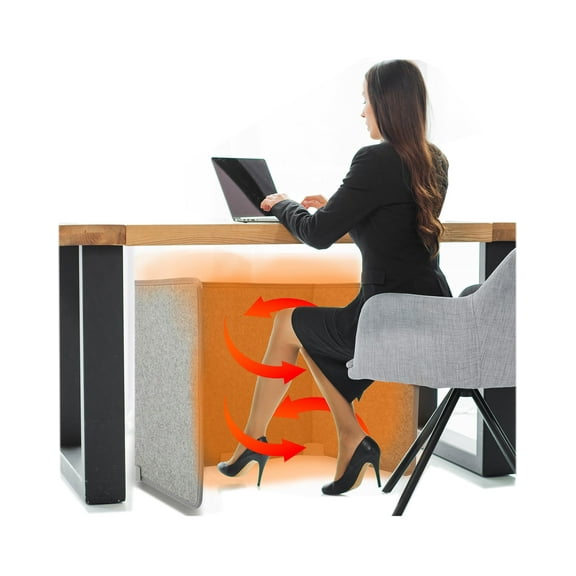
In a home office, a compact heater can sit under or beside a desk. That setup supports focused warmth during calls, computer work, and early morning starts.
For bedrooms, many shoppers choose models with timers and quieter operation. Those features suit evening routines and help maintain a consistent feel before sleep.
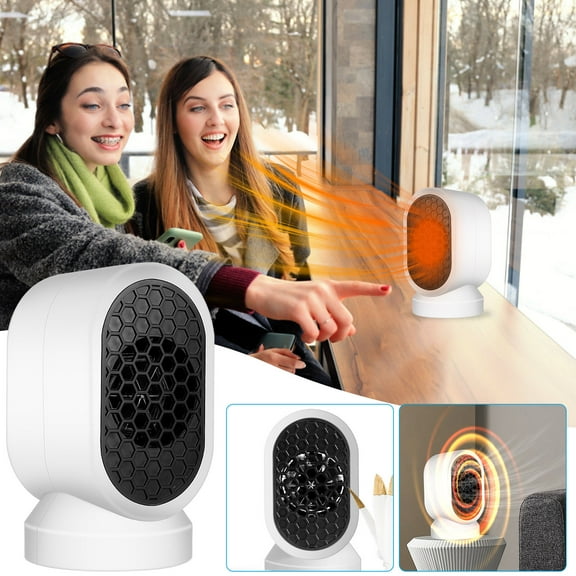
Dorm rooms and apartments often need a smaller footprint. Slim towers and compact ceramic designs fit tighter layouts without taking over floor space.
An energy saving heater for home use can also help with seasonal transitions. It’s useful when one room feels cold before the rest of the home needs full heating.
Basements, enclosed porches, and craft rooms often have different comfort needs than main living areas. High efficiency space heaters can add directed warmth where insulation or airflow varies.
Families with guest rooms may want a portable unit for occasional visits. A movable heater gives that room extra comfort without changing settings throughout the whole house.
If you’re comparing a cost efficient heater for regular use, think about placement first. Room size, ceiling height, window drafts, and time of day all affect results.
What experienced shoppers look for in efficient electric heaters for homes
Experienced buyers usually match heater type to room function before choosing a finish or shape. That step narrows the field faster than shopping by appearance alone.
They often check wattage, thermostat range, and control style together. Those details reveal whether a unit suits desk-side use, open living spaces, or occasional spot heating.
Cord length and outlet access matter in real rooms. A heater that fits the layout cleanly is easier to position where warmth feels useful.
Maintenance is another practical factor. Easy-to-clean grilles, simple filter access, and smooth exterior surfaces can make routine upkeep less frustrating.
Shoppers also compare airflow style with furniture placement. Oscillating towers can suit open floor areas, while directional heaters can focus warmth toward a sofa or workstation.
When you choose thoughtfully, the right heater supports comfort with less guesswork. Clear wattage options, room-friendly designs, and useful controls make daily heating feel more manageable.