

Electrical Box Spacers in Electrical Boxes










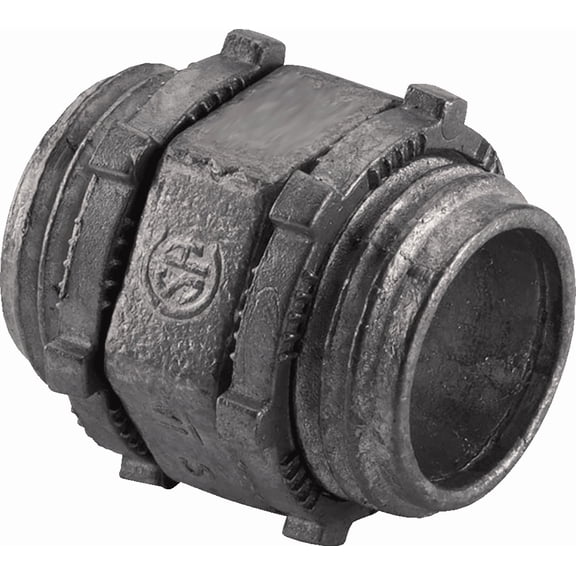


About Electrical Box Spacers in Electrical Boxes - Walmart.com
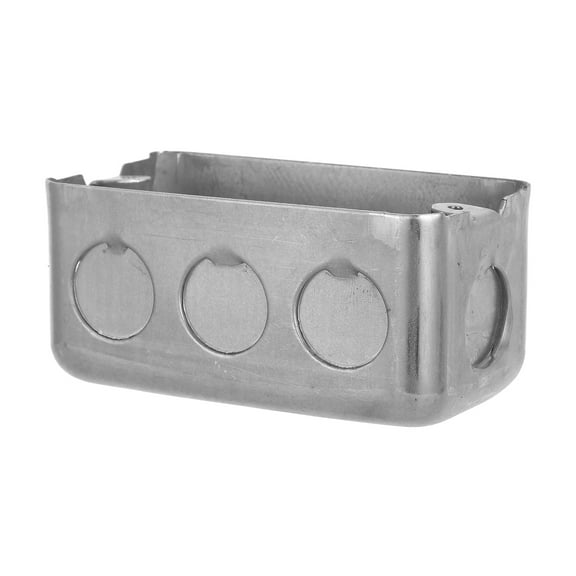
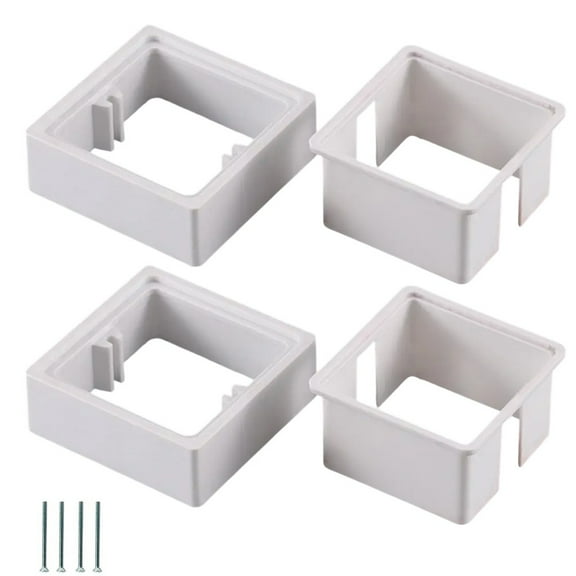
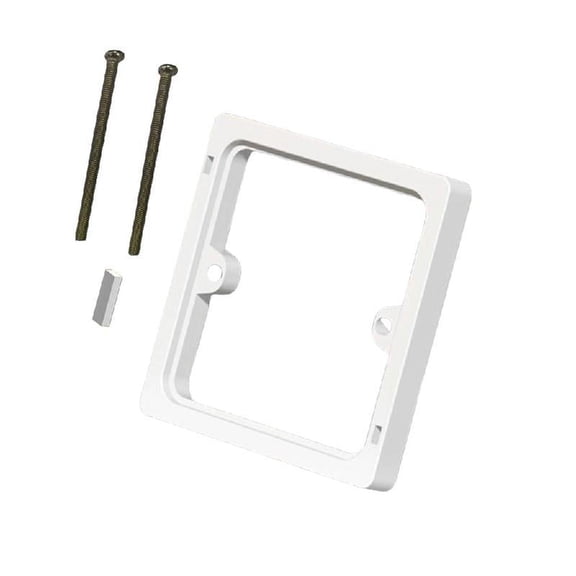
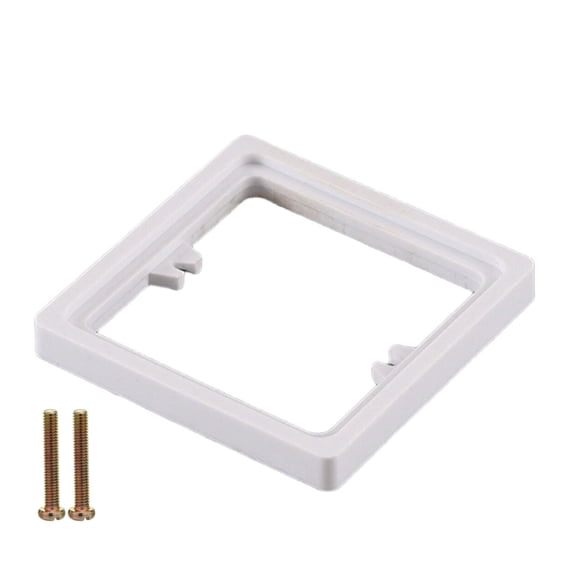
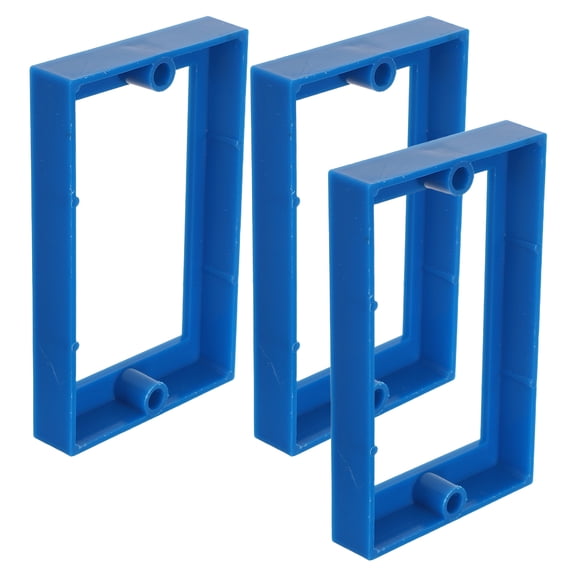
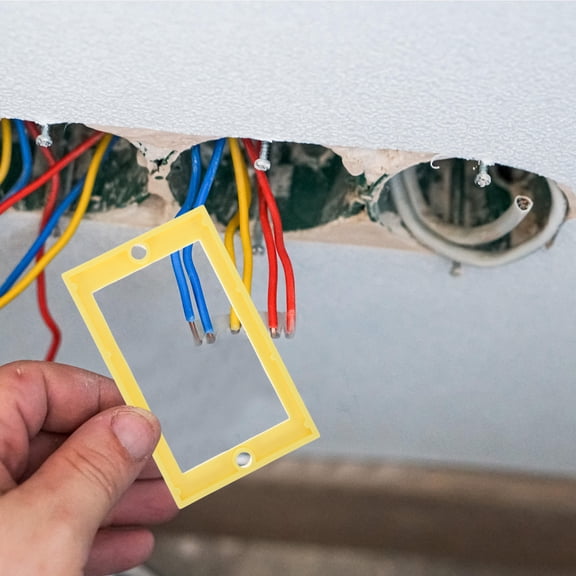
With a socket spacer, you can bring a recessed outlet or switch forward for a cleaner wall fit. You can also align devices after tile, wall paneling, or backsplash projects change your wall depth.
How to choose the right socket spacer
When you compare electrical box spacers, you should start with material, thickness, and compatibility. You can get a more secure result when your spacer matches your wall surface and device type.
For many projects, you’ll want non-conductive PVC or plastic spacers because you need a material made for electrical box use. You can also compare rubber or metal options when your setup calls for a different fit.
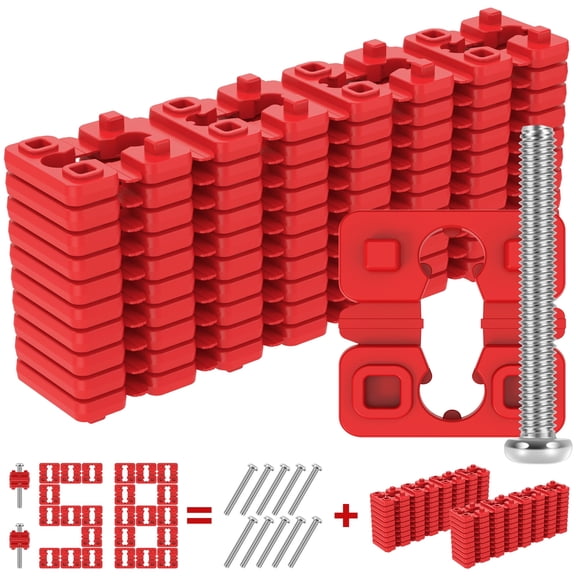
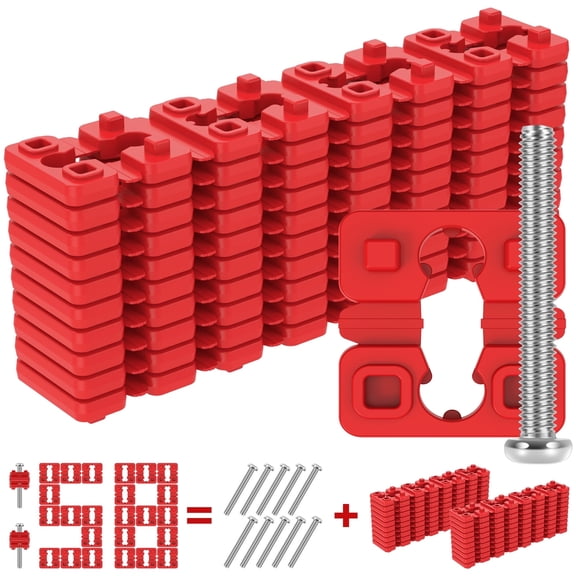
If your outlet sits slightly recessed, you may only need a 1/8 inch spacer to level it. If your box sits deeper, you may prefer 1/4 inch or multi-size stackable pieces.
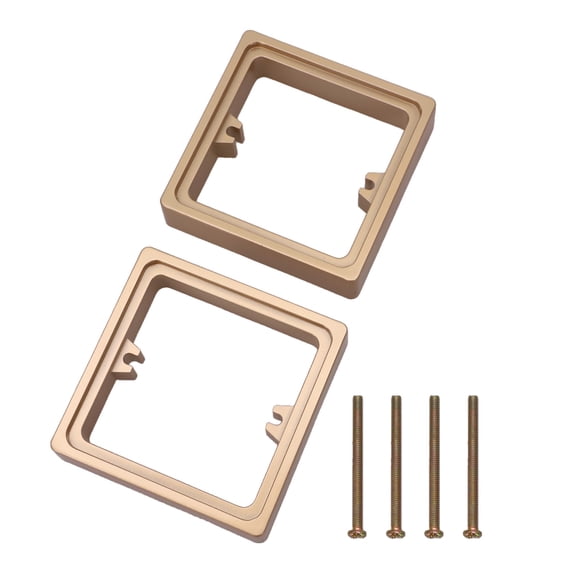
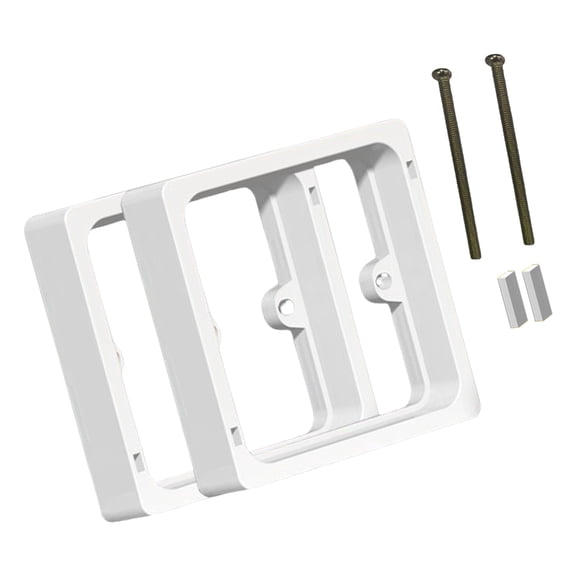
Compatibility matters before installation, so you should check whether you need single-gang or multi-gang support. If you’re updating controls, you may also need a spacer socket option that fits smart switches.
What benefits you get from electrical outlet screw spacers
You may notice a more even wall plate fit when your outlet or switch sits at the right depth. You can reduce wobble at the device face and create a tidier finished look.
During remodeling, you can use outlet spacers for electrical box openings behind tile, wood paneling, or a backsplash. This helps keep devices from sitting too far back after wall surfaces add extra thickness.
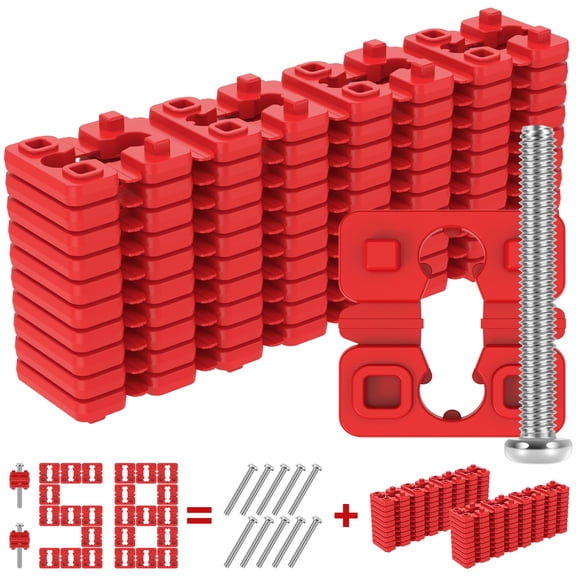
You can also simplify small adjustments because stackable pieces let you fine-tune depth without replacing the whole box. That flexibility helps when your wall surface varies slightly from one opening to another.
- You can correct recessed outlets after tile or wall paneling changes your wall depth.
- You can steady switches and receptacles so your cover plate sits more evenly.
- You can compare single packs, 10-packs, and 100-packs based on your project size.
- You can choose outlet spacer options for outlets, switches, or junction box setups.
For larger jobs, you may want bigger pack sizes to keep your installation consistent across rooms. For a quick repair, you may only need a single spacer for one outlet riser adjustment.
Which socket spacer features matter for your project
Material is one of your first decisions because it affects how you intend to use the spacer. For many homeowners, non-conductive plastic designs are a common choice for electrical outlet box spacers.
You should also measure spacer thickness before ordering, because small differences affect how flush your device sits. A multi-size stackable set gives you room to adjust without guessing.
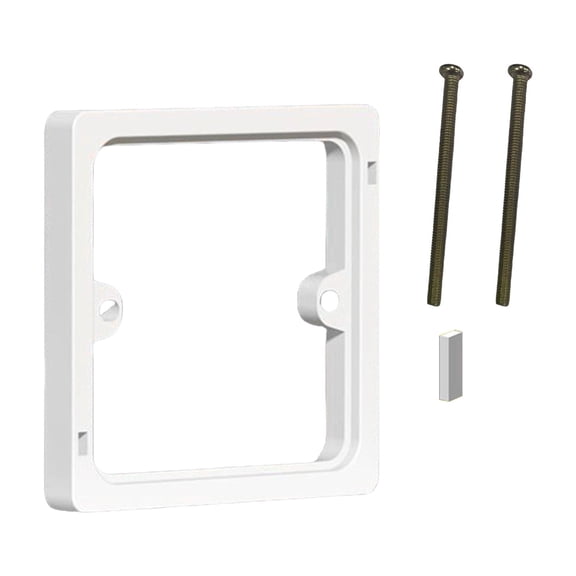
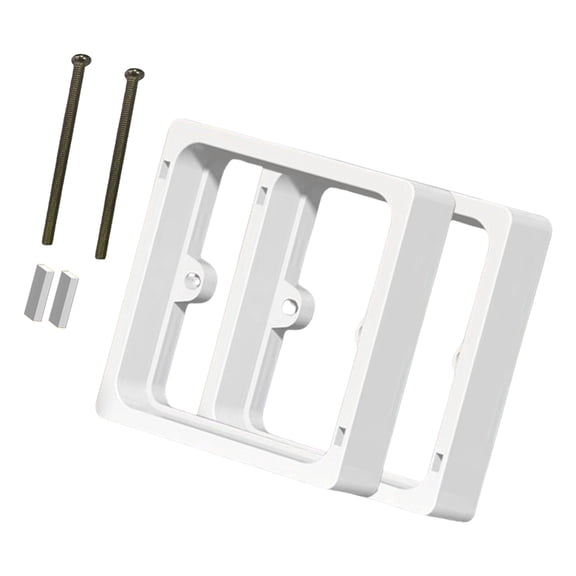
If you’re comparing outlet spacers for electrical box depth, you should check whether screws are included. You may need longer screws when your wall finish adds space between the device and box.
For tile or wall paneling, you should measure the added surface thickness and compare it with the spacer size. That step helps you choose an electrical socket spacer for wall panelling with fewer adjustments.
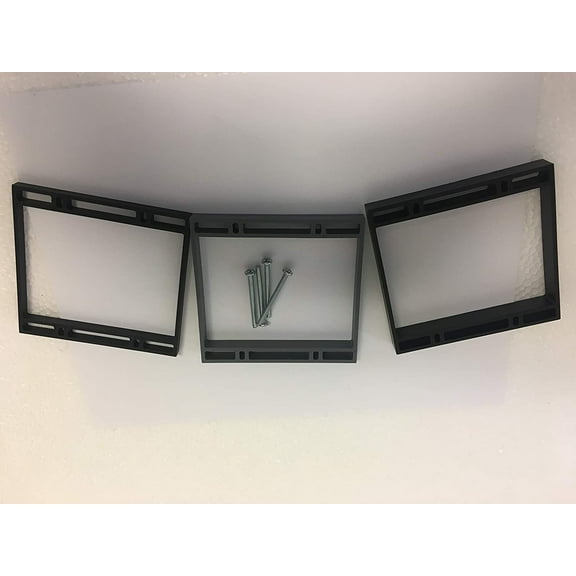
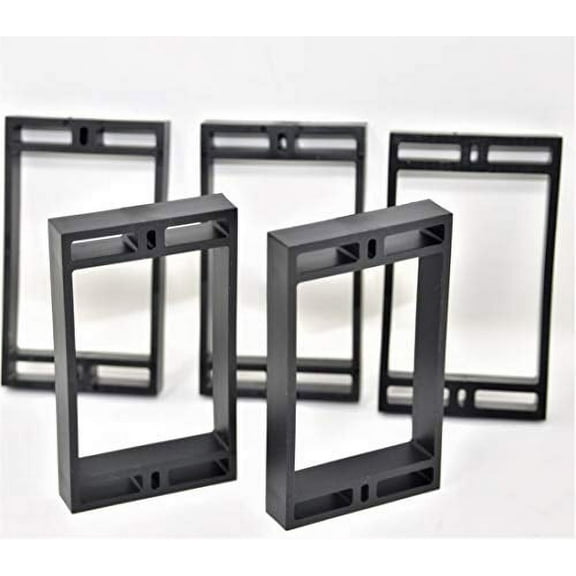
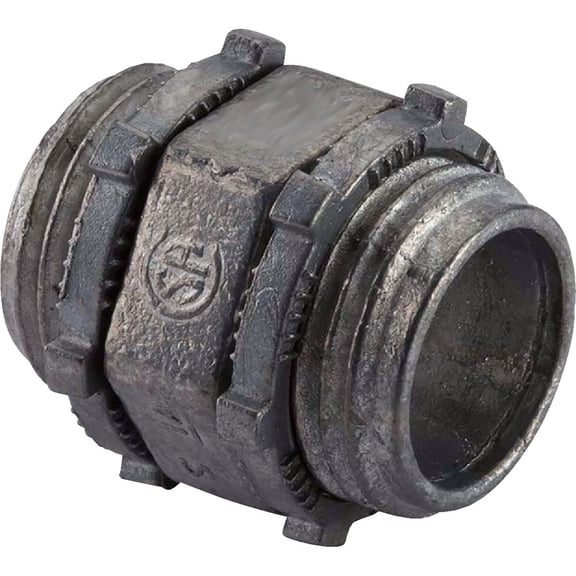
When you work on junction box spacers or multi-gang layouts, you should confirm the shape fits your device arrangement. This helps you avoid extra trial fitting when the spacer style matches your box configuration.
You may also look for UL listing when you want decision-ready technical details tied to electrical use. That check helps you compare options with more confidence for recessed outlet corrections.
How to match outlet spacers for electrical box use cases
If you’re fixing one recessed receptacle in a finished room, you may want a single spacer in 1/8 inch or 1/4 inch thickness. You can make a quick depth correction without changing the entire electrical box.
For backsplash work, you should compare stackable spacers because tile thickness can vary by area. You’ll have more control when you need to bring the outlet forward in small steps.
If you’re handling wall paneling, you may need an outlet spacer that keeps the device face aligned with the new surface. You should also check screw length so your installation reaches securely through the added material.
For smart home upgrades, electrical socket spacers can help when new smart switches sit behind thicker wall finishes. You can check compatibility before installation so the device, plate, and box line up correctly.
If you’re outfitting several rooms, a 10-pack may suit repeat outlet or switch updates across one project. For maintenance teams, a 100-pack can support steady replacement work in larger properties.
When you need spacers for electrical boxes in a multi-gang setup, you should compare width and layout carefully. This helps you get a cleaner fit when each gang lines up with the same finished wall plane.
What to check before installation
You should measure how far the outlet sits behind the wall surface before choosing thickness. You can then compare single-size and stackable options with a clearer target.
Next, you should confirm whether your order includes hardware or whether your project needs longer screws. This helps you avoid delays when your spacer and screw length work together from the start.
You should also match the spacer to the application, whether you’re adjusting an outlet, switch, or junction box. That simple check helps you get a straighter device position and a neater cover plate finish.
With the right socket spacer, you can correct recessed devices after remodeling and keep your installation aligned. This helps you end with an outlet or switch that sits more flush against your finished wall.