

Drop Cloths in Surface Protectors



















About Drop Cloths in Surface Protectors - Walmart.com
Drop cloths help you protect floors, furniture, and trim before painting starts. You can compare canvas, plastic, paper, and butyl-backed options by size, weight, and backing type.
When you prep a room well, you cut cleanup time and keep paint splatter off nearby surfaces. You can also match coverage to small touch-ups, full-room painting, or dusty home improvement work.
How to choose drop cloths by material
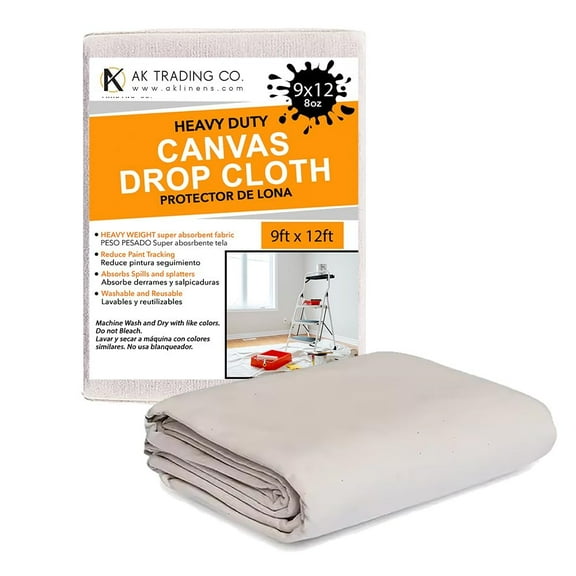
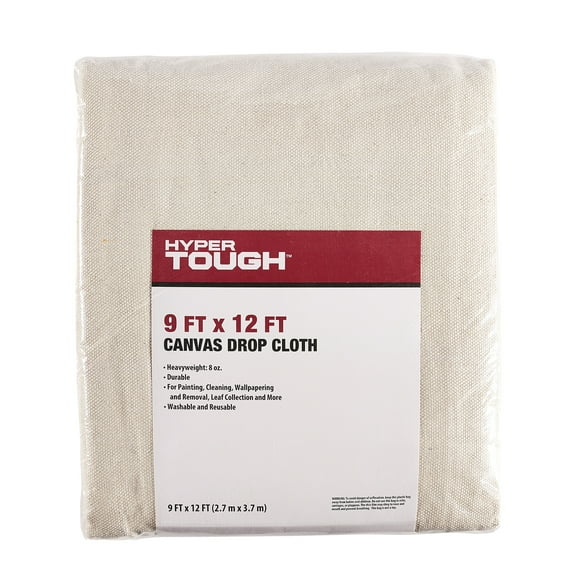
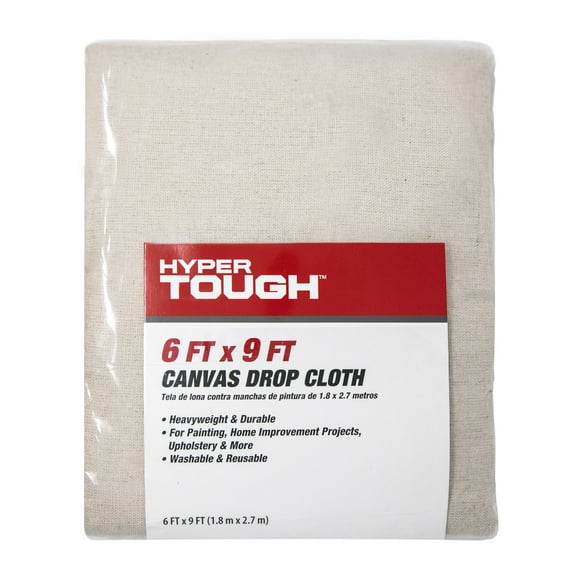
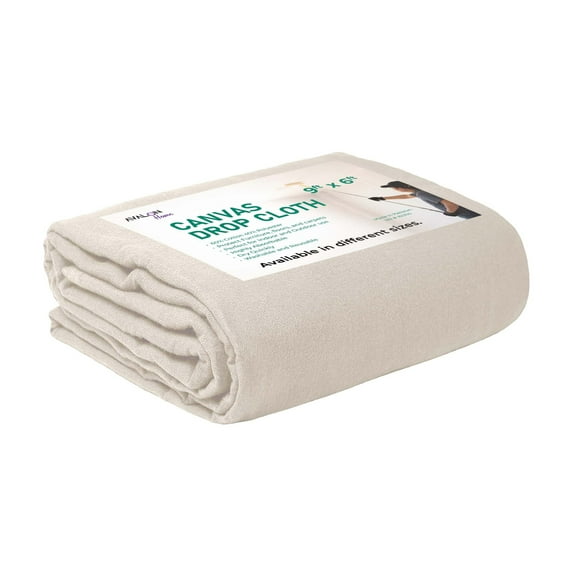
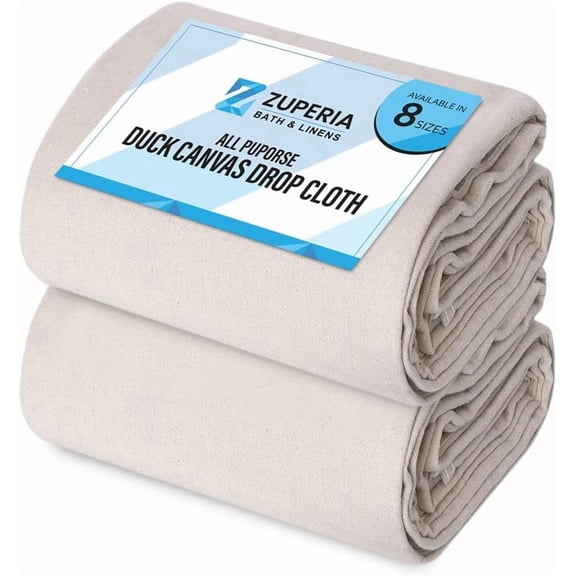
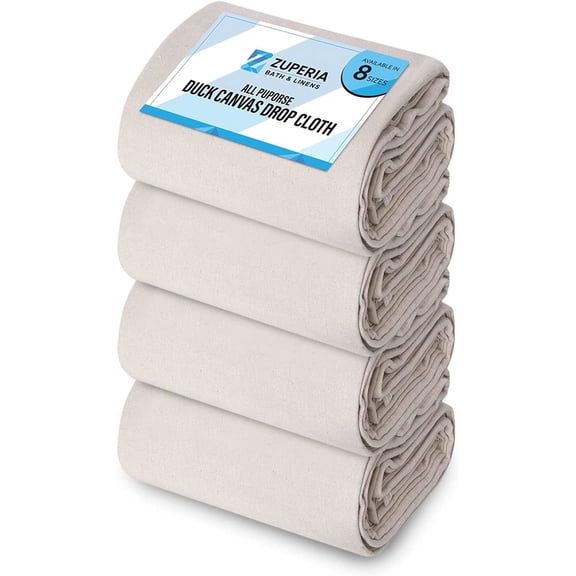
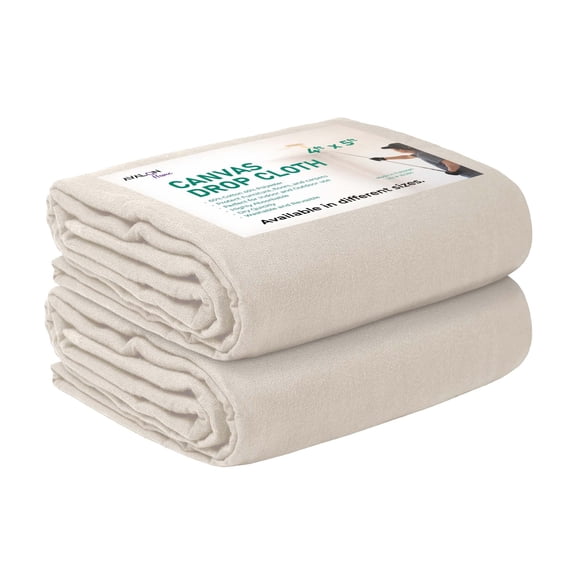
Canvas drop cloths work well when you want reusable protection and steadier floor coverage. You’ll notice canvas stays in place more easily and folds for repeat projects.
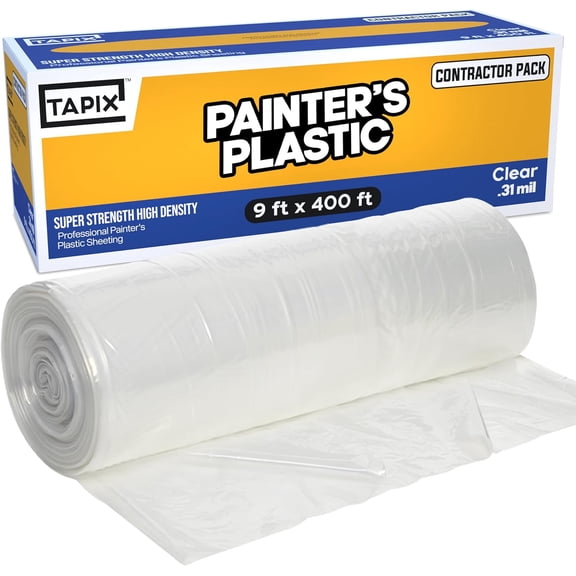
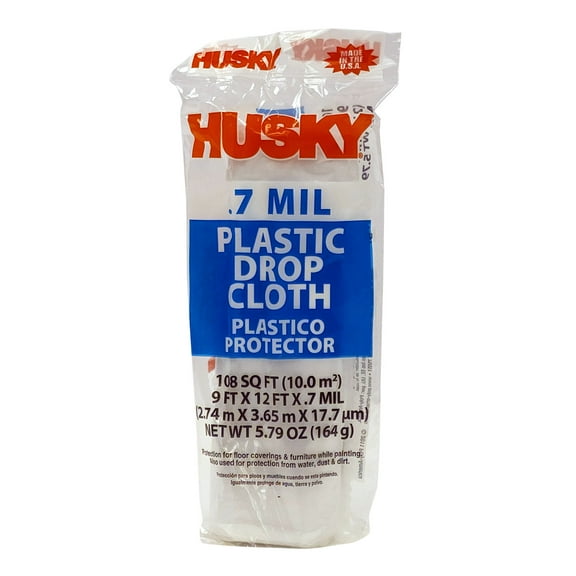
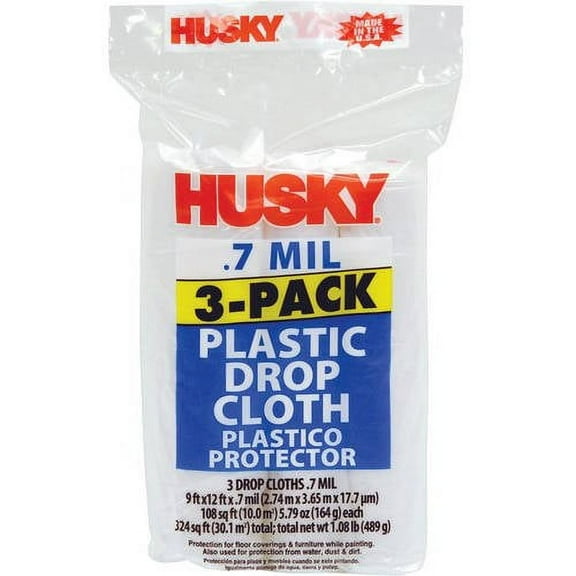
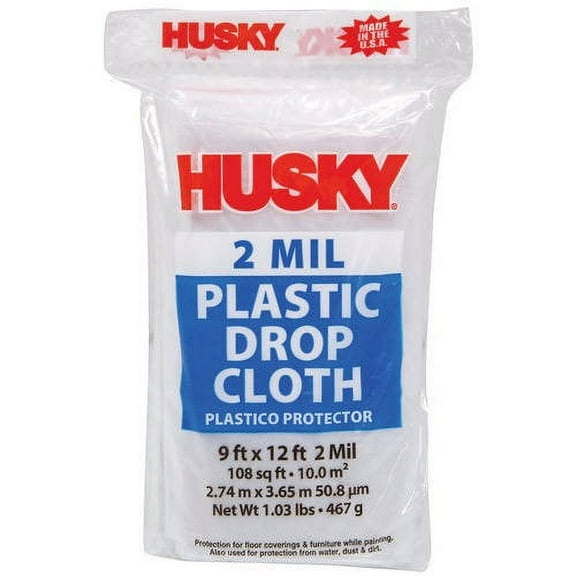
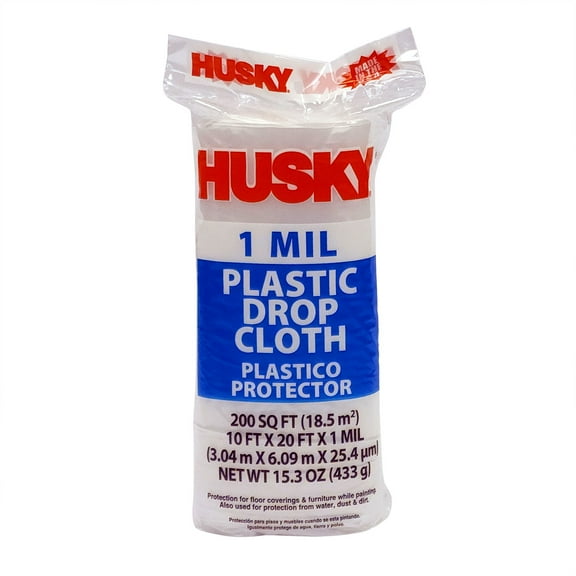
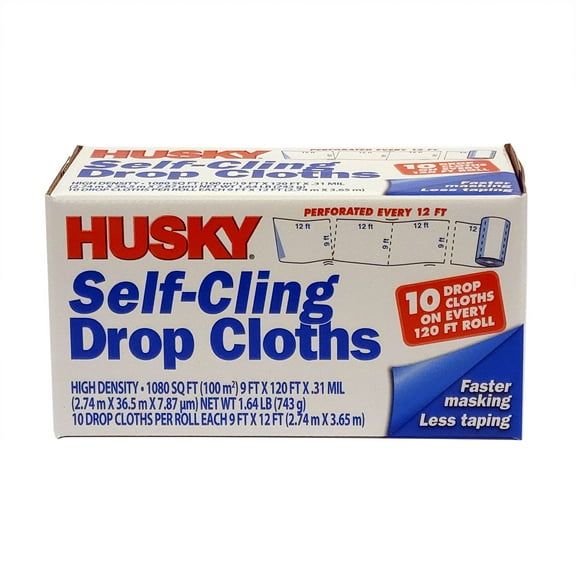
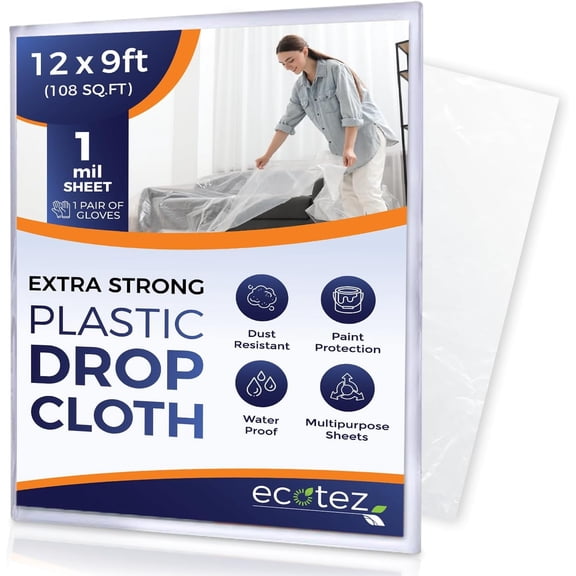
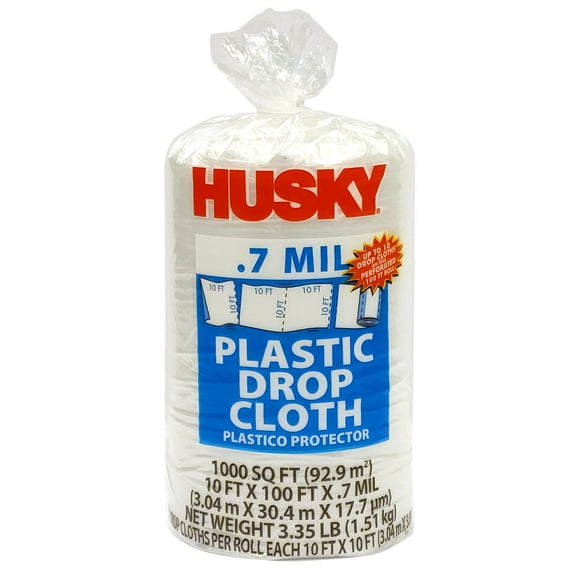
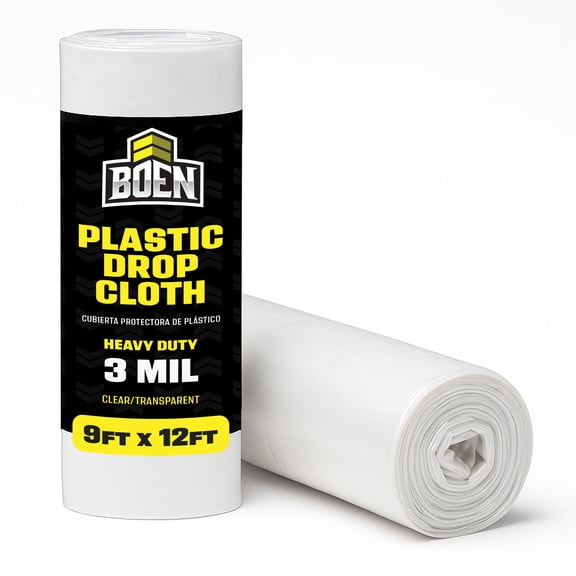
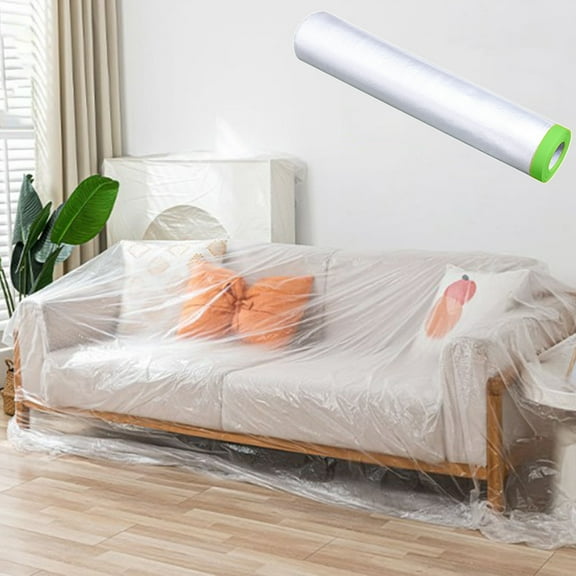
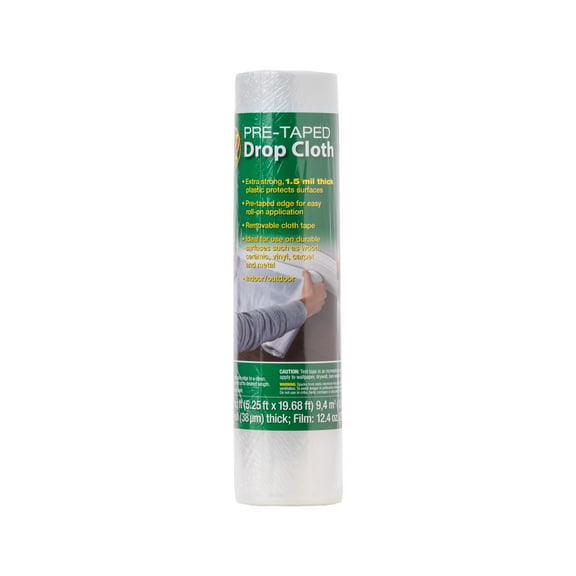
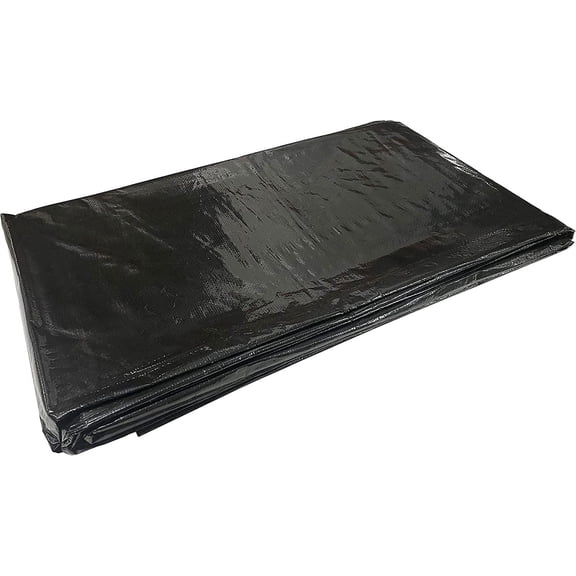
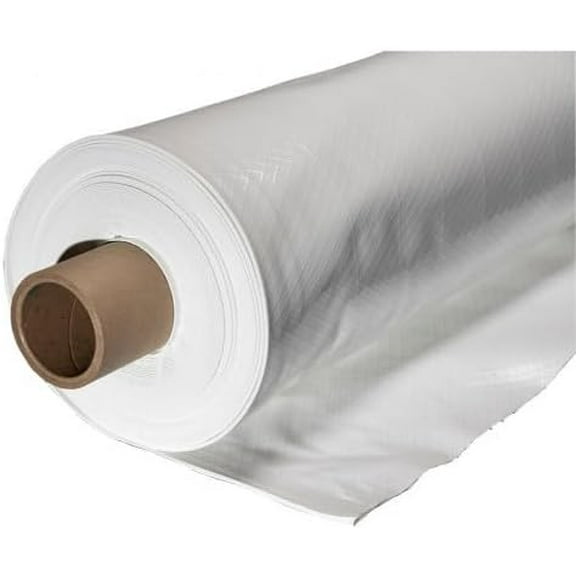
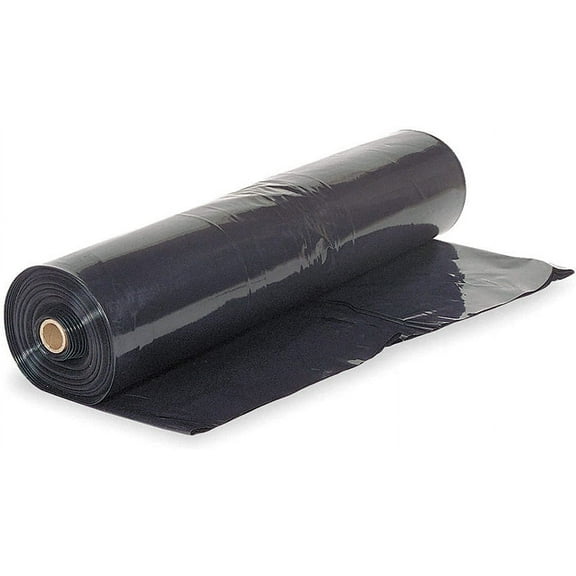
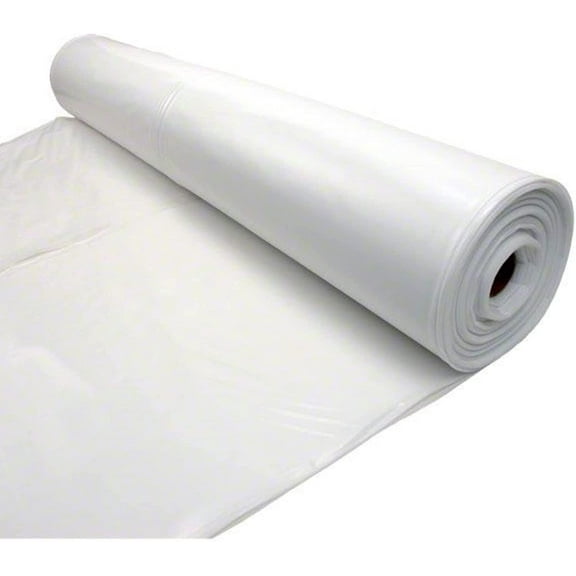
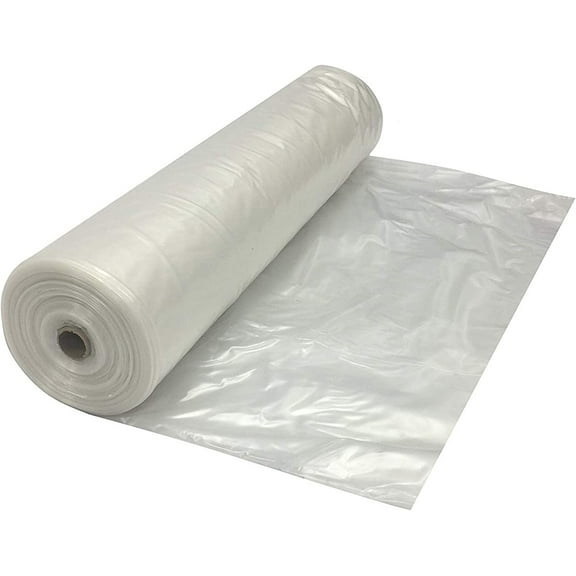
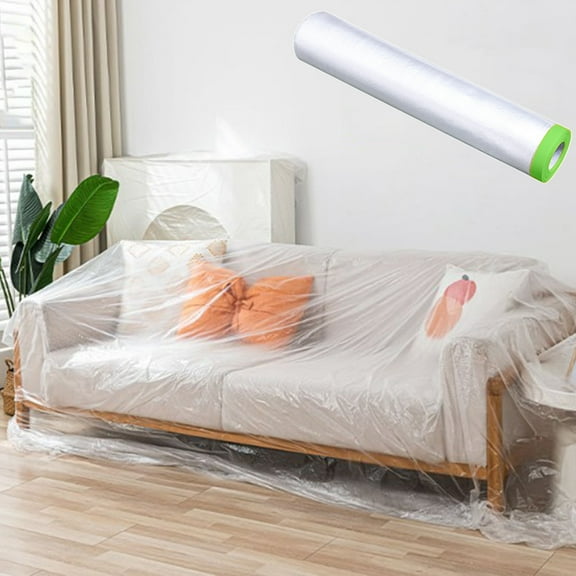
Plastic drop cloths fit quick jobs when you want lightweight coverage over furniture, cabinets, or stored items. You can spread plastic fast, then roll it up after painting for simple cleanup.
Paper options make sense when you want light coverage for short tasks and easy placement along narrow areas. You can use them in work zones where flexibility matters more than long-term reuse.
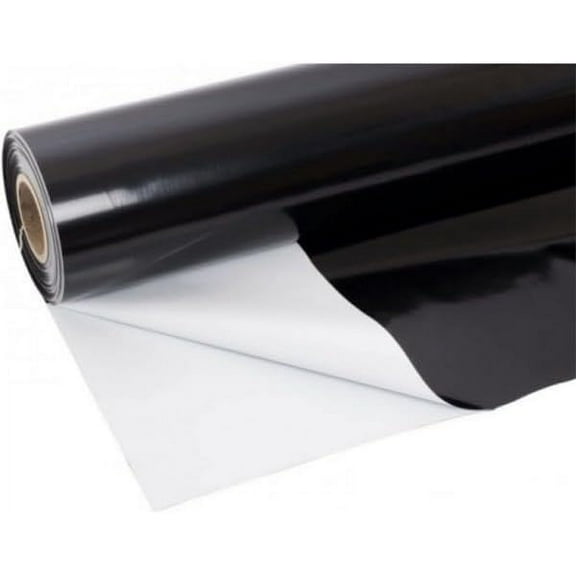
Butyl-backed styles give you added coverage when you want a barrier under paint drop cloths on finished floors. You can compare coated backs when you need more resistance to seep-through.
Choosing canvas drop cloths and plastic drop cloths
If you’re deciding between canvas drop cloths and plastic drop cloths, start with how often you paint. You may prefer canvas for repeat projects, while plastic suits one-time room refreshes.
For ladders, foot traffic, and longer sessions, you may want fabric that feels more grounded underfoot. For covering sofas or shelving, you may want lighter sheets that drape quickly.
- You can choose canvas when your project needs reusable drop cloths for repeated painting jobs.
- You can choose plastic when your project needs broad coverage and fast disposal after use.
- You can choose paper for narrow runs, trim work, or short prep tasks.
- You can choose butyl-backed options when your floors need leakproof drop cloths with extra backing protection.
What to look for in heavy duty drop cloths
Weight matters because you’ll use ounces per square yard to judge how much coverage you need. You can compare 8oz, 10oz, and 12oz options based on project mess and floor type.
An 8oz cloth usually fits lighter dust protection and smaller touch-up work. A 10oz or 12oz cloth may suit heavier paint prep, repeated use, and more demanding home improvement projects.
When you want heavy duty drop cloths, check whether the cloth stays flat and resists bunching. You should also compare edge finishing and backing details when coverage needs to stay put.
Choosing the right size and layout
Size affects how well you cover walkways, corners, and furniture groups during prep. You can measure the room first, then match the cloth to the shape of your work area.
A 9x12 drop cloth often suits medium rooms, table groupings, or open floor space near walls. A 12x15 size can cover larger painting zones where rollers and trays move around often.
If you’re protecting hallways or long cabinets, a 4x15 runner can follow the path neatly. If you’re covering a small chair, table, or accent area, a 5x5 size may fit better.
How backing type changes protection
Backing type helps you compare leakproof, non-slip, and uncoated choices in plain terms. You can use that detail to decide how much grip and barrier coverage your project needs.
Leakproof drop cloths matter when you want added separation between wet paint and finished surfaces. You can also look for butyl-backed or laminate-coated designs when bleed-through is a concern.
Non-slip backing can help you keep the cloth positioned in active work areas. Uncoated cloths can feel more flexible when you want simple surface coverage and easy folding.
Using paint drop cloths for common projects
Paint drop cloths support more than wall color changes, especially when you’re handling sanding dust or light repairs. You can use them for painting, furniture cover, dust protection, and general home improvement prep.
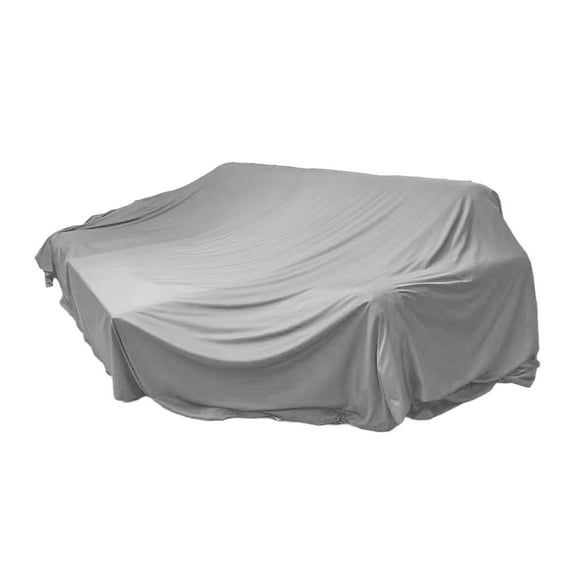
For a living room repaint, you may pair canvas with a 9x12 size to cover the main floor area. For storage pieces or a couch, you may use plastic to drape over wide shapes quickly.
During trim work, you can use a runner along baseboards and doorways to keep pathways covered. During garage or workshop projects, you may want heavier fabric and leakproof backing for messier tasks.
When you compare materials, weights, sizes, and backing, you can narrow the choice with less guesswork. You’ll end up with coverage that fits your project and makes cleanup much easier.