

Drain Cleaners in Cleaning Supplies

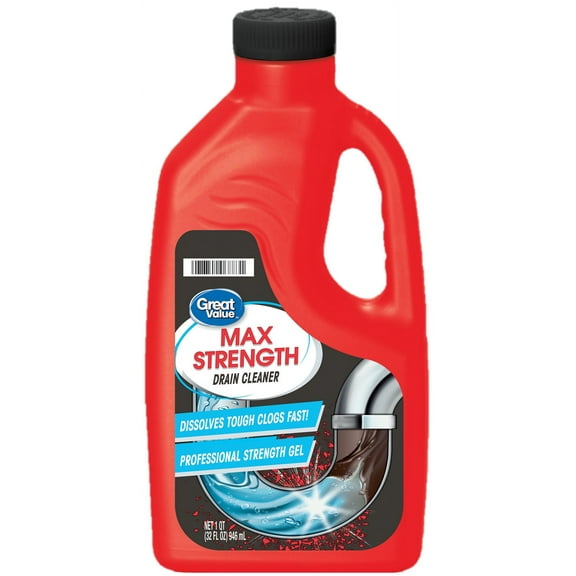
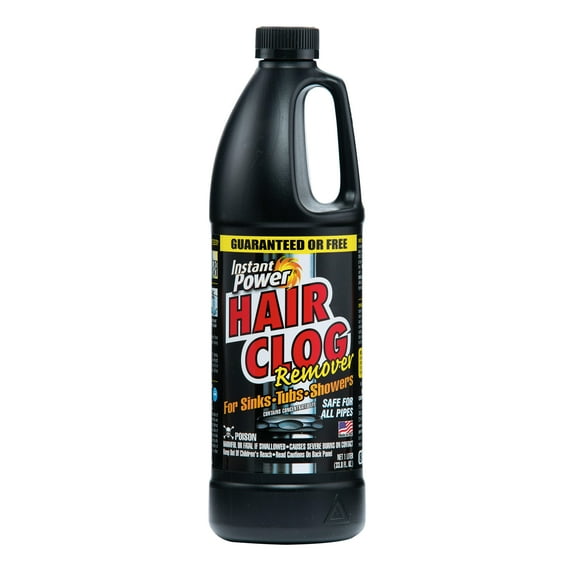

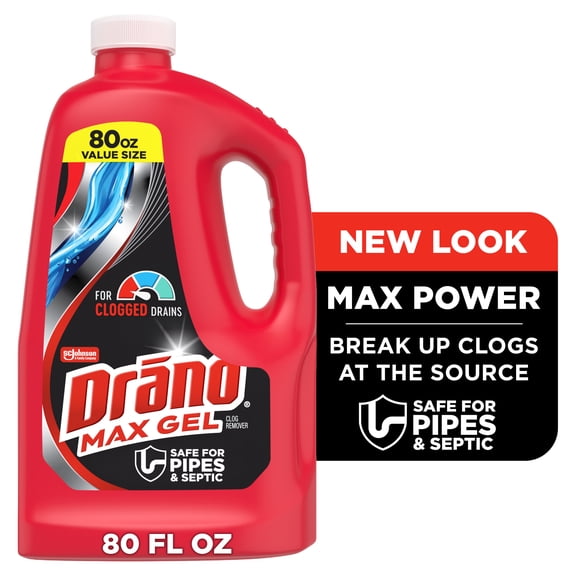
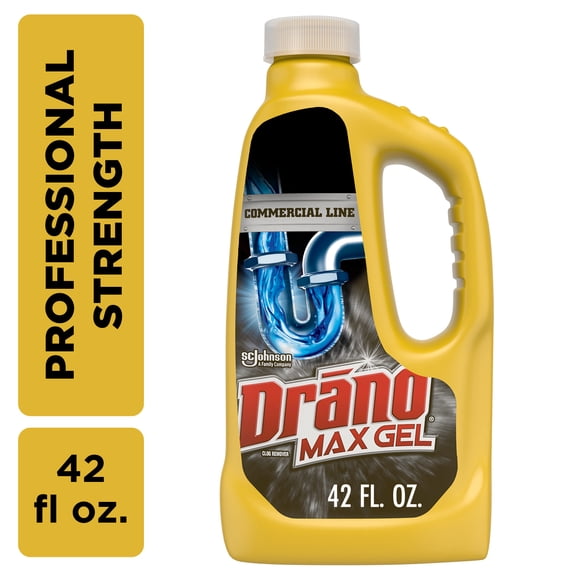

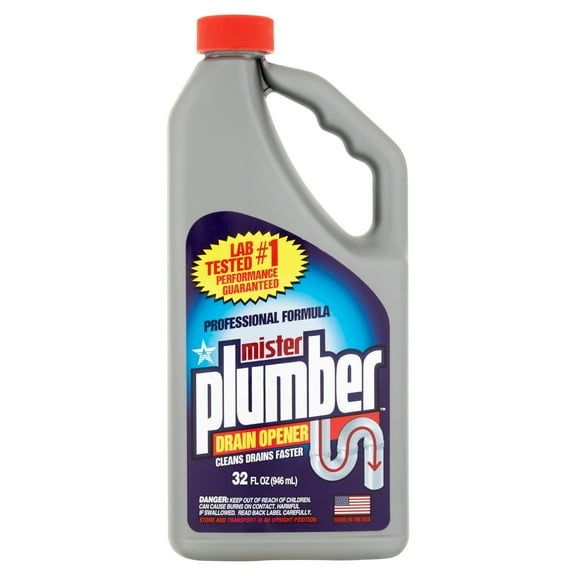


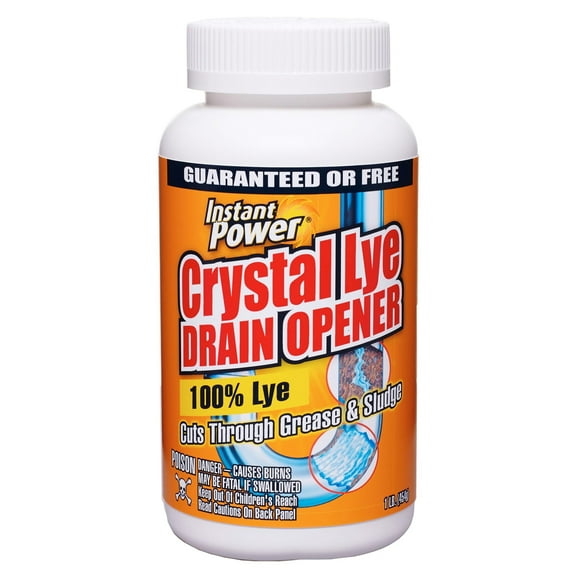
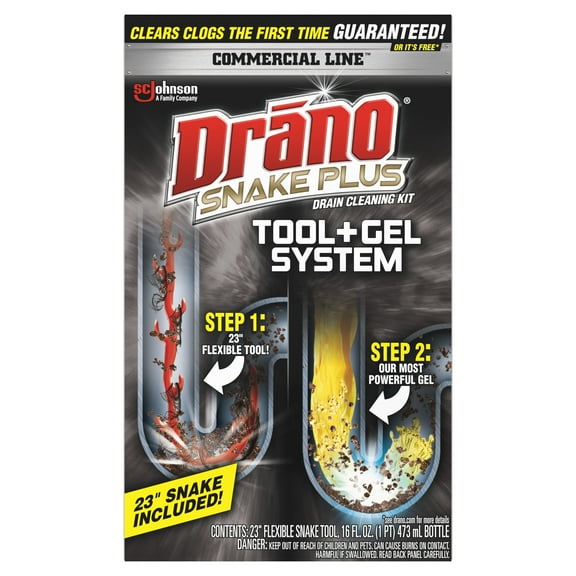
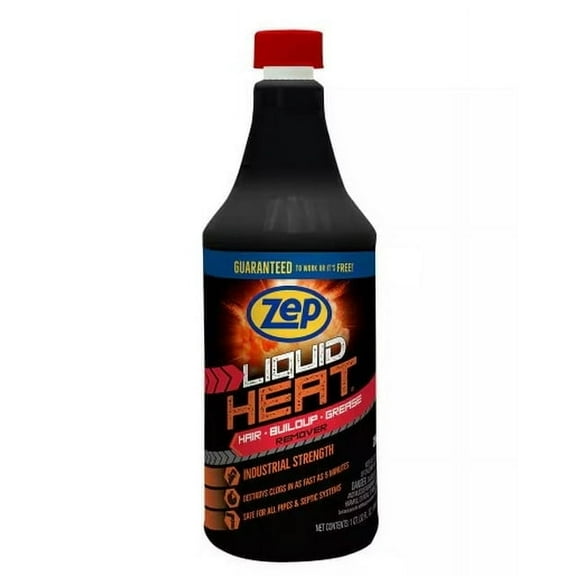
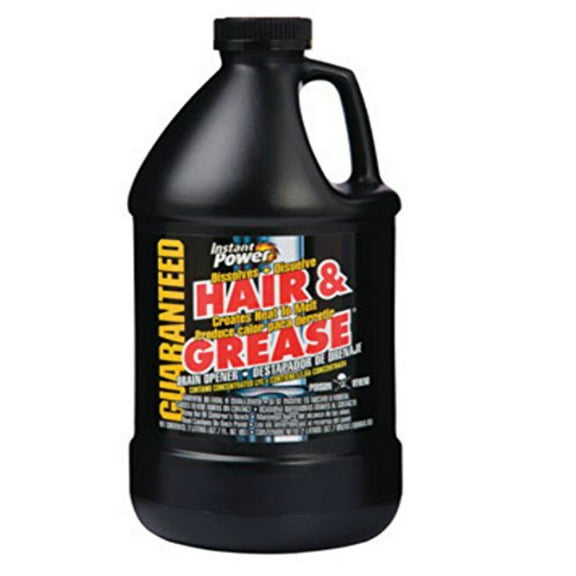
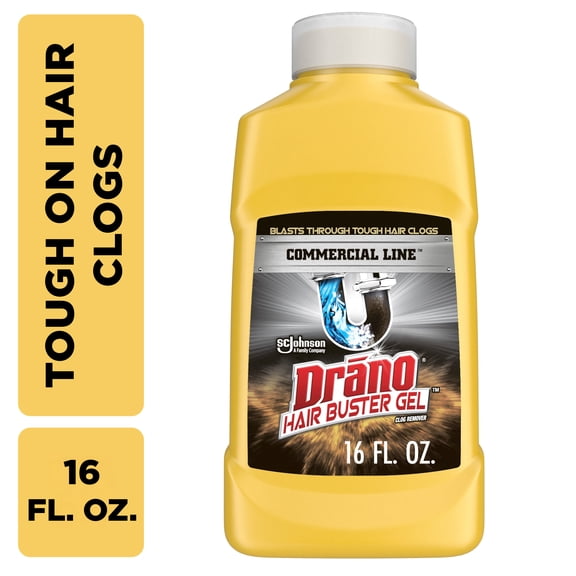
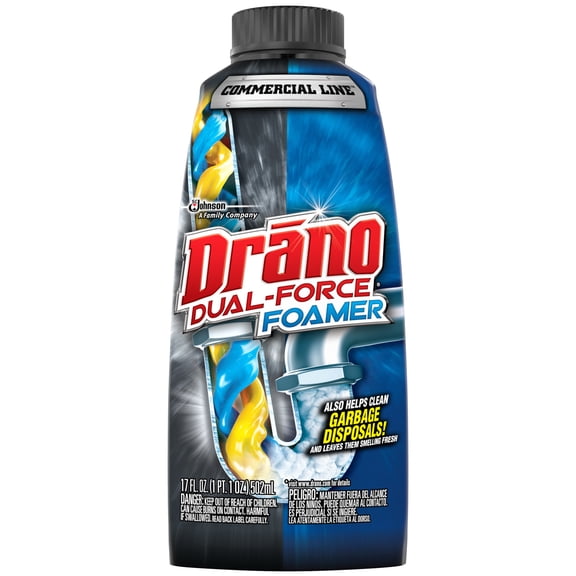
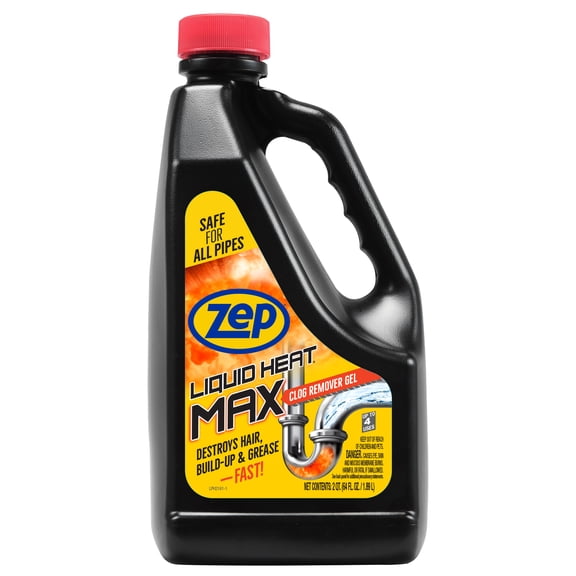







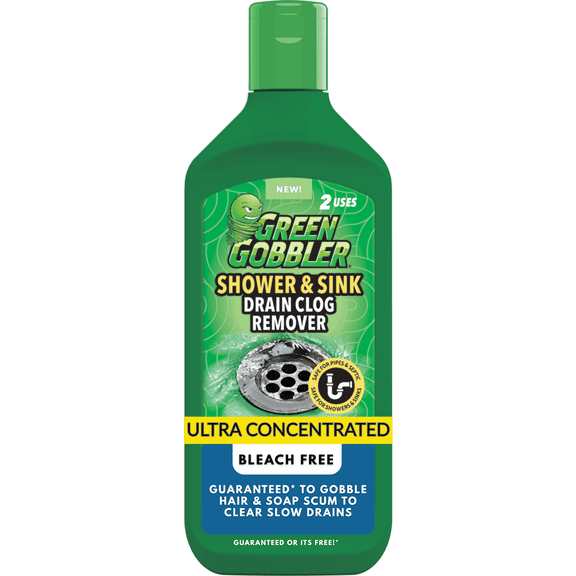

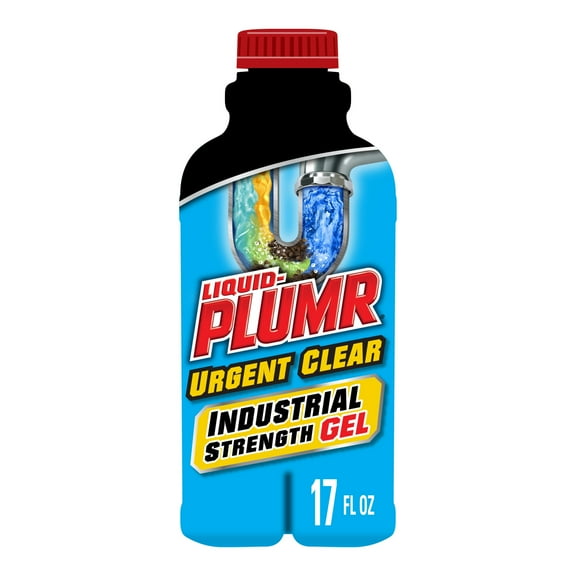
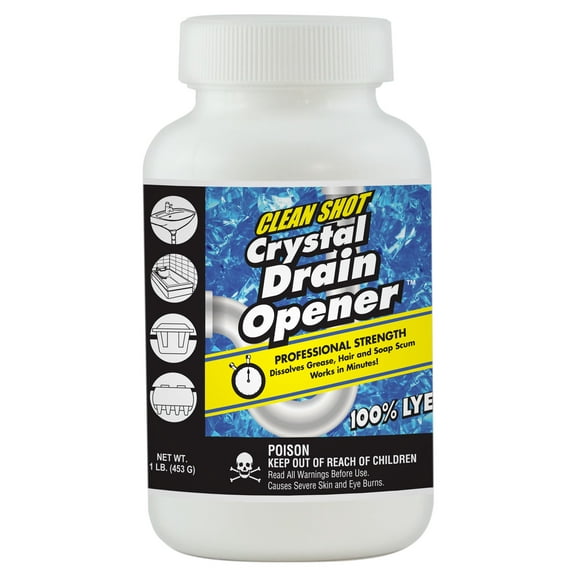
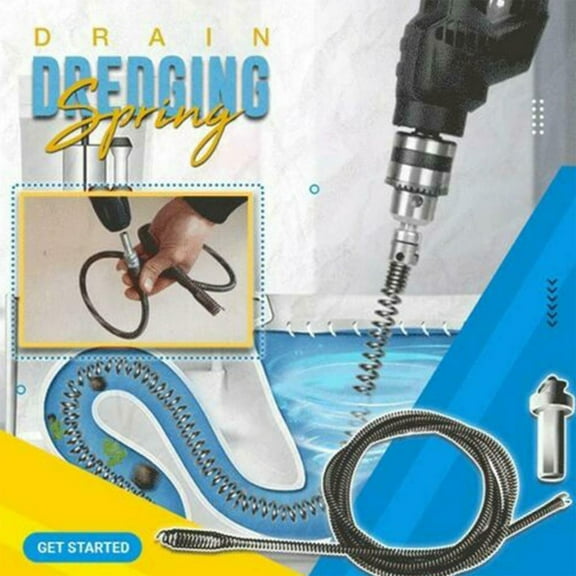


About Drain Cleaners in Cleaning Supplies - Walmart.com
Drain cleaners help you match the right formula to your clog, pipe material, and drain location. You can compare liquid, gel, foaming, powder, and crystal options for hair, grease, soap scum, and food waste.
If you're choosing for a busy kitchen or bathroom, you'll want guidance that fits real drain conditions. You can use this page to compare application areas, septic considerations, and pipe compatibility before you pick a drain clog remover.
How to choose drain cleaners by formulation
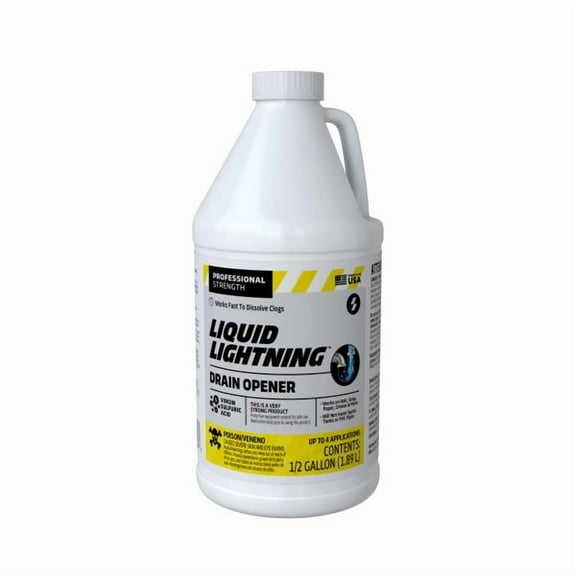
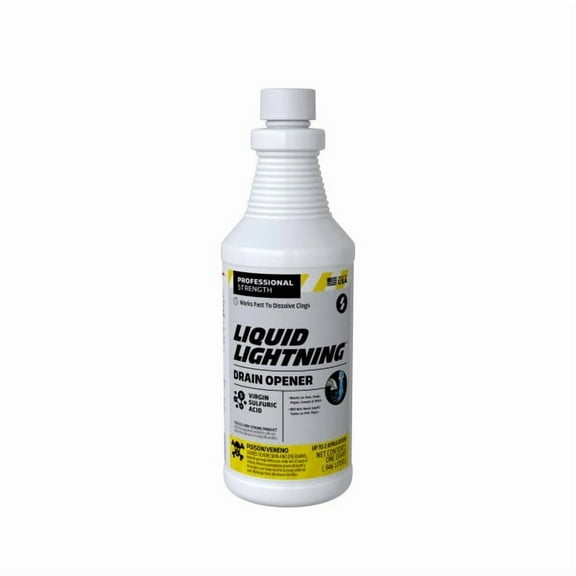
When you compare formulations, you should start with how the clog sits in the pipe. You'll often reach for a liquid drain cleaner when you want a simple pour-and-wait option.
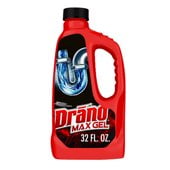
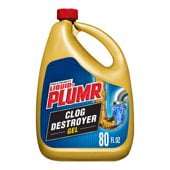
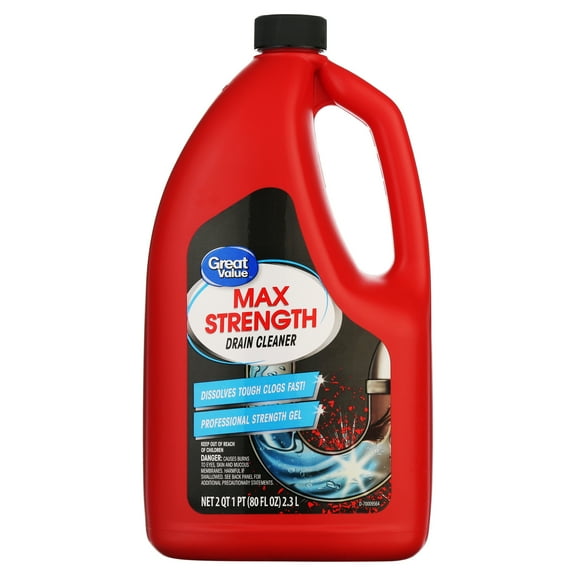
If you're dealing with standing water, you may prefer gel formulas because you can direct them through water more easily. You'll often consider foaming options when you want broader contact along pipe walls.
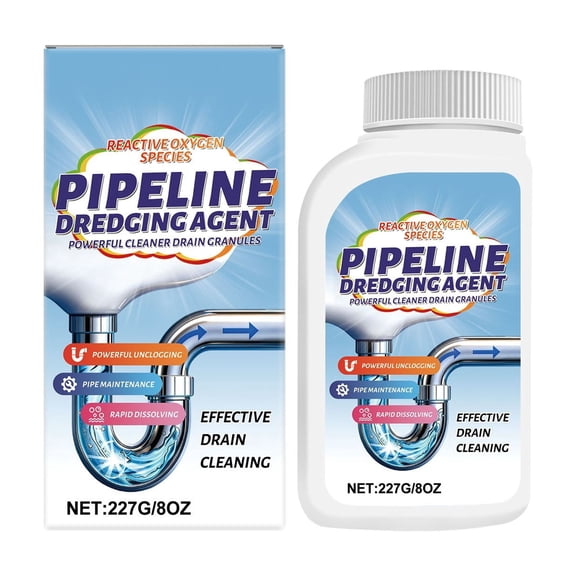
For heavy buildup, you may compare powder and crystal treatments that activate with water. You should check package directions carefully, because contact time and flushing steps can differ.
- You can use liquid formulas for quick routine maintenance in many household drains.
- You may choose gel formulas when you need thicker coverage through standing water.
- You can consider foaming treatments when you want expanded reach around pipe surfaces.
- You might compare powder or crystal options when you want measured dosing and targeted treatments.
Choosing a drain clog remover for the clog type
You can get consistent results when you match the formula to the material causing the backup. You should compare whether you're clearing hair, grease, soap scum, or food waste.
In bathroom drains, you may need a hair clog remover that targets strands mixed with soap residue. You'll usually want a formula labeled for showers, tubs, or sink drain cleaner use.
In kitchen lines, you may look for products designed for grease and food particles. You should note that grease clogs often need a different approach than bathroom buildup.
If you're treating recurring residue, you can compare maintenance-focused options and stronger one-time treatments. You can make an informed choice when you check whether the product works for slow drains or full clogs.
What to look for in sink drain cleaner and application areas
You should choose by location, because each drain type can collect different debris. You may need a sink drain cleaner for food waste, while shower and bathtub drains often trap hair.
For bathroom sinks, you'll often compare formulas that rinse clean and work in narrow lines. For showers and tubs, you may look for options made for longer hair and soap scum buildup.
If you're buying for toilets, you should confirm the label lists toilet compatibility before use. You'll also want to check whether the product works for septic system applications.
When you want straightforward application, you can compare pour-and-wait products with multi-step treatments. You may prefer a simple format if you're handling regular upkeep across several drains.
Checking pipe compatibility and septic safe drain cleaner options
You should always compare pipe materials before choosing a formula. You may see labels that reference PVC or metal pipes, and that detail can guide your decision.
If your home has PVC lines, you'll want a product labeled for that material. If you have older metal pipes, you should check the label for compatible use before treatment.
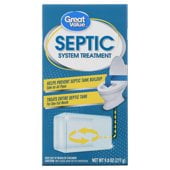
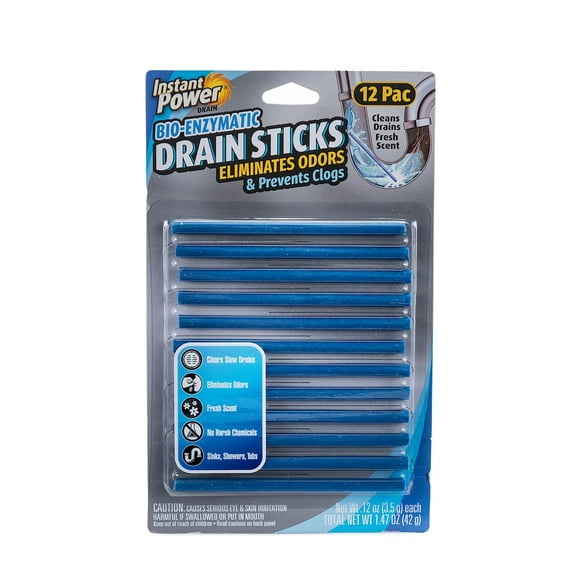
You can also compare how products work inside the drain. Shoppers often choose enzymatic options for septic safe drain cleaner routines, while chemical formulas may suit other clog types.
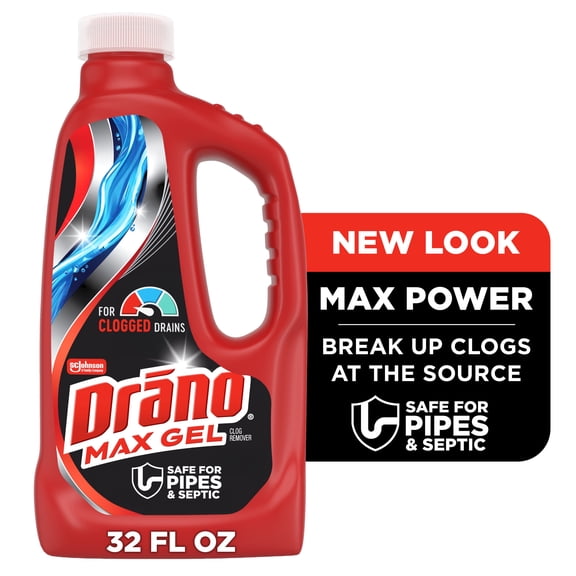
If you use a septic system, you should look for septic safe wording on the package. You'll also want to compare whether the formula works for regular maintenance or occasional heavy buildup.
Some shoppers also compare pipe safe, biodegradable, or non-toxic wording when they narrow options. You should verify those claims on the label, because product directions and intended uses can vary.
Matching drain cleaners to real household routines
You may keep one formula for kitchen drains and another for bathrooms, because clogs don't all behave the same way. You'll often want targeted options instead of relying on one treatment style everywhere.
If you're handling a slow shower drain, you may compare a hair-focused formula with a foaming treatment. You can then choose based on contact coverage and the amount of residue.
For a kitchen sink that drains slowly after cooking, you might compare products made for grease and food waste. You should also confirm the product works with your pipe material.
If you're maintaining a septic system, you may favor routine treatments with enzymatic action. You'll usually compare those with occasional clog-clearing products for tougher backups.
When you want a straightforward routine, you can look for easy-pour bottles and straightforward directions. You'll feel more confident when the treatment matches your drain, pipe type, and household setup.
With the right drain cleaners, you can choose a formula that fits your clog, your pipes, and your application area. You'll clear household drains with more confidence when your product choice matches the job from the start.