

Drafting Tables in Arts & Crafts Furniture and Storage




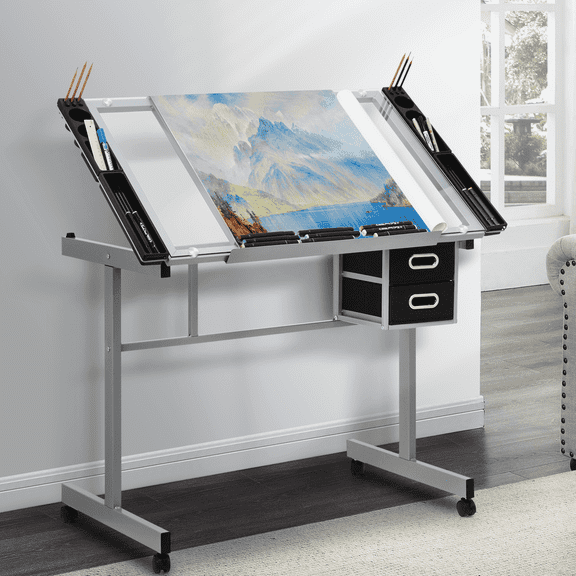
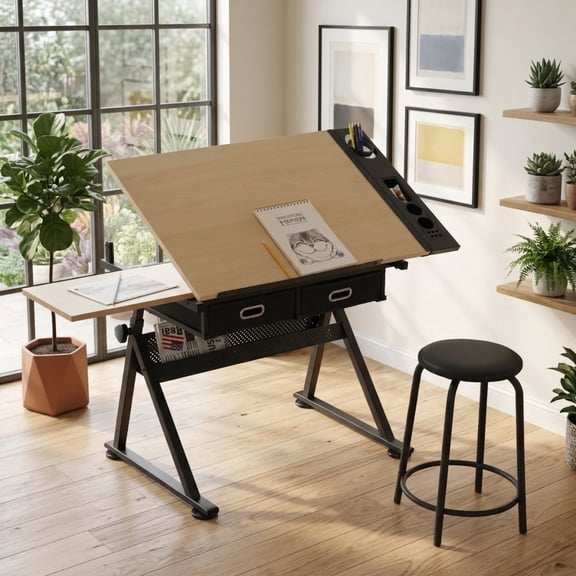


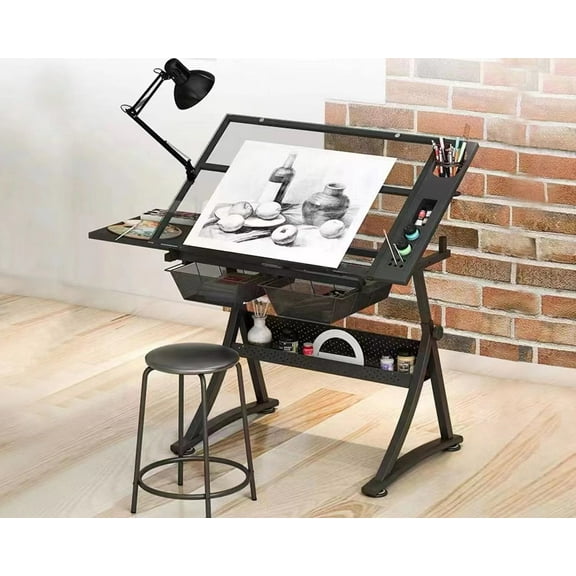


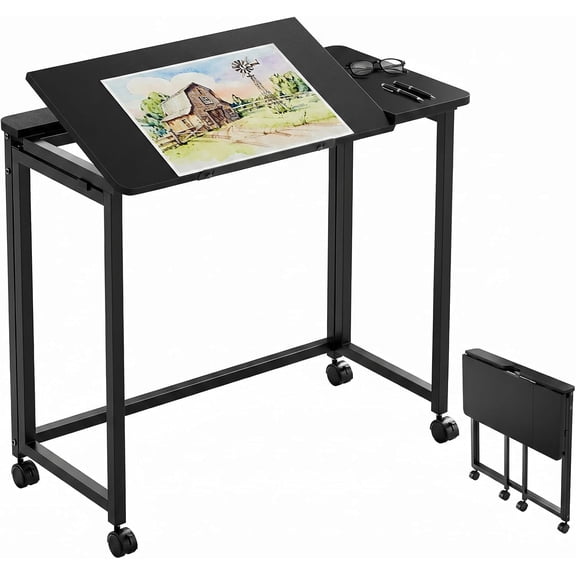

























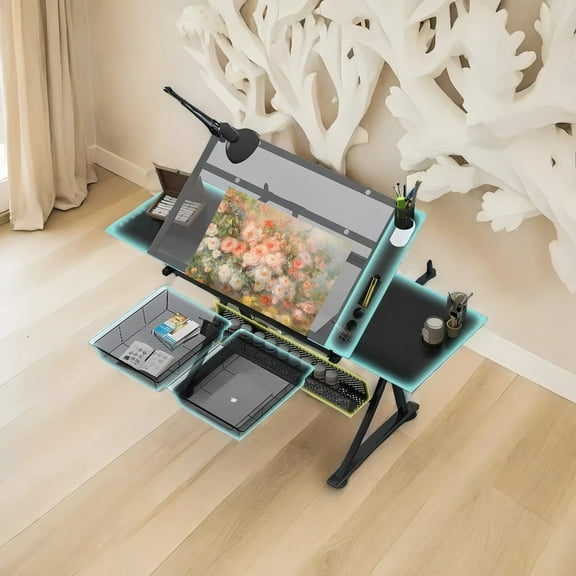

About Drafting Tables in Arts & Crafts Furniture and Storage - Walmart.com
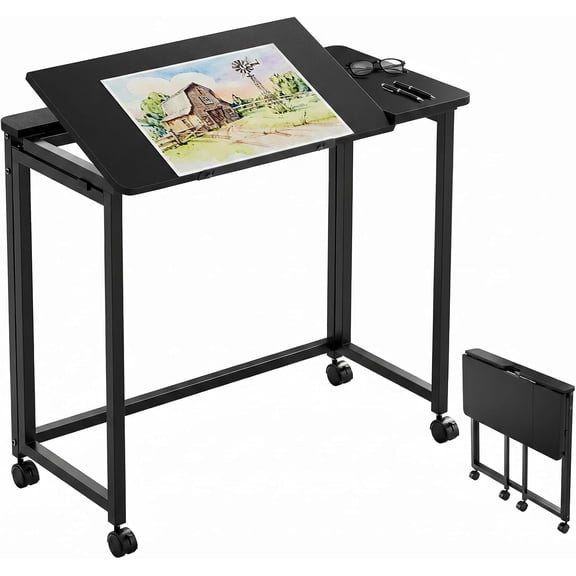
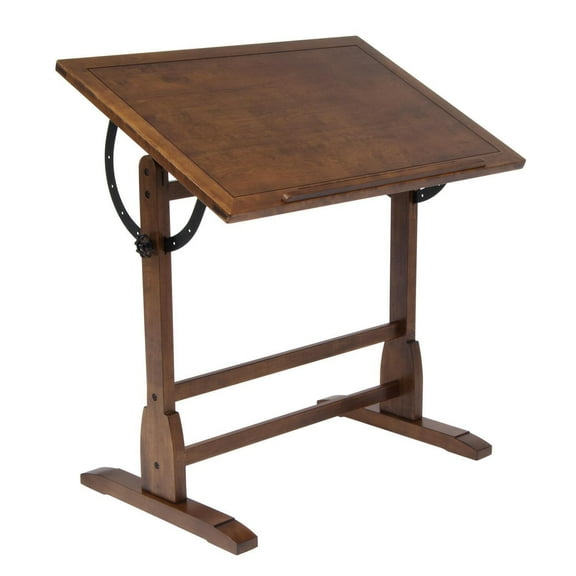
Drafting tables help you create cleaner layouts, sketches, and plans with an angled work surface that supports focused detail work. You can compare tilt, height, materials, and storage more easily when you shop this category with your workspace in mind.
How to choose drafting tables for your space
Start with tabletop size, because you need enough surface area for paper, tools, and reference materials. You should also measure your room footprint so your table fits comfortably beside shelves, chairs, or lamps.
If you work on large pads or blueprint sheets, you may want a wider top that gives your hands more room. If you live in a smaller space, you may prefer a compact drawing desk that still supports daily projects.
You should compare your main tasks before picking a style. You may need an art drafting table for sketching, a craft table for mixed media, or a drafting desk for technical drawing.
Choosing an adjustable drafting table
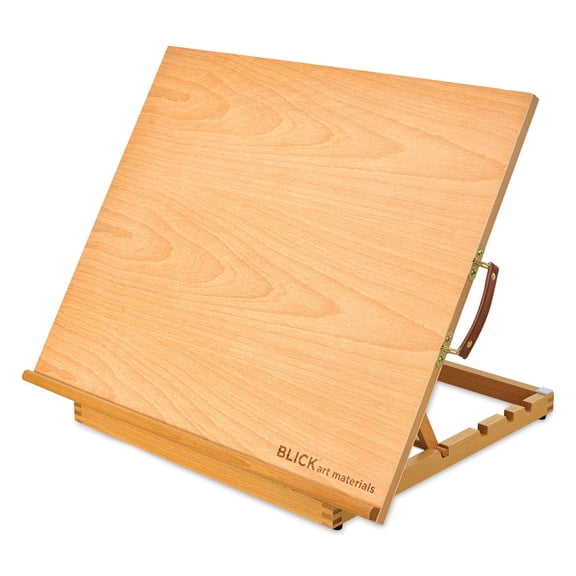
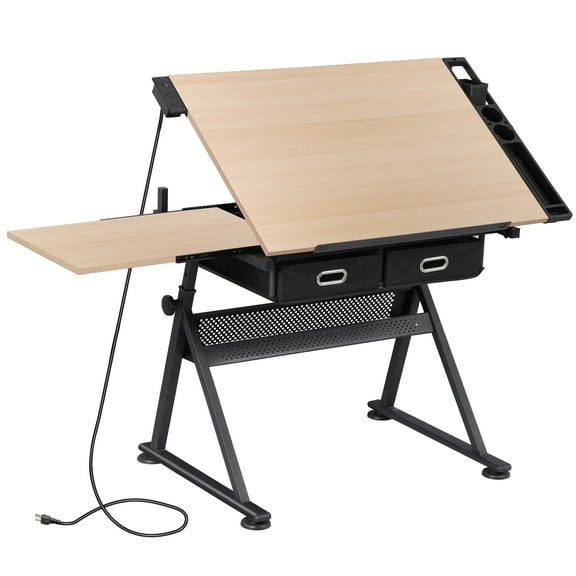
An adjustable drafting table gives you more control over posture and viewing angle during long sessions. You can switch between flatter positions for measuring and steeper angles for drawing, tracing, or lettering.
Look for the degree of tilt that matches your work style, because steeper angles can help you view lines with less leaning. You should also check whether tension knobs feel simple to adjust during busy project sessions.
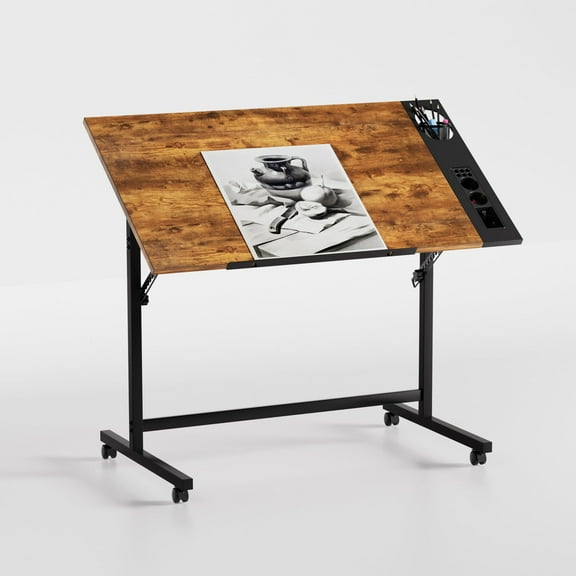
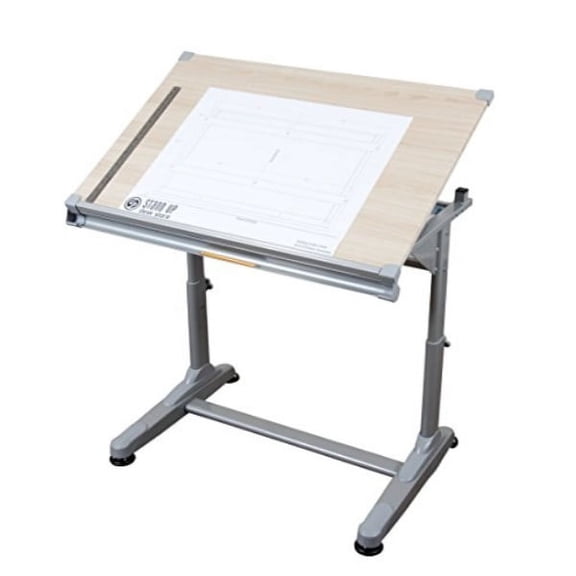
Height matters just as much as tilt, especially if you alternate between sitting and standing. You can compare height-adjustable options when you want one table to support schoolwork, art practice, and computer tasks.
- You can reduce neck strain from hunching by using a surface that angles toward your line of sight.
- You can keep pencils, rulers, and erasers closer with storage features built into the table design.
- You can move from homework to sketching to drafting without clearing a standard flat desk each time.
- You can choose a fixed model when you want a steady setup with fewer moving parts.
Comparing tabletop materials and surfaces
Material changes how your workspace looks, feels, and cleans up after each session. You should compare tempered glass, solid wood, melamine, and metal based on your daily routine.
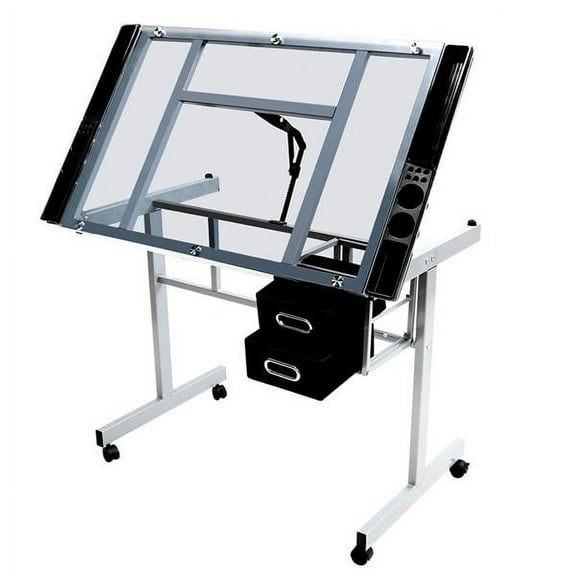
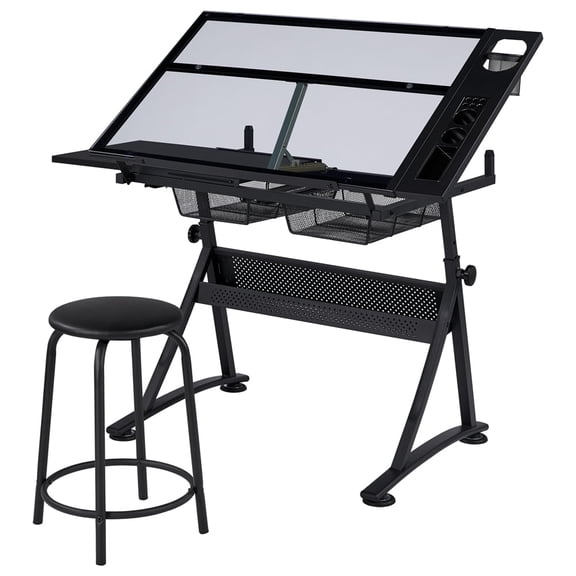
A glass drafting table can give you a clean, modern look and a smooth writing surface. You may like tempered glass when you want quick wipe-downs and a lighter visual feel in smaller rooms.
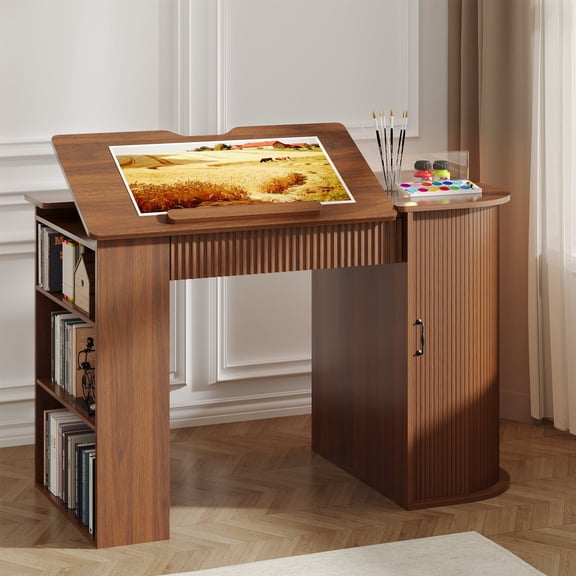
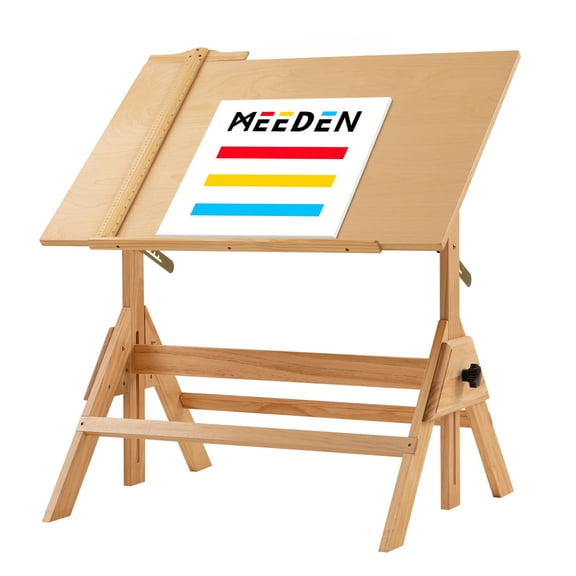
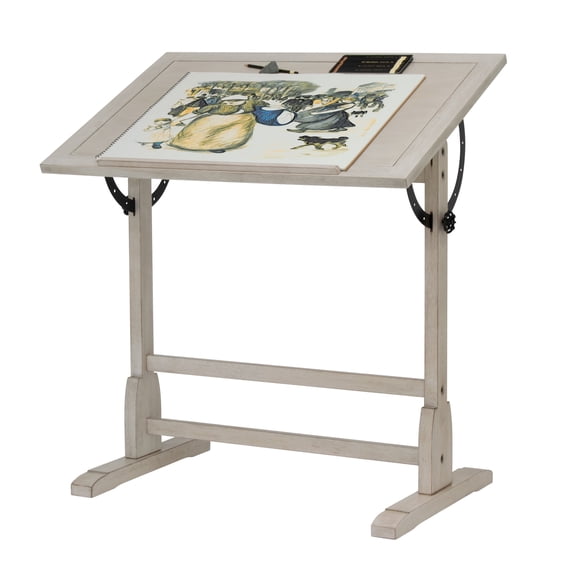
Solid wood can feel warmer and more traditional in studios or home offices. You may choose wood when you want a sturdy surface that pairs well with classic shelving and framed artwork.
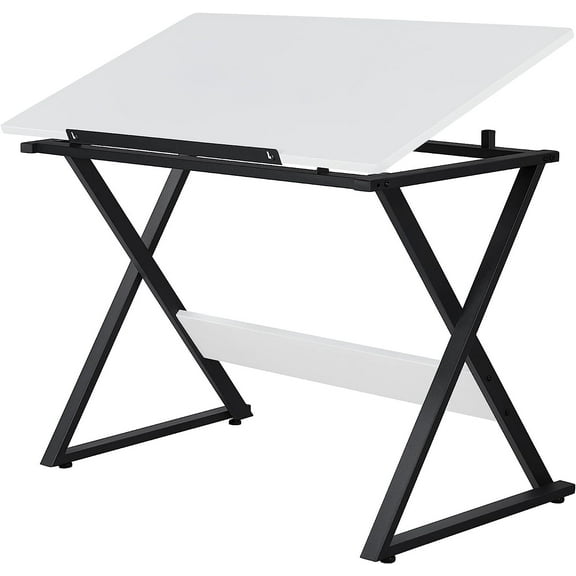
Melamine can give you a smooth finish that works well for everyday projects and school assignments. Metal frames can add a streamlined look, and you may appreciate them when you want a stable base.
Picking storage options that match your tools
Storage can shape how efficiently you move through each project. You should think about whether you use pencils, markers, brushes, rulers, or rolled plans every day.
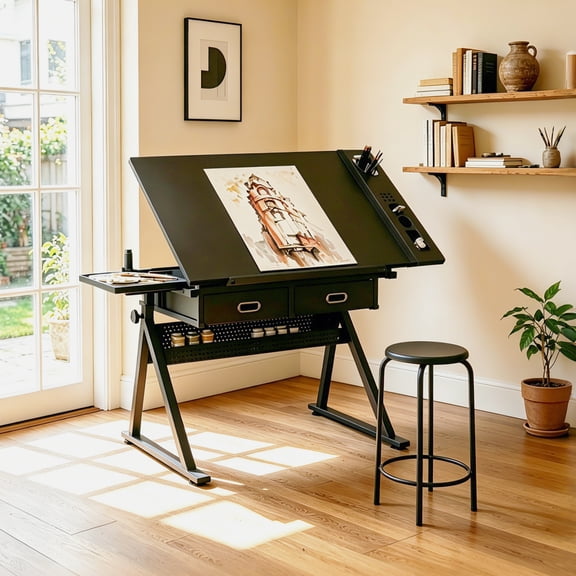
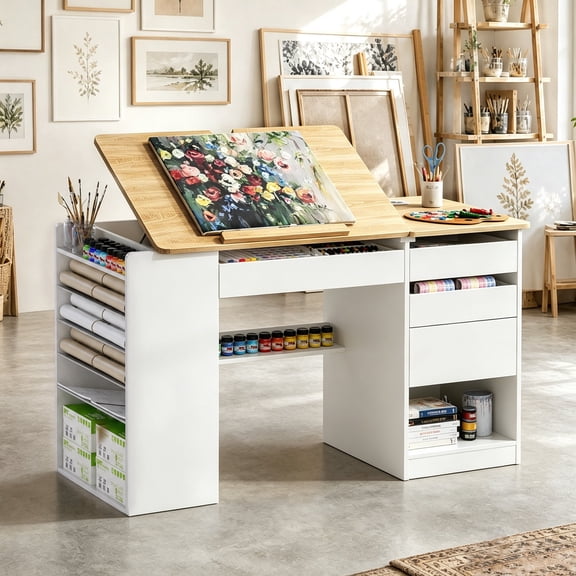
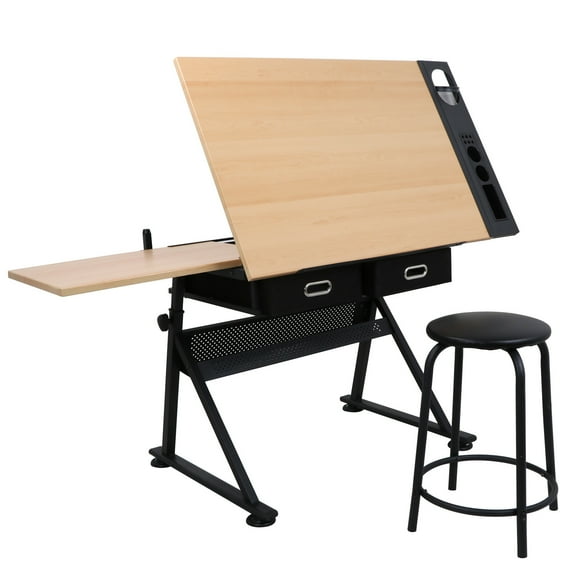
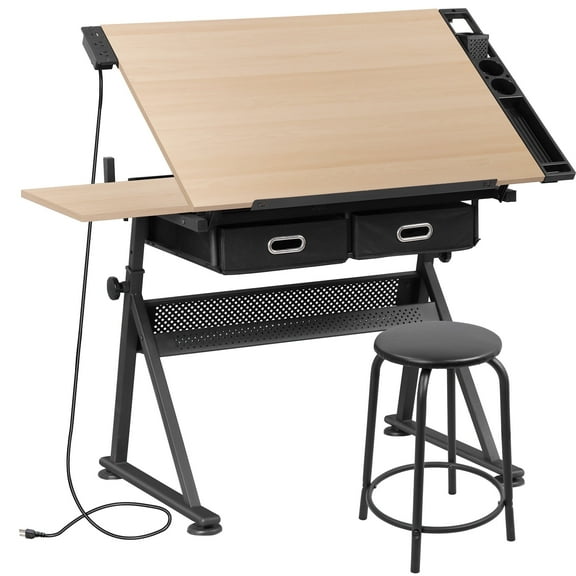
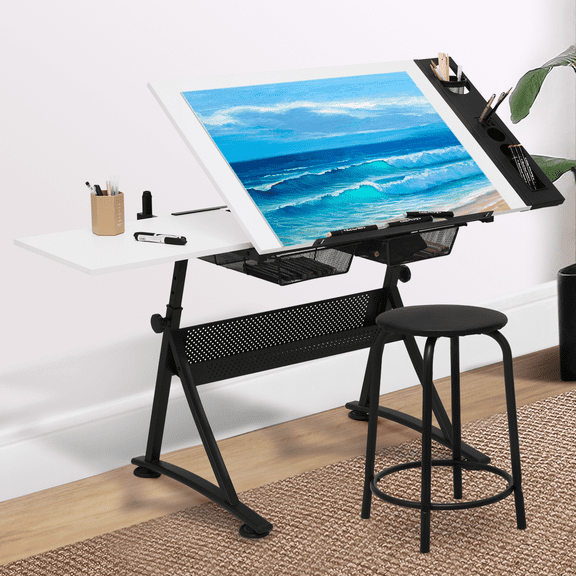
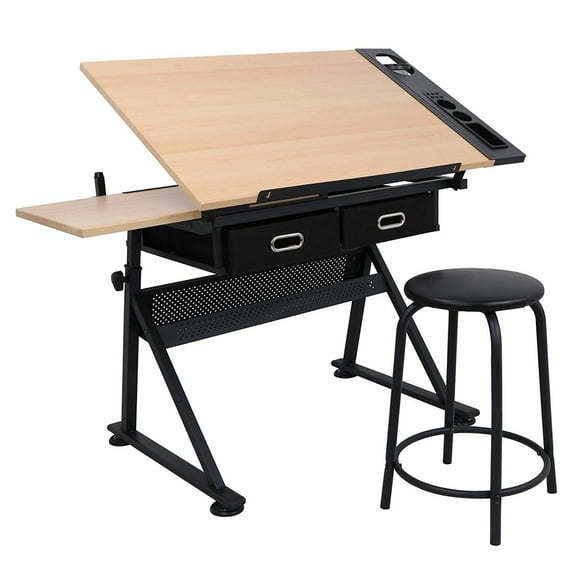
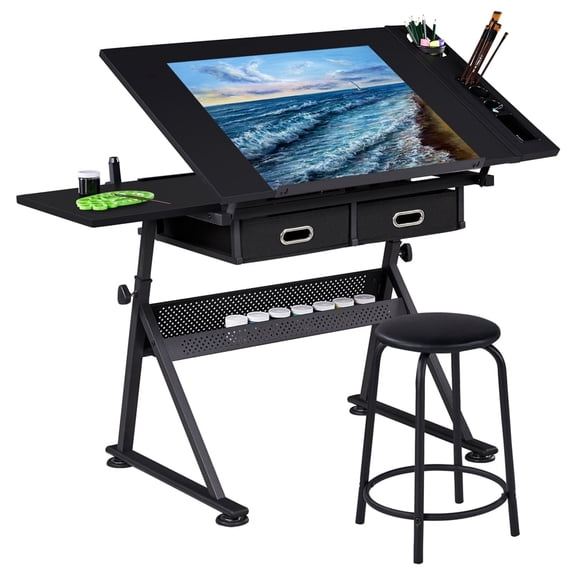
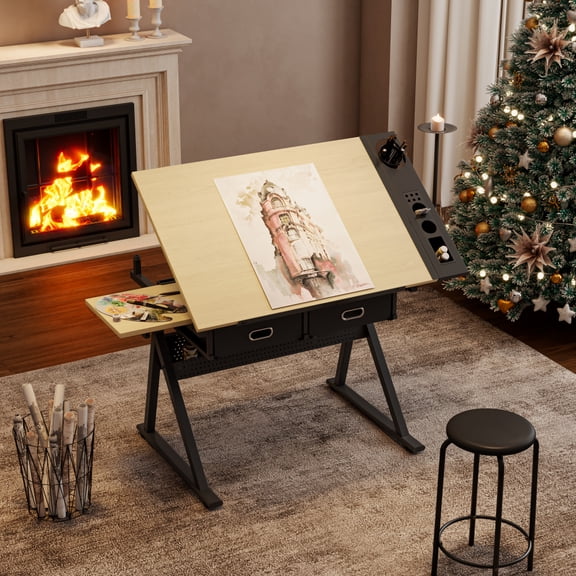
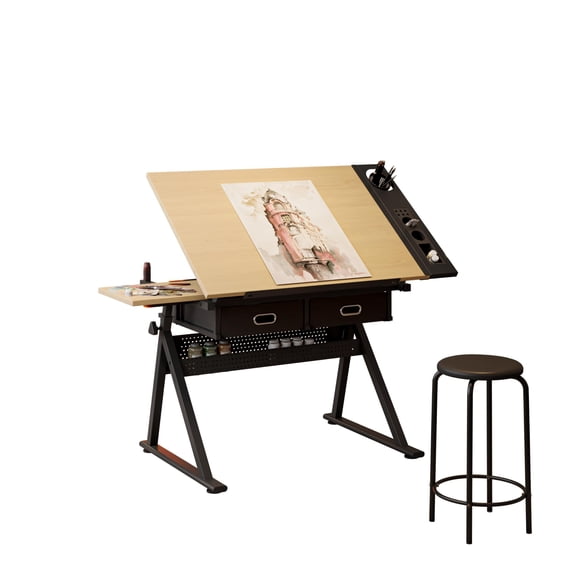
A drafting desk with drawers helps you separate small tools and keep your main surface clearer. Side trays can help you reach supplies quickly, while a pencil ledge helps keep items from sliding on a tilted top.
You may prefer a minimalist table when you already store supplies in nearby carts or cabinets. You can choose more built-in storage when you want fewer add-ons around your chair and foot space.
Matching intended user needs to the right setup
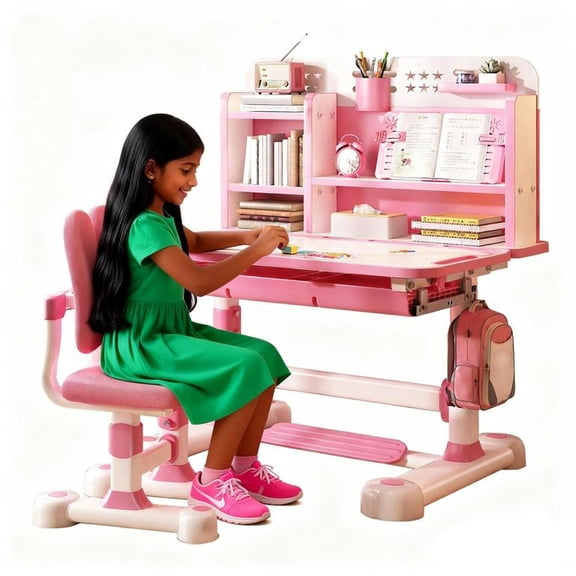
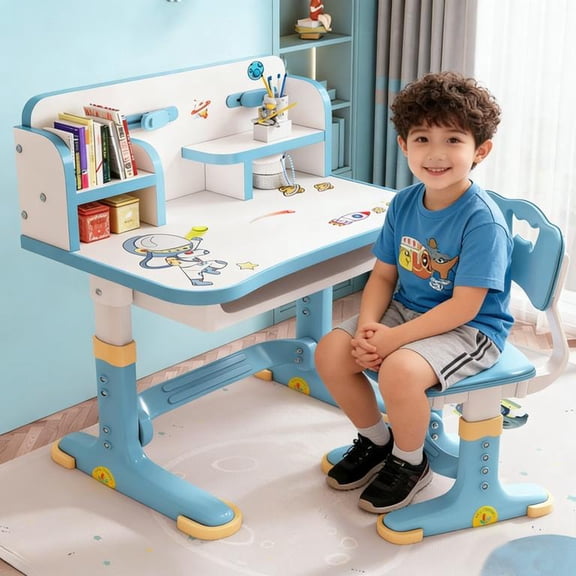
Students often need a drafting table for students that supports homework, art class, and compact room layouts. You may want simple adjustments and modest storage when you share space with books, laptops, and dorm essentials.
Artists may focus on tilt range, surface feel, and room for sketchbooks or larger drawing pads. You can compare an art drafting table when you need an angled surface for illustration, painting prep, or tracing.
Architects and design hobbyists may care more about precise viewing angles and room for tools. You should look for enough space for rulers, templates, and papers that need a flatter or partially tilted position.
Using drafting tables in everyday projects
You can use these tables for comic art, fashion sketches, lettering practice, and architectural layouts. You may also use a tiltable table for artists when you want a more comfortable viewing angle for line work.
Some setups work well in bedrooms, studios, classrooms, or shared family spaces. You can pair your table with drafting chairs, desk lamps, and art supplies to create a more organized creative zone.
Assembly and setup can also affect your decision, especially if you plan to move the table often. You should check the frame style, tabletop size, and storage layout so your setup feels practical from day one.
When you compare drafting tables by adjustability, material, storage, and intended user, you can narrow the field with confidence. You’ll end up with a workspace that supports cleaner lines, steadier focus, and easier project organization.