

Door Draft Stoppers in Door Weatherproofing




































![[Large Door Sweep] Huge Gap Door Draft Stopper, Door Bottom Seal with Wider Strong Adhesive](https://i5.walmartimages.com/seo/Large-Door-Sweep-Huge-Gap-Door-Draft-Stopper-Door-Bottom-Seal-with-Wider-Strong-Adhesive_4d553b54-c610-4242-be55-8603b3881d35.de38f974abbc536996cc42ef0903a3b0.png?odnHeight=576&odnWidth=576&odnBg=FFFFFF)


About Door Draft Stoppers in Door Weatherproofing - Walmart.com
Door draft stoppers help you block chilly airflow, soften outside noise, and improve comfort around entryways, patio doors, and room doors. You can compare sizes, attachment styles, and materials that match your door clearance, floor surface, and installation preference.
How to choose door draft stoppers
When you compare door draft stoppers, you should start with the gap under your door and the surface below it. You’ll get a cleaner fit when you measure the width first and check threshold clearance before choosing a style.
If your door has low clearance, you may prefer a slim under door seal or adhesive sweep. If your door has more room, you can consider double-sided foam or a weighted breeze blocker.
You’ll also want to match the stopper to the room. You may choose a door sweep for exterior doors, while interior doors may work well with lighter single-sided or fabric options.
Key benefits of an under door draft blocker
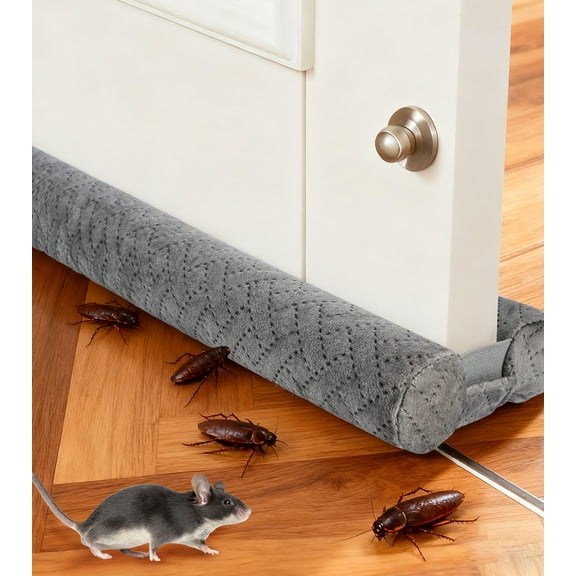
An under door draft blocker can help you keep airflow from slipping through the gap at the bottom of the door. You may also notice less hallway noise and fewer everyday dust gusts moving between rooms.
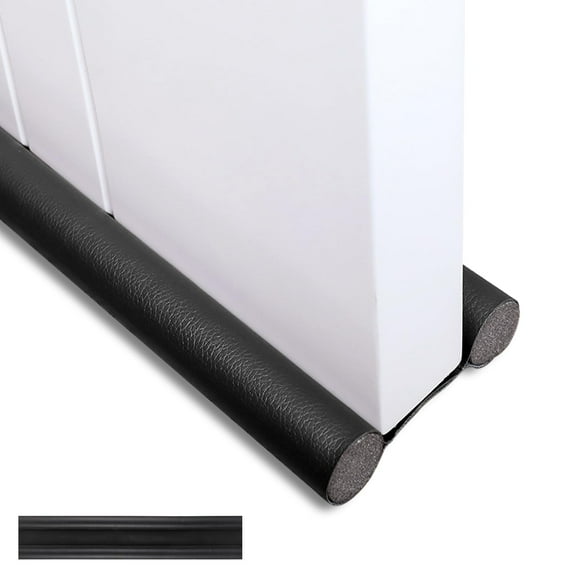
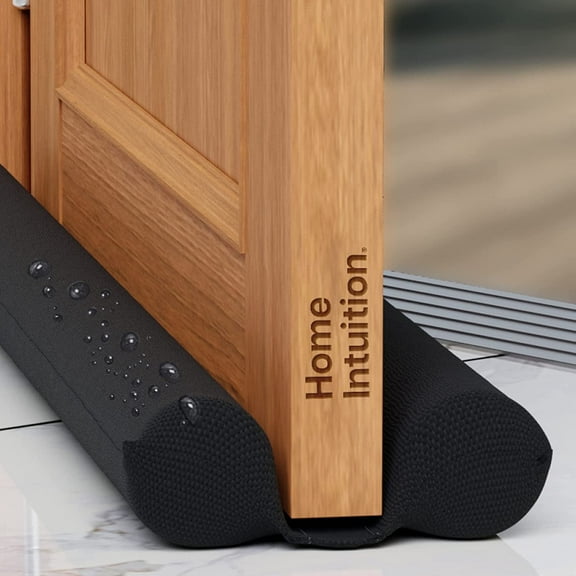
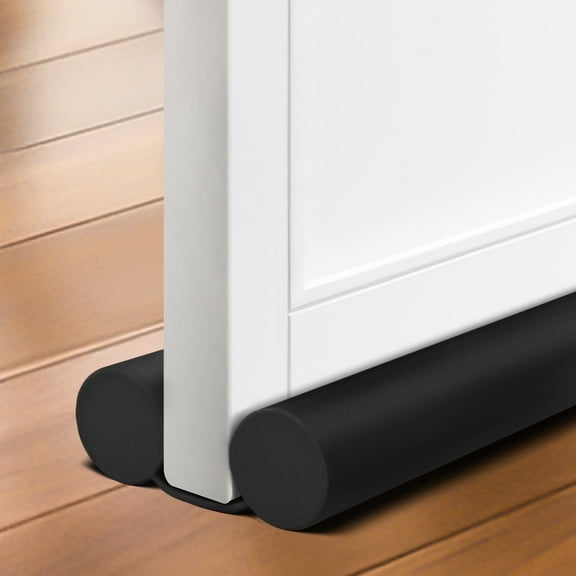
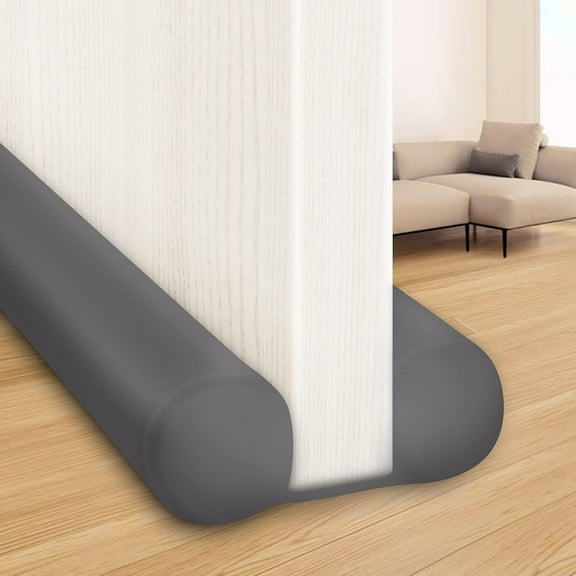
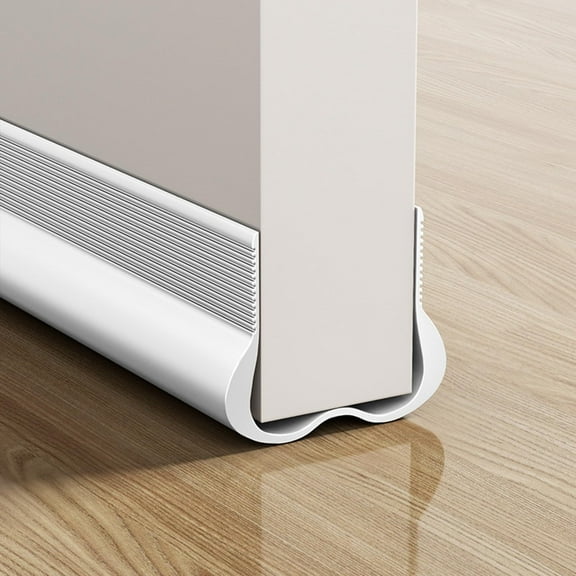
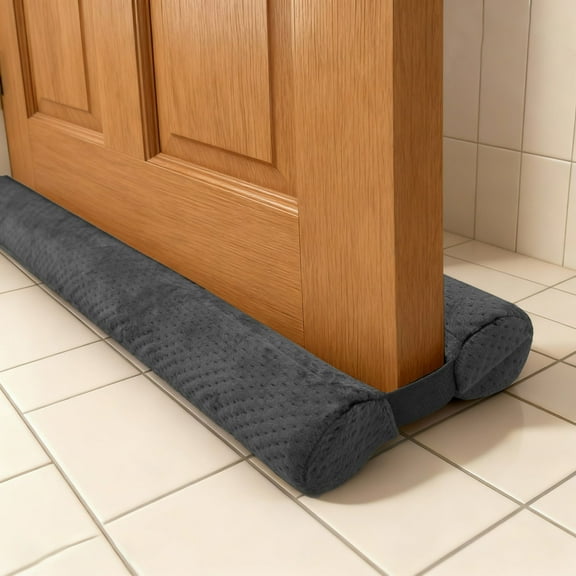
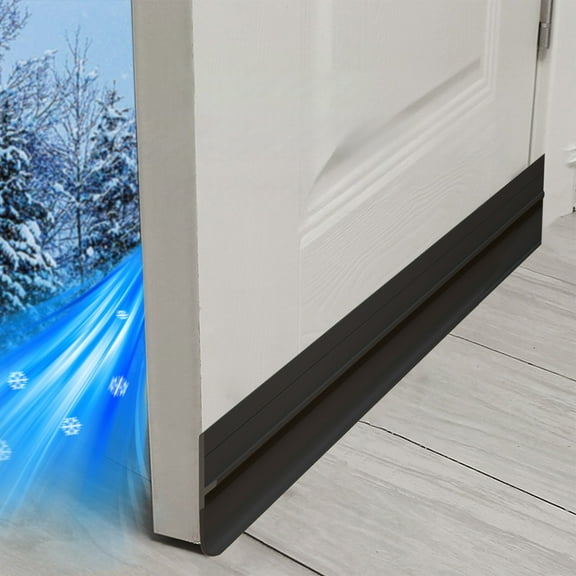
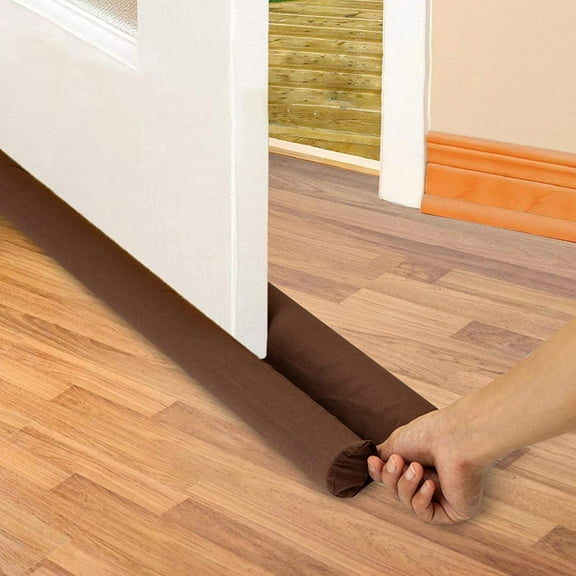
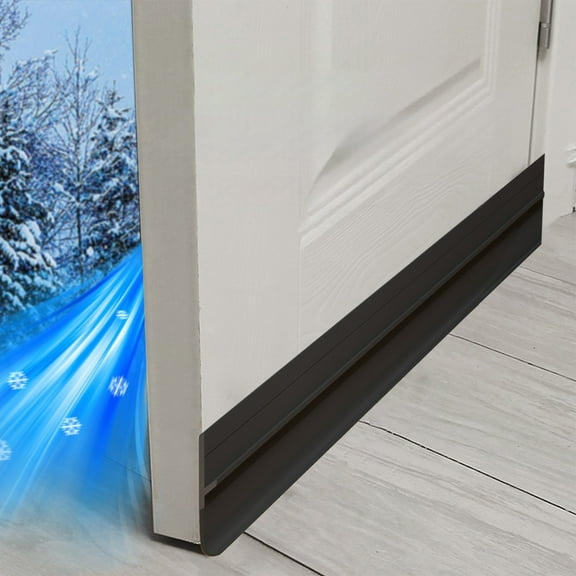
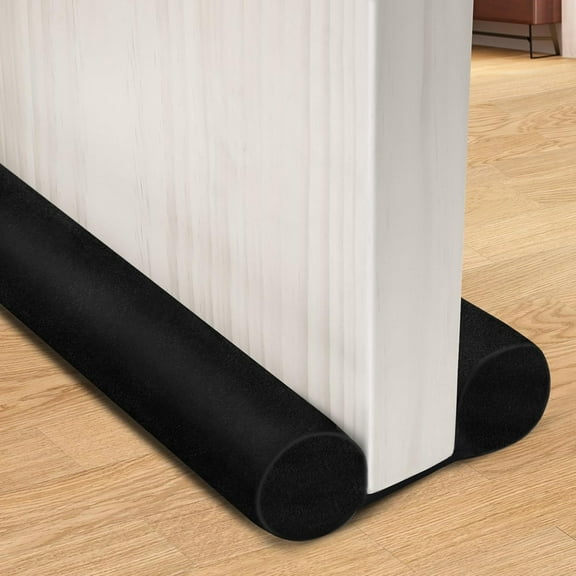
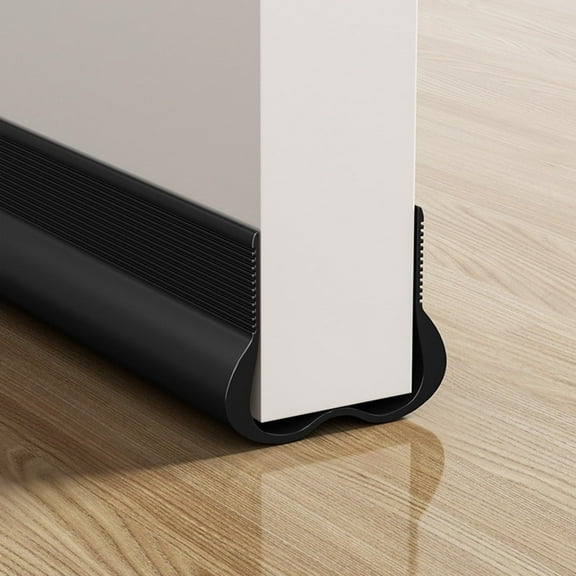
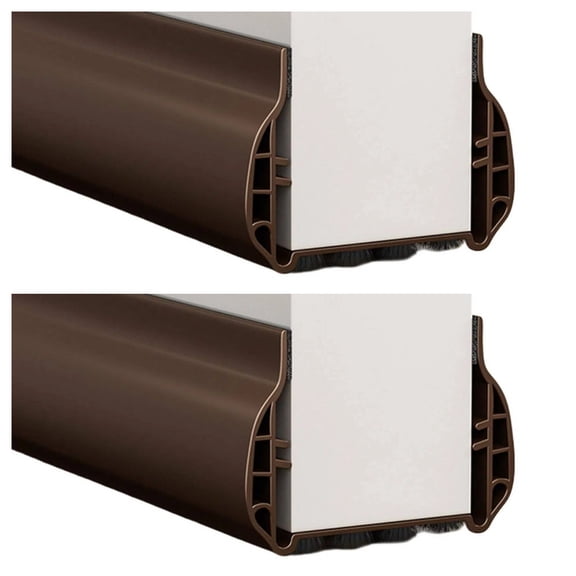
Double-sided styles wrap around the bottom edge, so you get coverage on both sides of the door. That design can move with the door, which helps you avoid constant repositioning.
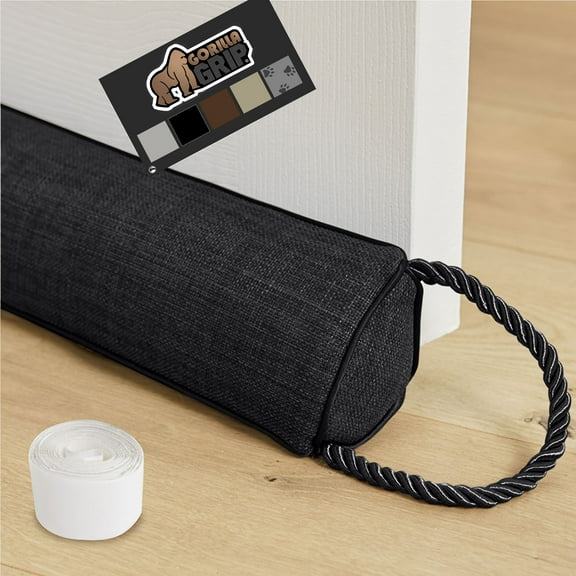
Single-sided and adhesive styles can suit quick updates when you want a simple install. Weighted options can rest against the door and work well when you want flexible placement.
- You can reduce drafts along entry doors, bedroom doors, and shared living spaces.
- You can choose a style that slides, sticks, or rests in place.
- You can limit light gaps that show under the door.
- You can pick materials that match smooth floors or carpeted rooms.
If you’re planning for colder months, a winter door draft blocker can help you prepare seasonal entry points. You can also use one year-round where air movement feels noticeable.
Comparing types, materials, and attachment methods
You’ll usually choose among double-sided, single-sided, adhesive sweep, and weighted designs. Each type changes how the stopper fits, moves, and stays aligned with your door.
Double-sided foam styles can suit doors that open often because the blocker travels with the door. Single-sided styles can suit lighter gaps when you want a lower-profile look.
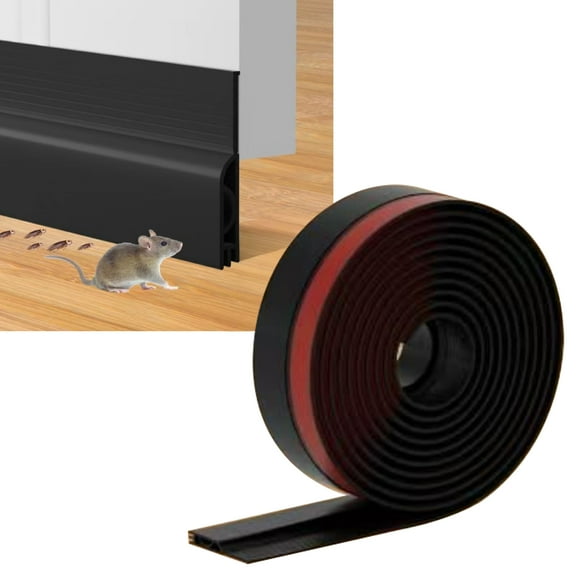
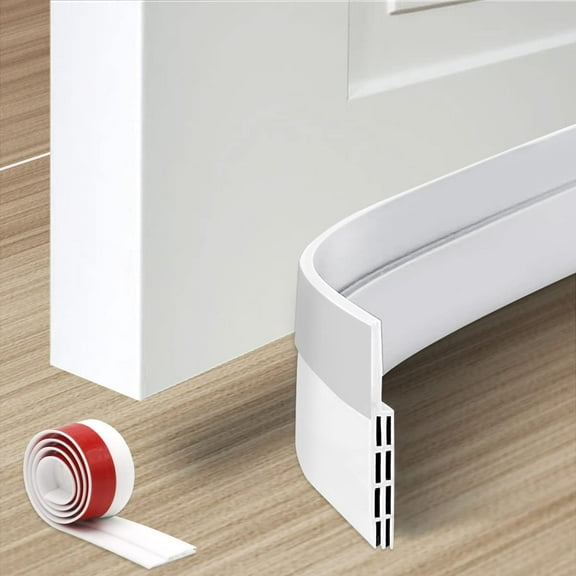
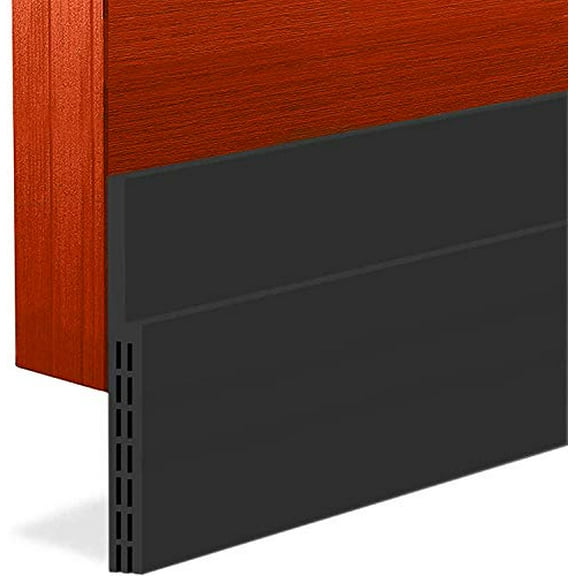
An adhesive sweep can create a neat under door seal along the bottom edge. You should check whether your door surface is smooth and clean before you apply adhesive tape.
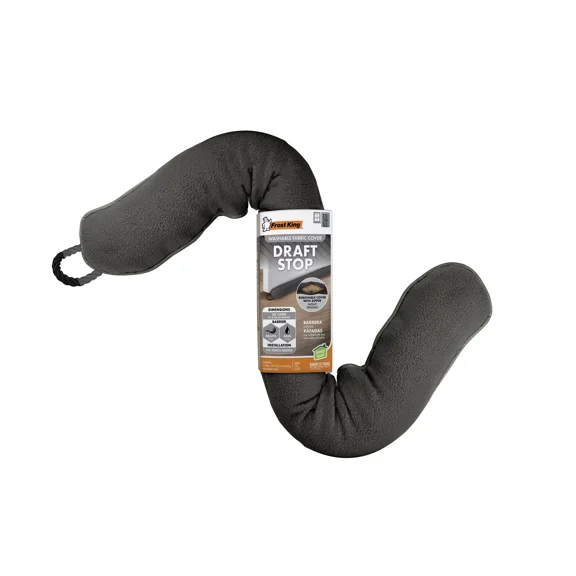
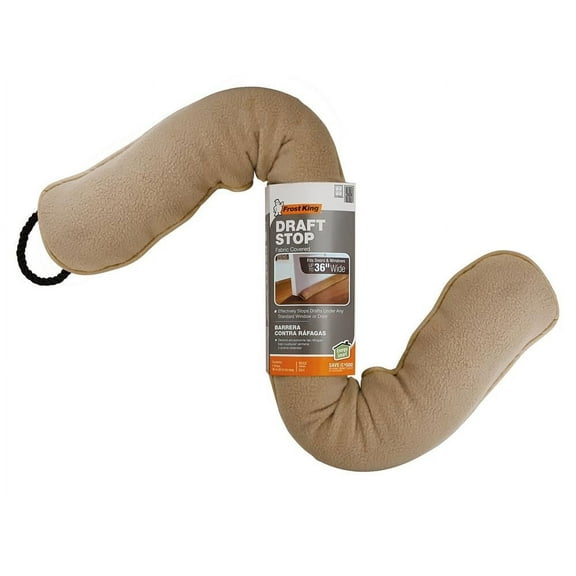
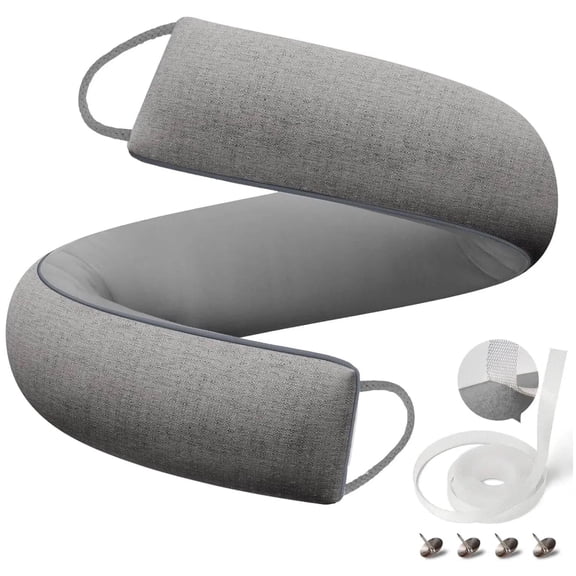
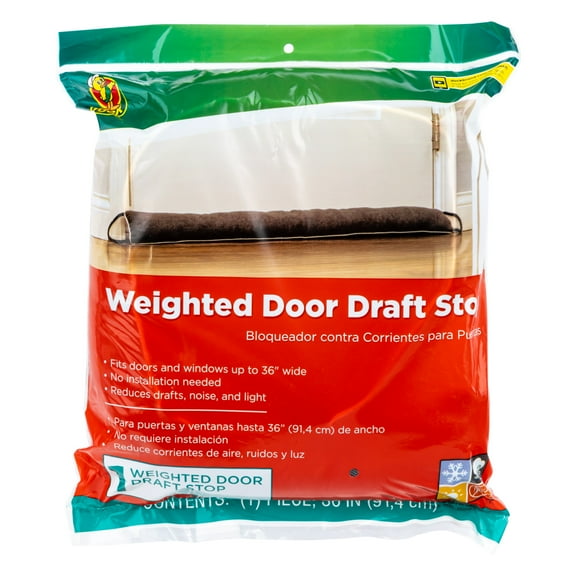
A weighted breeze blocker can work well when you want simple placement without permanent attachment. You can move it between rooms, which helps if you switch needs by season.
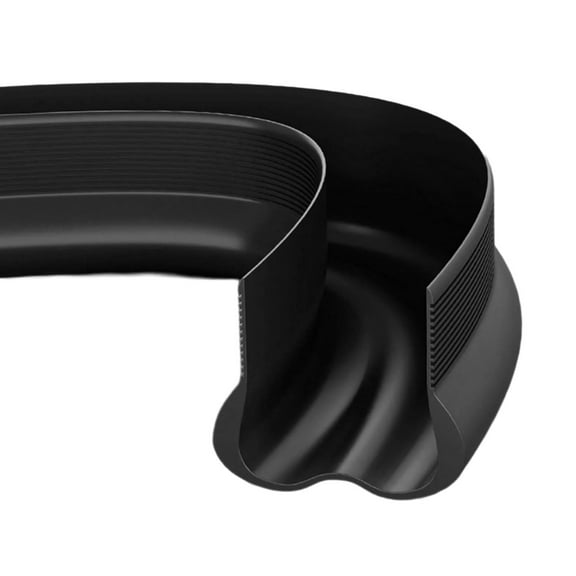
Material also matters when you compare performance and feel. You may choose foam for soft compression, silicone for a flexible edge, fabric for a softer finish, or rubber for a firmer sweep.
Attachment method affects both effort and durability. You can compare slide-on, adhesive tape, hook-and-loop, weighted, or magnetic door draft stopper styles based on how often you open the door.
If you want quicker setup, slide-on styles can be easy to position after measuring. If you want a fixed fit, adhesive and hook-and-loop options can stay aligned with the door edge.
Choosing the right fit for sliding doors and exterior doors
A sliding door draft stopper should account for track movement and tight clearances. You should look for slim profiles that won’t drag or interfere with the door’s glide.
For exterior doors, you may want a door draft guard or door sweep for exterior doors that handles frequent opening. You should compare rubber, silicone, or sweep-style edges that sit close to the threshold.
Glass doors and patio doors often need careful measuring across the full width. You can choose 32-inch, 36-inch, 38-inch, or adjustable lengths to match common door sizes.
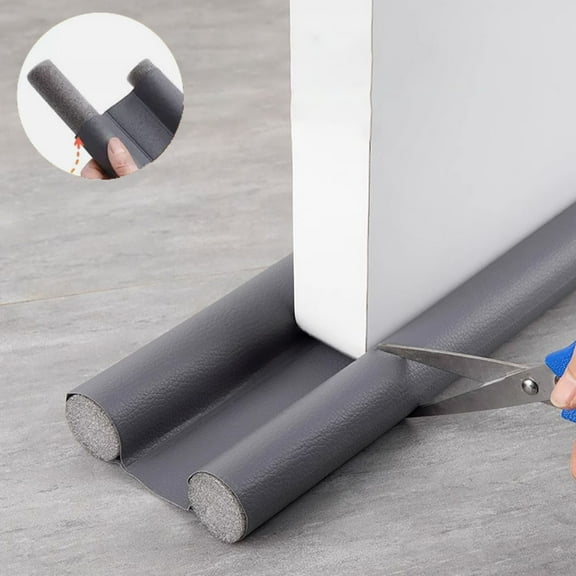
If your doorway falls between standard sizes, you should check whether the design trims easily. Adjustable options can help you fine-tune coverage without leaving exposed corners.
Carpet and rugs can change how a stopper moves. You should compare pile height and floor contact so your under door draft blocker doesn’t bunch or scrape during daily use.
What to look for before installation
You’ll get a smoother install when you measure door width, bottom gap, and threshold height before choosing a style. You should also check whether the door swings over tile, wood, vinyl, or carpet.
Adhesive styles usually need a clean, dry surface for secure placement. Slide-on styles usually need enough bottom clearance so the piece fits without forcing the door.
Hook-and-loop options can help when you want easier removal for cleaning or seasonal changes. Magnetic door draft stopper styles can appeal when you want guided placement along compatible door setups.
If you’re sealing a busy entry, you may want durable materials that keep shape through repeated opening. If you’re updating a guest room, you may prefer a lighter fabric or foam style.
Use cases for everyday comfort and seasonal weatherproofing
You can use door draft stoppers at front entries where cool air slips under the door during colder weather. You can also place them at back doors, mudrooms, and garage entry doors.
In apartments or shared homes, you may use an under door draft blocker to soften sound transfer between rooms. You may also use one to reduce light from hallways during evening hours.
A sliding door draft stopper can help with patio doors where long bottom gaps feel noticeable. You should look for adjustable lengths and slimmer profiles that work with the track area.
For nurseries, offices, or media rooms, you may prefer fabric or foam styles that blend into indoor spaces. For high-traffic exterior doors, you may lean toward silicone, rubber, or sweep designs.
If you’re comparing weather stripping for doors with bottom seals, you should think about where the draft starts. You may need a bottom blocker when the gap is under the door, not around the frame.
You can also pair a breeze blocker with other weatherproofing updates for windows and door edges. That approach helps you target the opening where you feel significant airflow first.
With the right measurements, material, and attachment style, you can choose door draft stoppers that fit your space cleanly and move the way you need. You’ll notice a more comfortable doorway and a more finished seal at the bottom edge.