

Shop Durable Dollies for Moving and Storage























About Shop Durable Dollies for Moving and Storage - Walmart.com
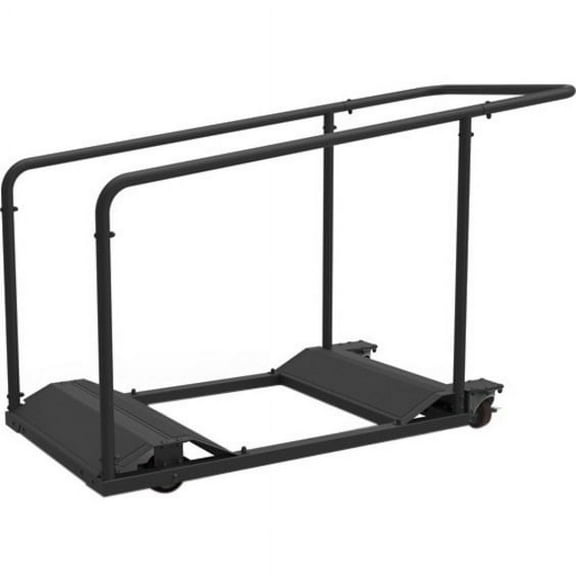
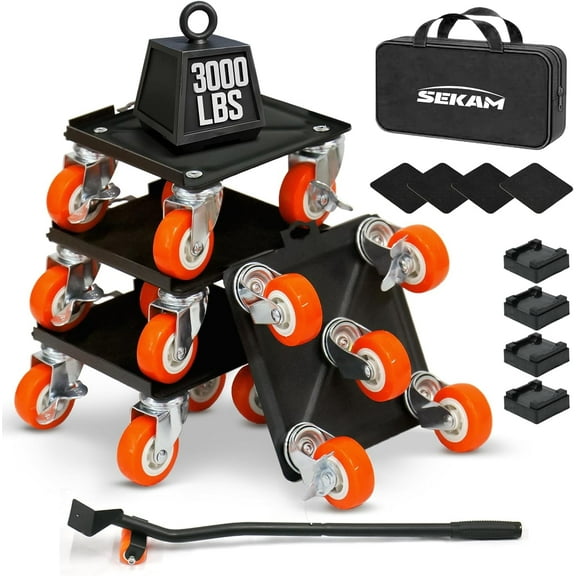
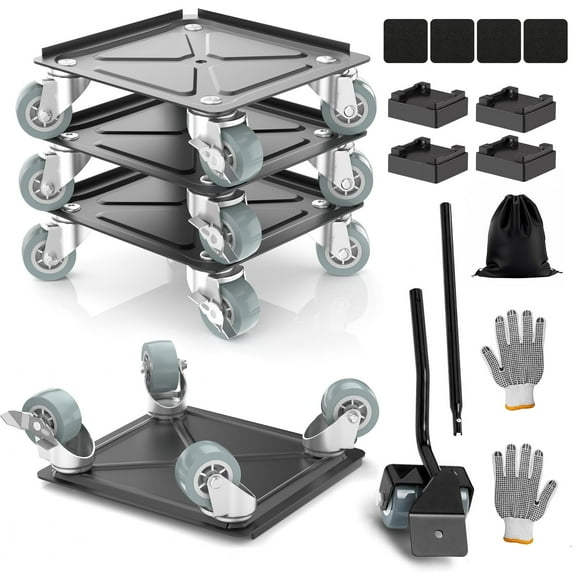
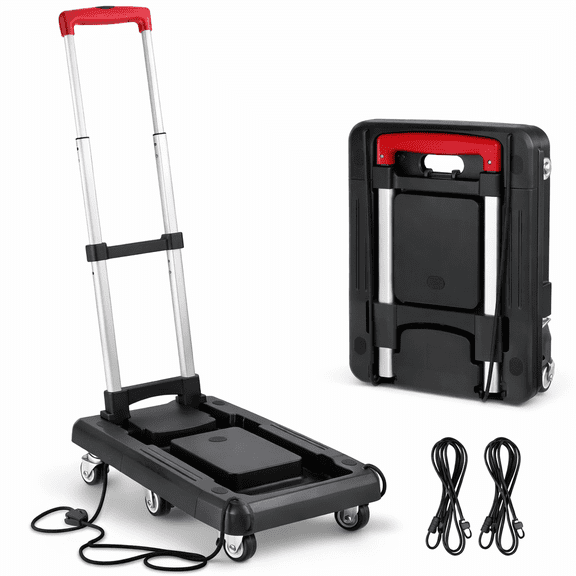
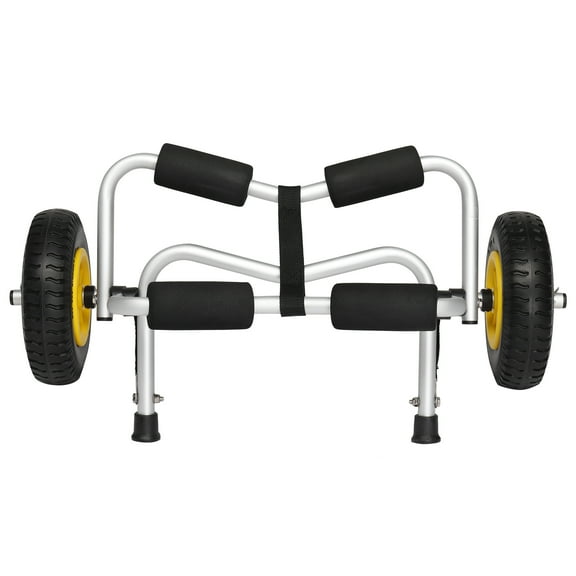
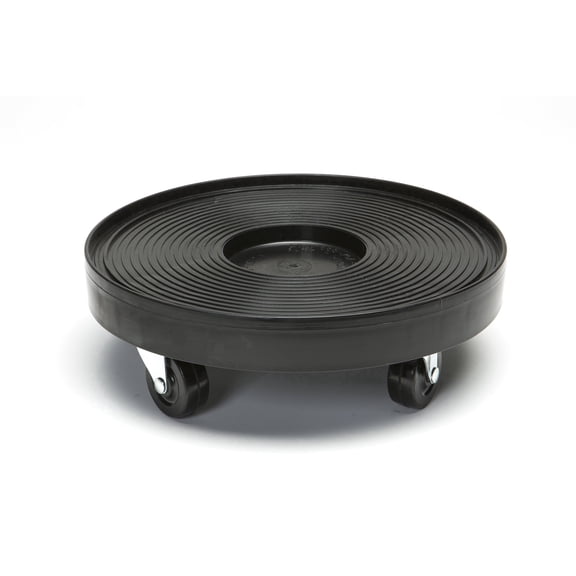
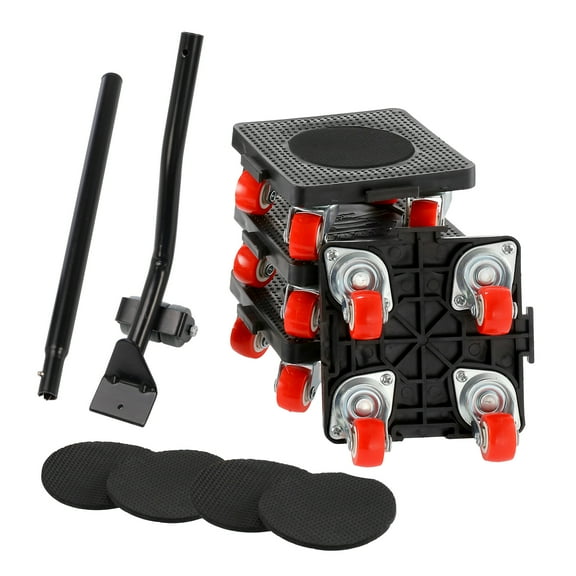
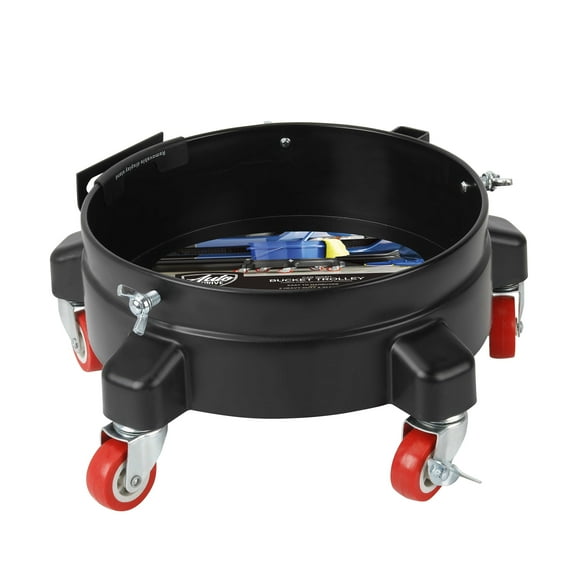
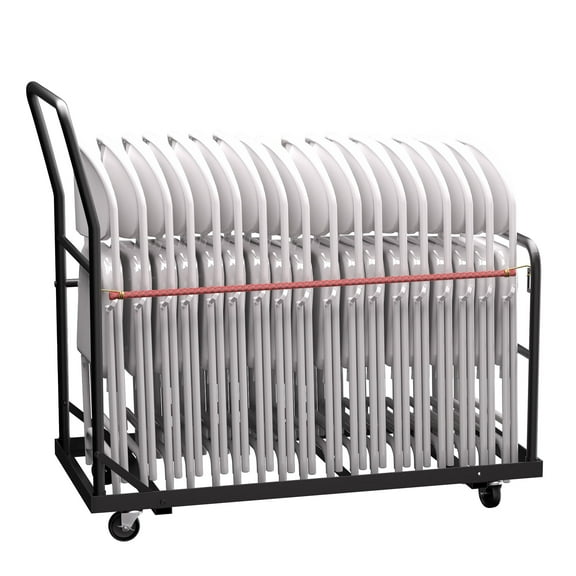
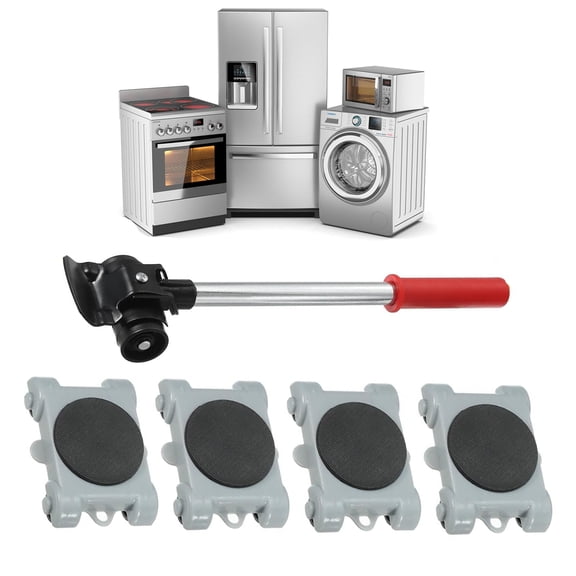
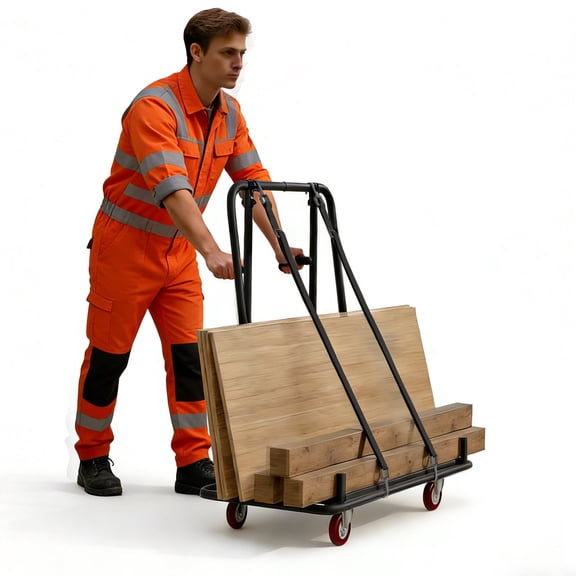
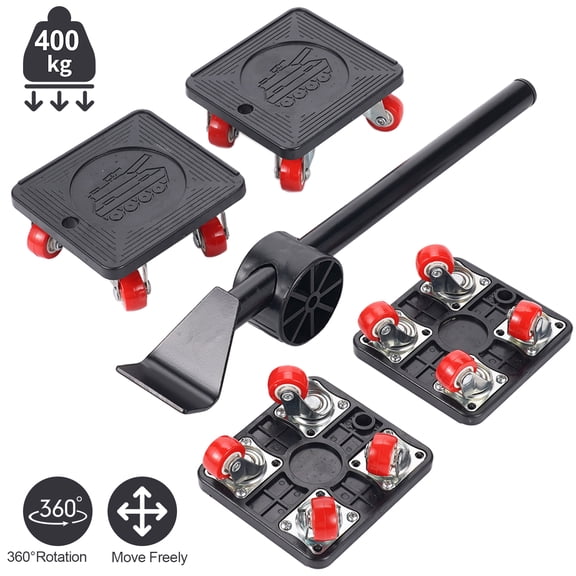
Dollies help you move bulky loads with less lifting and steady control across garages, workshops, apartments, and job sites. This category covers moving dolly styles for boxes, appliances, storage bins, and large furniture. You’ll also find flat platforms, upright hand truck designs, and compact carts for common moving tasks.
Deck shape, wheel material, and weight capacity matter in this category. These details affect turning, floor contact, and how securely tall items ride. That makes dollies useful for furniture moves, delivery work, and organized storage projects.
Why dollies work for moving jobs
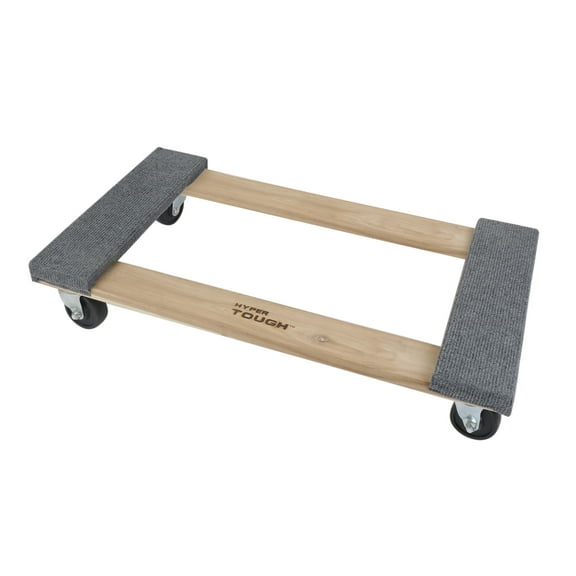
The right dolly for moving turns a hard carry into a steady roll. That matters when you’re shifting dressers, stacked totes, or supplies between rooms. A furniture dolly keeps wide items supported from below.
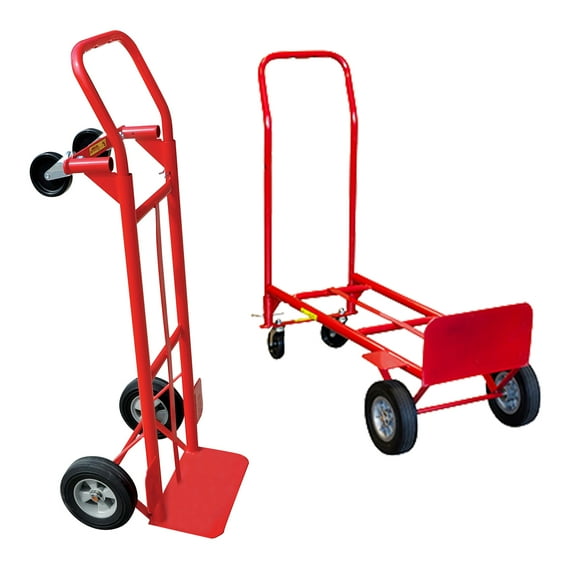
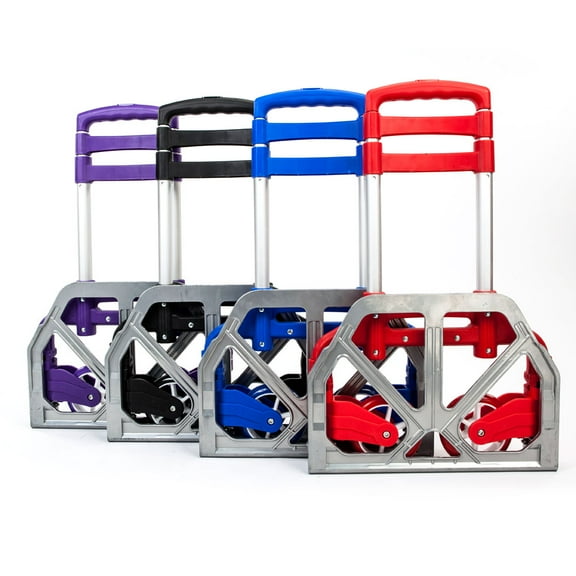
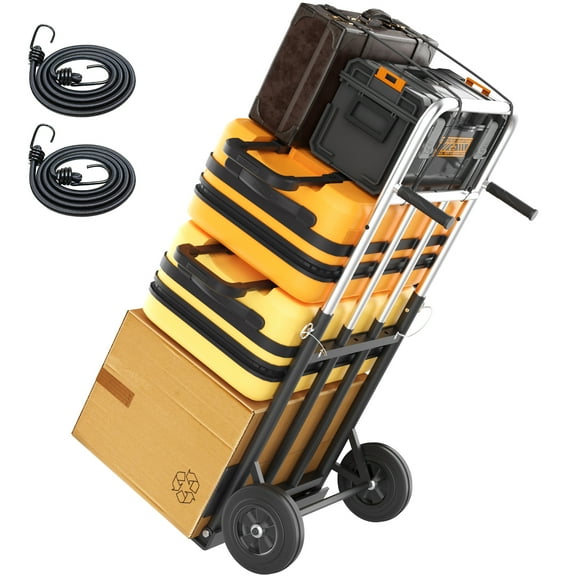
A hand truck lets you tilt and guide tall loads through doors, hallways, and ramps. This upright design suits boxes, appliances, and narrow equipment. It also helps keep loads balanced during loading and unloading.
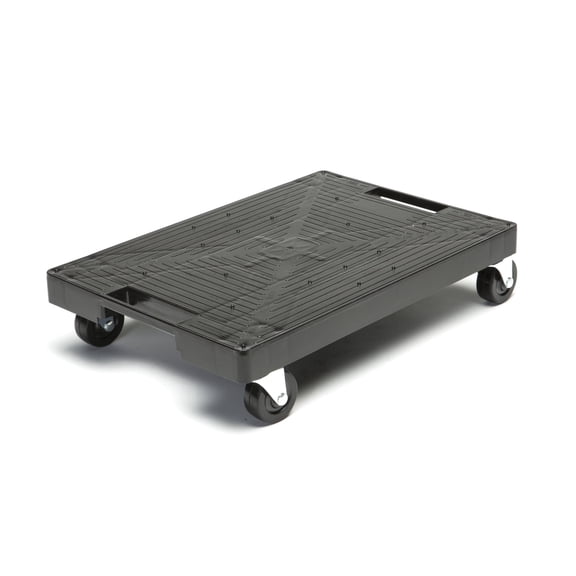
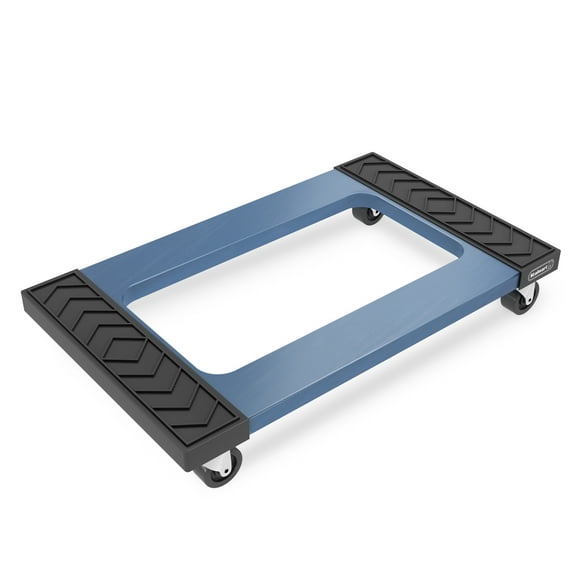
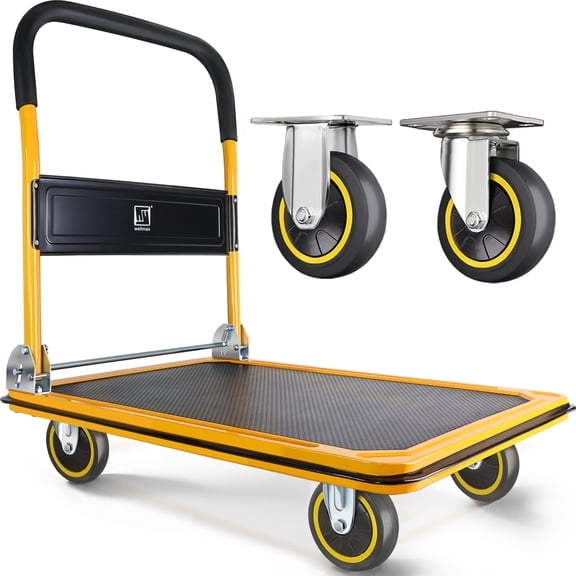
- Platform styles sit low, which helps you slide furniture on and off with less repositioning.
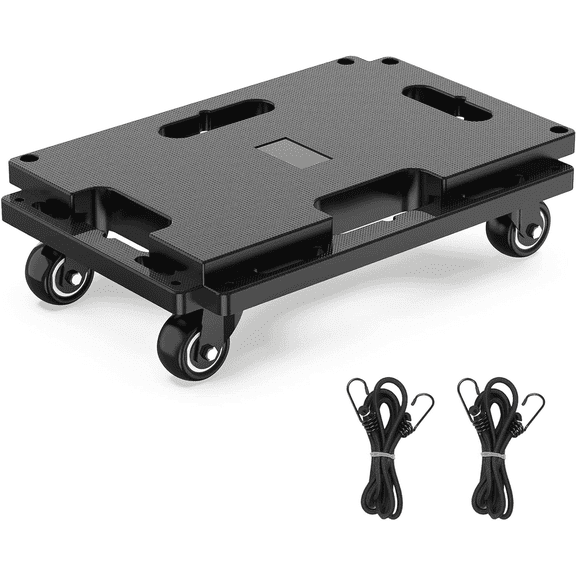
- Swivel caster setups support turning in tight corners, narrow aisles, and crowded storage areas.
- Upright frames help control refrigerators, moving boxes, and appliances during loading and unloading.
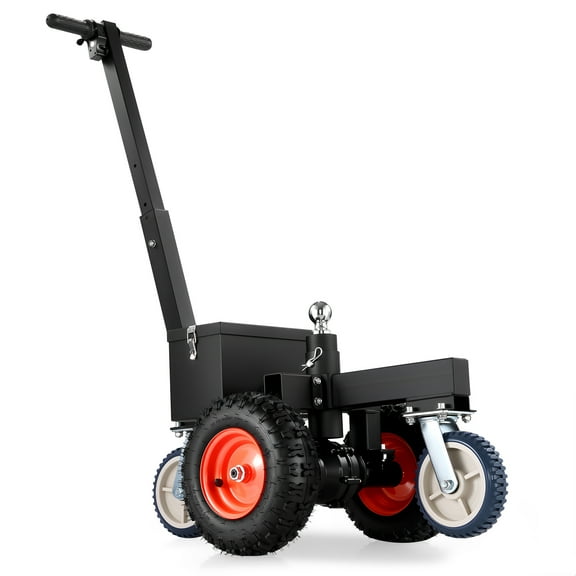
- Rubber or pneumatic wheels roll across concrete, thresholds, and uneven outdoor surfaces.
These products handle tasks that regular carts don’t fit. Low decks support sofas and cabinets, while toe plates lift stacked cartons from the floor. Many options fit repeat use during remodels, warehouse work, and weekend moves.
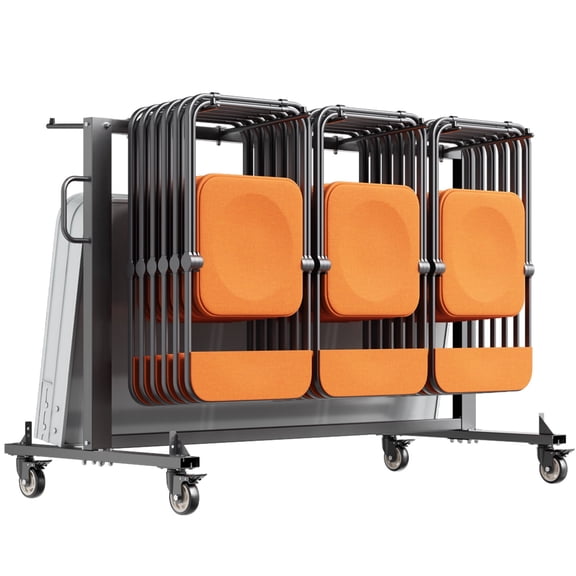
This category also works beyond one moving day. You can use the same equipment for seasonal storage, supply runs, and room resets. A practical design helps keep large items moving in a controlled path.
How to choose dollies by features
Start with weight capacity, because it shapes what the dolly can carry. Check the listed limit for furniture, appliances, or stacked boxes before comparing size and wheel style. That first step narrows the field quickly.
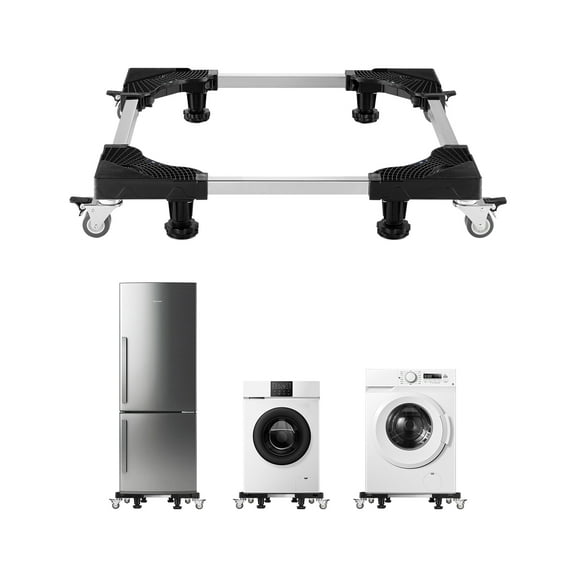
Deck dimensions matter on a furniture dolly. A wide platform can support file cabinets or washers, while a short base fits tighter storage spaces. Size also affects how stable a load feels during turns.
Wheel type changes how the load feels in motion. Solid wheels suit indoor floors and repeat rolling on smooth surfaces. Pneumatic wheels add cushioning on rough ground, driveways, and thresholds.
Caster design affects steering in a clear way. Four swivel casters pivot easily, while fixed wheel layouts track straight over long distances. That difference matters in hallways, storage units, and loading areas.
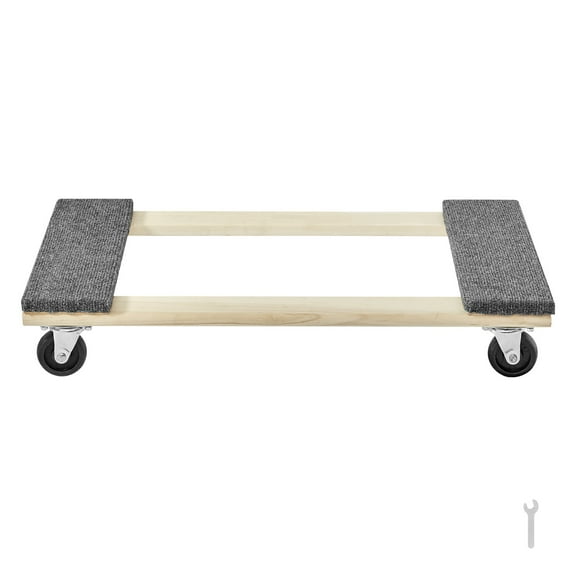
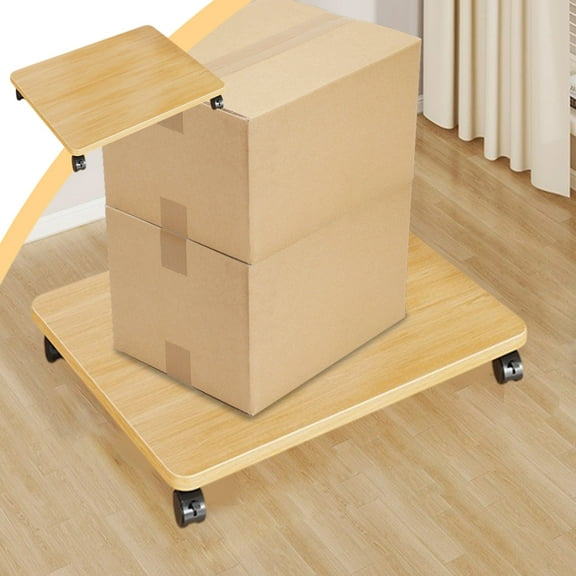
Frame construction helps narrow your choice. Steel frames suit frequent hauling and large loads. Wood platform models cushion furniture edges and provide a broad base for cartons.
Toe plate size matters on a hand truck. A deep plate supports large boxes, while a folding plate helps with storage between jobs. Handle shape also changes how the unit feels during transport.
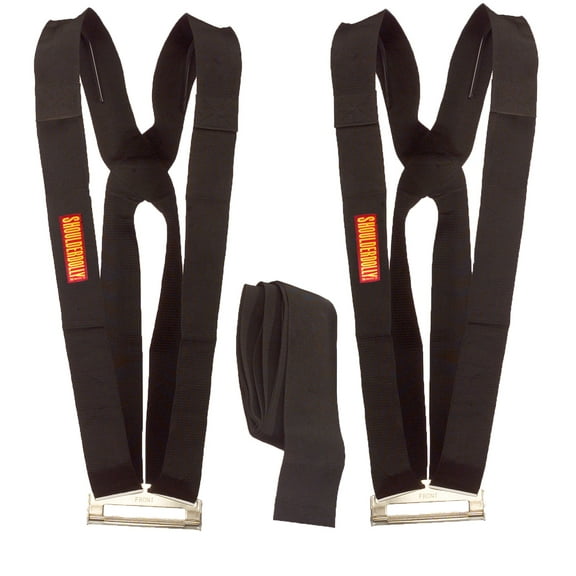
Loop handles allow two-handed steering on flat carts. Vertical grips on a hand truck help control balance when you tilt the load back. Some moving dolly options include nonmarking wheels, carpeted ends, or straps.
Those details help protect surfaces and keep bulky items centered. When features match your load type, moving feels controlled from pickup to placement. That’s useful with awkward furniture and stacked boxes.
Moving dolly uses around the home and job site
A moving dolly earns its place during room resets, garage cleanouts, and apartment moves. Flat platform models work well for nightstands, stacked bins, and boxed décor. They also help when moving planters or workshop supplies.
When you’re rearranging a workspace, these tools move tool chests, compressors, and bulk materials without repeated trips. That cuts down on stop-and-start carrying. It also keeps large loads organized during transport.
Furniture moves call for stable support and easy turning. A furniture dolly can help reposition bookcases, entertainment stands, and dining tables across hardwood, tile, or concrete. It also helps when loading a rental truck.
Low-clearance platforms make it simple to slide large pieces into place near the ramp or lift gate. That low profile suits cabinets, sofas, and storage trunks. It’s a practical fit for bulky household items.
An upright hand truck fits different jobs. It’s useful for tall moving boxes, water jugs, filing cabinets, and appliances with a narrow footprint. For office setups, it can move copier paper and packed equipment through elevators and hallways.
For deliveries, it supports repeated stops with controlled rolling and quick unloading. The upright frame supports stacked cartons in a compact footprint. That shape fits tighter entryways and work areas.
If you’re comparing a moving dolley spelling or older search term, focus on the product format instead. The key decision is whether you need a flat deck, an upright frame, or a heavy duty dolly. Matching the design to the load usually matters more than the name.
That helps you choose equipment that rolls with control and handles real moving conditions. Dollies with the right wheels, deck size, and frame style support repeat tasks with steady handling. The right setup keeps large items manageable from start to finish.
Find dollies that fit the load
Good dollies match the item shape, floor surface, and turning space in front of you. When those details line up, moving furniture, appliances, and stacked boxes feels controlled from pickup to final placement. That practical fit helps you handle demanding loads with steady movement.