



Diving Weights in Scuba Diving



























About Diving Weights in Scuba Diving - Walmart.com
Diving weights help you fine-tune buoyancy, trim, and comfort before you enter the water. You can compare soft shot, hard block, ankle, and pocket options that match your suit and gear setup.
How to choose diving weights for your setup
You should start with your buoyancy factor, because your body size and exposure suit change how much weight you need. You should also compare freshwater and saltwater, since saltwater usually calls for more ballast.
If you wear a thicker wetsuit, you’ll usually need extra ballast at the start of your dive. You should also check whether your aluminum or steel tank changes your trim through the dive.
Your weighting choice affects descent control, fin position, and how steady you feel underwater. You can narrow your options faster when you compare amount, shape, and attachment style together.
- You can use soft shot when you want a shape that contours to your body or pocket.
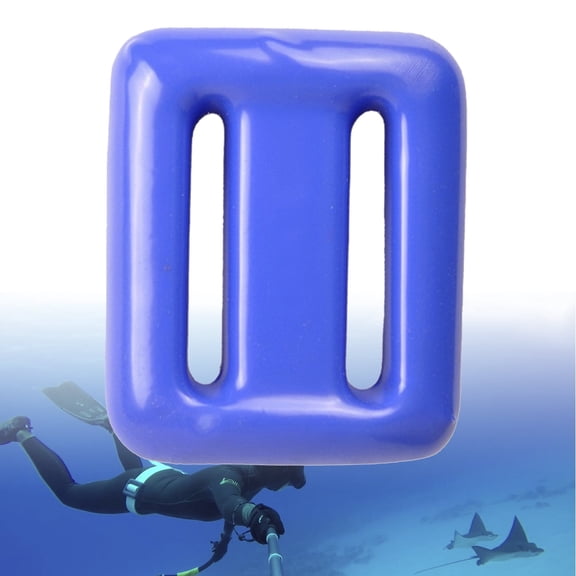
- You can choose hard block styles when you want a firm, compact piece for repeatable placement.
- You can pick ankle weights when you want help balancing floaty fins or a thick suit.
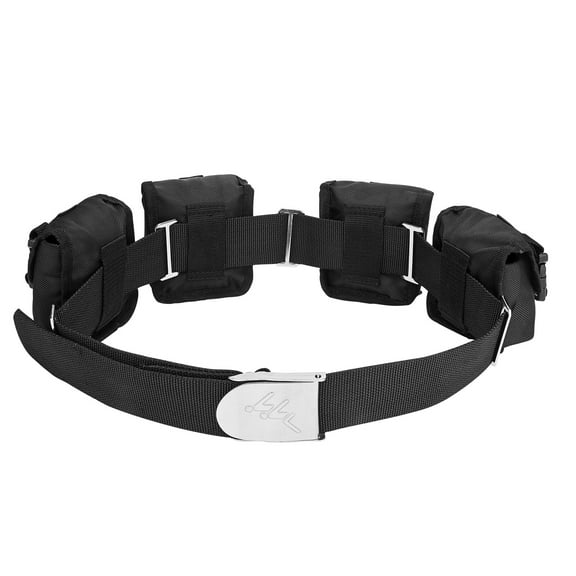
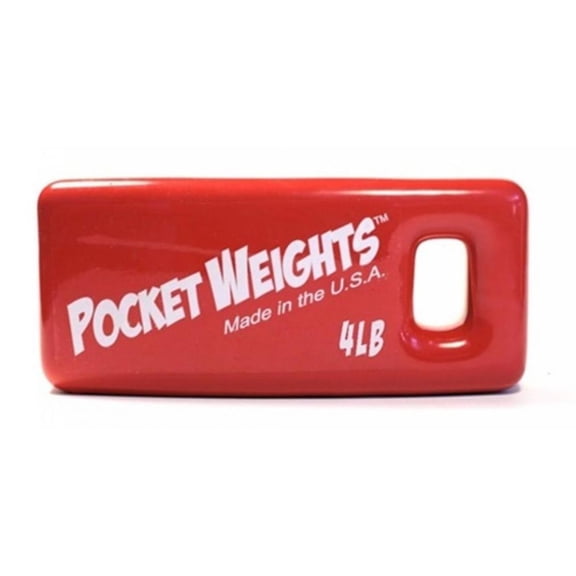
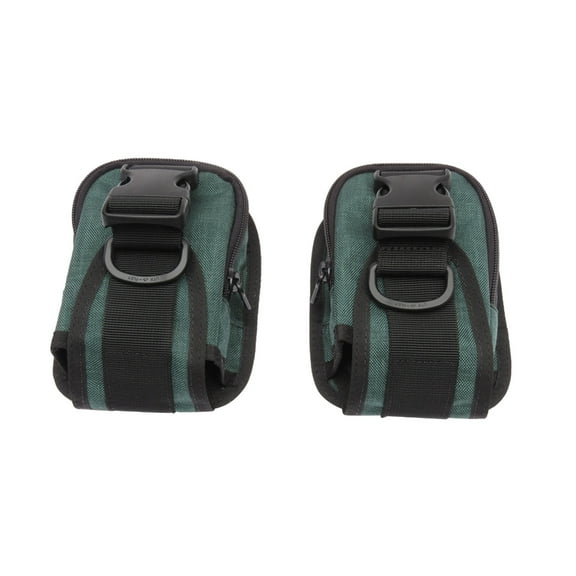
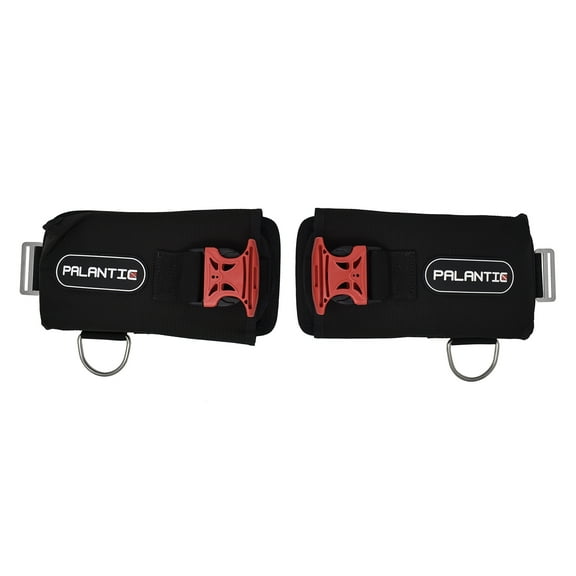
- You can match pocket weights to integrated BCD systems for a cleaner harness setup.
Comparing scuba weights by type and comfort
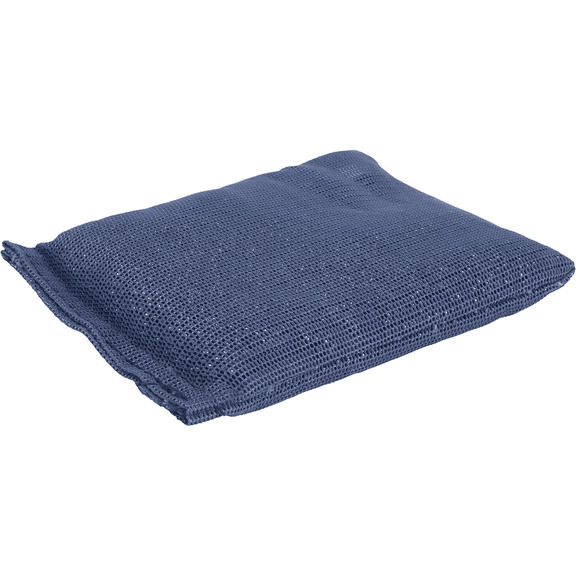
You’ll notice soft shot diving weights flex more easily against your waist or BCD pocket. You can use them when you want a smoother fit under a belt or inside weight pouches.
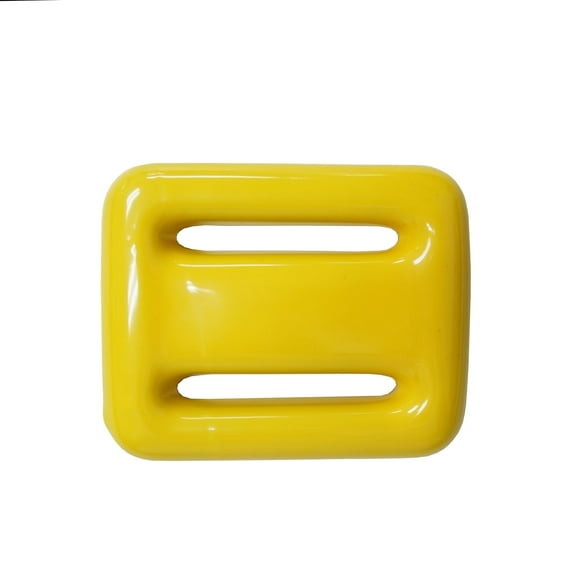
Hard block scuba weights hold a fixed shape that makes loading and unloading more predictable. You may prefer them when your belt slots, trim pockets, or storage layout need uniform pieces.
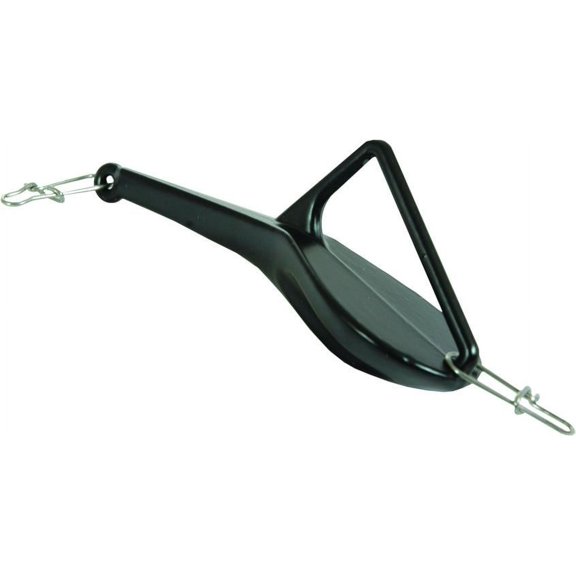
Ankle weights give you another placement option when your lower body tends to float upward. You can use them in small amounts to support balance without overloading your belt.
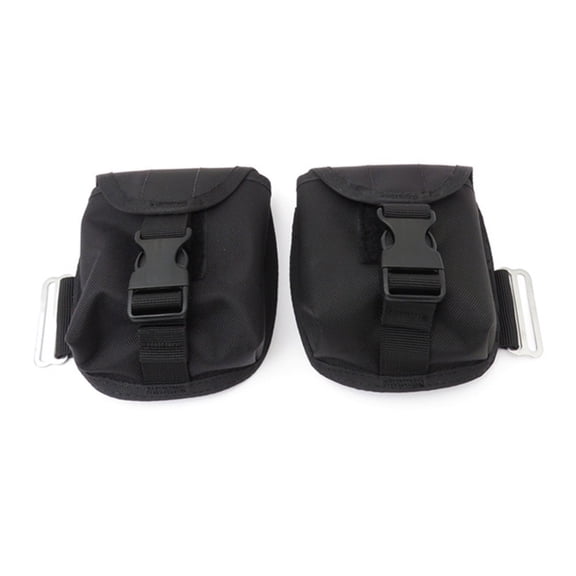
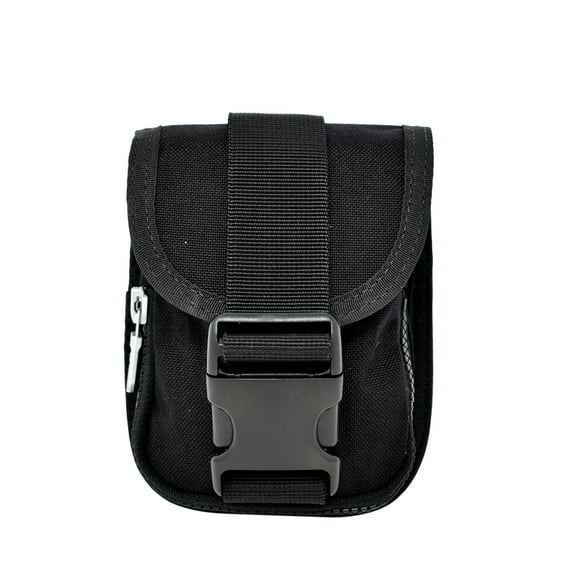
Pocket weights work well when your BCD includes integrated compartments with specific size limits. You should measure pocket dimensions first, so your weight inserts fit securely and slide in cleanly.
What to look for in scuba diving weights materials and sizes
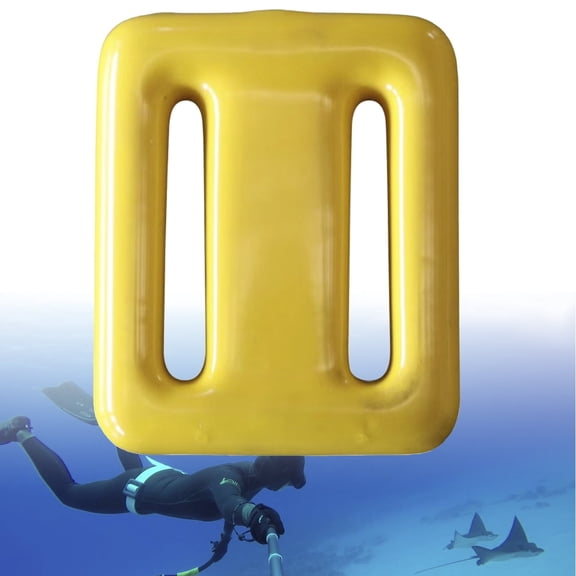
You can compare lead, vinyl-coated lead, steel, and alloy options based on feel and finish. You may like coated lead diving weights because the outer layer can help protect your hands and gear surfaces.
Raw lead weights give you a classic option with a straightforward shape and dense feel. You should check product details closely, because slot width and coating can vary by weight style.
Steel and alloy options can appeal to you when you want alternatives to traditional lead weights for diving. You can focus on profile, size, and compatibility instead of assuming every material fits every pocket.
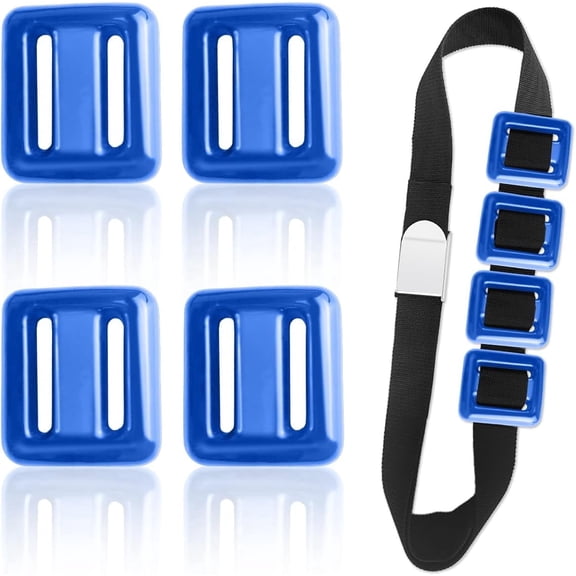
You’ll often see sizes from one pound through 10 pounds, which helps you build your ballast gradually. You can combine one-pound and 2-pound pieces for smaller adjustments, then add 5-pound or 10-pound pieces for larger changes.
Your attachment style matters as much as total weight when you pack for a dive day. You should compare lace-through, pocket-fit, clip-on, and integrated BCD formats before you commit.
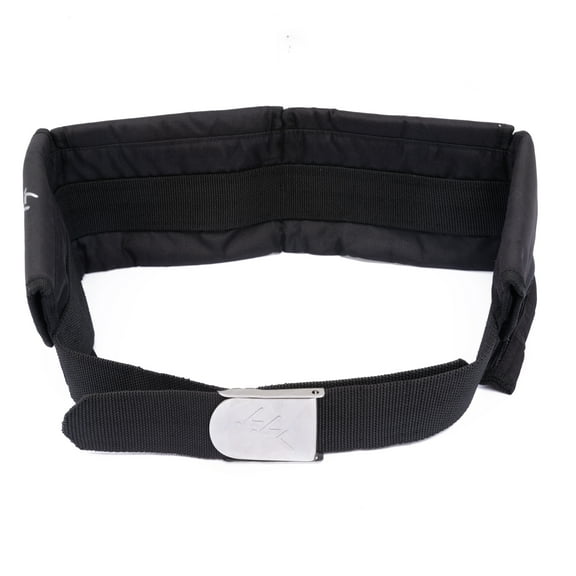
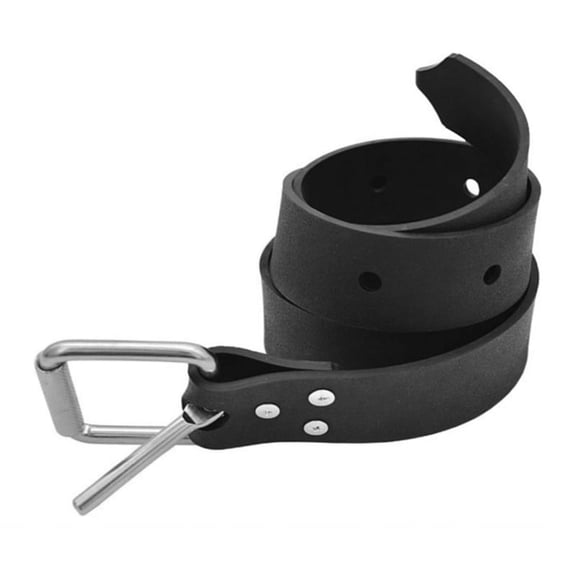
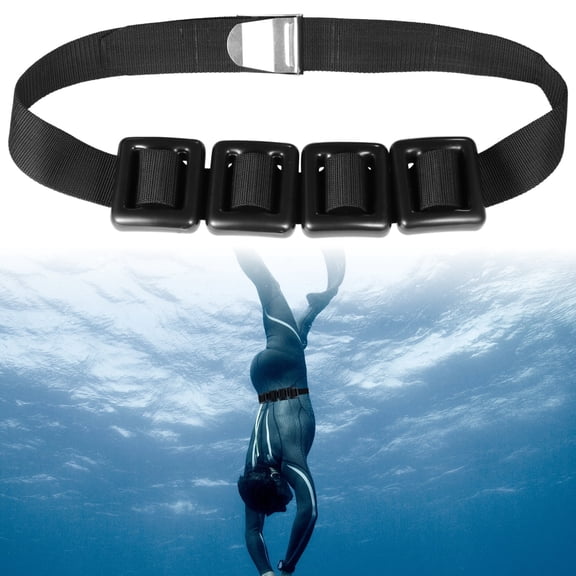
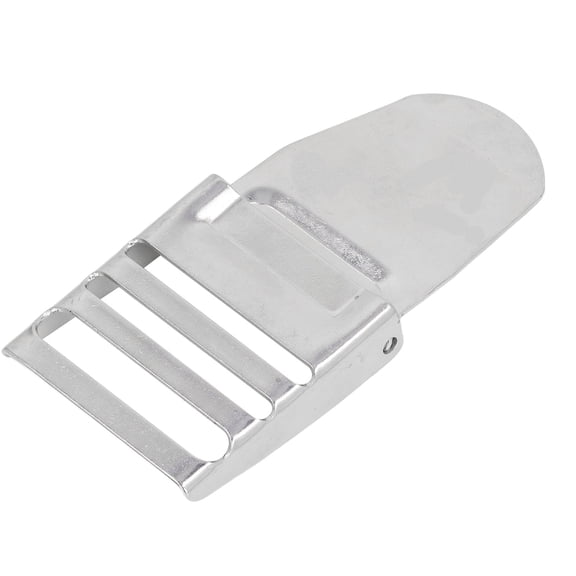
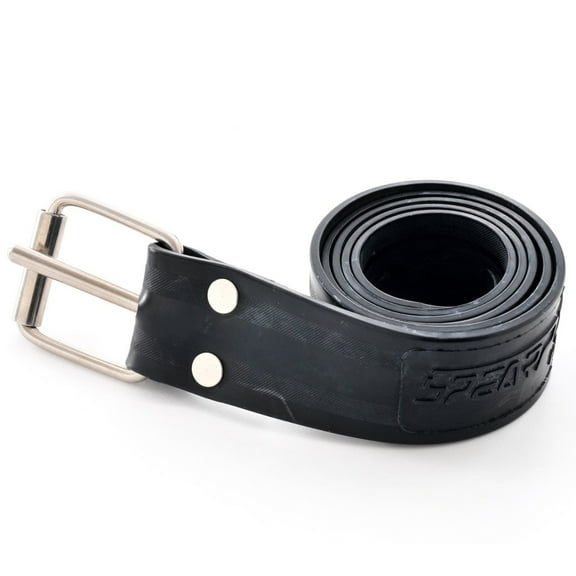
Lace-through dive belt weights fit belts with standard slots, so you can thread them and space them evenly. You should confirm your belt width first, because narrow or wide belts can affect fit.
Using lead weights for diving in real conditions
You can use lighter combinations for warm water, thinner suits, and simpler snorkeling-to-scuba transitions. You may need heavier combinations when your suit is thicker or your water is colder.
If you dive in saltwater, you’ll often need more ballast than you use in freshwater. You should test your setup with your actual tank, exposure suit, and accessories whenever possible.
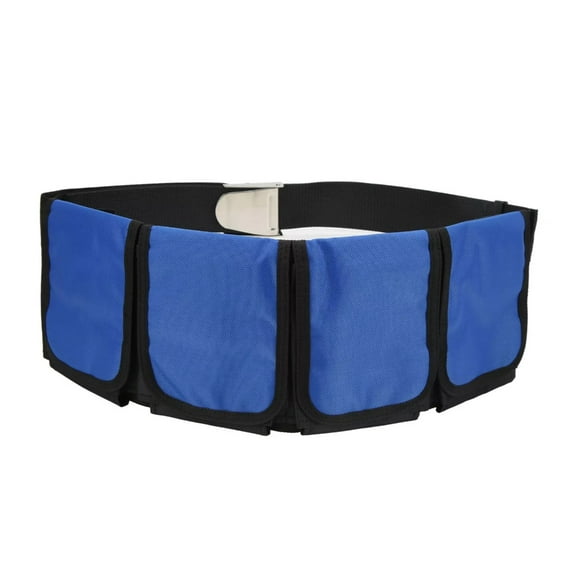
You can choose weight belt weights when you want easy repositioning around your waist for trim changes. You may prefer integrated BCD pockets when you want less belt bulk and a streamlined fit.
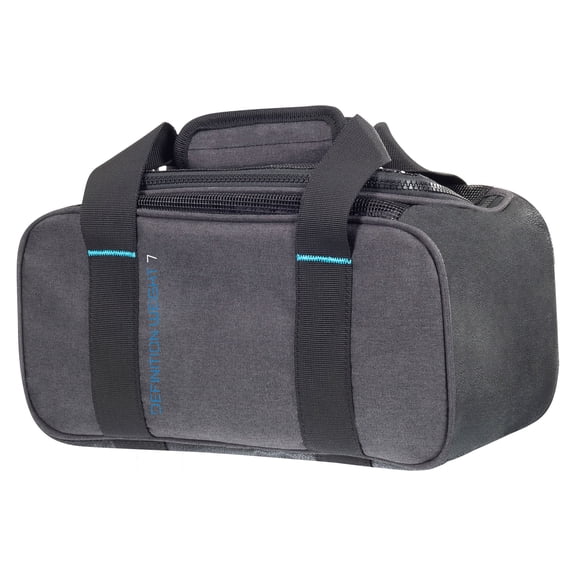
For travel kits, you can mix compact block pieces with smaller trim inserts for flexible packing. You should also compare whether your destination rental BCD accepts the pocket shape you bring.
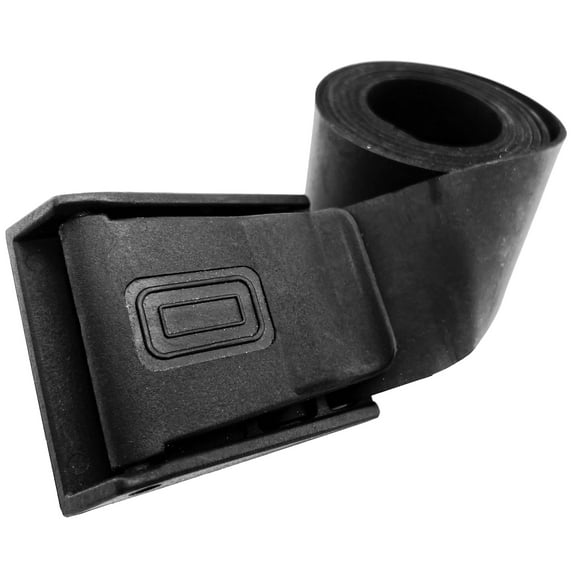
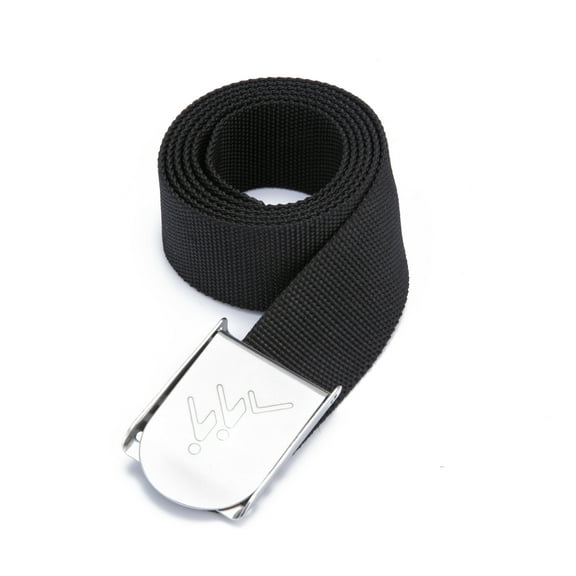
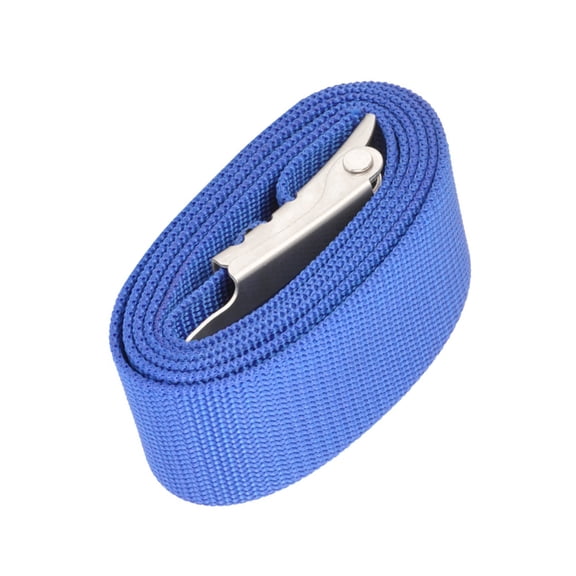
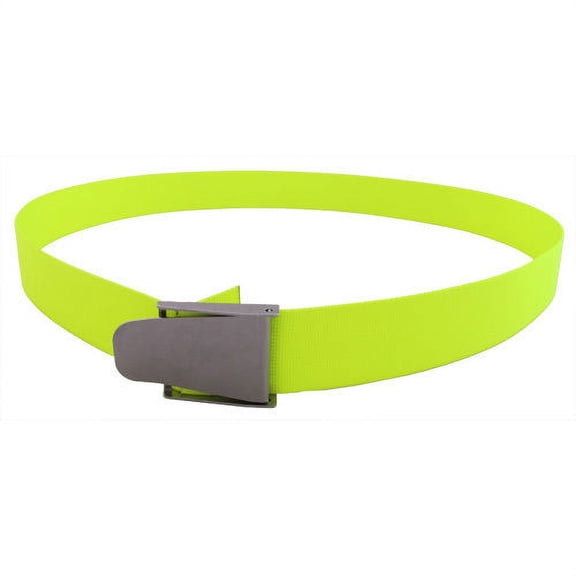
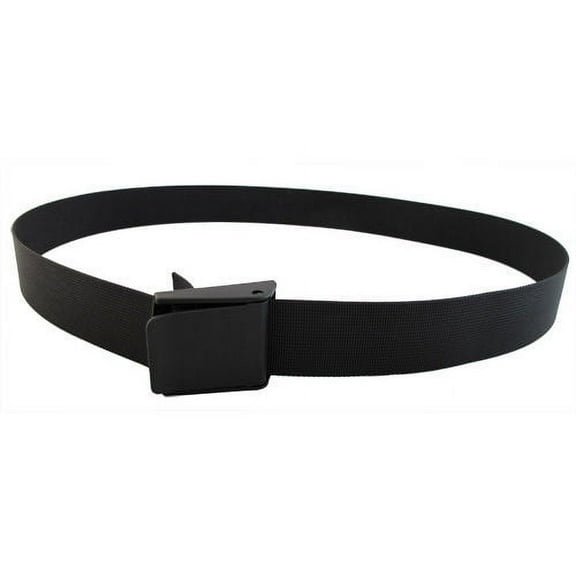
If you’re building a full setup, you can pair these items with scuba dive belts and buoyancy compensators. You can also coordinate your ballast plan with fins, tanks, and exposure gear for steadier trim.
Your dive plan gets easier when your ballast matches your suit, water type, and carry method. You can choose diving weights with clearer confidence when you compare type, material, amount, and attachment style together.