

DeWalt Heaters in Space Heaters






About DeWalt Heaters in Space Heaters - Walmart.com
If you need a DeWalt heater for a garage, workshop, or jobsite, you can compare power, portability, and BTU output in one place. You’ll find options built for mobile heat, fixed placement, and work-focused spaces where cold air can slow your routine.
Because this category spans electric, propane, and cordless battery formats, you can match heat to your space instead of forcing one setup everywhere. You can also compare compact units with higher-output models that fit larger garages and open work areas.
How to choose a DeWalt heater
When you compare heaters, you should start with your space size and your available power source. You’ll get a clearer match when you check square footage, outlet access, fuel setup, and where you plan to use it.
For smaller enclosed areas, you may prefer compact output that warms your immediate work zone. For larger garages or open jobsite areas, you’ll usually need higher BTU capacity for broader coverage.
You can narrow your options faster when you focus on the features that affect daily use. You should compare these common decision points before you choose.
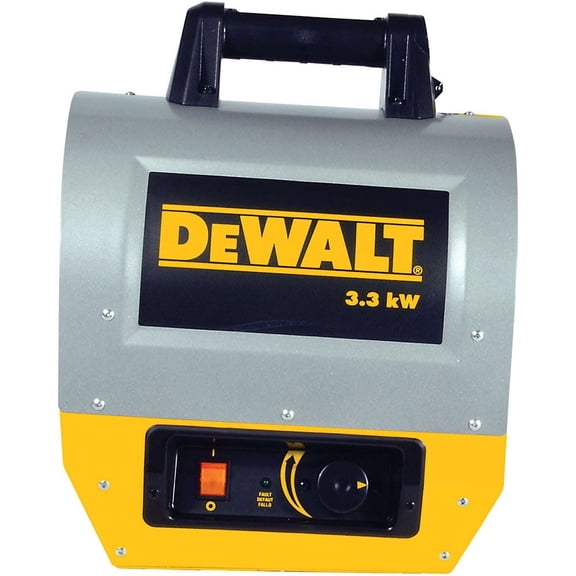
- You can use electric models when you want plug-in convenience and steady indoor operation.
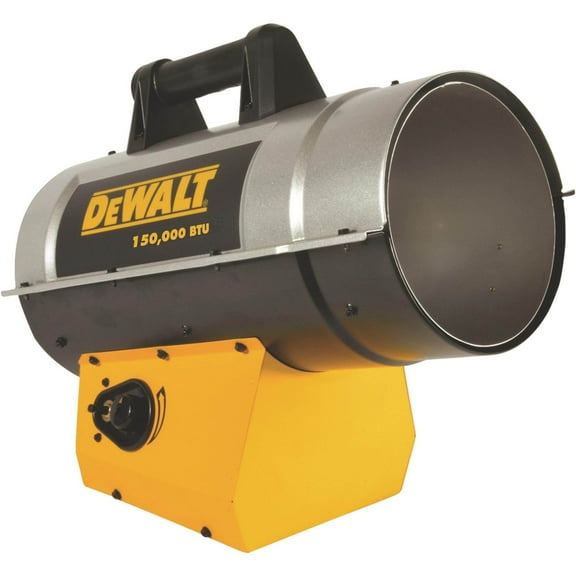
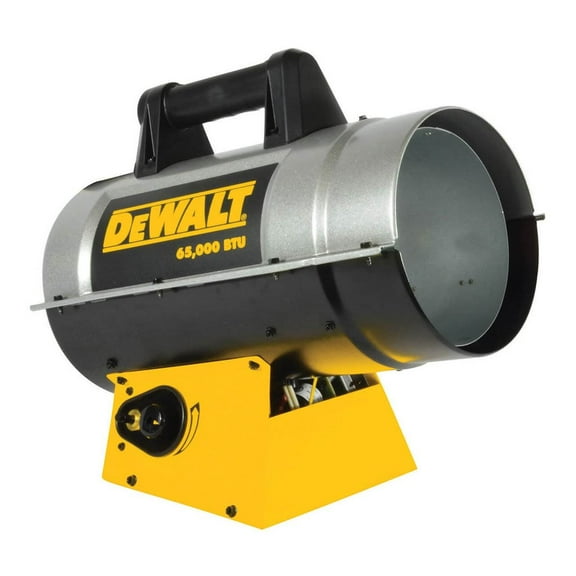
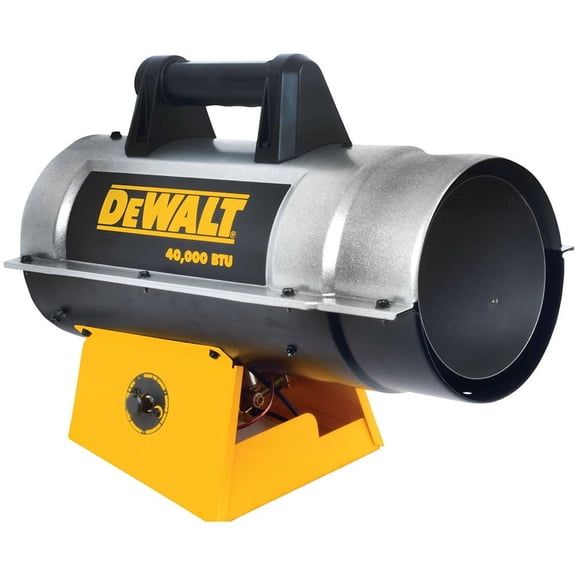
- You can choose propane models when you need strong heat output for larger work areas.
- You can consider cordless battery formats when you want mobility between tasks and spaces.
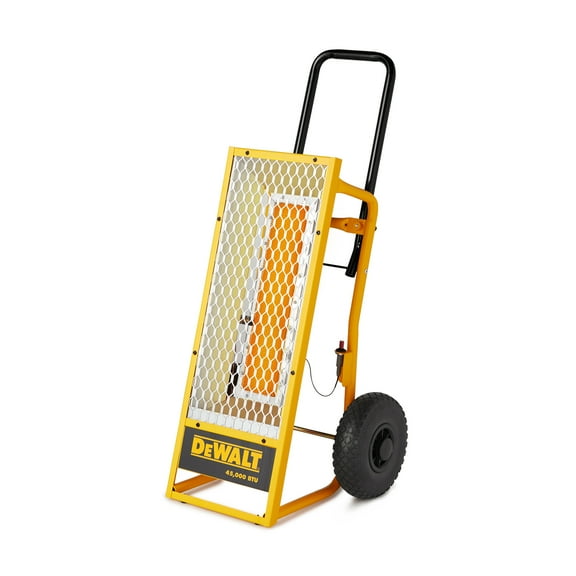
- You can look for portable builds with handles or wheels when you move heat often.
- You can check wall-mounted or stationary styles when you want a fixed heating setup.
Choosing the right power source
If you’re deciding between a DeWalt space heater style, your power source will shape where and how you use it. You should think about outlet access, battery platform compatibility, and whether propane fits your work environment.
With a DeWalt electric heater, you get straightforward setup for indoor spaces, workshops, and enclosed garages. You can plug in, place the unit, and focus on tasks without handling a separate fuel cylinder.
If you choose propane, you’ll often get higher BTU output for bigger areas and colder conditions. You should check whether your space and use setting fit the heater’s intended operation and ventilation guidance.
When you want mobility first, cordless battery options can fit quick tasks and spot-heating needs. You can pair battery-powered convenience with a compact footprint when you move between rooms, benches, or active work zones.
Comparing portability and placement
If you carry your heater from one area to another, you should prioritize portability before raw output. You’ll notice that size, handle design, wheel support, and mounting style all affect everyday convenience.
A DeWalt portable heater can make sense when you change locations during the day or work in shifting conditions. You can move heat closer to a bench, tool station, or entry area without changing your whole setup.
For a dedicated garage corner or workshop wall, you may prefer a stationary or wall-mounted option. You can keep floor space more open when your placement stays consistent from season to season.
If your work area changes often, you should measure doorways, shelves, and storage spots before you choose. You’ll avoid awkward placement when you confirm the unit fits your transport and storage routine.
Matching BTU output to your space
If you’re comparing heating capacity, you should match BTU output to your square footage and layout. You’ll usually need more output when your ceilings are high or your garage door opens often.
BTU stands for British Thermal Unit, and you can treat it as a simple heat-output guide. You should compare it with your room size so your heater feels appropriate for the space.
A compact heater can work well when you heat a bench area, hobby corner, or smaller indoor workspace. You may want higher output when you’re covering a larger shop or a drafty garage.
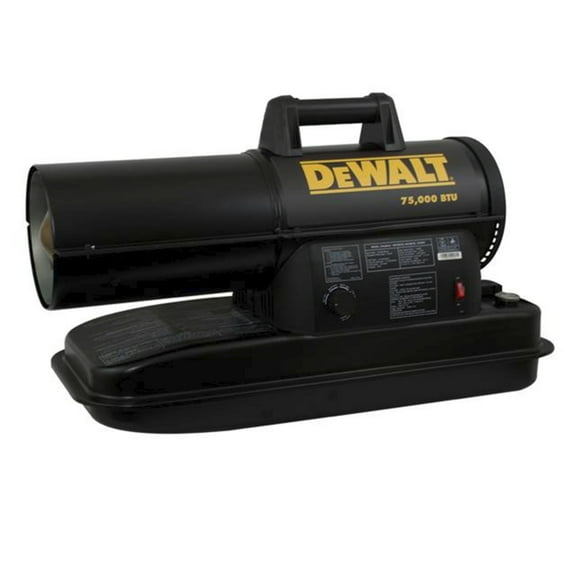
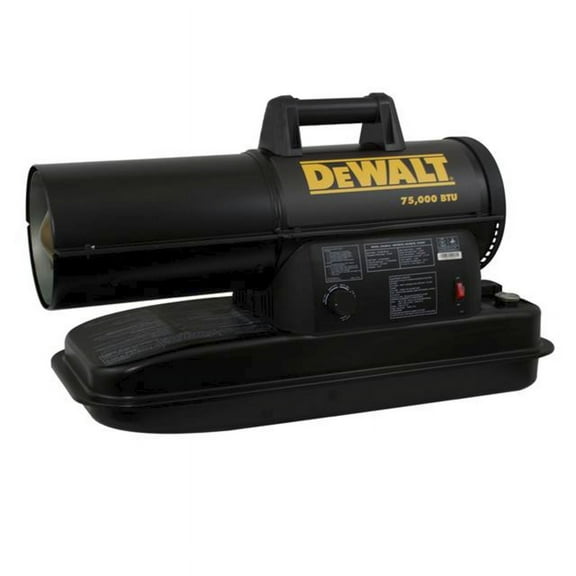
If you’re considering a DeWalt 75000 BTU heater, you’re likely planning for a large area or demanding conditions. You should check the stated coverage guidance so your setup aligns with your heating goals.
Checking use location and safety-focused features
If you want a DeWalt garage heater or DeWalt shop heater, you should match the unit to the location first. You can compare whether your heater fits your indoor space, workshop, garage, or open jobsite conditions.
For indoor-oriented setups, you may look for features like a tip-over switch or an oxygen depletion sensor. You’ll want clear product details because those features can help you compare models for enclosed environments.
On a busy jobsite, you may prioritize sturdy housing, easy carrying, and controls you can reach quickly. You can also look for designs that fit changing work zones without taking up too much floor space.
In a workshop, you might want focused heat near a table saw, assembly bench, or tool wall. You’ll get a more useful result when you align output, placement, and power source with your daily workflow.
Using your heater in real workspaces
If your garage doubles as a project space, you can use a heater to support more comfortable starts and longer sessions. You’ll appreciate a setup that matches your square footage and doesn’t crowd your tools.
When you move between rooms or task areas, a DeWalt portable heater can fit flexible heating needs. You can place warmth where you’re working instead of heating every corner at once.
If you’re setting up a workshop, you may prefer electric operation for steady indoor use and simple placement. You can keep your routine streamlined when outlet access is close to your main work area.
For larger work zones, propane heat may suit colder conditions and wider coverage needs. You should compare BTU output, portability, and intended location so your heater supports the way you actually work.
When you choose with power source, placement, and BTU needs in mind, your heater works harder for your space. You’ll end up with dependable heat that fits your garage, workshop, or jobsite routine.