



Deer Corn in Attractants & Scent Eliminators










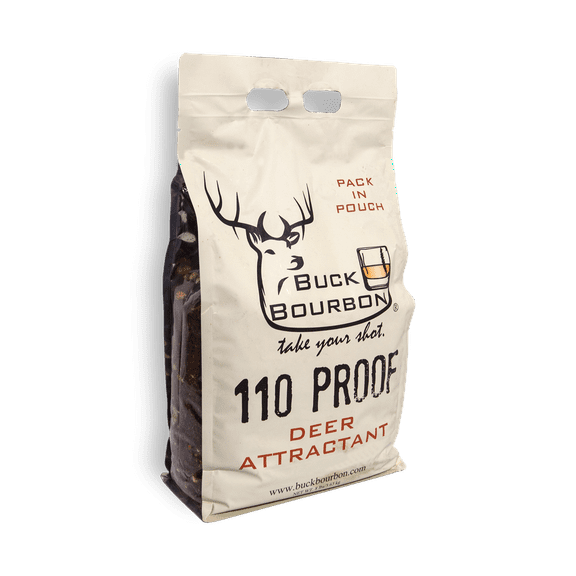
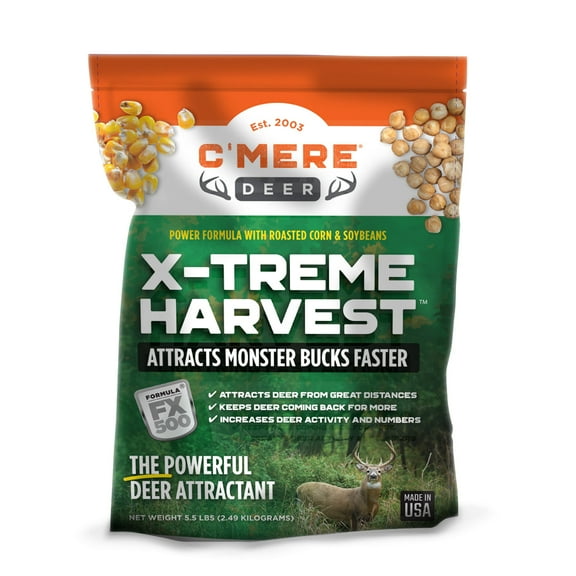
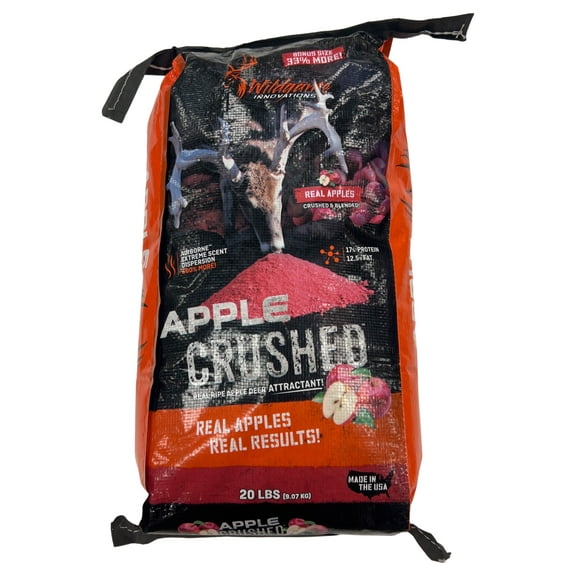
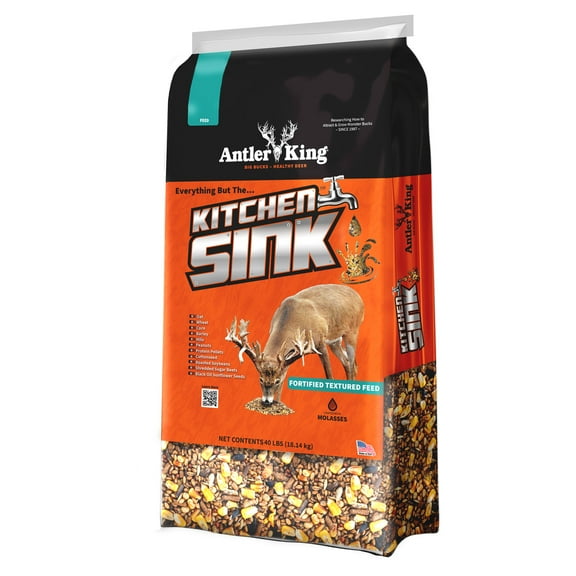





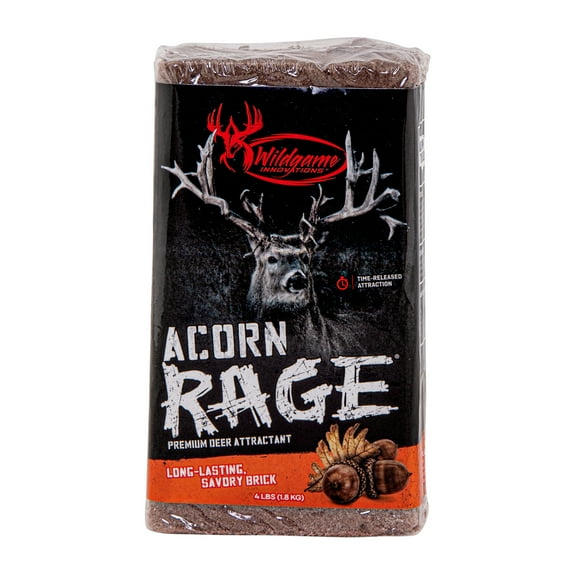

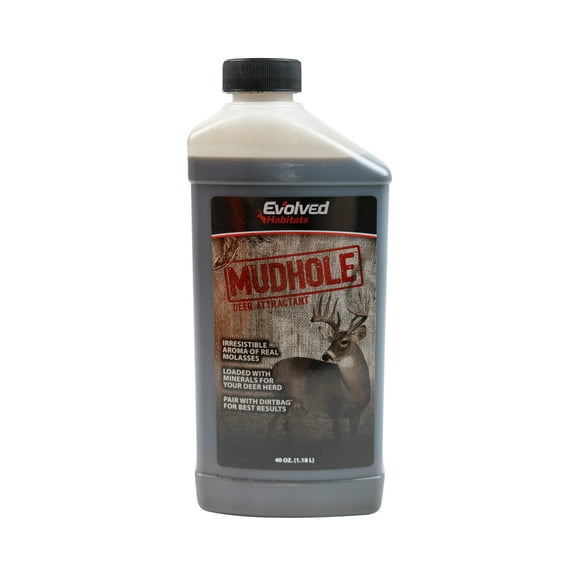

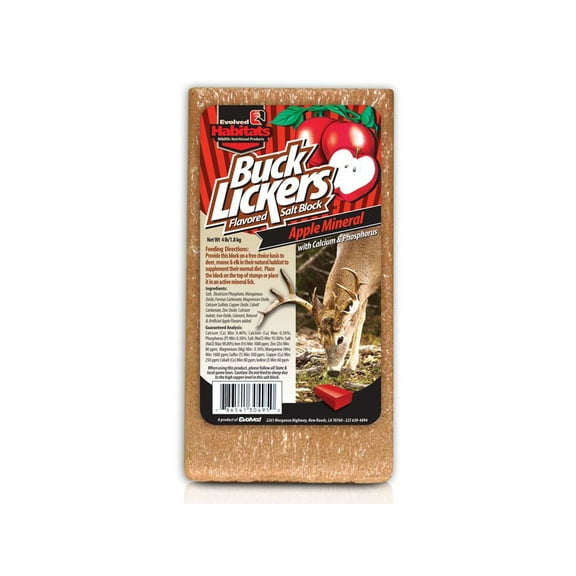


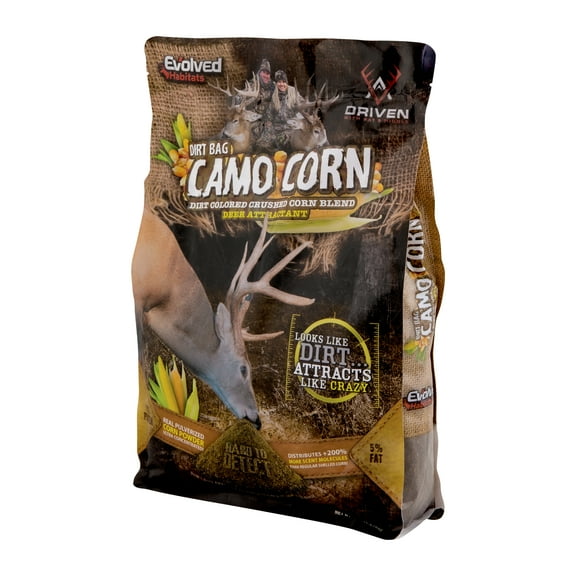
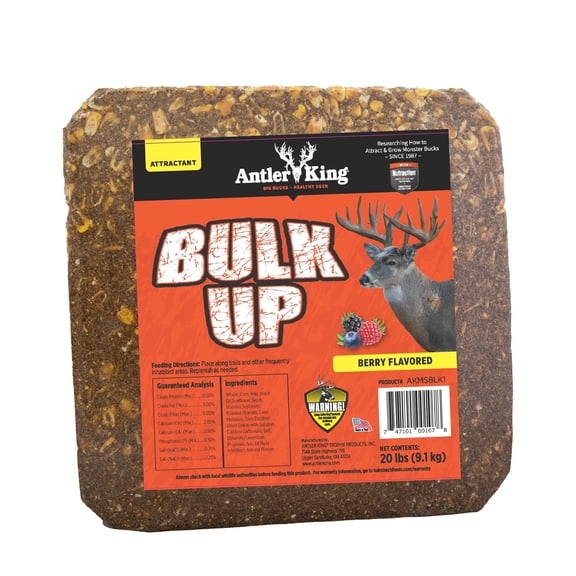
About Deer Corn in Attractants & Scent Eliminators - Walmart.com
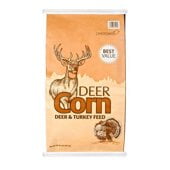
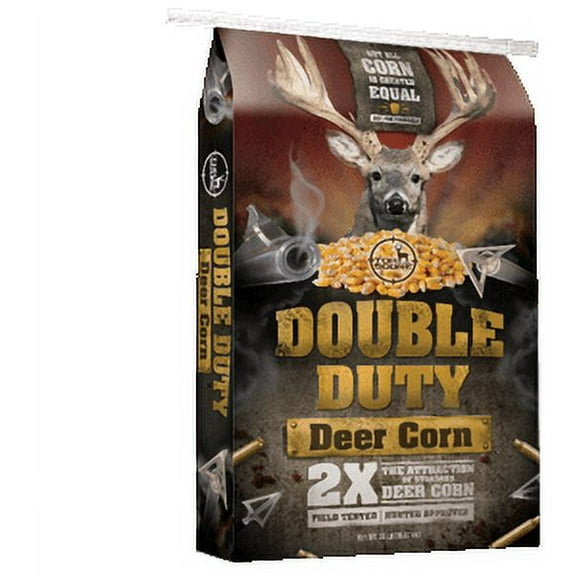
Deer corn helps you stock feeding sites with a familiar draw for whitetail deer, turkey, and other game animals. You can compare bag sizes, corn forms, and scent options to match your land, feeder setup, and season.
How to choose deer corn for your setup
When you shop deer corn, you should start with how and where you'll place it. You can narrow your options quickly when you compare loose kernels, blocks, and liquid forms.
Whole kernel deer corn often suits gravity feeders and open ground spreads. Cracked corn can work when you want smaller pieces, while deer corn blocks can stay contained in one spot.
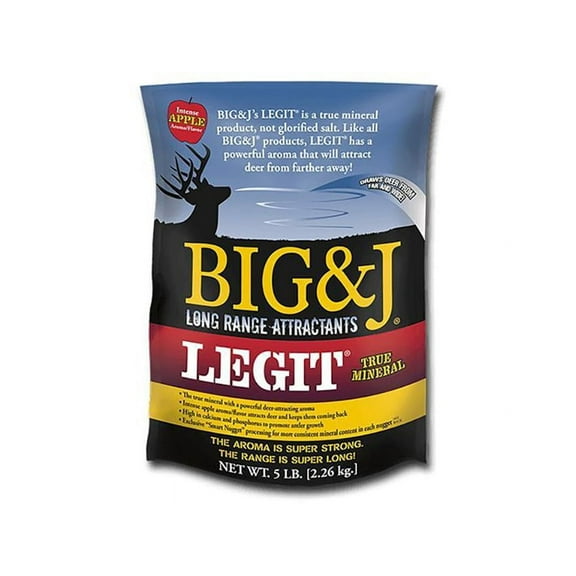
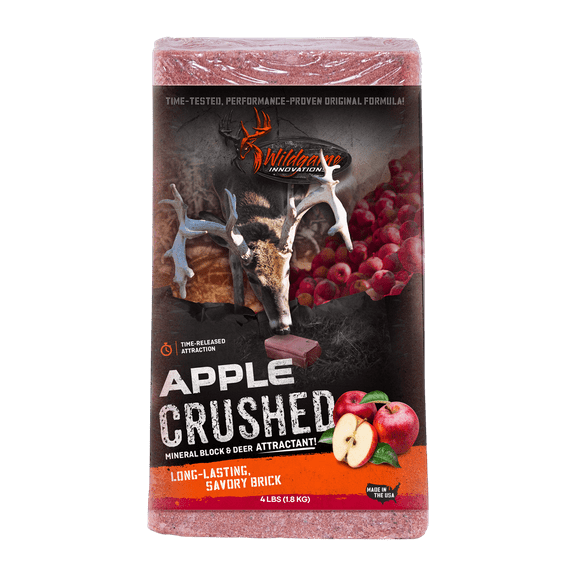
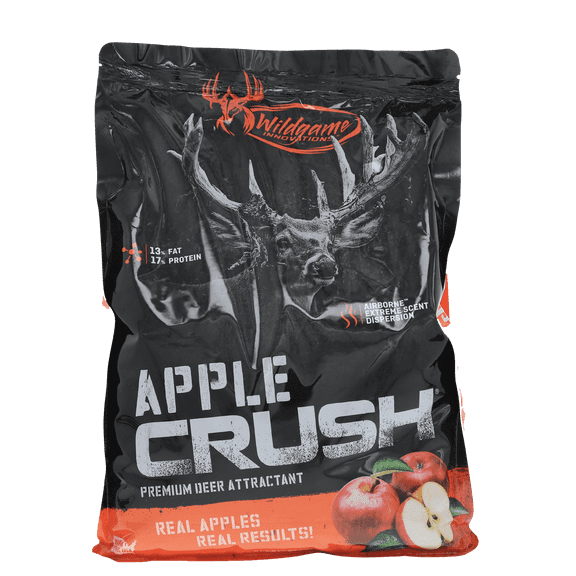
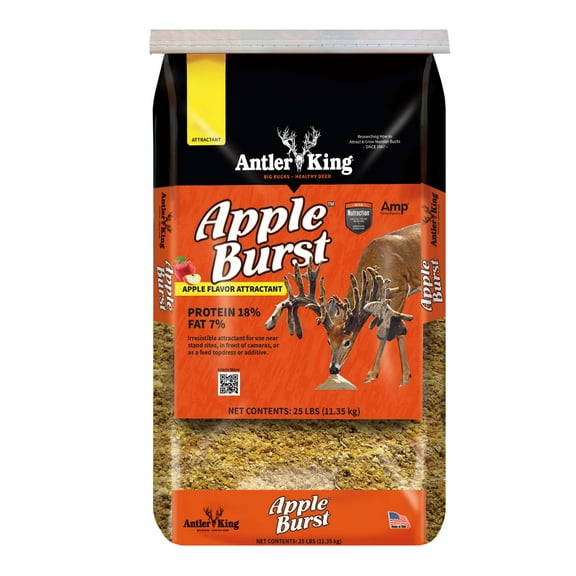
Your feeding routine also matters when you compare natural and scented options. You may prefer wildlife feed corn with apple, molasses, or sweet notes when you want a noticeable scent presence.
- You can choose 40 lb deer corn when you want a manageable bag for regular refills.
- You can look at 50 lb or bulk bags when your property sees frequent activity.
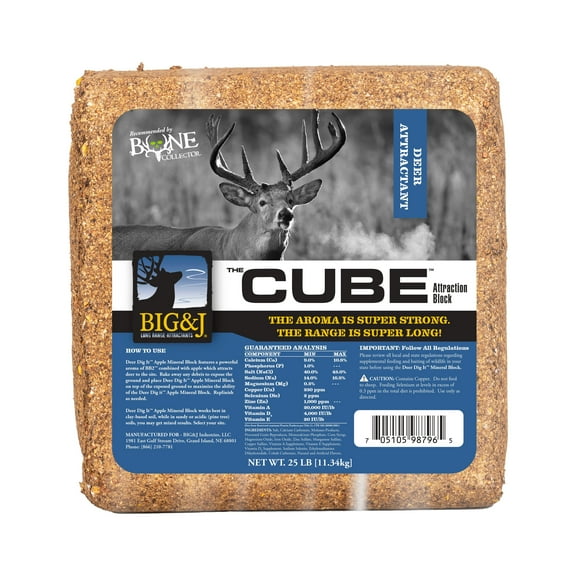
- You can use compressed blocks when you want corn that holds together in damp weather.
- You can compare natural and flavored options based on local feeding patterns.
Choosing bag size and feed volume
Bag size affects how often you refill feeders and how much you carry into the field. You should compare a 40 lb bag, a 50 lb bag, and bulk options based on herd traffic.
If you manage a smaller area, you may like a 40 lb deer corn bag for easier lifting. If you cover several sites, you may prefer larger bags to reduce refill trips.
Your feeder style can also shape the size you choose. You may want smaller bags for tight storage spaces, or bulk bags for larger bins and steady use.
Comparing whole kernel, cracked, block, and liquid forms
Form changes how deer feed corn handles in a feeder and on the ground. You should match the corn type to your equipment before you choose a bag.
Whole kernel deer corn usually flows well through many gravity feeders. You may use it for broad scatter patterns or for steady feeding in open areas.
Cracked corn can suit mixed wildlife feeding when you want smaller pieces. You may notice it works well for turkey activity around open plots and feeding spots.
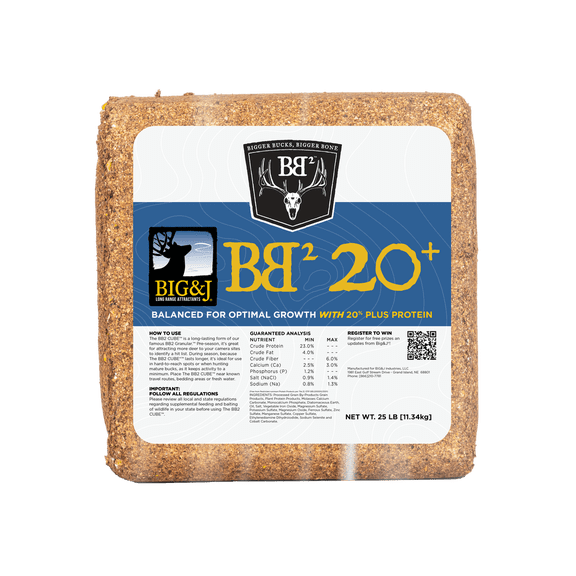
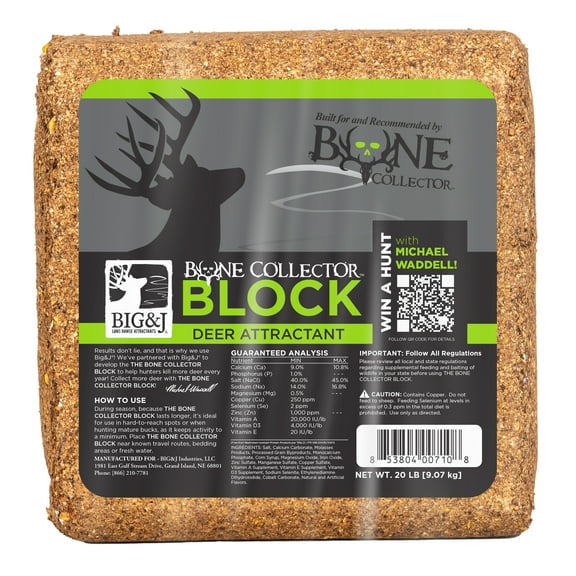
Deer corn blocks give you a contained option for fixed locations. You can place a block where you want less scatter and solid weather durability.
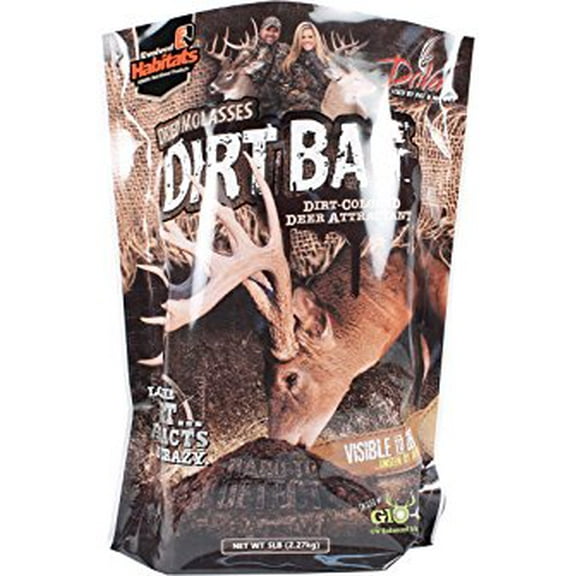
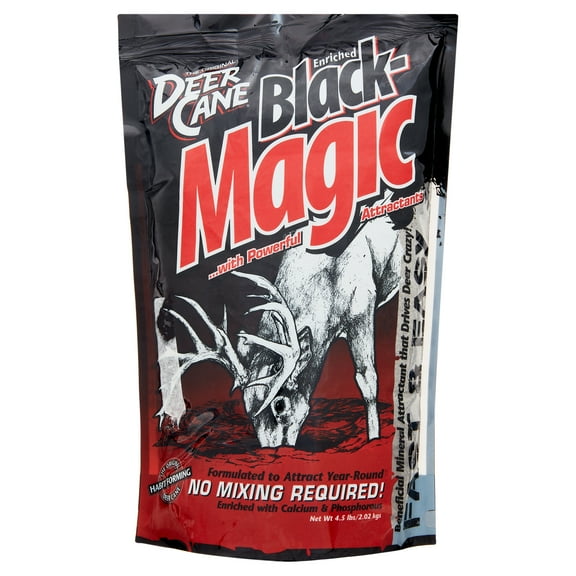
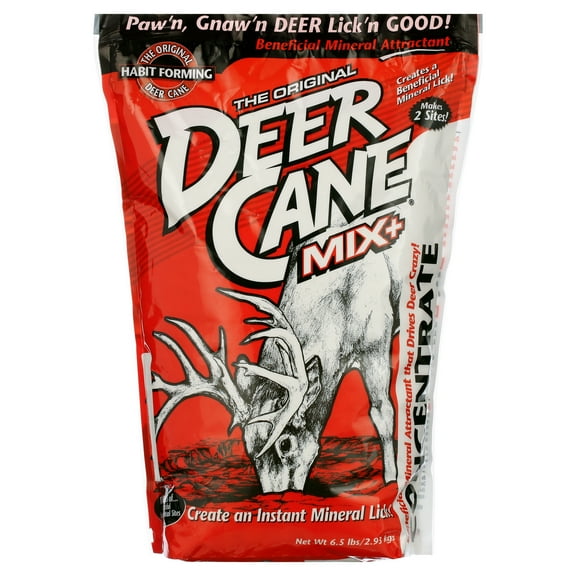
Liquid attractant styles fit a different purpose than loose wildlife feed corn. You can use them when you want to add scent to a site, stump, or mineral area.
Deciding between natural and scented deer feed corn
Scent and flavor can influence how you build a feeding pattern on your property. You should compare natural corn with apple flavored deer corn, molasses, and sweet corn blends.
Natural options keep your setup simple when you want a straightforward feed choice. You may prefer them when you already know local deer respond to plain corn.
Apple flavored deer corn can help you create a noticeable scent presence around a site. You may also compare molasses options when you want a distinct aroma profile.
Your region, weather, and deer pressure can shape which scent works for you. You should test one feeding area at a time so you can compare activity clearly.
Checking feeder compatibility and weather conditions
Feeder compatibility matters because different corn forms move and hold differently. You should check whether your setup uses gravity flow, spin distribution, or ground placement.
Whole kernels often fit gravity feeders when you want steady flow from a hopper. You may prefer loose corn for spin feeders when you want wider coverage.
Blocks can make sense when rain, wind, or muddy ground affects loose feed placement. You can use them where you want a feed source that stays concentrated longer.
Your season can guide the form you choose as much as your equipment. You may switch from loose kernels in dry periods to deer corn blocks in wetter conditions.
Matching deer corn to wildlife activity
You can use wildlife feed corn for more than one type of game activity. You should compare target wildlife, site traffic, and refill frequency before you commit to a format.
Whitetail deer often drive demand for whole kernel bags and feeder-ready options. You may also choose cracked corn when turkey activity is part of your feeding plan.
If your property draws several game animals, you may want flexible bag sizes and forms. You can keep one area feeder-focused and another area block-focused for different patterns.
Related gear can help you build an organized setup around your feeding areas. You may also want deer feeders, trail cameras, wildlife attractants, and hunting gear for effective site planning.
With the right deer corn format, scent, and bag size, you can build a feeding routine that fits your land. You can choose confidently when your corn matches your feeder, weather, and wildlife activity.