

Deep Freezers


















About Deep Freezers - Walmart.com
Deep freezers give you extra room for bulk groceries, make-ahead meals, and seasonal food storage. You can compare chest and upright designs, cubic foot sizes, and garage-ready options with clear buying guidance.
Choosing between chest freezers and upright freezers
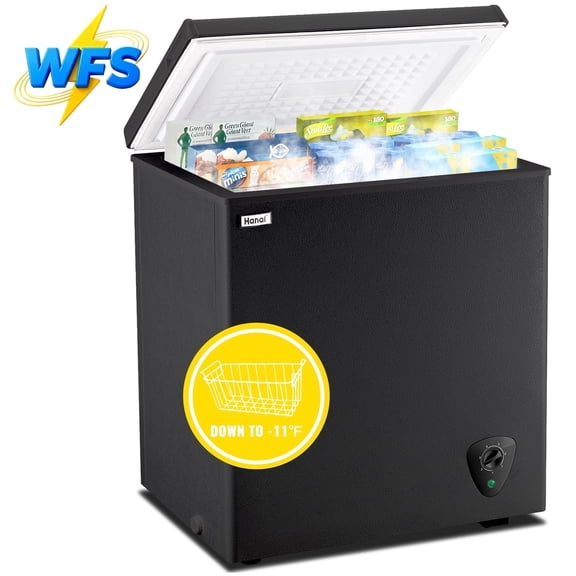
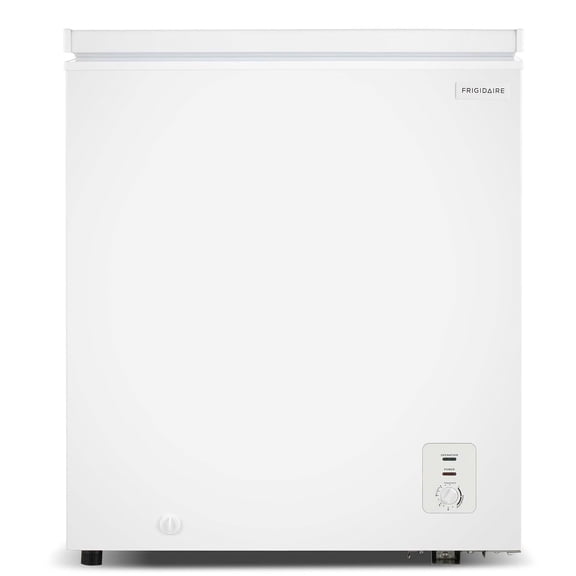
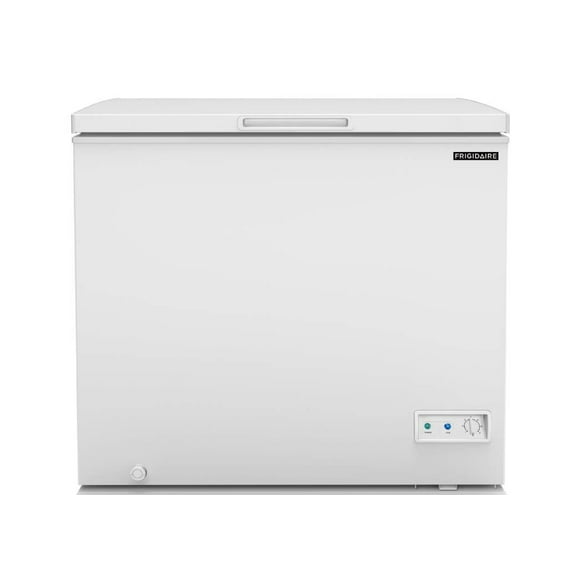
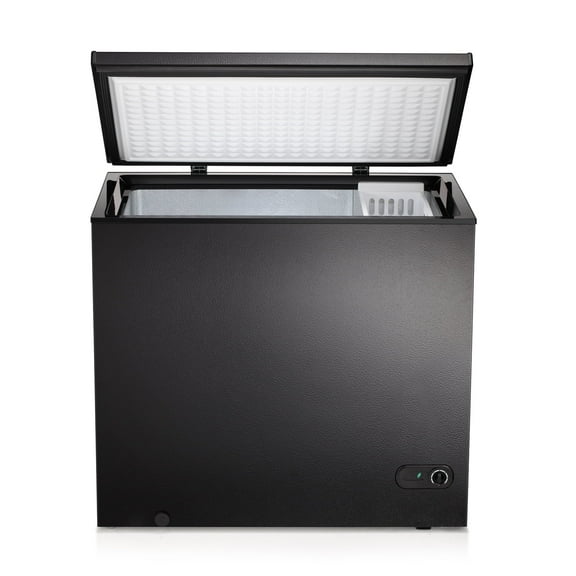
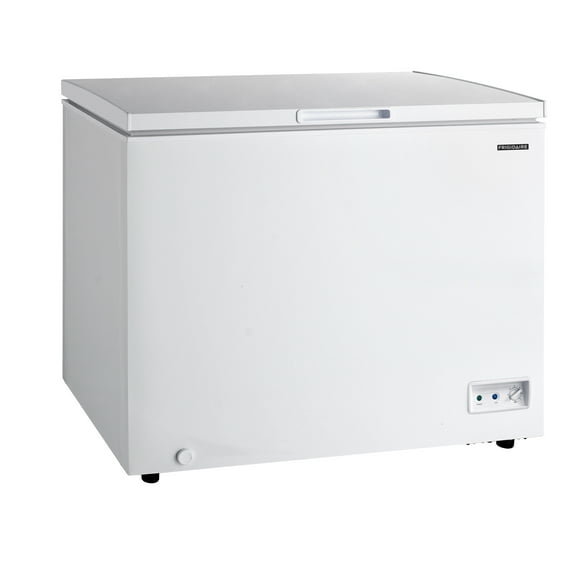
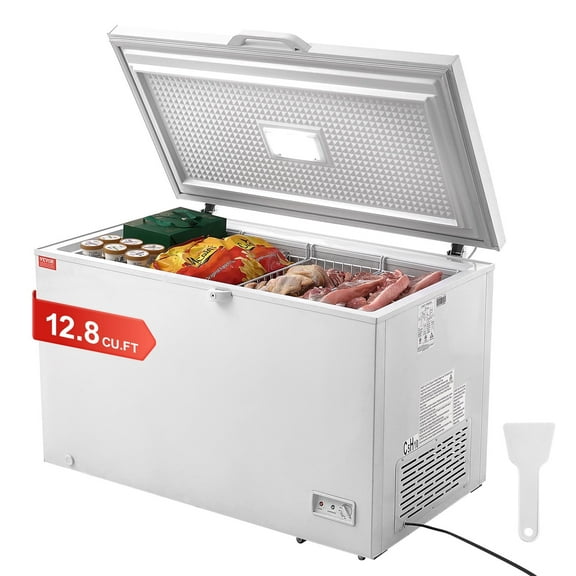
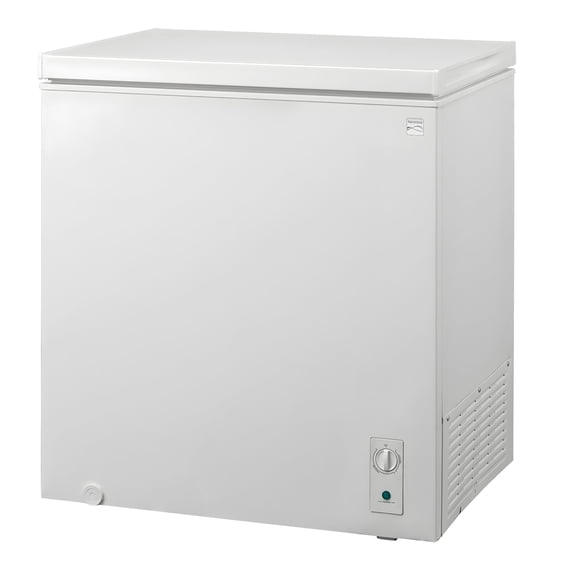
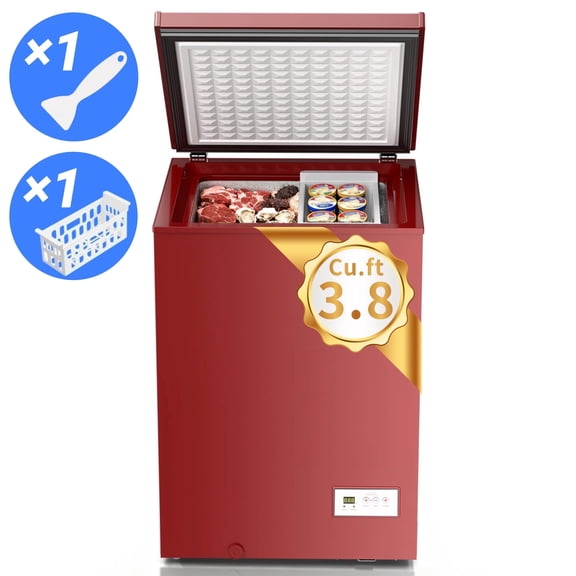
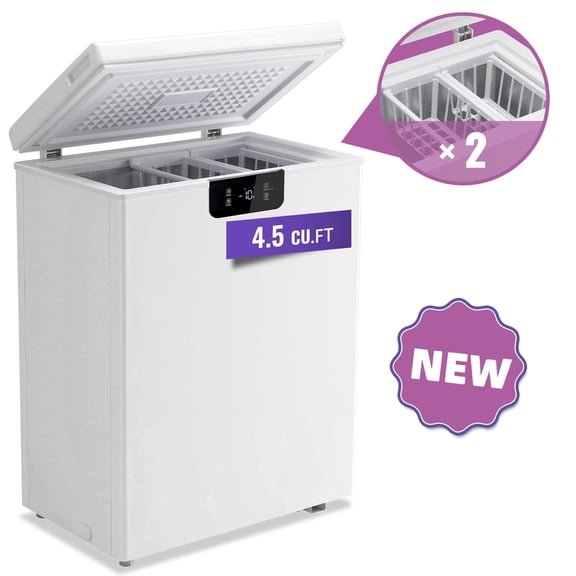
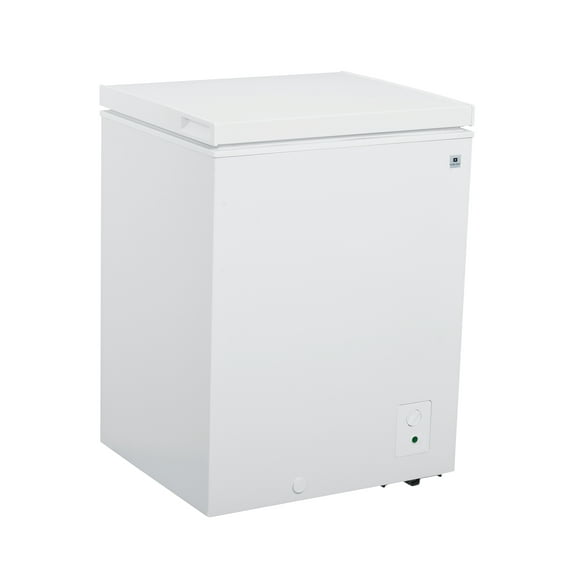
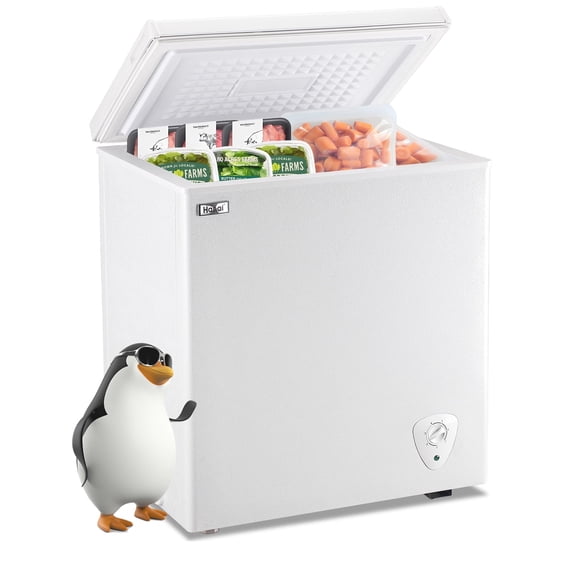
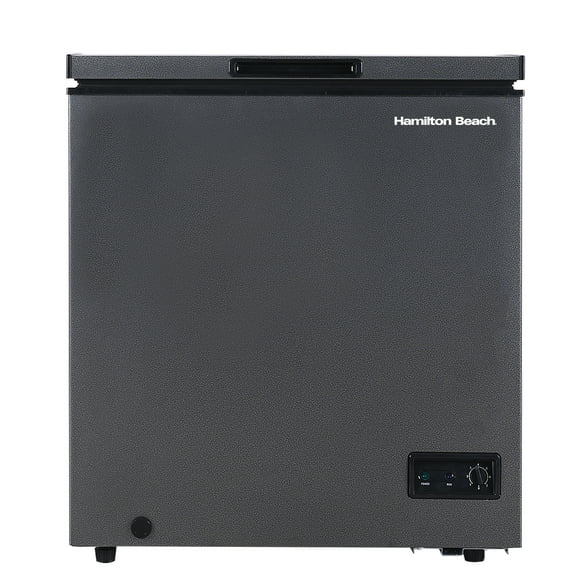
Chest freezers work well when you want wide storage for large cuts of meat, boxed items, or frozen harvests. You get a top-opening design that helps keep cold air inside during loading.
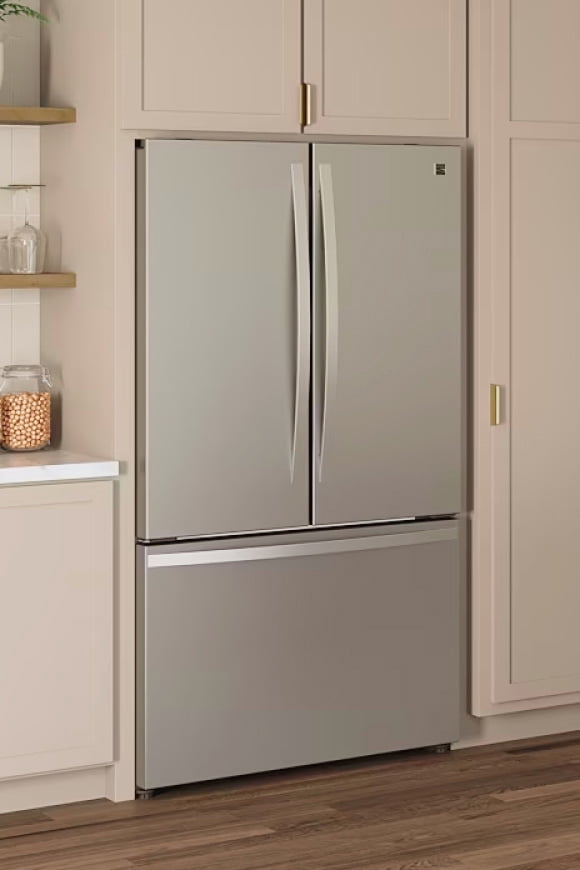
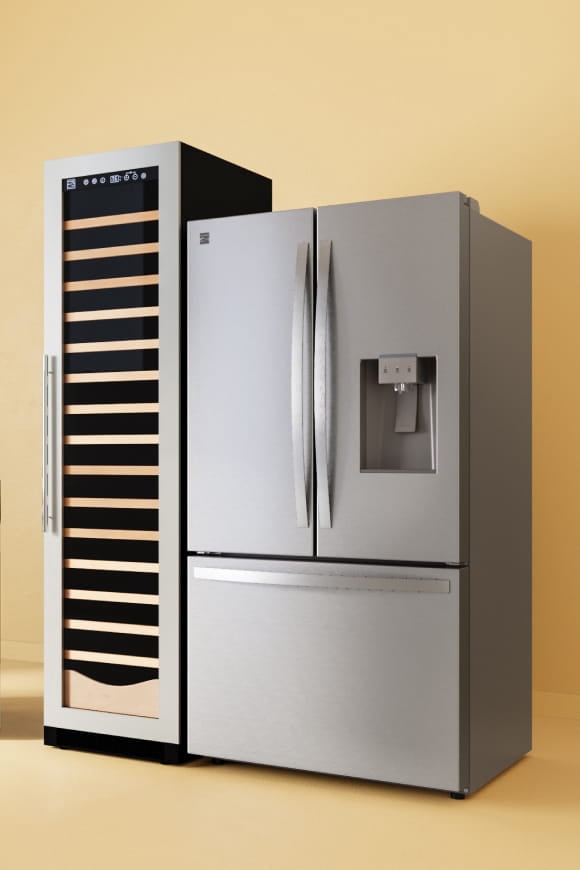
Upright freezers fit your routine when you want shelves, door bins, and easier item visibility. You can sort family meals, breakfast foods, and snacks without digging through stacked packages.
When you compare floor plans, chest freezers usually need more open floor space for their wider footprint. You may prefer upright freezers if you want vertical storage in a narrower spot.
- You can store bulky food packages more easily in chest styles.
- You can organize frozen meals faster with upright shelves and compartments.
- You can match your freezer shape to your room layout and daily habits.
Choosing the right deep freezers size
Capacity matters because you want enough room without giving up useful floor space. You can use cubic feet as a simple guide for weekly groceries, batch cooking, or longer storage.
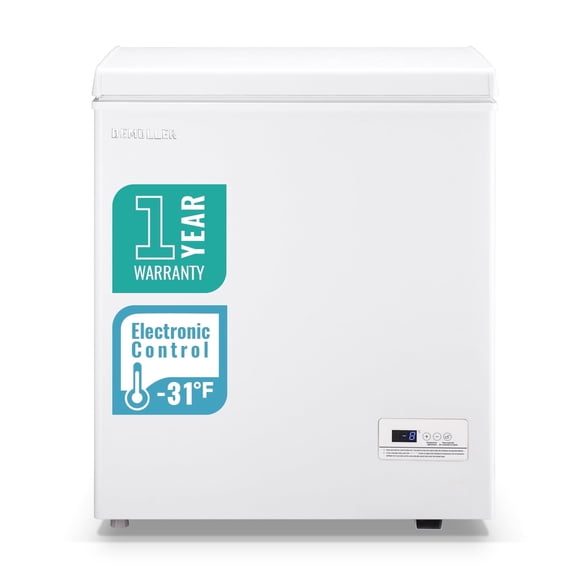
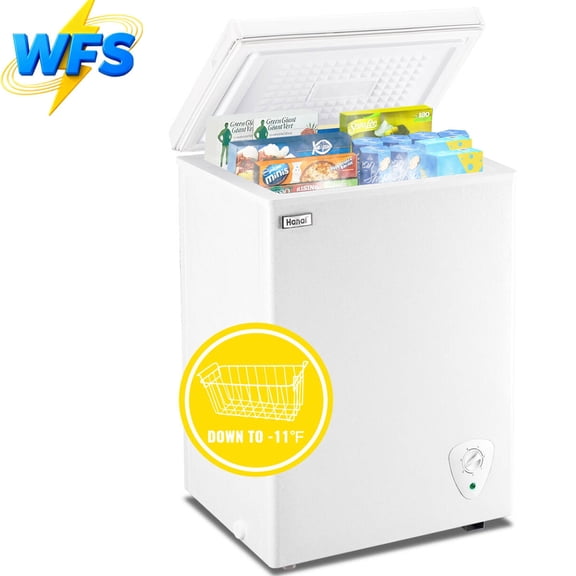
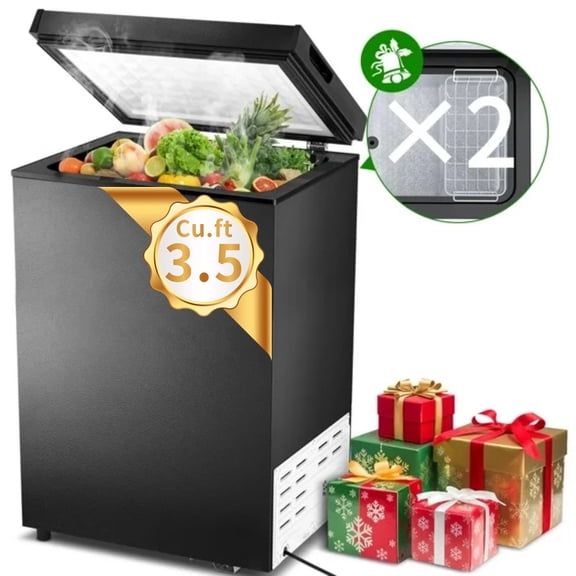
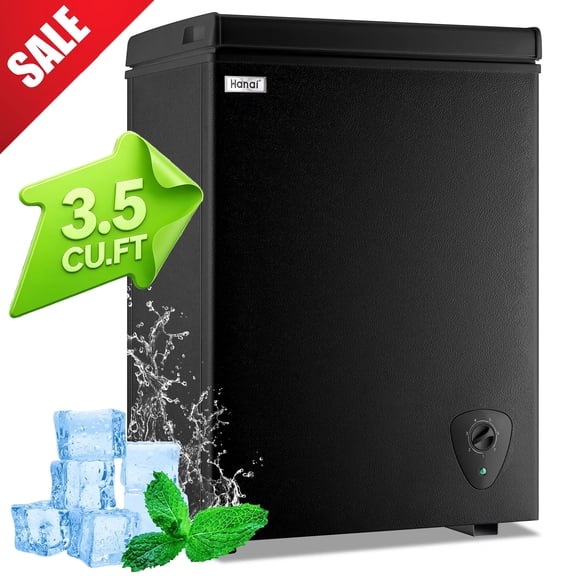
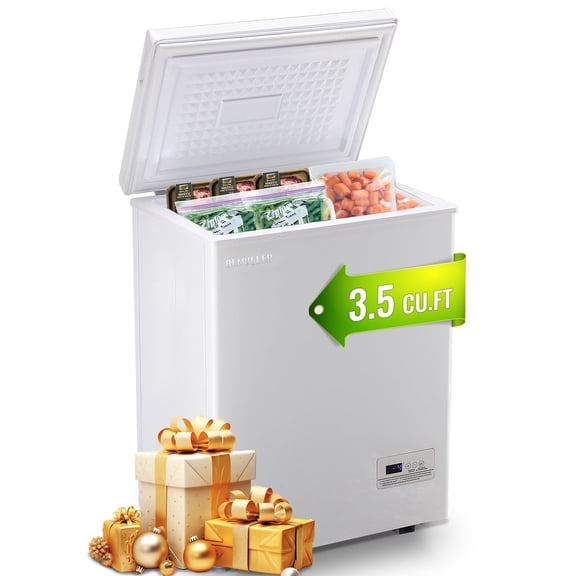
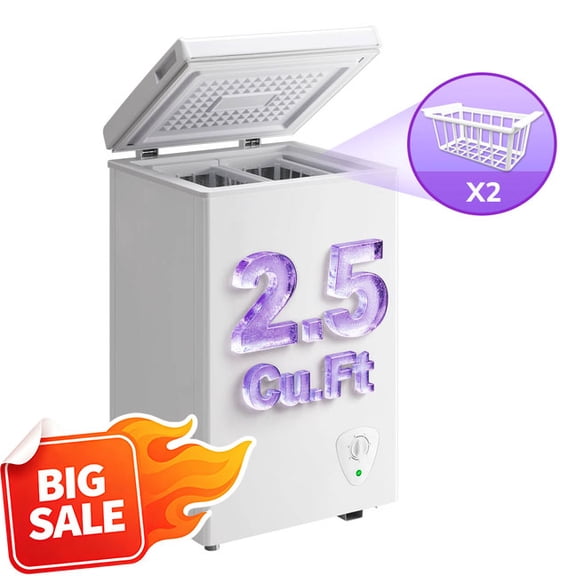
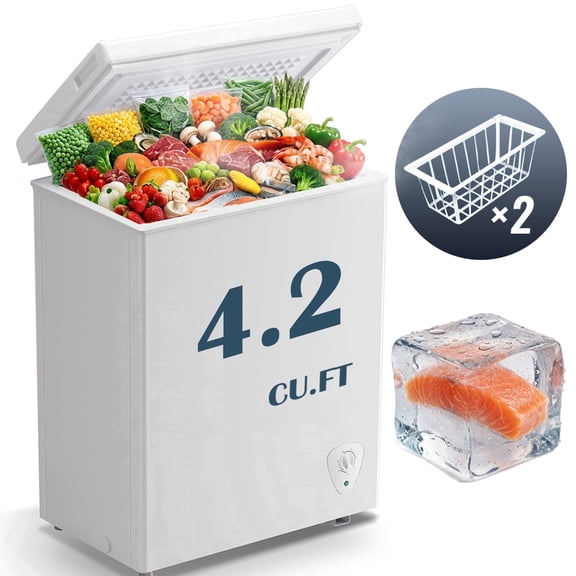
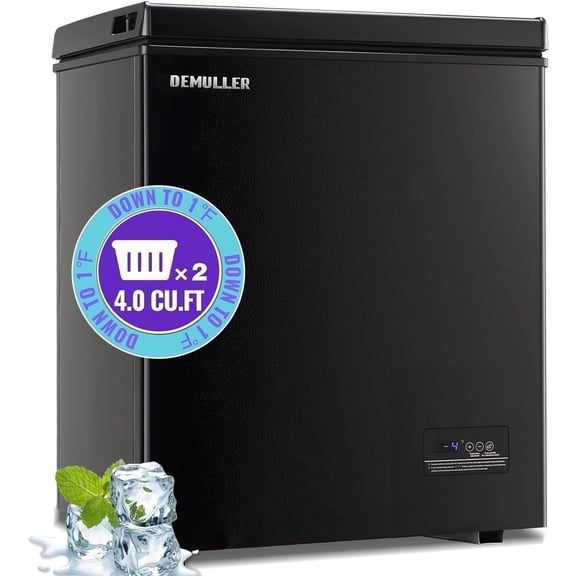
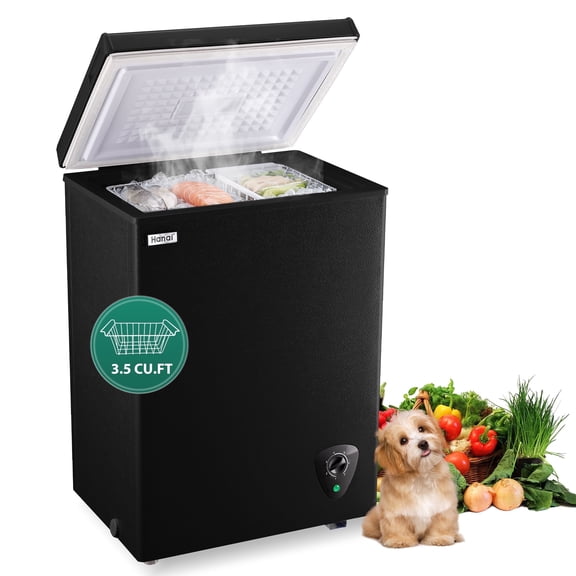
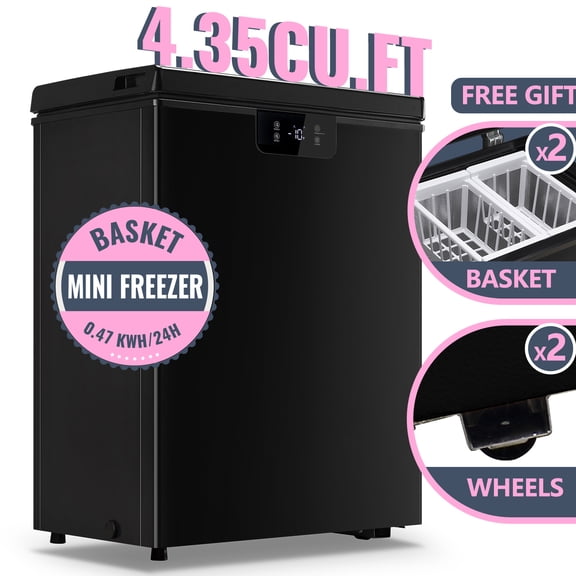
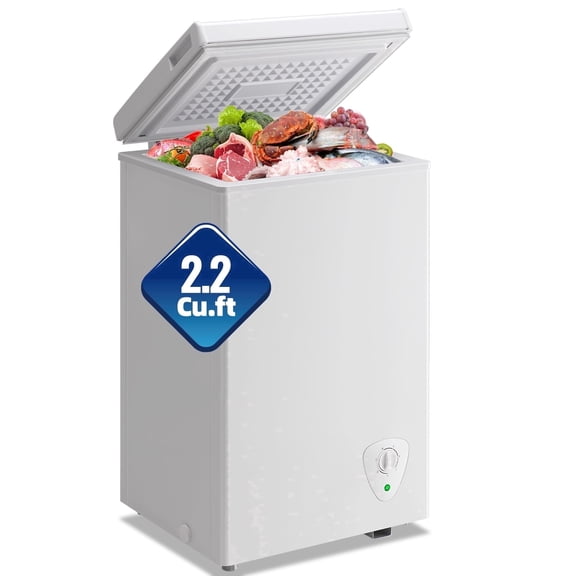
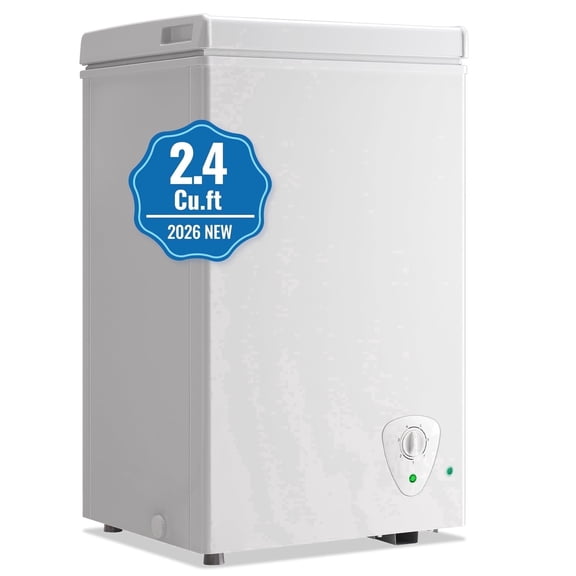
Small deep freezers, around 3.5 to 5.0 cubic feet, suit apartments, condos, and extra snack storage. You can keep frozen essentials close without taking over a laundry room or pantry area.
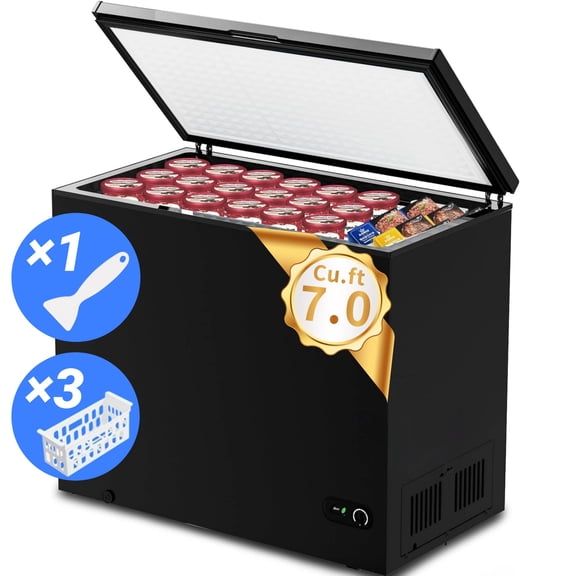
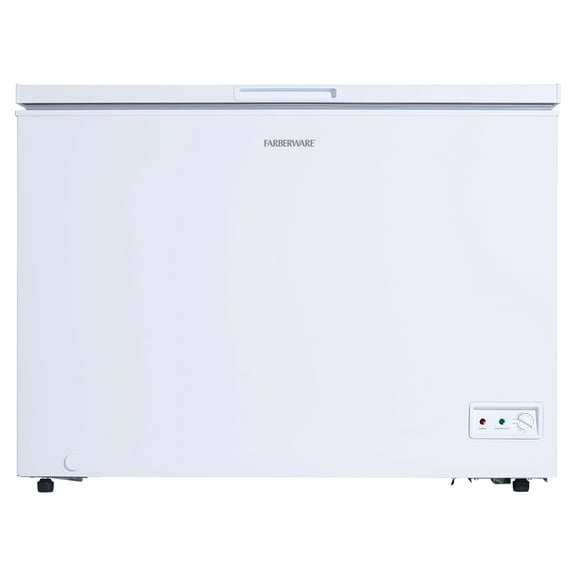
Medium models, around 7.0 to 9.0 cubic feet, fit many households that stock up regularly. You can hold extra proteins, vegetables, and prepared meals for busy weeks and holidays.
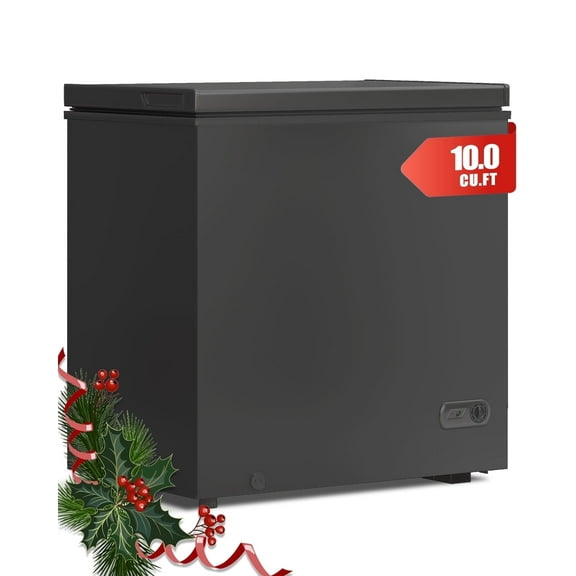
Large models, starting at 10.0 cubic feet, support bigger shopping trips and long-term storage plans. You can keep hunting season finds, garden harvests, or warehouse club packs in one place.
As a quick rule, you should measure your open floor area before choosing a larger unit. You should also compare interior baskets, shelves, and dividers if your storage style needs quick access.
Choosing garage ready freezers and indoor placement
Location affects performance, so you should check whether your space stays climate controlled year round. You may need garage ready freezers if you plan to place your unit in a garage or utility space.
A garage-ready rating means you can compare models built for wider ambient temperature ranges. You get more confidence when your space runs colder in winter or warmer in summer.
If your freezer will stay inside, you can also compare indoor-use models that match kitchens, basements, or mudrooms. You should measure door swing, lid clearance, and walkway space before installation.
Deep freezers for hunting season often make sense in garages, workshops, or storage rooms with easy loading access. You can move larger game packages or bulk freezer paper bundles with fewer steps.
Choosing manual defrost or frost free freezers
Defrost style changes how you maintain your freezer and how you organize your food. You can choose manual defrost if you want a simple setup and steady interior space.
Manual defrost models usually need occasional clearing when frost builds along the walls. You may prefer that tradeoff if you want straightforward storage for bulk meat or long-term frozen goods.
Auto defrost or frost free freezers reduce the need for manual ice removal over time. You can keep shelves and bins easier to access when you want less hands-on upkeep.
Many shoppers look for frost free upright freezer options when they want visible organization and simpler maintenance. You should compare storage layout and defrost style together, since they shape everyday convenience.
Checking energy use and everyday operation
Electricity use matters when you plan to keep extra frozen storage running all year. You can compare annual kWh figures to understand how much energy a model is designed to use.
If you notice an Energy Star label, you can use it as one decision point during comparison. You should still check capacity, freezer type, and placement needs so the model fits your routine.
Features like exterior temperature controls, power indicators, and interior lighting can also shape daily use. You can load groceries faster and check conditions quickly when those details match your space.
Baskets, pull-out bins, and adjustable shelves help you separate proteins, produce, and packaged meals. You can waste less time searching when your freezer supports the way you sort food.
Matching deep freezers to real household use
If you cook in batches, you may want an upright model with shelves for labeled containers. You can stack soups, casseroles, and breakfast items where you can see them at a glance.
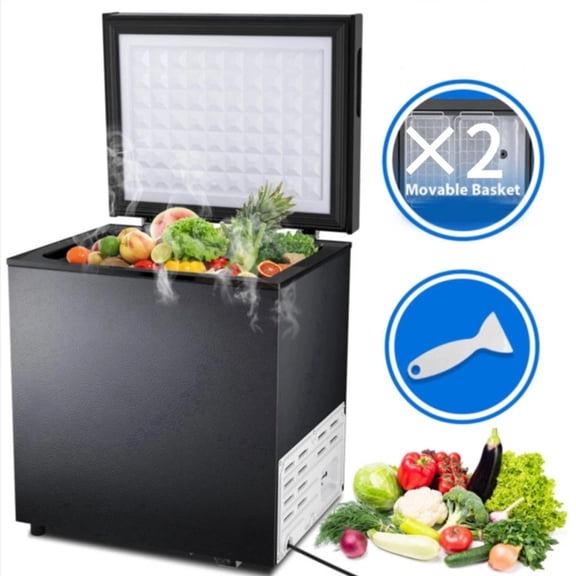
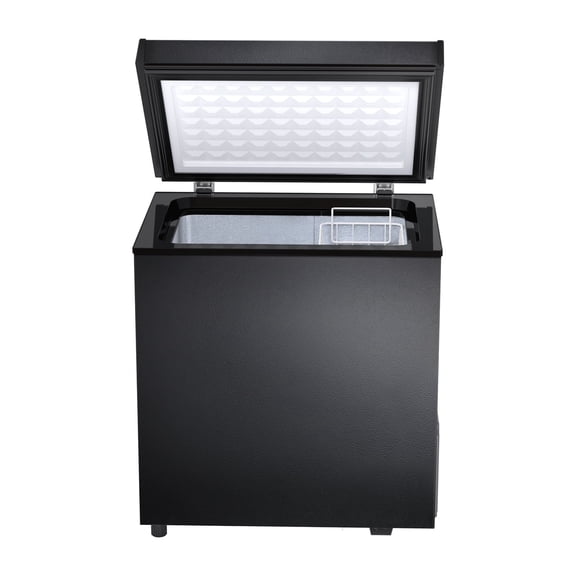
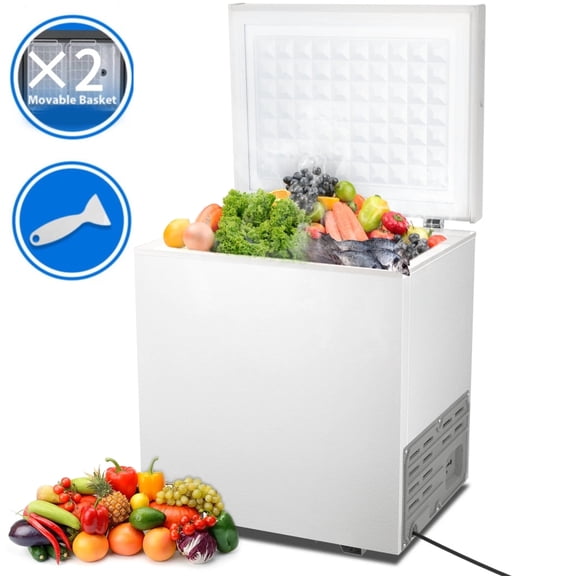
If you buy meat in bulk, you may lean toward chest freezers with open storage and lift-out baskets. You can fit larger packages, odd shapes, and overflow holiday items more comfortably.
For smaller homes, compact freezers help you add frozen storage without crowding your room. You can use them for smoothies, frozen vegetables, or backup groceries between larger shopping trips.
For larger households, medium or large capacities support weekly stock-ups and seasonal extras. You can keep school lunches, family dinners, and party food ready in one dedicated space.
If you process game or preserve produce, deep freezers for hunting season can support heavier seasonal loads. You can pair larger capacity with garage placement when your workflow starts outside the kitchen.
When you compare deep freezers carefully, you can match size, type, defrost style, and placement to your home. You end up with frozen storage that fits your space and keeps food organized longer.