

Decorative Switches & Wall Plates in Wall Plates






















About Decorative Switches & Wall Plates in Wall Plates - Walmart.com
You can refresh a room quickly with decorator wall plates that match your switches, outlets, and finish choices. You’ll notice these covers change the look around rocker switches, duplex outlets, and multi-gang boxes without major remodeling.
When you compare decorative switches and covers, you should focus on compatibility before color or style. You’ll get a cleaner result when your plate shape, gang count, and installation type all match your wall box.
How to choose decorator wall plates
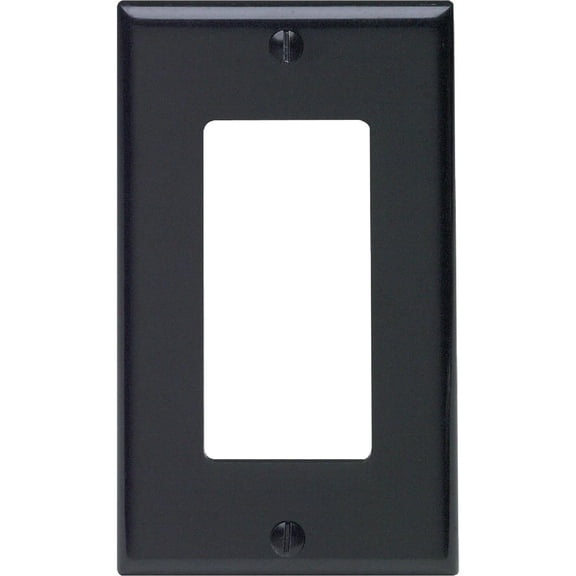
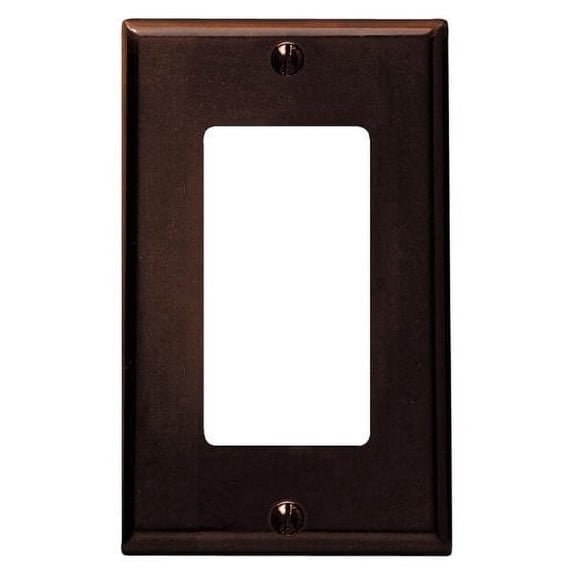
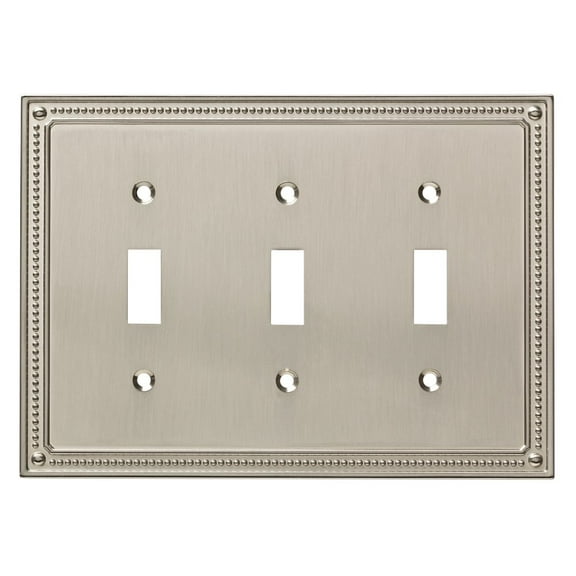
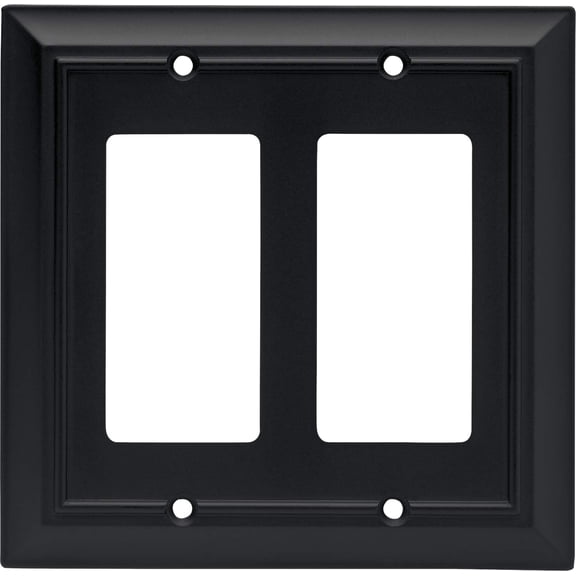
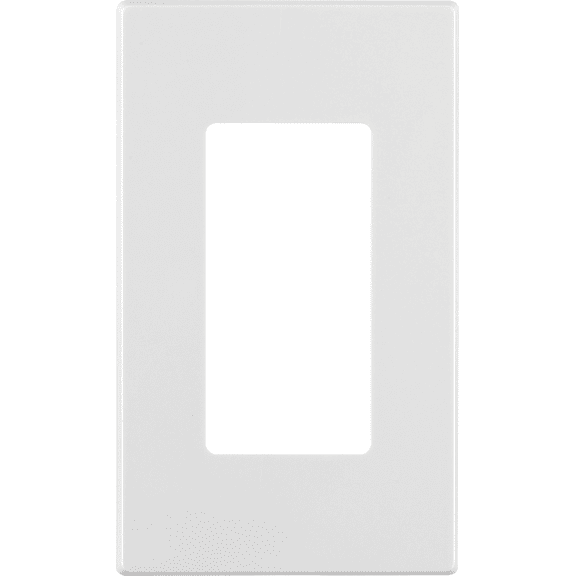
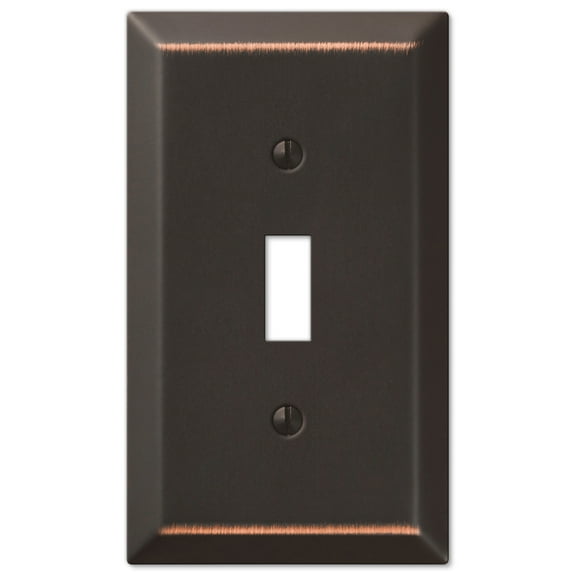
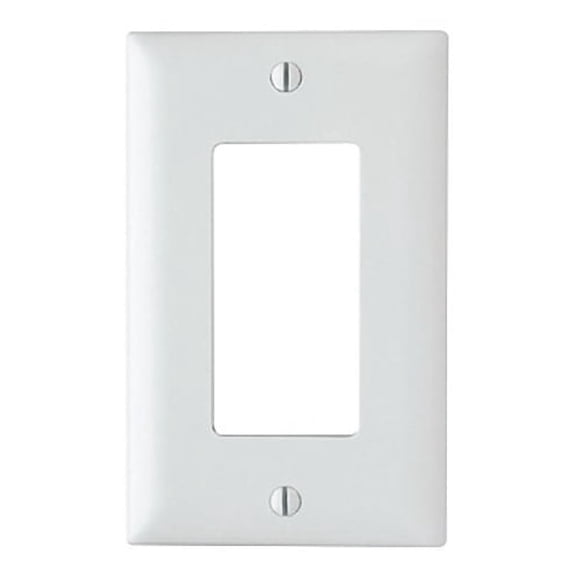
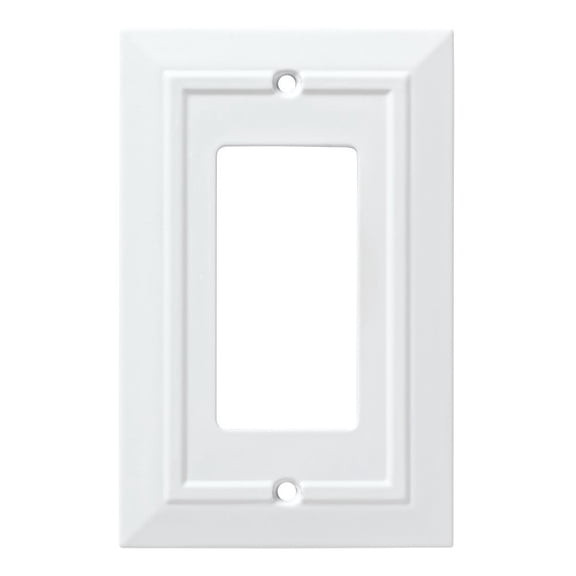
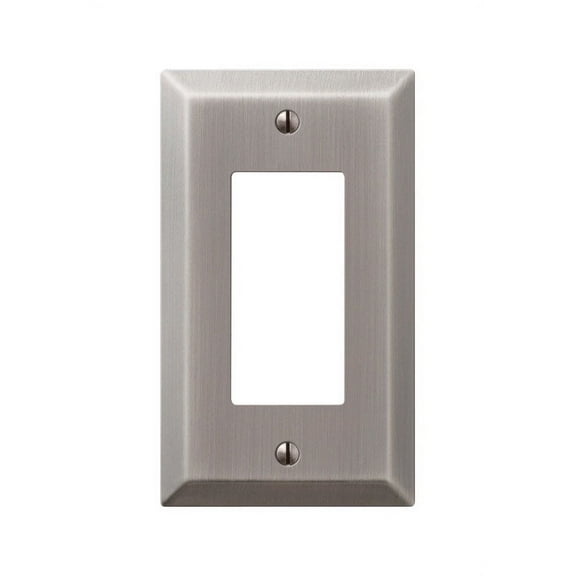
You should start with the opening style in your wall plate. You’ll need a decorator or rocker opening for wide paddle switches, a toggle opening for narrow lever switches, or a duplex opening for standard outlets.
If you mix up those opening types, you won’t get the flush fit you want. You’ll find that a decorator wall plate has a larger rectangular cutout, while a toggle plate has a slim vertical slot.
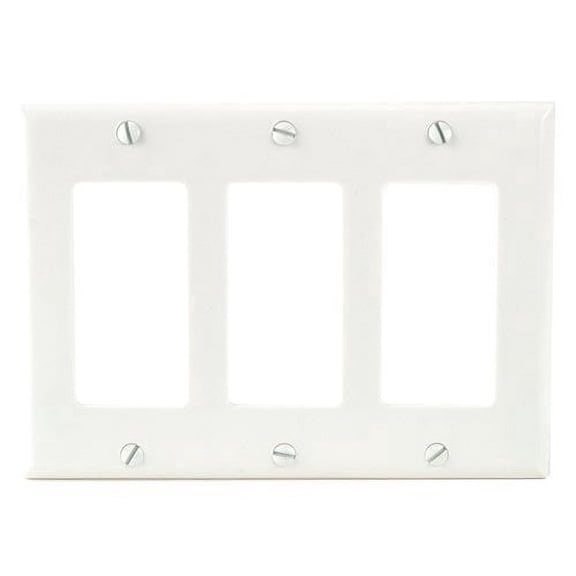
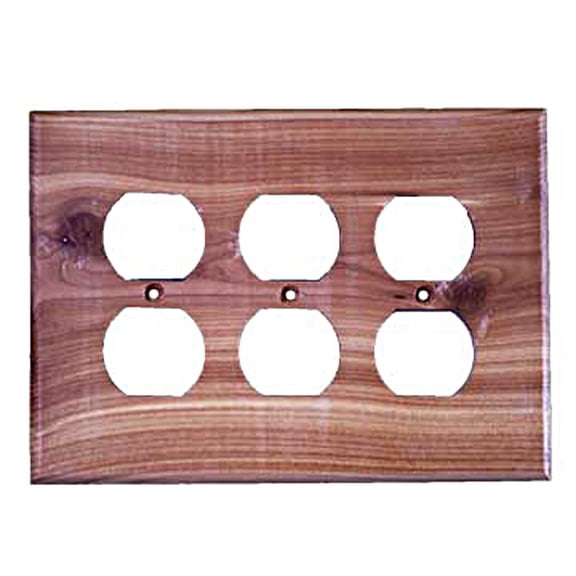
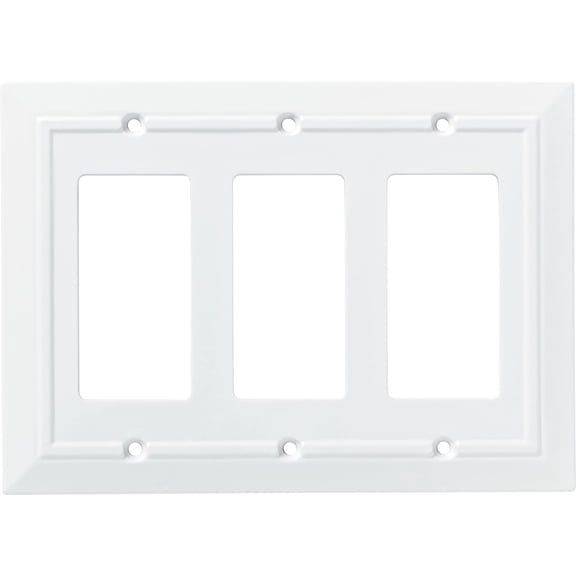
You should also count how many devices sit side by side in the electrical box. You’ll see one-gang plates for a single switch or outlet, while two-gang, three-gang, and multi-gang plates cover wider combinations.
- You can match rocker switches with decorator rocker switch plates for a clean, modern outline.
- You can cover side-by-side switches or outlets by choosing the correct gang count.
- You can coordinate finishes across kitchens, baths, hallways, and living spaces.
- You can pick screwless or traditional screw-in styles based on the look you want.
Choosing switch style and gang count
You should measure the exact device layout before ordering decorative wall switch covers. You’ll avoid return hassles when you confirm whether your setup uses one rocker, two toggles, or a switch-and-outlet combination.
For newer interiors, you may prefer wide paddle switches with decorator rocker switch plates. You’ll get straighter lines around the device, and your wall can look more updated than it does with older toggle shapes.
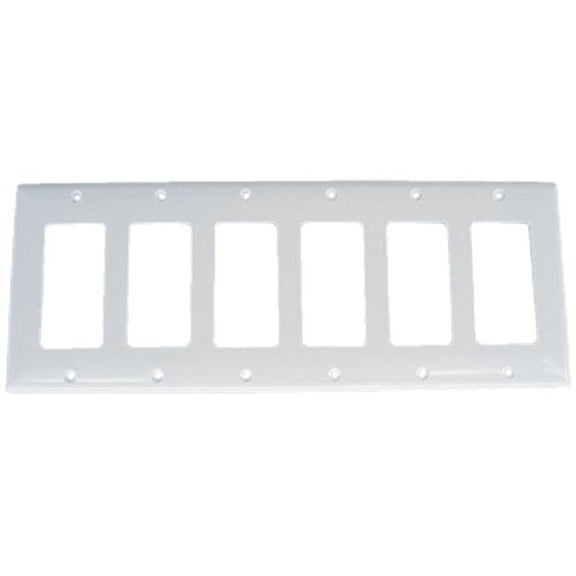
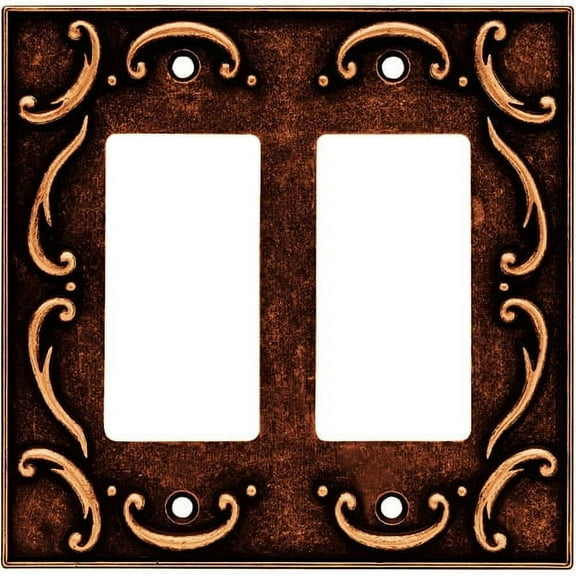
If your box holds several devices, you should check the gang count carefully. You’ll need a two-gang plate for two side-by-side openings, while three-gang and multi-gang plates fit broader wall layouts.
You may also need decorative switch plates and outlet covers in mixed configurations. You’ll find combinations that frame rocker switches beside duplex outlets, which helps you keep one consistent look on the same wall.
Comparing materials, finishes, and decorative light plates
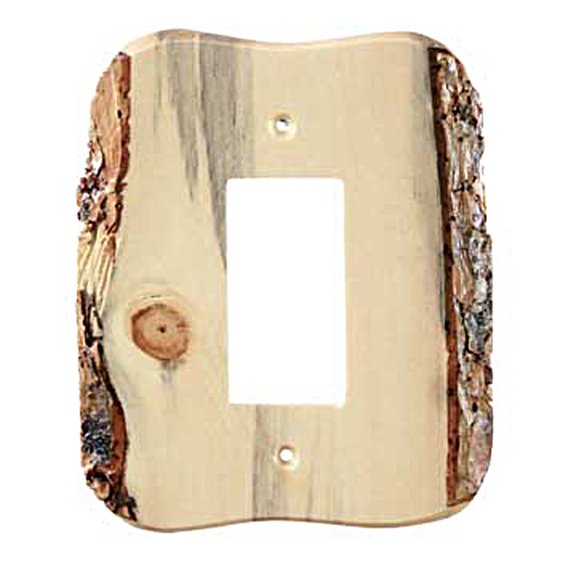
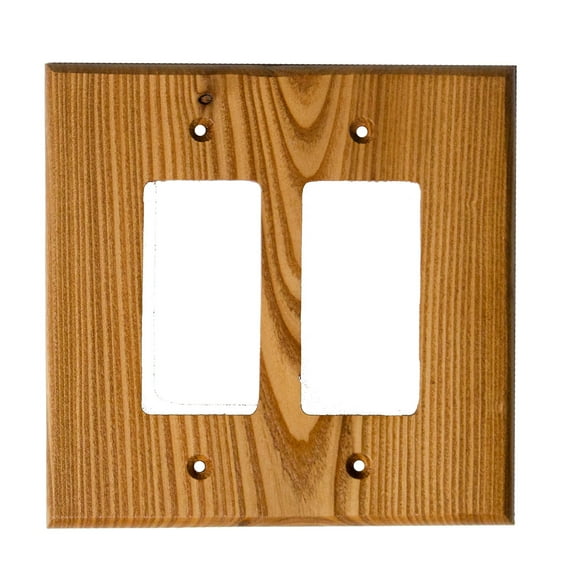
You should compare material choices based on the room and the style you want. You’ll often see plastic for a smooth everyday finish, metal for a more defined accent, and wood for warmer decorative detail.
When you select decorative light plates, you should think about nearby hardware and fixtures. You’ll create a more pulled-together space when your wall plate finish echoes cabinet pulls, faucets, or lighting trim.
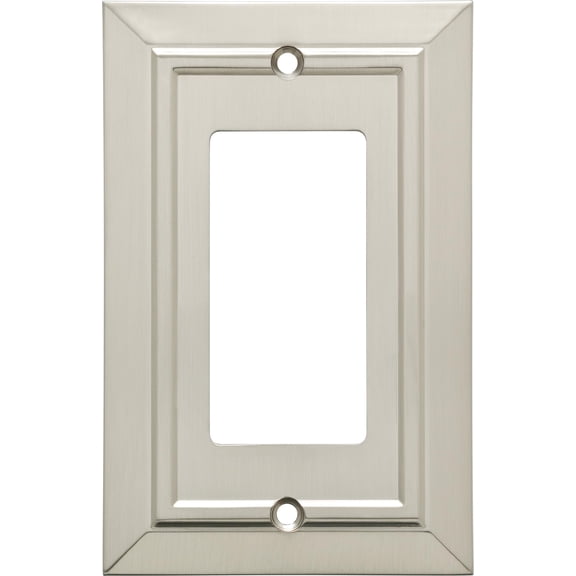
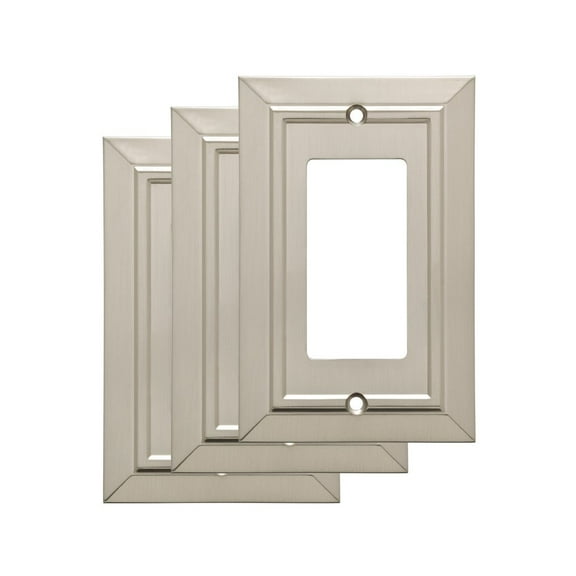
Brushed nickel can give your room a sleek, understated look around contemporary fixtures. Brass can add a classic accent, while painted or molded plastic can blend easily with many wall colors.
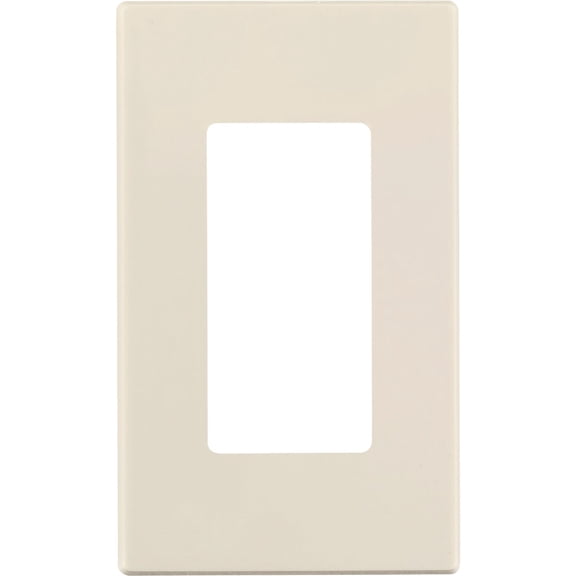
You should also consider how the plate surface affects the final appearance. You’ll notice screwless faces create a cleaner front view, while traditional screw-in styles keep the fasteners visible for a classic utility look.
What to look for in installation type
You should choose installation details that fit your project and comfort level. You’ll often find traditional screw-in plates simple to replace, while screwless designs add a snap-on outer cover for a smoother finish.
If you’re updating a visible area, you may like the cleaner face of decorative cover plates with a screwless design. You’ll hide the front screws, which can help your switch area look more streamlined.
For quick replacements, you may prefer a standard plate with visible screws. You’ll recognize the setup right away, and your swap can feel straightforward when you’re matching an existing style.
You should also check plate dimensions and edge shape before you install. You’ll want enough coverage to frame the wall opening neatly, especially if you’re replacing an older plate with a newer decorative profile.
Where decorative wall switch covers work well
You can use decorative wall switch covers to sharpen the finish in entryways, kitchens, bathrooms, and living rooms. You’ll see the difference most around eye-level switches where plain covers can interrupt a polished room design.
In kitchens, you may want finishes that coordinate with appliances, cabinet hardware, or backsplash tones. You’ll often choose metal looks there, especially when your outlets and switches sit above the counter.
In bedrooms and living spaces, you may want decorative switches and plates that blend quietly into the wall. You’ll often lean toward plastic or painted looks when you want the plate to support the room without standing out.
For hallways, offices, and shared family spaces, you should focus on consistency across every visible switch point. You’ll get a more finished result when each gang count, opening style, and finish follows the same design plan.
You can make a small upgrade feel intentional when your plate style matches your switch type, gang count, and room finish. You’ll get a cleaner wall detail that looks right every time you reach for the switch.