

Wood Sealers for Decks and Outdoor Protection




























About Wood Sealers for Decks and Outdoor Protection - Walmart.com
You can protect decks, fences, and outdoor furniture with wood sealers that help your surfaces handle rain, sun, and daily exposure. You can compare base type, finish, application area, and protection level to choose a formula that fits your project.
How to choose wood sealers for your project
When you compare wood sealers, you should start with where you'll use them and how much grain you want to show. You can narrow your options faster when you match the sealer to bare wood, older boards, or a refreshed topcoat.
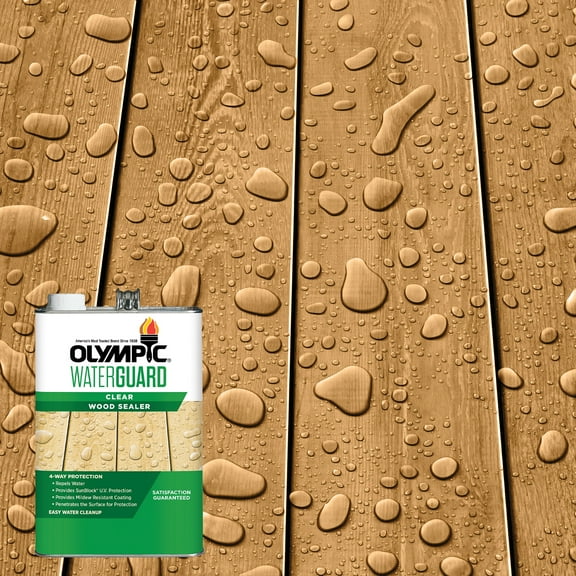
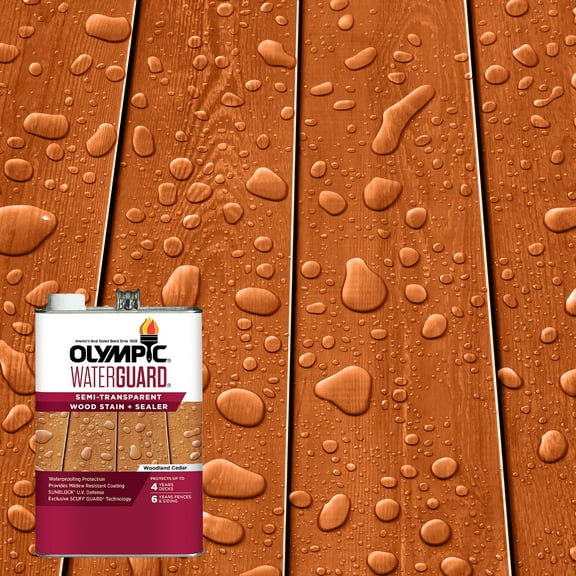
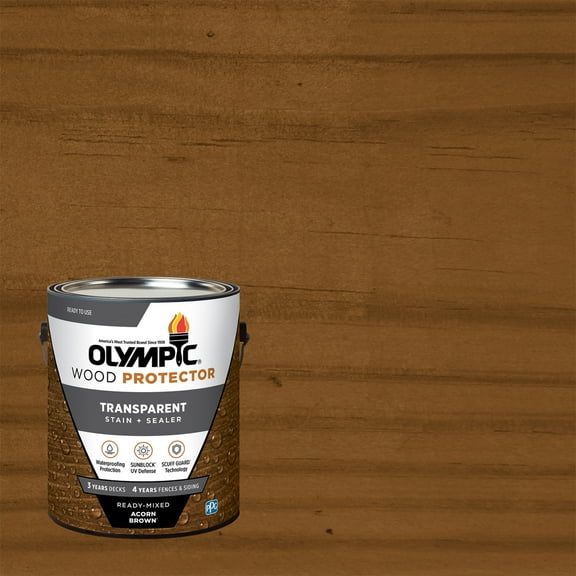
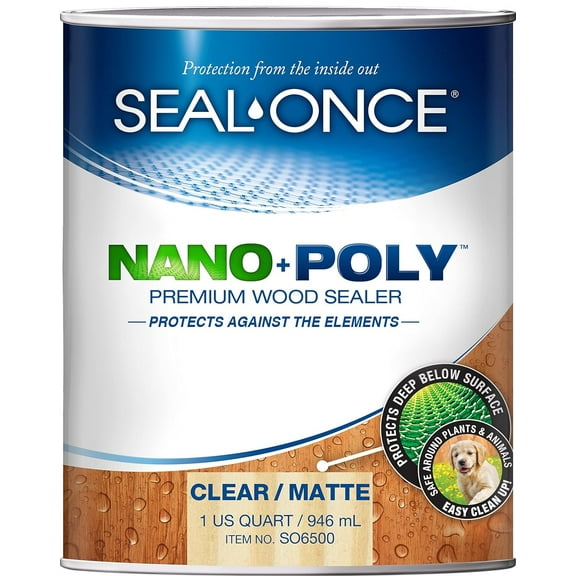
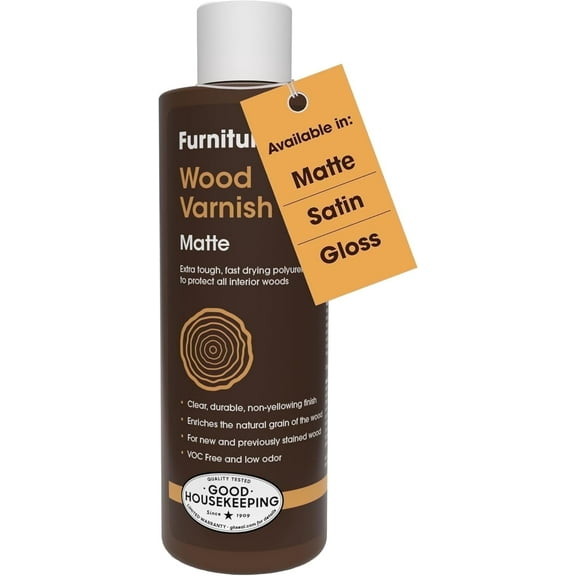
For outdoor builds, you may want an exterior wood sealer that helps water bead off and slows fading. For visible grain, you can look for a clear wood finish or a translucent option.
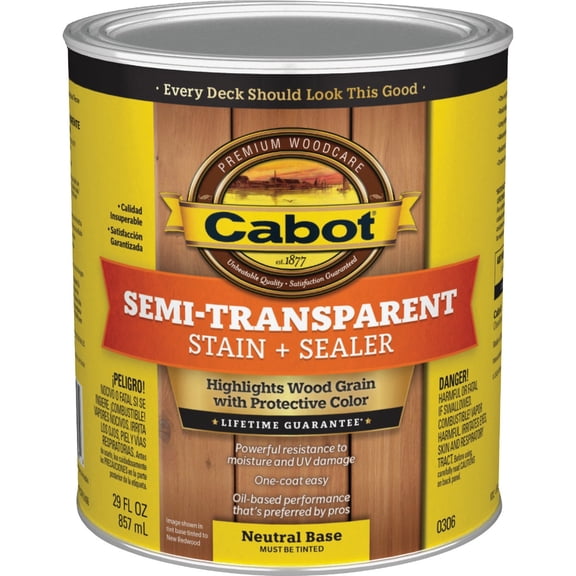
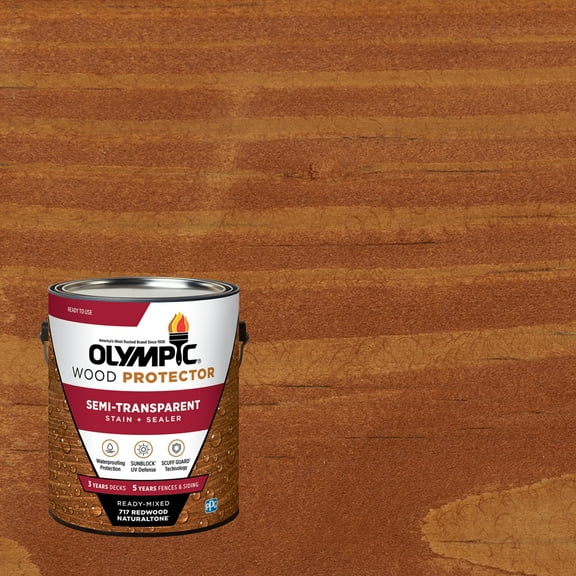
If you want more color coverage, you can compare semi-transparent and solid finishes before you commit. You can keep a natural look with lighter opacity, or you can cover weathered boards with more hiding power.
Choosing base type and protection level
You should compare oil-based, water-based, and acrylic formulas because each one changes how your project feels during application and upkeep. You can use these differences to match cleanup, dry time, and surface appearance to your routine.
- You can choose oil-based formulas when you want deep penetration and a richer look on older wood.
- You can choose water-based formulas when you want easier soap-and-water cleanup and a faster return to use.
- You can compare acrylic options when you want a balanced coating that layers smoothly on many exterior surfaces.
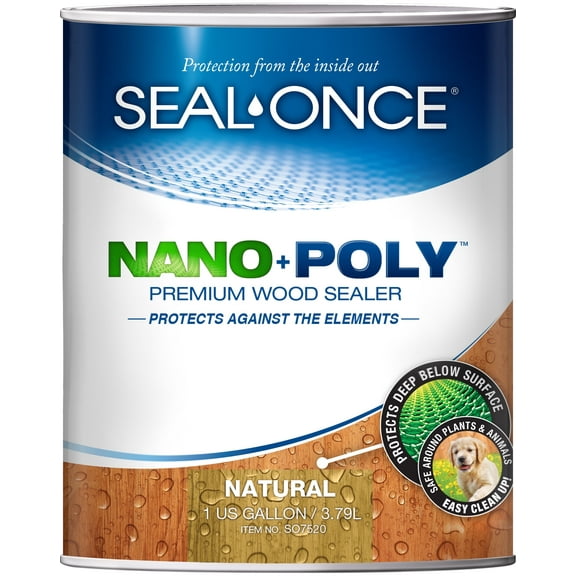
- You can look for waterproof wood sealer options when your deck or fence faces frequent rain and standing moisture.
- You can check UV resistant and mold resistant labels when your wood sits in strong sun or damp shade.
When you review decision-critical details, you should note VOC levels because they affect the product profile and application environment. You should also check cleanup solvents, since oil-based products often need mineral spirits while water-based options rinse more easily.
Dry time matters when you plan your weekend project, and you should check how soon you can recoat. You can move faster with shorter recoat windows, especially when you're sealing railings, steps, or several furniture pieces.
Comparing finish and color coverage
You can use finish and opacity to control how much wood character stays visible after application. You should compare clear, translucent, semi-transparent, and solid options based on grain pattern, board condition, and sun exposure.
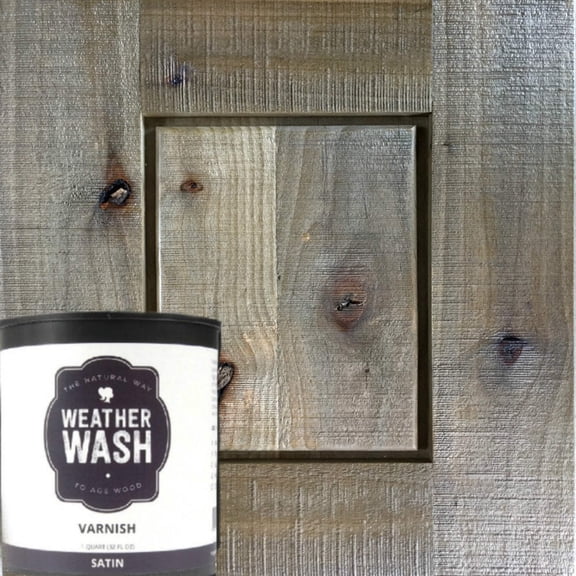
A clear wood finish lets your natural grain stay front and center, which works well on newer cedar or redwood. You should remember that less pigment usually means less UV blocking than darker, more opaque choices.
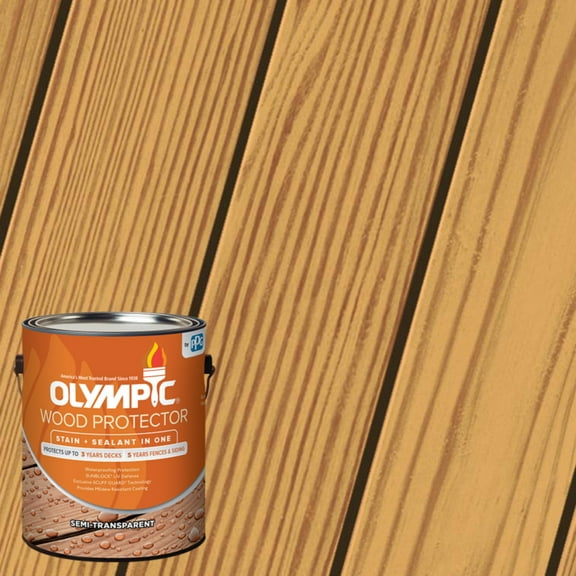
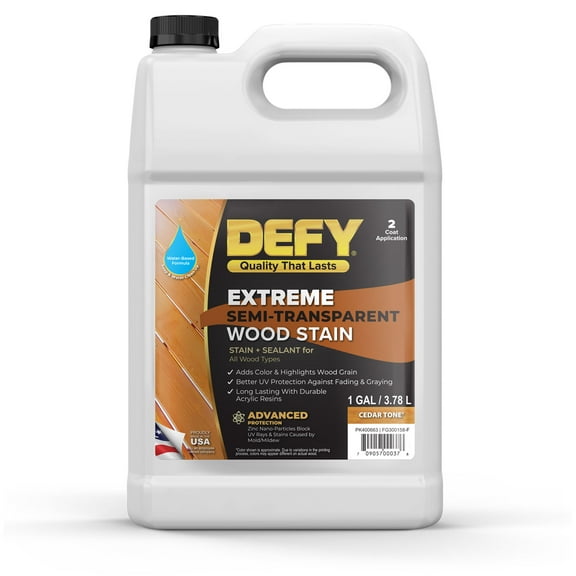
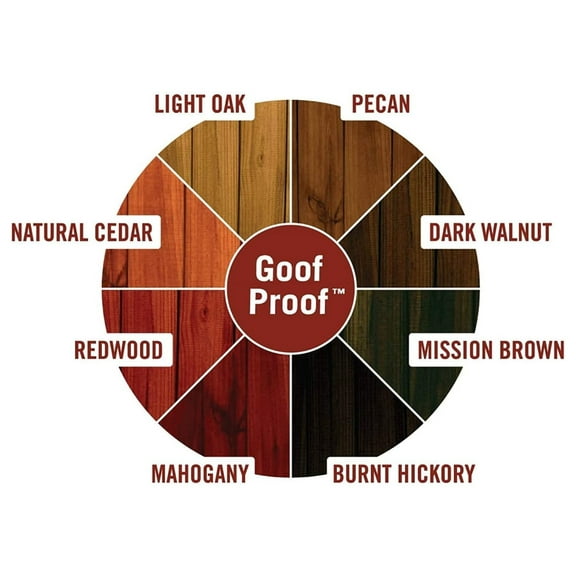
Translucent and semi-transparent options add some color while still showing texture and grain lines. You can use these finishes when you want more visual depth without fully covering knots and board variation.
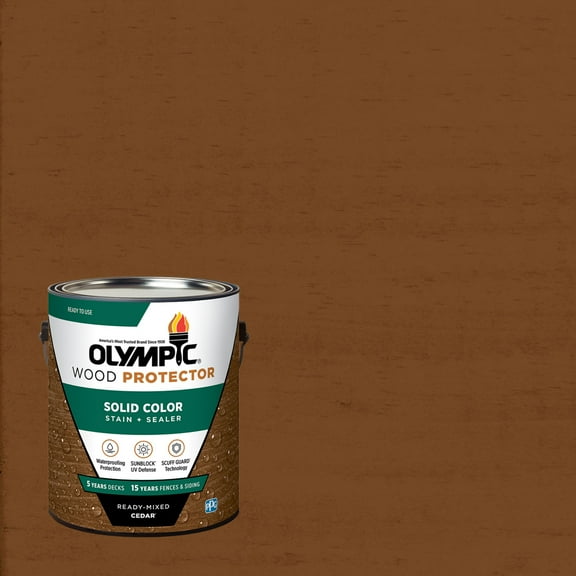
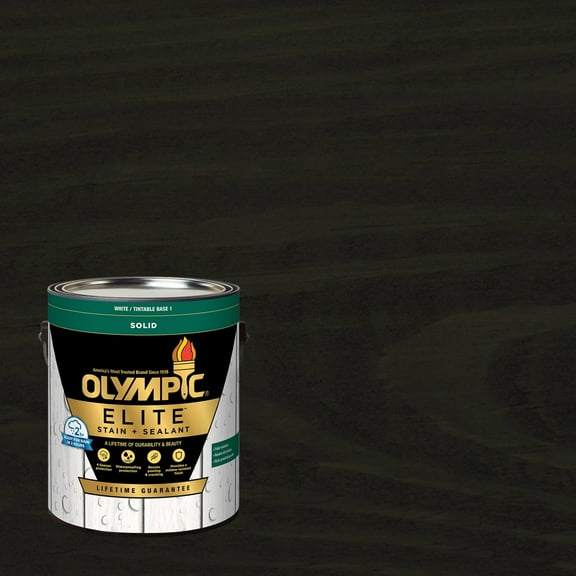
Solid finishes cover much more of the wood surface, so you can refresh heavily weathered siding or aging fence panels. You may prefer this route when your boards have uneven tone and you want a more uniform look.
Matching wood sealers to decks, fences, and furniture
You should match the product to the surface because foot traffic, vertical exposure, and detailed shapes all change what feels practical. You can choose a deck sealer for walking surfaces, then compare other options for fences, siding, and chairs.
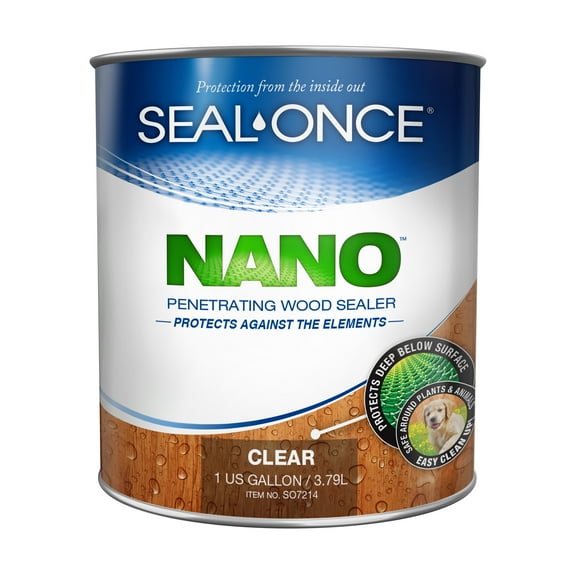
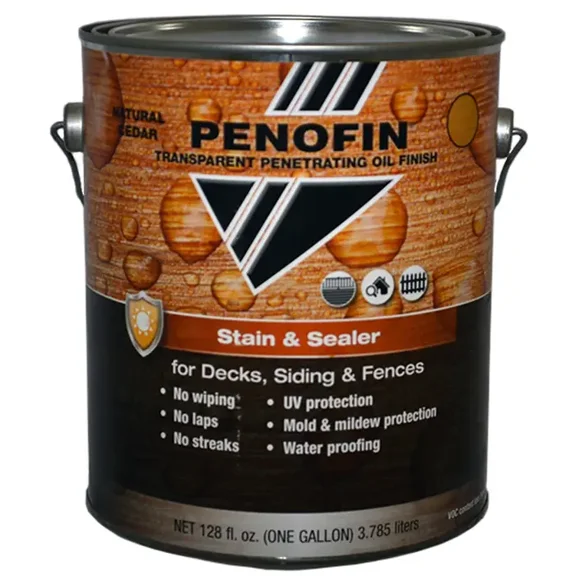
On decks, you may want a penetrating wood sealer that sinks into boards and highlights texture without creating a thick film. You should also check whether the formula fits pressure-treated lumber, stairs, and horizontal planks.
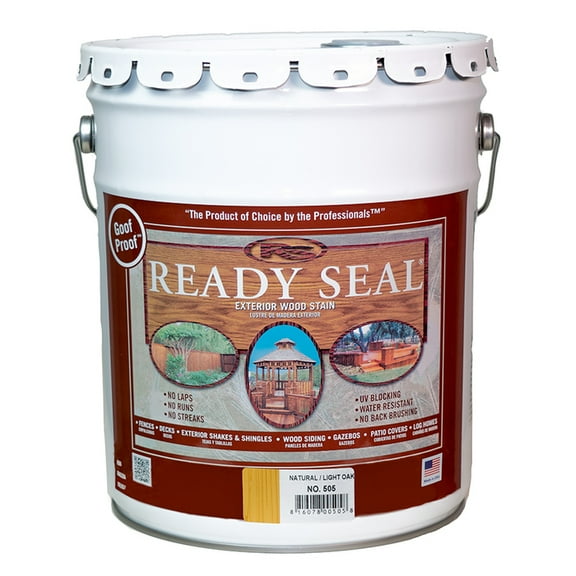
For fences and siding, you can focus on weather exposure, color consistency, and how the finish looks across large vertical areas. You may prefer an outdoor wood sealer with added UV resistance when those boards face direct afternoon sun.
Outdoor furniture needs extra attention to corners, slats, and curved arms, so you should think about application method before you buy. You can brush detailed areas, roll broad flat panels, or spray when you want quicker coverage.
Application tools can shape your experience as much as the formula itself, especially on larger projects. You should compare brush, roller, and spray directions so your first coat goes on evenly and your recoat stays simple.
What to look for before you apply
You should check surface prep steps, recommended temperatures, and coverage guidance before you open the container. You can avoid mismatched expectations when you measure your square footage and compare dry-to-touch timing.
Some projects need quick turnaround, while others let you prioritize deeper penetration and a richer finish. You can choose more confidently when you compare recoat windows, cleanup needs, and the final look you want outdoors.
With the right wood sealers, you can protect exposed boards, preserve visible grain, and make maintenance feel more manageable season after season. You can finish your project with a look and protection level that fits the way your space gets used.