







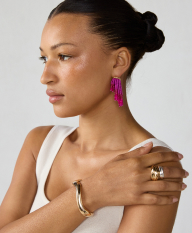
Cross Earrings in Earrings


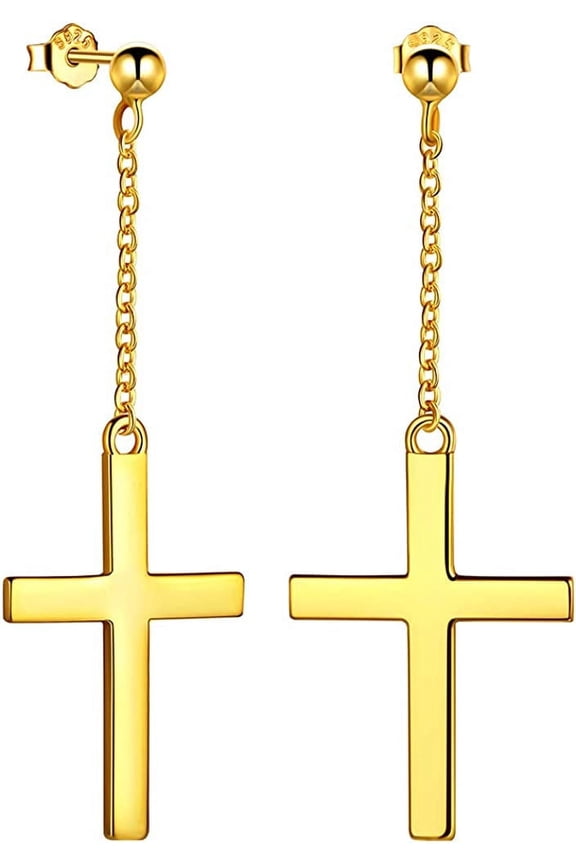


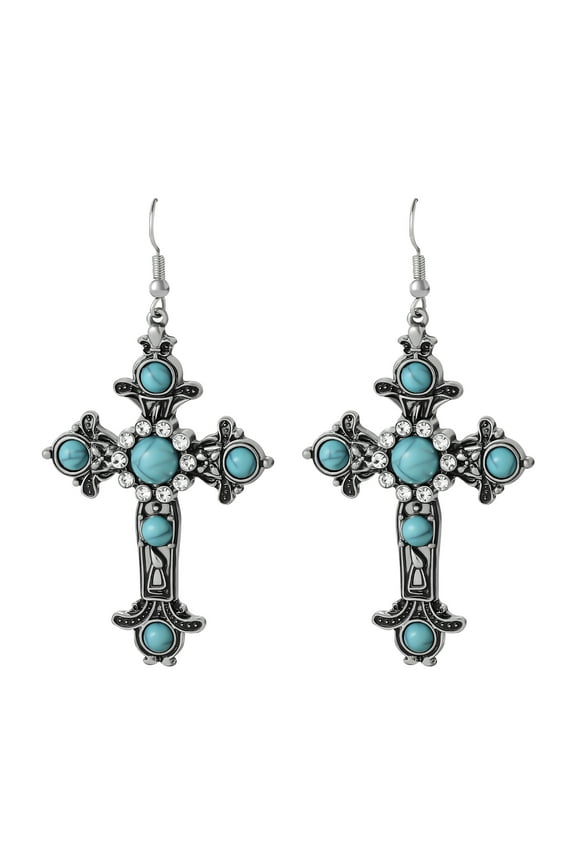


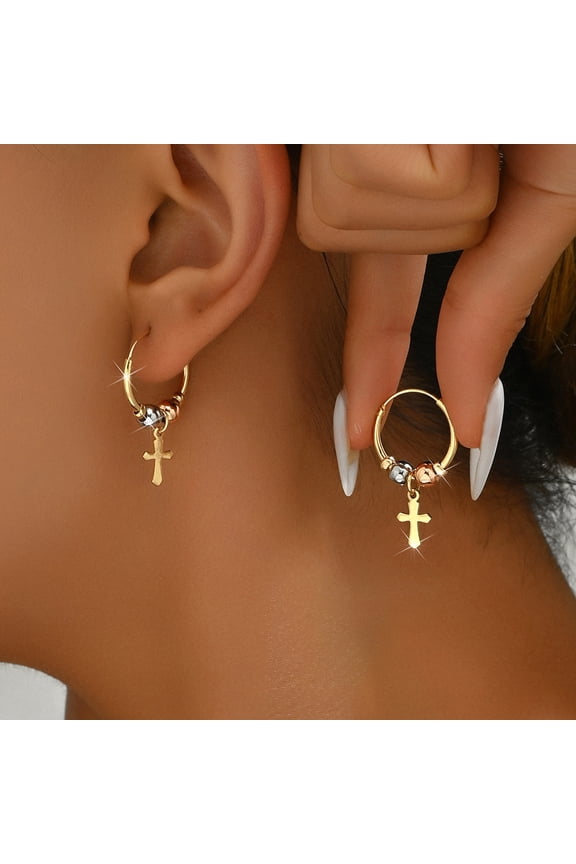

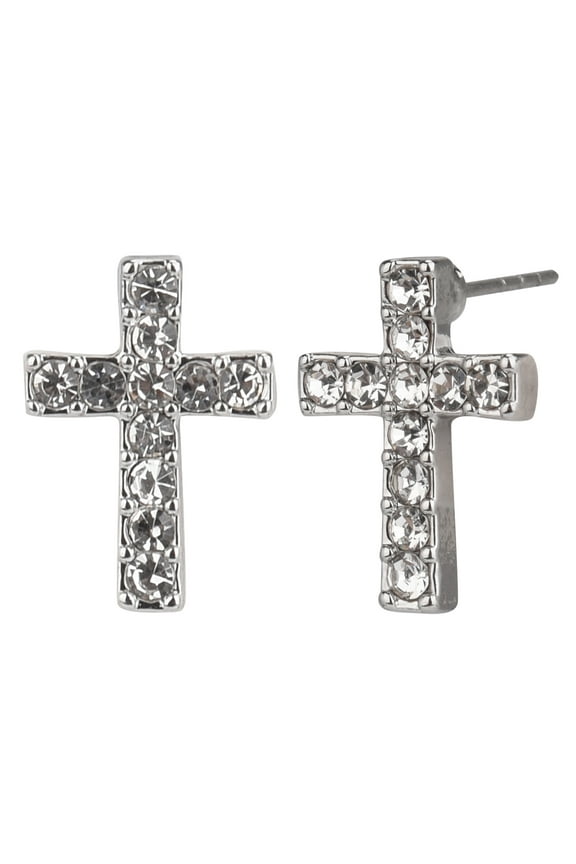






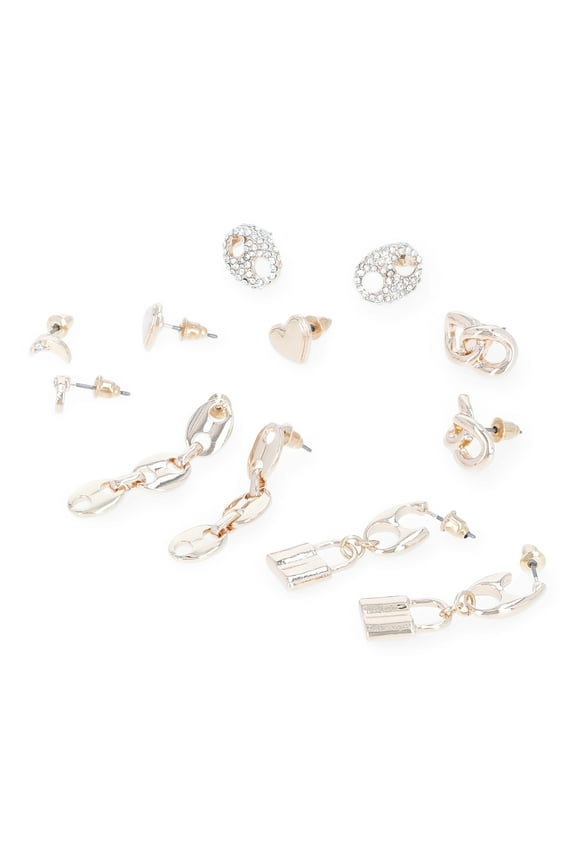


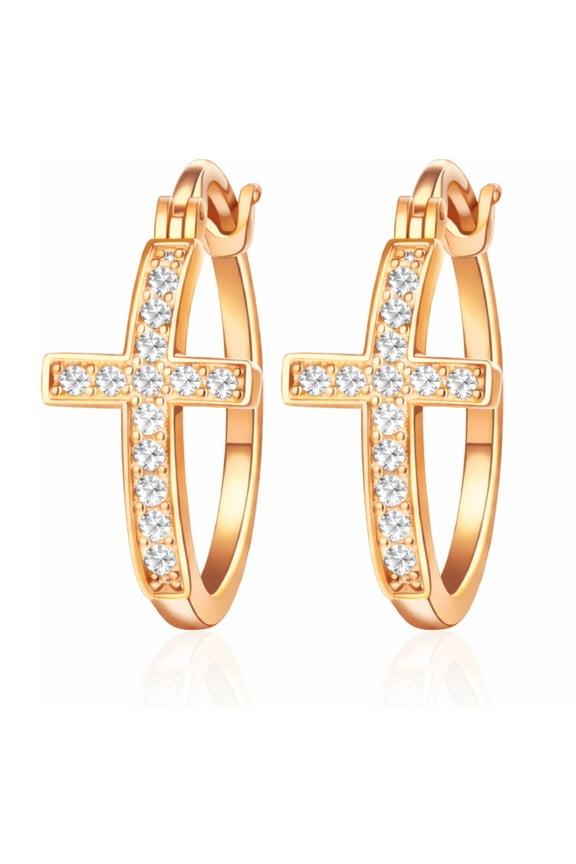


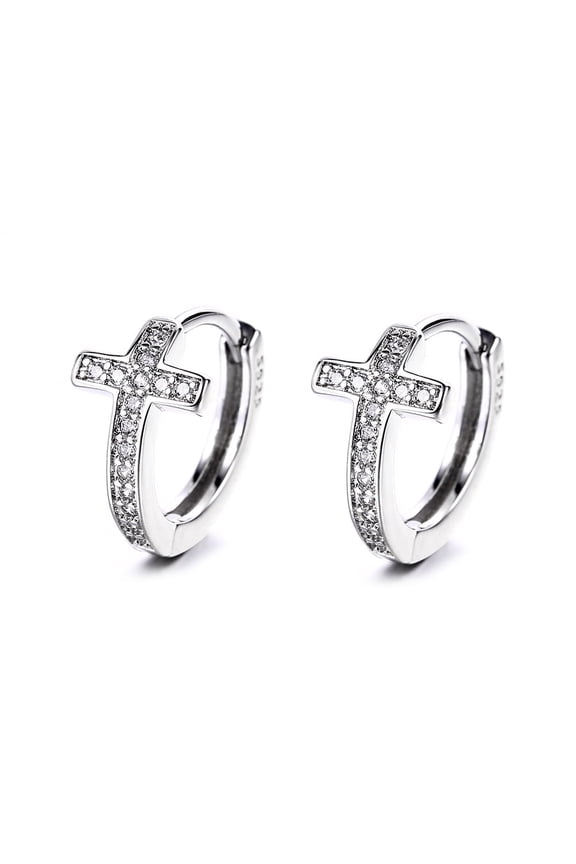


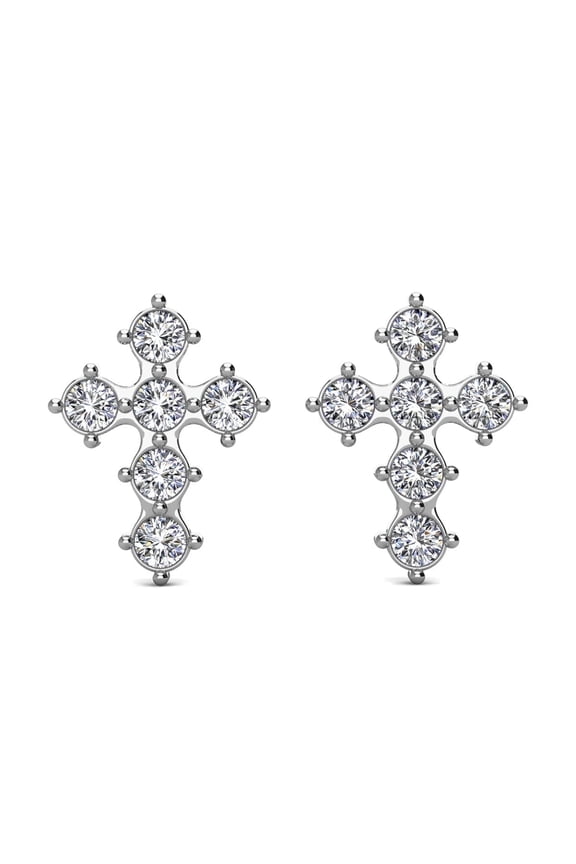





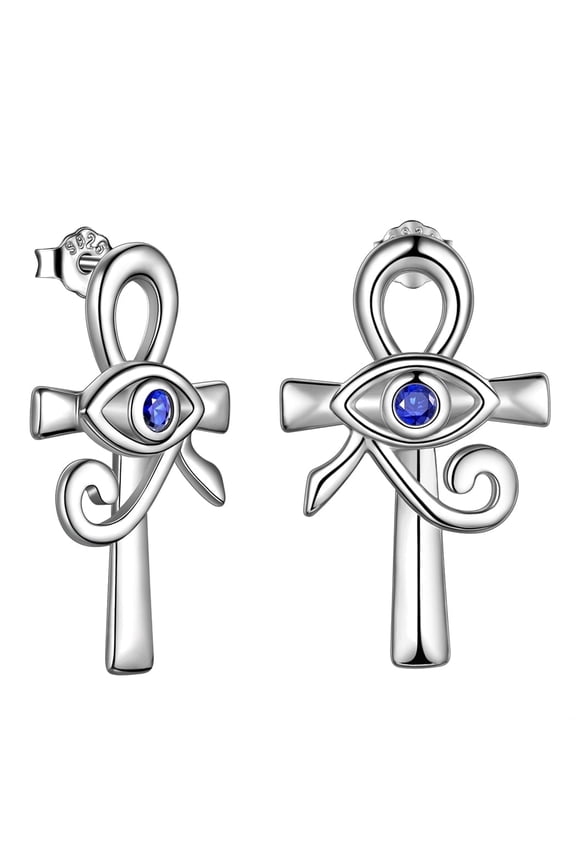


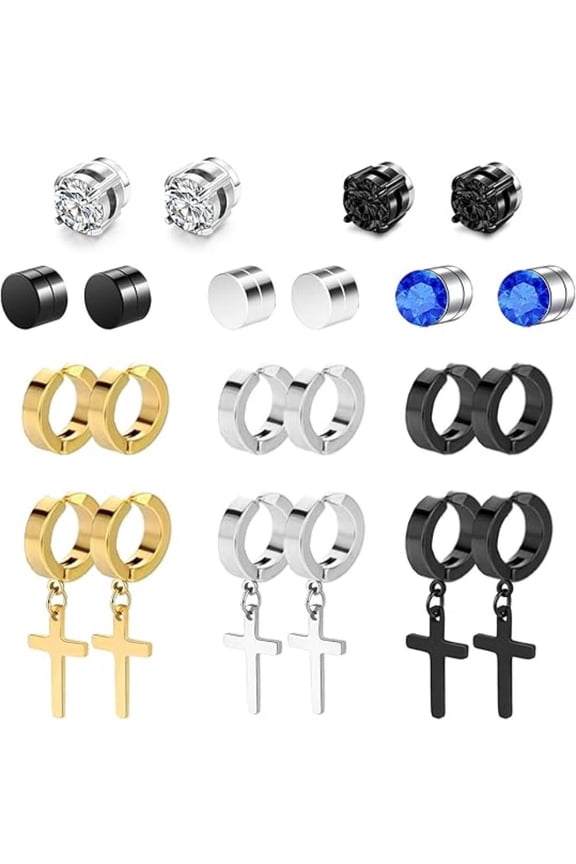
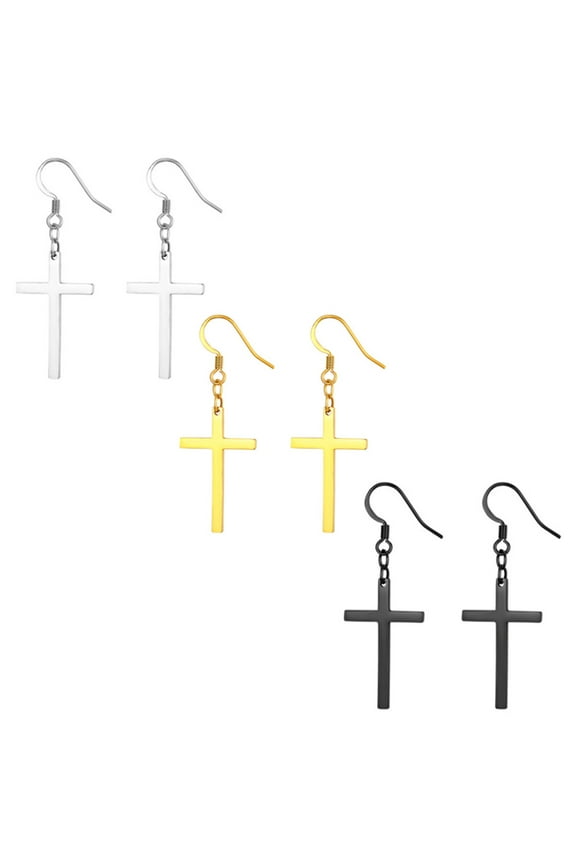


About Cross Earrings in Earrings - Walmart.com
You can compare sleeping bags easily when you focus on temperature rating, shape, insulation, and fit for your trip. You’ll also notice camping sleeping bags vary in pack size, roominess, and warmth for different nights outdoors.
How to choose sleeping bags for your trip
Start with where you’ll sleep and how cold your nights may feel. You should check both temperature limits and comfort ratings before you choose your bag.
Comfort ratings help you estimate the range where you may rest more easily. Temperature limits show the lower edge, so you should treat them as a stricter benchmark.
If you camp in late fall or high elevations, you may want cold weather sleeping bags rated under 20°F. If you camp in mild spring and fall weather, a three-season bag often fits your plans.
For hot summer nights, you may prefer a warm weather sleeping bag rated over 40°F. You can often get lighter fill and easier packing for quick weekend trips.
Key benefits you should look for
The right bag can help you stay comfortable from sunset through early morning. You can feel the difference when your bag matches your weather, sleep style, and packing space.
- You can choose colder ratings for mountain camps, shoulder seasons, and frosty mornings.
- You can pick lighter builds when your backpacking sleeping bag needs to fit smaller packs.
- You can select roomier shapes when you like extra space to turn and stretch.
- You can find a kids sleeping bag size that feels easier to carry and pack.
Packability matters when you’re hiking to camp or loading a crowded trunk. You’ll usually want a lightweight sleeping bag when every inch and ounce matters.
Roominess matters when you move often in your sleep or share space with a child. You may prefer a double sleeping bag or a wider cut for extra comfort.
Seasonal flexibility matters when you camp across changing weather and locations. You can cover more trips with a three-season design that balances warmth and manageable bulk.
Choosing temperature rating and insulation
Temperature rating is often the first decision you should make. You’ll want to compare your expected overnight lows with the bag’s stated range.
Cold weather sleeping bags usually add more insulation and closer-fitting shapes to hold warmth. You may notice they pack larger and weigh more than warm weather options.
Down fill can feel lighter and compress smaller in your pack. You’ll often consider it when you want less bulk for hiking and backpacking.
Synthetic fill can be easier to choose when you expect damp air or changing conditions. You can often get dependable loft with less worry about wet campsites.
When you compare a lightweight sleeping bag, check the tradeoff between weight and warmth. You should also check compressed size if your pack has limited space.
Choosing shape, size, and fit
Shape changes how warm and roomy your sleep setup feels overnight. You’ll usually compare mummy, rectangular, double, and semi-rectangular styles by movement and insulation needs.
Mummy bags wrap closer to your body, so you lose less heat inside open air pockets. You may choose this shape when warmth and packability are critical.
Rectangular bags give you more room to stretch your legs and shift positions. You may like them for car camping, cabins, and warmer nights.
A double sleeping bag can work well when you share sleep space at camp. You should measure your sleeping area first, especially if your tent floor is compact.
Semi-rectangular shapes balance warmth with some extra elbow and knee room. You may prefer this shape when a mummy bag feels too restrictive.
Fit also matters because length and width affect comfort through the night. You can compare adult, kids, extra-long, and wide options before you head outdoors.
A kids sleeping bag usually has a shorter length and smaller overall profile. You’ll often find it easier for younger campers to carry and settle into.
Extra-long and wide sizes can help you avoid cramped foot space or tight shoulders. You should check listed dimensions, not just the size name.
How to match sleeping bags to real camping plans
If you hike to camp, you’ll likely focus on low weight, smaller packed size, and efficient warmth. A backpacking sleeping bag with a mummy shape often suits that setup.
If you drive to campgrounds, you can usually carry a bulkier bag with more room. A rectangular or semi-rectangular bag may feel more relaxed after long days outside.
For early spring and fall trips, you may want a three-season bag with synthetic fill. You can get versatile coverage for changing forecasts and cooler overnight air.
For colder destinations, you should look closely at under 20°F ratings and snug shapes. You may also want extra-long sizing if added length improves your comfort.
For family campouts, you can mix adult bags with a kids sleeping bag for younger campers. You might also pair your sleep setup with camping tents, sleeping pads, and camping pillows.
If you camp as a pair, you may want a double sleeping bag with enough width. You should also compare zipper layout and packed size for easier transport.
Care and storage can affect how your bag feels on future trips. You’ll want to air it out after use and store it with room to keep loft fuller.
When you compare sleeping bags by these key decisions, you can narrow choices with less guesswork. You’ll end up with a bag that fits your season, sleep style, and packing needs.