

Corner Bookcases Bookshelves
































About Corner Bookcases Bookshelves - Walmart.com
Corner bookcases help you use overlooked wall space for books, baskets, and decor while keeping your room open. You can compare size, shelf count, and finish to fit a reading nook, office corner, or living area.
Choosing corner bookcases for your space
Start with your corner measurement before you compare styles or finishes. You should check width, depth, and wall angle so your shelf fits neatly without crowding nearby furniture.
Then measure upward to compare a tall corner bookcase with a small corner bookshelf. Lower profiles fit under windows, while taller designs help you build vertical storage in tighter rooms.
Your shelf depth matters as much as your height measurement. You can store novels, baskets, framed photos, and speakers more comfortably when each shelf matches your everyday items.
Look for practical advantages that make corner storage easier to live with. Your layout can feel more organized when you match the shelf shape to the corner you already have.
- You can use empty corners for books, storage bins, and display pieces.
- You can keep walkways clearer than with wider standard bookcases.
- You can coordinate your storage with modern, rustic, or traditional rooms.
- You can choose shelf counts that fit compact rooms or taller walls.
What to look for in corner bookshelves
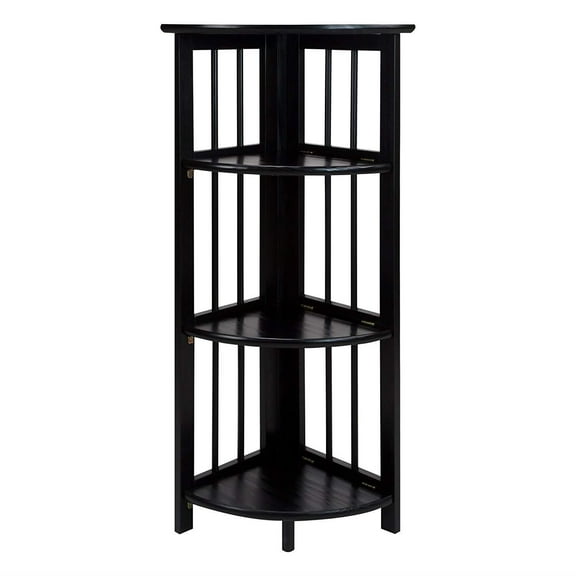
Shelf count changes how much you can organize and how open your room feels. You may prefer a 3-shelf or 4-shelf unit for lighter storage, while a 5 shelf corner bookcase adds more display space.
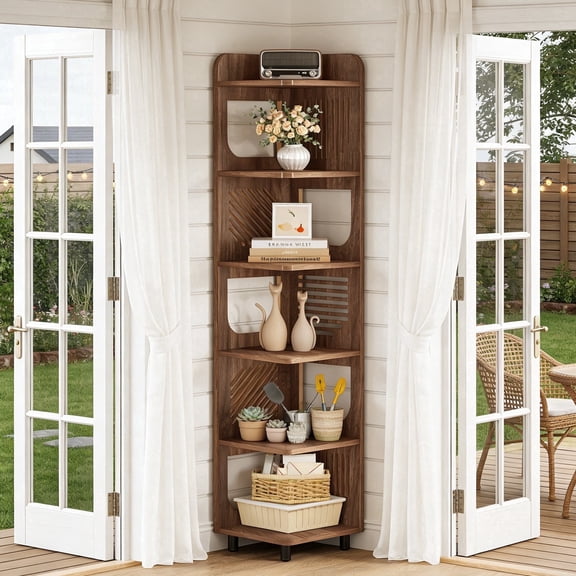
Material and finish shape how the piece works with your furniture. You might choose a wood corner bookcase for a warmer look, while metal or glass can give your room a lighter visual feel.
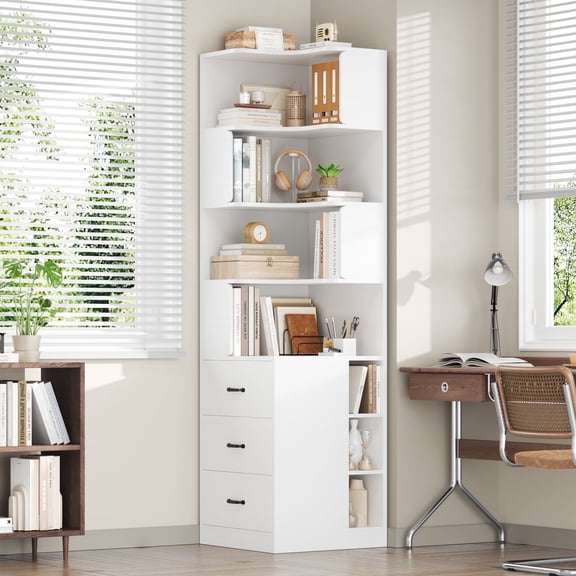
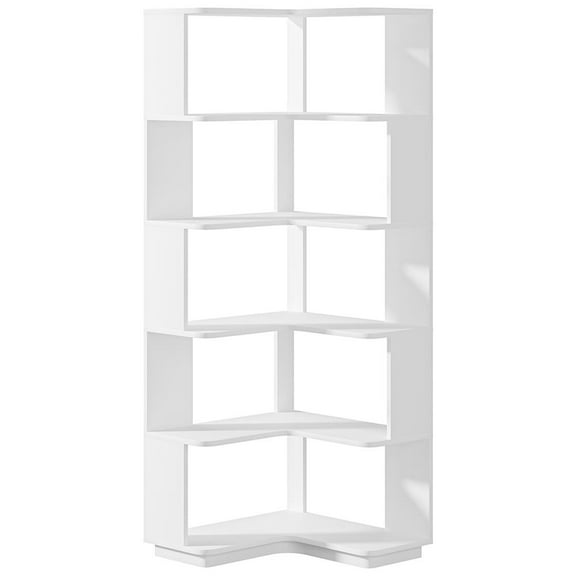
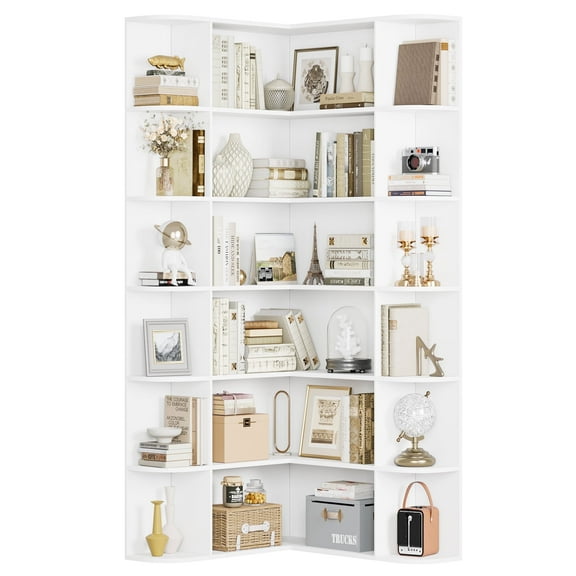
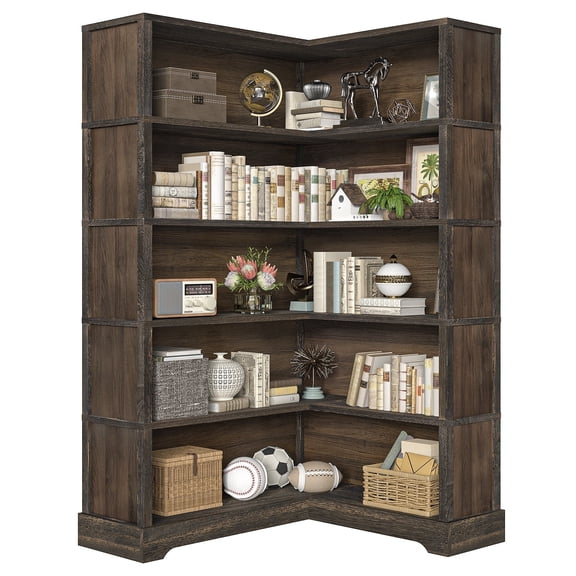
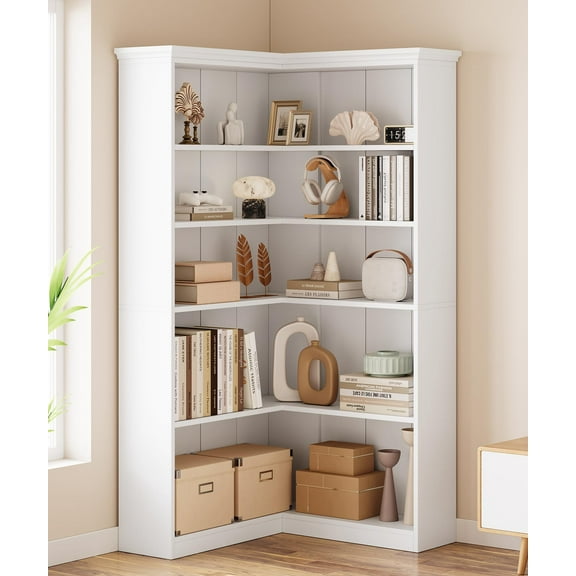
Finish is another useful filter when you want your storage to blend in. A white corner bookshelf can brighten lighter rooms, while espresso and oak tones can anchor a space with a furniture-style look.
Weight capacity per shelf is a key detail when you store hardcover books, ceramics, or baskets. You should compare the listed weight rating so your setup supports what you plan to place there.
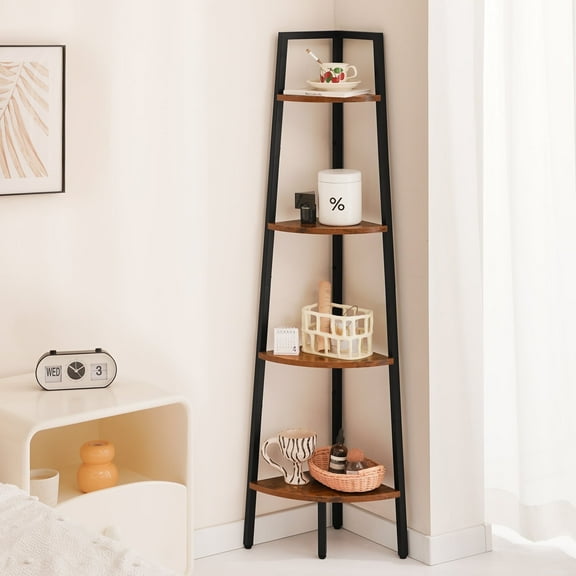
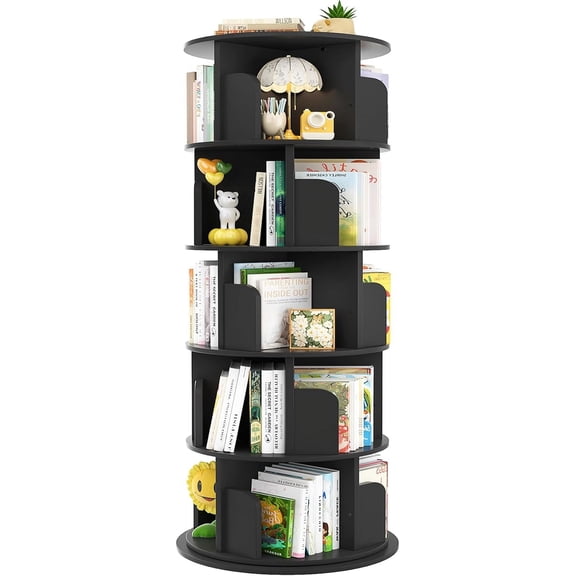
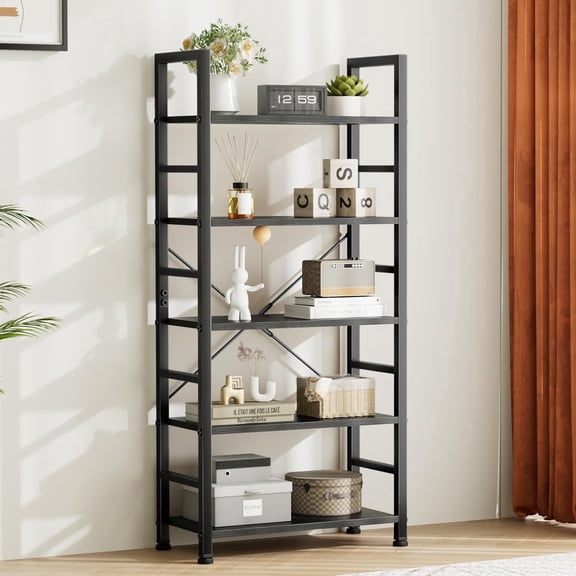
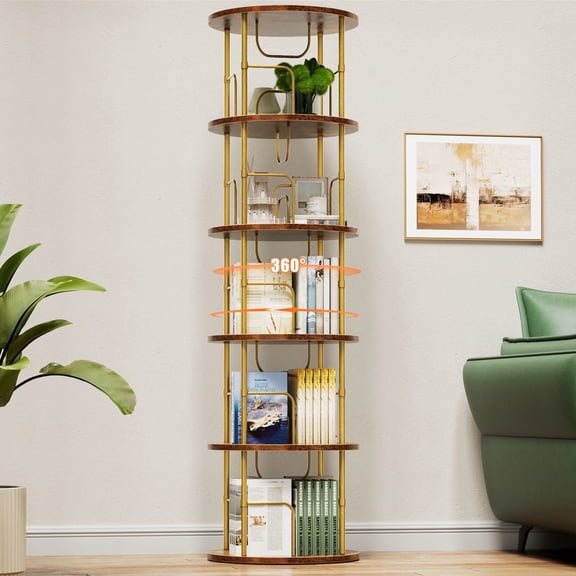
Design type also affects footprint and access. You can compare ladder, floating, l-shaped, rotating, and freestanding options based on how much floor space you want to keep visible.
Assembly details deserve a quick check before you choose. You may want basic tools, labeled parts, and clear instructions when you plan to build the unit yourself.
Wall anchoring is worth reviewing during your comparison. You should check whether the package includes anti-tip hardware so your bookcase sits more securely against the wall.
Comparing style, size, and finish details
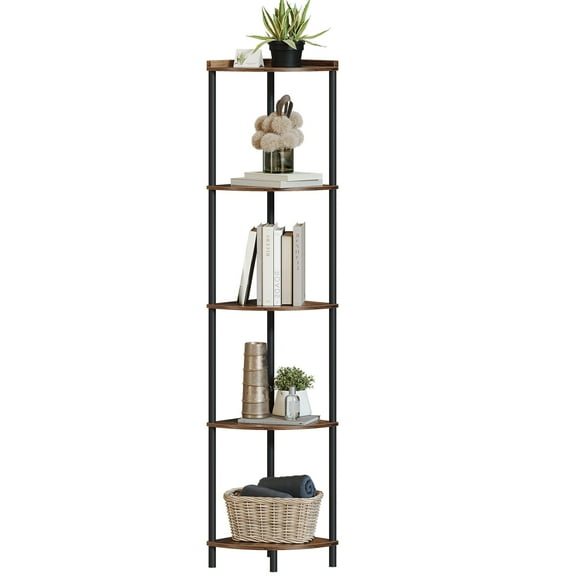
Style gives your storage a clear role in the room. You can use a rustic corner bookcase with wood tones and dark frames, or choose modern lines for a cleaner office setup.
Industrial looks often pair metal frames with open shelving for a loft-inspired feel. Traditional and mid-century designs can work well when you want your corner display shelf to match existing case goods.
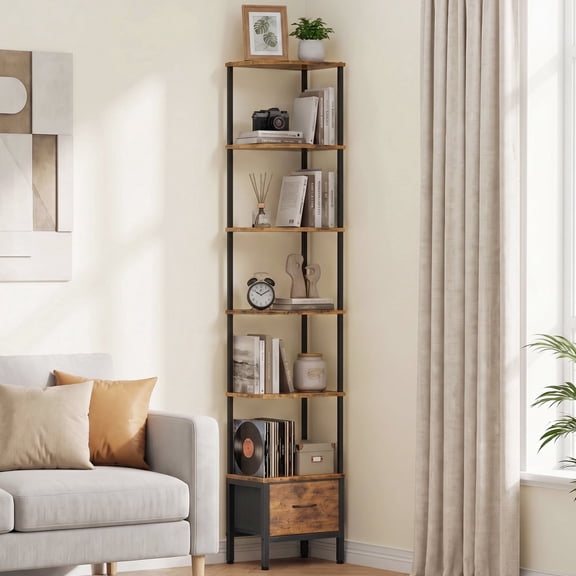
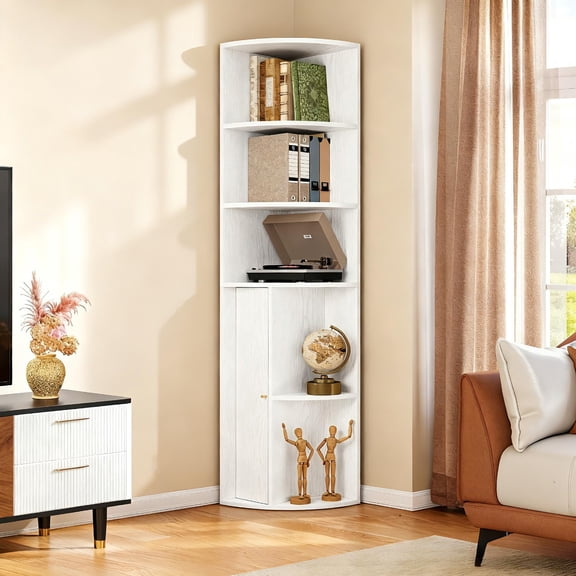
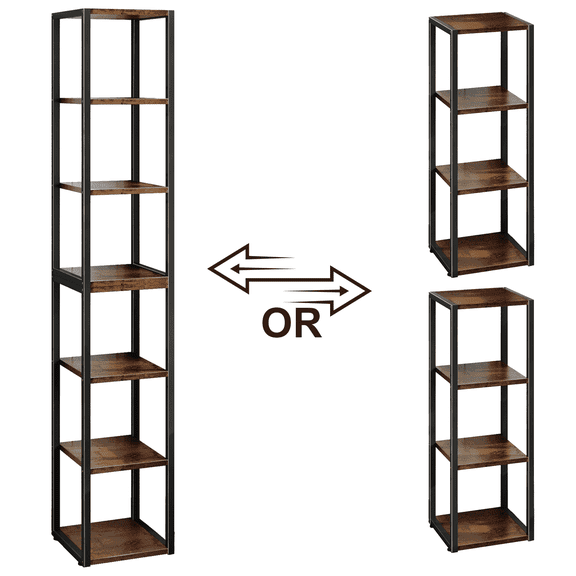
Size and height deserve close attention before you buy. A tall corner bookcase can help you store more upward, while slim and narrow shapes can fit tighter layouts with less floor use.
Smaller footprints make sense beside sofas, desks, and vanities. You may prefer a small corner bookshelf when you need easier movement around seating areas or entry points.
Exact dimensions matter because a few inches can change how your room functions. You should compare depth, width, and shelf spacing so doors, drawers, and nearby chairs still move comfortably.
How to match corner bookcases to real rooms
In a living room, you can turn an empty corner into a display area for books, framed photos, and small lamps. Your storage can feel intentional when the finish connects with your media stand or accent table.
In a home office, you can keep binders, notebooks, and reference books within reach without widening your desk area. A wood corner bookcase can help your storage feel more like part of your furniture layout.
Bedrooms often benefit from lower-profile shelving with room for paperbacks, baskets, and keepsakes. You may like white finishes there when your goal is a lighter look beside bedding and painted walls.
Apartments and smaller homes often need storage that fits awkward corners without blocking paths. You should compare rotating or narrow designs when your layout has limited floor area and tighter clearances.
Entryways and dining spaces can also benefit from a corner display shelf for bowls, vases, or seasonal decor. Your room can stay easier to navigate when the shelf rises upward instead of spreading outward.
If you compare dimensions, weight ratings, style, and assembly needs first, you can narrow your options faster. Your finished room will feel organized, intentional, and easier to use every day.