

Clock Hands in Clocks






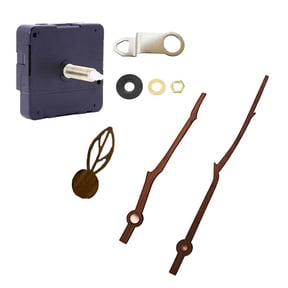


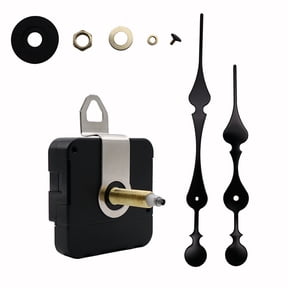

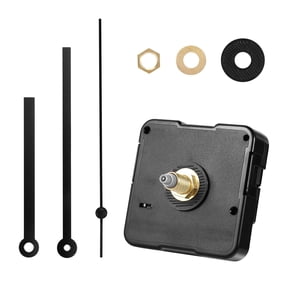

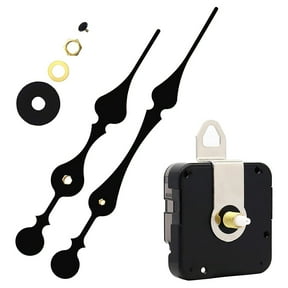



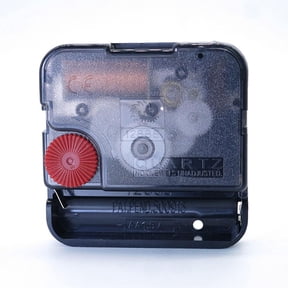
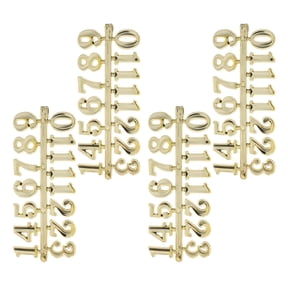


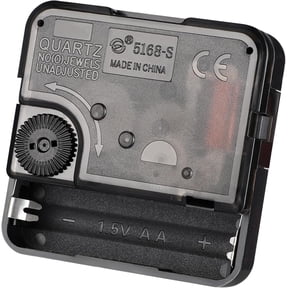


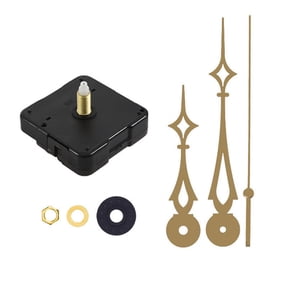




About Clock Hands in Clocks - Walmart.com
You can restore a favorite timepiece with replacement clock hands and mechanism options that match your dial, shaft, and style. You’ll find parts for DIY clock repair, craft builds, and large wall displays that need a precise fit.
When you compare clock parts, you’ll want guidance that explains compatibility in plain language. You’ll make a cleaner repair when you match hand length, movement type, and kit components before you install anything.
How to choose replacement clock hands and mechanism
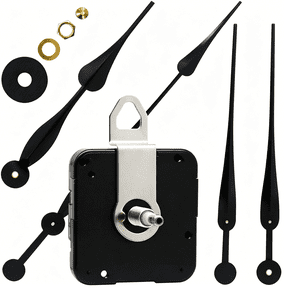
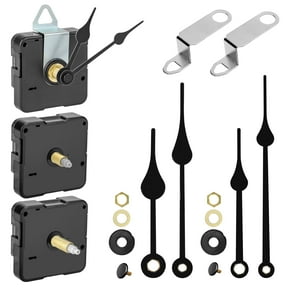
You should start with kit components, because your project may need hands only, a hands and motor kit, or a complete replacement kit. You’ll avoid mismatched parts when you decide whether your existing movement still works.
If your clock keeps time but the hands are bent or missing, you may only need replacement hands. If your motor has stopped, you’ll likely want a clock hands and motor kit instead.
- You can choose hands only when your current shaft and movement still fit your dial.
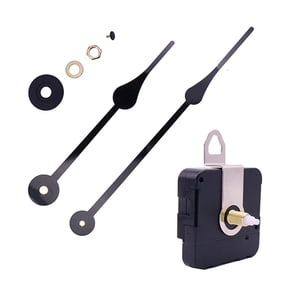
- You can choose a hands and motor kit when you need matching parts in one package.
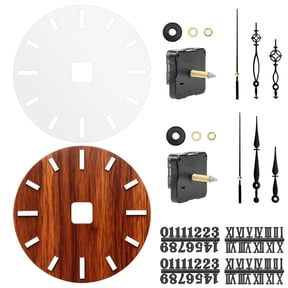
- You can choose a complete replacement kit when you also need mounting hardware or extra accessories.
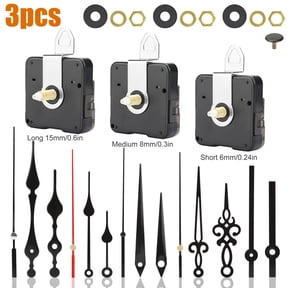
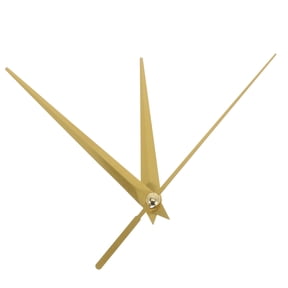
- You can compare spade, straight, retro, and ornate shapes to match your clock’s look.
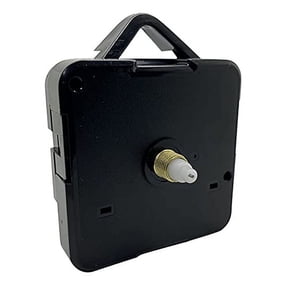
You’ll also want to check shaft compatibility before you choose a set. You can compare I-shaft and Seiko shaft styles, because the hand opening must match the movement post.
Thread length matters too, especially when your clock face is thick. You’ll get a cleaner fit when the threaded shaft extends far enough through the dial for secure mounting.
Choosing movement type and quartz clock hands
You can narrow your options by movement type, because quartz, mechanical, and high-torque designs serve different clock builds. You’ll usually see quartz clock hands paired with battery-powered movements for straightforward replacement projects.
If you’re replacing parts in a standard wall clock, a quartz setup often matches the project. If you’re repairing a specialty build, you should compare the shaft style and battery format first.
You’ll want high-torque movement support when your hands are long or heavier in design. You can keep larger hands moving smoothly when the motor is built for that extra load.
Battery details can shape your choice as well. You’ll often find standard AA-powered movements, which can simplify setup and future replacement for everyday household clocks.
Mechanical projects need a different approach than battery-powered replacements. You should confirm your clock uses replaceable movement parts before you choose hands meant for a quartz assembly.
Measuring hand length and large wall clock replacement mechanism fit
You can get a more accurate match when you measure hand length from the center hole to the tip. You’ll want that measurement to suit your dial diameter so the hands don’t overhang the numbers.
For smaller faces, you may prefer hands under 6 inches for balanced clearance. For medium designs, you can look at 6 to 12 inch options that suit many home decor clocks.
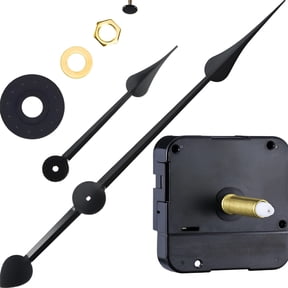
If you’re repairing a statement piece, you may need a 12 inch clock hands and motor setup. You’ll often need a large wall clock replacement mechanism with higher torque for extra-long hands.
You should also check whether your minute and hour hands have enough spacing above the dial. You’ll reduce rubbing and alignment issues when the stack height matches your movement design.
Style plays a practical role, not just a visual one. You can compare straight hands for a clean read, or choose ornate and retro shapes for decorative clock faces.
Matching clock hands and motor kit options to your project
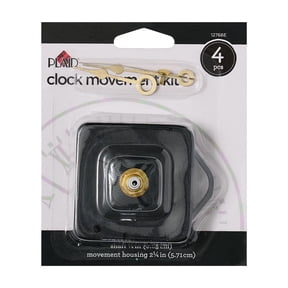
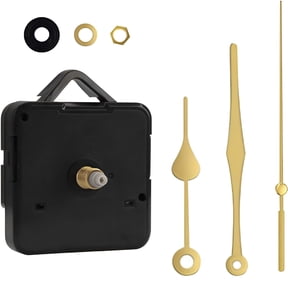
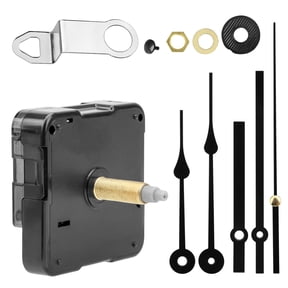
You can use a clock hands and motor kit for craft clocks, family room wall clocks, classroom projects, or workshop repairs. You’ll have an easier time when the hands and movement are selected to work together.
If you’re refreshing a decor piece, you may choose spade or ornate hands for a classic look. If you’re building a modern dial, you might prefer straight hands with simple markers.
For oversized clocks, you should compare large clock hands and motor kit options built for longer reaches. You’ll want high-torque support when your design uses large metal hands or extra-wide dial spacing.
If your project centers on a basic repair, a clock hands replacement kit can simplify part matching. You can replace worn components without guessing whether the post size and hands align.
You may also be restoring a handmade gift or custom sign clock. You’ll benefit from checking shaft type, thread length, and power source before you choose decorative hands.
When you need a dependable repair path, you can focus on measurements first and style second. You’ll get a finished clock that clears the dial, fits the shaft, and keeps a consistent look.
You can choose more confidently when you compare components, movement type, hand length, and style together. You’ll create a smoother clock repair with parts that fit your dial and keep time clearly.