










Circular Saws in Power Saws










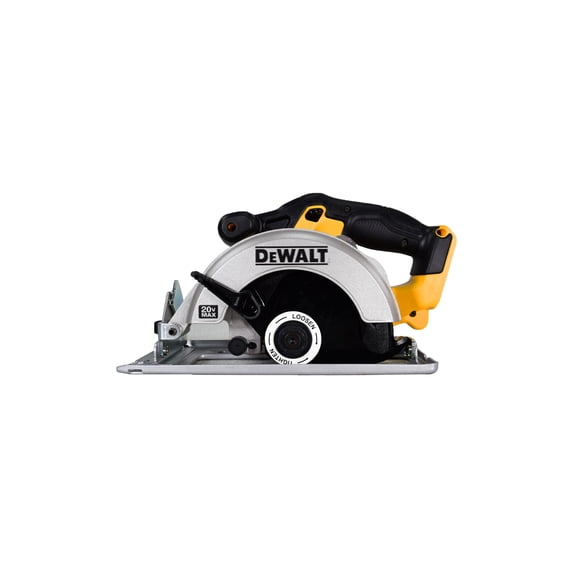
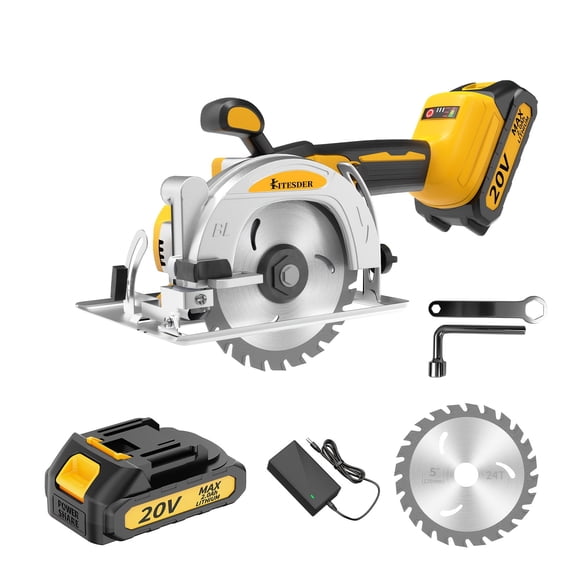

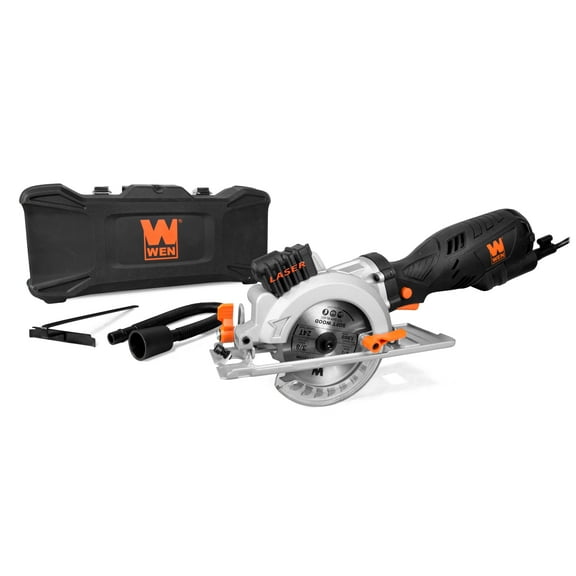
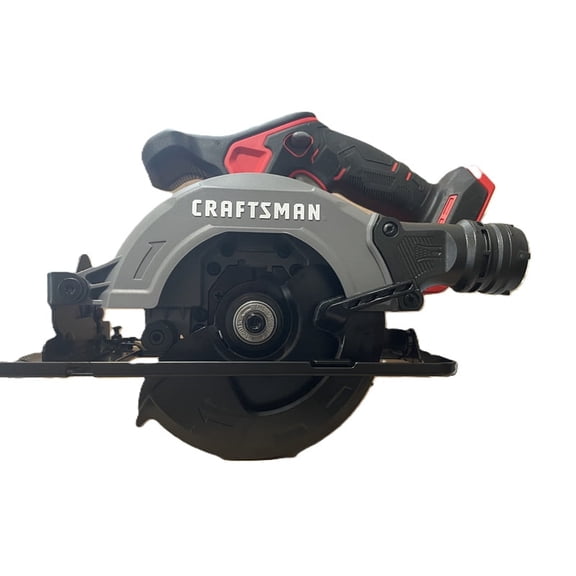






About Circular Saws in Power Saws - Walmart.com
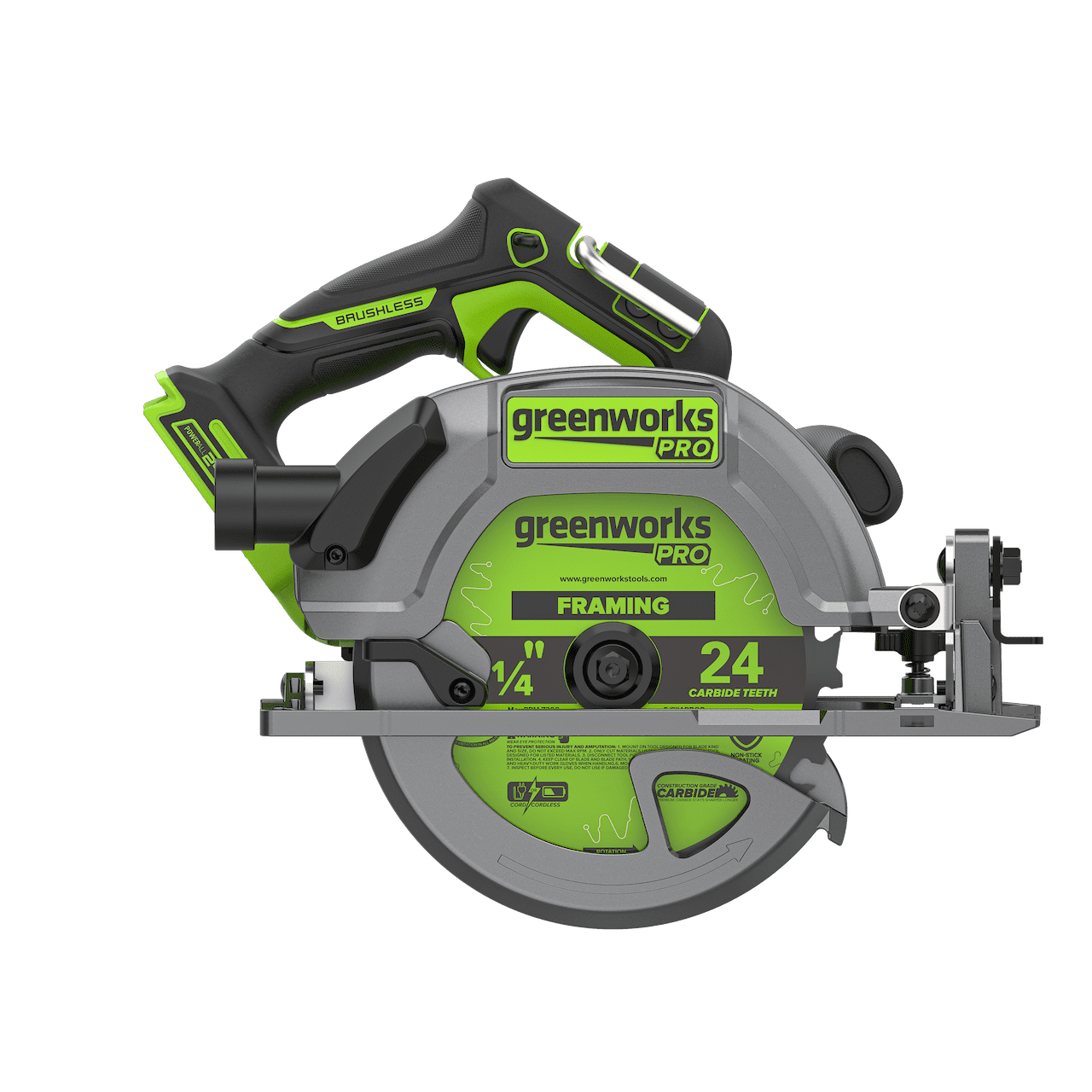
Circular saws help you handle framing, sheet goods, and quick crosscuts with the power and control your projects demand. You can compare cordless, corded, blade size, and drive style choices here, so your next cut feels more precise.
How to choose circular saws for your projects
When you compare circular saws, you should start with the kind of work you plan to do most often. You may want a lighter tool for overhead cuts, or you may need steady output for long cutting sessions.
If you build decks, trim plywood, or cut dimensional lumber, your saw choice affects speed and handling. You can narrow options faster when you compare power source, blade diameter, motor type, and design style first.
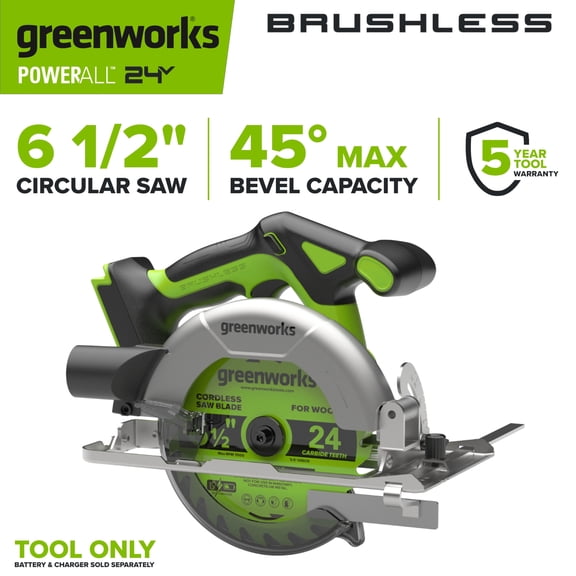
- You can choose cordless models when you want freedom to move around a jobsite or yard.
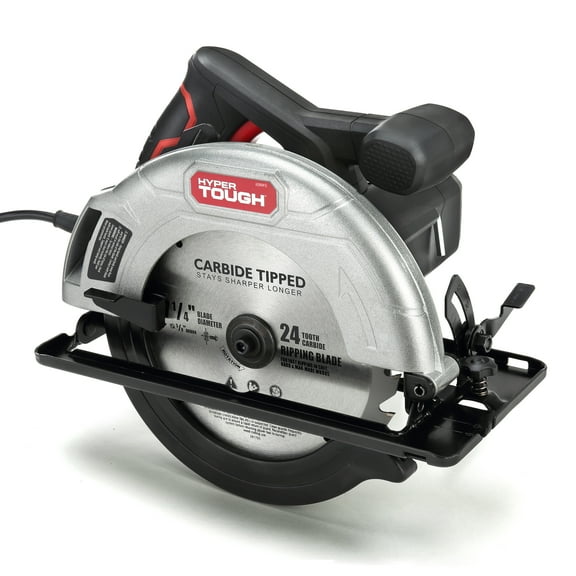
- You can choose corded models when you want continuous power for longer cuts and repeat tasks.
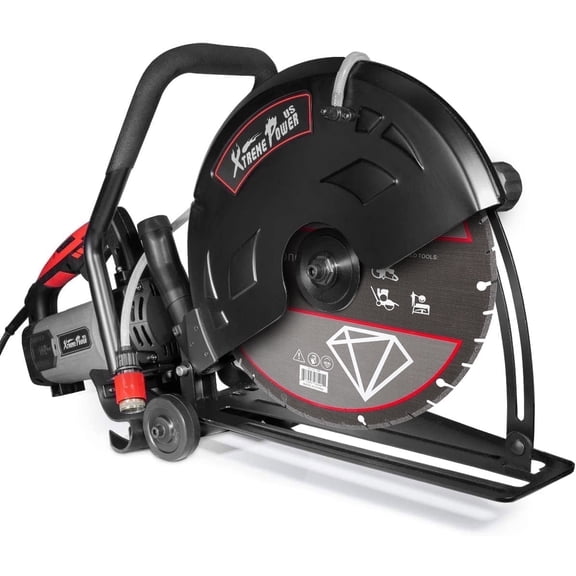
- You can look for larger blade diameters when you want deeper cuts through common framing materials.
- You can compare brushless and brushed motors based on how often you use your saw.
- You can consider sidewinder, worm drive, and compact designs based on balance and visibility.
Choosing between cordless circular saws and corded circular saws
You should compare portability and runtime first, because that choice shapes how your saw fits your routine. If you move between rooms, ladders, or outdoor spaces, cordless circular saws can keep your setup simpler.
When you work near outlets and cut for longer periods, corded circular saws can give you steady power without battery changes. You may prefer that consistency when you rip sheet goods or make repeated cuts during a larger build.
You should also think about tool weight and balance before you decide. A cordless setup gives you mobility, while a corded setup can reduce pauses during extended work sessions.
What blade diameter means for cut depth
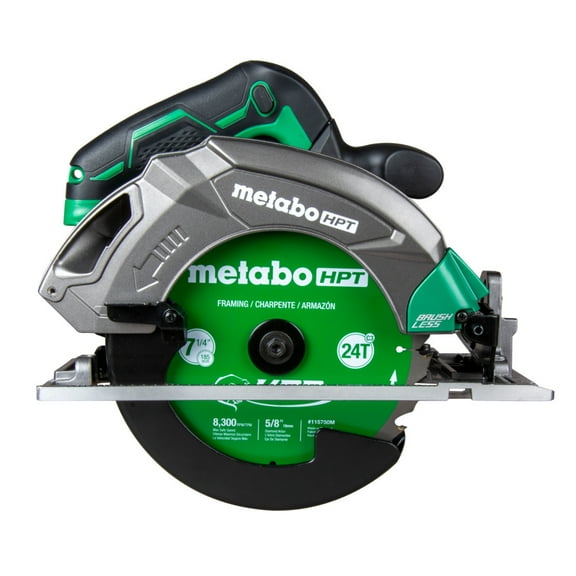
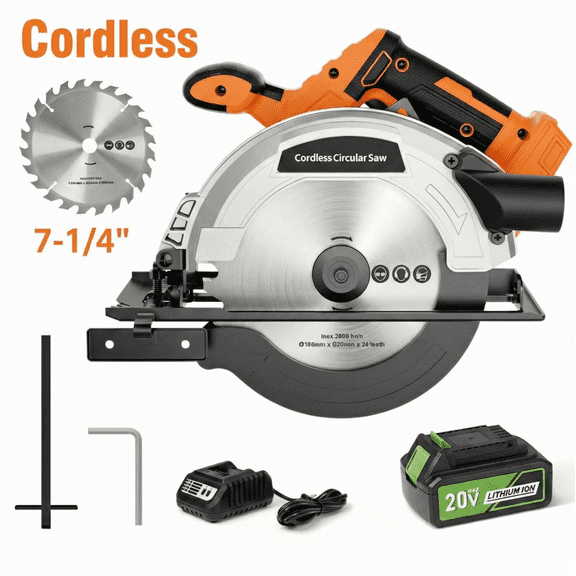
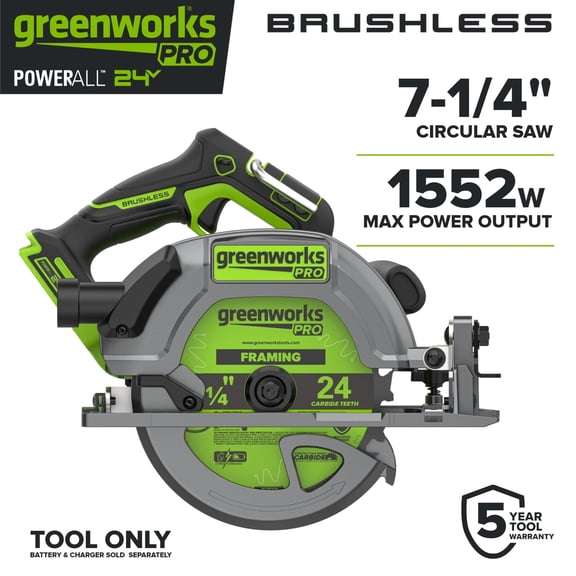
You can use blade diameter as a quick way to judge cutting depth and overall saw capacity. A 7 1/4 circular saw usually gives you the reach many shoppers want for framing lumber and plywood tasks.
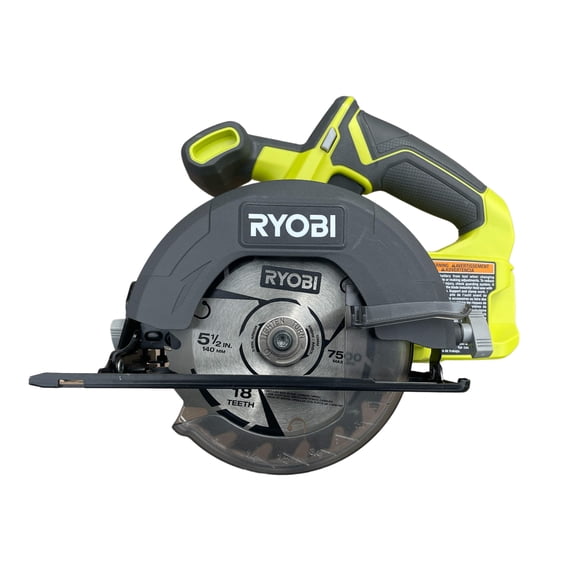
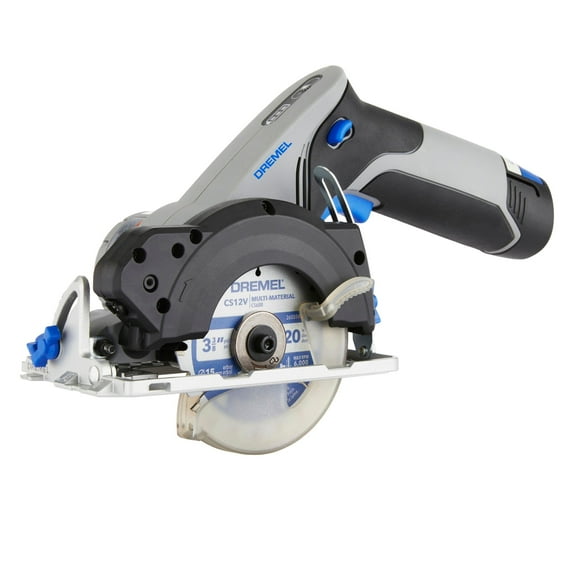
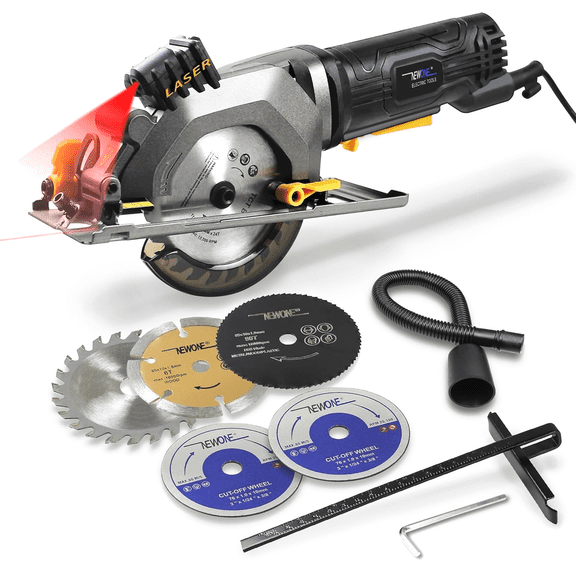
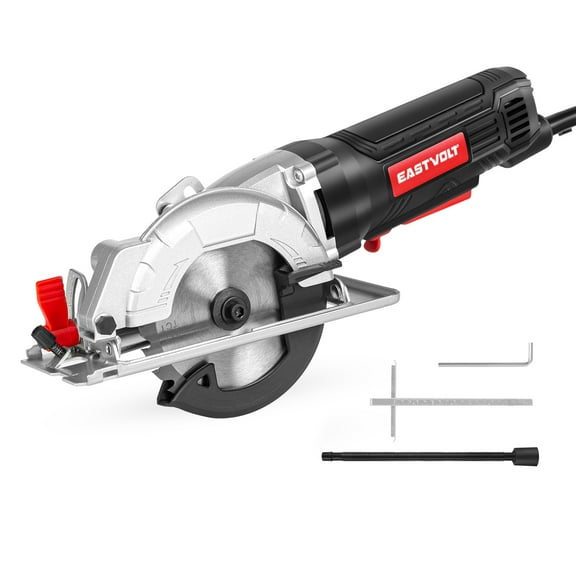
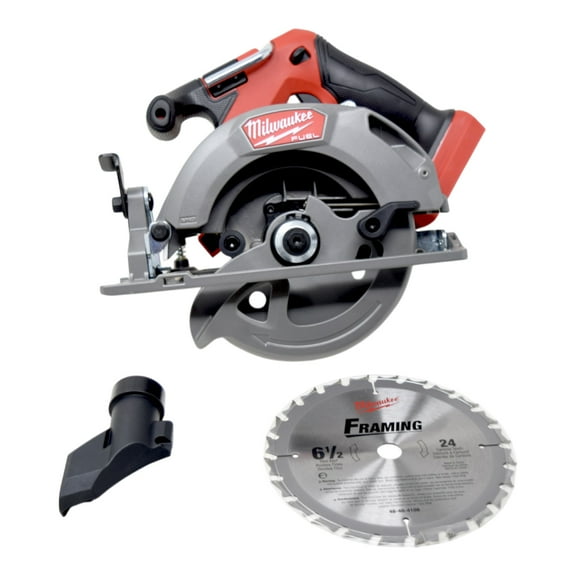
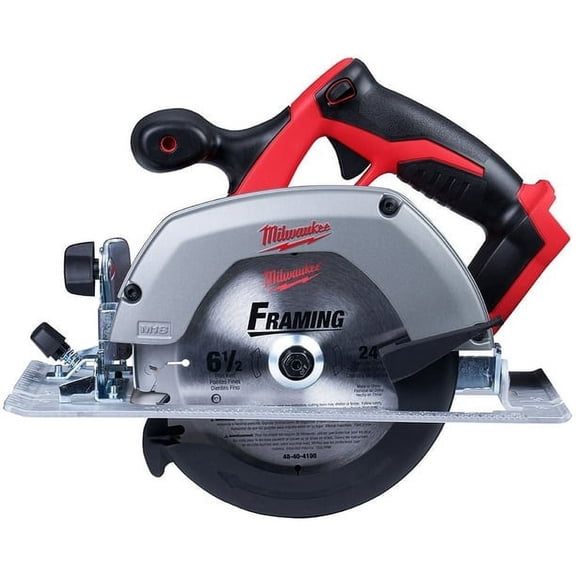
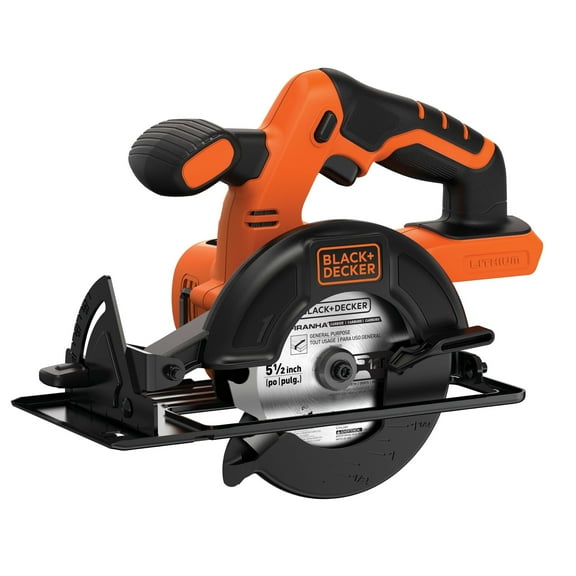
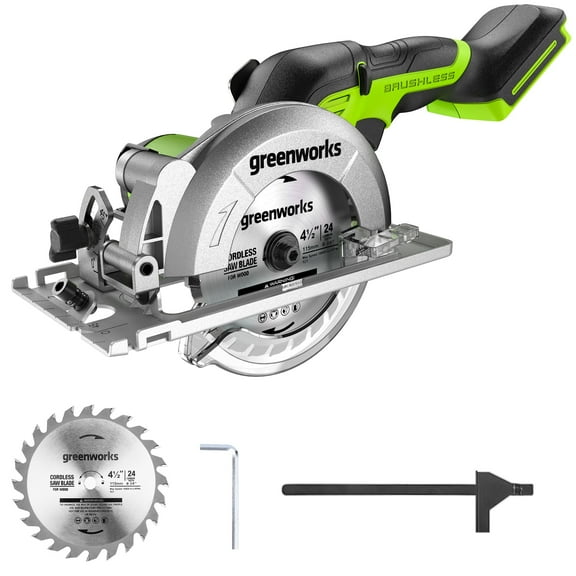
If you want a lighter feel, a 6-1/2 inch option can be easier to guide and carry. A 5-1/2 inch or mini circular saw can suit tighter spaces, thinner materials, and quick detail cuts.
You should check whether your saw can cut a 2x4 in a single pass at 90 degrees. You should also compare bevel capacity, because angled cuts affect how much depth you keep.
Comparing brushless circular saws and brushed motors
You may want brushless circular saws if you use your tool often and want efficient power delivery. You’ll usually notice smoother starts, less routine wear, and strong performance during repeated cuts.
If you handle occasional household projects, a brushed motor may still match your needs. You can focus on the tasks you do most, instead of paying attention to features you may rarely use.
You should pair motor type with your cutting habits, blade size, and power source. That approach helps you choose a saw that feels practical for weekend repairs or regular jobsite use.
Sidewinder, worm drive, and compact circular saw designs
You can compare design type by asking how you like a saw to feel in your hands. Sidewinder models often give you a familiar shape and lighter handling for general cutting work.
If you want a longer body and a different balance, a worm drive circular saw may suit your style. You may like that layout when you want strong line-of-sight on longer rip cuts.
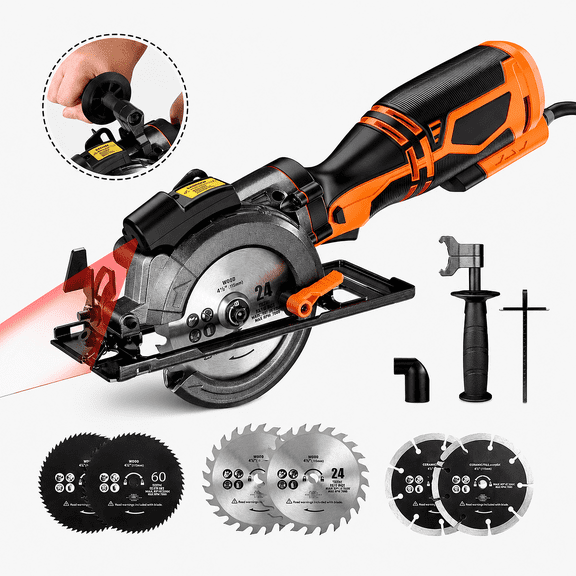
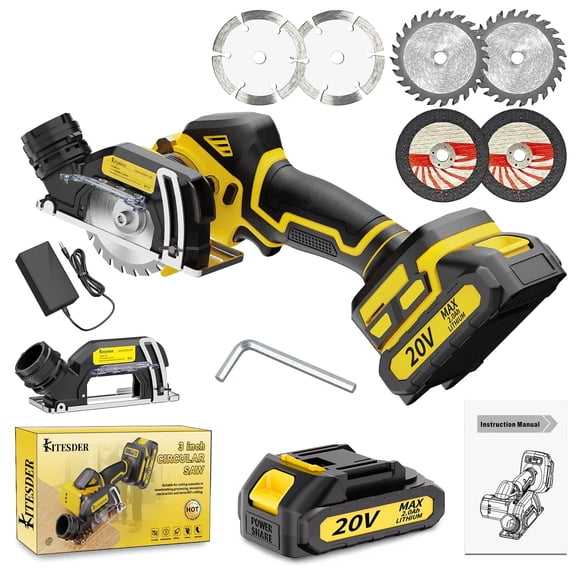
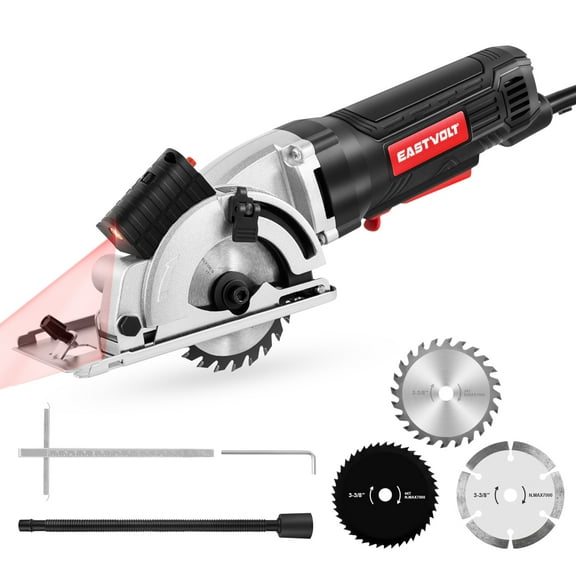
A compact circular saw can make storage easier and handling simpler in tight areas. You might choose that design for shelves, panels, or smaller projects where a full-size tool feels bulky.
Details that help you cut with confidence
You should look at handle shape, trigger reach, and overall grip comfort before you choose. If you’re left-handed or right-handed, blade placement can also change how clearly you see your cut line.
You can also compare shoe material, bevel adjustment, and depth markings when you want easier setup. Clear markings and simple levers can help you make faster changes between crosscuts, bevels, and rip cuts.
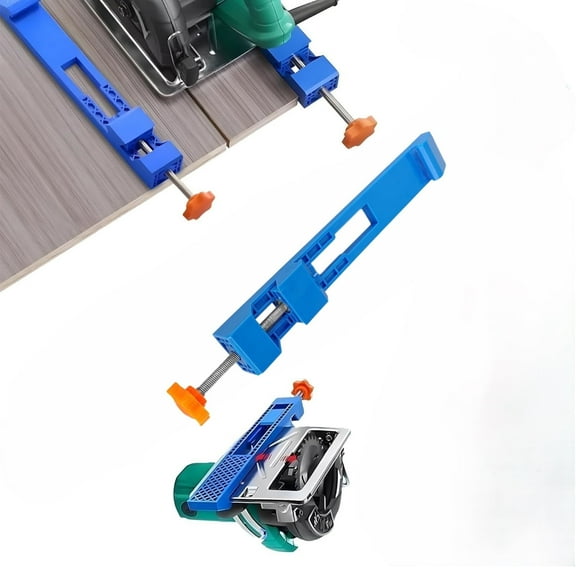
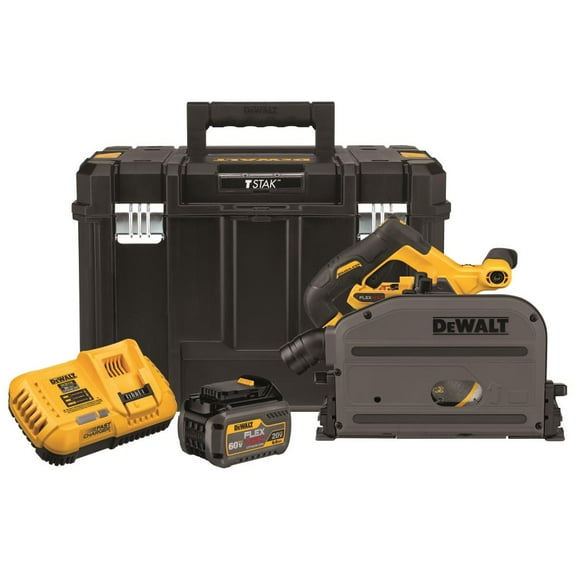
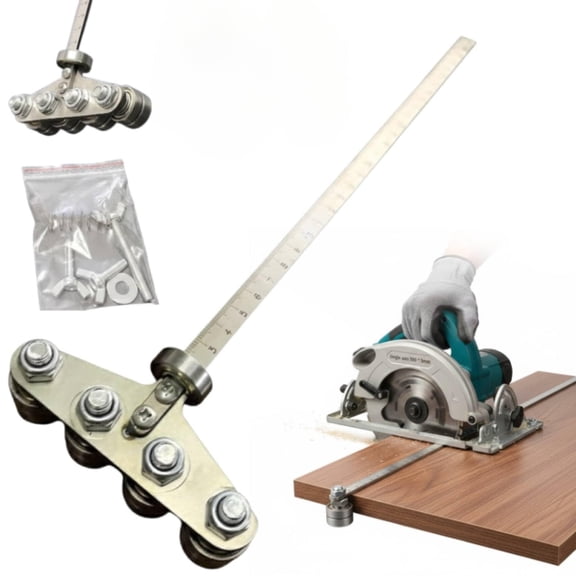
When you use guide rails, straight edges, or circular saw blades for specific materials, your setup matters too. You can build a more complete system when you match your saw with blades and accessories that fit your tasks.
Use cases for different circular saw setups
If you’re framing a wall or cutting stacks of lumber, you may lean toward a 7 1/4 circular saw with steady output. That setup can give you the depth many larger building tasks require.
When you’re updating a room, hanging shelves, or trimming panels, a compact circular saw may feel easier to control. You can move through smaller spaces without carrying a heavier full-size tool.
If you travel between work areas, cordless circular saws can help you start faster with less setup. If you stay in one workshop, corded circular saws can keep longer projects moving smoothly.
You may also choose brushless circular saws for repeat use across several projects each month. If your cuts are occasional, you can keep your focus on size, comfort, and visibility instead.
When you compare these decision points together, you can match the saw to the way you actually work. You’ll end up with a tool that fits your materials, your pace, and your preferred cutting position.