

CFL Light Bulbs in Light Bulbs




















About CFL Light Bulbs in Light Bulbs - Walmart.com
CFL light bulbs help you replace older fixture bulbs with the right base, shape, and brightness for everyday rooms. You can compare screw-in, twist-lock, and plug-in formats here, so your replacement fits your existing fixture.
How to choose CFL light bulbs for your fixture
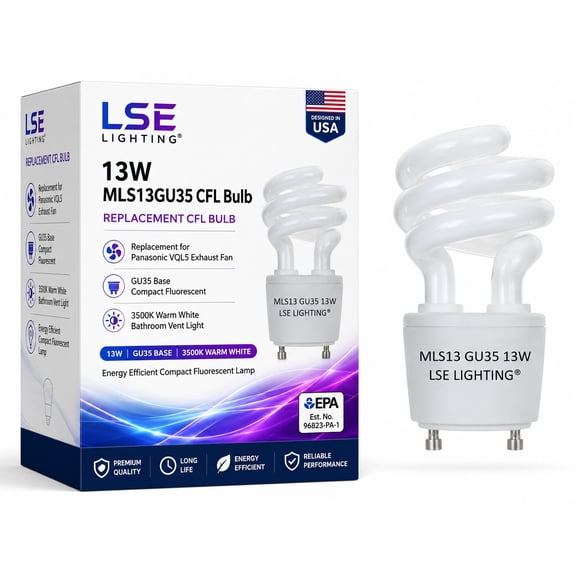
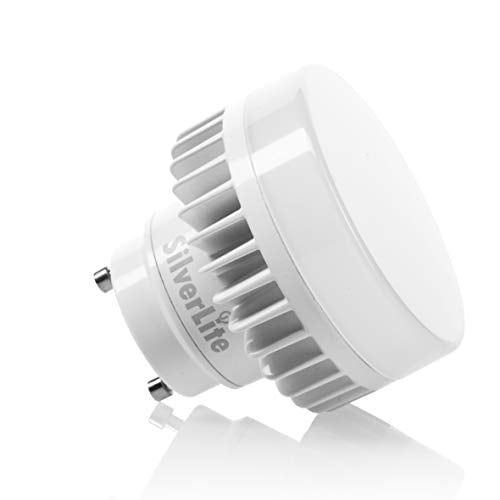
You should start with the base type, because your fixture only accepts a specific connection. You can check whether you need an E26 medium screw, a GU24 twist-lock, or a pin base.
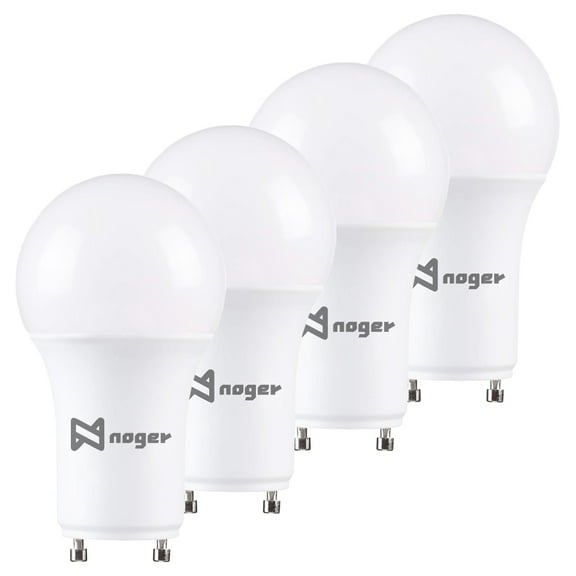
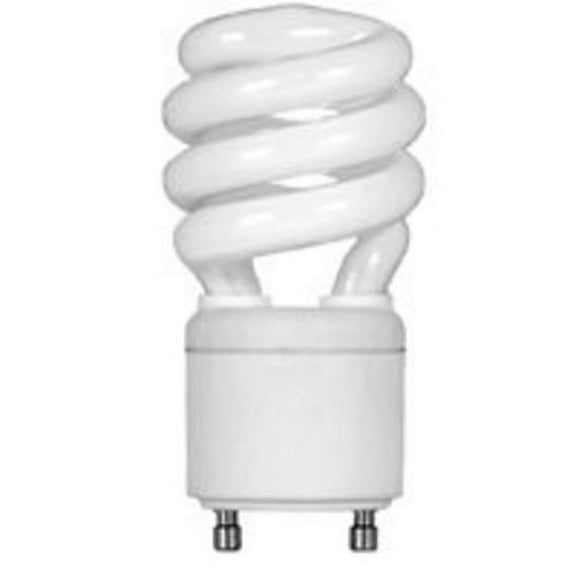
If your lamp uses a standard household socket, you’ll usually look for an E26 medium screw bulb. If your ceiling fixture has two locking pins, you may need a GU24 CFL bulb instead.
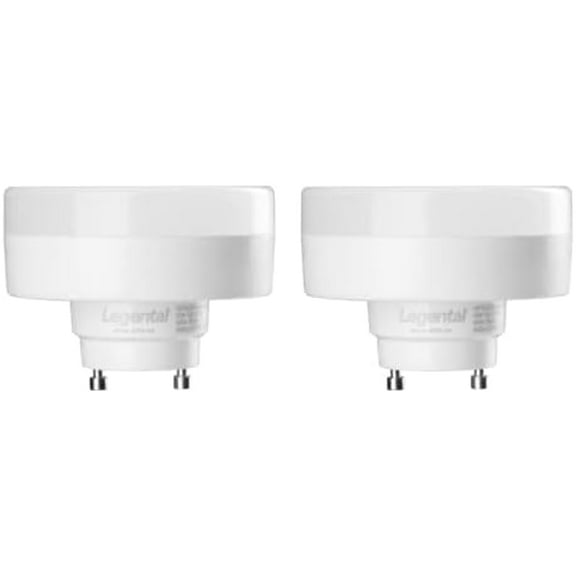
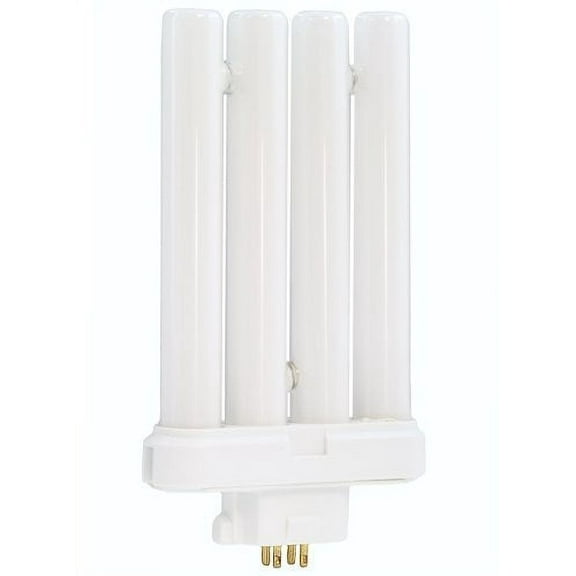
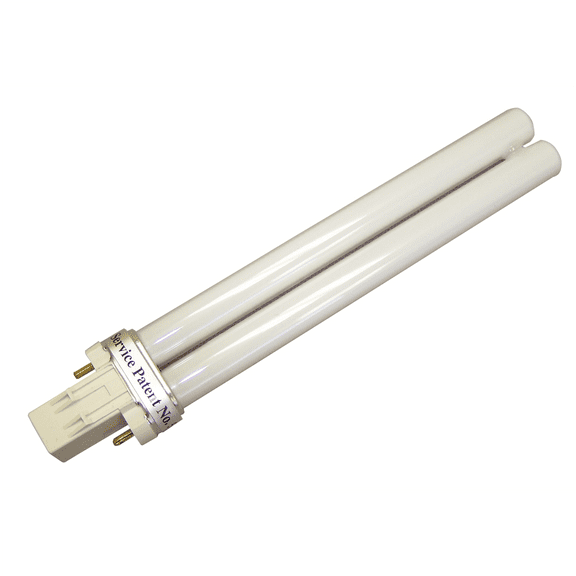
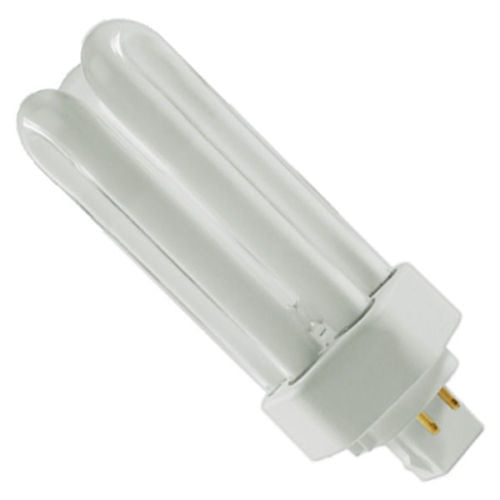
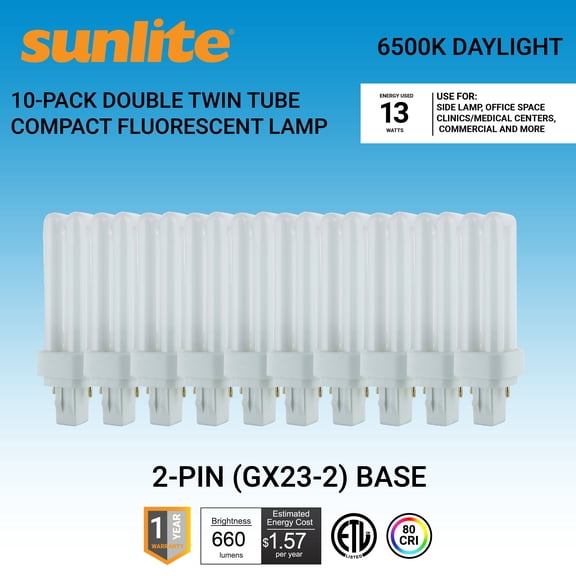
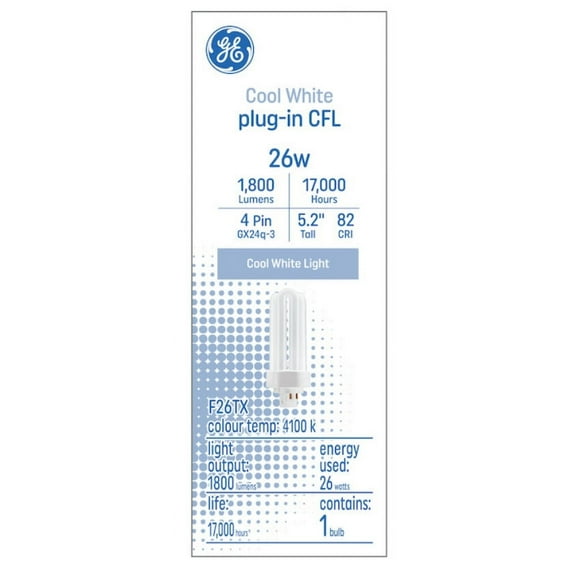
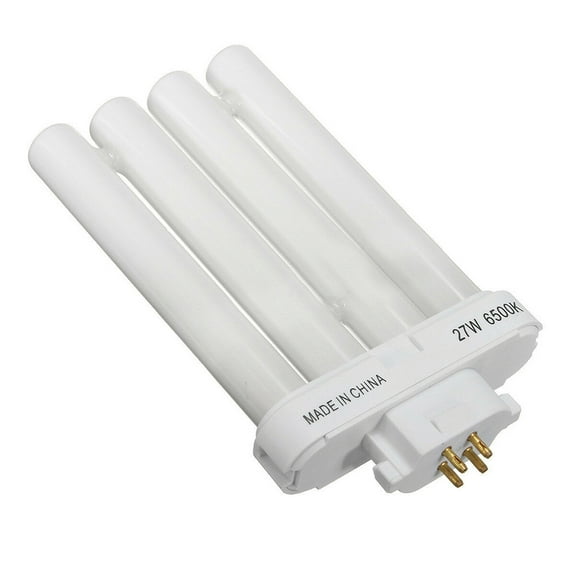
Some recessed cans, desk lamps, and commercial-style fixtures use pin base options like G24q or GX23. You should compare the pin layout carefully, because plug in CFL bulbs aren’t interchangeable with screw bases.
- You can match E26 bulbs to many standard lamps and open fixtures.
- You can choose GU24 twist-lock bulbs for fixtures designed for that locked-in base.
- You can select pin base plug in CFL bulbs when your fixture uses G24q or GX23 connections.
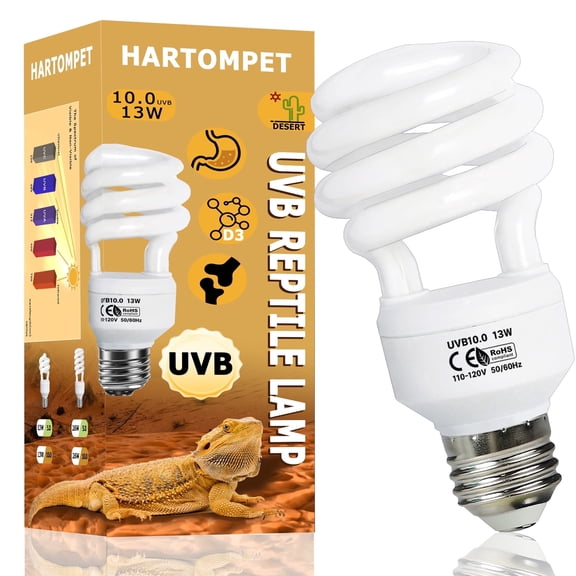
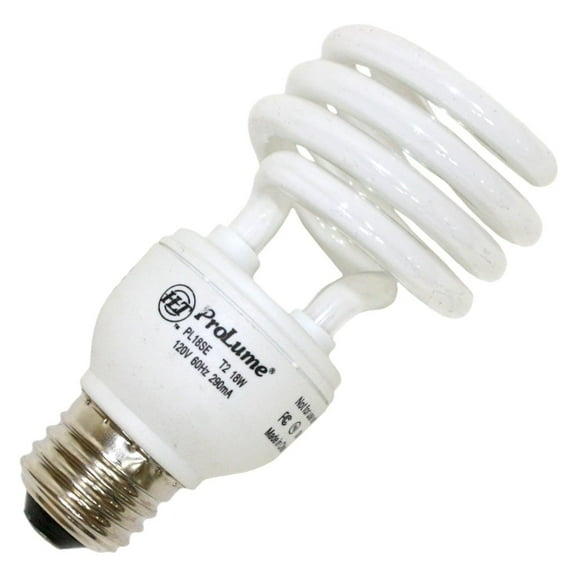
- You can compare spiral light bulbs with U-bend or twin tube styles for fit inside shades and housings.
You may also want to measure bulb shape before you replace an older bulb. Your fixture may need compact spiral light bulbs, or it may require a narrower plug-in form.
Choosing base type and bulb shape
You can use bulb shape as a quick filter when your fixture has limited space. Your shade, globe, or cover may fit a spiral, a U-bend, or a plug-in tube differently.
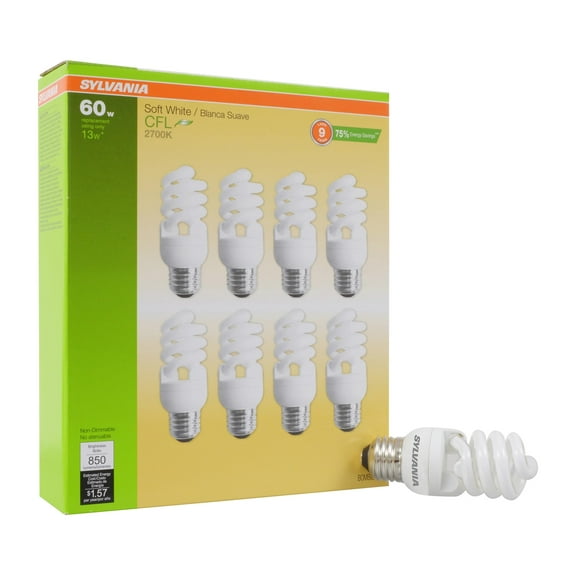
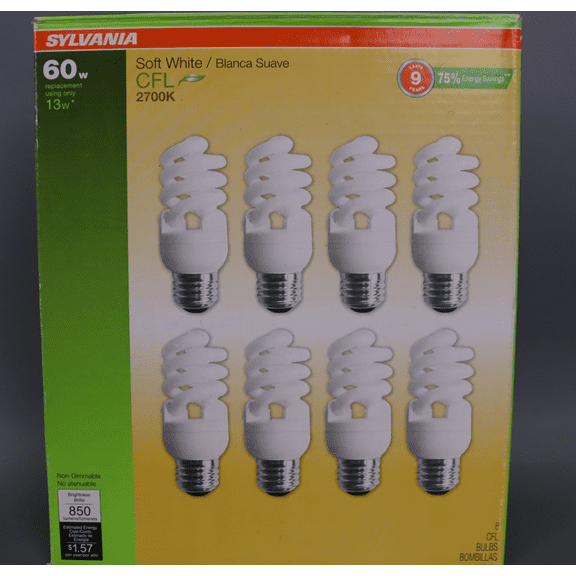
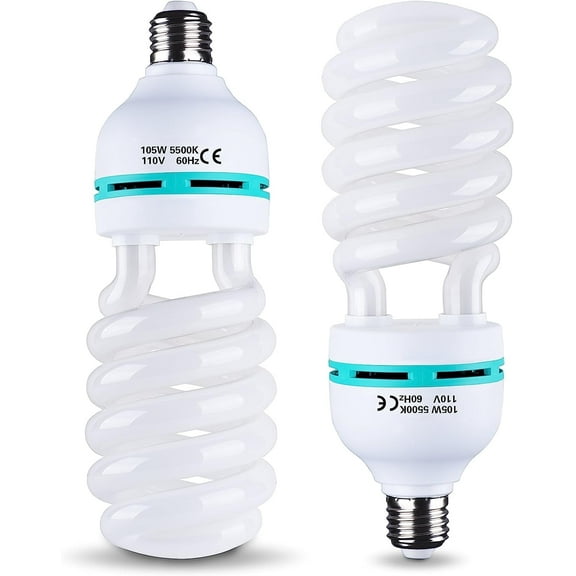
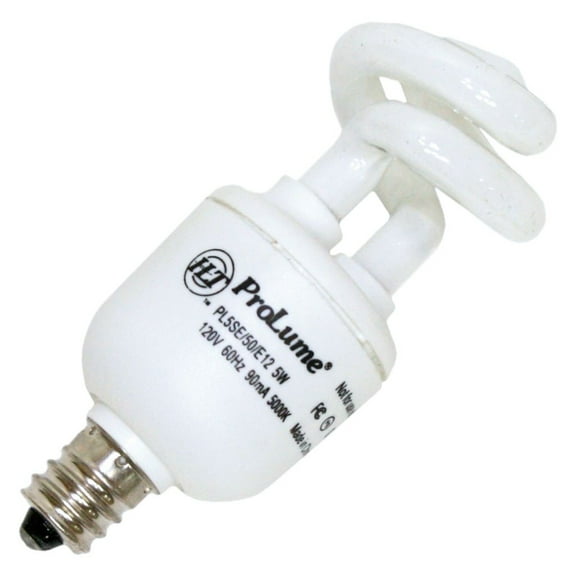
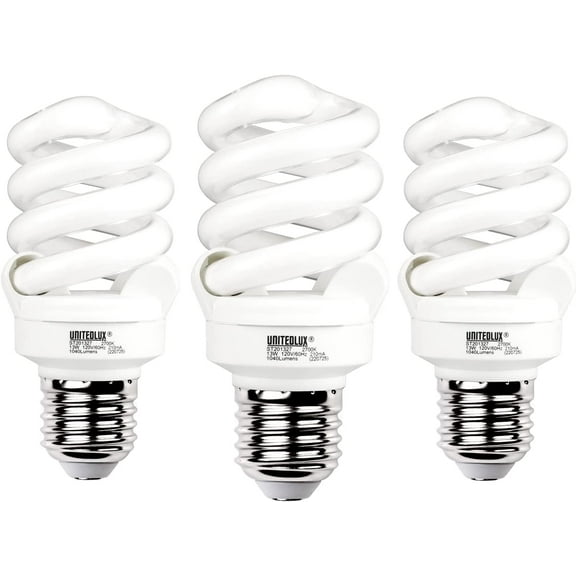
Spiral or twist bulbs are common when you need a screw-in replacement for table lamps or ceiling fixtures. You can often notice they fit many open designs, but your enclosed shade may need extra clearance.
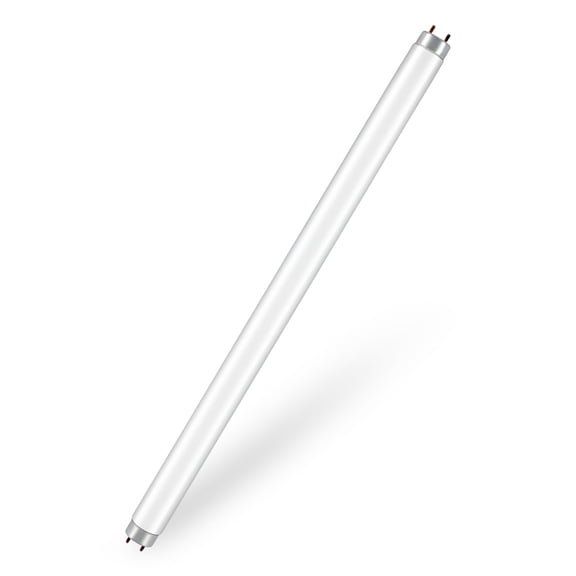
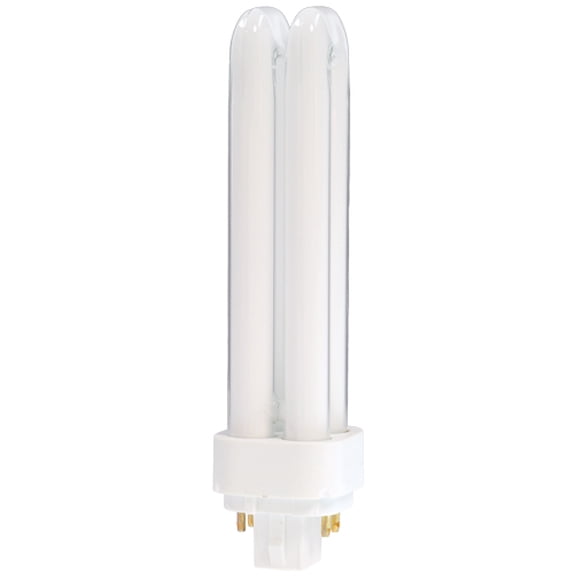
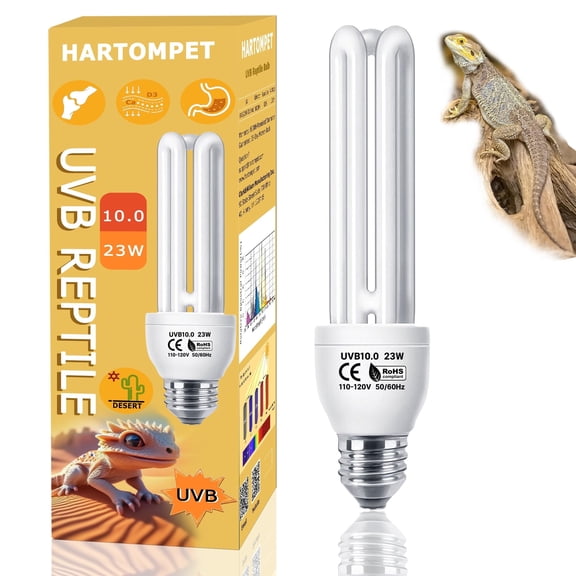
U-bend and twin tube styles help you match fixtures built around a narrower profile. You can compare these forms when your bulb sits inside a tighter housing or under a compact cover.
Plug in CFL bulbs are useful when your fixture uses a ballast and a dedicated socket format. You should check whether your replacement matches both the base pattern and your fixture’s electrical setup.
Understanding wattage equivalent and color temperature
You can choose brightness by looking at wattage equivalent first, especially when you’re replacing an older incandescent bulb. A 40W equivalent works for softer lighting, while 60 watt CFL bulbs suit many everyday spaces.
If you need stronger light for larger rooms, you may prefer a 100W equivalent option. You should compare lumens too, because lumens tell you how bright the bulb looks.
You can think of wattage equivalent as a familiar replacement guide for older fixtures and habits. Your choice becomes easier when you match the old bulb’s brightness instead of focusing only on energy draw.
Dimmability also matters when your fixture uses a dimmer switch or a ballast-controlled setup. You should check the product details, because not every CFL bulb replacement supports dimming or the same fixture hardware.
You can choose color temperature based on how you want the room to look and feel. Soft White, Cool White, and Daylight each create a different appearance in your space.
Soft White around 2700K gives you a warmer look that works well in living rooms and bedrooms. You may prefer that tone when your goal is a familiar glow for relaxing spaces.
Cool White around 4100K gives you a cleaner appearance for kitchens, bathrooms, and work areas. You can use it when your room needs a balanced light that feels crisp without looking too blue.
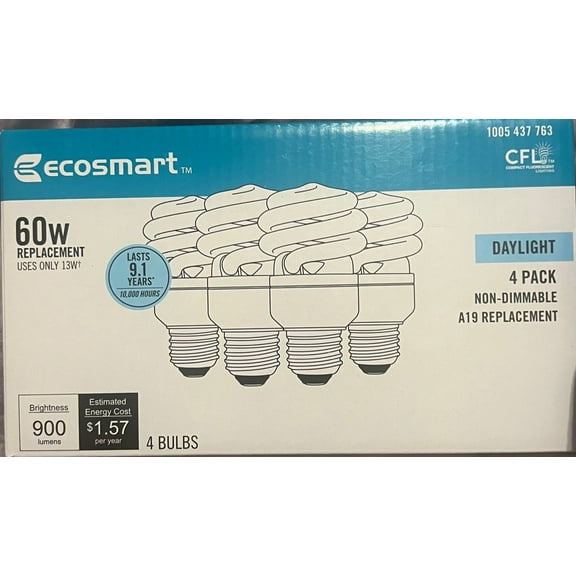
Daylight CFL bulbs around 5000K create a brighter, cooler tone for garages, laundry rooms, and utility spaces. You may often find that tone useful when your tasks need clear visibility and stronger contrast.
Matching compact fluorescent light bulbs to real rooms
You can narrow your choice quickly when you match the bulb to the room and fixture style. Your table lamp may need an E26 spiral bulb, while your ceiling fixture may need a GU24 twist-lock.
For kitchens and baths, you may want a 60W equivalent bulb with a Cool White appearance. This provides a bright everyday look that works well for mirrors, counters, and overhead fixtures.
For bedrooms and living areas, you may prefer a 40W or 60W equivalent bulb in Soft White. You can keep a warmer tone that suits lamps, sconces, and enclosed decorative fixtures.
In garages, basements, and laundry spaces, you might choose a higher brightness level and a daylight color tone. You may often find that combination useful when your room needs a clearer task-light feel.
If your fixture uses a ballast and a multi-pin socket, you should verify the exact pin base before ordering. Your replacement needs the right physical connection, not just a similar bulb length.
You can also compare compact fluorescent light bulbs by checking dimmable capability, bulb shape, and fixture coverage. Your final choice should match the socket, the room tone, and the brightness you expect.
CFL bulb selection gets easier when you compare the exact base, shape, wattage equivalent, and color temperature first. You can avoid mismatches and keep your existing fixtures working with the right replacement bulb.