

Wood End Tables in End Tables






































About Wood End Tables in End Tables - Walmart.com
Wood end tables help you add warmth, storage, and everyday function beside seating. You can use them to hold lamps, remotes, and drinks without crowding your room.
You may want a table that fits your sofa height and supports your daily routine. You’ll also notice wood grain and finish bring a grounded look that glass or metal alone can’t match.
How to choose wood end tables for your space
You should start by measuring your sofa arm before you compare sizes. You’ll get a more balanced setup when your tabletop sits close to that height.
You can also measure the gap between seating and walkways before choosing a shape. You’ll often prefer round edges in tighter rooms, while square tops give you more usable surface area.
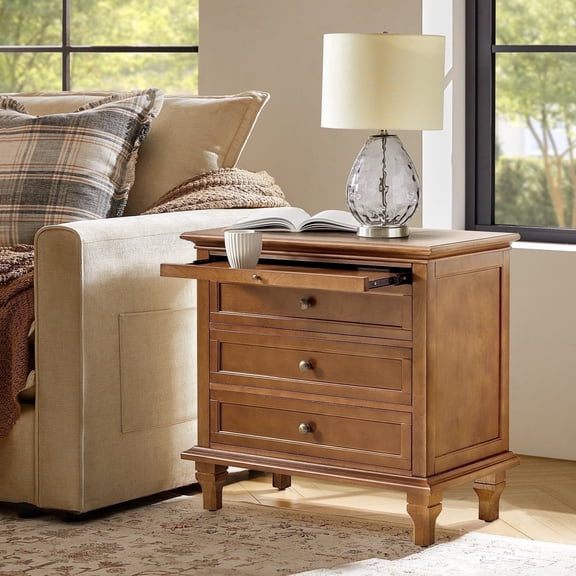
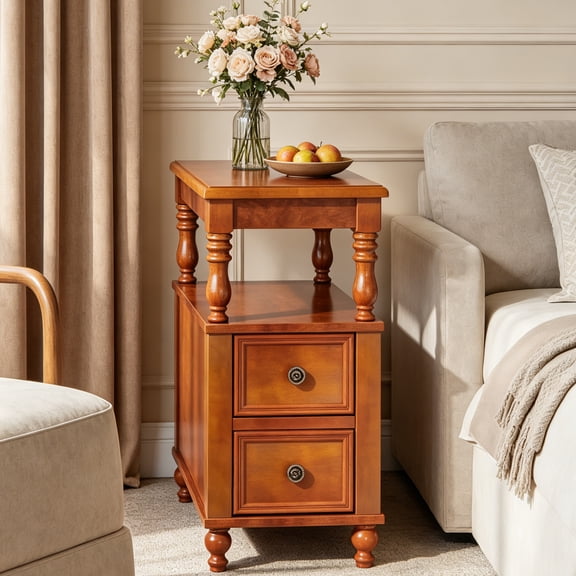
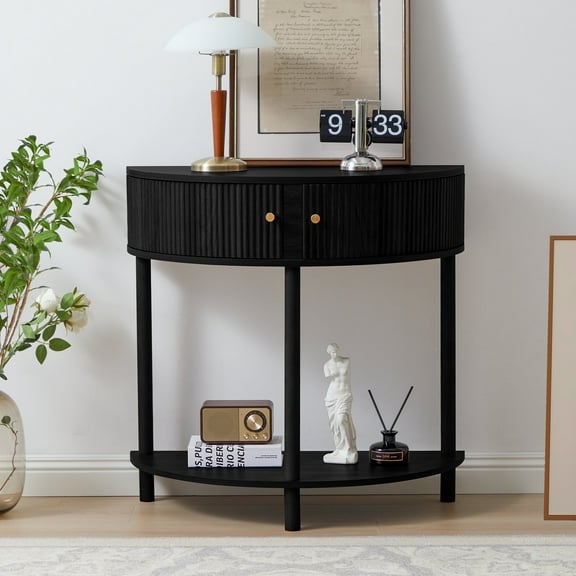
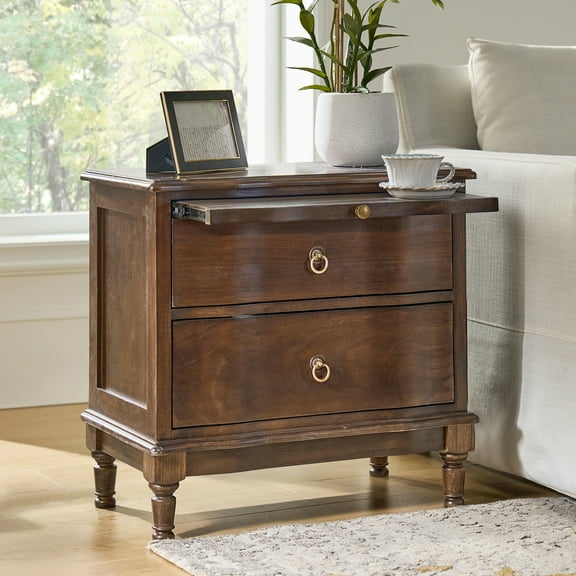
When you compare storage, you should decide whether you want hidden organization or an open look. You may like wood end tables with drawers if your chargers, remotes, and coasters need a dedicated spot.
- You can choose drawers when you want everyday items tucked out of sight.
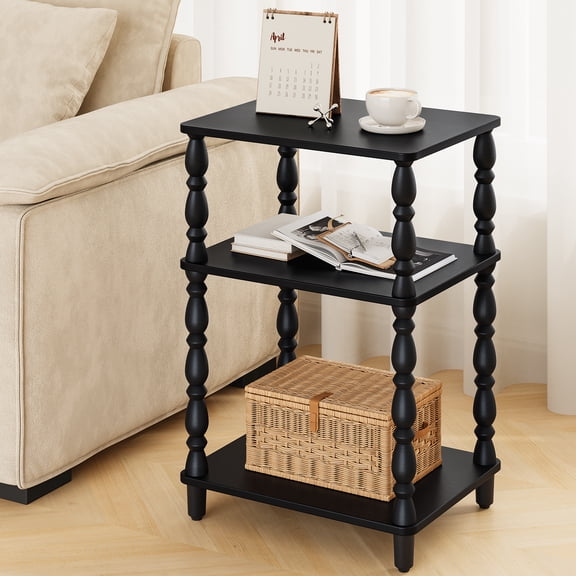
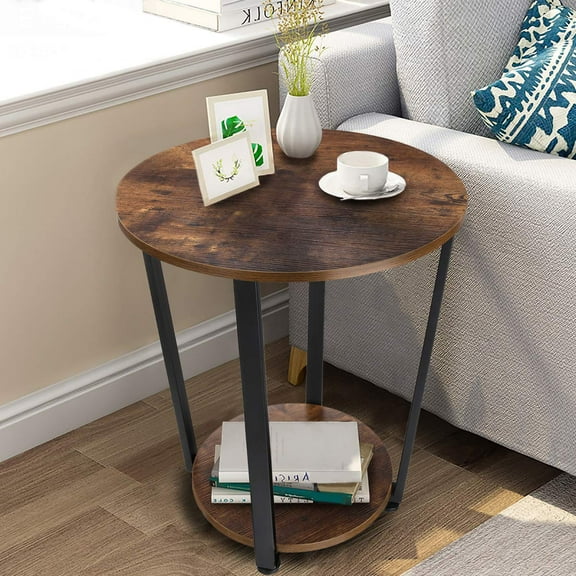
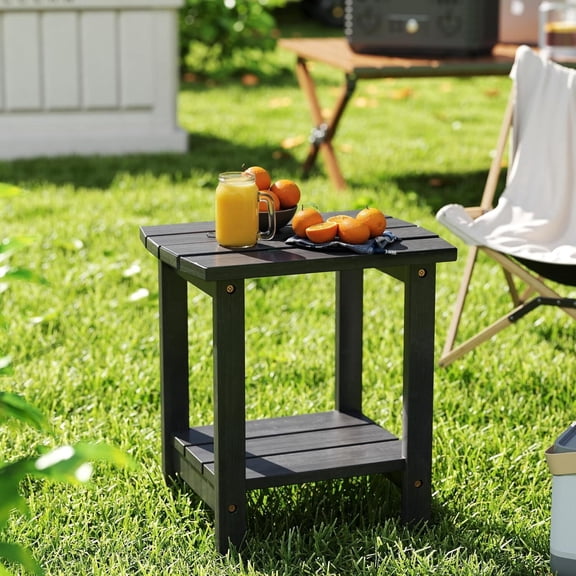
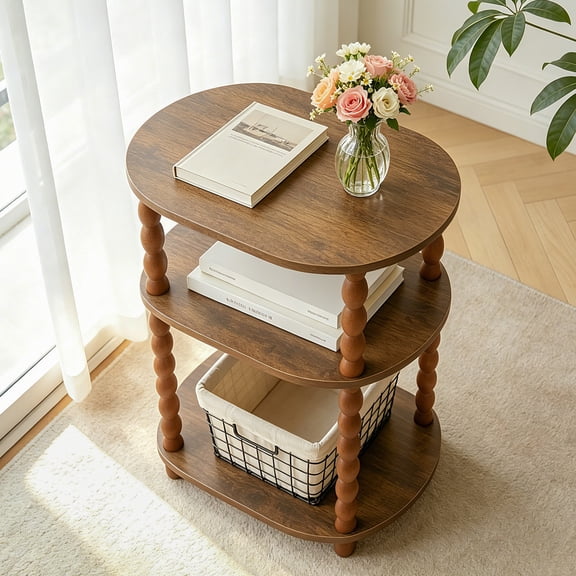
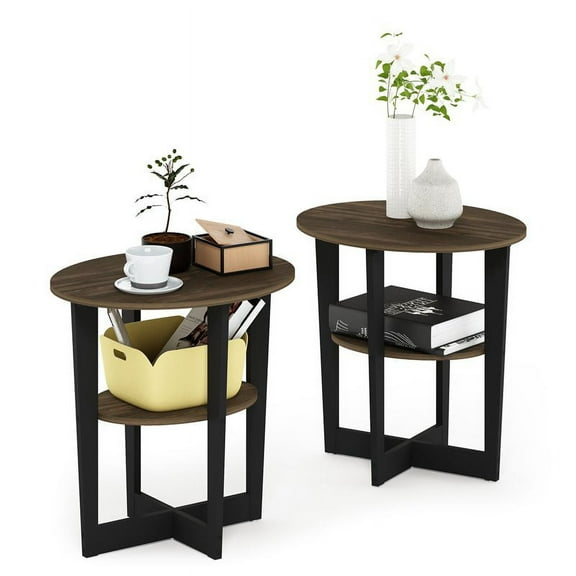
- You can choose open shelves when you want books, baskets, or decor within easy reach.
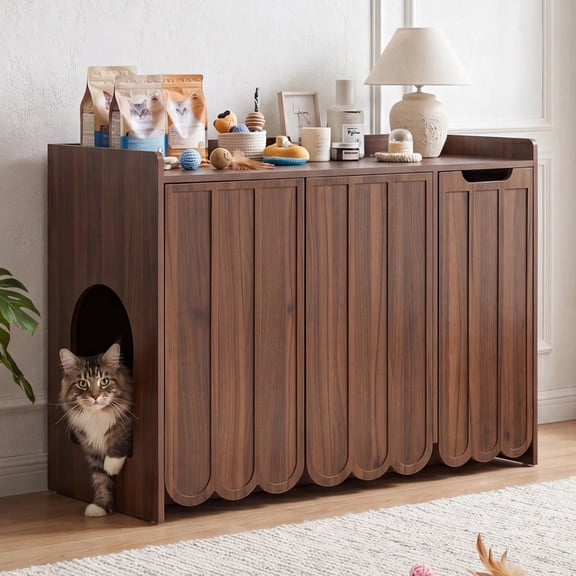
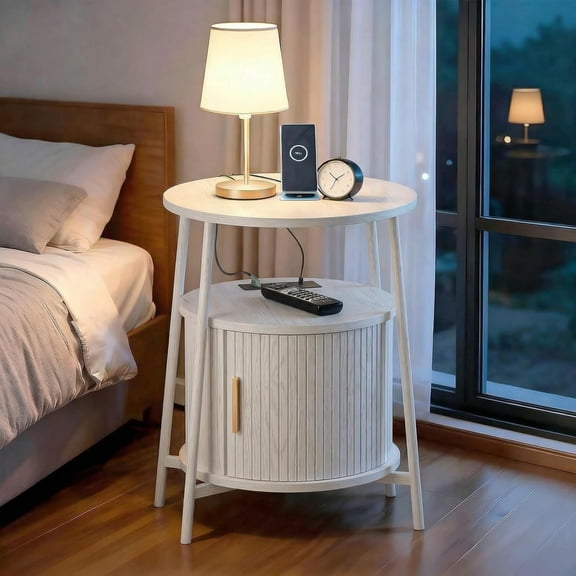
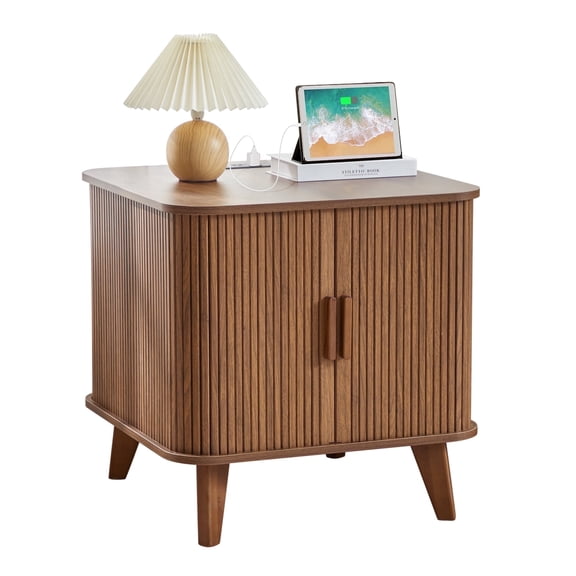
- You can choose cabinet storage when you want a more enclosed look beside seating.
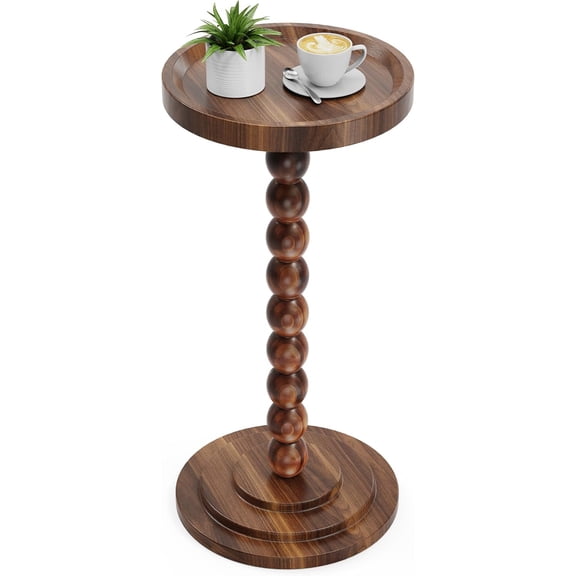
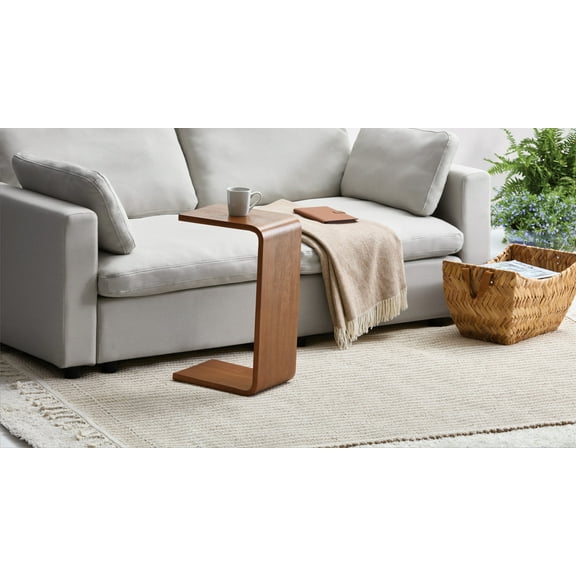
- You can choose a simple top-only table when you want a lighter visual footprint.
You should also think about scale before you choose a pair or a single table. You’ll keep your room feeling comfortable when the table width matches your seating area.
Comparing material types in solid wood end tables
You should compare material types first because they shape texture, weight, and daily wear. You’ll notice solid wood end tables usually feel heavier and show natural grain variation from piece to piece.
You can look at oak when you want a dense feel and classic grain detail. You may prefer pine when you want a lighter look and a more casual style.
If you’re comparing acacia, you’ll often notice rich color contrast and visible grain movement. You can also consider reclaimed wood when you want knots, character marks, and a lived-in look.
You may also see engineered wood options when you want a more uniform finish. You should check product details so you know whether you’re choosing solid wood, veneers, or mixed materials.
You should review assembly notes before you decide on a heavier table. You’ll want to know whether legs attach with basic tools or whether extra hands make setup easier.
Choosing style and finish in rustic wood end tables
You can narrow your options faster when you match your table to your room’s lines and finishes. You’ll often see rustic wood end tables with distressed surfaces, thicker legs, and visible grain.
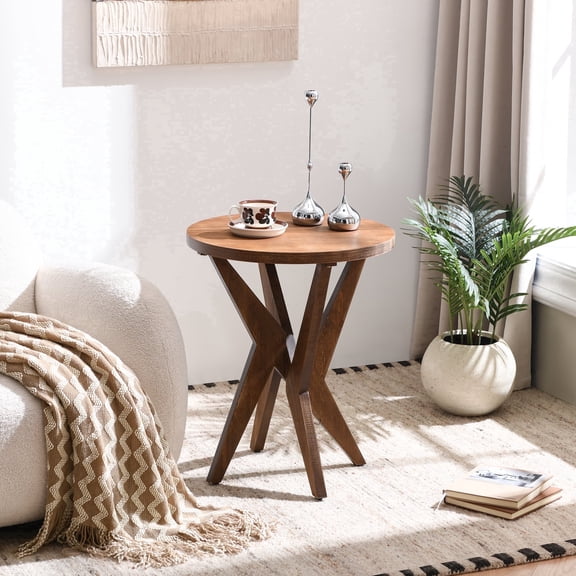
If your room feels clean and simple, you may prefer mid-century modern shapes with tapered legs. You can choose farmhouse looks when you want cross braces, turned details, or softer natural finishes.
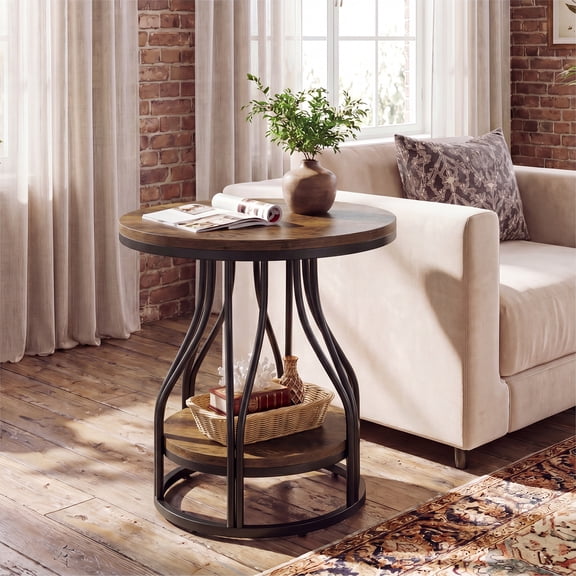
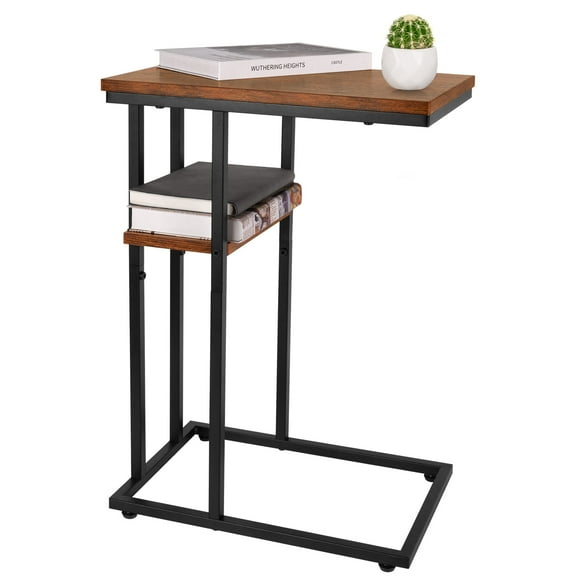
You might lean industrial if your space uses black frames, exposed hardware, or mixed materials. You can choose traditional styles when you want formal silhouettes and familiar wood tones.
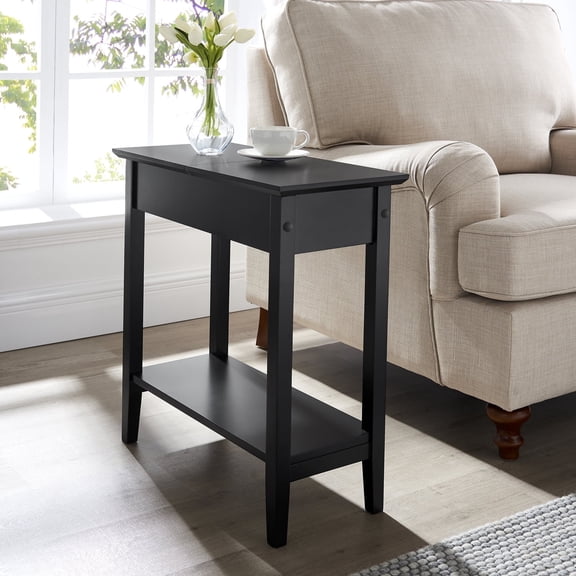
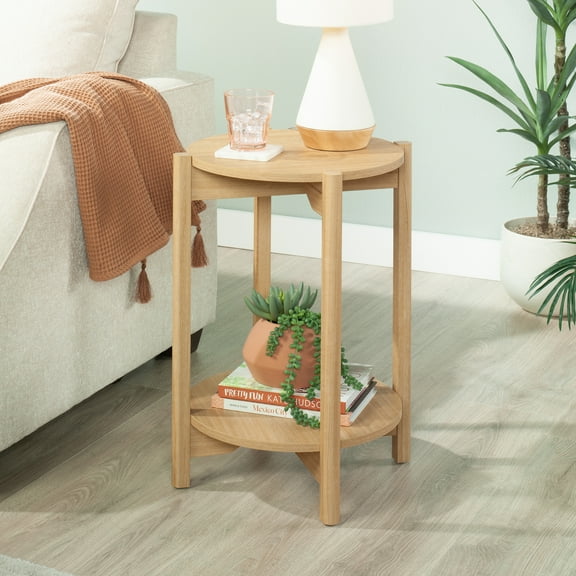
Finish also matters because it changes how airy or grounded your room feels. You may like dark wood end tables for contrast, while light wood end tables can brighten compact spaces.
You can compare espresso, walnut, and natural oak finishes against your flooring and nearby furniture. You’ll get a more pulled-together look when undertones stay consistent across the room.
Picking shape, storage, and setup details
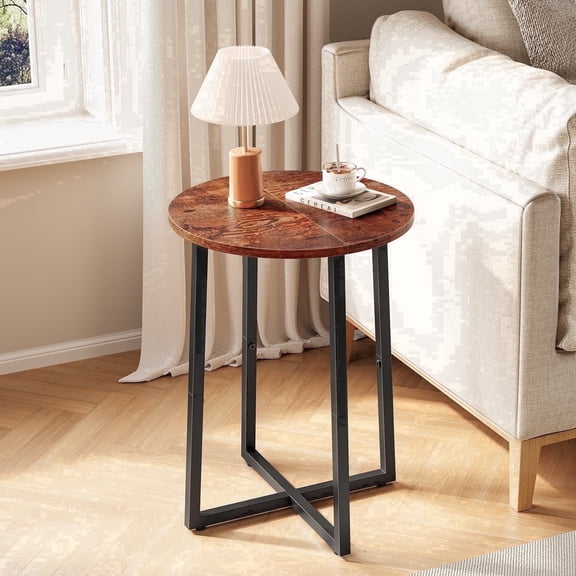
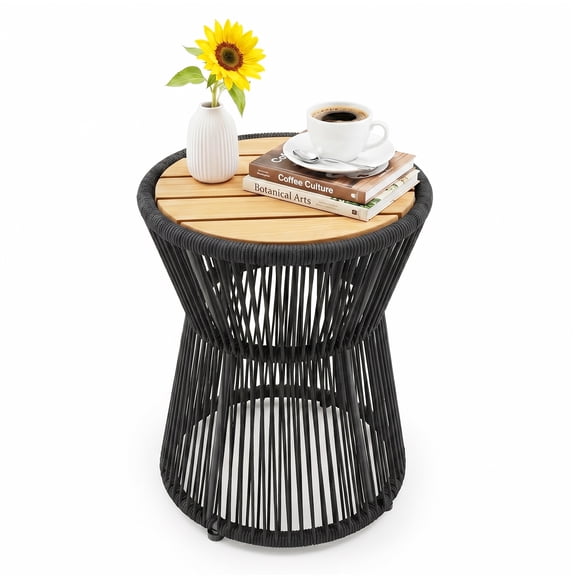
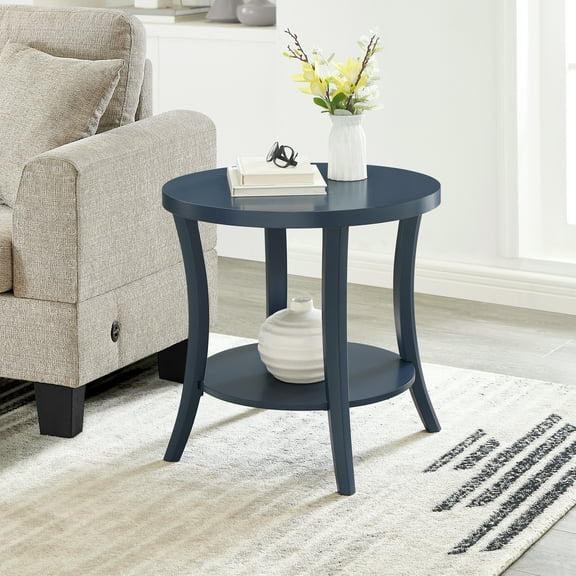
You should choose shape based on traffic flow and how you use your tabletop each day. You may prefer round wood end tables when you want softer edges beside sectionals or accent chairs.
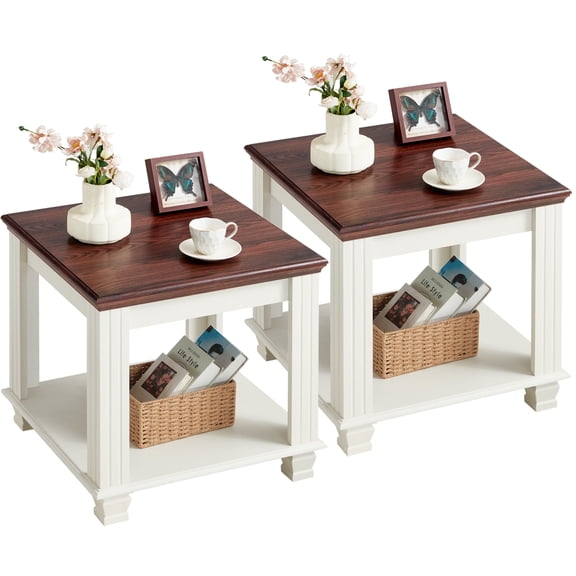
You can choose square tables when you want symmetry beside matching seating. You may like rectangular or oval styles when you need extra length for a lamp, drink, and reading material.
Storage features change how the table works in your daily life. You can use a drawer for smaller items, while a shelf can hold baskets, books, or stacked trays.
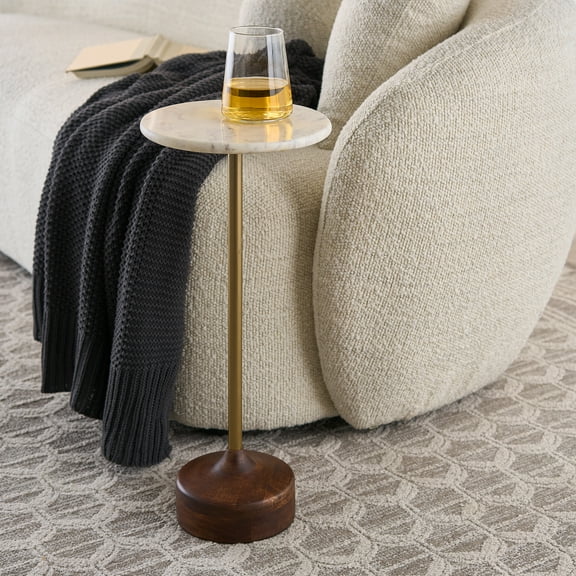
If your room is compact, you can focus on small wood end tables with slim legs or open bases. You’ll keep the space easier to move through while still adding a useful surface.
Where to place wood side tables
You can place wood side tables beside a sofa to hold lighting, drinks, and everyday essentials. You may also use one next to a reading chair where a compact top keeps books and glasses close.
In bedrooms, you can use these tables as a warm alternative to a standard nightstand. You’ll often appreciate drawers or cabinet storage when you want a cleaner look around the bed.
You can also use them in entry-adjacent living spaces where a small surface helps catch keys or mail. You may prefer a narrow profile there so your path stays open and easy.
If your seating layout feels large, you can use matching tables to create visual balance at both sofa ends. You’ll make the room feel more intentional when shape, finish, and height work together.
You can even pair a lighter finish with coastal or casual decor, or use deeper tones in formal spaces. You’ll find wood accent tables especially useful when you want texture that softens upholstered furniture.
You can choose confidently when you compare material, height, storage, shape, and finish before you buy. You’ll end up with a table that fits your seating and supports your daily routine.