

Baking Dishes in Bakeware































About Baking Dishes in Bakeware - Walmart.com
Baking dishes help you bake casseroles, desserts, and roasted sides with dependable results. You can compare materials, sizes, and lid options to match your recipes and kitchen routine.
When you shop this category, you can focus on decisions that change daily use. You can choose glass, ceramic, stoneware, or porcelain based on heat retention, cleanup, and presentation.
How to choose baking dishes by material
Material changes how your food bakes and how your dish performs from oven to table. You should compare heat retention and thermal shock resistance before you choose a favorite style.
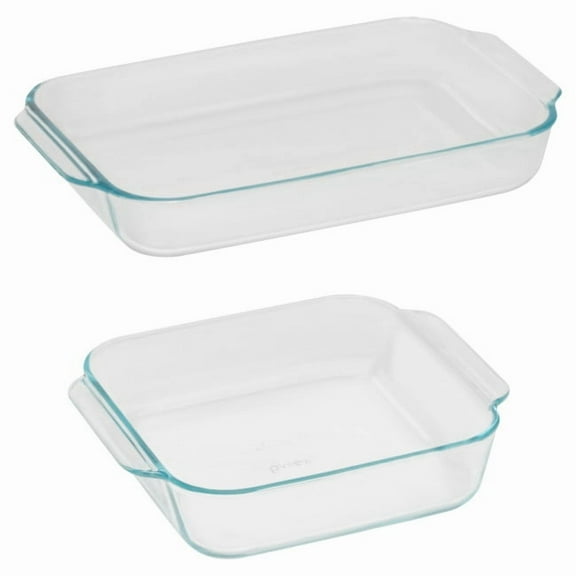
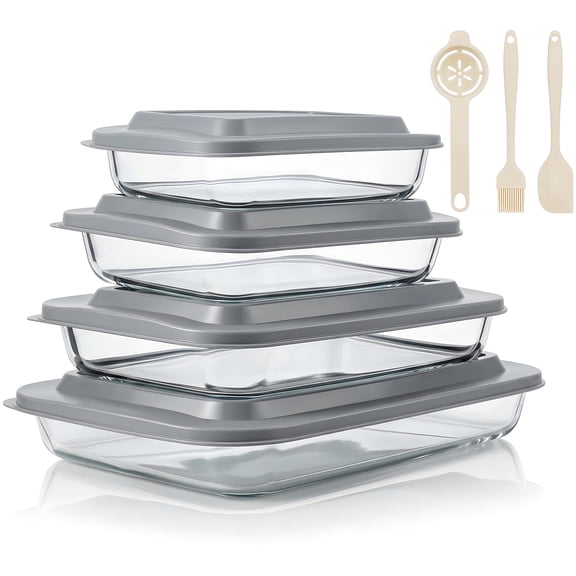
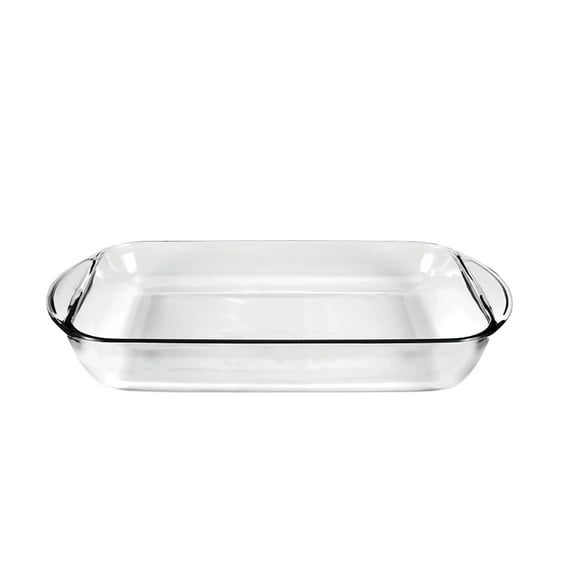
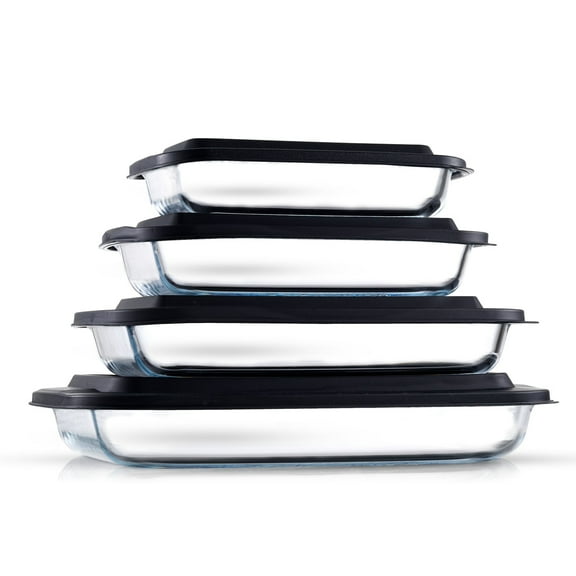
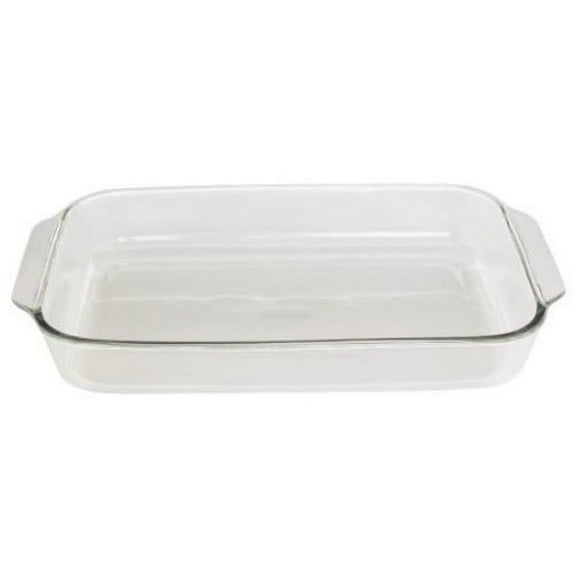
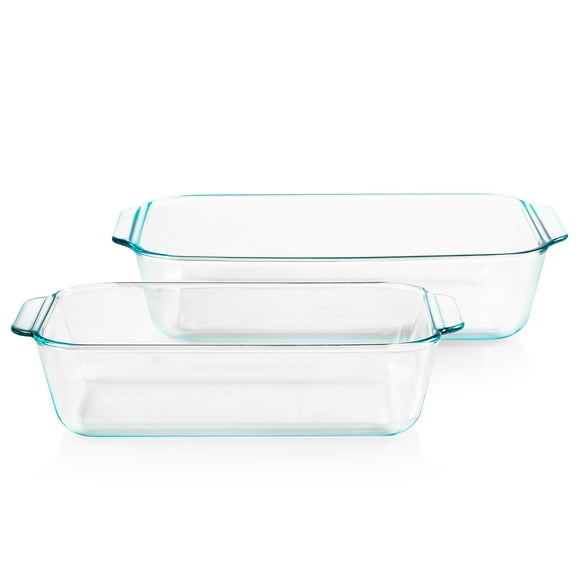
With glass baking dishes, you can easily monitor browning along the sides and bottom. You may also like the clear look when you layer lasagna, baked pasta, or fruit cobbler.
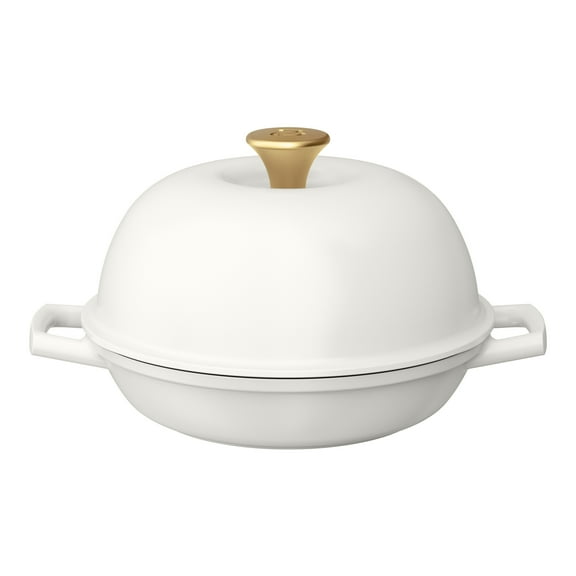
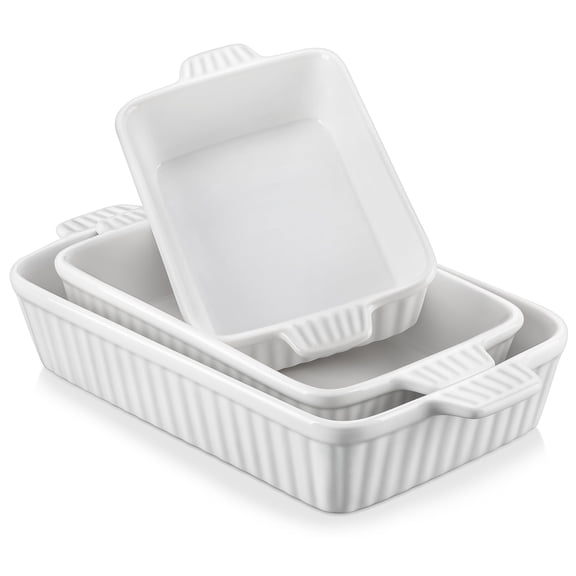
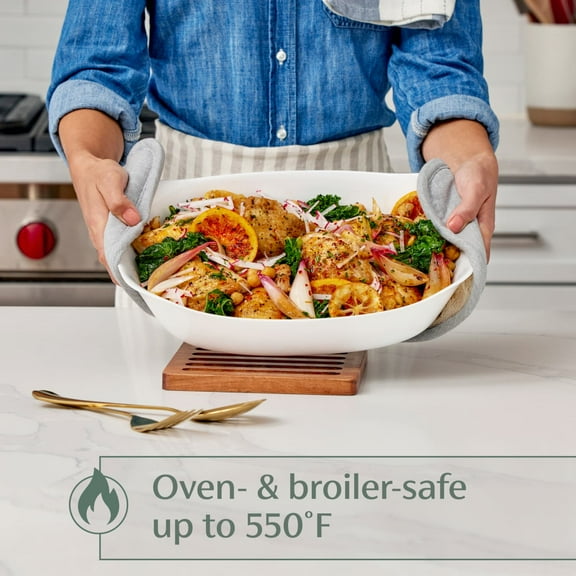
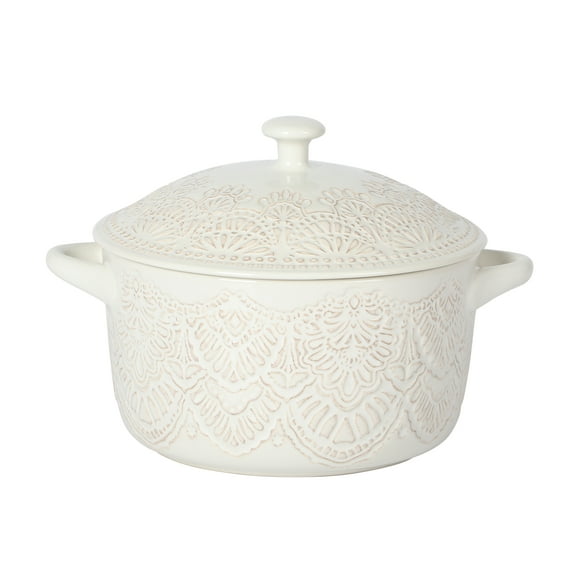
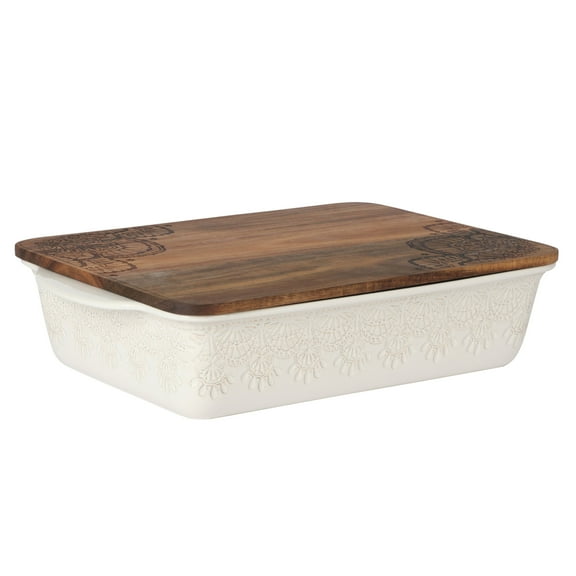
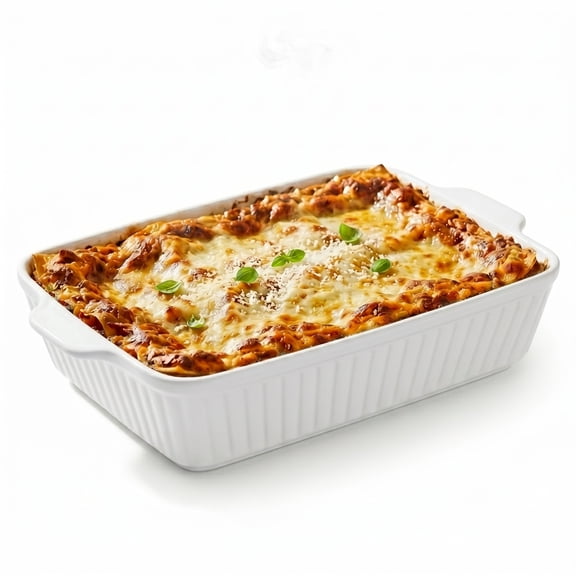
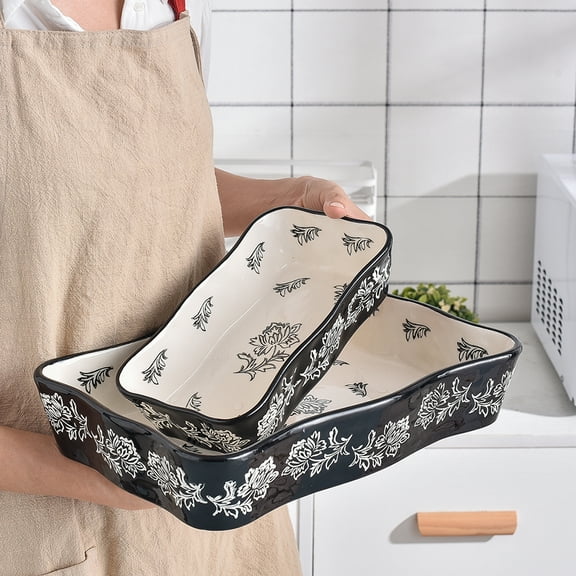
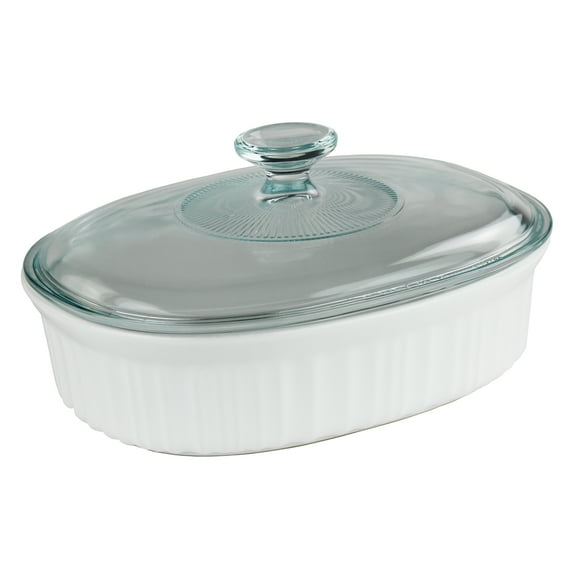
When you choose ceramic baking dishes, you get a classic serving look for casseroles and gratins. You’ll often notice steady heat retention that helps your dish stay warm during dinner.
Stoneware can suit you when you want a hearty feel and strong oven-to-table appeal. Porcelain can fit your kitchen when you want a smooth finish and a polished presentation.
- You can use glass when you want visible layers and easy recipe checks.
- You can choose ceramic when your meal goes straight from oven to table.
- You can consider stoneware or porcelain when presentation matters as much as baking performance.
Choosing the right size and shape for your recipes
Size affects cooking volume, serving count, and how your recipe fits your oven. You should check whether your go-to meals call for 9x13, 8x8, 2-quart, or 3-quart capacity.
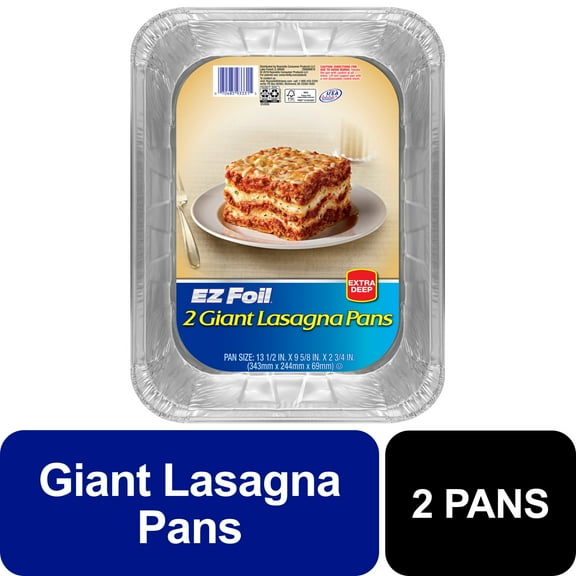
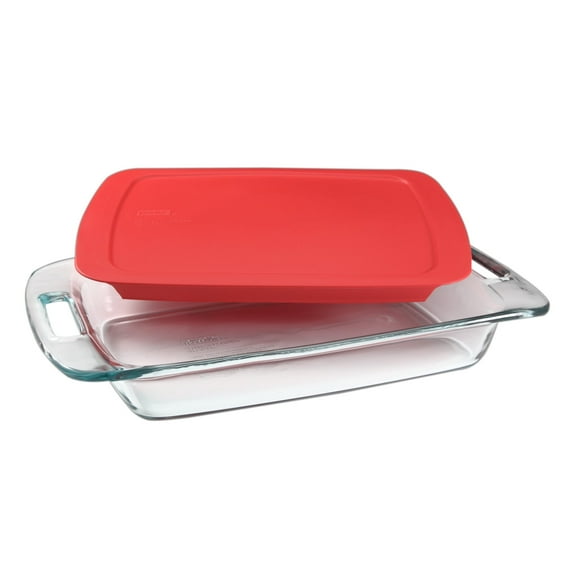
A 9x13 baking dish can work well when you cook family casseroles, enchiladas, or sheet-style desserts. An 8x8 dish can suit you for smaller portions, sides, and compact kitchens.
If you meal prep in batches, you may prefer a 3-quart option for layered dinners. If you cook for one or two people, you may find a 2-quart size easier to manage.
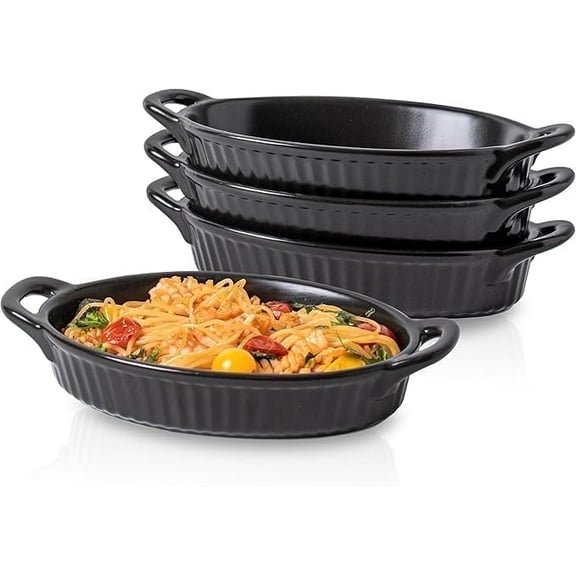
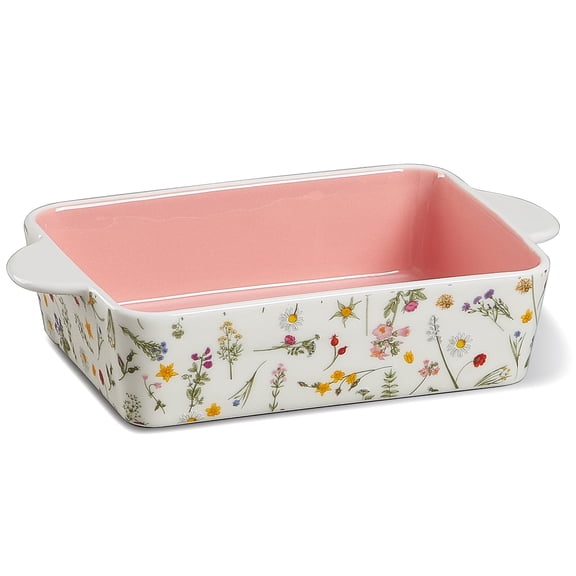
Shape matters, too, because your recipes don’t all bake the same way. A rectangular baking pan helps you portion brownies and casseroles neatly, while oval and round shapes support serving style.
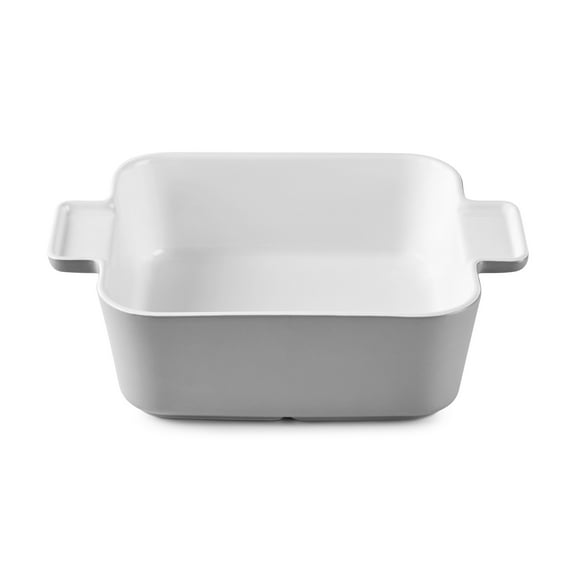
Square dishes can fit your counter and refrigerator shelves with less wasted space. Oval casserole dishes can look refined on the table when you serve baked pasta or roasted vegetables.
Comparing casserole dishes and baking dishes with lids
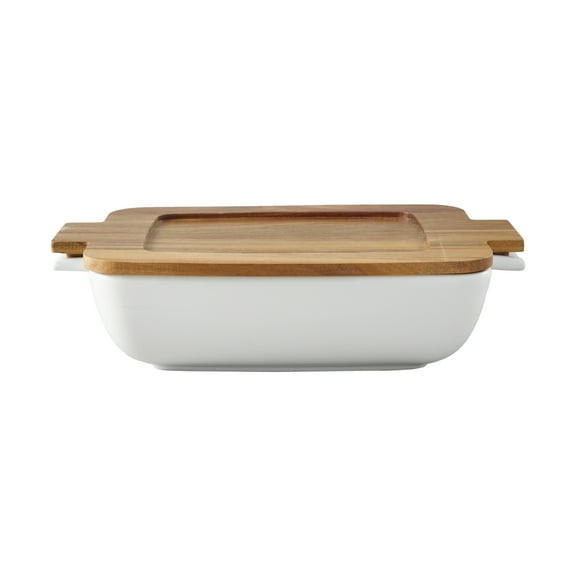
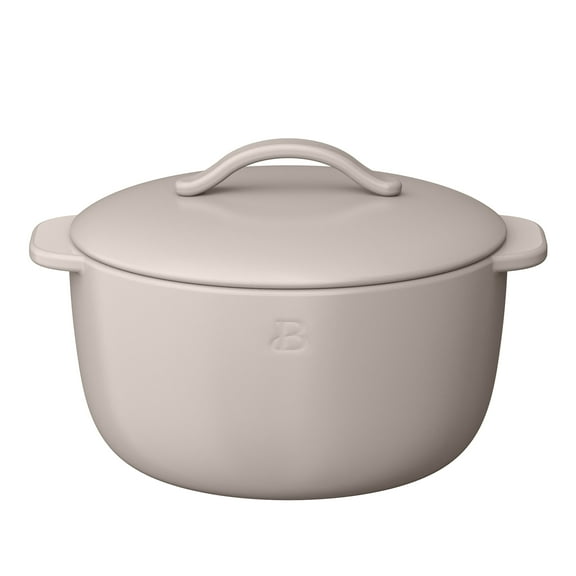
Casserole dishes and baking dishes often overlap, but your use case can guide the right pick. You should look for baking dishes with lids when you want easy storage after cooking.
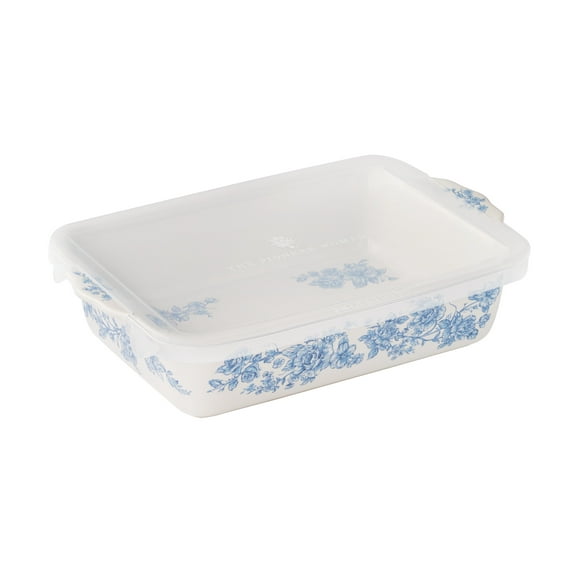
A fitted lid can help you move leftovers into the refrigerator without extra containers. You can also stack covered dishes more neatly when you prep meals ahead.
Some lids are plastic for storage, while others are glass for a coordinated look. You should check whether the lid is intended for oven use, storage use, or both.
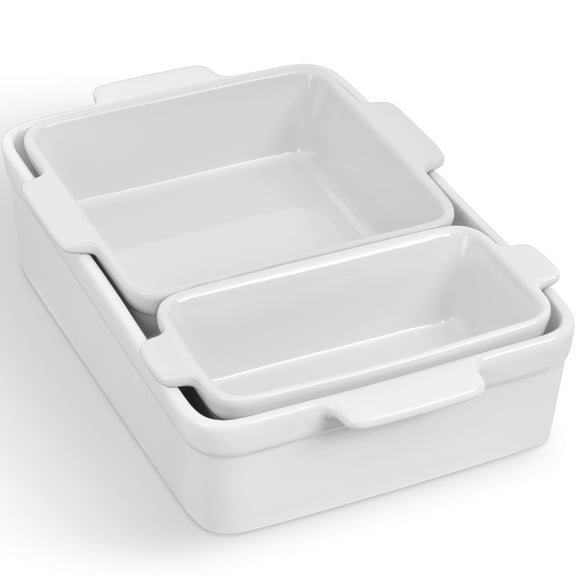
Handles can matter just as much as lids when you carry hot meals to the table. You may prefer wide side handles if you often transfer heavier casseroles or baked pasta.
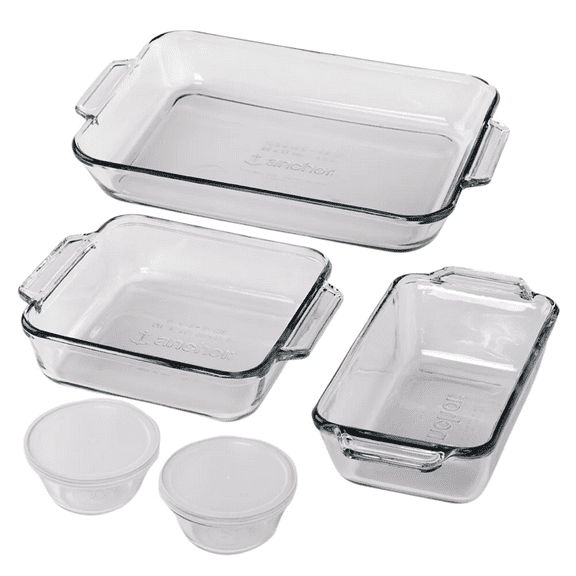
Nesting sets can help you organize cabinets when you want multiple sizes in one footprint. Individual dishes can fit you when you need a dedicated pan for one signature recipe.
What to look for in cleanup and everyday use
Easy cleanup can shape which dish you reach for on busy weeknights. You should compare dishwasher and microwave compatibility to match your cooking and reheating habits.
Smooth interiors can help you release baked foods with less sticking during serving. You may also find that rounded corners make cleanup simpler after cheesy casseroles or baked dips.
Thermal shock resistance matters when your dish moves between different temperatures. You should follow the product guidance so your baking dishes match how you cook and store food.
If you reheat leftovers often, you may want a dish that supports microwave use. If you bake and serve in one vessel, you may prioritize handles, depth, and table-ready style.
How to match baking dishes to real meals
You can match glass baking dishes to layered desserts, breakfast bakes, and recipes where you want to watch browning. You can pair ceramic baking dishes with gratins, casseroles, and table service.
For weekly meal prep, you may want casserole dishes with lids in practical capacities. You can bake once, cover leftovers, and organize your refrigerator with fewer extra containers.
If your recipes rotate between brownies, roasted vegetables, and baked pasta, a rectangular baking pan can give you flexibility. You can portion squares cleanly and fit many standard recipes.
When you host holidays, you may want oval or round dishes for side dishes and desserts. You can place them on the table with a coordinated look that feels ready to serve.
For smaller households, you may prefer 8x8 or 2-quart dishes that reduce leftovers. For larger gatherings, you can step up to 9x13 or 3-quart sizes for fuller pans.
With the right baking dishes, you can match material, size, shape, and storage features to the way you actually cook. You’ll get smoother prep, easier serving, and cleanup that fits your routine.