

Cookware, Bakeware & Tools
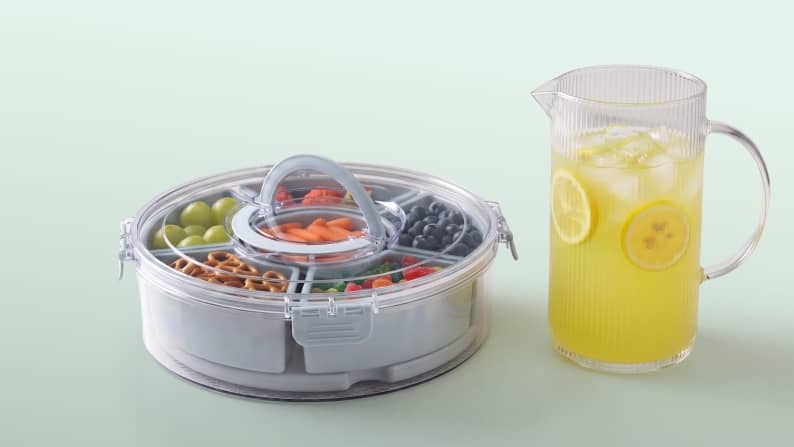
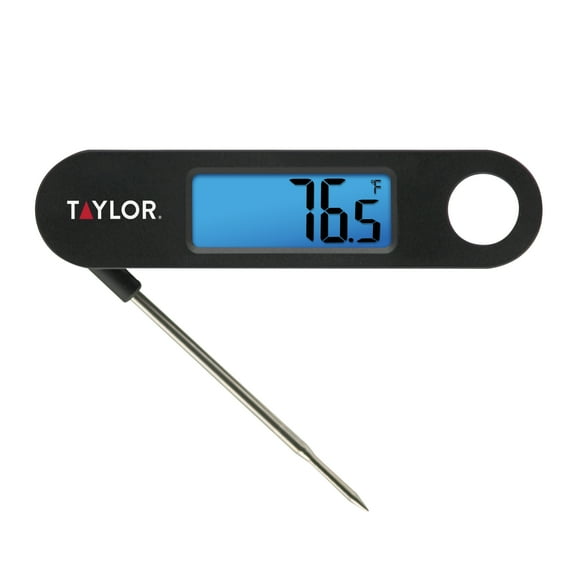


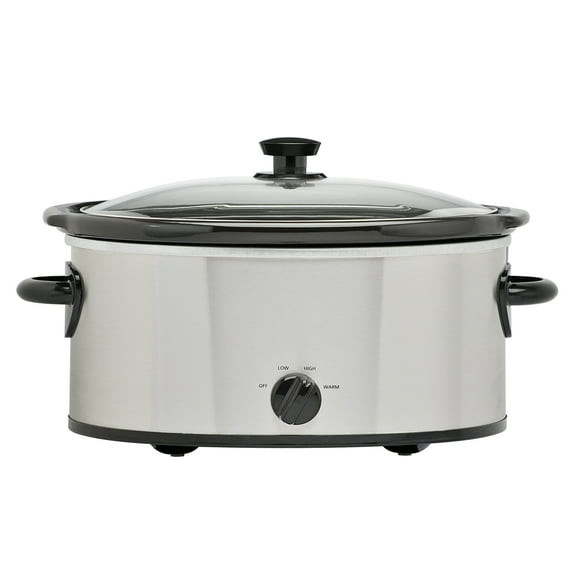
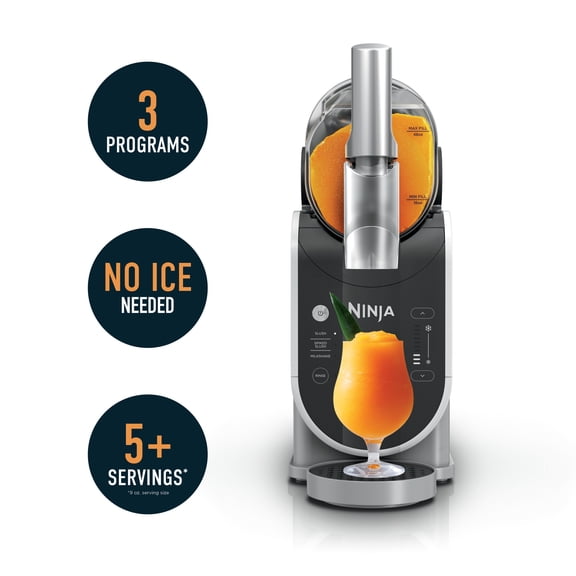



Shop tools and gadgets


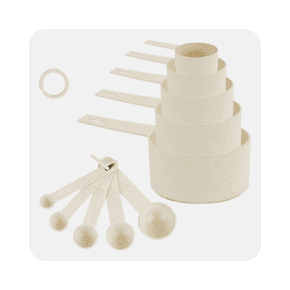


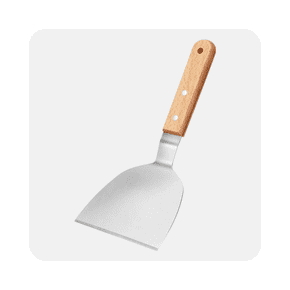
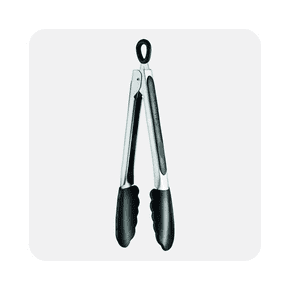
Kitchen gadgets & cutlery savings

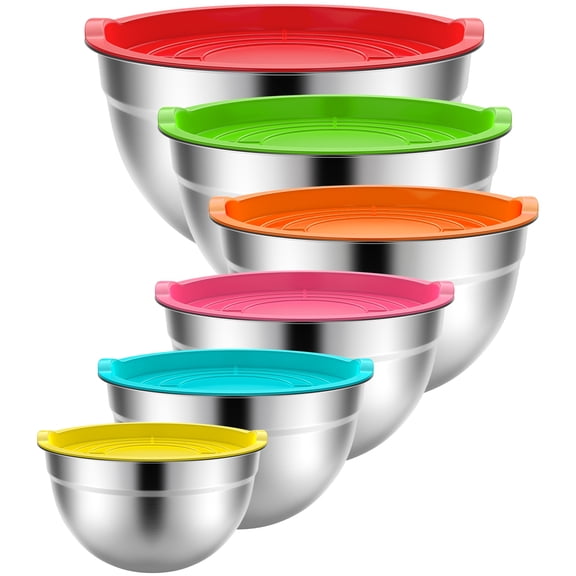










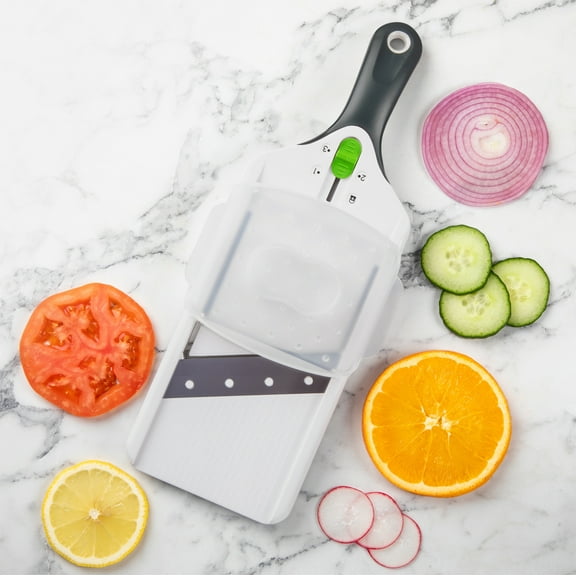
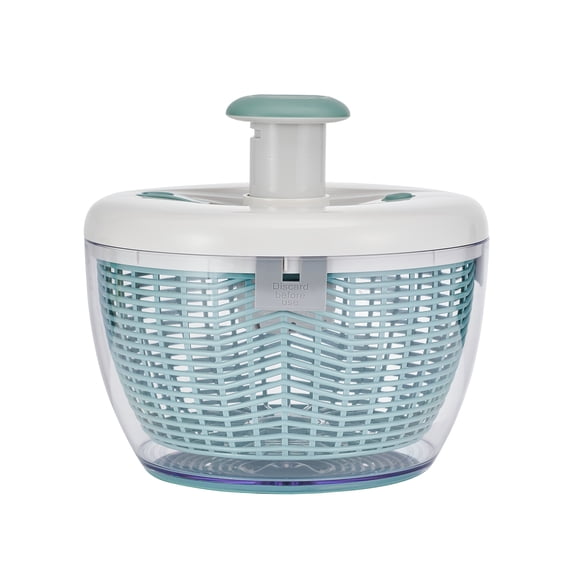

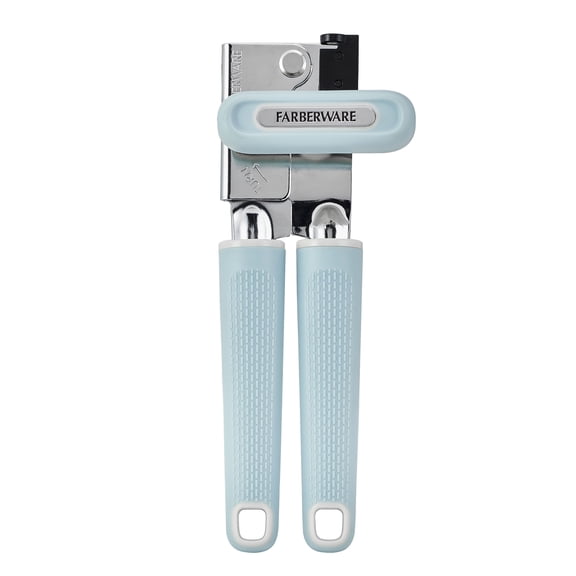
More kitchen tools and gadgets



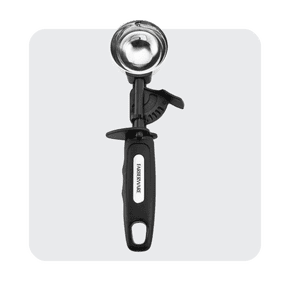

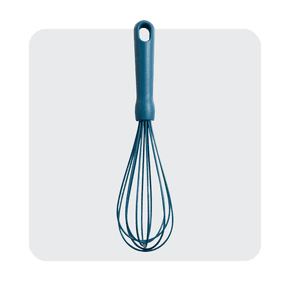
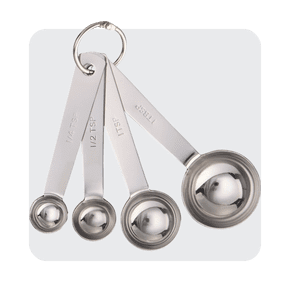
All your kitchen needs







FAQ
About Cookware, Bakeware & Tools - Walmart.com
Cookware bakeware choices shape how smoothly you cook, bake, and clean up in your kitchen. You can compare materials, set sizes, and oven-safe details to build a practical setup.
If you make quick weeknight meals and weekend desserts, you need pieces that match both stovetop and oven tasks. You can use this guide to compare cookware sets, baking pans, and everyday kitchen essentials.
How to choose cookware bakeware for daily cooking
You should start with material because it changes heating, browning, and cleanup. You’ll notice stainless steel handles searing well, while nonstick surfaces release eggs and pancakes with less sticking.
If you want easy cleanup, you may prefer nonstick bakeware for muffins, brownies, and sheet pan dinners. If you want crisp roasting and strong browning, you may compare carbon steel, aluminized steel, or cast iron.
You can also look at ceramic cookware when you want a smooth cooking surface and modern kitchen style. You may choose enameled cast iron or stoneware when you want oven-to-table serving pieces.
- You can use stainless steel for sautéing, simmering, and building pan sauces.
- You can choose nonstick surfaces when your meals need easy food release and faster cleanup.
- You can pick ceramic cookware when you want everyday pots and pans with a sleek finish.
- You can rely on aluminized steel baking sheets for even baking and dependable cookie edges.
Choosing cookware sets and pots and pans by size
You should compare set size with your cabinet space and your usual meal routine. You may only need one skillet, one saucepan, and one stockpot for daily cooking.
If you cook for a household or batch-prep often, you may want cookware sets with multiple lids and pan sizes. You can keep smaller kitchens organized by choosing stackable shapes or fewer specialty pieces.
You should also check pan diameters and pot capacities before you commit to a full set. You’ll avoid crowded burners when your pots and pans fit your range comfortably.
For baking, you can build a useful core with baking sheets, loaf pans, cake pans, and a muffin pan. You may add a roasting pan, casserole dish, or pie plate as your recipes expand.
What to look for in baking pans and nonstick bakeware
You should compare rimmed and flat baking sheets based on what you bake most often. You’ll want rimmed pans for roasted vegetables and flat styles for cookies.
If you bake cakes and bars often, you should check pan depth and shape carefully. You can choose round pans for layer cakes, square pans for brownies, and loaf pans for breads.
You may prefer glass or ceramic dishes when you want to monitor browning through the sides. You can choose silicone bakeware when you want flexible release for cupcakes or molded treats.
You should also consider how dark or light the pan finish looks. You’ll often get deeper browning from darker bakeware and gentler color from lighter metal pans.
Checking oven-safe limits and induction compatibility
You should always check whether your cookware is oven safe to the temperature you actually use. You’ll find that handles, lids, and coatings can affect the maximum safe temperature rating.
If you finish pasta bakes or skillet meals in the oven, you should compare oven safe pots by their listed heat limits. You can match those ratings to broiling, roasting, or baking temperatures in your recipes.
You should also confirm induction compatibility if your cooktop uses magnetic heating. You’ll need a magnetic base, which is common in many stainless steel and some hard-anodized pieces.
If you use induction, you can test for compatibility by checking product details for an induction-ready base. You shouldn’t assume all aluminum, glass, or copper pieces will work without that layer.
Matching materials to real kitchen routines
If you cook eggs, grilled sandwiches, or delicate fish, you may lean toward nonstick skillets and nonstick bakeware. You’ll spend less time scraping surfaces after breakfast or quick lunches.
If you brown meat, reduce sauces, or cook pasta often, you may prefer stainless steel pots and pans. You can move from sautéing to simmering without switching pieces mid-recipe.
For casseroles, baked pasta, and fruit crisps, you may choose glass, stoneware, or porcelain baking dishes. You can carry those dishes from oven to table with a polished presentation.
If you roast vegetables, bake cookies, or reheat leftovers often, baking sheets and baking pans will carry most of the workload. You can keep several shapes on hand to support everyday meal prep.
You may also compare cast iron, enameled cast iron, and ceramic cookware for slower, steady oven cooking. You’ll notice those options suit braises, cornbread, and deep-dish baked recipes.
When you choose cookware bakeware with the right materials, size, and heat limits, your kitchen feels easier to use. You can cook, bake, and serve with pieces that match your routine and your space.