

Hook and Loop Polishing Pads in Car Polishing Pads









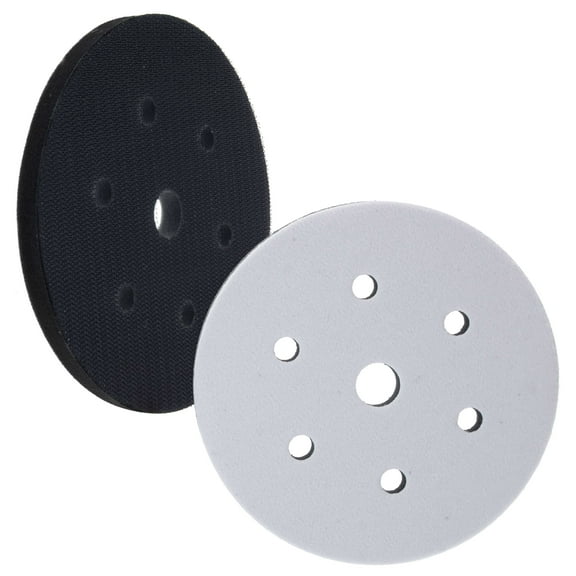
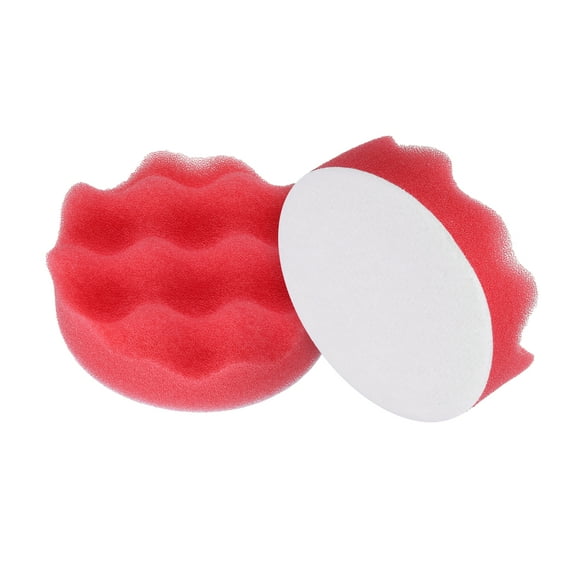


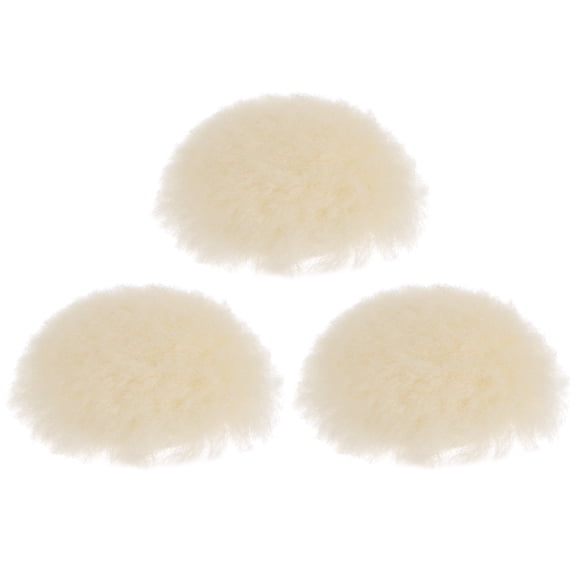
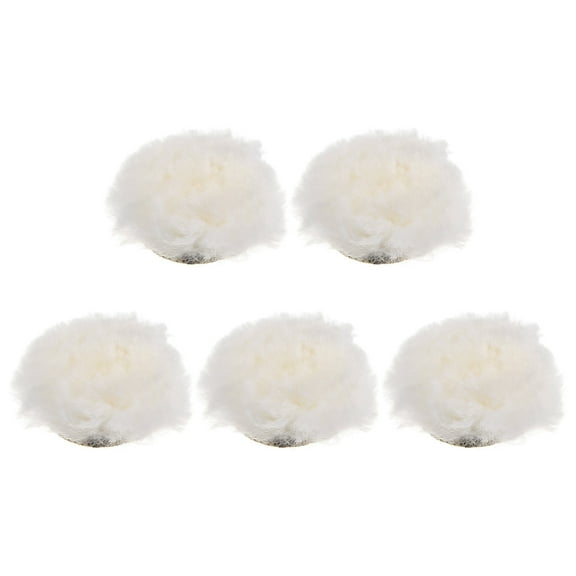




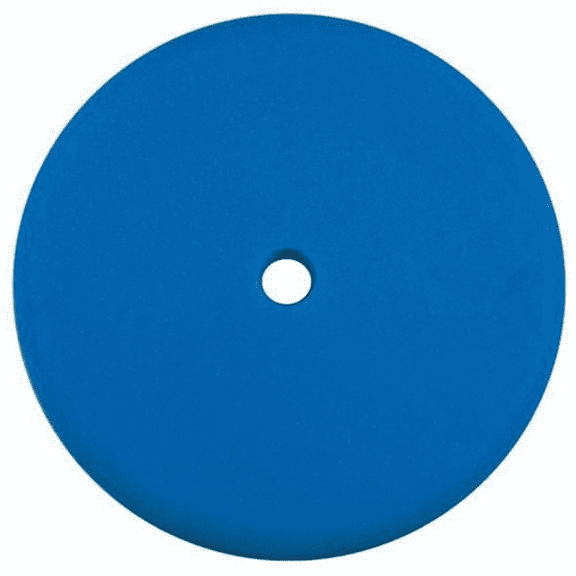

About Hook and Loop Polishing Pads in Car Polishing Pads - Walmart.com
When you need hook and loop polishing pads, you can compare pad size, material, and cut level with less guesswork. You’ll get quick pad changes, secure attachment, and options that match your backing plate and detailing goals.
If you’re correcting haze, refining gloss, or finishing tight trim areas, you’ll want pads built for your tool setup. You can also use color and density cues to sort cutting, polishing, buffing, and finishing tasks faster.
How to choose hook and loop polishing pads
You should start with pad size because your backing plate diameter affects fit, balance, and control. If your pad overhangs too far, you may notice less precise contact on curved panels.
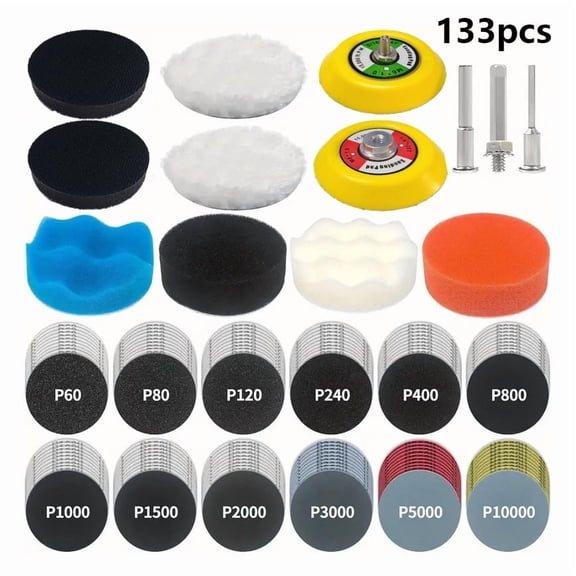
You can compare 2 inch buffing pads for small areas and 3-inch polishing pads hook-and-loop styles for pillars. You can also compare 5 inch polishing pads hook and loop options for broad panels.
If your machine uses a metric plate, you may also compare 125mm polishing pads hook and loop choices. You’ll often see 6 inch hook and loop polishing pads for larger surfaces, though you should check your machine’s recommended size first.
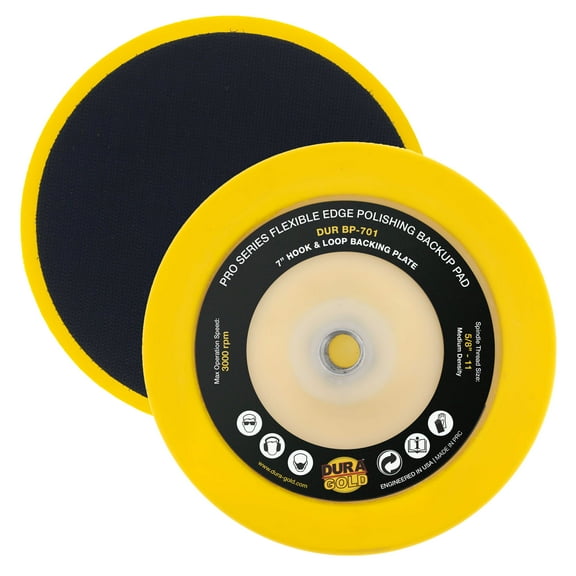
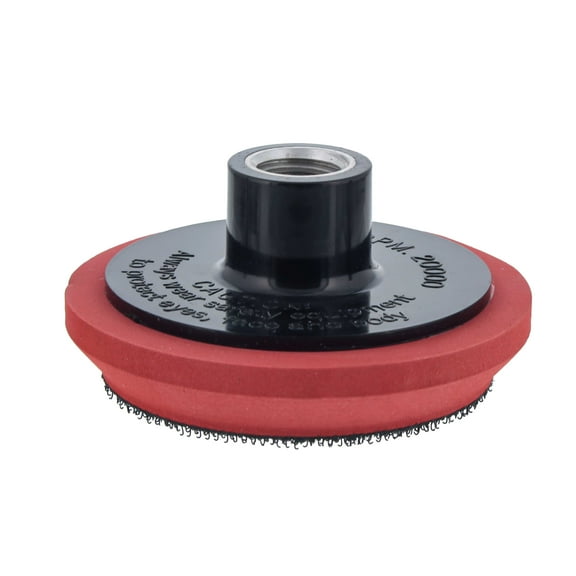
You can also confirm spindle thread size so your backing plate matches your tool correctly. That step helps you keep your pad centered and your machine feeling steady during each pass.
Choosing pad size and attachment type
You should look for a hook-and-loop style attachment when you want faster pad swaps between compounding, polishing, and finishing steps. You’ll spend less time changing pads and more time maintaining a steady workflow.
If you’re comparing 5-inch hook-and-loop polishing pads and 6-inch hook-and-loop polishing pads, you should focus on tool balance and working area. A smaller pad usually helps you control edges, while a larger pad covers flat sections faster.
- You can use 2 inch polishing pads on mirrors, bumpers, and narrow trim.
- You can use 5 inch pads on doors, hoods, and everyday correction work.
- You can use 6 inch pads when your polisher supports wider coverage.
- You can choose 125mm pads when your backing plate uses that common metric size.
You should also check pad thickness because it changes feel on curves and edges. A thicker pad may give you more cushion, while a thinner pad can feel more direct.
Understanding polishing pads colors and density
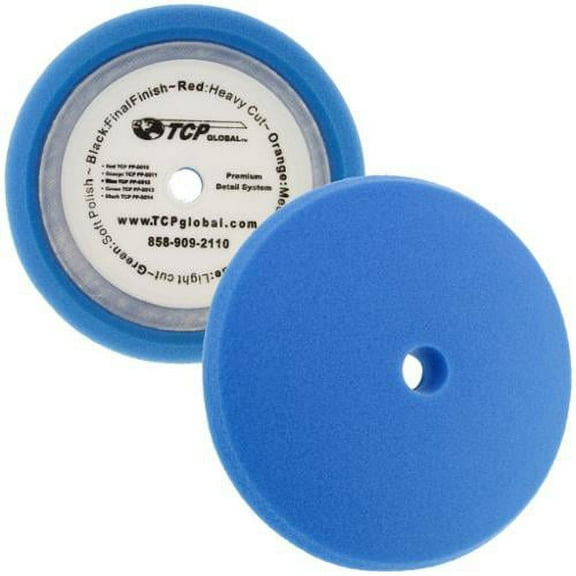
You may notice polishing pads colors that signal how firm or soft a pad feels during paint correction. While color systems vary by brand, you can usually treat firmer pads as cutting options and softer pads as finishing options.
If you’re removing stronger swirls or dullness, you’ll often consider a denser pad for more bite. If you’re refining gloss after compounding, you’ll usually move to a softer polishing or finishing pad.
You should read color labels with the product details because one brand’s orange pad may not match another brand’s cut level. You can use density descriptions, intended application, and material type to confirm the right choice.
Comparing foam, wool, and microfiber pads
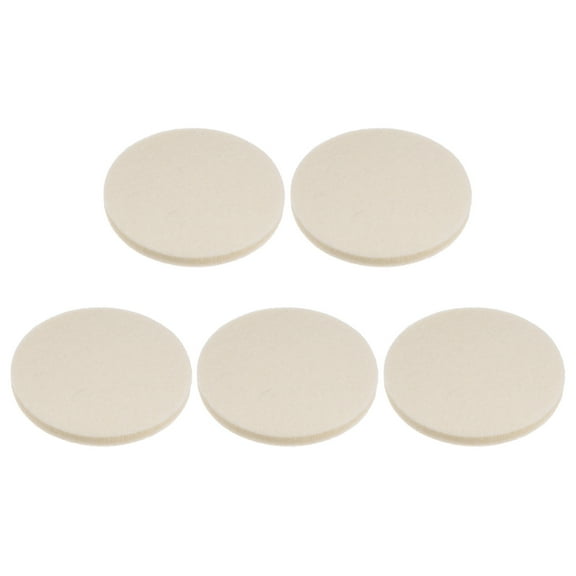
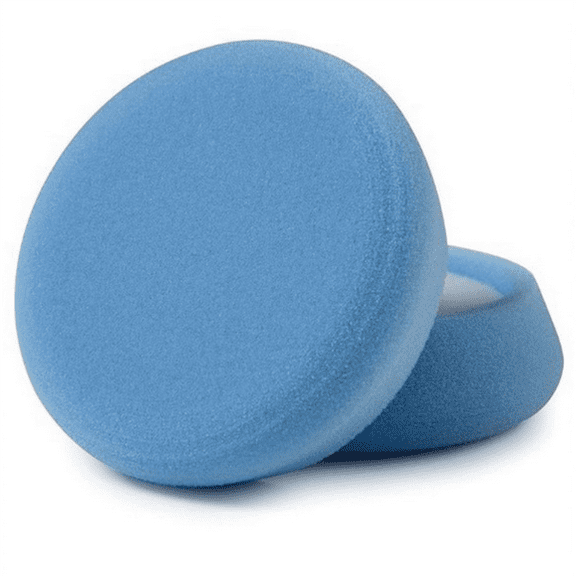
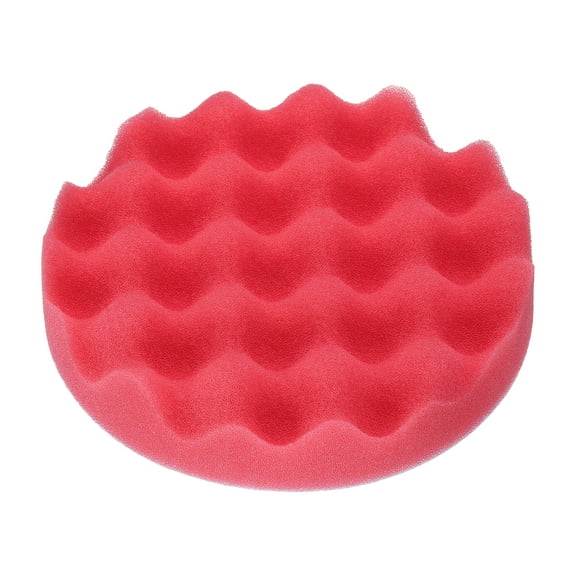
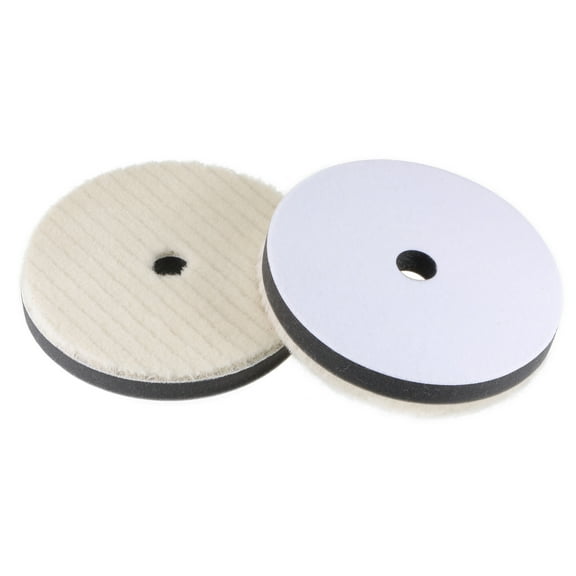
You can compare foam, wool, and microfiber by how they feel on the paint and how quickly they cut. Foam pads usually help you balance correction and finish, while wool pads often suit stronger compounding steps.
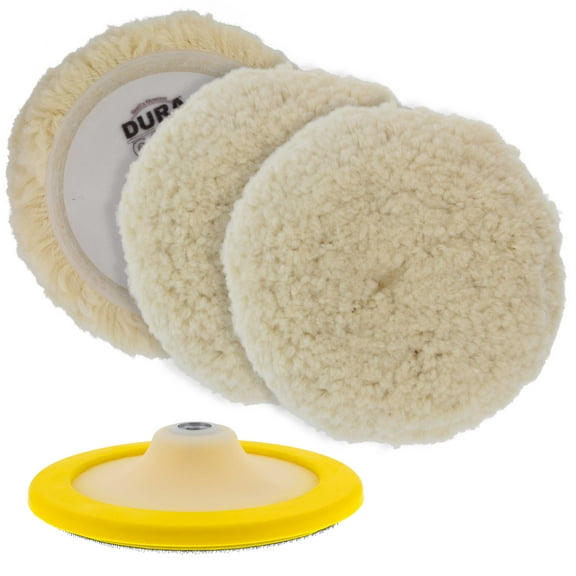
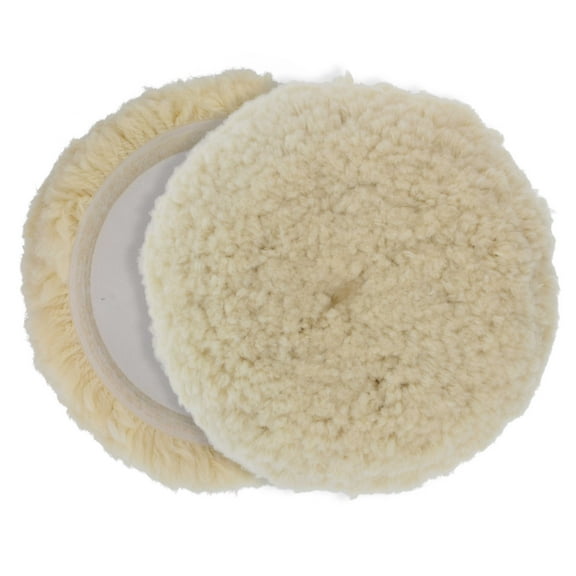
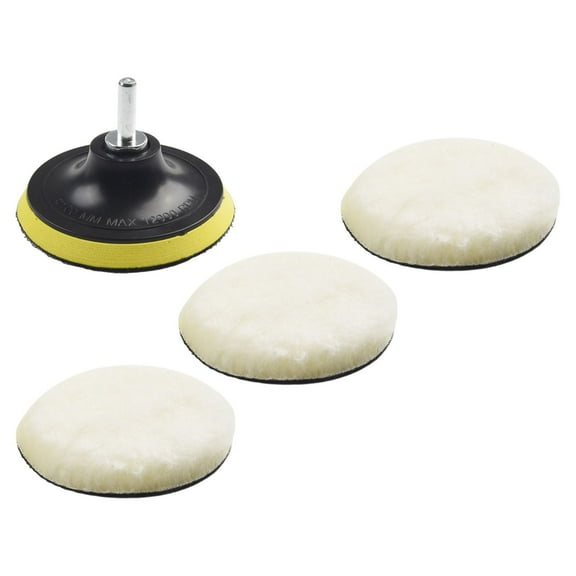
If you’re considering a hook and loop wool buffing pad, you’ll usually want it for heavier correction on weathered finishes. You should follow with a polishing or finishing pad when you want a clearer final look.
You may choose microfiber when you want another option between foam and wool for certain correction jobs. You can then match the pad with your compound or polish and your machine’s speed range.
What is a hook and loop polishing pad
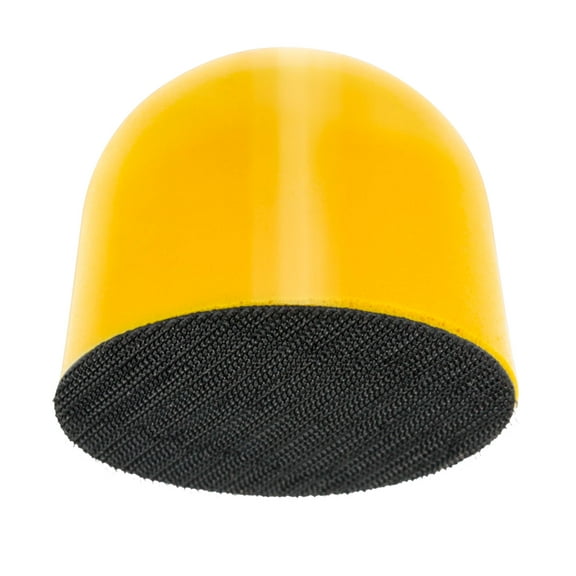
If you’re asking what is a hook and loop polishing pad, you’re looking at a pad with a fabric-backed fastening surface. You can press it onto a compatible backing plate and remove it quickly between steps.
You’ll often use this style with a hook and loop buffer pad on dual action or rotary polishers. You can switch from cutting to polishing to finishing without changing your entire plate setup.
You should confirm whether your tool is dual action or rotary because each machine moves differently on paint. A dual action machine usually spreads motion across an orbit, while a rotary focuses continuous rotation in one path.
If you’re using a rotary, you may notice more direct cutting and more heat from sustained rotation speed. If you’re using a dual action tool, you’ll often get a more forgiving feel for everyday detailing work.
Matching pads to real detailing jobs
You can pair small pads with spot correction on headlights, pillars, and tight bumper contours. You’ll likely prefer 2 inch or 3 inch options when a full-size pad feels bulky.
For hoods, roofs, and doors, you may lean toward hook and loop polishing pads in 5 inch sizes because they balance reach and control. If your machine supports wider coverage, you can consider 6 inch options for large flat sections.
You should match cutting pads to defect removal, polishing pads to clarity, and finishing pads to final gloss enhancement. You can also keep separate pads for compound, polish, and wax to maintain cleaner results.
If you’re building a versatile kit, you may want multiple sizes and materials for changing surfaces and paint conditions. You’ll be able to move from tighter trim to broad panels with fewer interruptions and more consistent pad contact.
You can choose hook and loop polishing pads with more confidence when you compare size, material, attachment, and application together. That approach helps you match your backing plate, machine motion, and finish goal for smoother detailing results.