





Broths, Stocks & Bouillon (In-Store & Online) | Walmart





















About Broths, Stocks & Bouillon (In-Store & Online) | Walmart - Walmart.com
With broths, stocks and bouillon, you can build richer soups, quicker sauces, and easier weeknight meals from one pantry section. You can compare broth, stock, bouillon, and bone broth in one place, with options for cooking, sipping, pickup, or delivery.
How to choose broths, stocks and bouillon
You should start with the type that matches your cooking plan and your flavor goals. You’ll usually notice broth tastes lighter, while stock gives your recipes a fuller, simmered backbone.
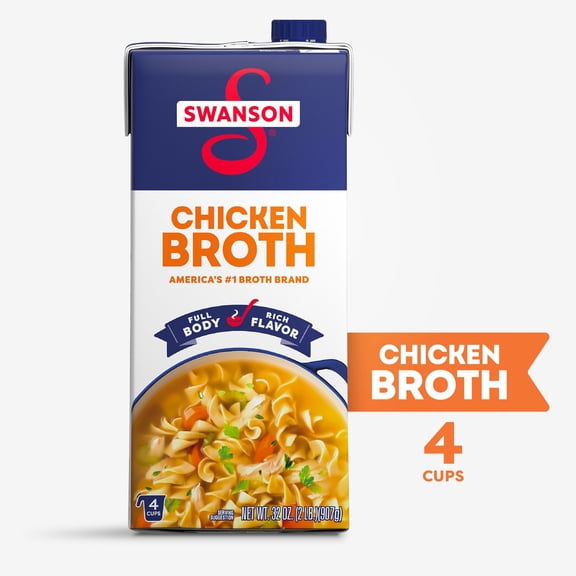
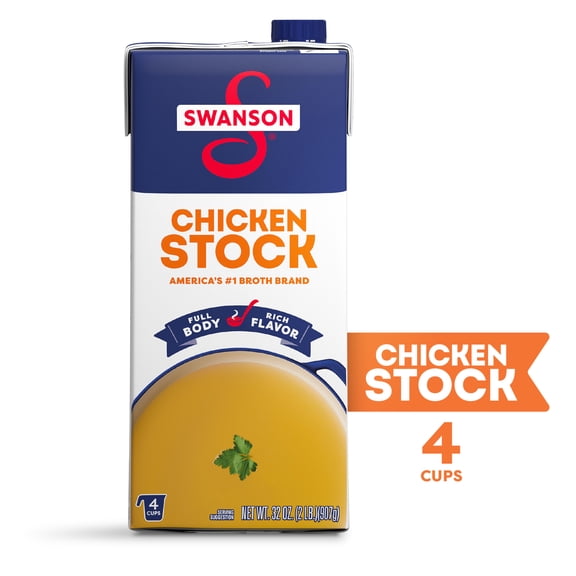
If you want a ready-to-pour base, you may choose chicken broth for noodles, rice, or simple soups. If you want deeper body for gravies or braises, you may reach for vegetable stock or beef broth.
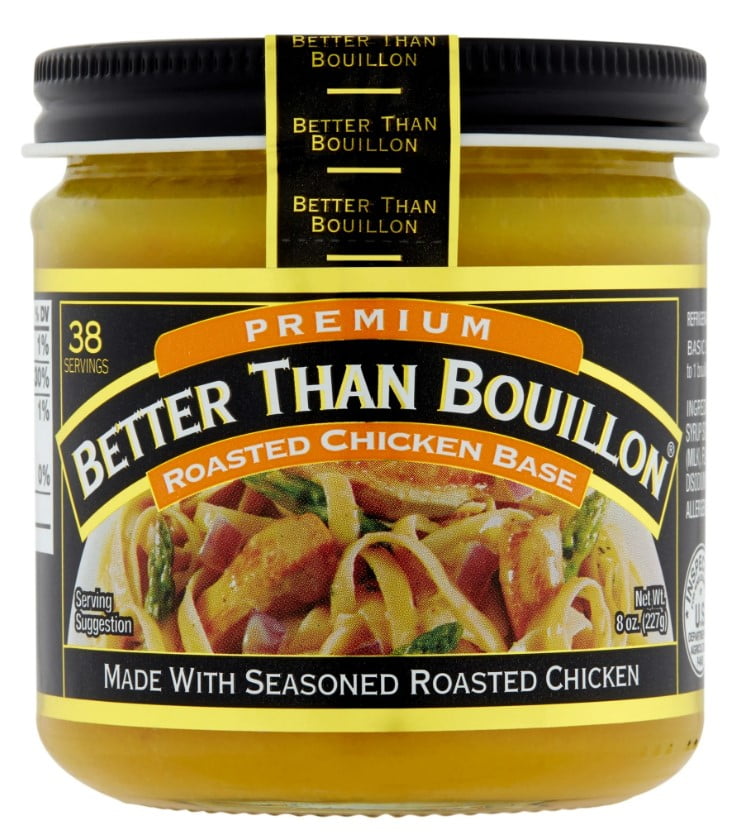
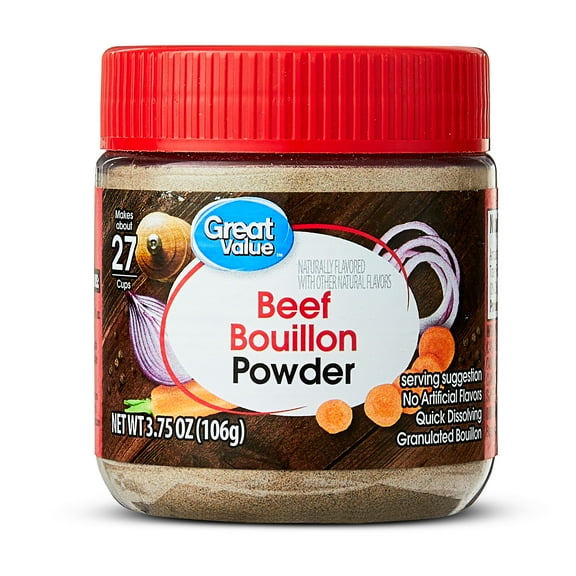
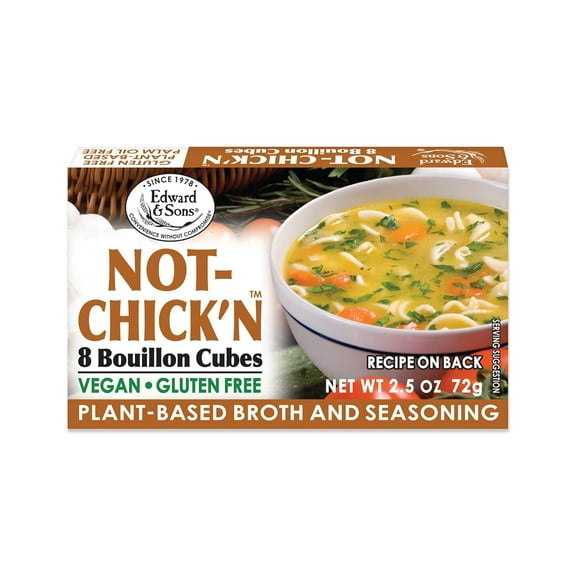
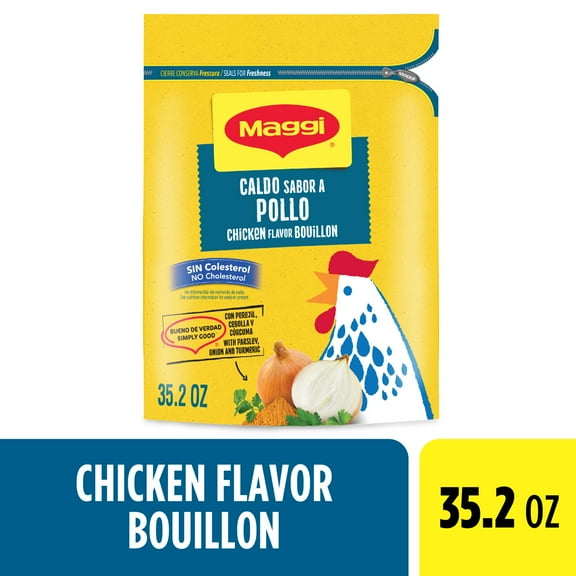
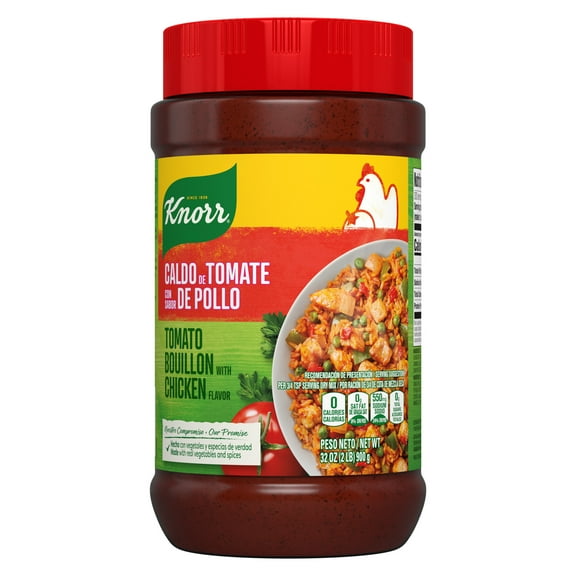
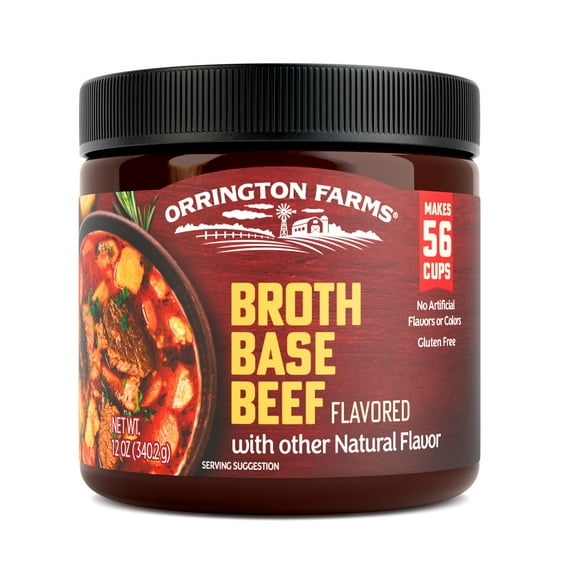
You can also compare bouillon when your pantry space matters or your recipes call for flexible portions. You’ll find cubes, powder, and paste useful when you want concentrated flavor without opening a full carton.
- You can use liquid broth when you want fast measuring and easy pouring.
- You can use stock when you want more body in stews, pan sauces, and roasted dishes.
- You can use bouillon when you want compact storage and adjustable strength.
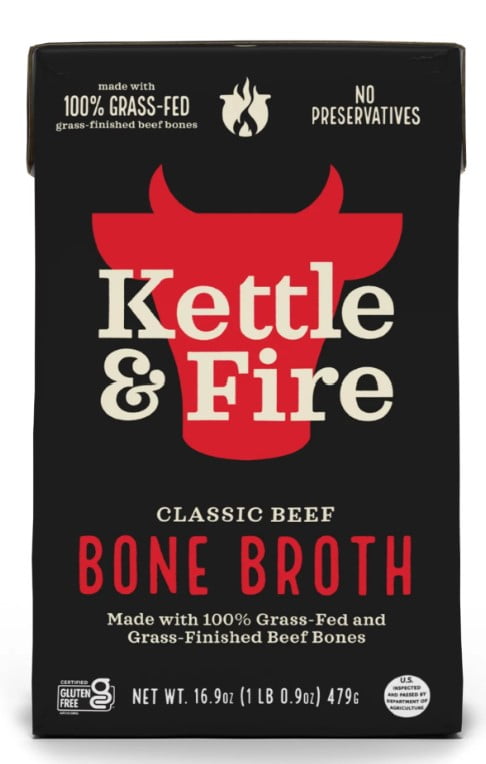
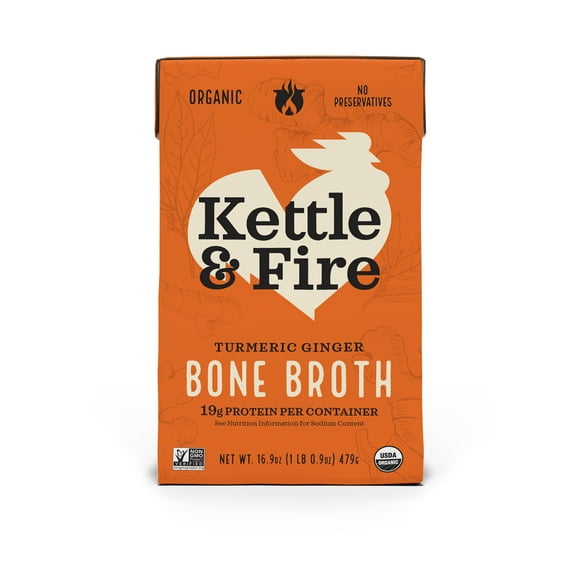
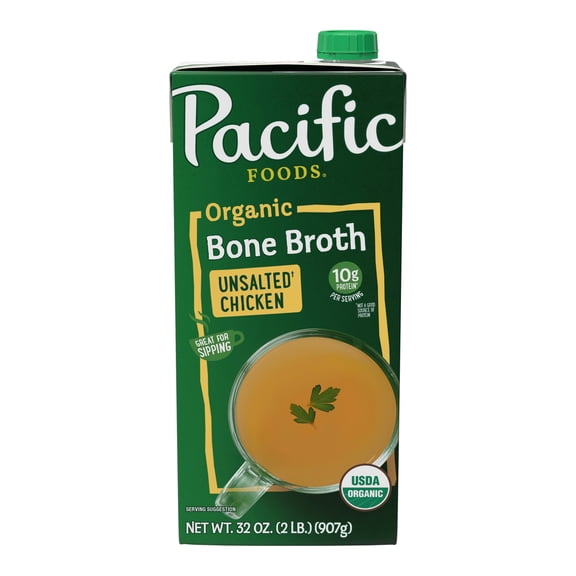
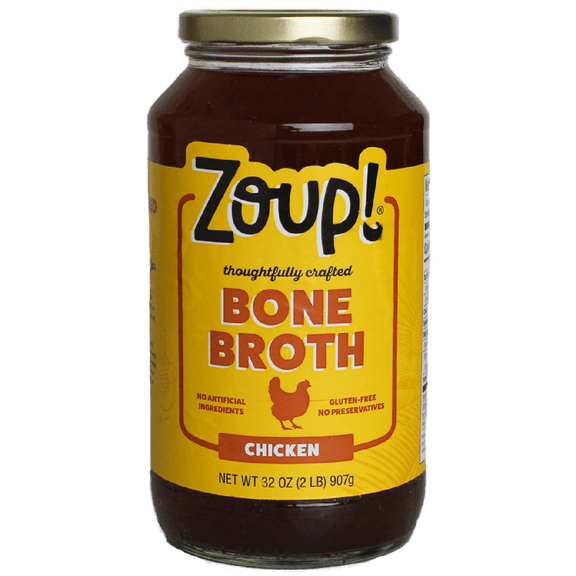
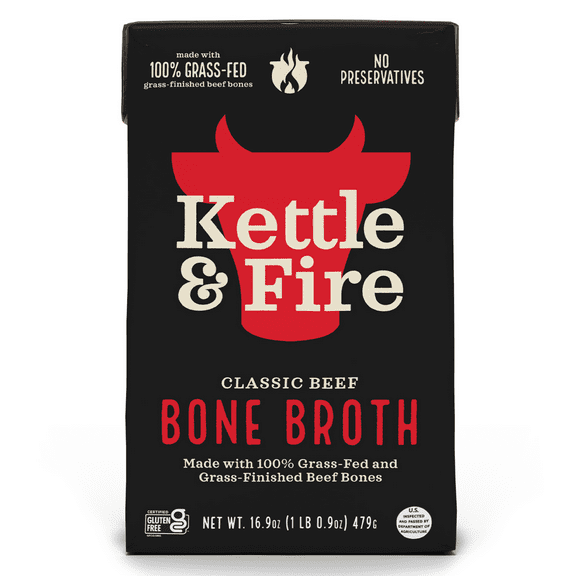
- You can use bone broth when you want a sipping option or a cooking base with protein listed on the label.
Choosing flavor base and dietary options
You should compare chicken, beef, vegetable, and seafood bases by the dish in front of you. You’ll usually pair chicken broth with rice, beef broth with hearty soups, and vegetable stock with plant-forward recipes.
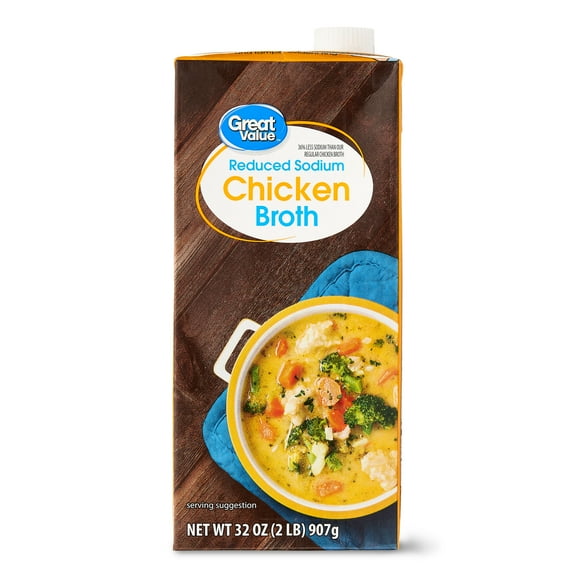
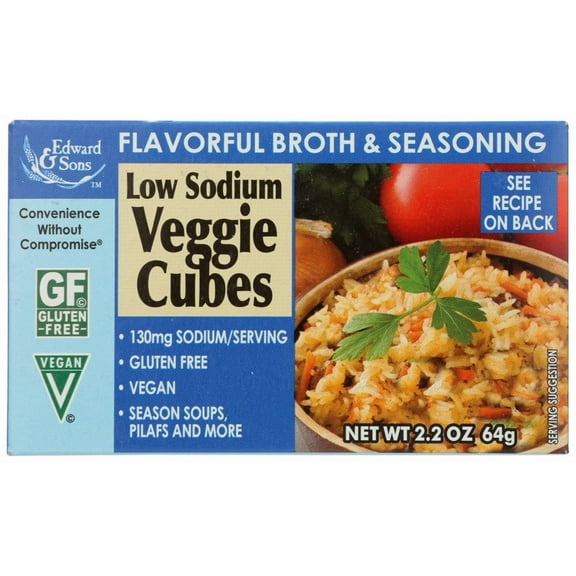
When you read labels, you can compare sodium milligrams per serving instead of guessing from taste alone. You may prefer low sodium options when you want more control over seasoning in soups, stuffing, and sauces.
You can also look for organic, gluten-free, or non-gmo choices when those details matter in your household. You’ll want to check the package callouts, because certifications and ingredient styles can vary by item.
If you cook for different preferences, you can keep more than one flavor base on hand. You’ll have an easier time matching a seafood broth to chowder, or a vegetable stock to grains and risotto.
Comparing liquid, cubes, powder, and paste
You should choose format by how often you cook and how much storage room you have. You’ll get quick convenience from liquid cartons, while cubes and powder help you keep a compact pantry.
When you want speed, you can pour liquid broth straight into soups, slow cooker meals, or skillet recipes. If you want longer shelf flexibility before opening, you may compare cubes, powder, and paste formats.
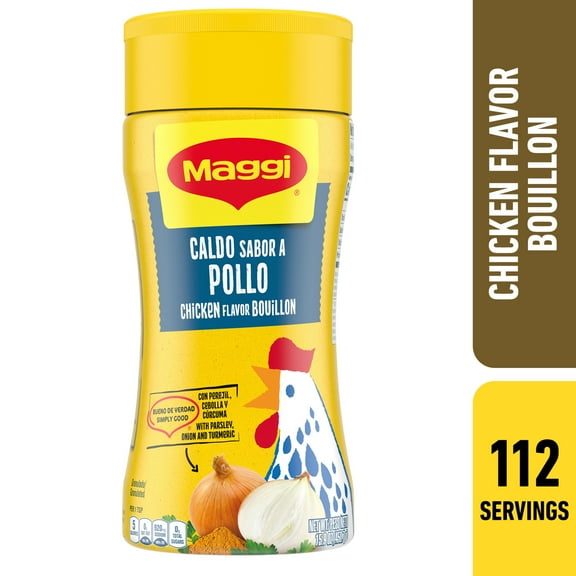
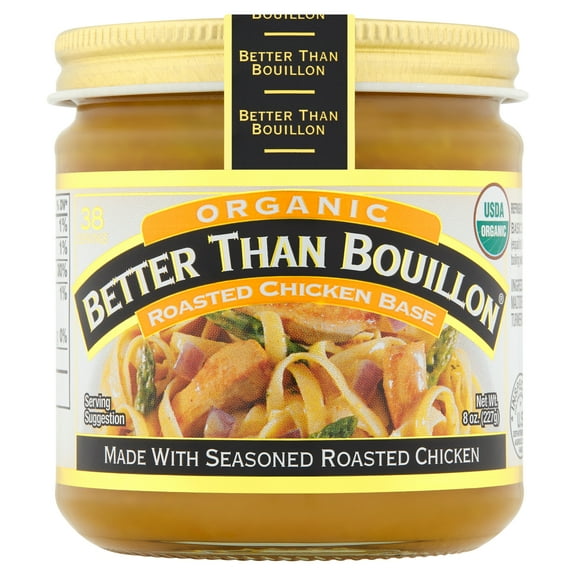
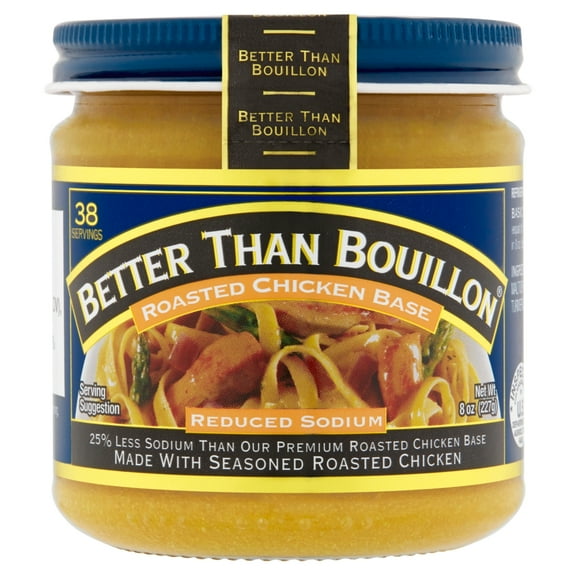
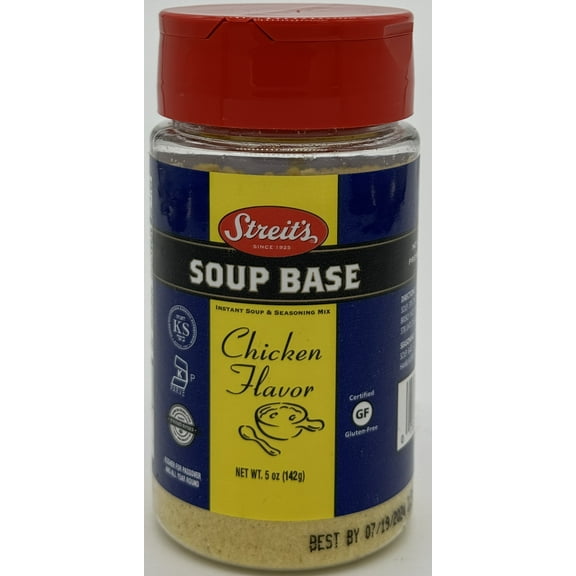
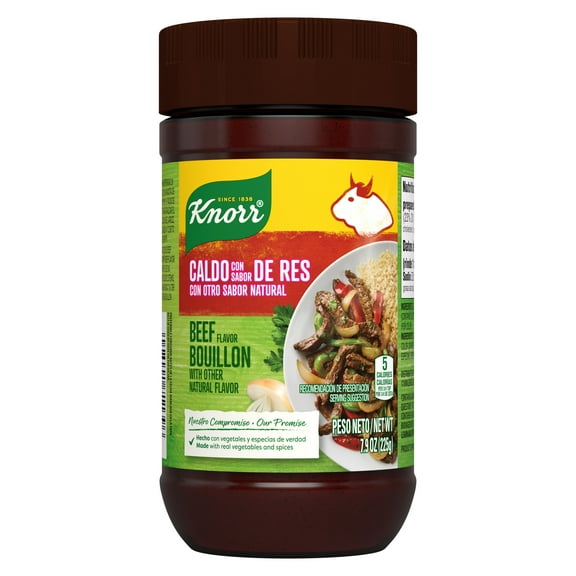
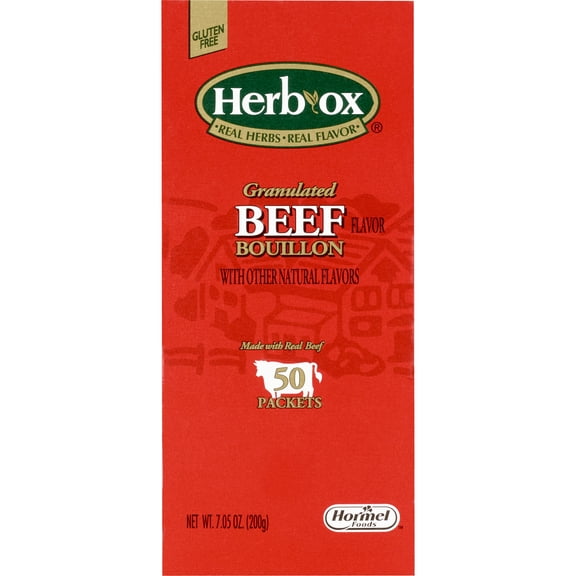
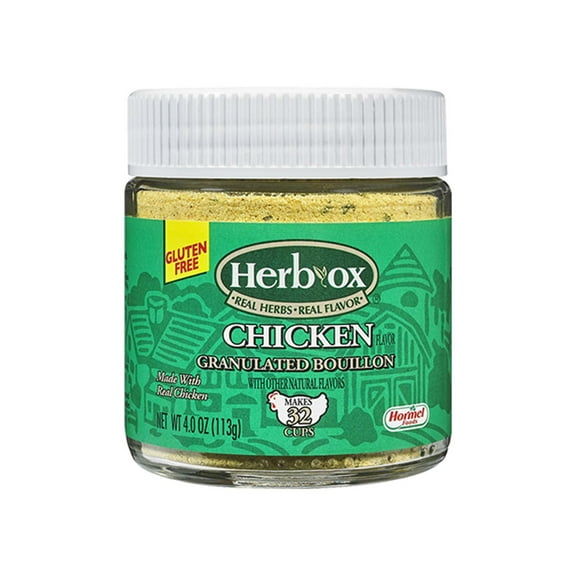
You can dissolve chicken bouillon in hot water for a fast cooking base or stronger flavor in smaller amounts. You’ll also find paste useful when you want a spoonable concentrate that blends into sauces and marinades.
Before you choose, you should check preparation directions and serving yield on the package. You can compare how many cups each jar, cube pack, or carton makes for your meal prep routine.
What to look for in bone broth
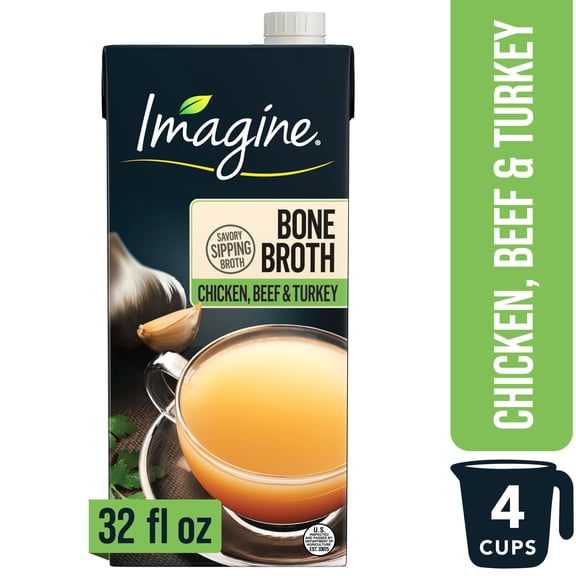
You should compare bone broth by flavor, format, and label details that support your cooking style. You’ll often see protein grams per serving listed clearly, which can help you compare sipping and cooking options.
When collagen details appear on the label, you can use them as a comparison point alongside flavor and ingredients. You should still focus on the format, the serving size, and how you plan to use it.
You may want bone broth for a warm mug, a ramen shortcut, or a richer braising liquid. You’ll also find it useful when you want a pantry staple that bridges sipping and cooking in one item.
If your household watches sodium, you should compare bone broth labels just as closely as standard broth labels. You can narrow choices faster when you review sodium milligrams, protein grams, and package size together.
Using chicken broth, beef broth, and chicken bouillon in everyday cooking
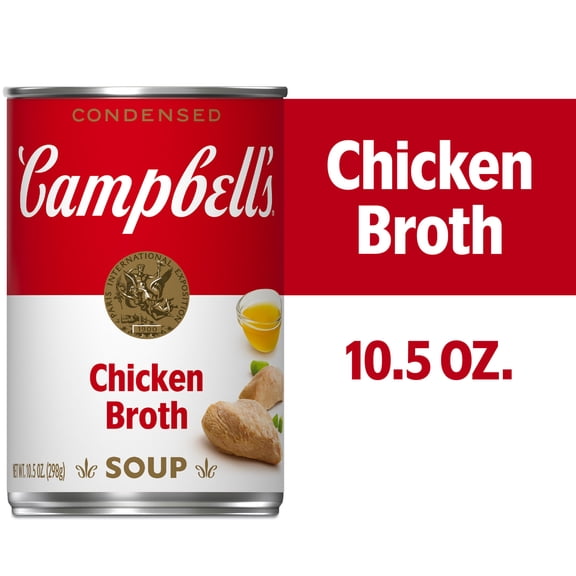
You can use chicken broth to cook rice, moisten stuffing, or lighten up a weeknight soup pot. You’ll get an easy base for noodles, dumplings, and casseroles without building stock from scratch.
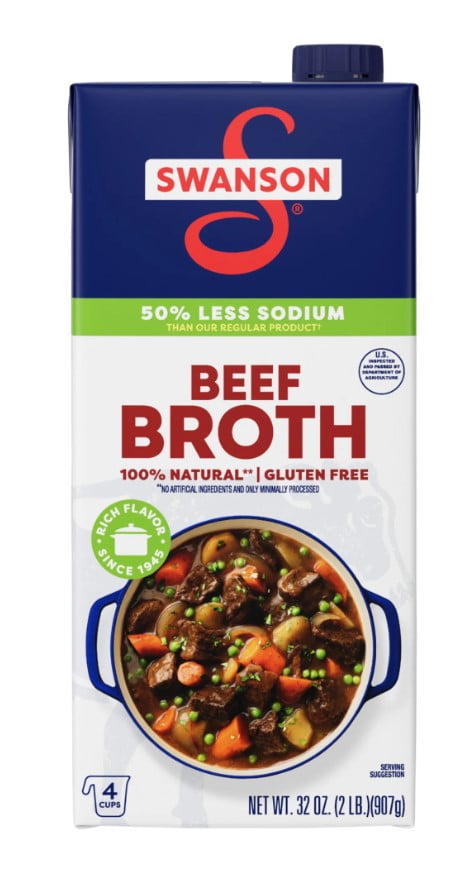
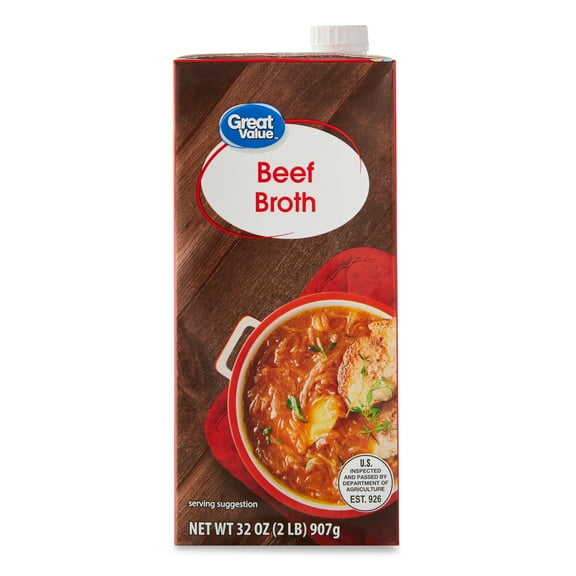
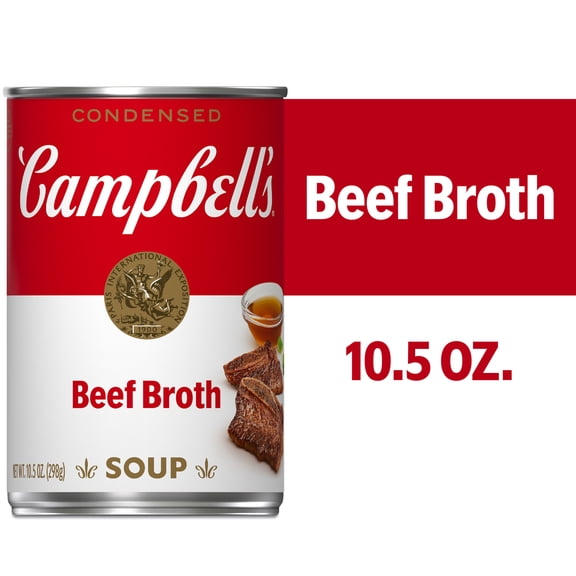
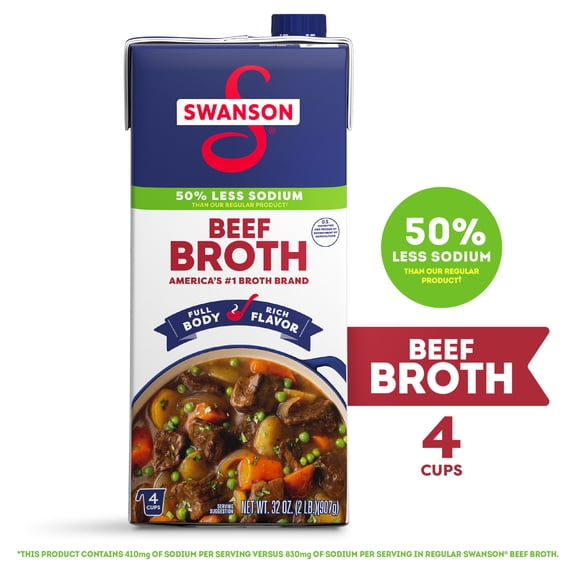
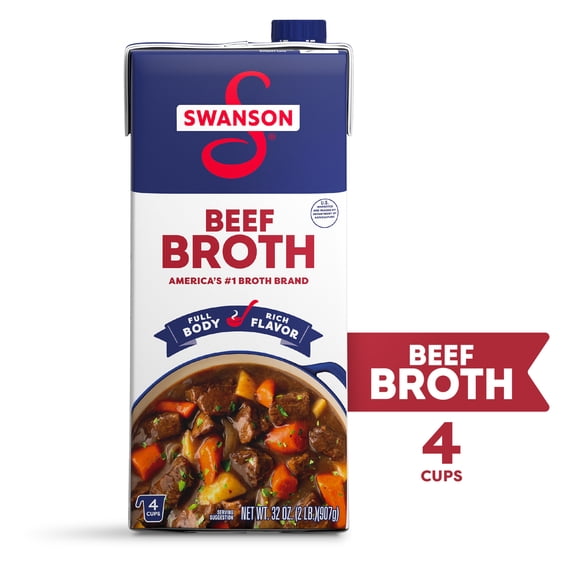
For deeper savory flavor, you can use beef broth in pot roast, onion soup, and pan gravy. You’ll notice it fits braises and mushroom dishes where a stronger base makes sense.
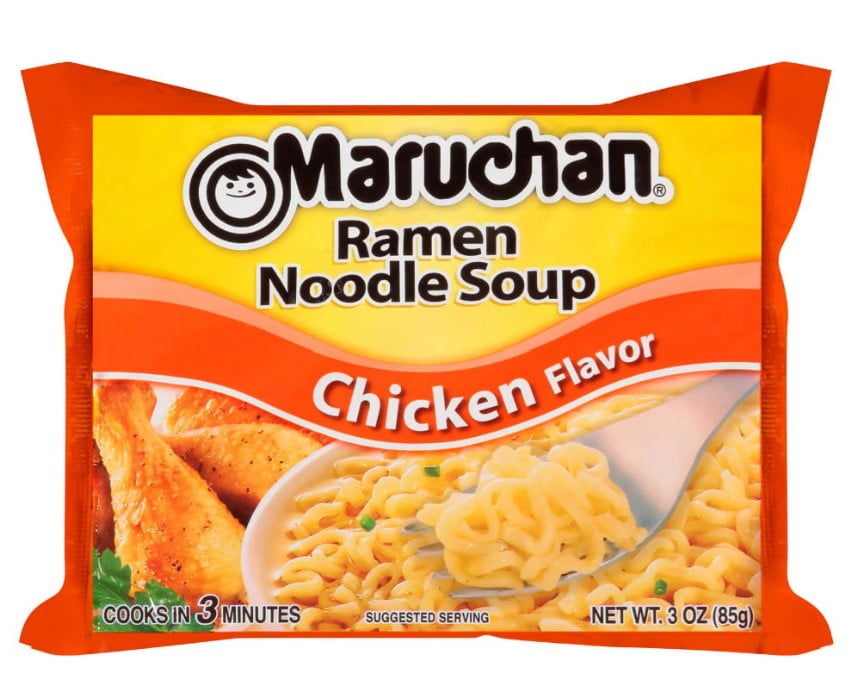
When your cabinet needs versatility, you can keep chicken bouillon for sauces, soups, beans, and quick ramen upgrades. You’ll only mix what you need, which helps when your recipe calls for one cup instead of several.
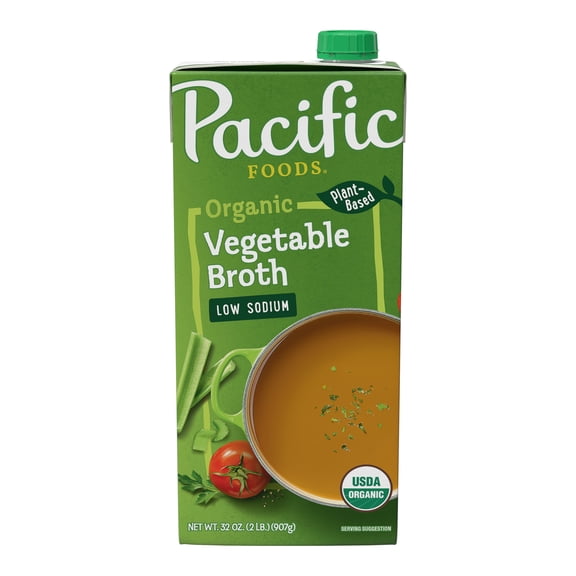
You can also use vegetable stock for stuffing, lentils, grains, and blended soups. If you cook meatless meals often, you’ll appreciate how it adds savory depth without changing your recipe plan.
Answers to common broth questions
If you’re wondering what aisle chicken broth is in, you’ll usually look in the shelf-stable soup or canned goods section. When you shop on Walmart.com, you can compare available options for pickup, delivery, or shipping without aisle guesswork.
If you’re deciding between broth and bouillon, you should think about convenience, storage, and flavor strength. You’ll usually pick broth for pour-and-cook ease, while bouillon works well for concentrated pantry backup.
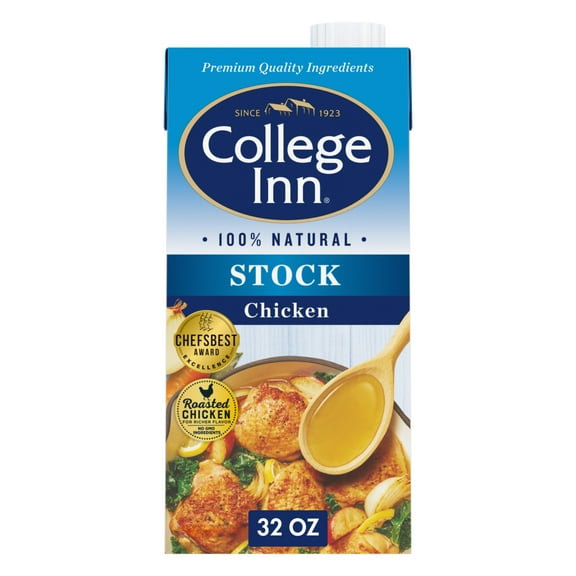
When you compare broth and stock, you should focus on how you cook most often. You’ll generally use broth for lighter soups and stock for richer sauces, gravies, and slow-simmered dishes.
You can feel confident choosing the right base when you compare type, flavor base, format, and label details together. You’ll keep your pantry ready for soups, sauces, grains, and sipping with less second-guessing.