



Bongo Drums Near Me | Shop Bongos at Walmart



















About Bongo Drums Near Me | Shop Bongos at Walmart - Walmart.com
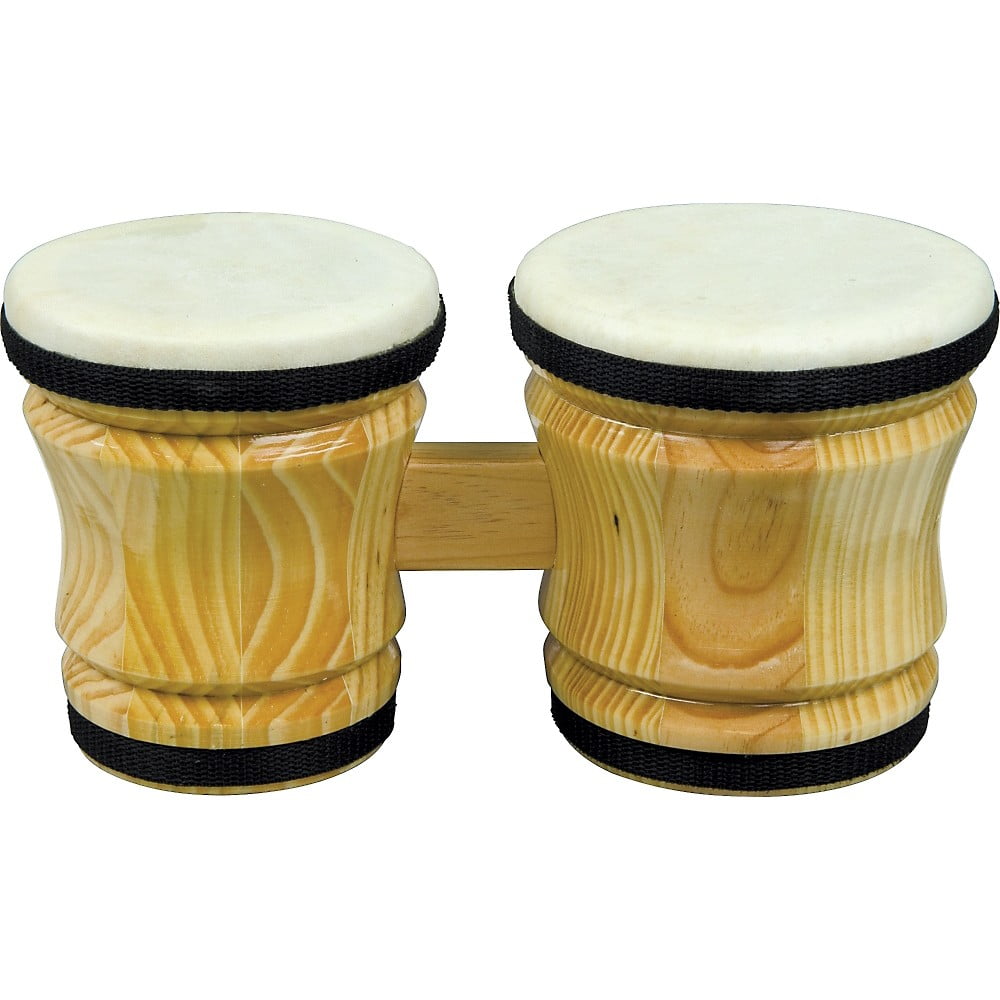
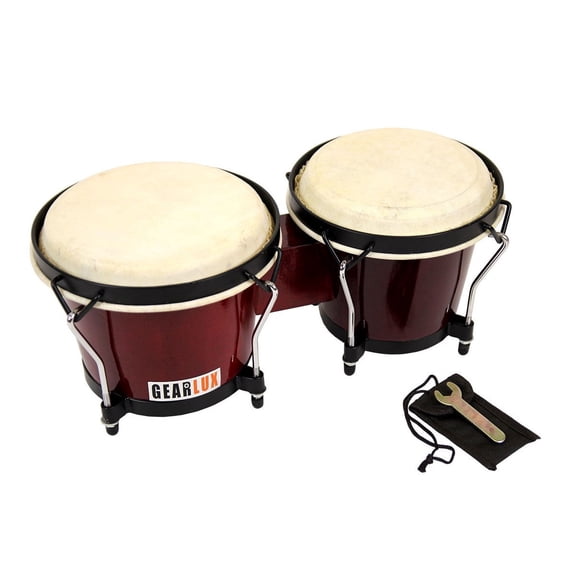
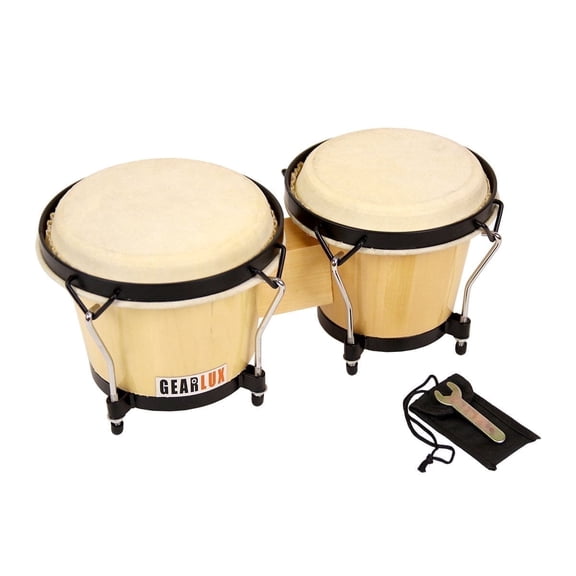
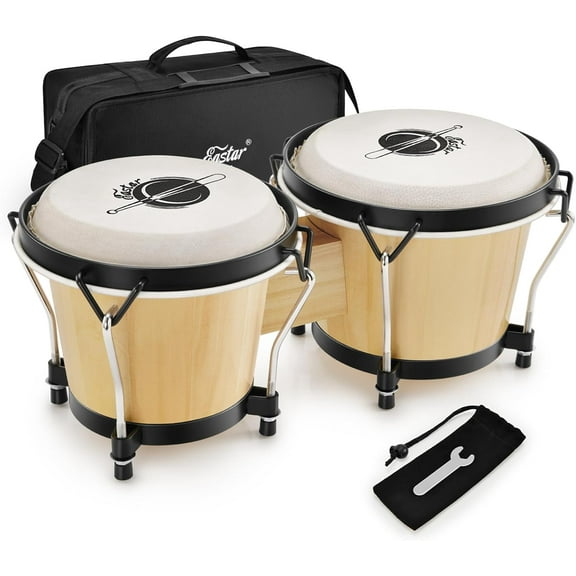
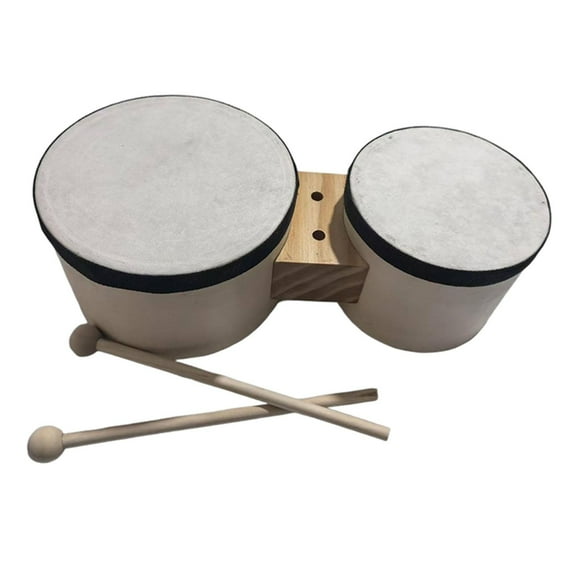
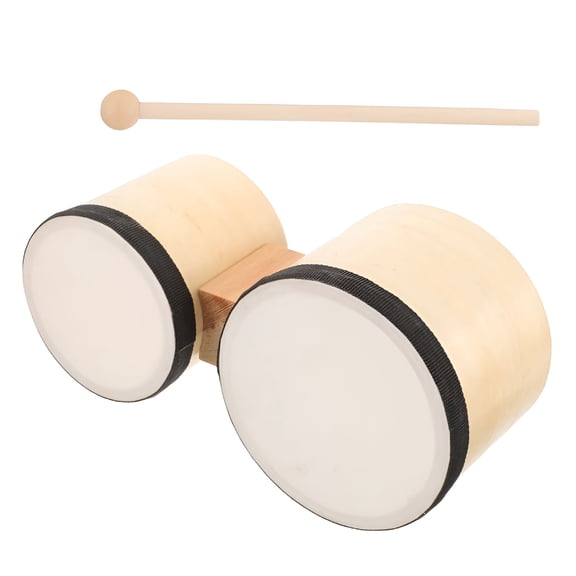
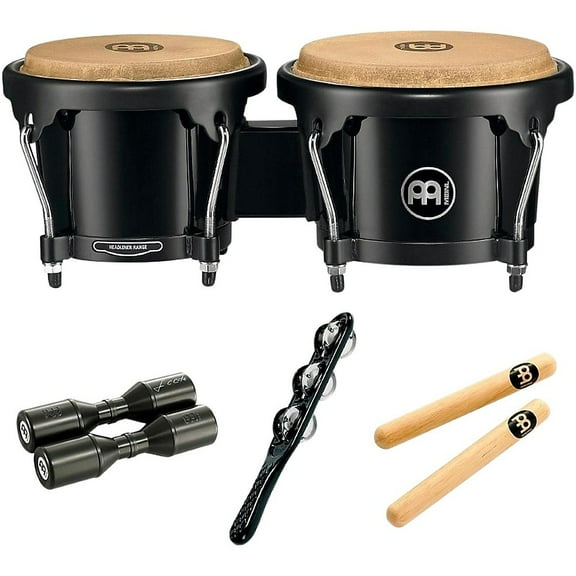
Bongos give you a lively hand percussion sound with two linked drums, clear pitch contrast, and compact sizing for easy practice. You can compare shell material, drumhead type, and tuning style to match your playing goals.
If you're building a percussion setup, bongos help you add crisp accents and fast rhythms without taking much space. You can also choose standard macho and hembra sizes for the familiar feel many players expect.
Choosing bongos by shell material
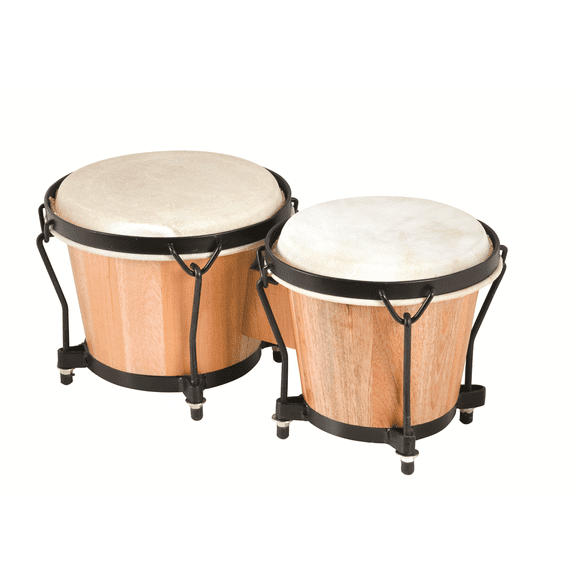
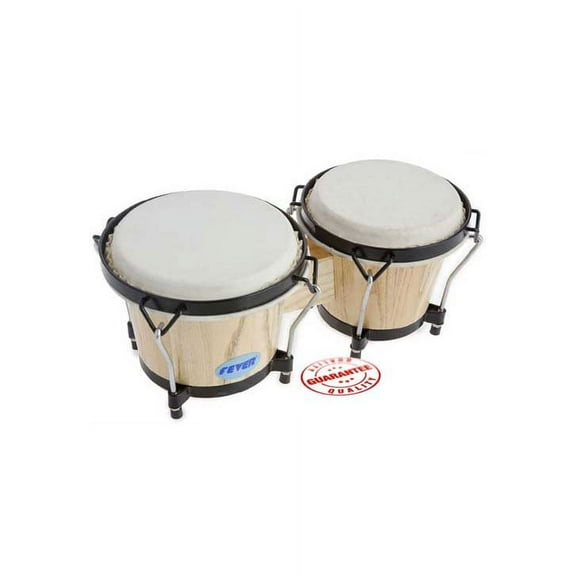
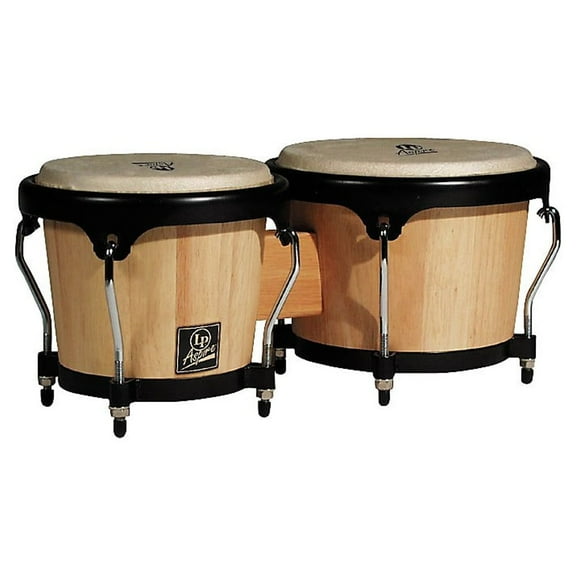
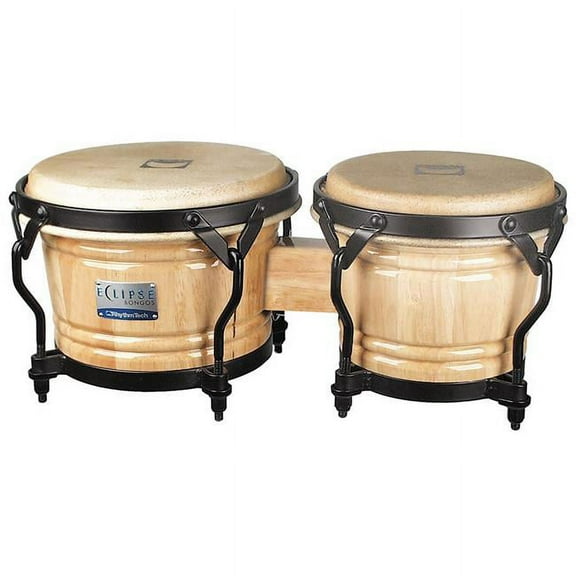
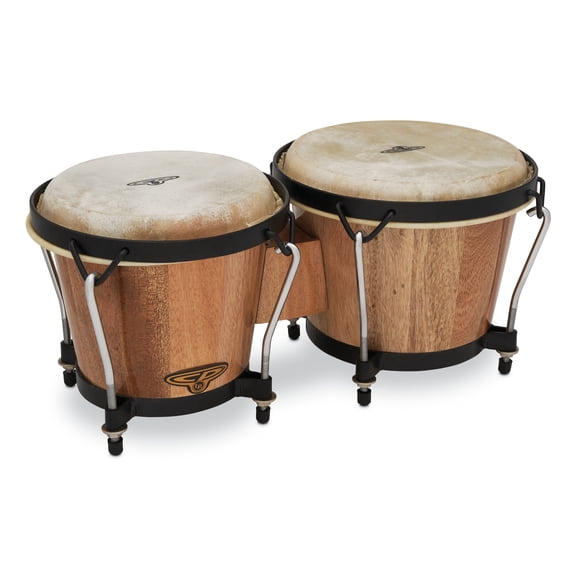
When you compare shell materials, you should focus on feel, tone, and where you'll play most often. Wooden bongo drums often give you a warm, rounded voice that suits home practice and acoustic sessions.
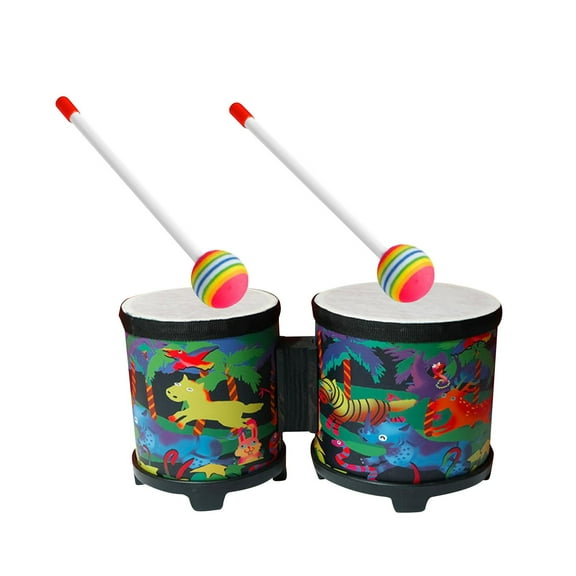
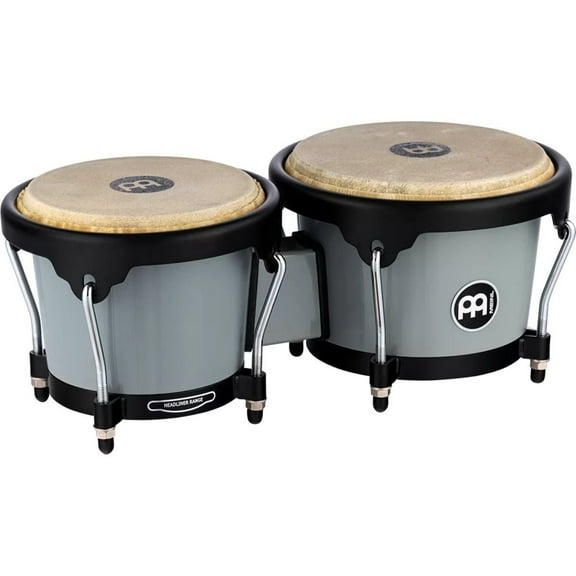
If you prefer traditional looks, you may consider oak, mahogany, or maple shells for natural grain and classic style. If you want added durability, you may compare fiberglass shells for busy classrooms or frequent transport.
You can also look at construction details like wood density and stave alignment when tone matters to you. Tighter construction often gives you steadier resonance and a more consistent response between both drums.
- You can choose oak when you want defined attack and a solid, sturdy feel.
- You can choose mahogany when you want warmth and a fuller low-end response.
- You can choose maple when you want balanced tone and versatile projection.
- You can choose fiberglass when you want weather-friendly performance and easy upkeep.
What to look for in bongo drums
As you compare bongo drums, you should pay close attention to drumhead material and drum size. Those two factors shape how your strokes feel under your hands and how the pair speaks together.
Rawhide heads usually give you an organic, warm tone that many traditional players enjoy. Synthetic heads usually give you a more consistent feel when humidity or temperature changes during rehearsals or travel.
If you want a classic response, you may lean toward rawhide or calfskin-style heads for expressive finger rolls. If you want simpler upkeep, you may prefer synthetic heads for reliable pitch and easier day-to-day use.
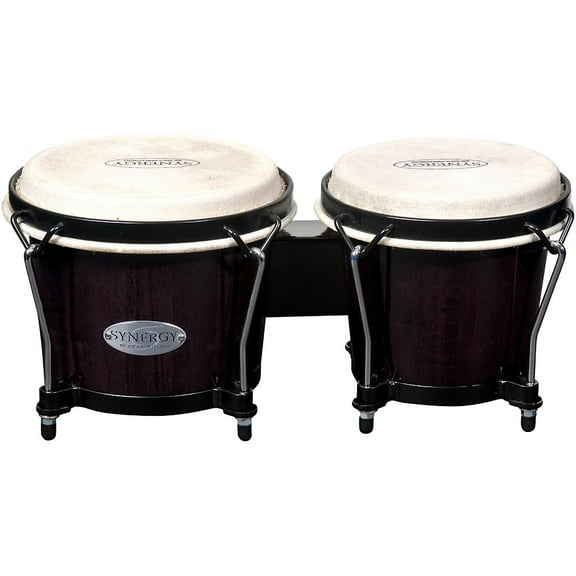
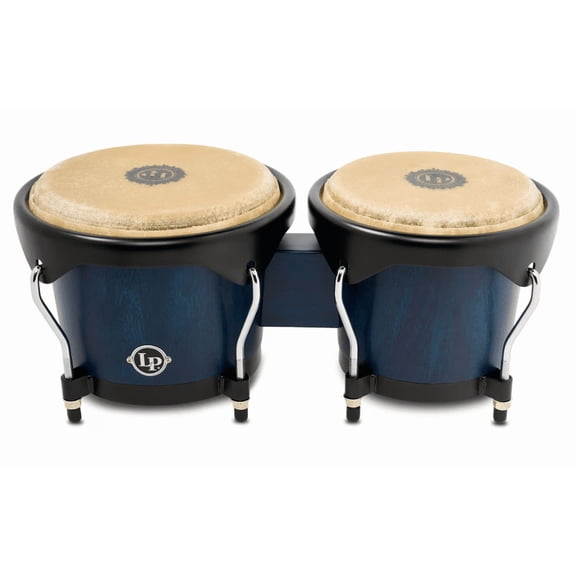
You should also check the macho and hembra sizes before you choose a set. The smaller macho gives you the higher voice, while the larger hembra gives you the lower companion tone.
Standard size pairings help you play common rhythms with familiar spacing between the drums. If your hands are smaller, you may prefer dimensions that feel easier to reach and control.
Comparing tuning systems and comfort details
You should compare tuning hardware because it affects setup time, playing comfort, and long-term adjustment. Traditional rim styles give you a classic look, while mechanical tuning can feel quicker and more precise.
If you're learning how to tune percussion bongos, mechanical systems can help you make small changes with less guesswork. If you prefer a heritage-inspired design, traditional rims may suit the style and feel you want.
You may also notice comfort curve rims on some sets when hand comfort matters during longer sessions. Those shapes can give you a smoother contact point while you practice slaps, tones, and muted strokes.
Before you choose, you should check lug placement, rim shape, and overall weight. Those details affect how easily you carry your bongos and how naturally they sit between your knees.
How to choose bongo drums for beginners
If you're shopping for bongo drums for beginners, you should focus on easy tuning, standard sizing, and a manageable playing feel. A balanced set helps you hear pitch differences clearly while you build timing and hand technique.
You may want wooden bongo drums when you want a traditional appearance for lessons, recitals, or home music spaces. You may want synthetic heads when you need a lower-maintenance option for frequent practice.
For school music rooms, you can compare durable shells and straightforward tuning hardware for shared use. For home studios, you can consider warmer-sounding shells and responsive heads for recording hand percussion parts.
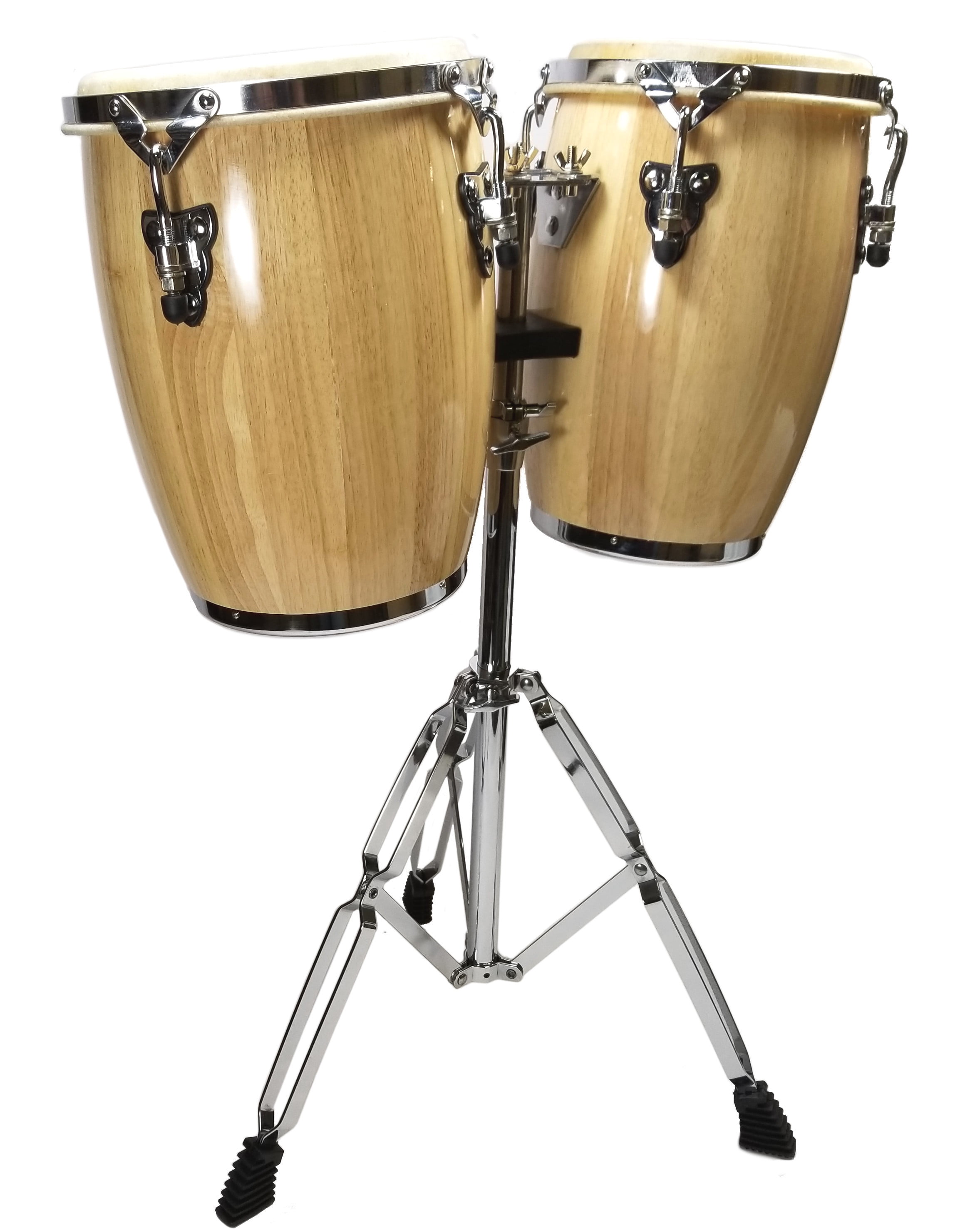
If you play Latin grooves, acoustic sets, or small jam sessions, you can use hand drums like bongos for sharp accents. If you layer percussion in a broader setup, you can pair them with congas, tambourines, or drum sets.
You can also choose percussion bongos for travel practice because the linked-drum format stays compact and easy to store. That smaller footprint helps you keep rhythm work within reach between rehearsals and performances.
With the right shell, head, size, and tuning system, you can choose bongos that fit your technique and your space. You'll get a responsive pair that supports clearer rhythms, steadier practice, and more confident playing.