

Blue Tile in Tile by Color
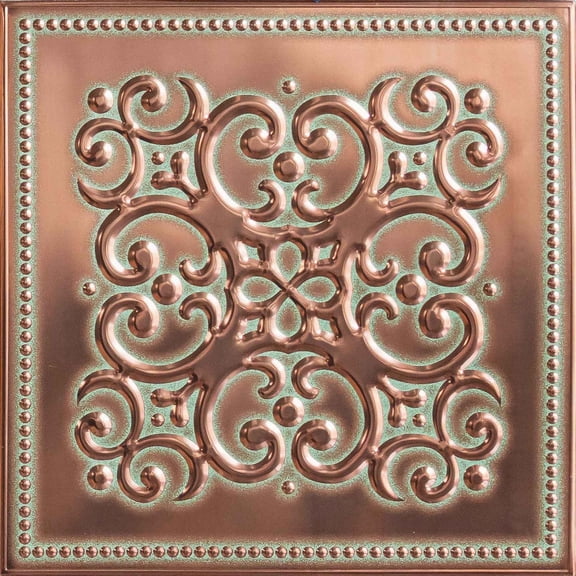


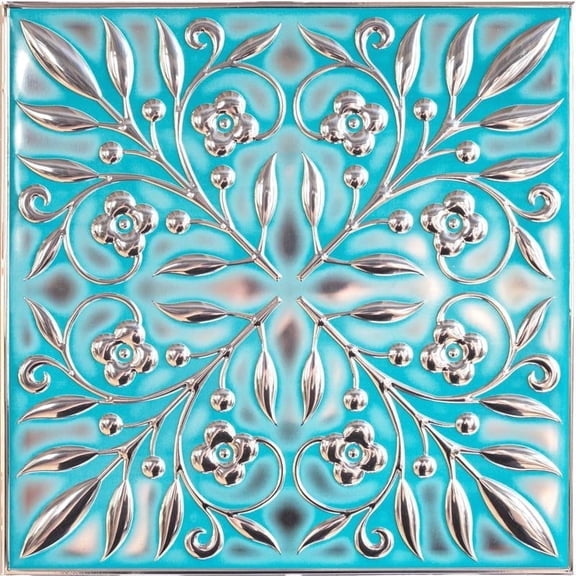


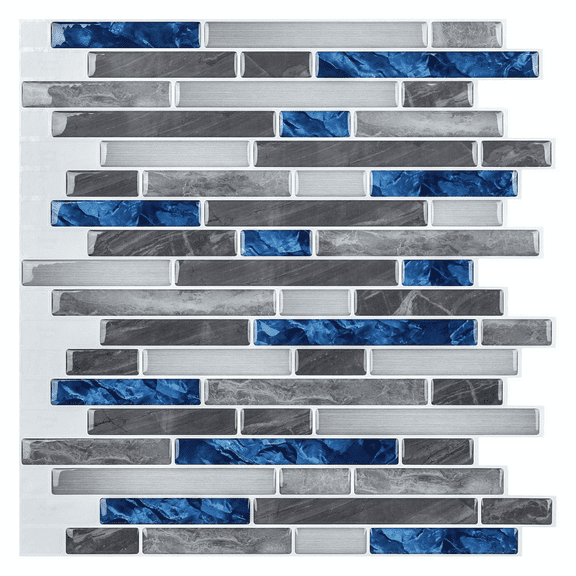


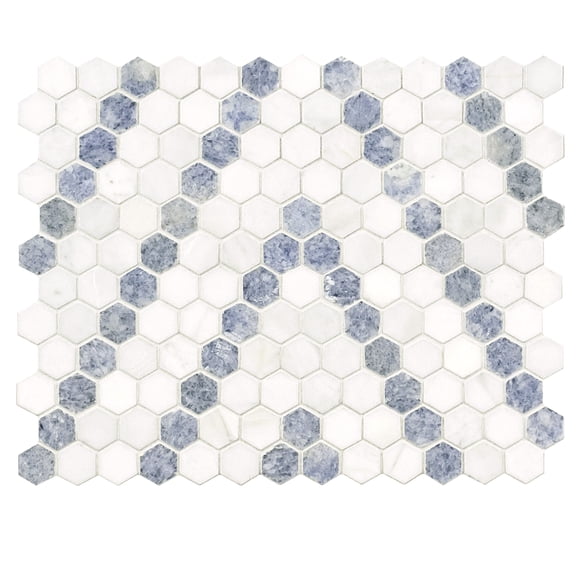
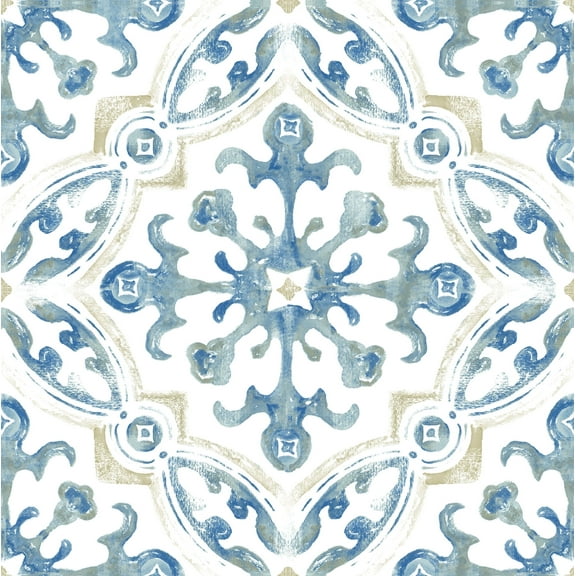


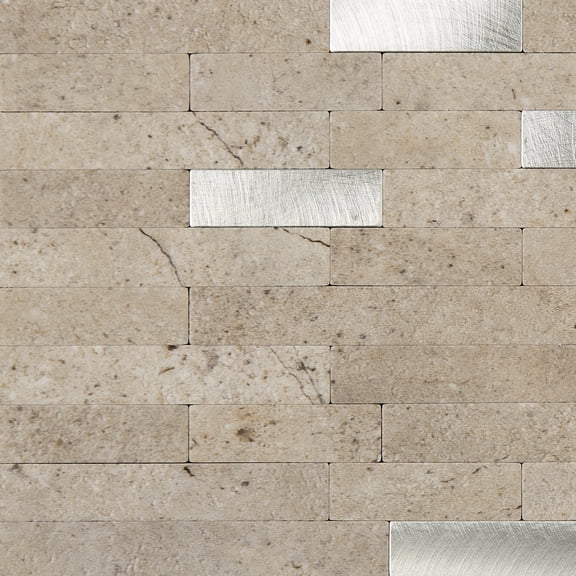


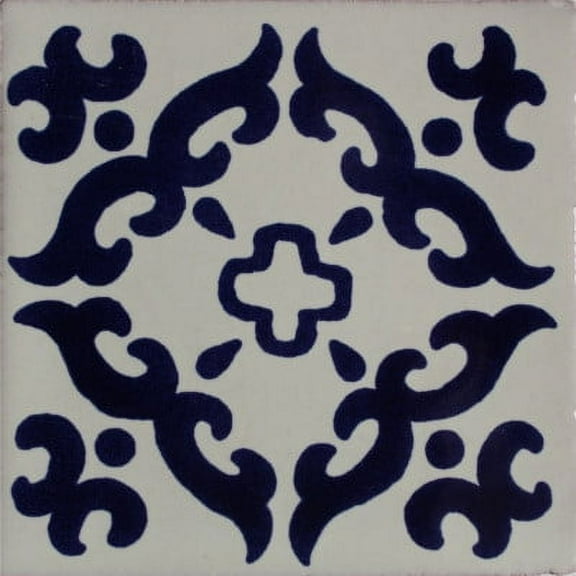


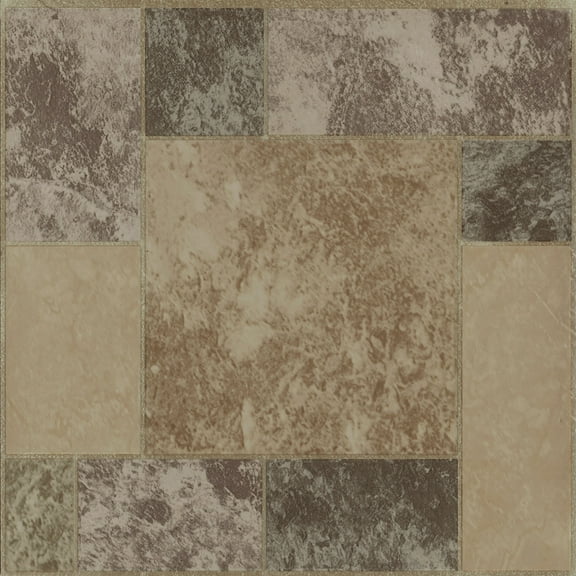











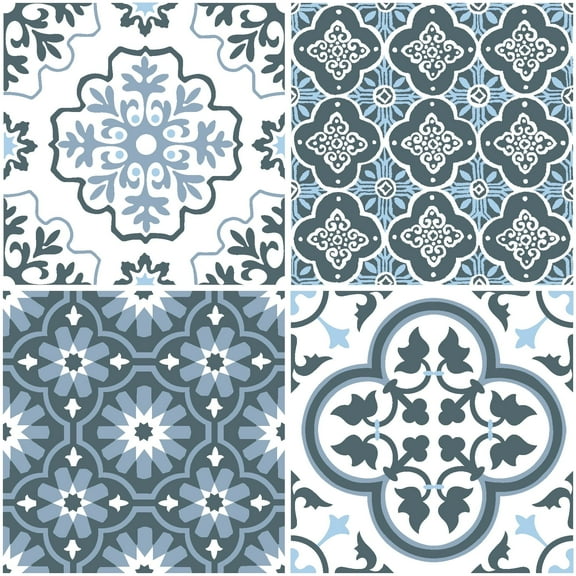
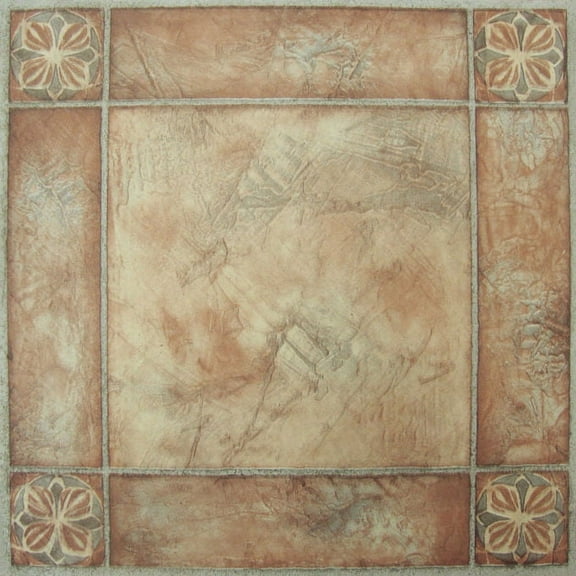
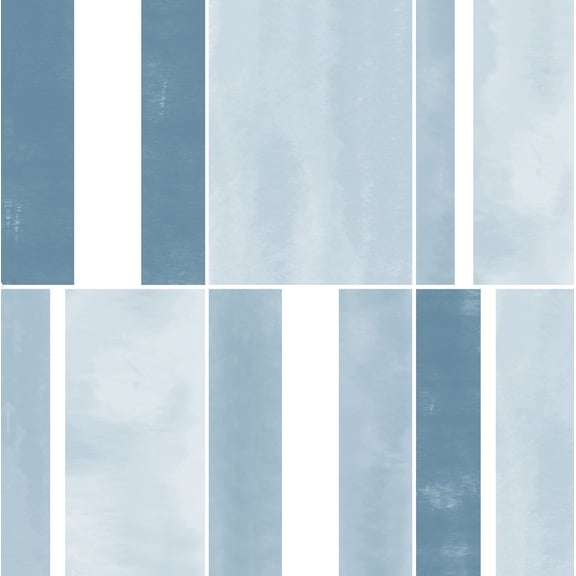



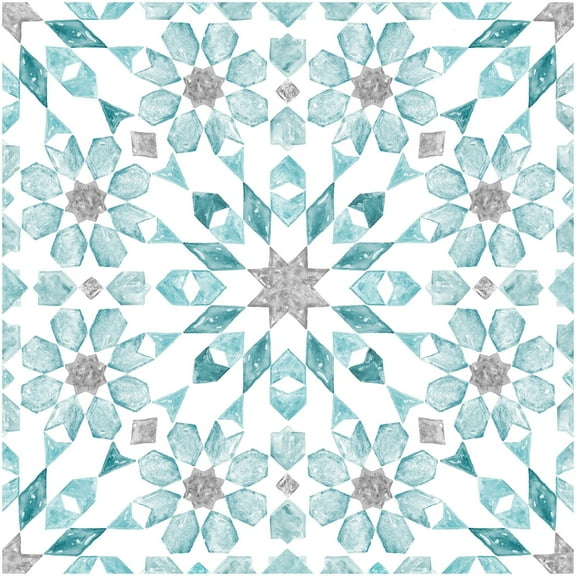


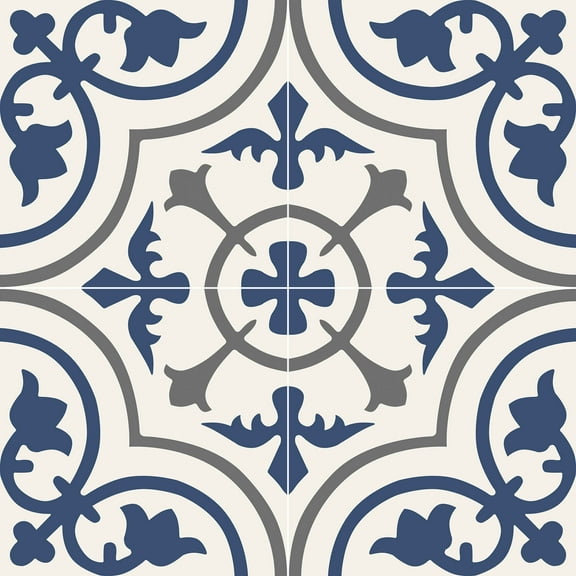


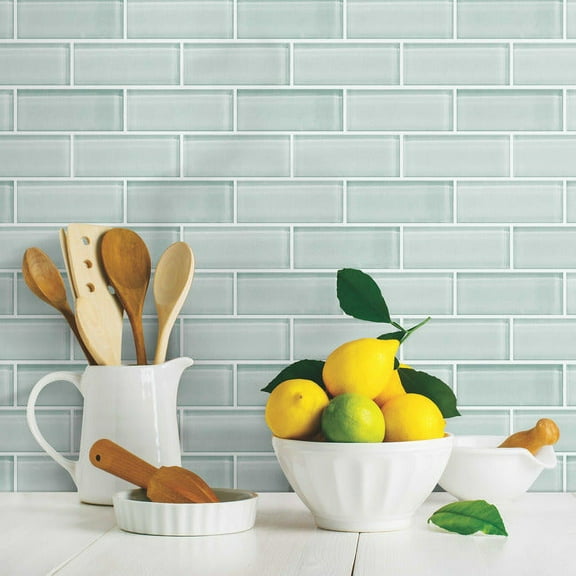
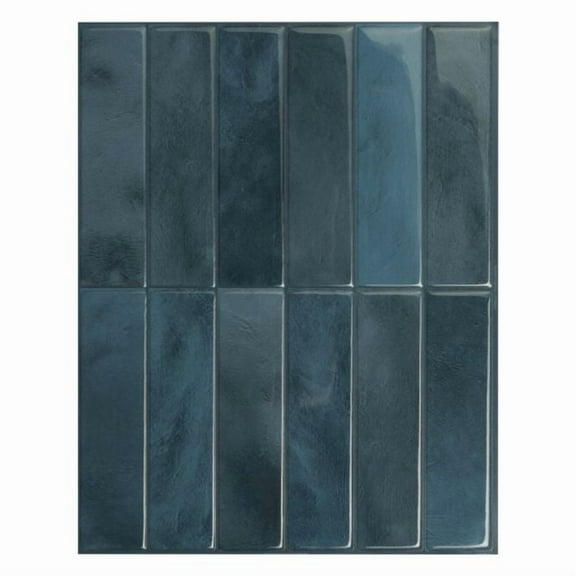









About Blue Tile in Tile by Color - Walmart.com
Blue tile helps you shape kitchens, baths, showers, and pool areas with color that feels polished and specific. You can compare materials, shades, and formats at Walmart to match your project plan.
If you're updating a backsplash or finishing a floor, you need guidance that fits real installation choices. You can use this guide to compare ceramic, glass, porcelain, mosaic, and vinyl options.
Choosing the right blue tile material
When you compare material types, you should start with where your tile will go. You’ll want ceramic for many wall projects, while porcelain often suits heavier foot traffic.
Glass gives your room a reflective look, and you may like it for backsplashes or accent walls. Mosaic sheets help you cover curves, niches, and small areas with less layout guesswork.
If you’re planning a peel-and-stick refresh, you may consider vinyl for a faster update. You should still check surface compatibility, because smooth and clean walls help adhesive-backed styles sit evenly.
- You can use ceramic when you want classic color and straightforward wall installation.
- You may choose porcelain when your floor needs denser material and lower water absorption.
- You’ll notice glass can brighten compact spaces by reflecting more light.
- You can use mosaic sheets when your shower niche or curved surface needs flexible coverage.
- You may pick vinyl when your project calls for a lighter material and simpler handling.
How to compare application needs for blue tile
You should match your tile to the room before you focus on shape or shade. Your floor, wall, shower, and pool areas each call for different performance details.
For floors, you’ll want to check PEI wear rating, because it helps you compare surface durability. You should also check water absorption rate, especially when moisture or splashes are part of daily use.
In showers and pool areas, you need surfaces that fit wet settings and steady cleaning. You should confirm water exposure guidance so your tile choice aligns with the space.
For backsplashes, you may care more about wipe-clean surfaces and visual texture than heavy wear ratings. You’ll often find subway, square, and mosaic formats easier to plan around outlets and edges.
If your project is outdoors, you may also compare non-ceramic surface options for surrounding zones. You might consider rubber roof deck tiles for adjacent lounging areas where a softer walking surface fits.
What to look for in shade, finish, and format
You can shape the mood of your room by choosing the right blue family. Your options may include light blue, navy, cobalt, teal, or aqua tones.
Light shades can open smaller rooms, and you may use them to keep compact walls feeling airy. Darker blues can anchor a vanity wall or create contrast with white grout.
You should also compare finish, because gloss and matte create different effects in your room. A glossy surface can reflect light, while a matte look can feel quieter and more grounded.
Format changes the pattern as much as color does, so you should measure carefully before ordering. Subway layouts feel orderly, hexagon shapes add movement, and penny tile can highlight shower floors or accents.
You’ll also want to think about dye lots when you need a consistent look across boxes. You should compare batch information so your color stays more even from one section to the next.
Understanding installation details before you choose blue tile
You can avoid project delays when you check installation needs early. Your material choice affects adhesive, grout, edge finishing, and cutting tools.
Porcelain can be denser, so you may need stronger cutting equipment for clean edges. Glass can show adhesive through the surface, so you should verify the recommended setting material.
You’ll want grout that matches the width of your joints and the look you prefer. Your grout color can either blend with the tile or outline each piece for more pattern definition.
When you’re planning a shower or pool project, you should confirm moisture-ready adhesives and grout guidance. You can make layout easier by ordering enough coverage for cuts, corners, and future repairs.
Mosaic sheets can speed up alignment on repeated patterns, but you should still dry-fit each section first. You’ll get a cleaner finish when your sheet lines stay balanced across edges and fixtures.
Matching blue tile to real projects
If you’re designing a kitchen backsplash, you may want glass or ceramic in subway or square shapes. You can pair aqua or cobalt tones with white cabinets for a crisp, coastal look.
For a bathroom floor, you’ll likely focus on porcelain or mosaic styles with floor-ready specs. You should check wear rating and water absorption before you commit to a pattern.
When you’re building a shower wall, you may like mosaic accents mixed with larger field pieces. You can use teal or navy sections to frame niches, benches, or trim lines.
If your pool area needs color, you should compare products intended for submerged or splash-prone locations. You can create a clean waterline look with smaller formats that follow curves more easily.
For a quick room refresh, you may prefer vinyl styles for lighter handling and simpler placement. You should measure twice, compare finish options, and match your shade to nearby counters, paint, or flooring.
Blue tile gives your project a clear design direction while still leaving room for classic or modern styling. When you compare material, application, shade, and format carefully, you can finish with a look that feels cohesive.