


Black Paint in Paint Colors























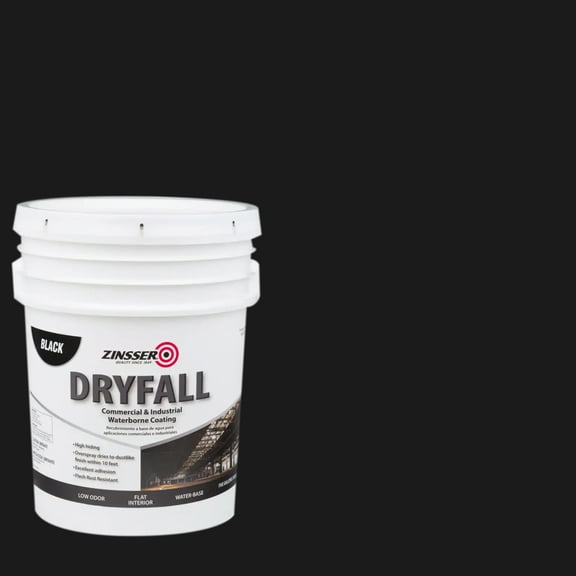

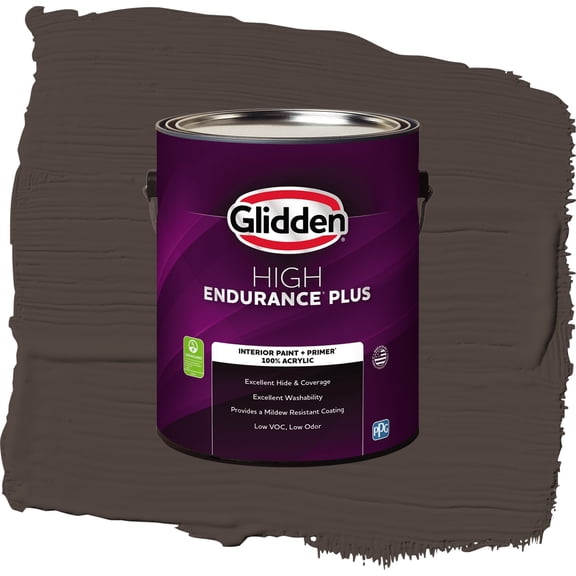


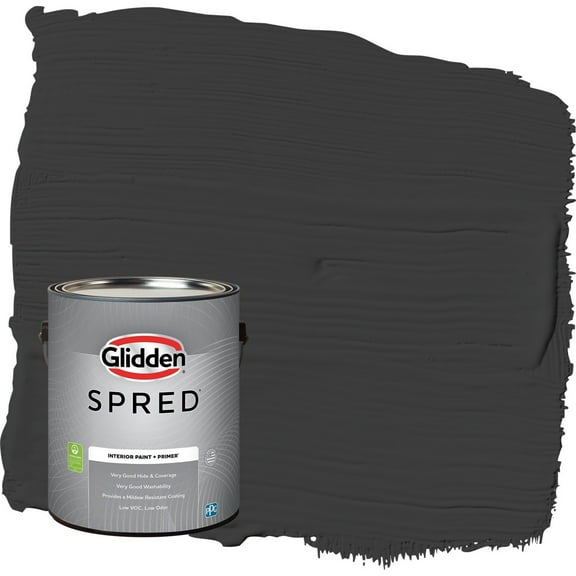


About Black Paint in Paint Colors - Walmart.com
Black paint helps you create bold contrast on walls, cabinets, furniture, and trim. You can compare finishes, paint bases, and container sizes here, so your project feels more precise from the start.
If you're updating a room or refinishing a table, you need black paint that fits your surface and finish goals. You can use this guide to compare matte black paint, interior black paint, and spray options with less guesswork.
Choosing the right black paint finish
Finish type changes how your color looks in daylight, lamplight, and shadows across your space. You should compare matte, flat, satin, semi-gloss, and high-gloss finishes before you choose your final look.
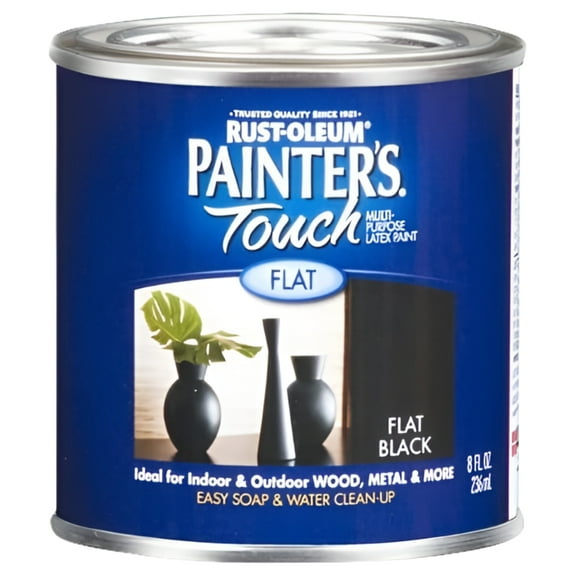
If you want a soft, low-sheen look, matte black paint can give your walls or furniture a velvety appearance. If you want less light reflection, flat finishes can help your black wall paint look deep and understated.
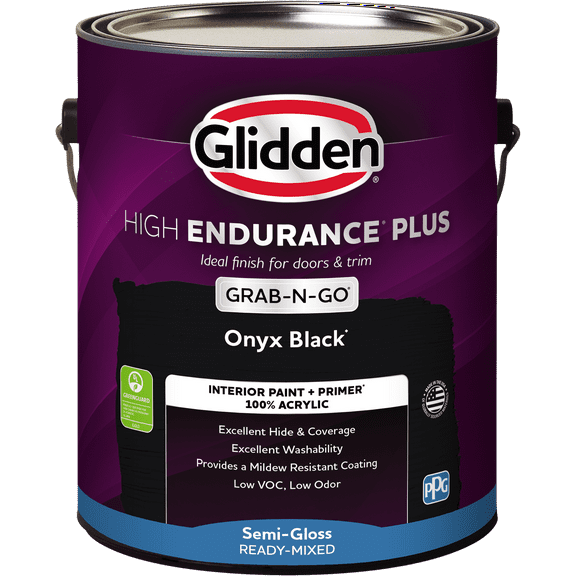
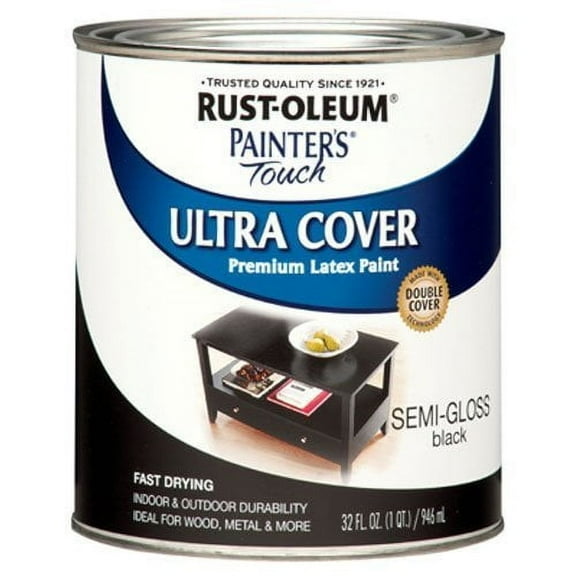
When you need a finish that's easier to wipe, satin can give you a smoother surface with a gentle sheen. If your cabinets or trim get regular touch points, semi gloss black paint can feel more practical.
High-gloss finishes reflect much more light, so you should use them when you want trim, doors, or accents to stand out. You may notice that glossier finishes also reveal more surface texture, so prep matters more.
- You can use matte or flat finishes when you want black walls with a softer, less reflective look.
- You can choose satin when you want a balance between subtle sheen and easier cleanup.
- You can pick semi-gloss or high-gloss when your trim, cabinets, or doors need a sleeker finish.
Comparing application areas and paint bases
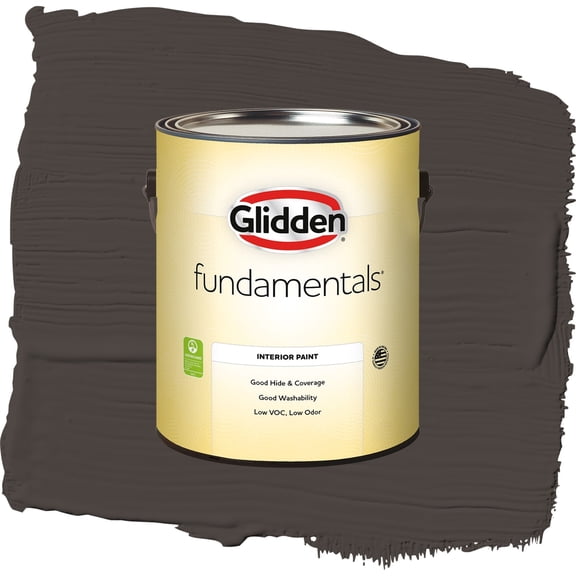
You should match your paint to the area you're covering, because walls, trim, furniture, and cabinets wear differently. If you're painting interior walls, interior black paint can help you focus on color, sheen, and room style.
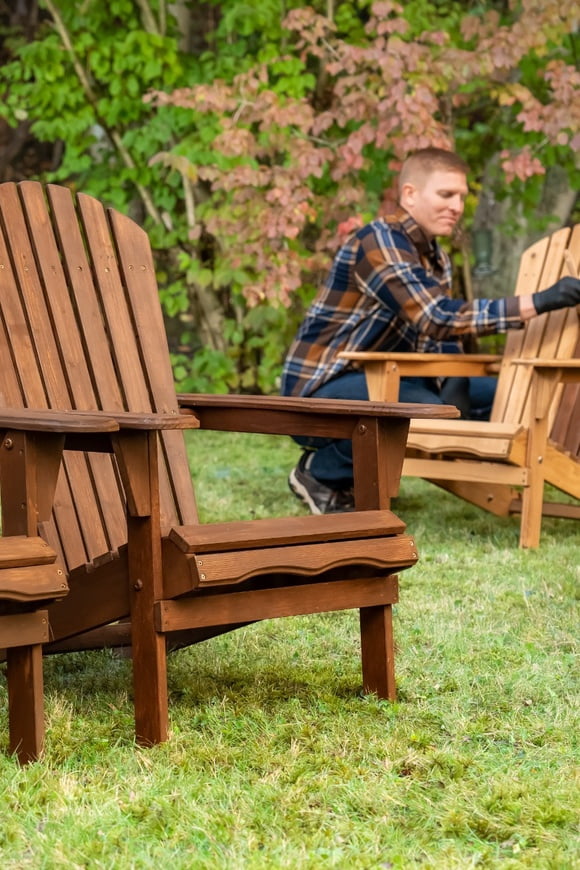
For exterior trim, you should look for formulas designed for outdoor exposure and changing weather. If your project includes shutters, railings, or exterior accents, your finish choice also affects how much light bounces back.
Furniture and cabinets need strong adhesion and a finish that suits repeated handling and frequent cleaning. If you're refreshing a dresser or vanity, black furniture paint and cabinet-ready formulas can support a more polished result.
Paint base matters too, because it affects application, drying feel, and surface compatibility. If you want a common indoor option, acrylic and latex paints can suit many wall and trim projects.
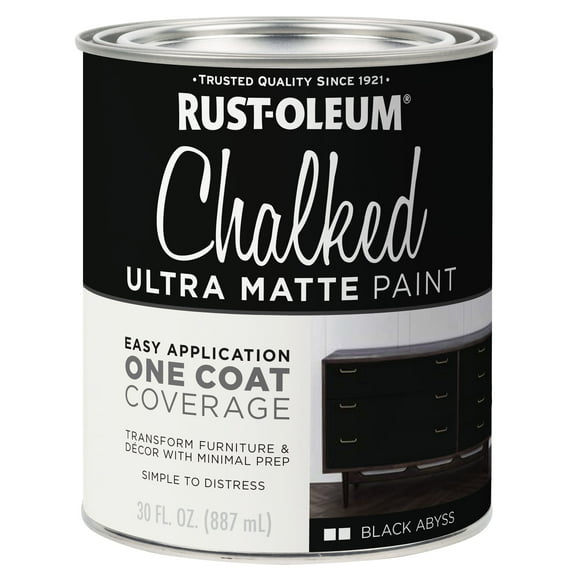
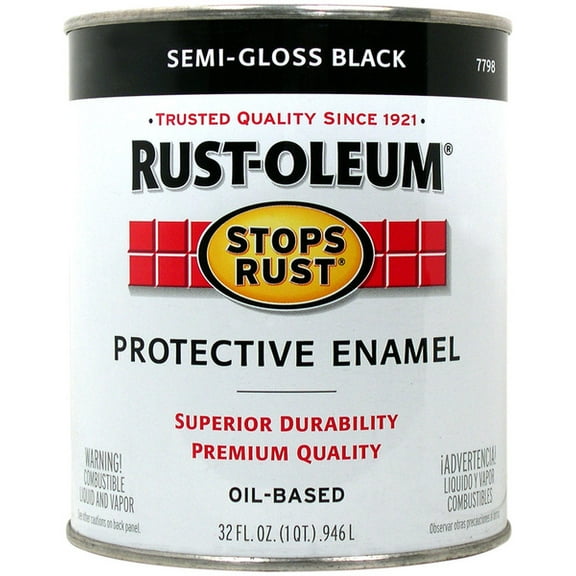
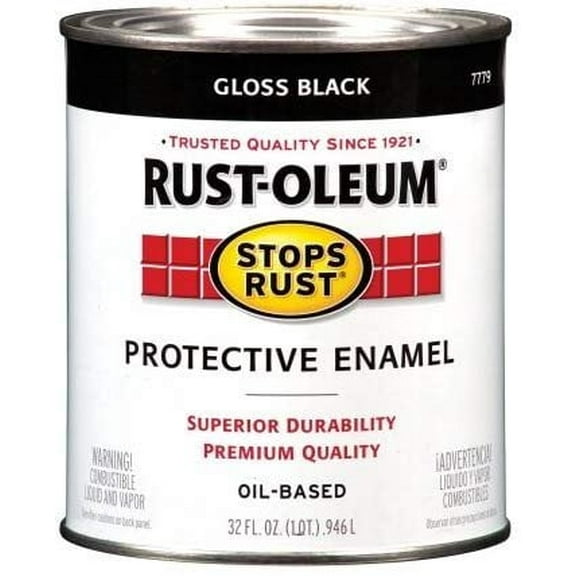
Oil-based options may appeal to you when you're focused on a hard, smooth finish for select surfaces. If you want a chalky, muted look for decorative pieces, black chalk paint can fit painted furniture projects.
What to look for in coverage and surface prep
You should check container size before you start, because coverage needs change with project scale and surface texture. If you're painting a full room, one gallon can make more sense than several smaller containers.
A quart can work well when you're updating a chair, side table, cabinet door, or narrow trim section. If you're handling metal accents, décor pieces, or quick touchups, black spray paint can feel easier to control.
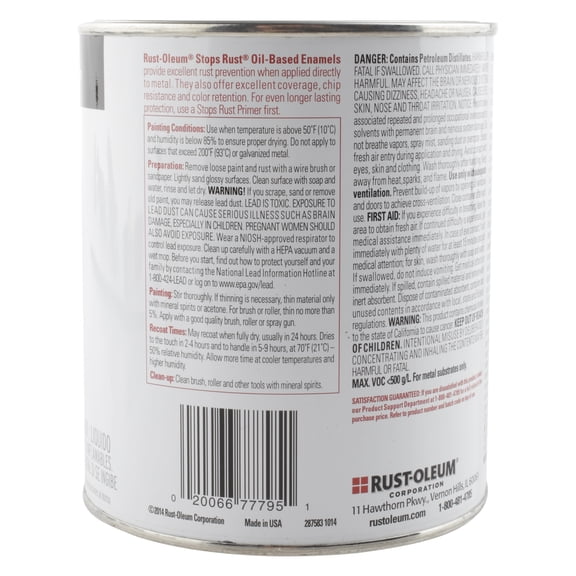
Manufacturers usually list coverage rates in square feet per gallon, and you should compare them before you estimate totals. If your surface is rough or porous, you may need more paint than a smooth primed wall.
Primer can play a big role in dark color projects, especially when you're covering patchy areas or unfinished material. If your surface has uneven color or tricky adhesion, you should check whether the manufacturer recommends a primer.
You may find that black paint looks richer and more even when you clean, sand, and prepare your surface first. If you're switching from a lighter wall color, you should expect your project may need multiple coats.
Matching black paint to real projects
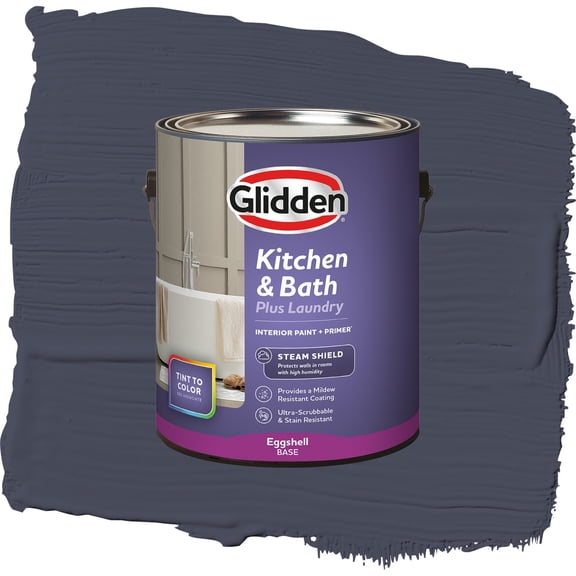
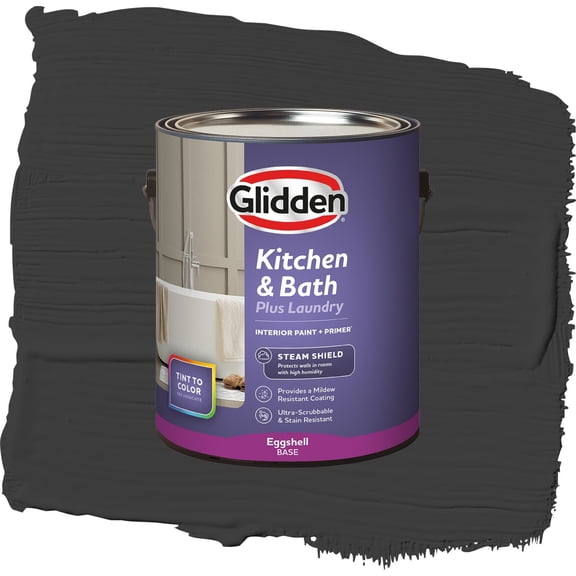
If you're planning an accent wall, black wall paint can create strong contrast behind shelving, artwork, or a bed. You should compare matte and satin finishes based on how much light your room gets.
For a modern dining room or office, you may want interior black paint that looks deep without strong reflection. If your walls show texture, flatter finishes can help the surface read more softly.
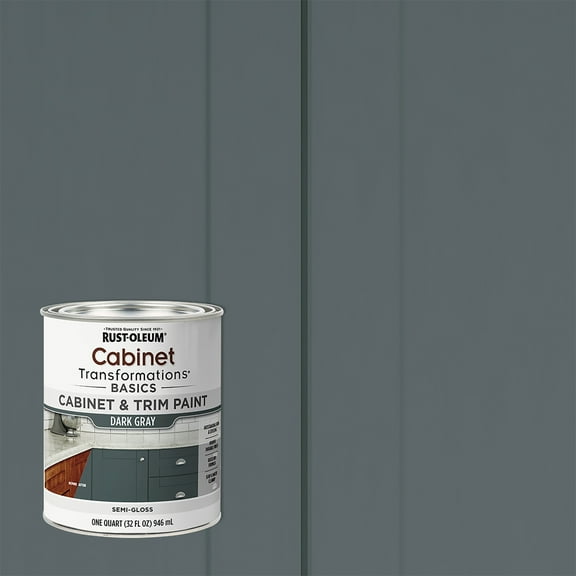
If you're painting cabinets, you should compare satin and semi-gloss finishes for easier wipe-downs and a cleaner-lined appearance. You may also want to check drying times, because cabinet projects often involve several doors and drawers.
Furniture updates call for a different approach, especially when you're changing a wood side table, stool, or bookcase. If you want a vintage-inspired finish, black chalk paint can suit layered or distressed decorative looks.
Smaller projects often work well with spray formats, especially when you need even coverage on curves, legs, or hardware. If you're refinishing planters, frames, or metal stools, black spray paint can simplify detailed areas.
Outdoor trim projects need a formula made for exterior use and a finish that supports your home's style. If you're painting shutters or railings, you should compare sheen, coverage, and surface prep before you begin.
How black paint helps you finish with confidence
You can narrow your choice faster when you compare finish, application area, base, and container size together. If you match those details to your surface, your black paint project can look more even, intentional, and lasting.